
Intrinity Divers
★ 5/5 (508 reviews)
66 km away as the crow flies
Seminyak · Indonesia · Asia
Max. depth · 40 mDescend along Amed Wall to discover sloping reefs and steep drop-offs, where strong currents sometimes invite drift dives and hammerhead sightings.
For subtitles in English: start the video firstthen click the gearat the top right of the video, select “Subtitles/CC”, then “Auto-translate” and choose “English”.
Amed Wall unfolds as a dynamic dive site, starting with a gently sloping reef that transforms into a pronounced mini-wall and then a significantly steeper drop-off. The topography extends down to 40 metres, offering structural complexity that appeals to diverse marine life. This gradient in the reef profile means your dive will move through different habitats, from a shallower, lighter zone to the more dramatic, deeper sections of the wall.
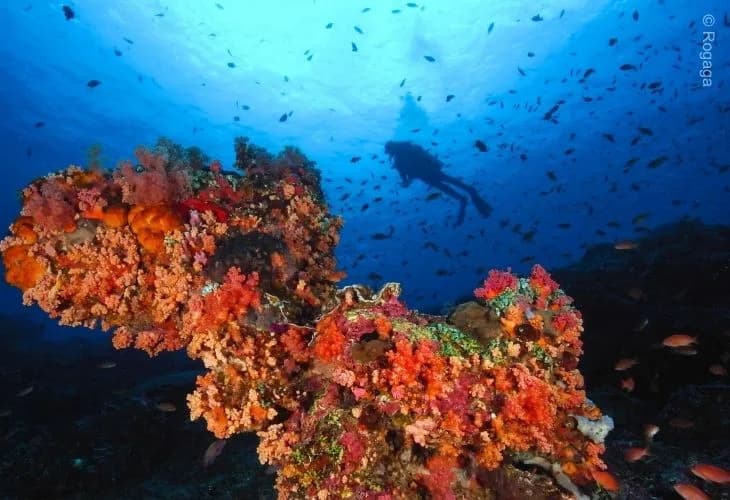
The dive begins from a traditional 'Jukung' boat, often positioning you to explore the initial slope that, in places, features artificial reefs or 'pyramids'. As you move towards the main wall, the reef structure becomes more defined, presenting an impressive vertical face. This exposed aspect of the wall makes for excellent coral growth, showcasing a variety of hard and soft corals that cling to its contours, creating a colourful backdrop.
Currents at Amed Wall are a defining characteristic and can shift from occasional and moderate to genuinely strong, influencing your dive plan. When the current picks up, particularly during tidal changes, the site transforms into a drift dive. This variability means you should be prepared for potential changes in direction and intensity, requiring attentive depth control, especially around the steeper sections of the drop-off.
The marine life here includes schooling species such as bannerfish, snapper, and fusilier, moving in large groups along the wall face. The healthier coral sections also host numerous smaller reef fish. Keep an eye on the open water for pelagic encounters; black-tip reef sharks (Carcharhinus melanopterus) and white-tip reef sharks (Triaenodon obesus) are present, sometimes accompanied by larger pelagics.
Around the deeper parts of the wall, particularly below 35 metres, the environment becomes richer in invertebrates like crinoids, which often host commensal organisms. This deeper profile means that for experienced divers, there's an opportunity to explore a less disturbed ecosystem. You might also spot larger individuals such as Napoleon wrasse (Cheilinus undulatus), giant trevally (Caranx ignobilis), or even occasional tuna (Thunnus) or manta rays (Manta birostris) in the blue.
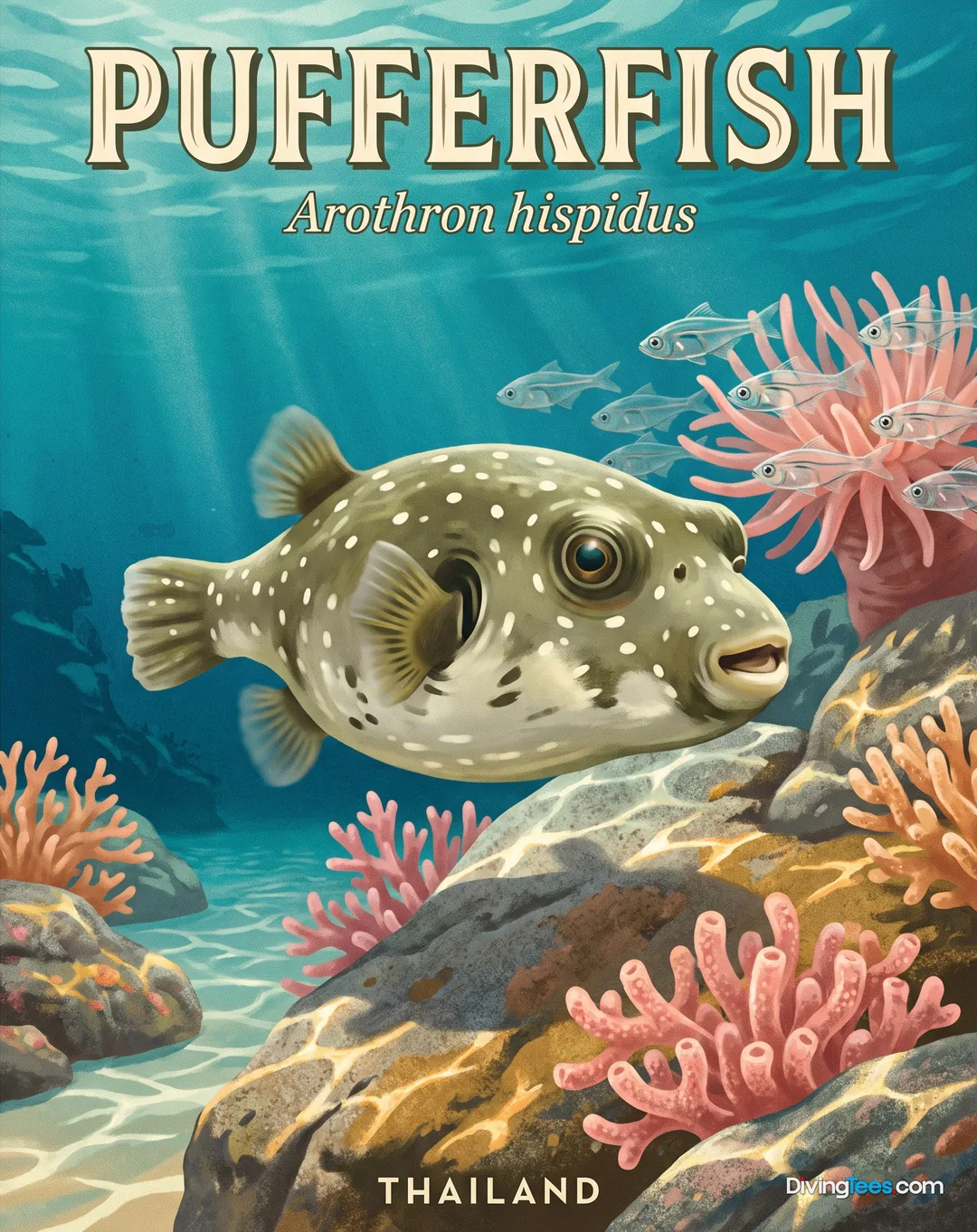
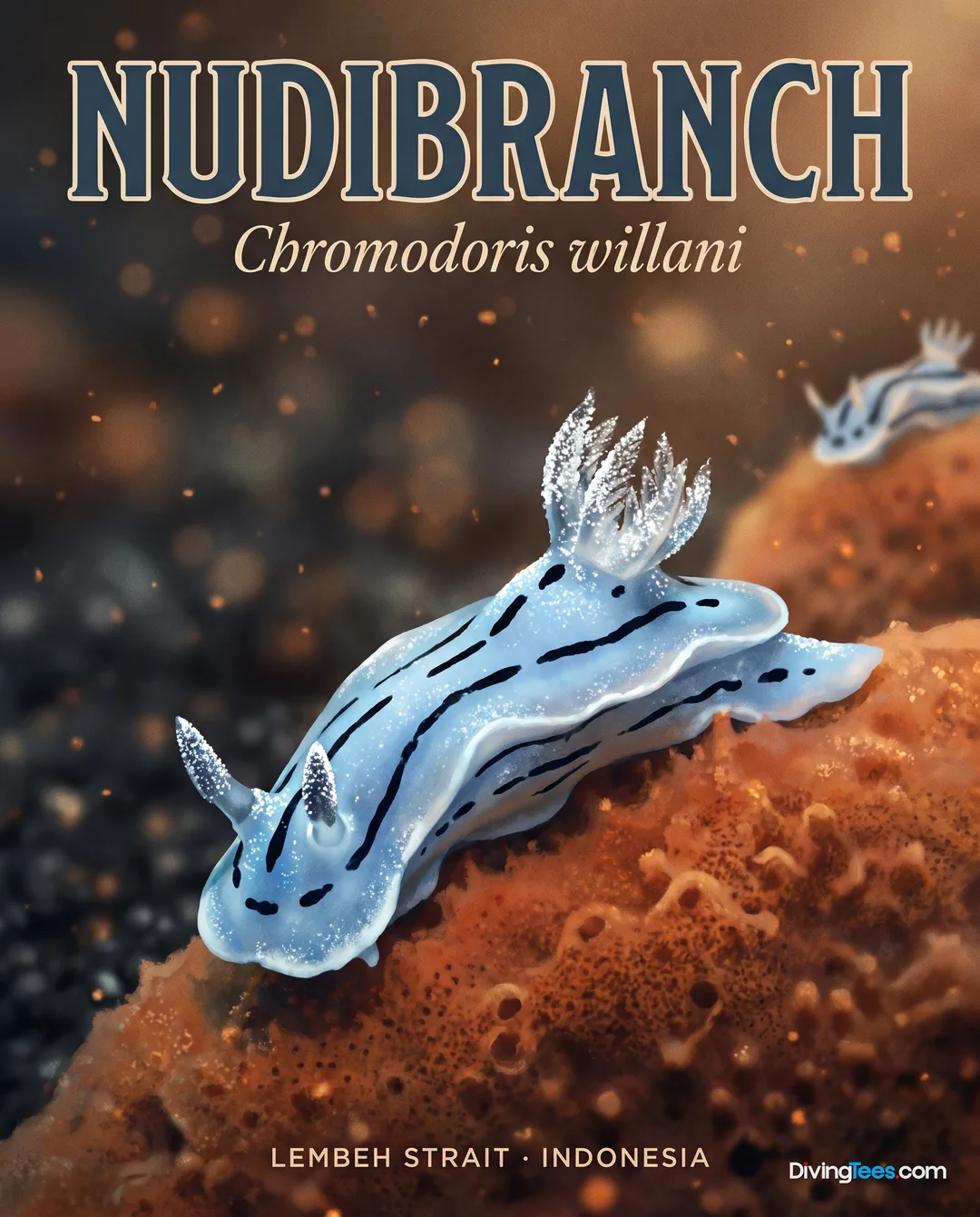
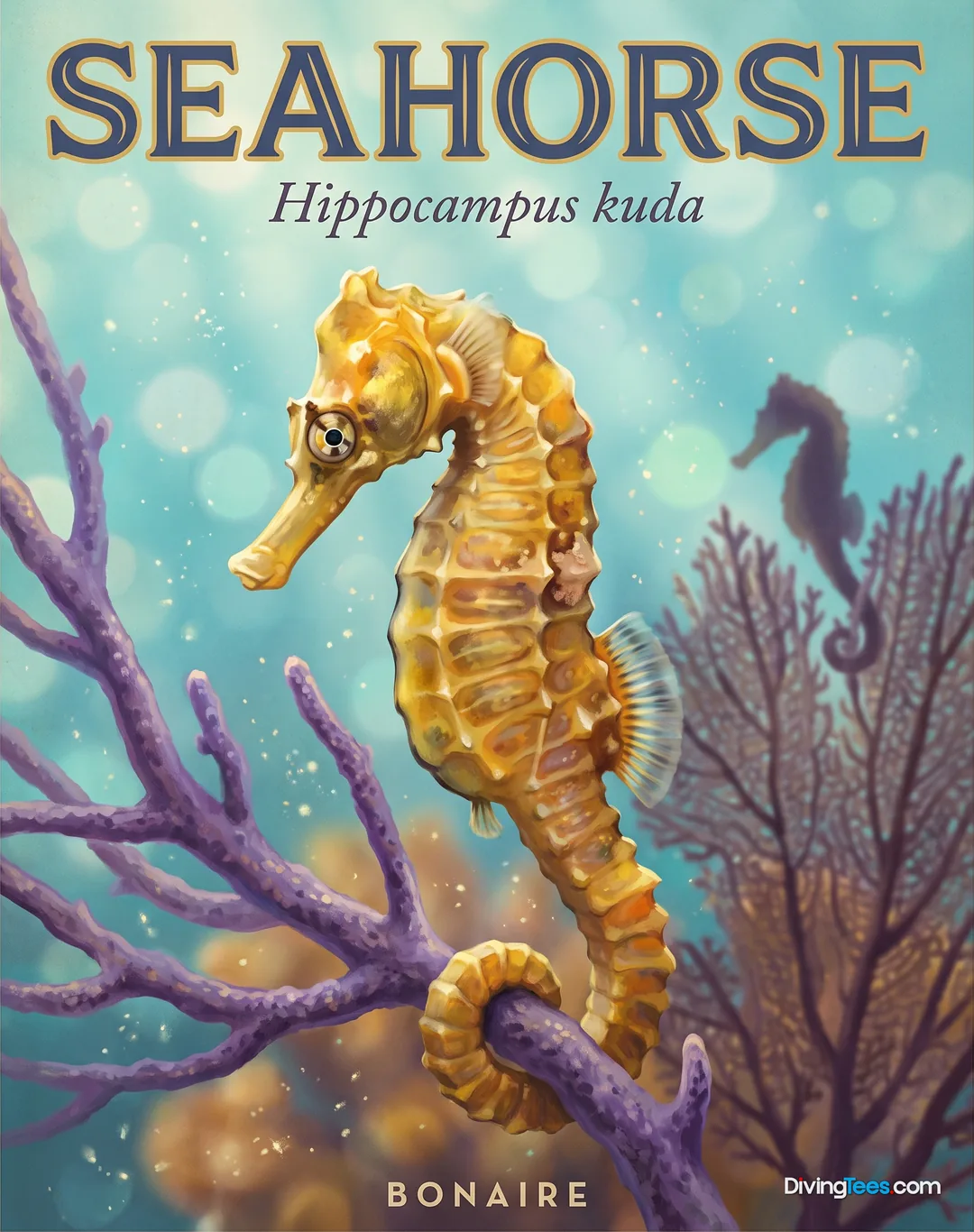
Beyond the general reef inhabitants, specific macro life thrives in the crevices and sheltered areas of the wall. Pygmy seahorses (Hippocampus bargibanti) can be found camouflaged among gorgonians, and a variety of nudibranchs explore the coral surfaces. Other creatures like giant pufferfish (Tetraodontidae), turtles (Cheloniidae), and moray eels (Muraenidae) are also regularly encountered, adding to the site's biodiversity. Blue-spotted stingrays (Neotrygon kuhlii) are also seen in the shallower areas before the main wall.
What sets Amed Wall apart is its combination of detailed reef structures and exposure to open ocean elements. The varying current, coupled with the abrupt change from a sloping reef to a deep wall, demands a certain level of awareness and makes for a more engaging dive. This varied topography supports both the large schools of fish moving along the wall and the smaller, more cryptic species nestled within the coral, offering a comprehensive experience. The potential for encounters with both common reef dwellers and larger pelagics confirms its reputation among local divers.
Depths at Amed Wall range between 5 and 40 metres, with the deeper sections beyond 35 metres. The current can be moderate but frequently becomes strong, particularly during tidal shifts, making it suitable for drift dives. An experienced diver level is recommended due to the potential for stronger currents and the deeper profiles; at least 50 logged dives are advisable for managing these conditions. Occasional currents are noted in the deeper sections, requiring constant depth and buoyancy monitoring.