
Intrinity Divers
★ 5/5 (508 reviews)
68 km away as the crow flies
Seminyak · Indonesia · Asia
Max. depth · 50 mNavigate the 'Selang Express' at Bali's easternmost point, where oceanic currents bring pelagic encounters to a reef rich with hard and soft corals.
Gili Selang is a small islet marking the easternmost point of Bali, and it stands directly in the path of the powerful 'Thru Flow' currents entering the Lombok Strait. This geographical position shapes the entire dive experience, creating varied conditions and attracting a diverse range of marine life. The site is best approached by traditional local boats, known as jukung, from nearby areas like Amed or Padangbai. You'll typically find yourself descending along a sloping reef that gives way to dramatic walls, with depths ranging down to 40 meters or more.
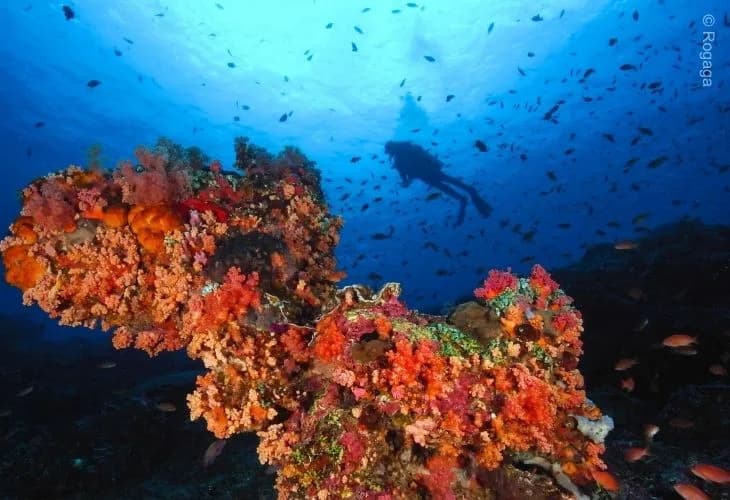
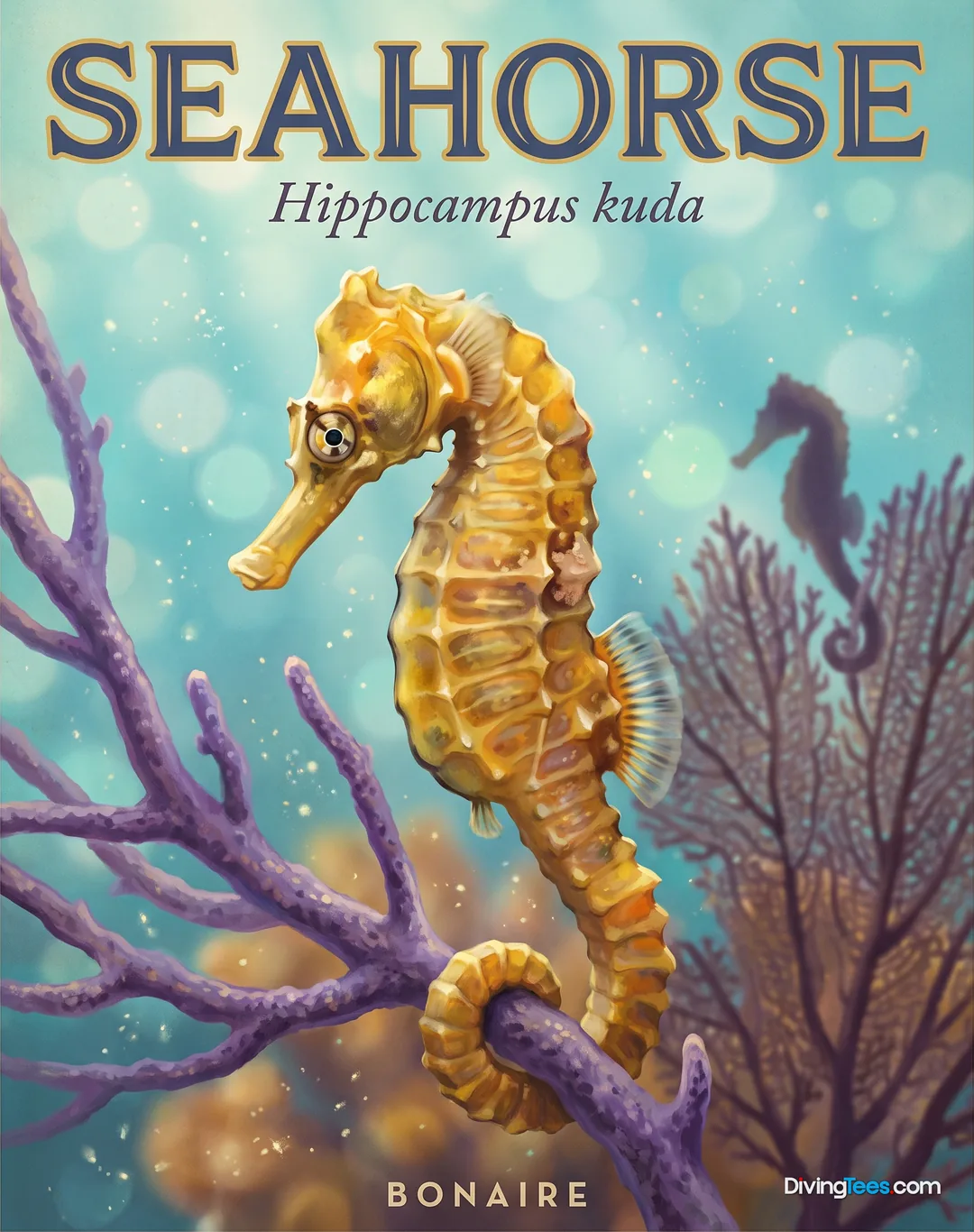
The topography of Gili Selang offers distinct dive zones. Inside the bay, particularly on the north-west side (Labuhan Kutumanak), you can find more sheltered areas with vibrant coral gardens covering large bommies. This section is shallower, generally staying above 20 meters, and presents a rich macro environment alongside healthy hard and soft corals. It's a place to observe reef-dwelling species, from nudibranchs and pygmy seahorses to schools of reef fish, without the full force of the offshore currents.
Moving outside the immediate protection of the bay, the character of the dive shifts dramatically. The currents intensify, especially around the prominent cap of the island, creating what local divers refer to as the 'Selang Express'. Here, the reef slope transforms into a vertical wall, extending to significant depths. This is predominantly a drift dive, where the current becomes the primary driver of your underwater journey, demanding precise buoyancy control and a solid understanding of current diving techniques.
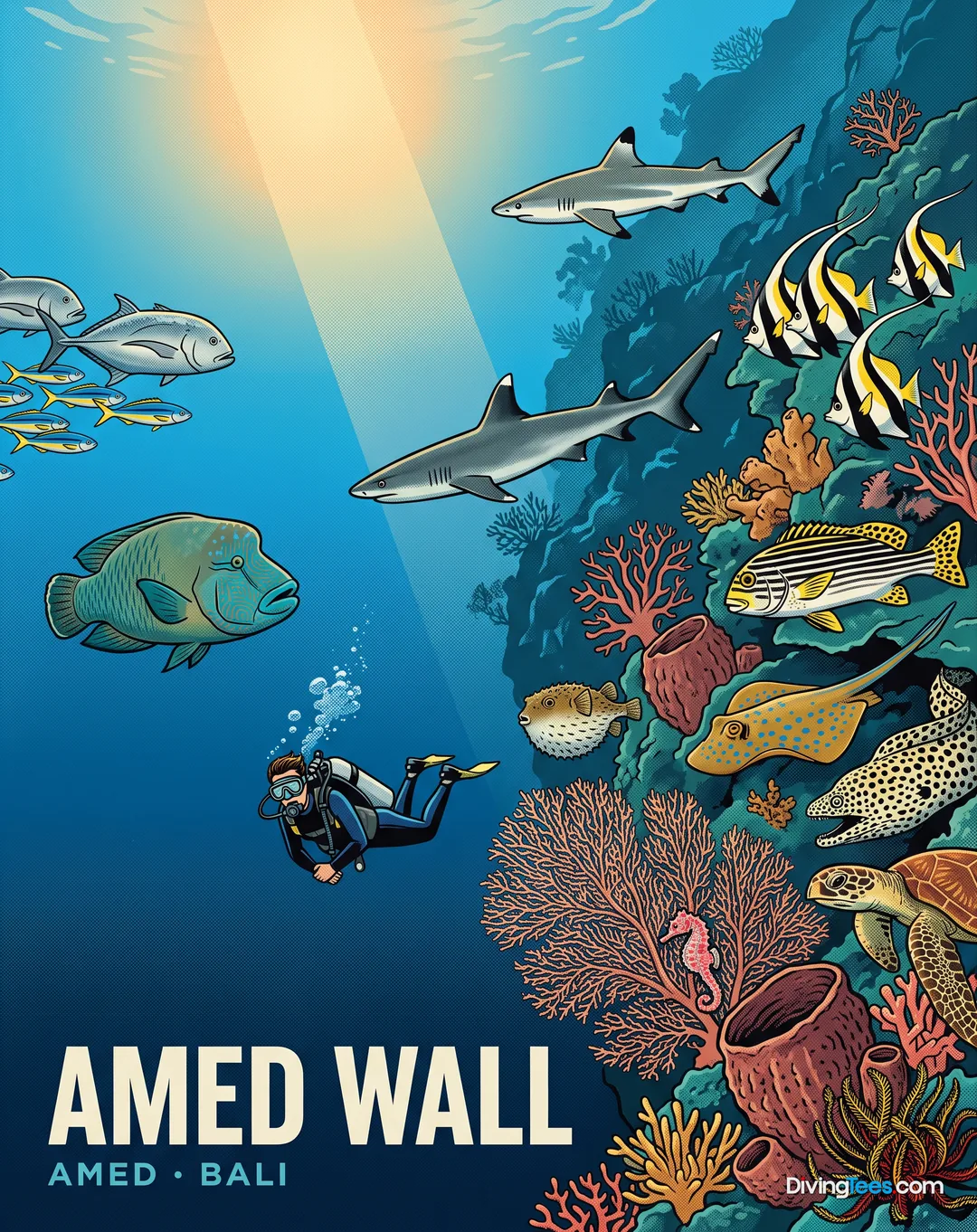
The more exposed sections and deeper areas around Gili Selang are renowned for attracting larger pelagic species. White-tip reef sharks (Triaenodon obesus) and black-tip reef sharks (Carcharhinus melanopterus) are commonly seen, often resting under coral formations or patrolling the reef edge. The strong currents also bring in larger predators such as barracudas, tuna, and various jacks, including giant trevally (Caranx ignobilis), which cruise the blue in schools.
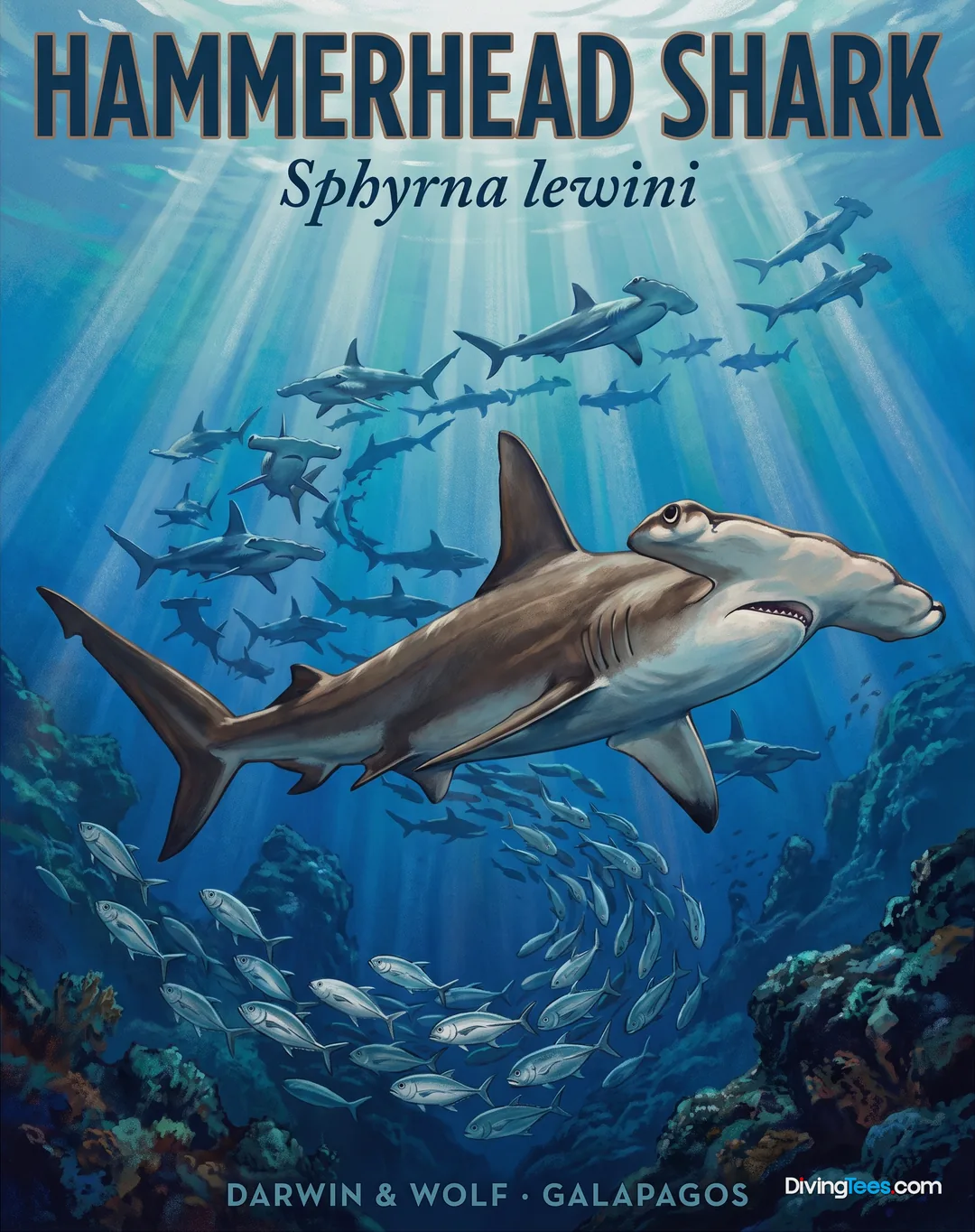
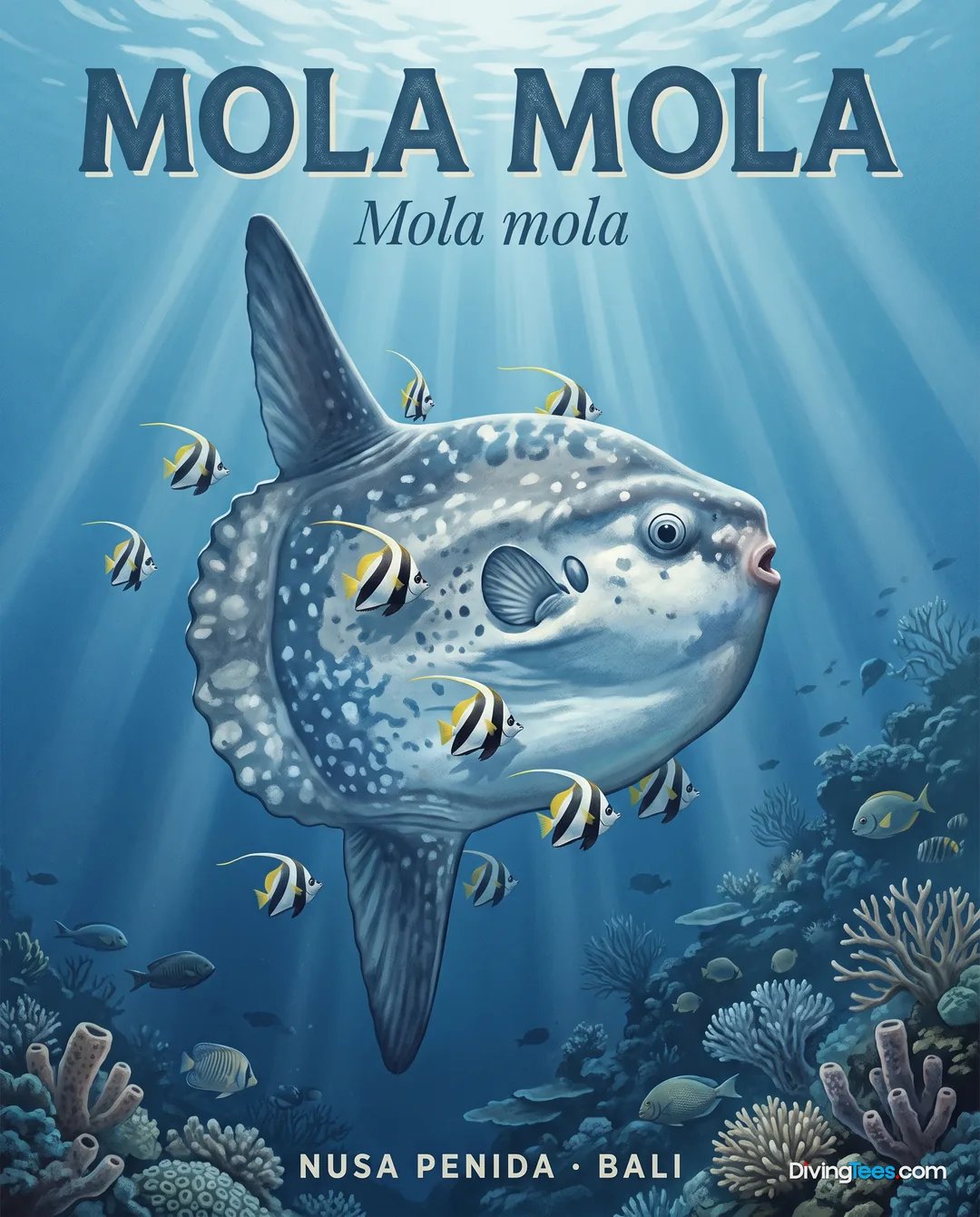
Encounters with other significant marine life are a highlight here. Turtles, particularly the hawksbill turtle (Eretmochelys imbricata), are resident on the reefs. Depending on the season and prevailing conditions, there’s a chance to spot hammerhead sharks (Sphyrna lewini) and even the elusive Mola-Mola (Mola mola), especially during the cooler upwelling months. These larger animals are drawn to the nutrient-rich currents that sweep past the islet.
Coral growth at Gili Selang is particularly rich, featuring extensive hard and soft corals. You’ll see large tabular Acropora species dominating some reef sections, alongside healthy bommies. The sheer size of the coral formations here often reflects the strong currents they withstand, as they are constantly fed by particle-rich waters. This density of coral life provides crucial habitat for the diverse fish populations and smaller invertebrates of the reef.
Visibility at Gili Selang can often exceed 25 meters, providing clear views of the expansive reef structure and incoming pelagics. However, with strong currents comes the potential for variable conditions, including thermoclines and shifts in water clarity. Managing your dive profile and monitoring gas consumption are critical, especially when navigating the more dynamic sections of the 'Selang Express' where currents can reach considerable speeds. The dive often concludes by finding shelter in the shallower southern cove of the islet.
Diving at Gili Selang is for advanced divers only, requiring a minimum of Advanced Open Water Diver certification and at least 50 logged dives, with prior drift diving experience being essential. Depths range from 7 meters to 40 meters, though depths of up to 50 meters are mentioned on the eastern side. Visibility typically exceeds 25 meters, but can vary with strong currents, which range from mild inside the protected bay (not deeper than 15-20m) to vicious around the islet, necessitating careful planning. The best period for diving is generally during the dry south-east monsoon from April to November; avoid diving four days before and after a full moon due to increased current intensity.