Liveaboards · Philippines
Dolphin Philippines — a seasoned dive liveaboard built around the water
What makes this boat unique
- The Dolphin is a 31-metre steel-hulled liveaboard built in 1996 and renovated in 2017.
- Nine cabins accommodate up to 18 passengers, with private bathrooms and air conditioning throughout the cabin spaces.
- Divers use two skiffs, a shaded dive area, DIN adaptors, rinse tanks and a dive platform.
- Routes cover Verde Island, Puerto Galera, Apo Reef, Coron and Tubbataha, with trips lasting seven or nine days.
- Full-board meals, non-alcoholic drinks, tea, coffee, snacks and welcome cocktails are included.
The invitation
The Dolphin is for divers who want the Philippines to stay at the centre of the trip. It is a dedicated dive boat rather than a resort that happens to carry tanks, with a layout built around a lower-deck dive centre and two skiffs waiting outside. That matters on a remote itinerary: divers move from cabin to briefing to skiff without turning the day into a logistical exercise. The boat has been working since 1996 and was renovated in 2017, so its appeal is not novelty. It is the accumulated practicality of a vessel that has carried thousands of divers to Tubbataha and still gives the upper deck over to shade, sun, tables and a barbecue. Choose it for access to routes that join Anilao, Puerto Galera, Apo Reef, Coron and Tubbataha, with the right equipment for recreational, technical, sidemount and rebreather diving. The reward is a week shaped by the sites, not by a hotel-style entertainment programme.
Boarding
The Dolphin makes its character clear before the first briefing: a working steel-hulled dive vessel, with the dive centre on the lower deck and skiffs ready at the mid-ship doors. The arrangement keeps the practical part of the trip close at hand. The kitchen and dining room share that lower level, while the middle deck adds cabins and a small lounge. Above, the open deck holds loungers, tables, shade and the barbecue area. There is no need to cross a large resort-style interior to reach the water. The 2017 renovation matters because this is an older boat whose value lies in continued use, not a glossy new-build feel. The layout is simple, and passengers quickly learn where the dive gear, meals and open air are. With a maximum of 18 guests, the boat remains small enough for the people on deck to become familiar faces rather than a crowd passing through.
The atmosphere on board
The atmosphere is informal and strongly dive-led. English is the working language, and the crew's role is practical: helping passengers through the boat and skiff operation while leaving each diver responsible for their own gear. That distinction is worth keeping clear on a liveaboard; assistance is available, but personal equipment still needs to be prepared and checked by its owner. The air-conditioned dining room gives the group a shared centre, while the upper deck spreads people out after a dive. With room for 18 passengers, the same faces return at meals, briefings and the bar, and the group tends to form through repetition rather than organised entertainment. Evenings can stay quiet over a drink or move outside for the barbecue and music. Several staff members have medical and emergency training, adding useful reassurance on remote routes without turning the boat into a medical facility.
The sites you’ll dive
The routes range from seven days and six nights to nine days and eight nights. Anilao–Verde Island–Puerto Galera links Verde Island's biodiversity-rich reefs to the silt slopes of Buceo Point, which reach -20m and are suited to macro searches for frogfish, nudibranchs, seahorses, pipefish and ghost pipefish. Verde Island itself reaches -38m; its reef life includes tuna, jacks, anthias, gorgonian fans, basket sponges and morays. The Verde Island drop-off is a near-vertical wall to -30m, with fusiliers, mackerel, sea snakes and hawksbill turtles. Puerto Galera adds West Escarceo at -30m, Monkey Beach at -35m, Sinandigan Wall at -40m, Dungon Wall at -35m, Canyons at -35m and Giant Clams at -18m. The Anilao–Apo Reef–Coron route reaches Apo Reef at -40m, Barracuda Lake at -40m, Akitsushima at -38m, Okikawa Maru at -26m and Kogyo Maru at -36m. Other departures run Apo Reef–Coron–Tubbataha for nine days and Tubbataha from Puerto Princesa for seven days.
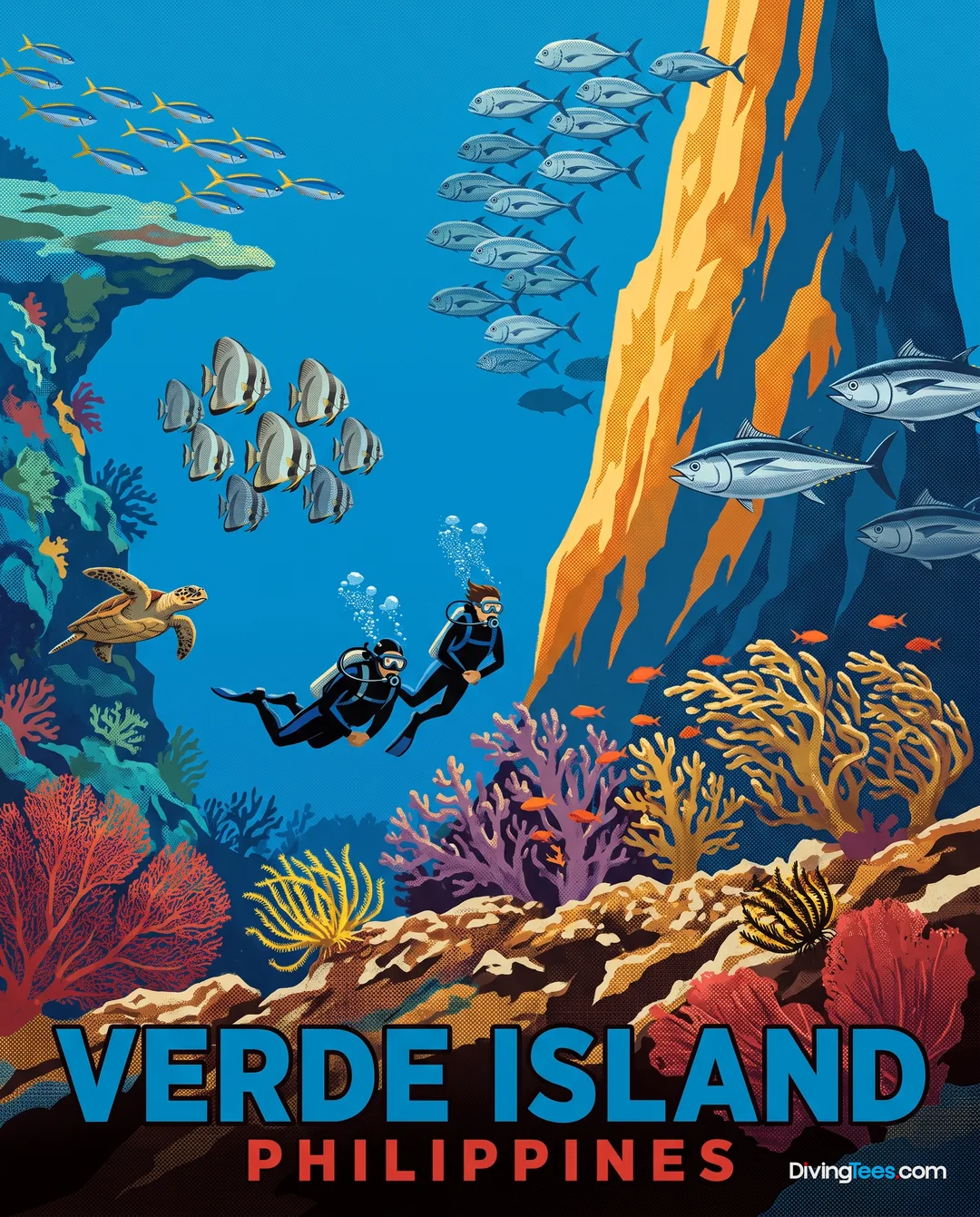
Verde Island →
Max. depth · 38 m
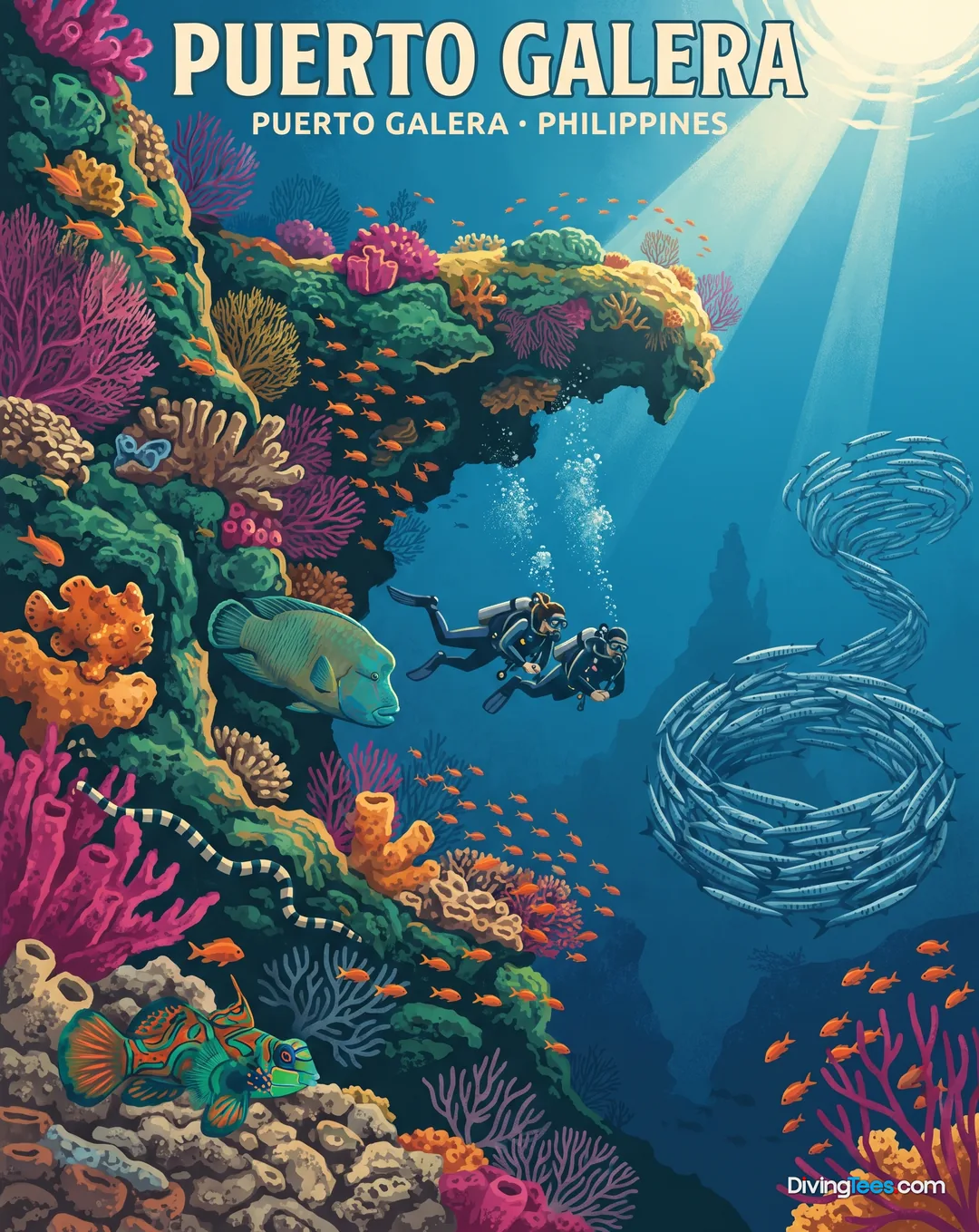
Puerto Galera →
Max. depth · 35 m
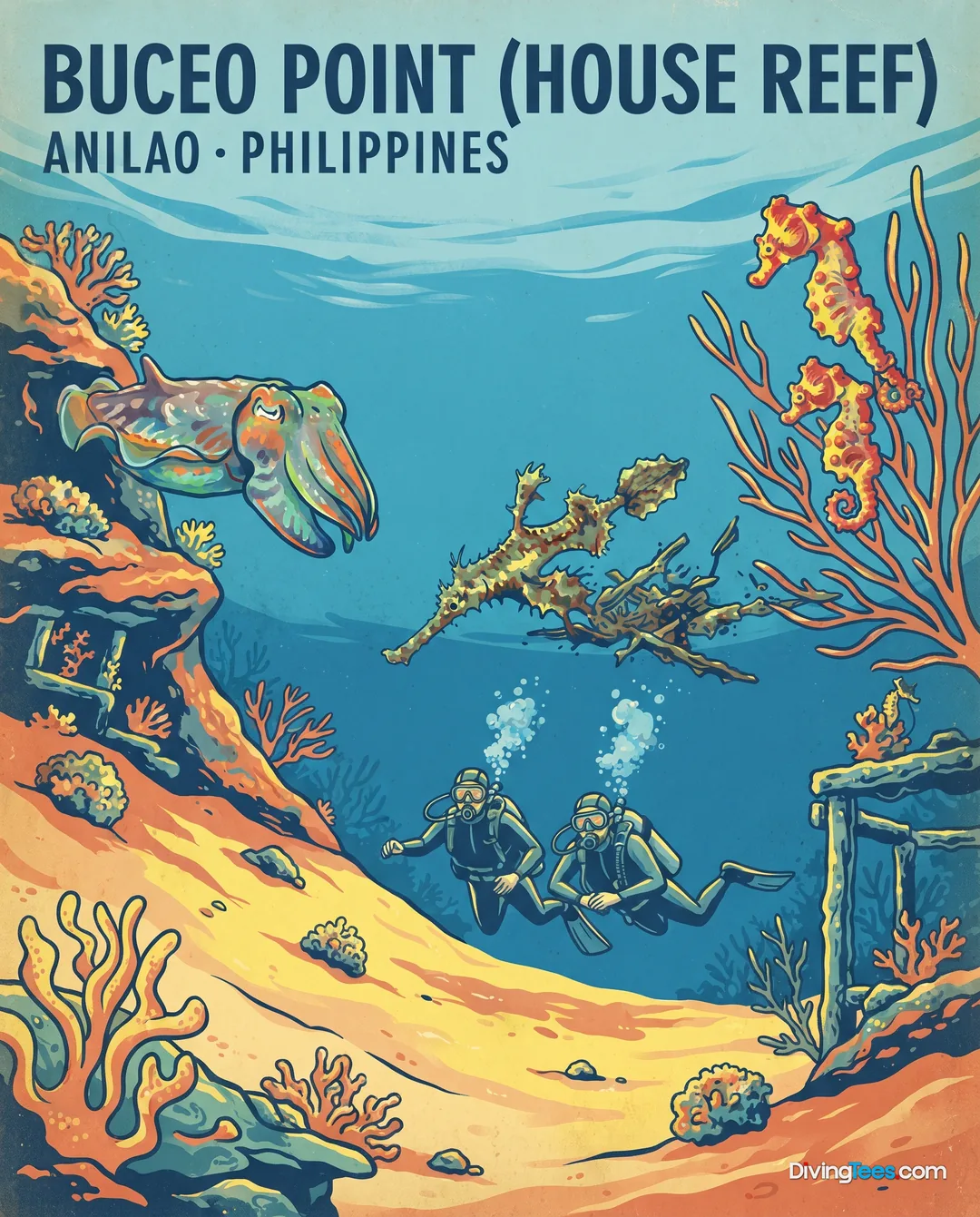
Buceo Point →
Max. depth · 20 m
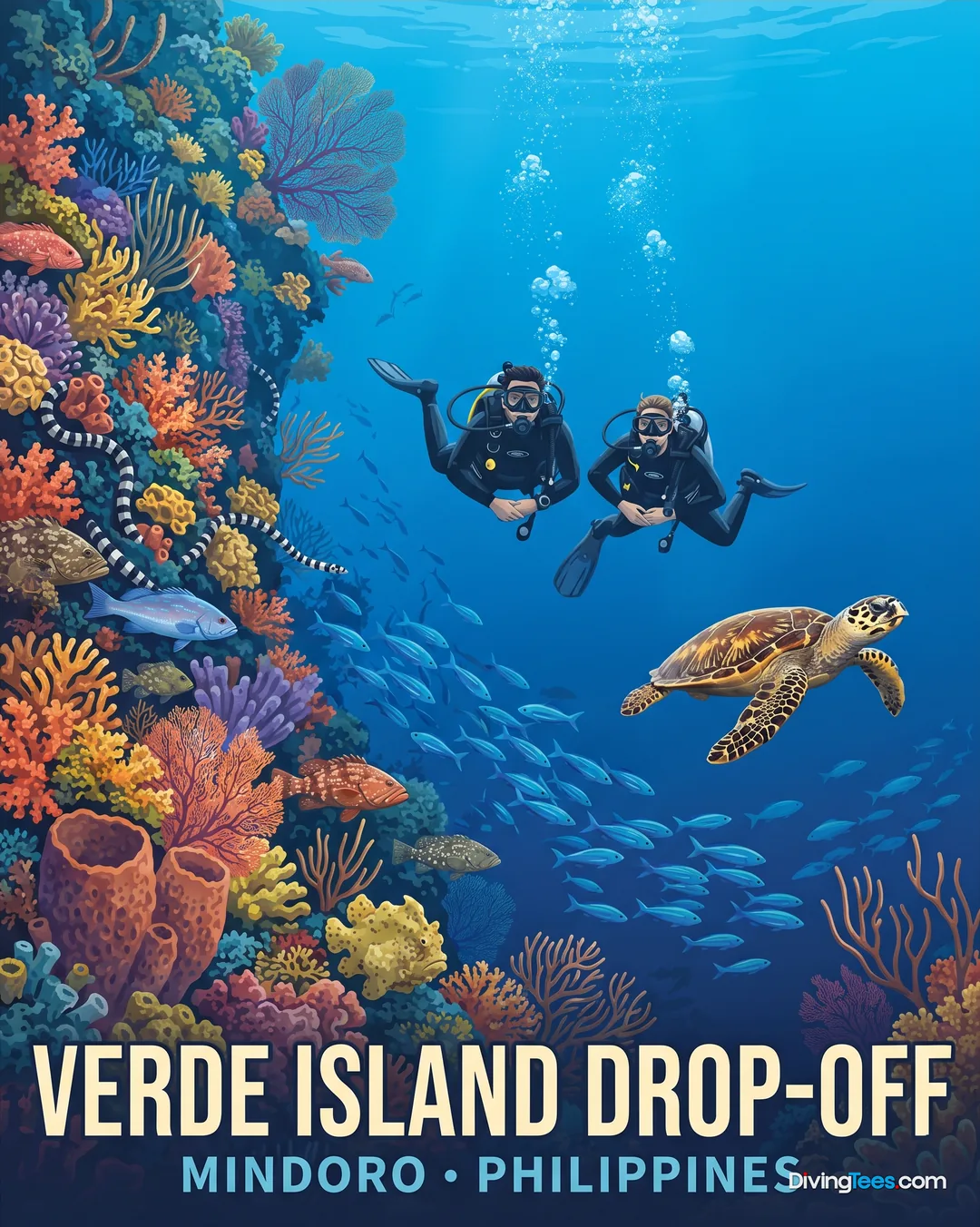
Verde Island drop-off →
Max. depth · 30 m
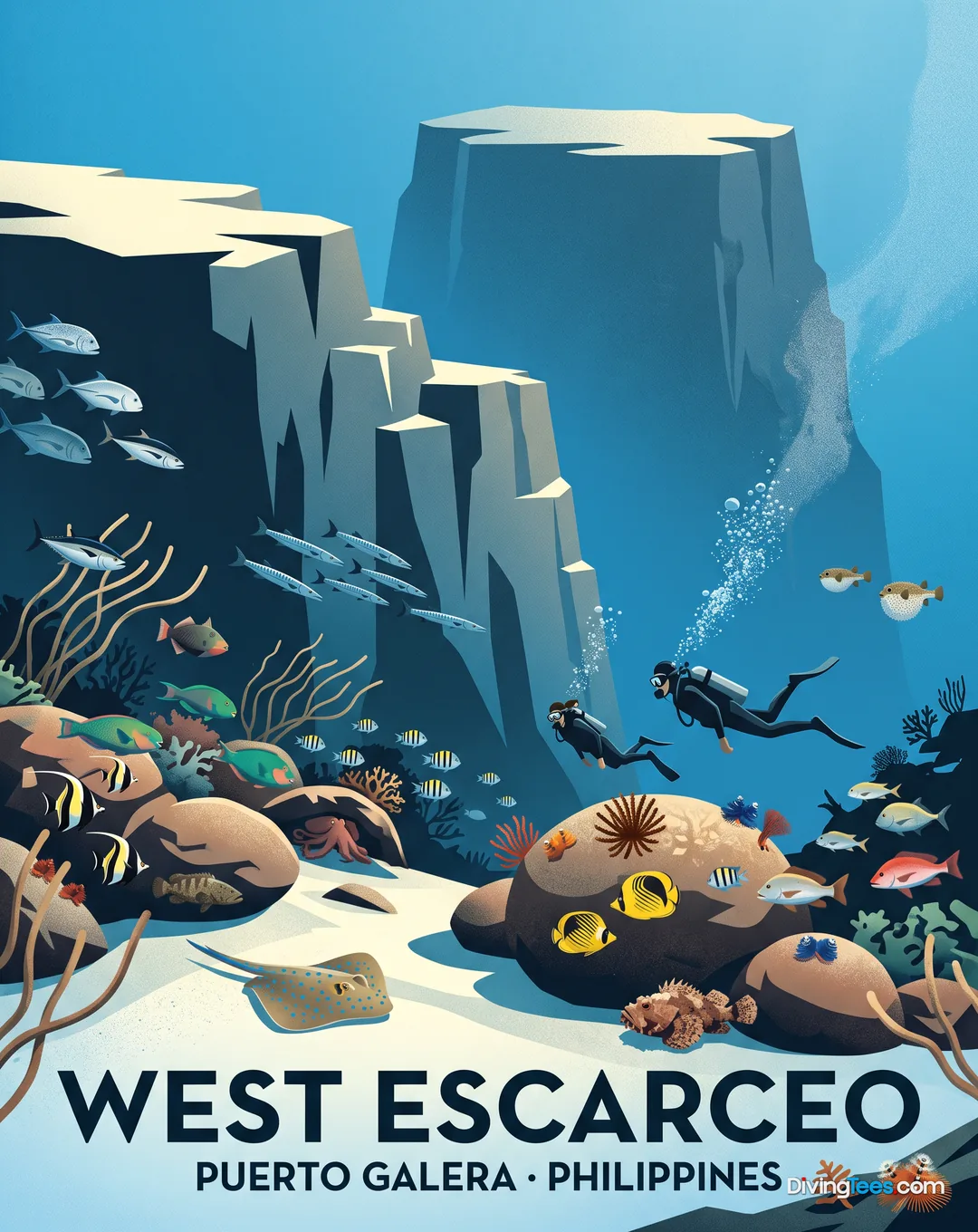
West Escarceo →
Max. depth · 30 m
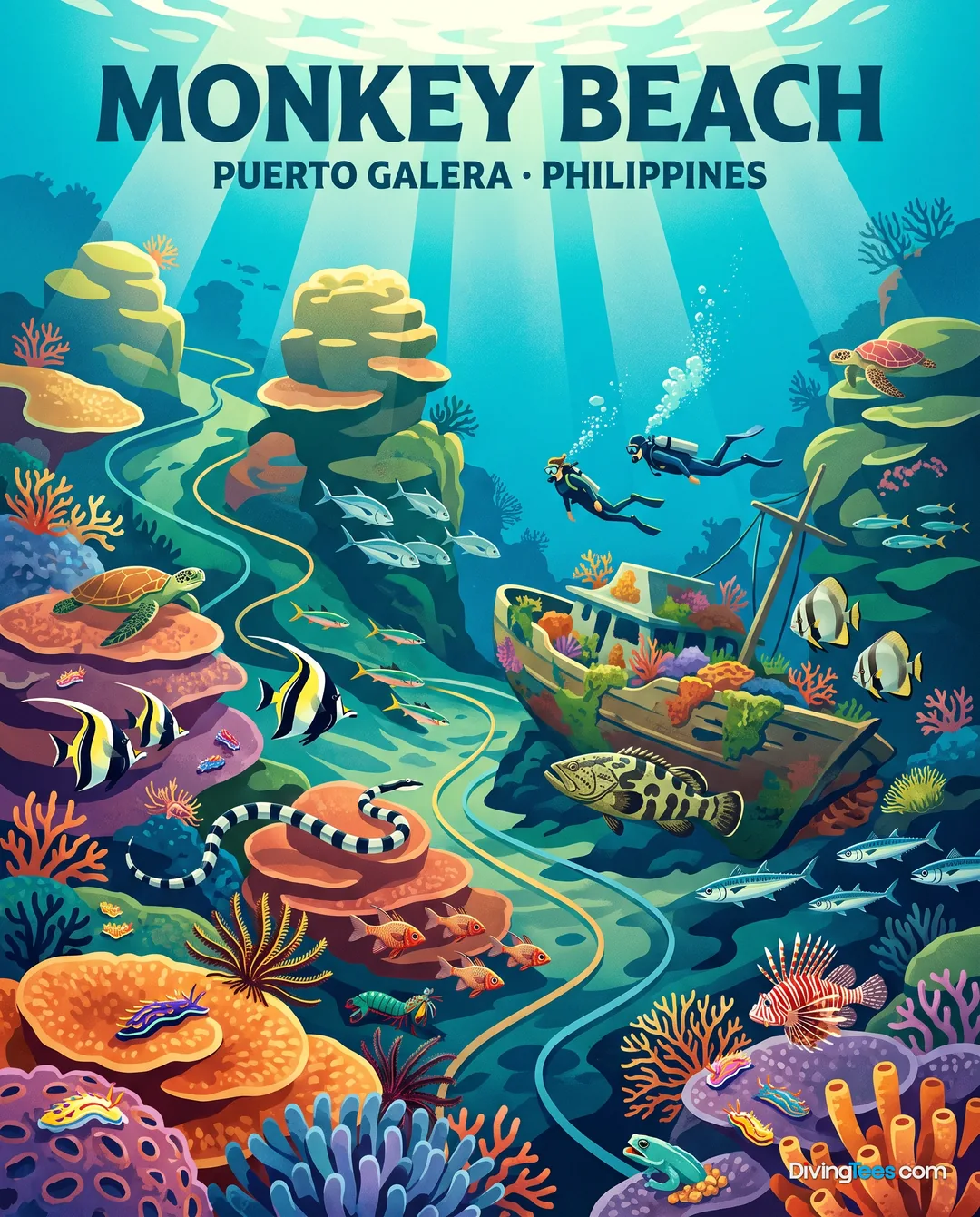
Monkey Beach →
Max. depth · 35 m
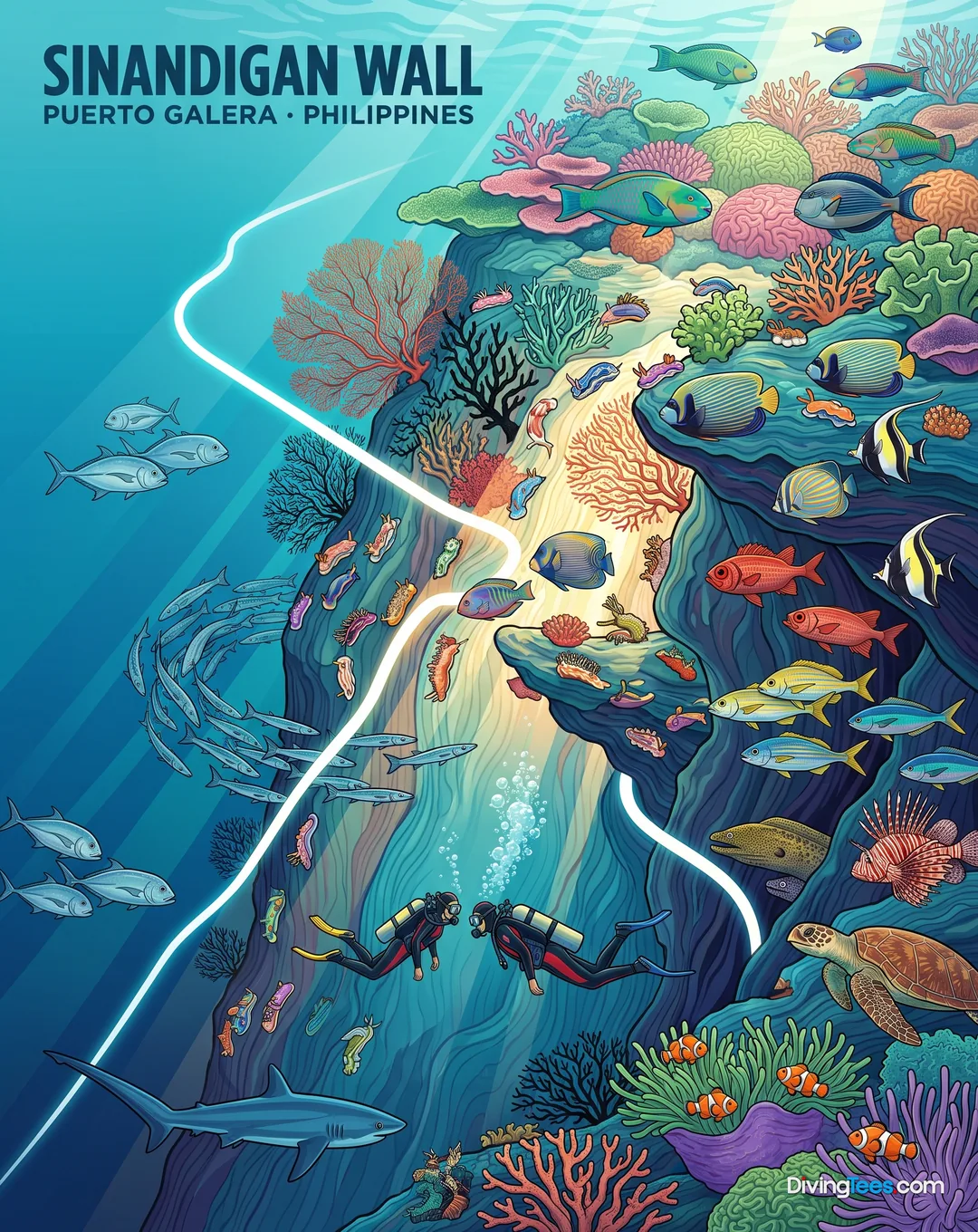
Sinandigan Wall →
Max. depth · 40 m
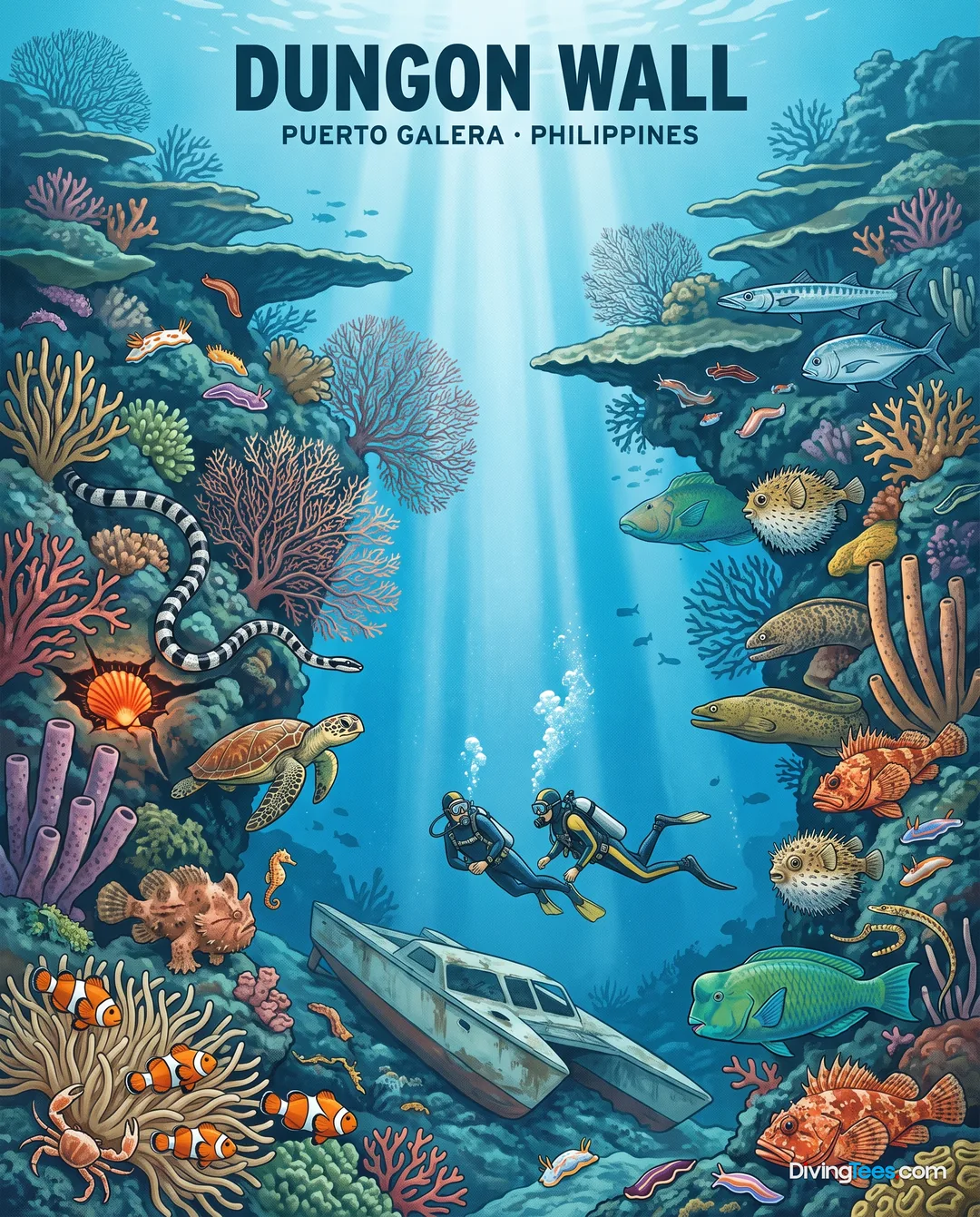
Dungon Wall →
Max. depth · 35 m
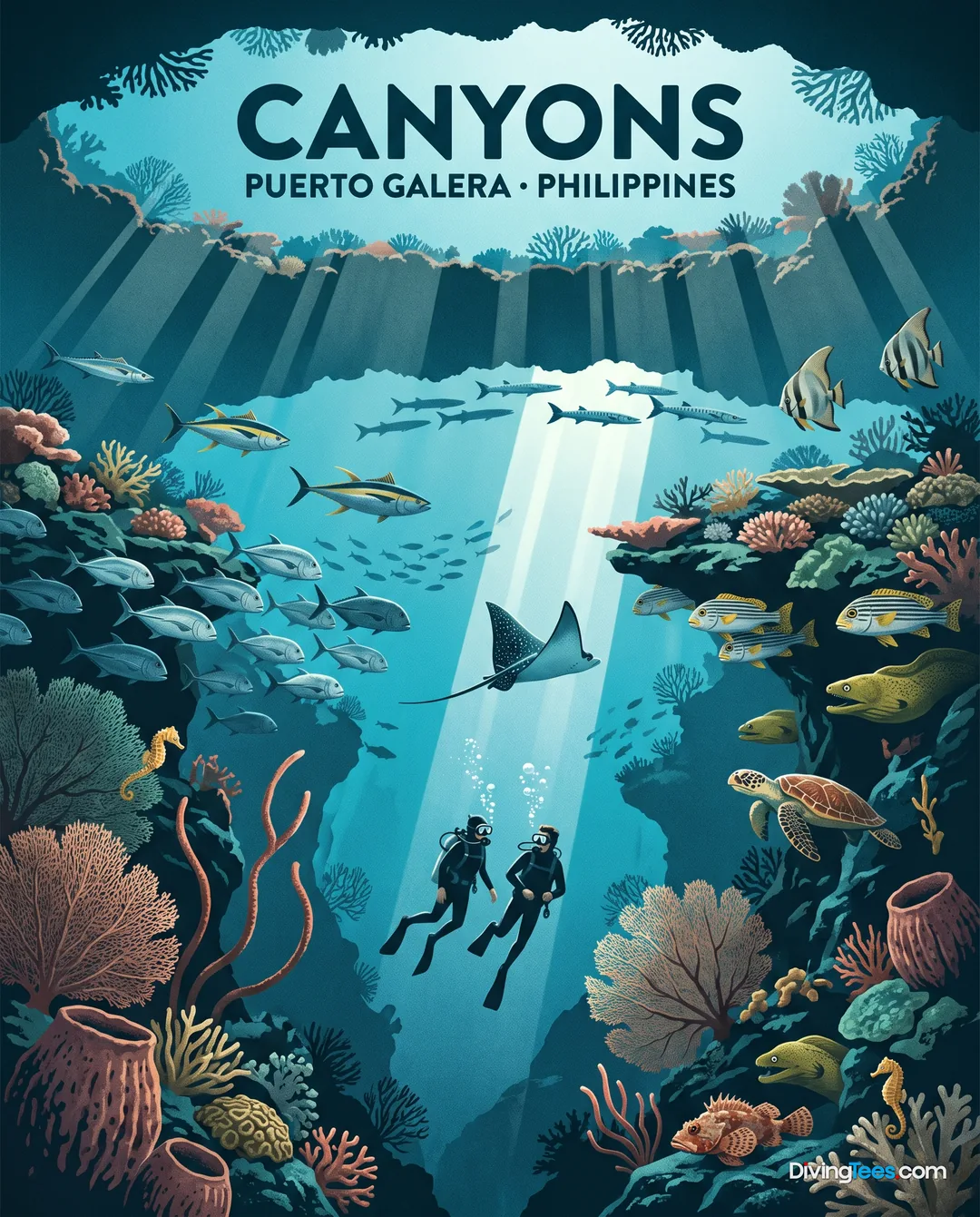
Canyons →
Max. depth · 35 m
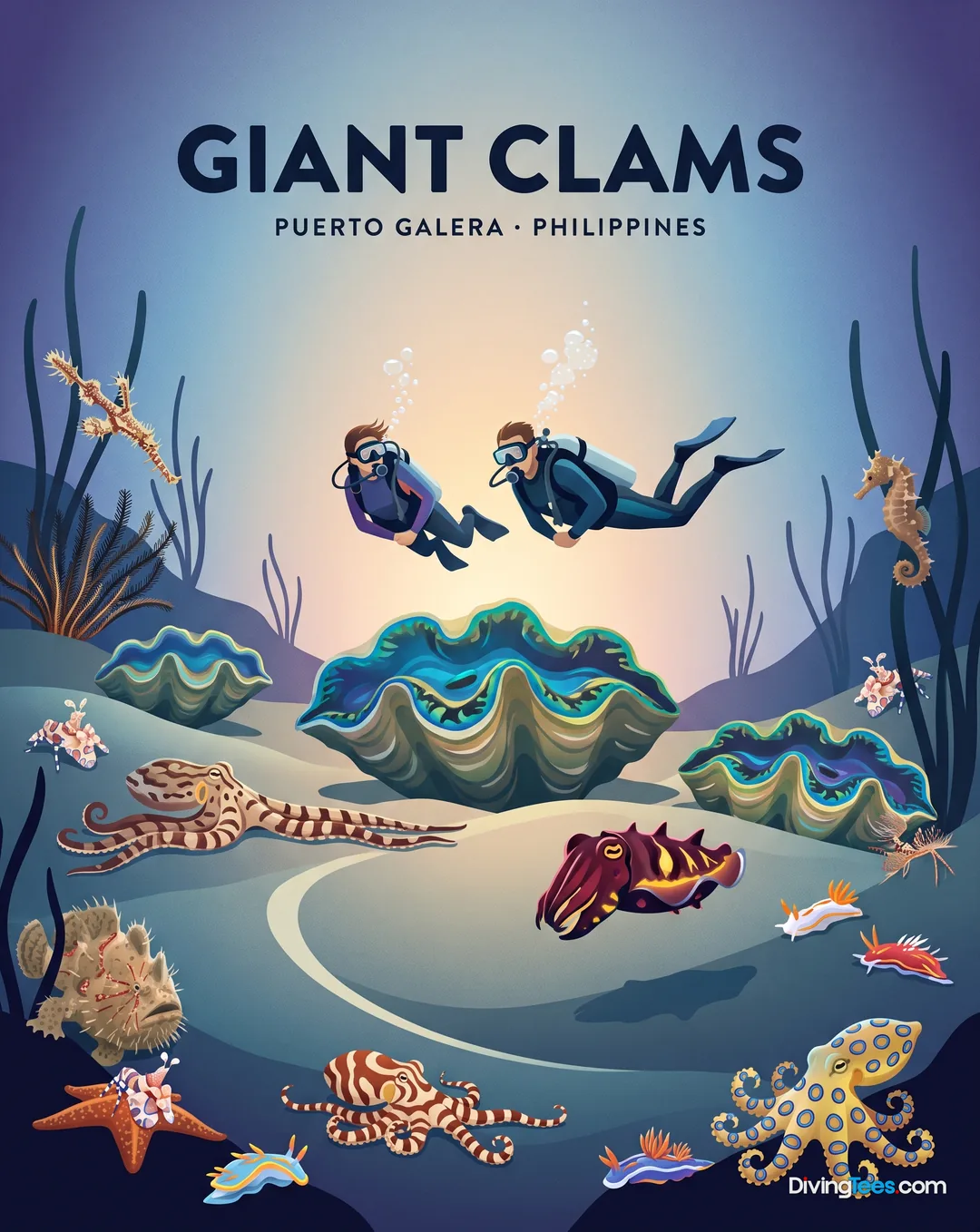
Giant Clams →
Max. depth · 18 m
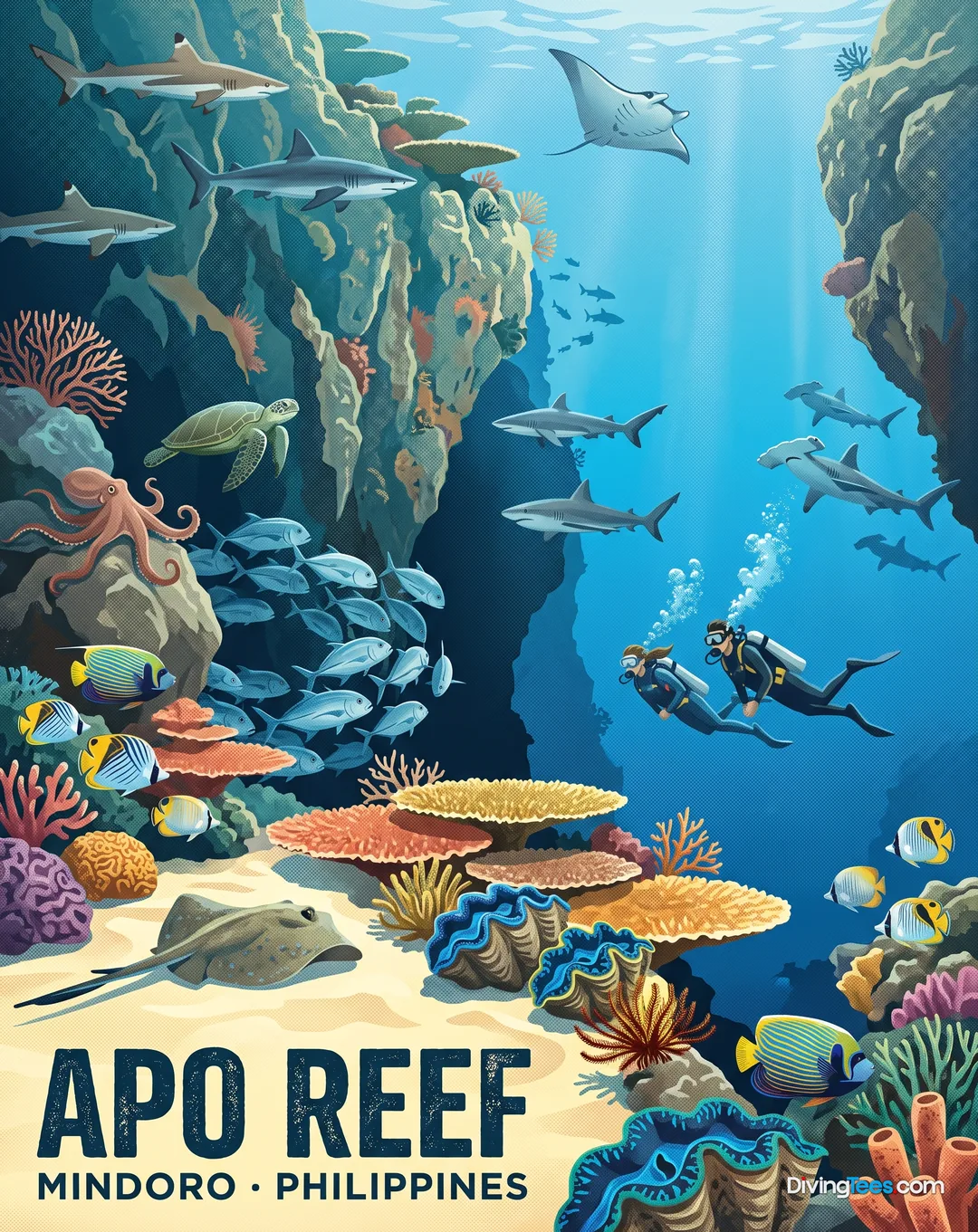
Apo Reef →
Max. depth · 40 m
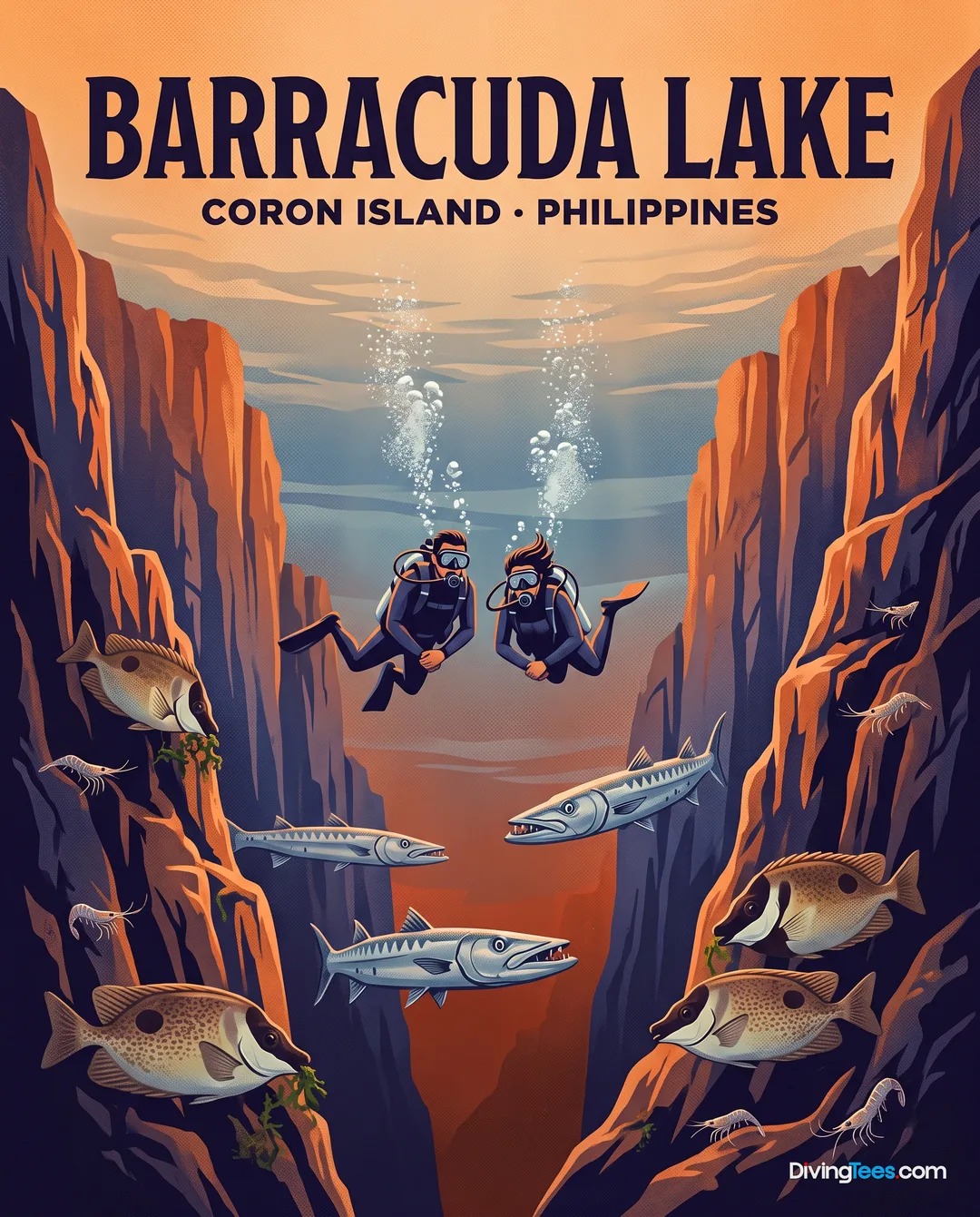
Barracuda Lake →
Max. depth · 40 m
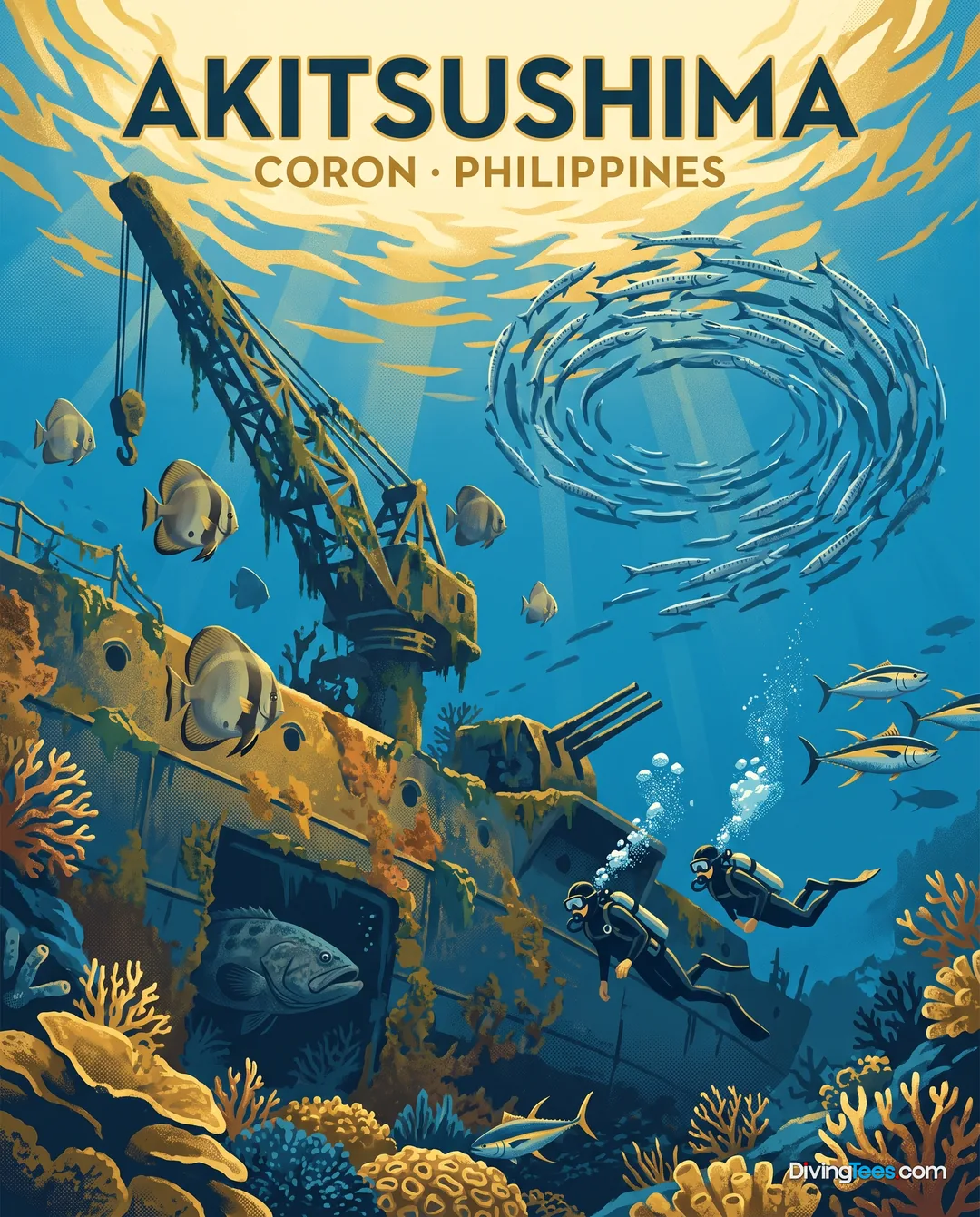
Akitsushima →
Max. depth · 38 m
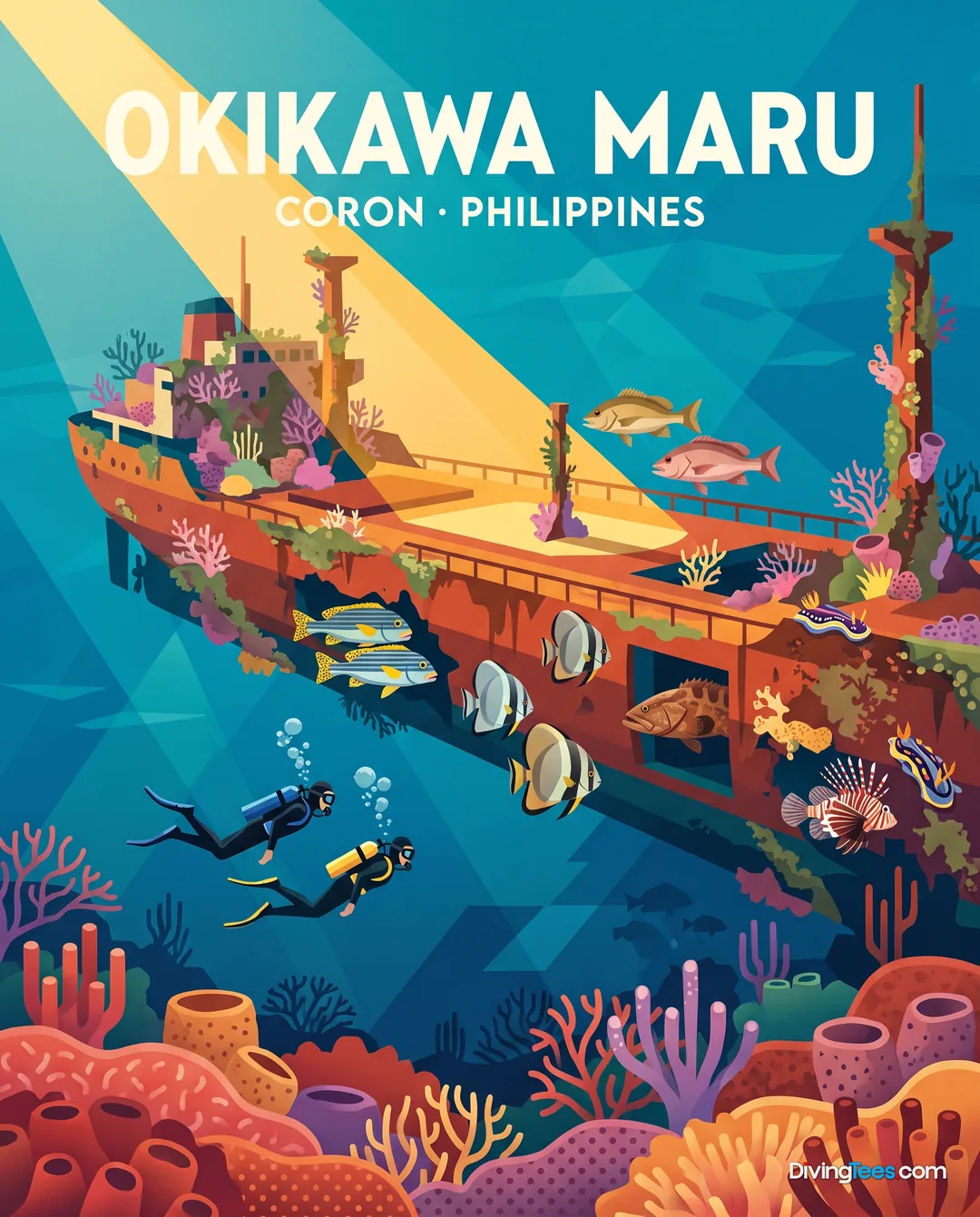
Okikawa Maru →
Max. depth · 26 m
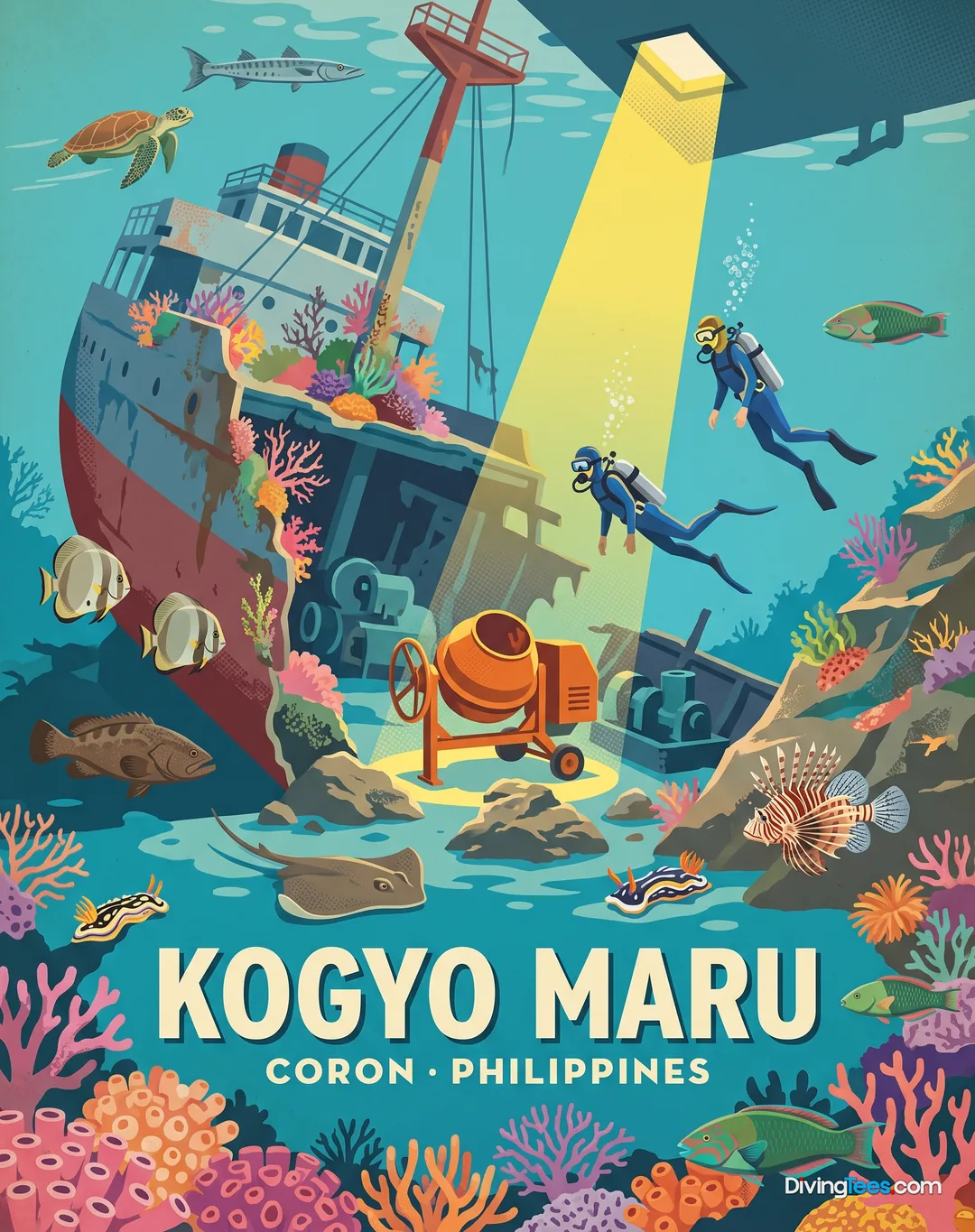
Kogyo Maru →
Max. depth · 36 m
What you’ll meet underwater
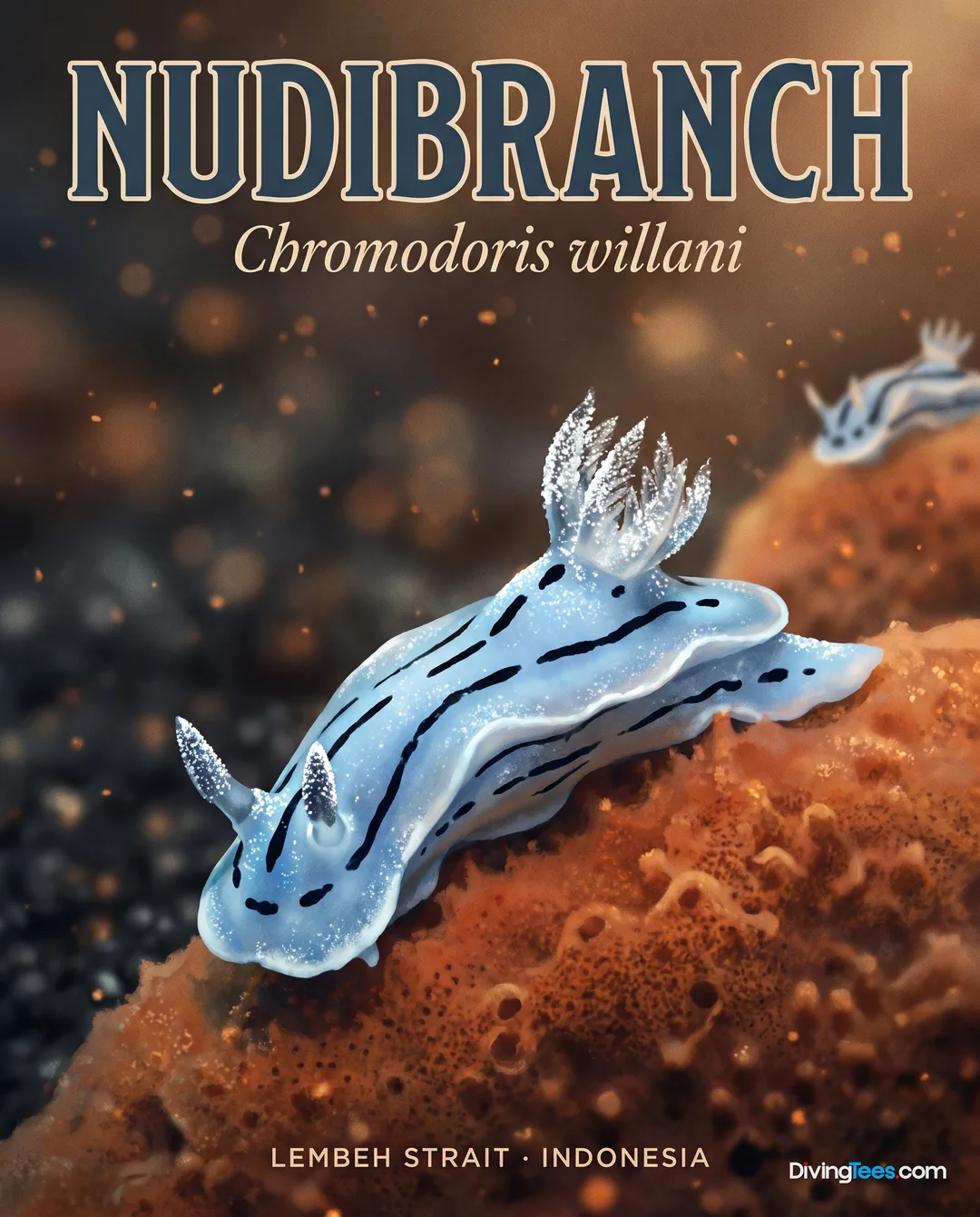
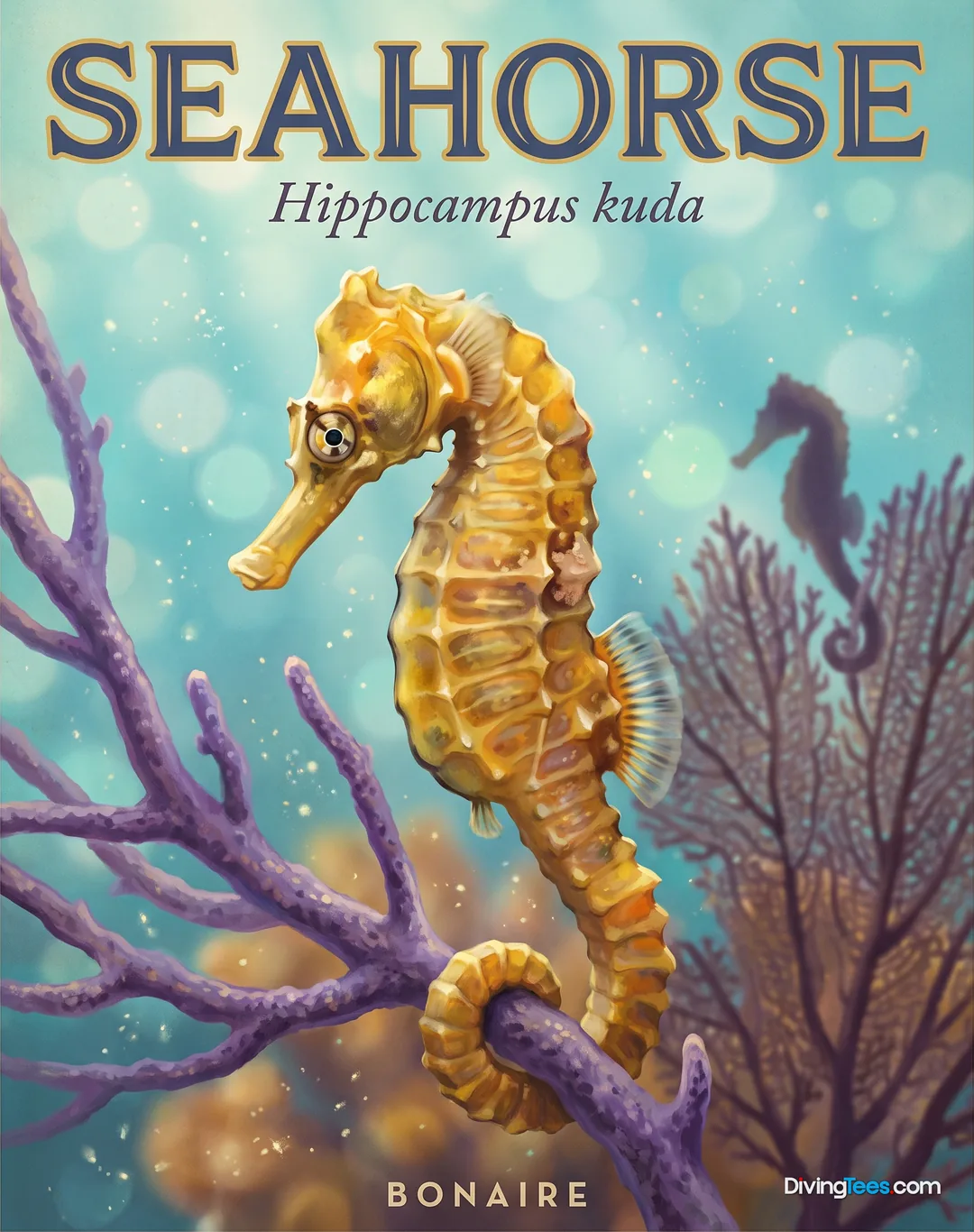
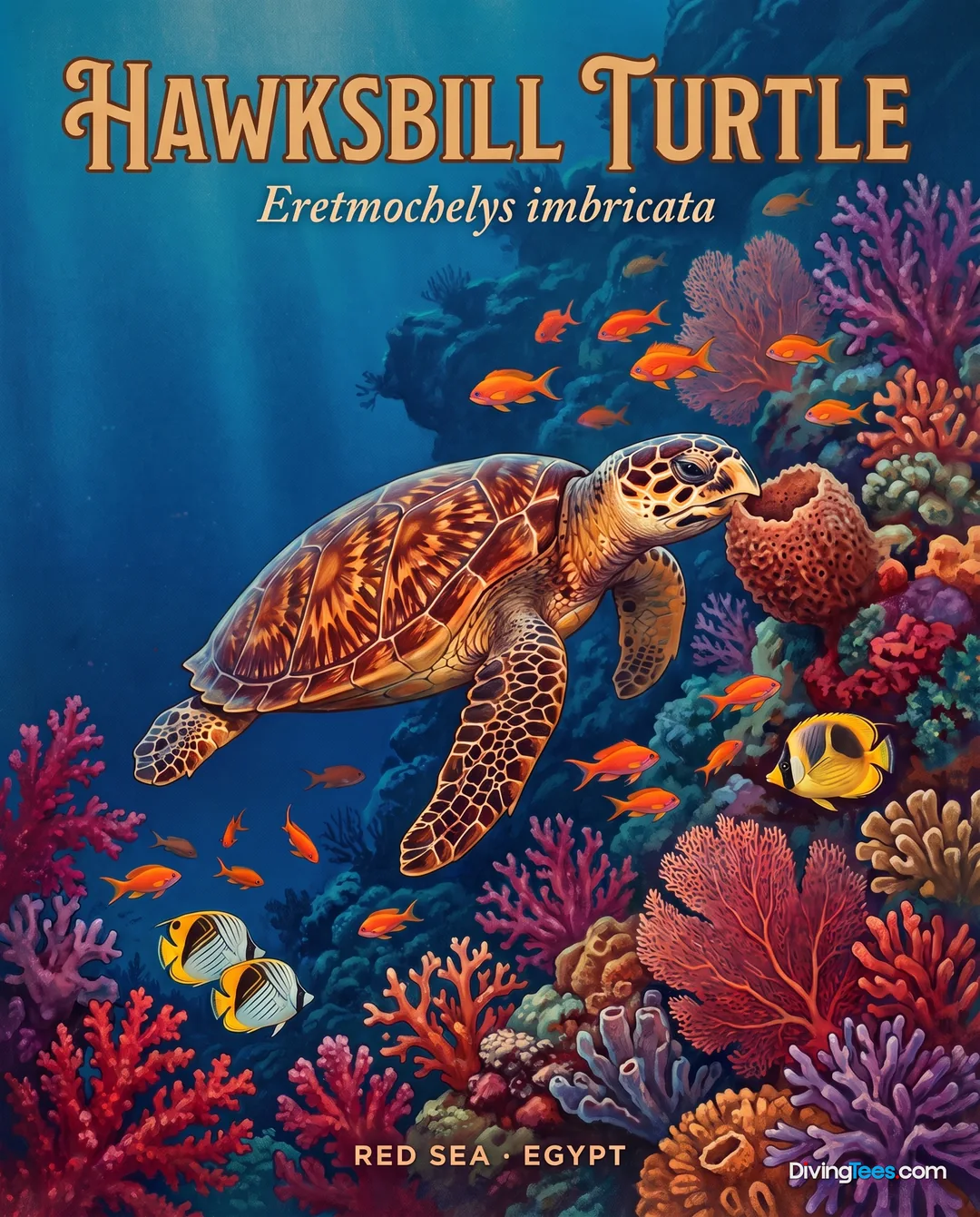
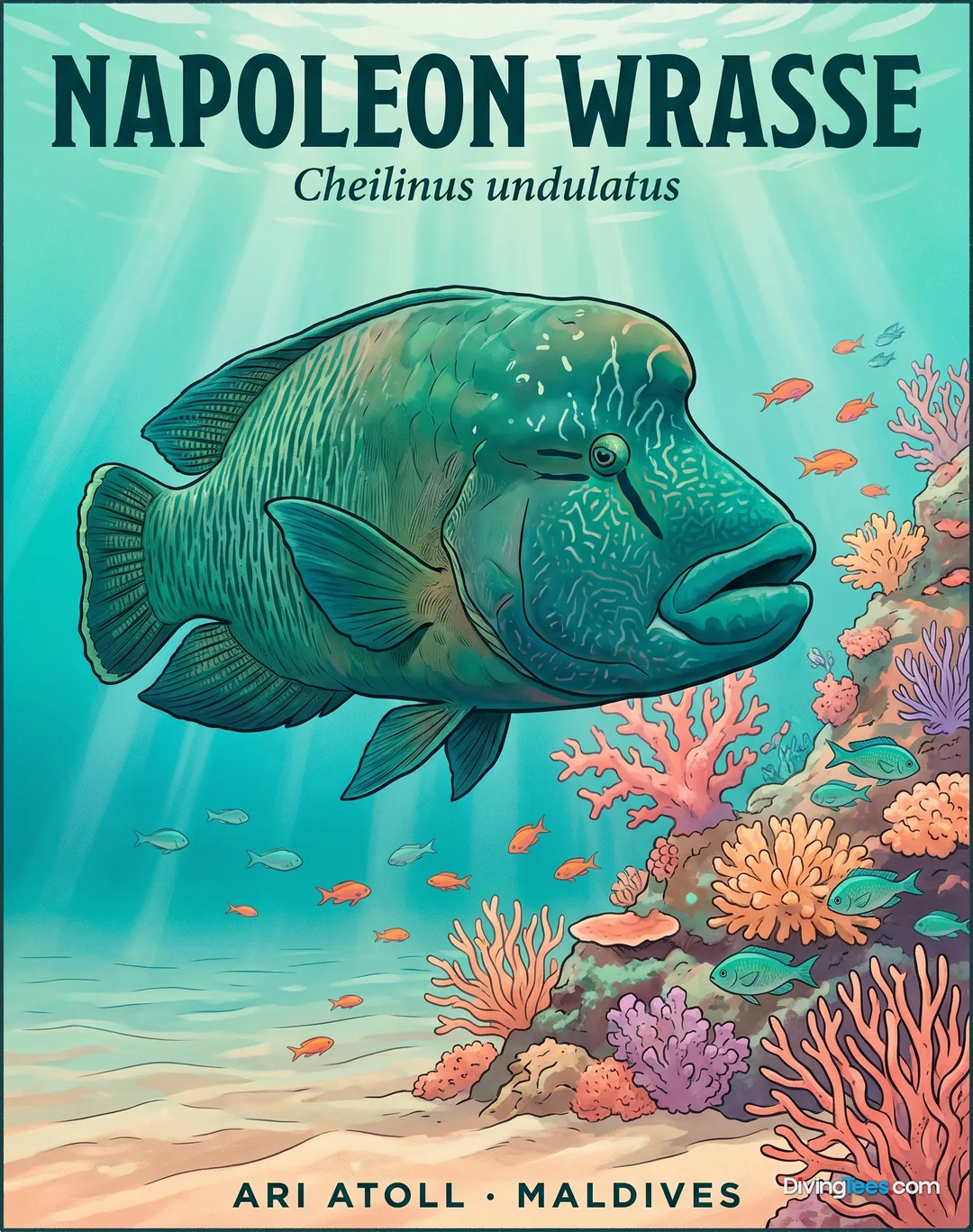
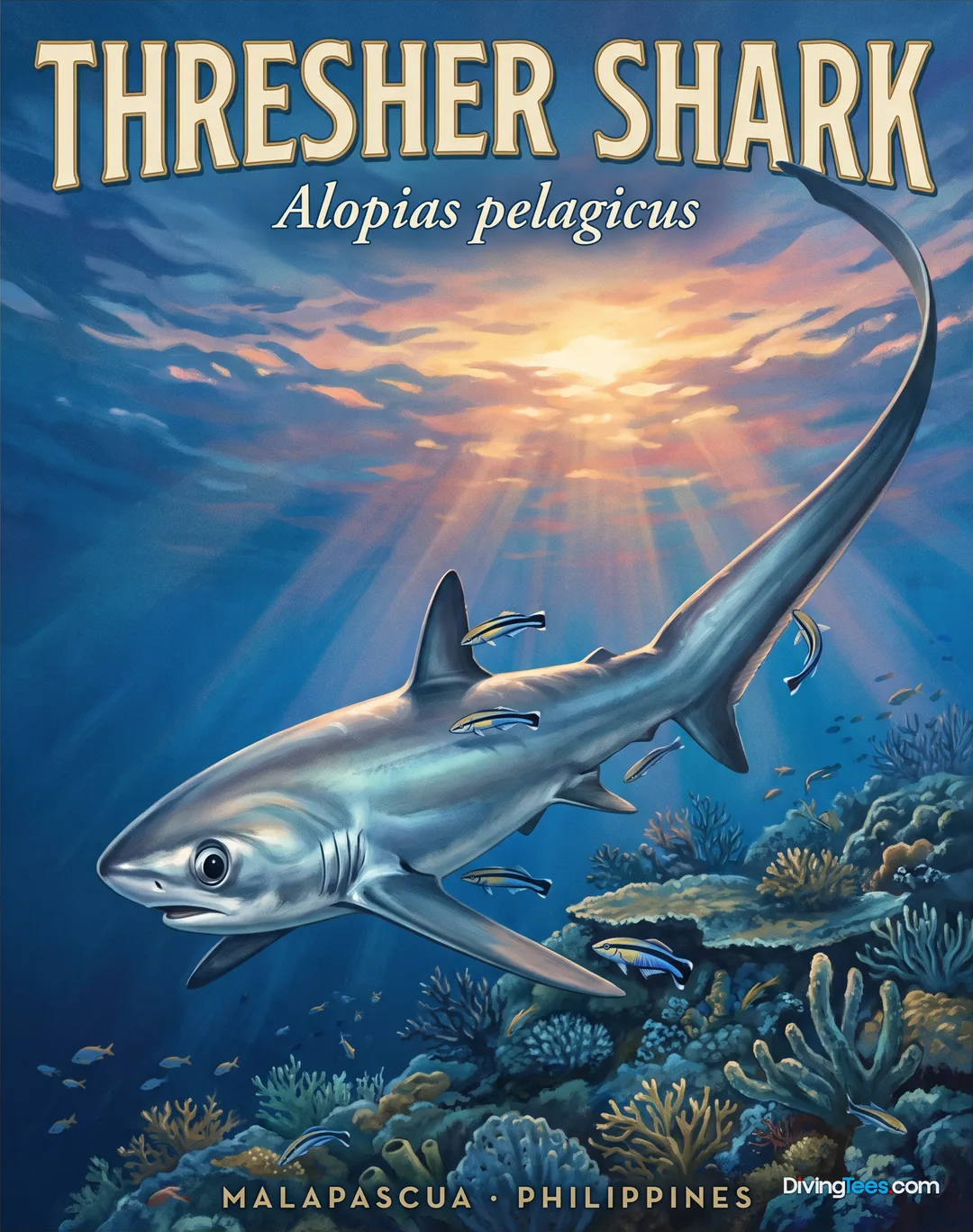
Carangid schools, nudibranchs and scorpionfish recur across the route, alongside morays, snapper, jacks, anthias, batfish, frogfish, octopus and reef turtles. Tuna, barracuda, grouper and reef sharks appear across several sites, but none should be treated as guaranteed sightings. The reason to slow down changes from place to place. Verde Island can produce Napoleon wrasse and anemones among its dense reef life; the Verde Island drop-off is where a triggerfish may reward a careful look. Apo Reef is the only listed site for the calmar, as well as turtles, sharks, manta rays and schooling reef fish. Buceo Point is the place to search for crabs and ghost pipefish. Sinandigan Wall offers a chance of big-eyed trevally and butterflyfish, with thresher sharks possible in the deeper blue. Canyons is the named site for hammerhead encounters and pygmy seahorses. Dungon Wall may yield electric oysters, pygmy seahorses and sea snakes. Giant Clams concentrates rare macro life in beginner-friendly depths. At Tubbataha, deep nutrient-rich water and cleaning stations attract large fish, sharks and rays; operations run from March to June.

Who puts you in the water
The crew speaks English and puts divers into the water through the lower-deck dive centre and the two skiffs. Briefings and group organisation are handled around the site's conditions, with the boat's operation designed for repeated daytime dives rather than a fixed night-diving programme on Tubbataha itineraries. Staff have first-aid and emergency training, and oxygen and first-aid kits are carried aboard. The boat supports technical, sidemount and rebreather diving, but that does not replace the experience or self-sufficiency those disciplines require. Passengers are expected to manage their own equipment, while rental needs should be arranged before boarding so the correct gear is available. The available information does not set a guide-to-diver ratio, a minimum logged-dive requirement, or individual instructor qualifications, so those points should be confirmed for the chosen route rather than assumed.
The dive deck and the gear
The dive centre is on the lower deck, with mid-ship exits leading directly to the two diving skiffs. Divers board the skiffs rather than entering every dive from the main hull, which keeps the larger boat clear and lets the tenders handle the final approach to the site. The main vessel has a shaded dive area, a platform, rinse tanks and two on-deck rinse showers for the return. DIN adaptors are available. Nitrox is available as an optional package, and the setup also supports technical diving, sidemount and rebreathers. Rental equipment can be arranged when requested in advance, but each diver remains responsible for personal gear. The boat carries oxygen and first-aid kits, and emergency equipment is part of the vessel's safety inventory. On Tubbataha trips, diving is limited to four daylight dives because currents can be strong; night dives are not part of that operation. Tank specifications, compressor details, camera facilities and SMB arrangements are not stated here, so divers with a specialised setup should check compatibility before departure.
Between dives
Between dives, the upper deck is the place to go. It is open space rather than a narrow passage, with loungers and tables arranged for sun, shade and the long pauses that follow a skiff return. A small lounge on the middle deck gives passengers an air-conditioned alternative, while the railed walkway at the front offers a view forward when the boat is moving. The deck also carries the barbecue area and can become a dance floor when the evening allows it. The boat has a library, audio and video entertainment, cabin TVs and paid internet, but none of these needs to dominate the trip. The useful habit is simpler: rinse off, eat, let equipment be dealt with, then find a shaded chair before the next briefing. On routes with long crossings, that open upper deck is where the distance becomes part of the experience rather than time spent inside a cabin.
A day on board
A day begins with the first briefing before the boat's daylight diving sequence gets underway. Divers prepare their own equipment, board a skiff from the lower-deck dive centre and return to the Dolphin for food, rinsing and a pause in the shade. The pattern repeats through four daylight dives on Tubbataha itineraries, with meals and snacks placed around the water rather than treated as interruptions. Between entries, the upper deck gives the group somewhere to dry out, watch the sea and sleep in a chair, while the air-conditioned dining room and cabins provide a cooler retreat. When the boat is underway, the forward walkway and open upper deck make the crossing visible instead of hiding it behind a lounge window. There is no night dive on Tubbataha trips, so the final return from the fourth daylight dive leads into dinner, drinks or the barbecue and an early enough rest for the next briefing. Then the skiffs go out again.
What you eat aboard
The galley serves full-board meals as a buffet, combining Western and local cooking with a more elaborate approach than basic expedition fare. Vegetarian and vegan options are available, and gluten-free meals can be arranged when dietary needs are given to the booking team. Snacks appear throughout the day, which suits a schedule built around repeated dives rather than three long meals. Non-alcoholic drinks, tea and coffee are included, while beer, wine, cocktails and other alcoholic drinks are available at the bar. The barbecue is one of the boat's defining meals: it can happen aboard or on a beach, depending on the route and conditions. A full day in the water changes the meaning of the table. Divers need food that is easy to reach, replenished between dives and substantial enough for the next entry, not a formal dining ritual that takes an hour out of the day.
Nights at sea
The cabins are spread between the lower and middle decks, with the lower-deck rooms positioned amidships. Each has air conditioning, a full-size private bathroom with shower and a large window; the VIP cabins add a minibar, while the cabin categories include master, main-deck double and lower-deck twin or double rooms. The useful part of that arrangement is not the label but the privacy: every diver returns from the skiff to a proper bathroom rather than a shared washroom. The air-conditioned dining room and cabin spaces give relief after repeated dives, while the upper deck offers the opposite experience—open air, chairs, tables and room to watch the sea. Passengers who choose a lower cabin are close to the dive centre and kitchen, which is convenient for diving but places them nearer the working areas of the boat. The cabins are non-smoking, and daily housekeeping, cabin towels and beach towels are included.
Master Cabins
Main Deck Double | Bunk Cabins
Lower Deck Twin Cabins
Lower Deck Double | Bunk Cabins
What to know before boarding
Departure and return ports depend on the itinerary: Anilao and Puerto Princesa are used for Tubbataha routes, while other departures and returns include Anilao, Puerto Galera and Coron. Airport and hotel transfers are included, with the arrangements communicated for the selected embarkation. Arriving the night before is the sensible choice, especially for a route leaving from a remote port or involving an airport transfer.
- Year built
- 1996
- Year renovated
- 2017
- Length
- 31 m
- Beam
- 6.5 m
- Maximum number of passengers
- 18
- Number of cabins
- 9
- Number of bathrooms
- 10
- Engines
- 2 × 500 hp Yanmar Turbo Diesel
- Cruising speed
- 8 knots
- Tenders
- 2
- Website
- tubbataha.ph ↗
Hello, I'm Marina, DivingDeal.com's AI assistant. I answer in detail about hotels, dive centres and liveaboards.

Thinking about the whole trip and the flights? Talk it over with Edith →
Marina is an AI. Some links are affiliate links: DivingDeal may earn a commission, at no extra cost to you. Bookings are made with the partner.