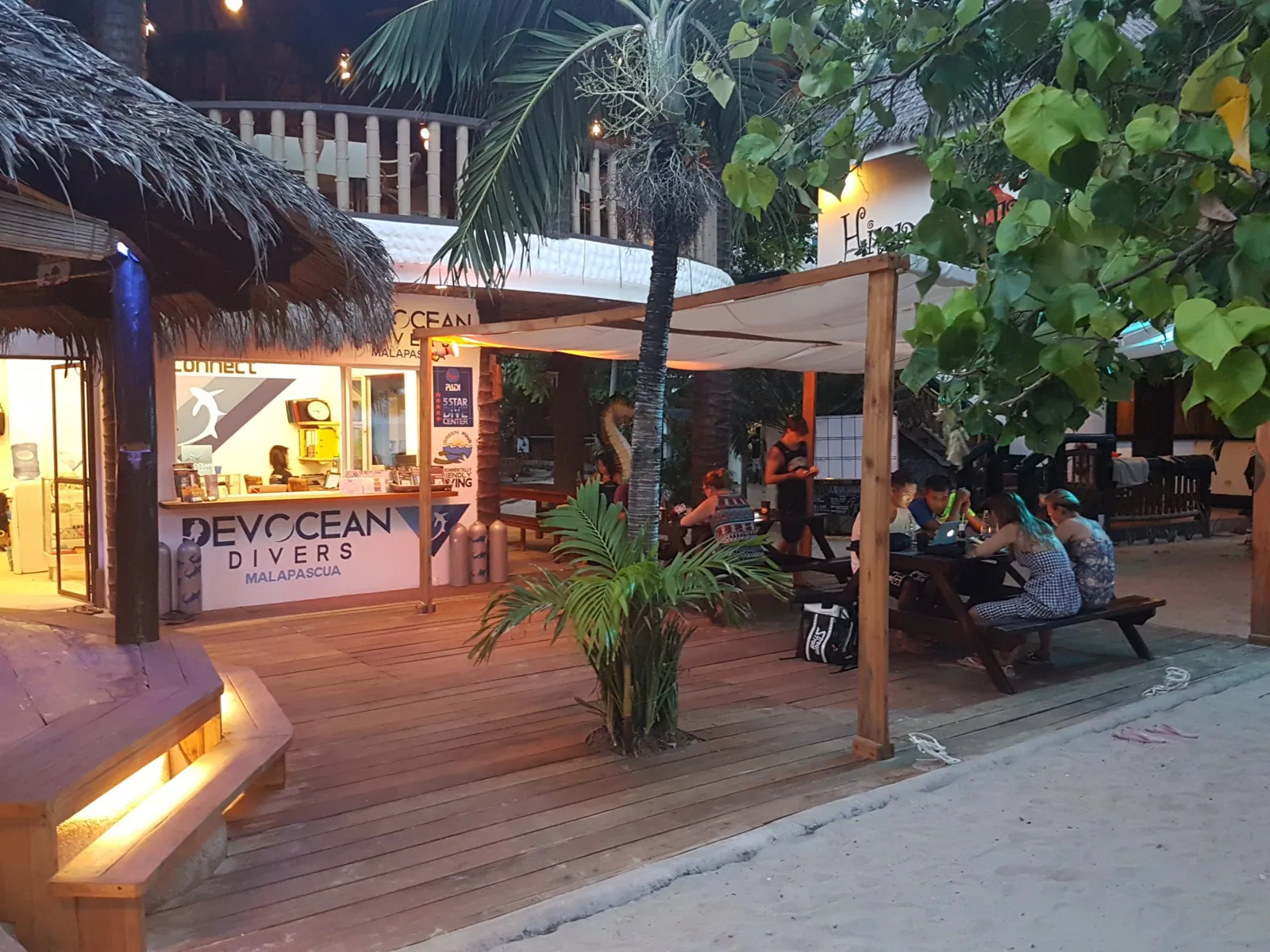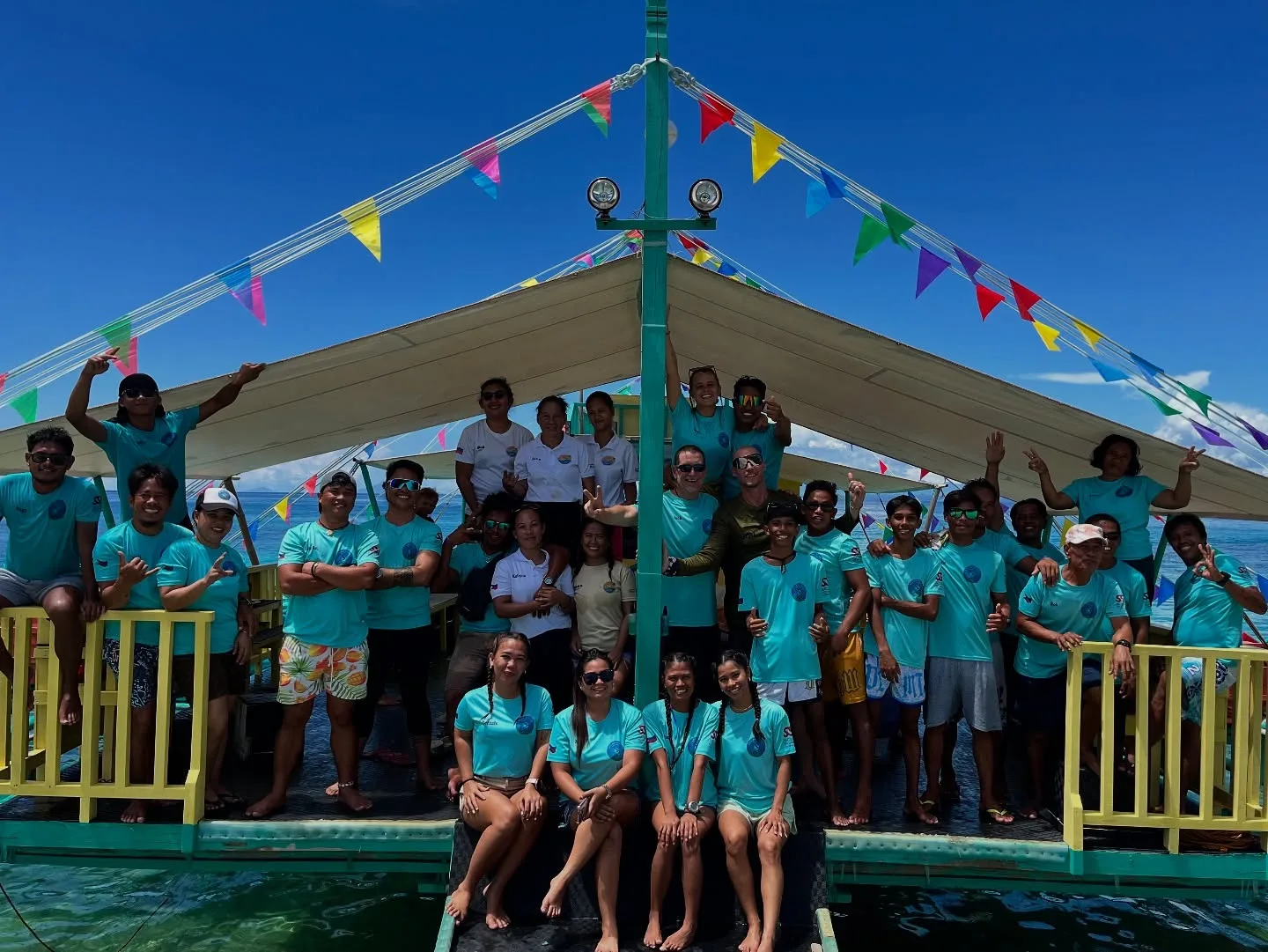


SK Divers Center
Google 5/5 (445 reviews)
less than 1 km away as the crow flies
Malapascua · Philippines · Asia
Max. depth · 20 mDescend into Lapus Lapus, a vibrant reef in the Visayas, where extensive coral gardens host a rich tapestry of macro life, from pygmy seahorses to blue-ring octopuses.
For subtitles in English: start the video firstthen click the gearat the top right of the video, select “Subtitles/CC”, then “Auto-translate” and choose “English”.
Lapus Lapus is a coral garden site, distinct for its immediate immersion into a thriving reef system. Unlike many sites requiring a boat transfer, here you can begin your dive directly from the sandy shore, slipping beneath the surface to find yourself enveloped by a vibrant underwater landscape. The reef starts shallow, allowing for a gradual descent over gentle slopes that showcase an intricate display of hard and soft corals, creating a natural amphitheatre for marine life.
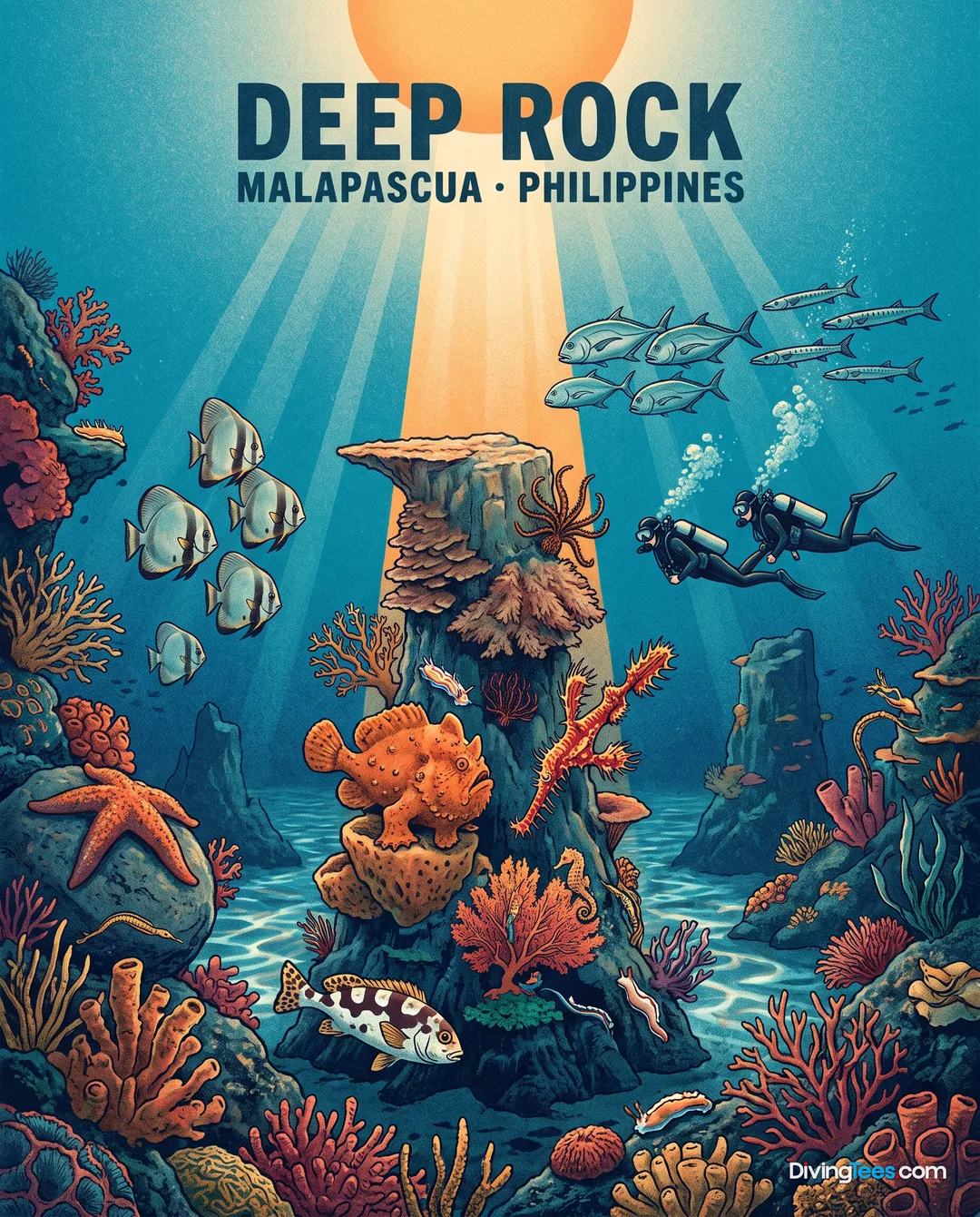
As you navigate the reef, you'll find a varied topography that moves beyond a simple slope. The site incorporates rock formations, small canyons, and even an overhang, providing sheltered nooks and crannies for resident species. These structural elements, combined with sandy patches and areas dense with soft corals, contribute to a dynamic environment where different coral species intertwine, each competing for light and space.
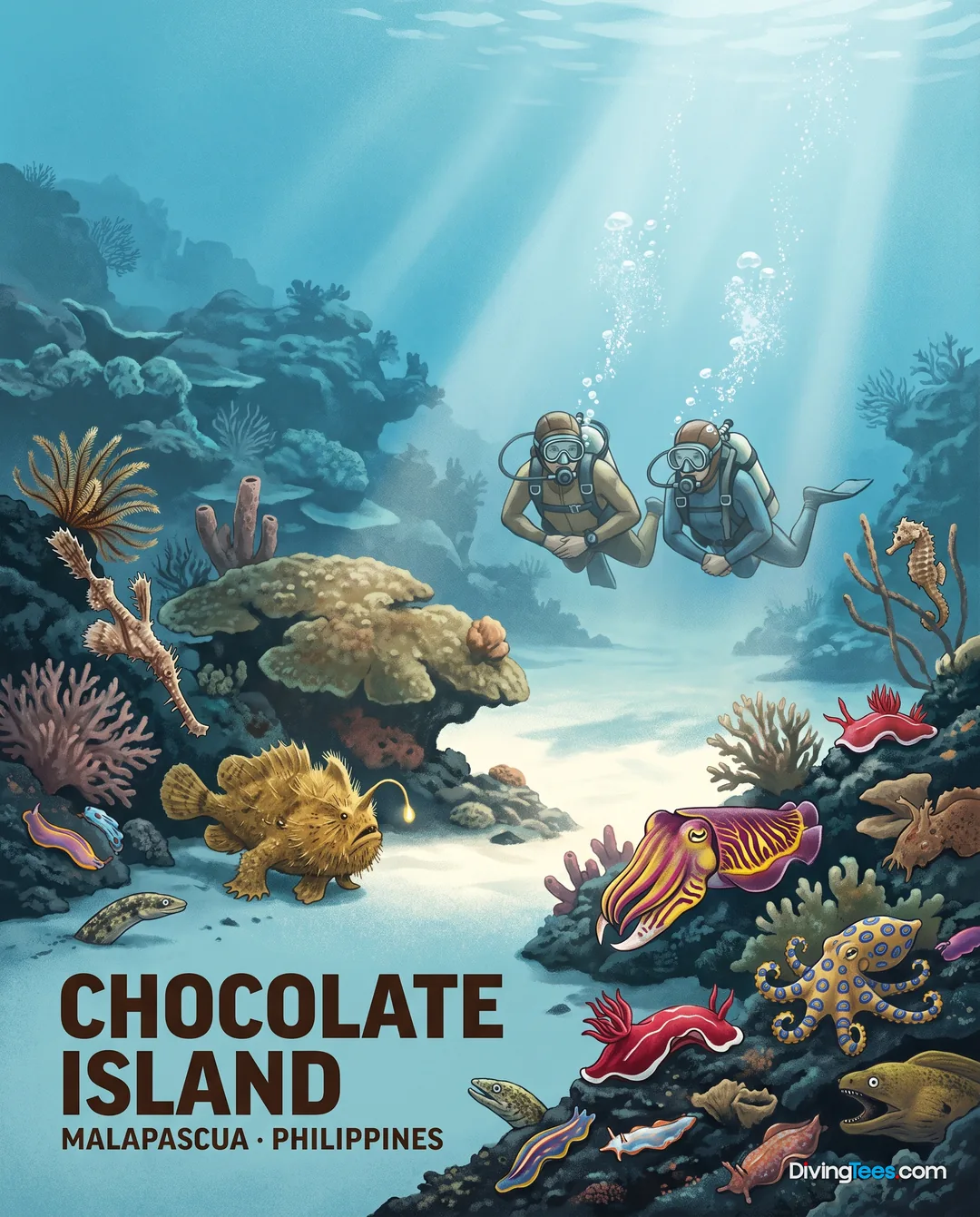
The health of these coral gardens supports a thriving macro ecosystem, making Lapus Lapus a notable site for those who appreciate smaller inhabitants. Keep an eye out for nudibranchs moving across the corals, flatworms gliding over surfaces, and pipefish camouflaged among the branches. The intricate details of the reef provide countless hiding places, rewarding a slow and observant approach to the dive.
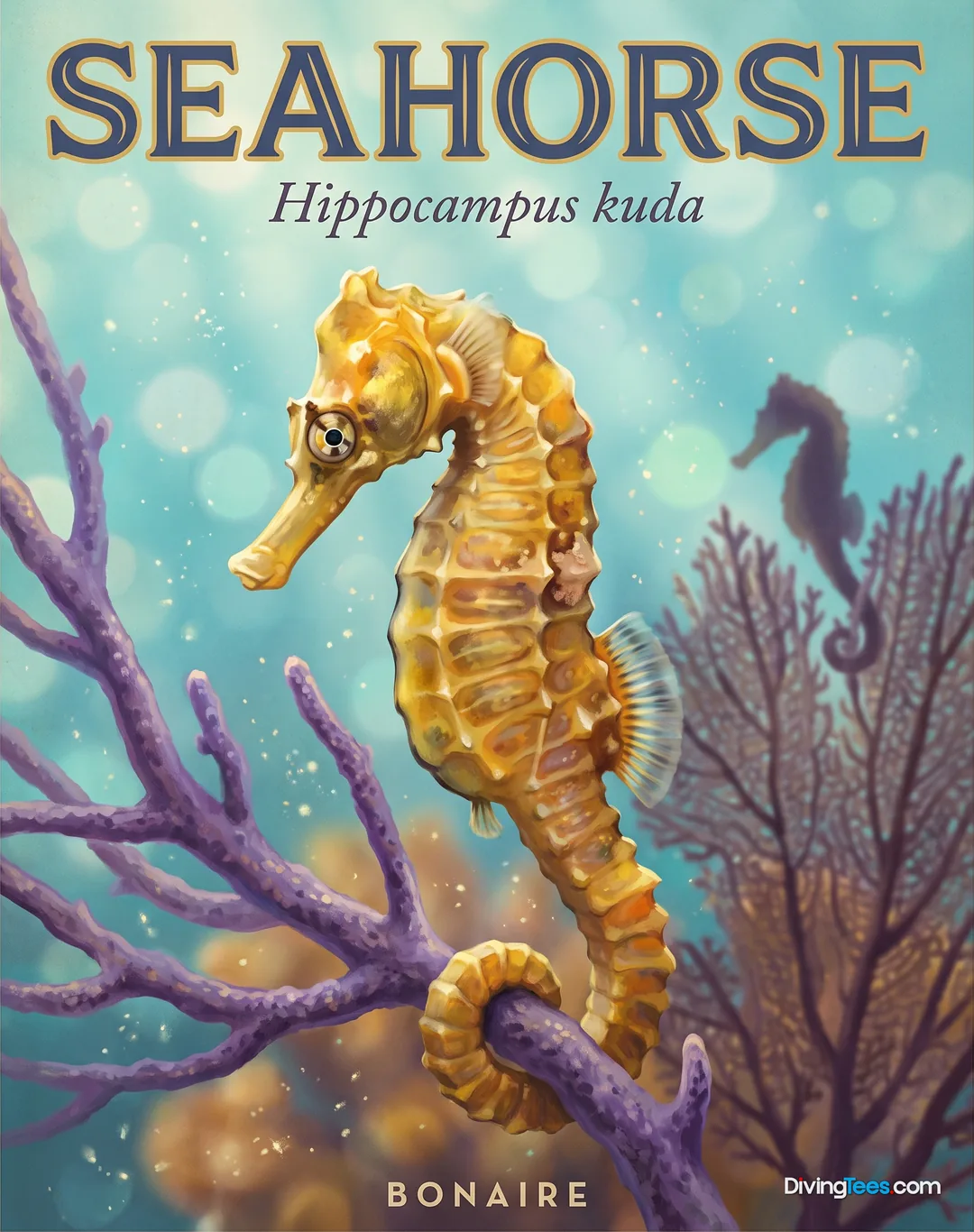
Among the more sought-after encounters here are pygmy seahorses, often found clinging to sea fans, and the elusive blue-ring octopus, which divers occasionally report in the soft coral sections. Beyond these, you might spot frogfish, masters of camouflage, or ghost crabs scuttling across the sandy patches. The site's reputation for macro life is well-deserved, offering consistent opportunities for close observation.
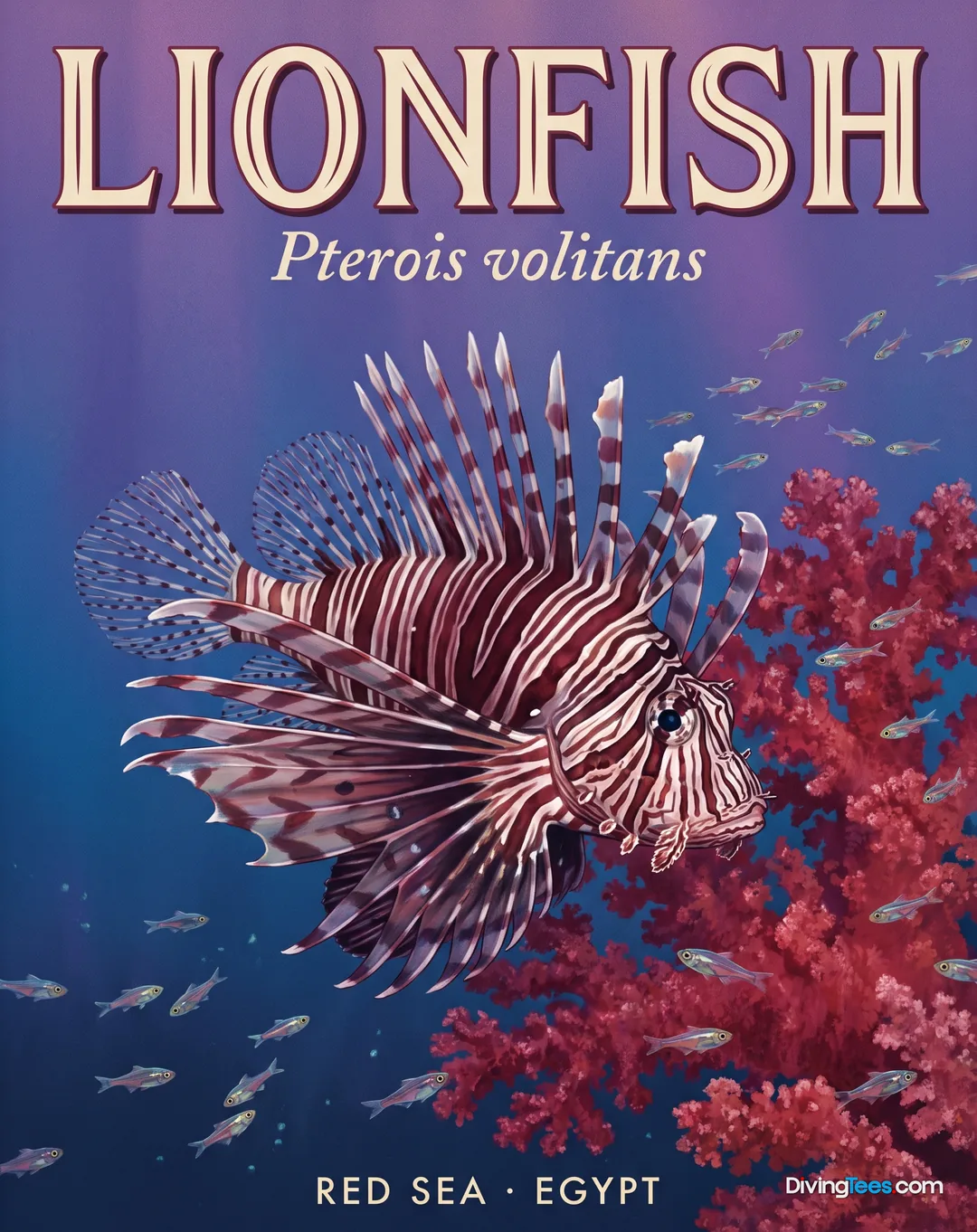
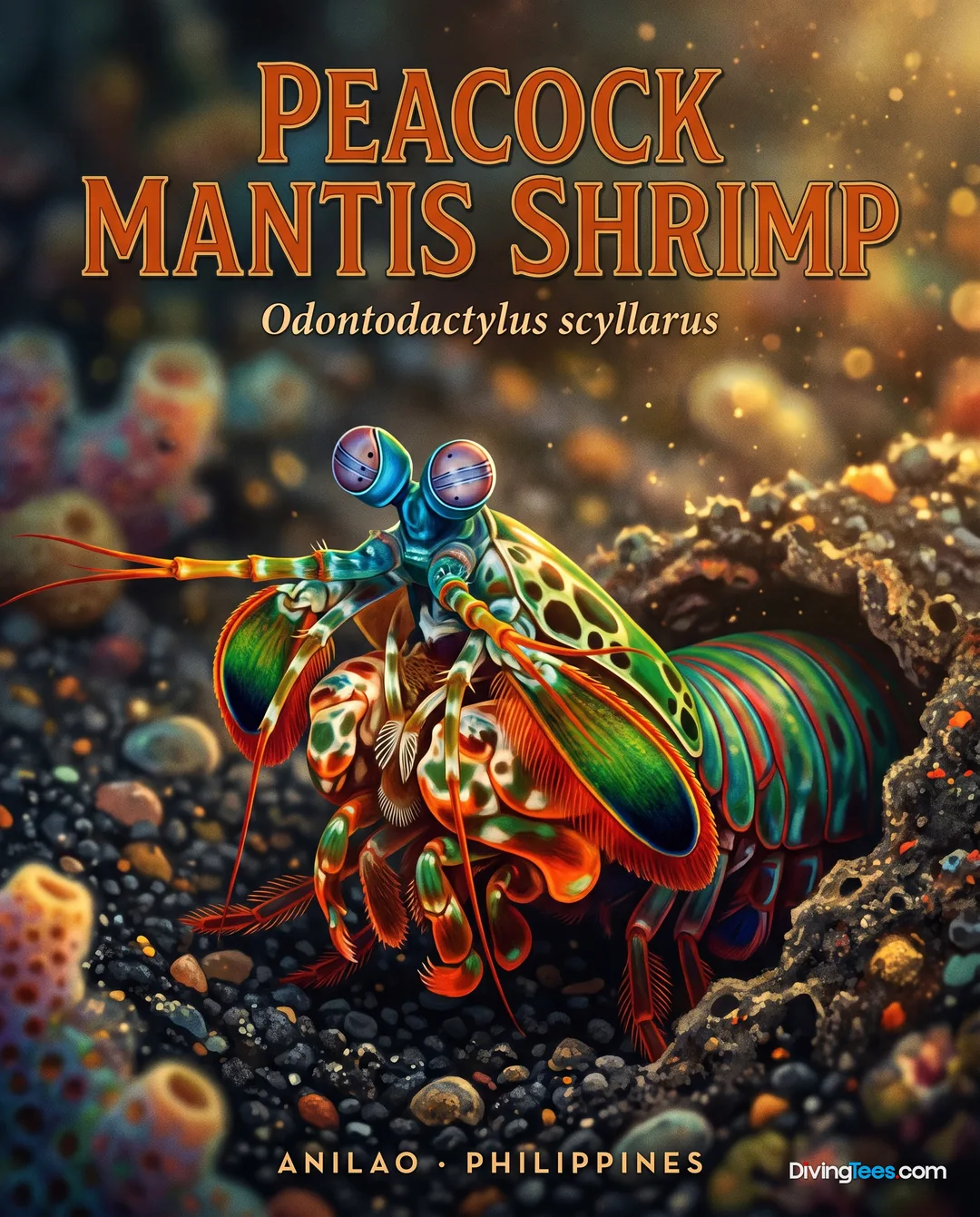
The reef structure also provides habitat for a range of other fascinating creatures. Giant sponges dot the landscape, offering shelter, while porcelain crabs and mantis shrimp can be found in crevices. Look for cardinalfish schooling near overhangs and lionfish patrolling the reef edges. Sweetlips and cuttlefish are also common sights, adding to the diversity of the resident fish population.
While the site is primarily known for its macro life, the overall health of the coral gardens ensures a vibrant backdrop for any dive. The clear Philippine waters allow for good light penetration, illuminating the rich hues of the corals and attracting a diverse cast of reef dwellers. This combination of healthy corals and varied topography creates a continuously engaging dive experience, whether you're focusing on macro details or simply enjoying the reef's expanse.
Lapus Lapus is adjacent to Lapus II, which extends into a small wall and deeper sandy bottom, but Lapus Lapus itself remains the shallower, more intricate reef system. This distinction is important, as Lapus Lapus maintains its character as a coral garden and macro haven. The gentle sway of the corals and the subtle movements of the currents define the pace, encouraging a focused exploration of the intricate details that make this reef so captivating.
Lapus Lapus offers a dive depth ranging from 4 metres to 20 metres. While accessible to beginner divers, the potential for strong and variable currents means that comfort in dynamic conditions is recommended, especially for those with fewer logged dives. Visibility typically peaks between 20-30 metres during the dry season from March to June, though it can drop to 10-15 metres during the Amihan season from November to February. Current conditions can shift with the tide, becoming particularly dynamic around changes, which is a factor to consider when planning your dive.
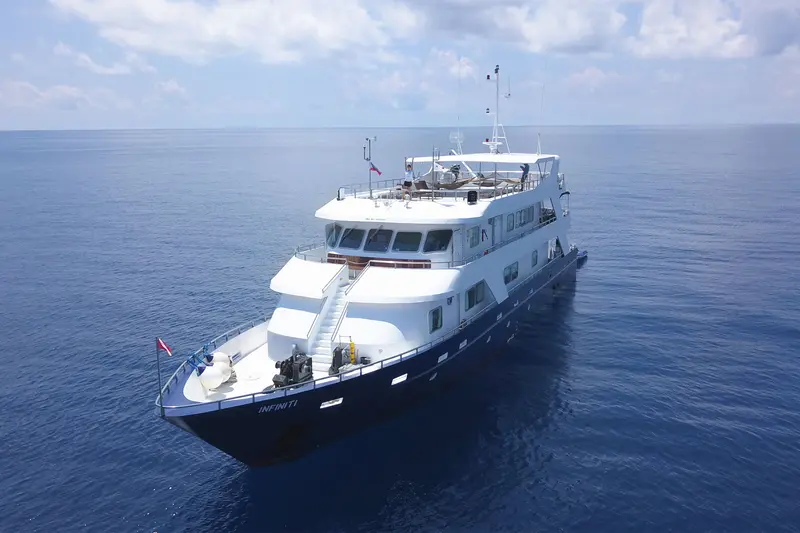
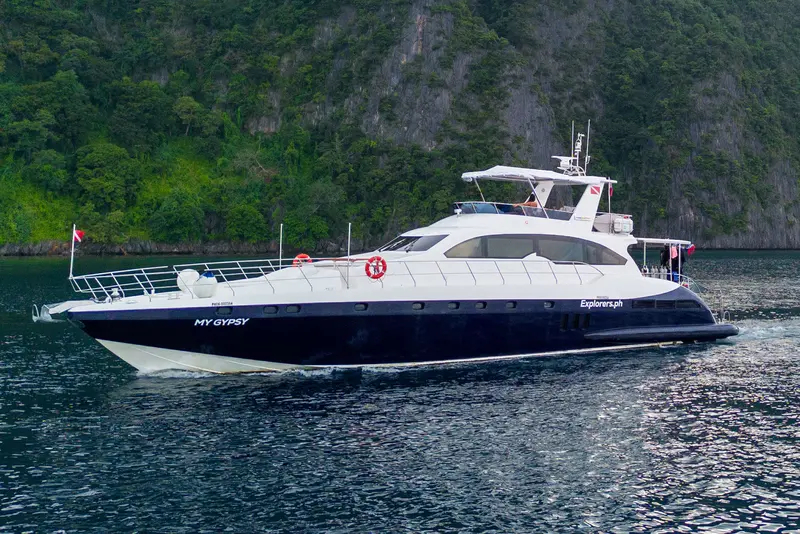
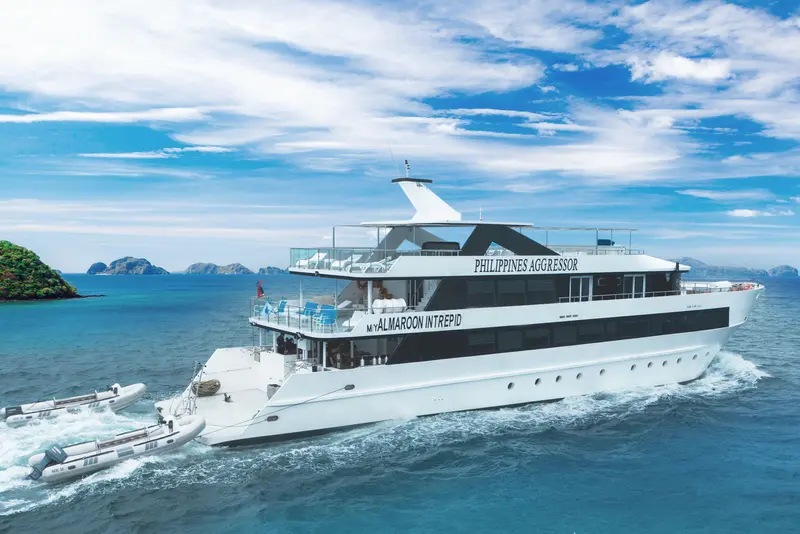
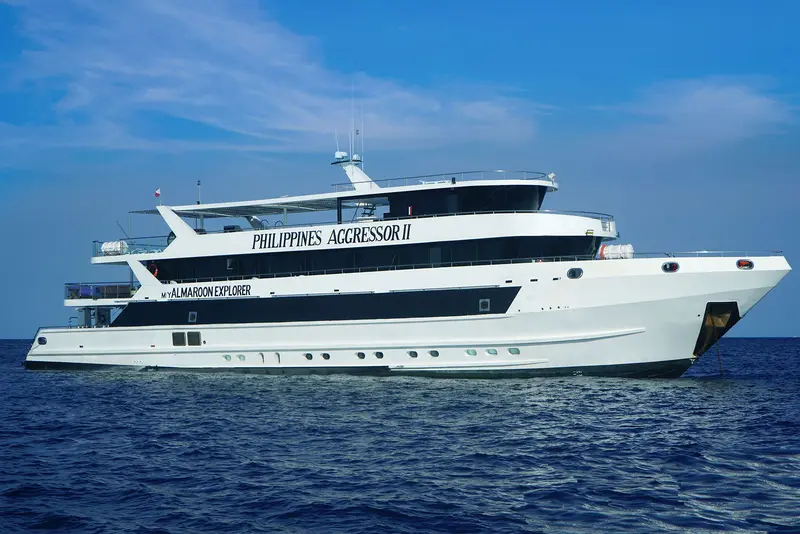
7 liveaboards run trips to Malapascua.
You typically find visibility at its peak during the dry season from March to June, when it can reach 20 to 30 metres. During the Amihan season from November to February, visibility can fall to 10 to 15 metres. Tide changes can also make the current more dynamic, so consider them when planning.
You can dive Lapus Lapus as a beginner because the reef begins shallow and allows a gradual descent from the sandy shore. However, strong and variable currents are possible, particularly around tide changes. If you have fewer logged dives, you should be comfortable managing dynamic conditions before choosing this site.
You can explore Lapus Lapus from 4 metres to 20 metres, with a shallow coral garden and gentle slopes. Currents may become strong, variable, and particularly dynamic when the tide changes. The site suits you if you can remain comfortable in changing conditions while moving among rock formations, small canyons, and an overhang.
You can explore colourful hard and soft coral gardens with nudibranchs, flatworms, pipefish, frogfish, and ghost crabs. Pygmy seahorses may cling to sea fans, while blue-ring octopuses are occasional sightings. You may also find giant sponges, porcelain crabs, mantis shrimp, cardinalfish, lionfish, sweetlips, and cuttlefish among the reef's varied structures.