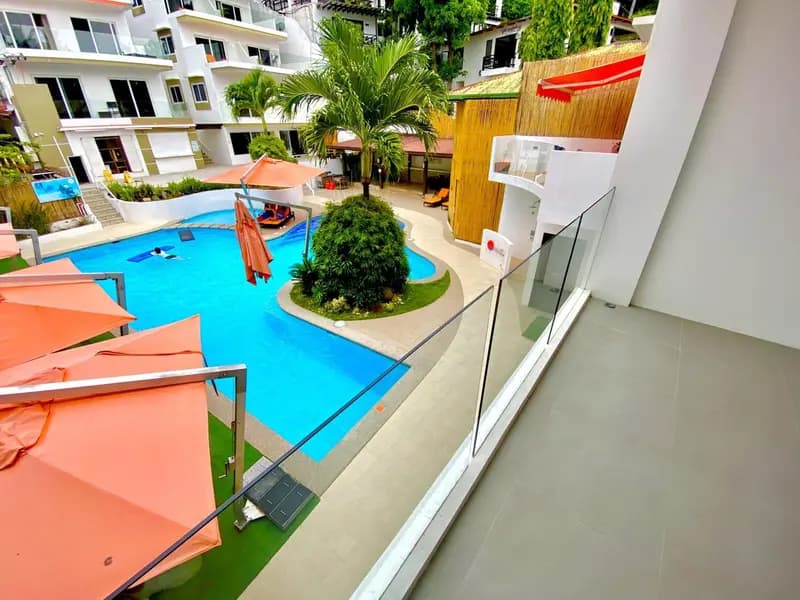
Lalaguna Villas Luxury Dive Resort and Spa
★★★★
★ 9.1/10 (126 reviews)
less than 1 km away as the crow flies
Dive centre · Puerto Galera · Philippines
4.119 Google reviewsExplore the diverse reefs and wrecks of Puerto Galera with PADI courses taught in English and Japanese.
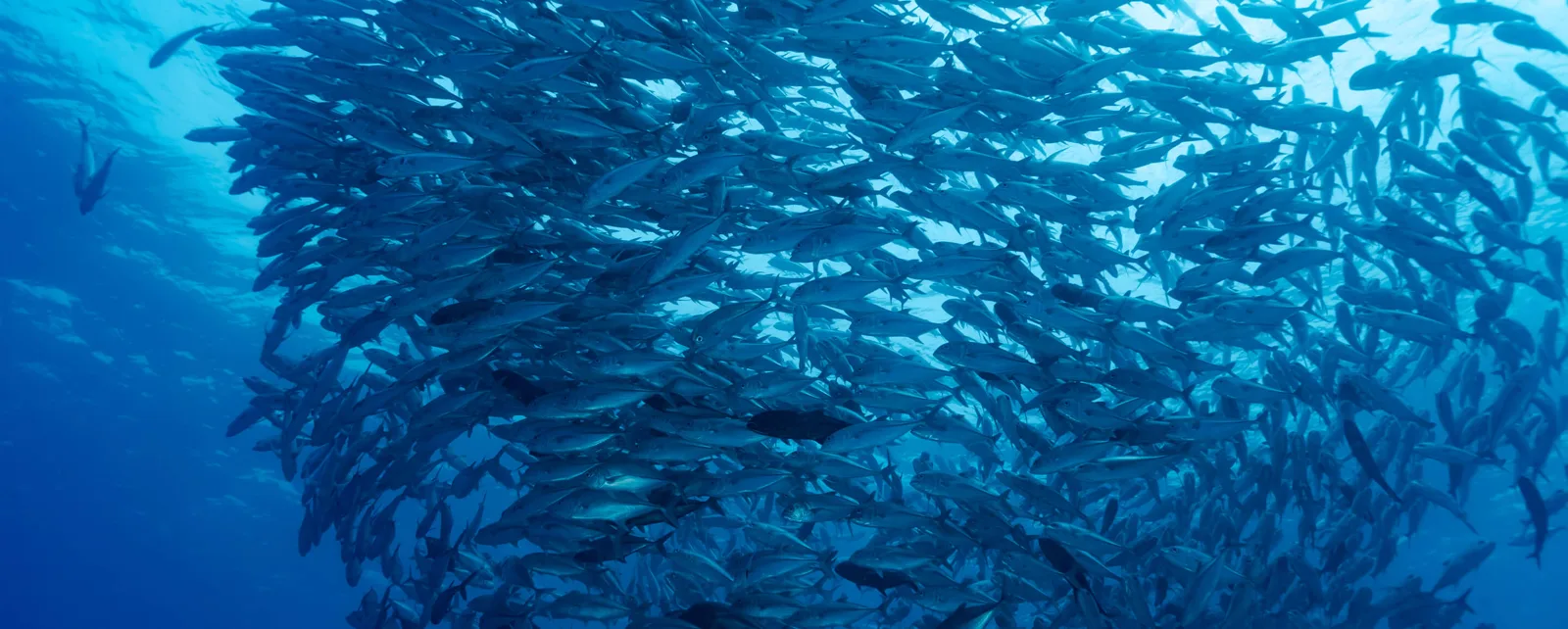
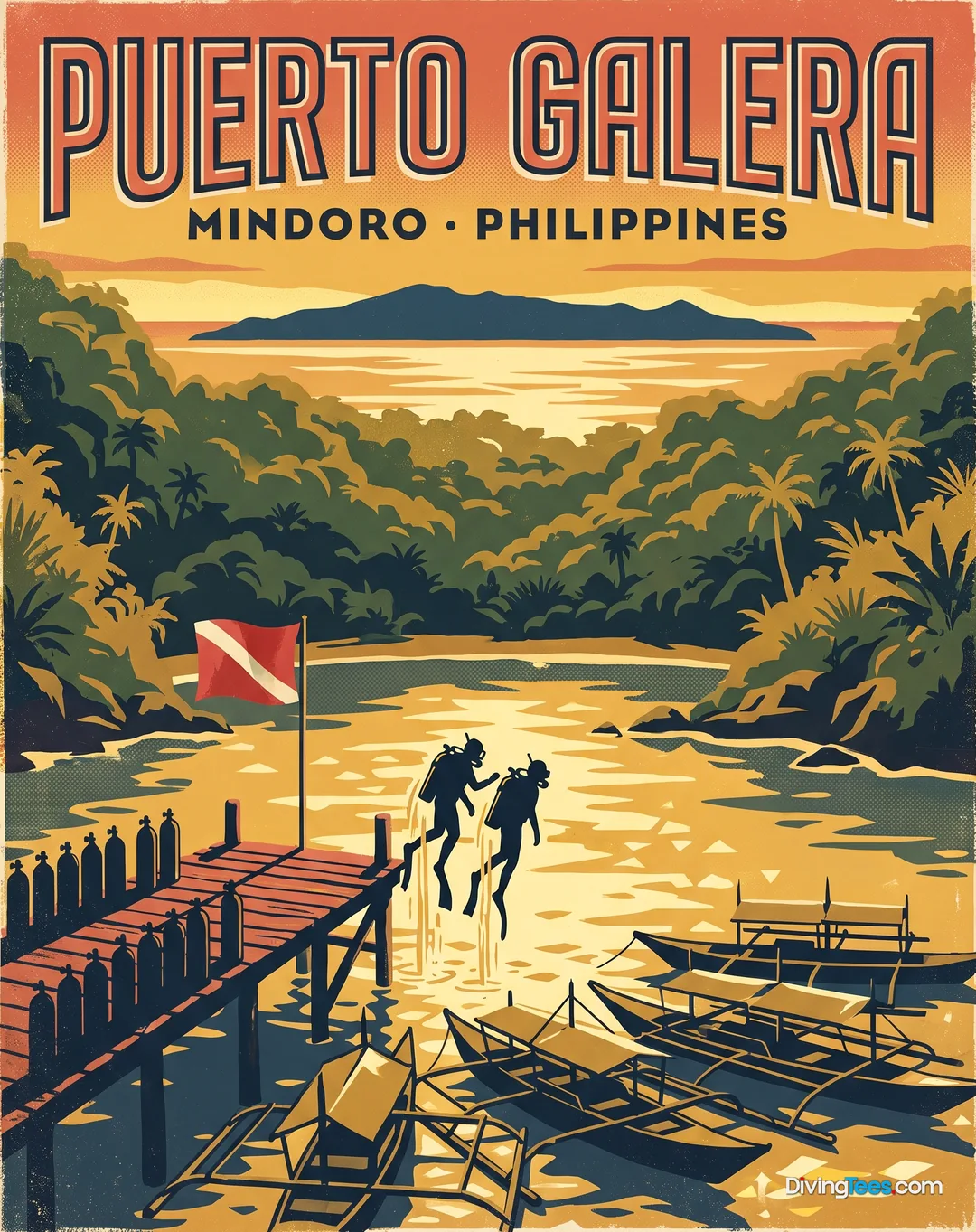
Located in the world-renowned diving destination of Puerto Galera, Philippines, Izakaya Palm Divers offers a gateway to some of the most diverse marine ecosystems in the region. The area is celebrated for its high biodiversity, where coral-rich reefs meet deep drop-offs and historic wreck sites.
The centre provides access to more than 30 different dive sites. Whether you are looking for calm, shallow reefs for training or seeking out high-action drift dives along steep walls, the local topography offers a wide variety of environments.
The centre is managed by a Japanese owner and operates as a PADI affiliated facility. Instruction is available in both English and Japanese, making it a convenient base for international divers looking for clear communication during their training.
To help you manage your schedule, the centre offers e-learning options, allowing you to complete your theory before arriving on site. This ensures more time is spent in the water rather than in the classroom.
A full range of PADI courses is available, catering to everyone from absolute beginners to advanced divers. You can work through your Open Water Diver and Advanced Open Water Diver certifications, or progress to the Rescue Diver course.
The centre is equipped to handle various certification needs and can facilitate other professional or specialty training based on your requirements.
Full equipment hire is available on-site for those not travelling with their own kit. This includes essential items such as regulators, BCDs, and fins.
For those interested in night diving, torches are available to help you explore the nocturnal life of the reefs. The centre also features an on-site Japanese restaurant, Izakaya Palm, providing a place to relax after your dives.
Odie’s Wall is a vertical reef wall descending to 30 metres, covered in hard and soft corals. It is a favourite for intermediate and advanced divers due to the presence of gorgonians and various macro life.
The Alma Jane is a 30-metre cargo wreck sunk in 2003, resting at depths between 27 and 30 metres. It is an Advanced Open Water level site where you can explore the internal structure and see large fish like barracudas.
Dry Dock offers a unique experience diving an artificial reef created from a large steel structure sunk in 1998. This site is suited for intermediate to experienced divers as the currents can be strong.
Coral Garden is a shallow reef site between 5 and 15 metres, making it ideal for beginners and photographers. The area is characterised by vibrant hard and soft corals and frequent sightings of turtles and rays.
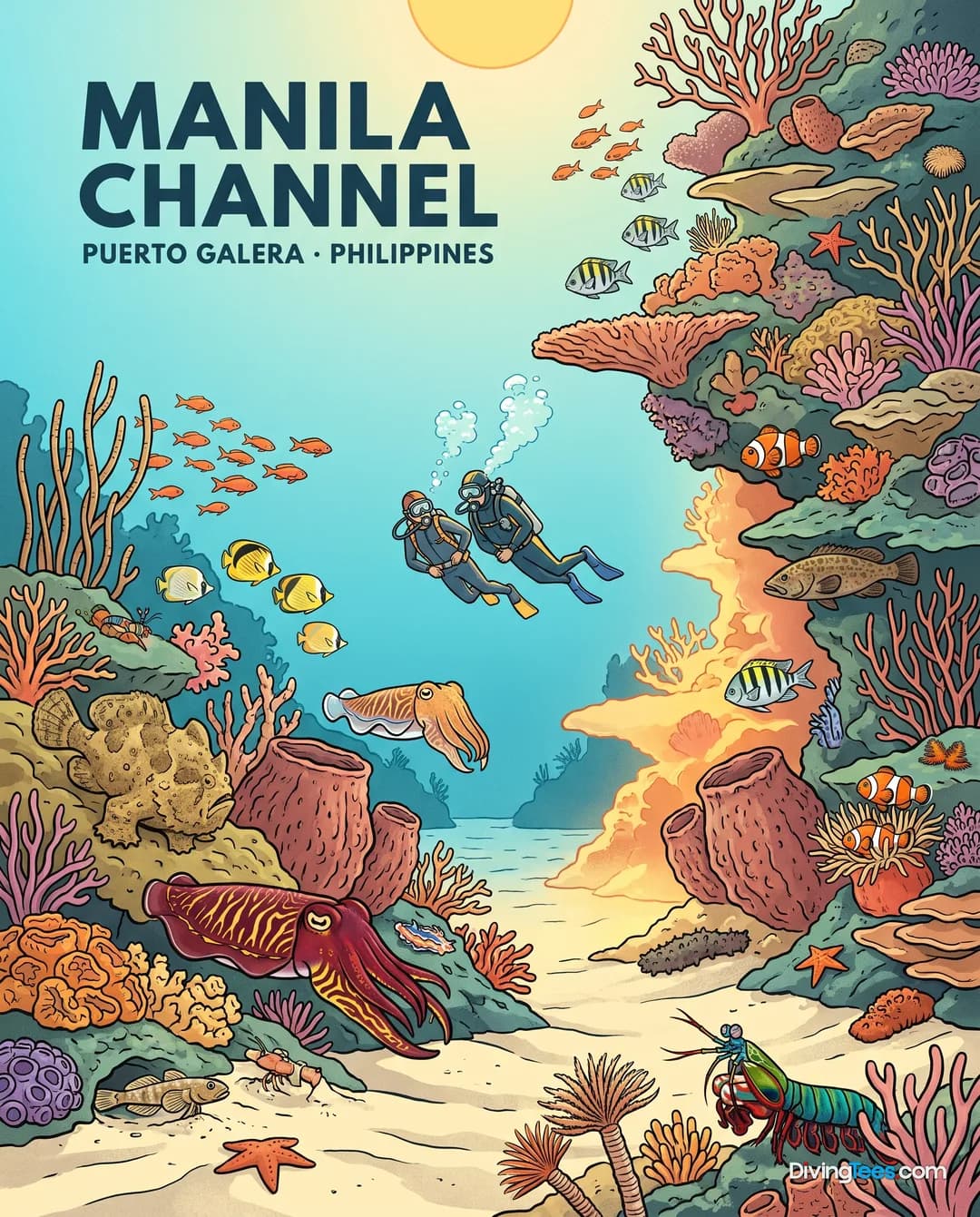
down to 22 m
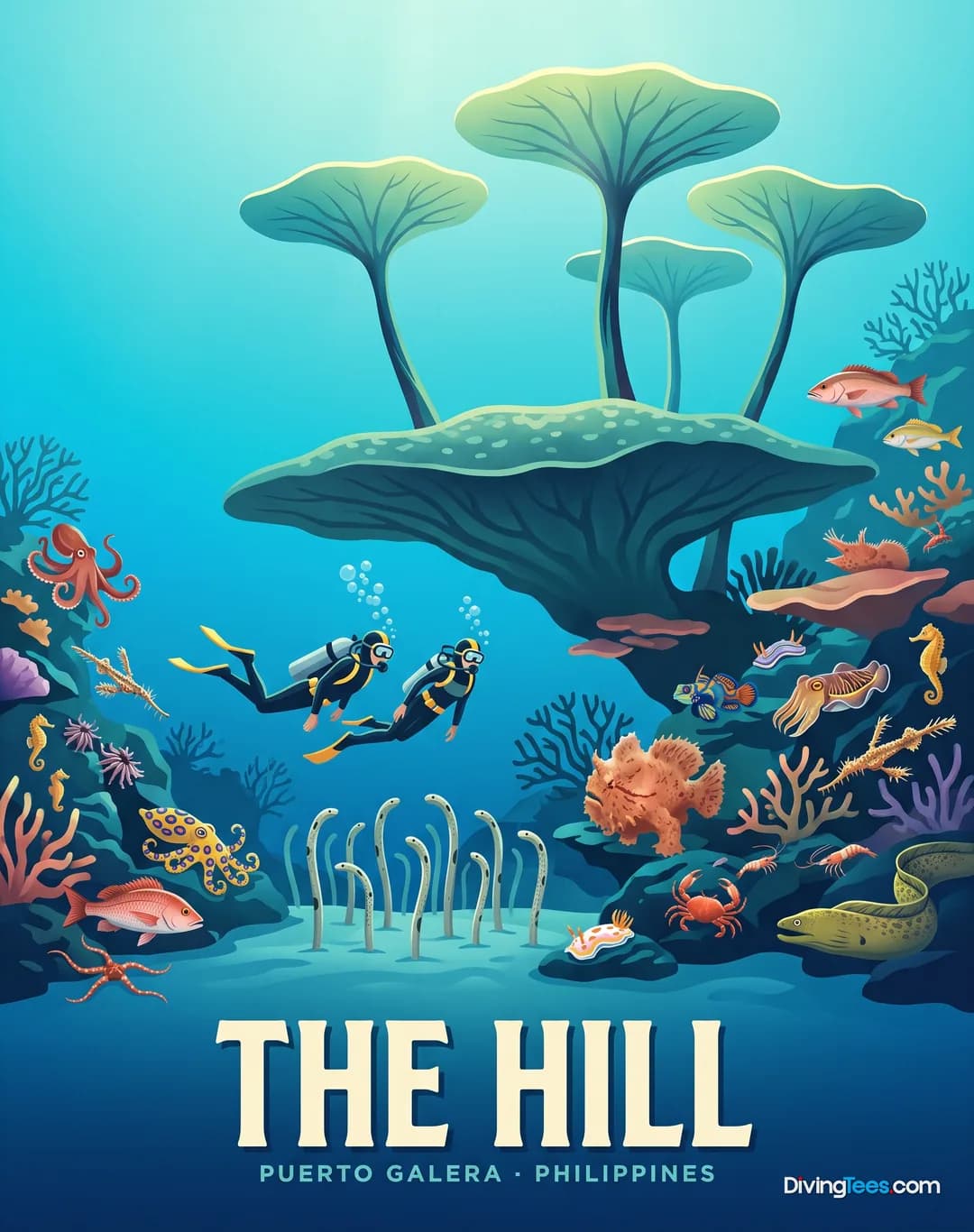
down to 25 m
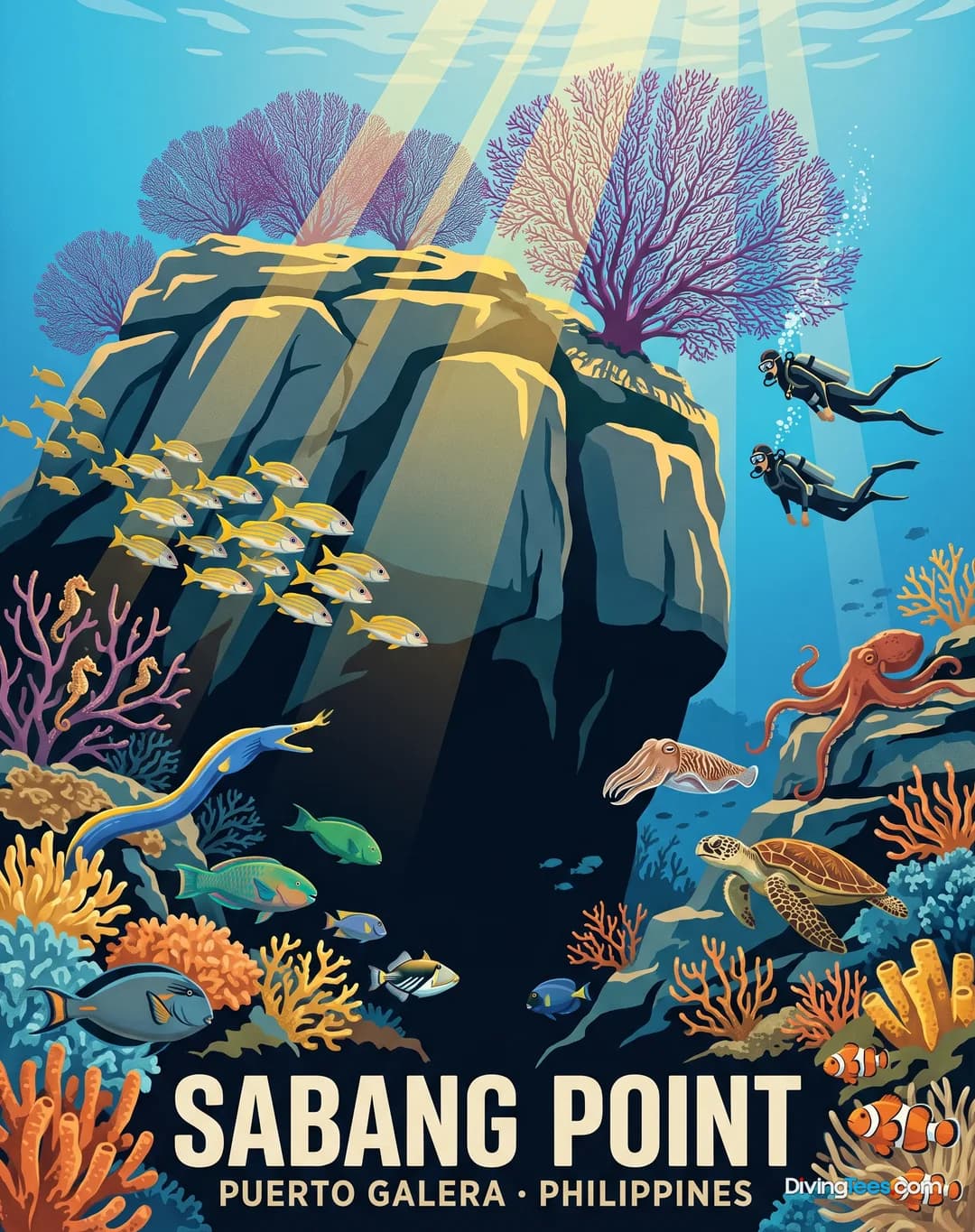
down to 25 m
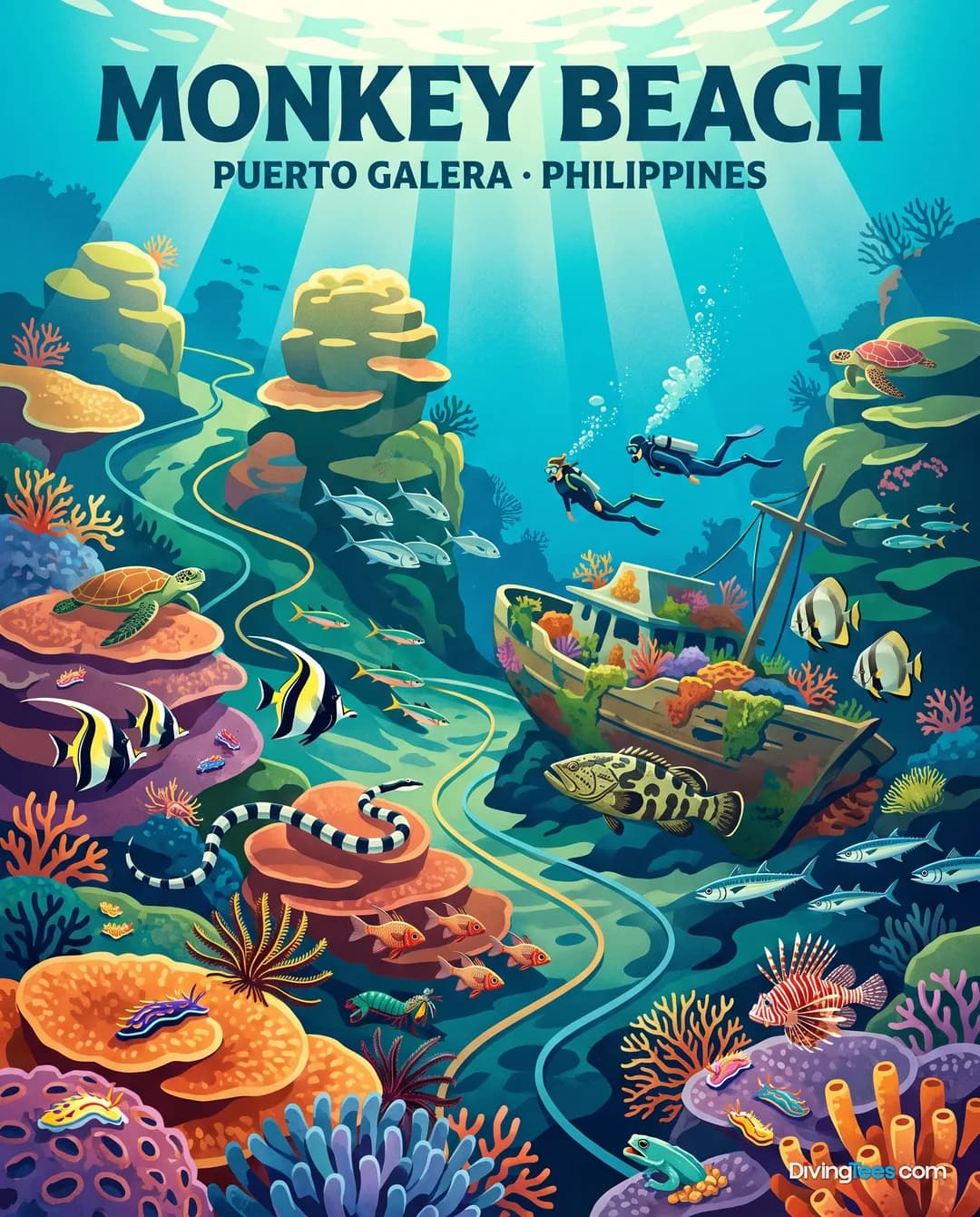
down to 35 m
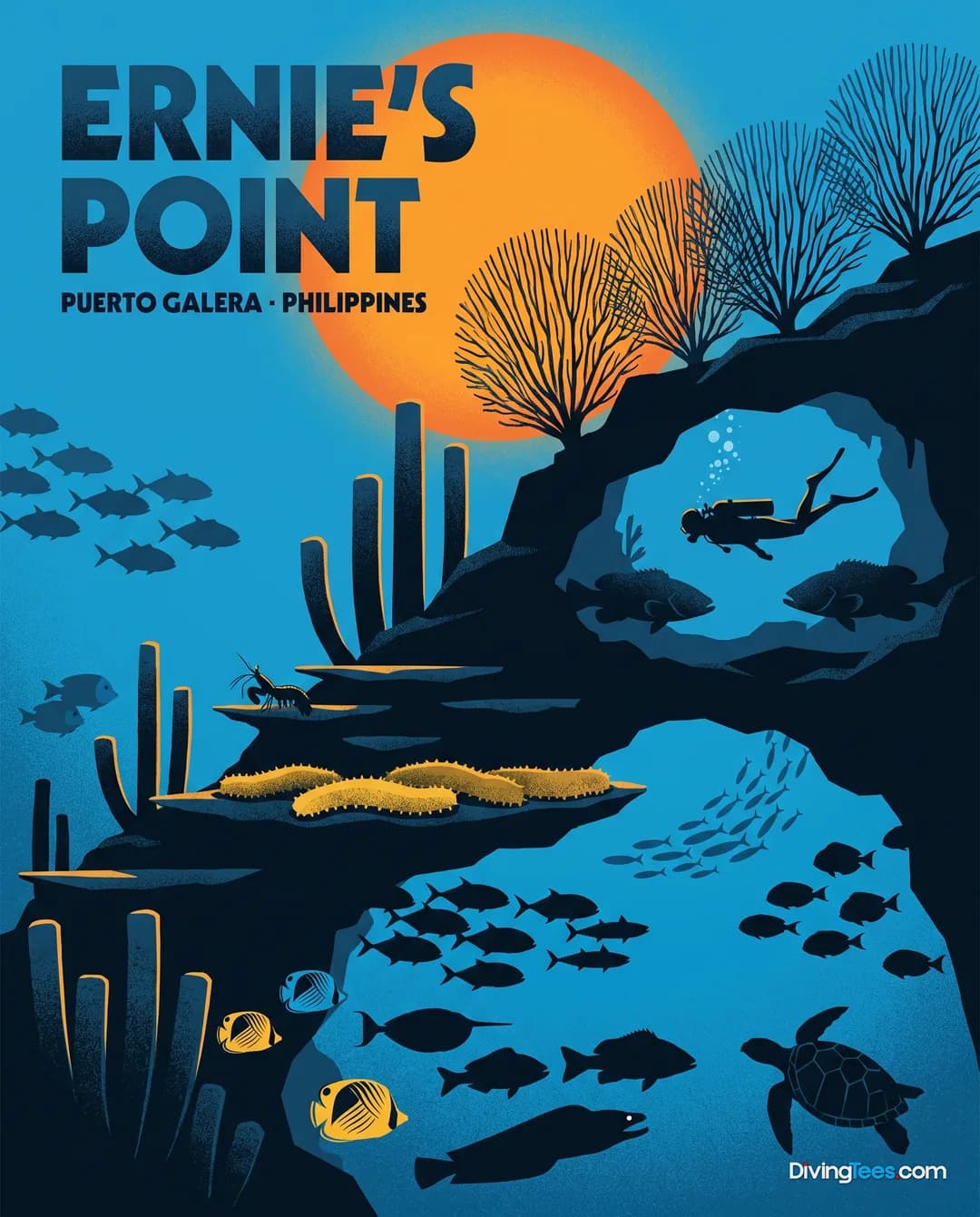
down to 30 m
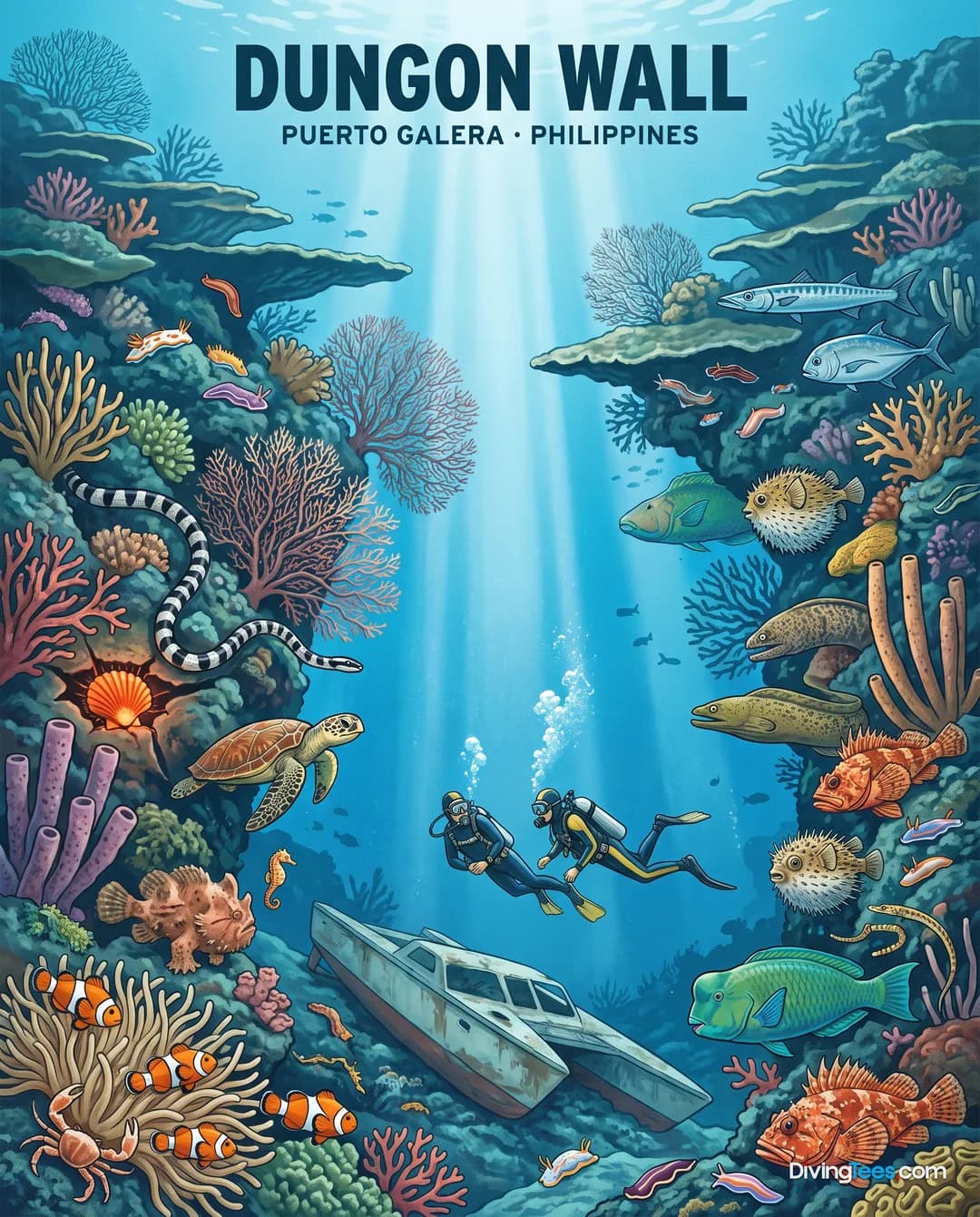
down to 35 m
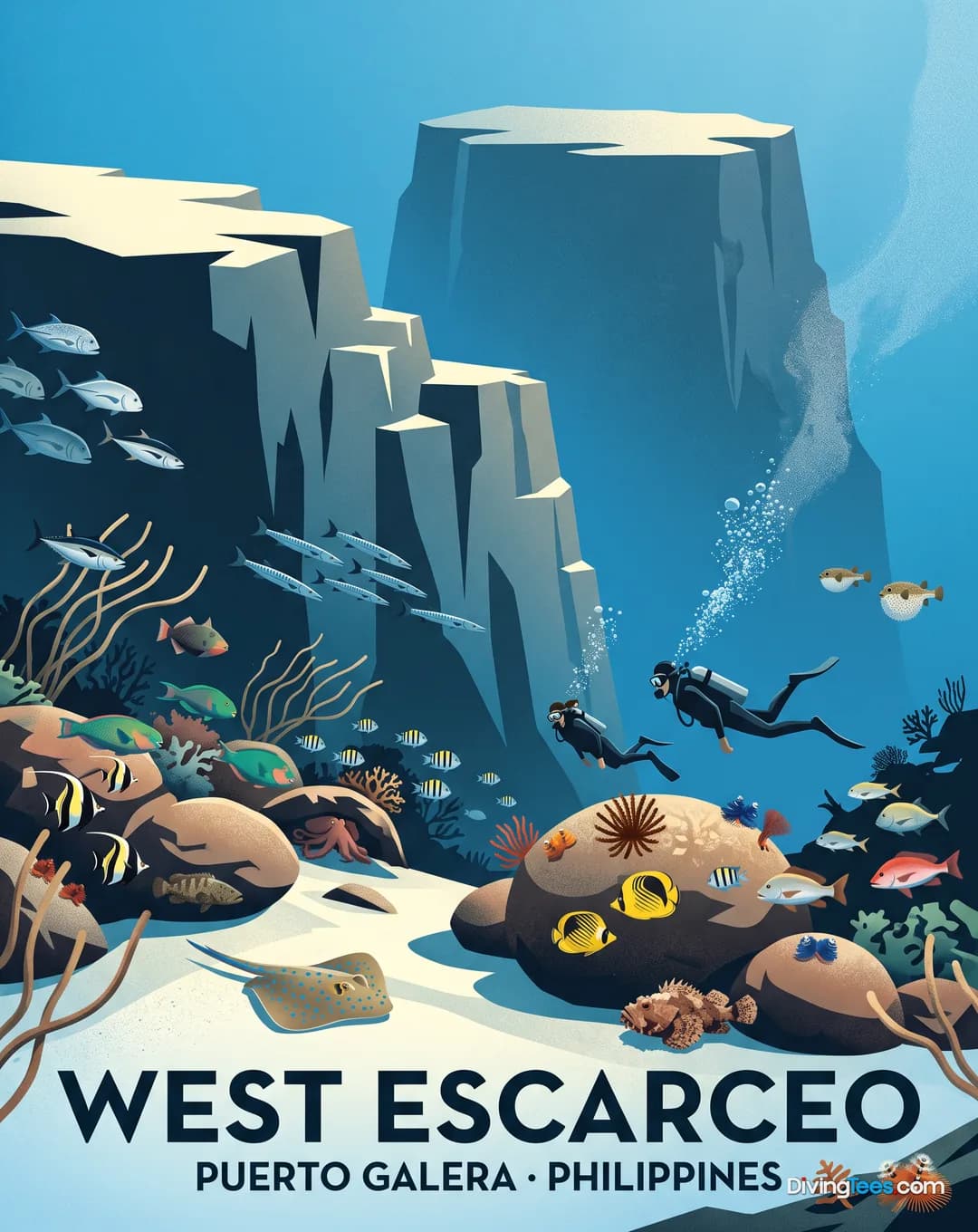
down to 30 m
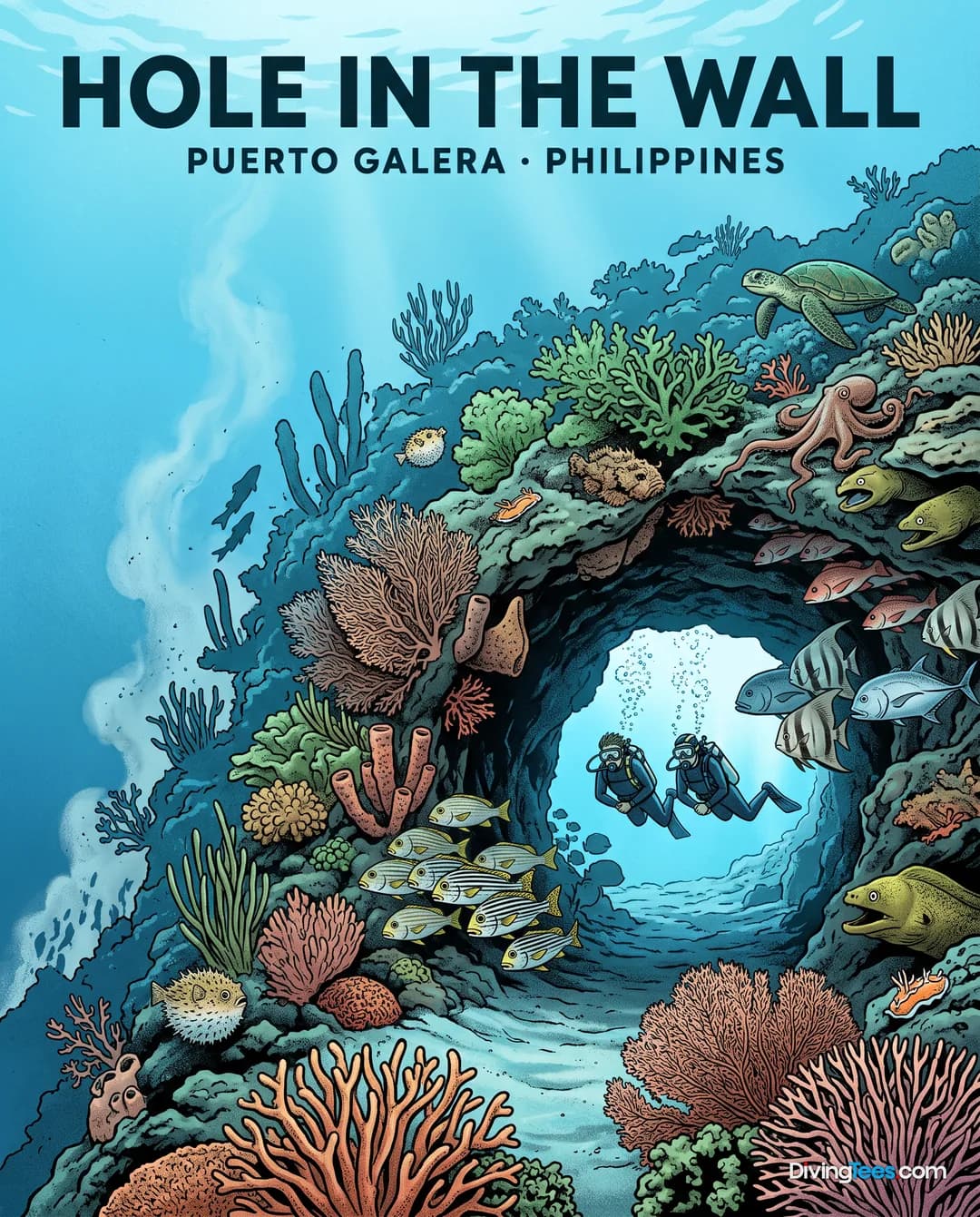
down to 20 m
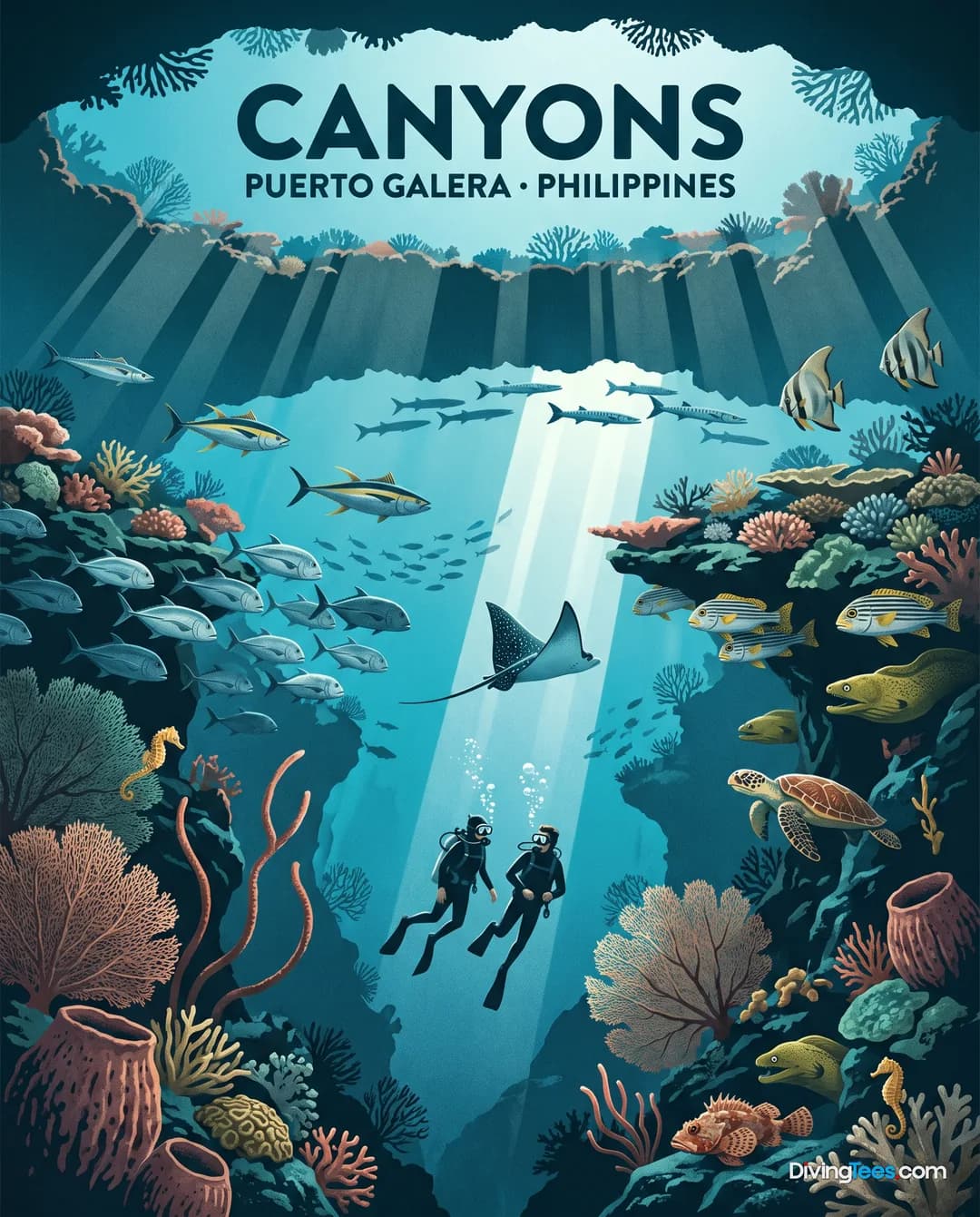
down to 35 m
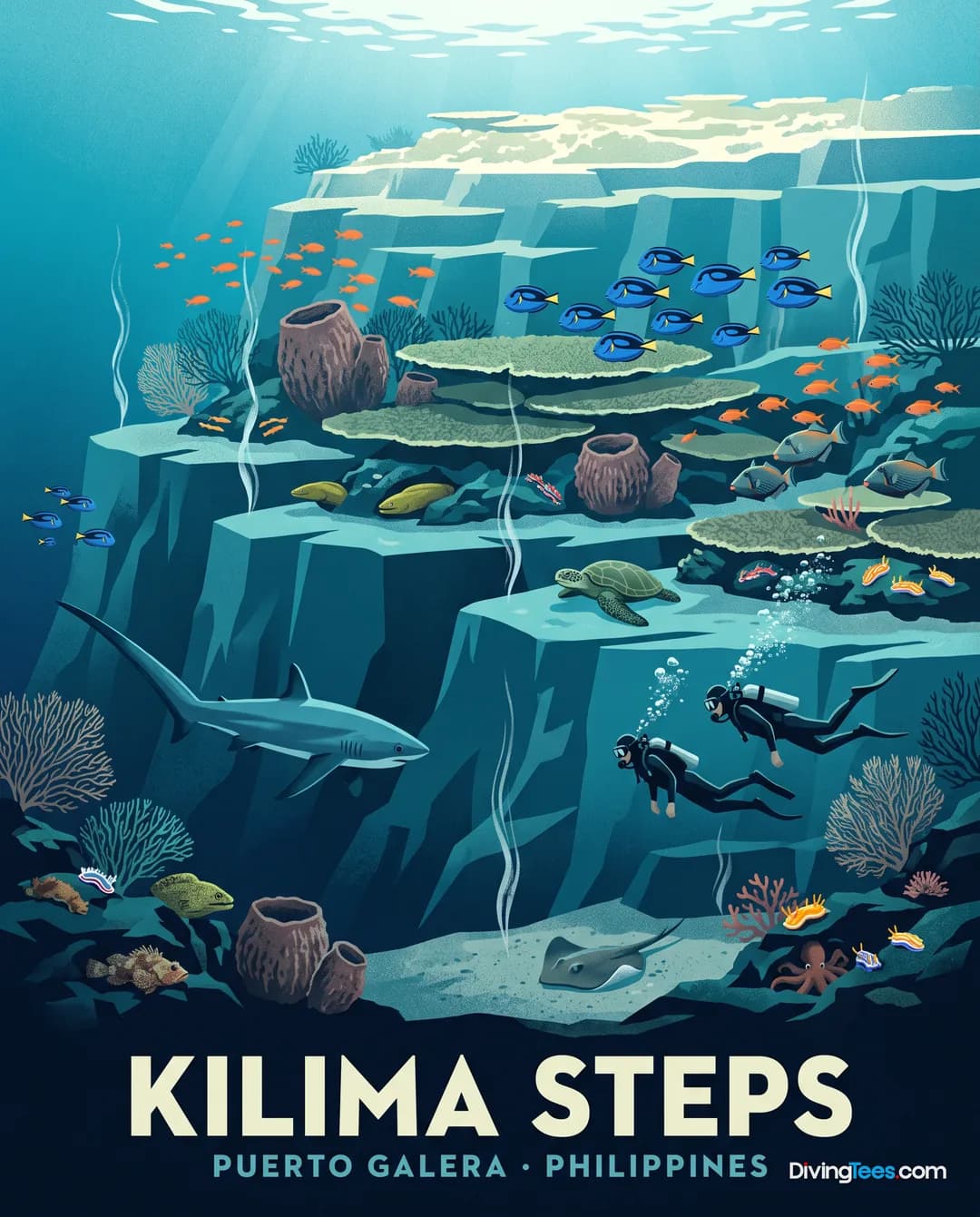
down to 40 m
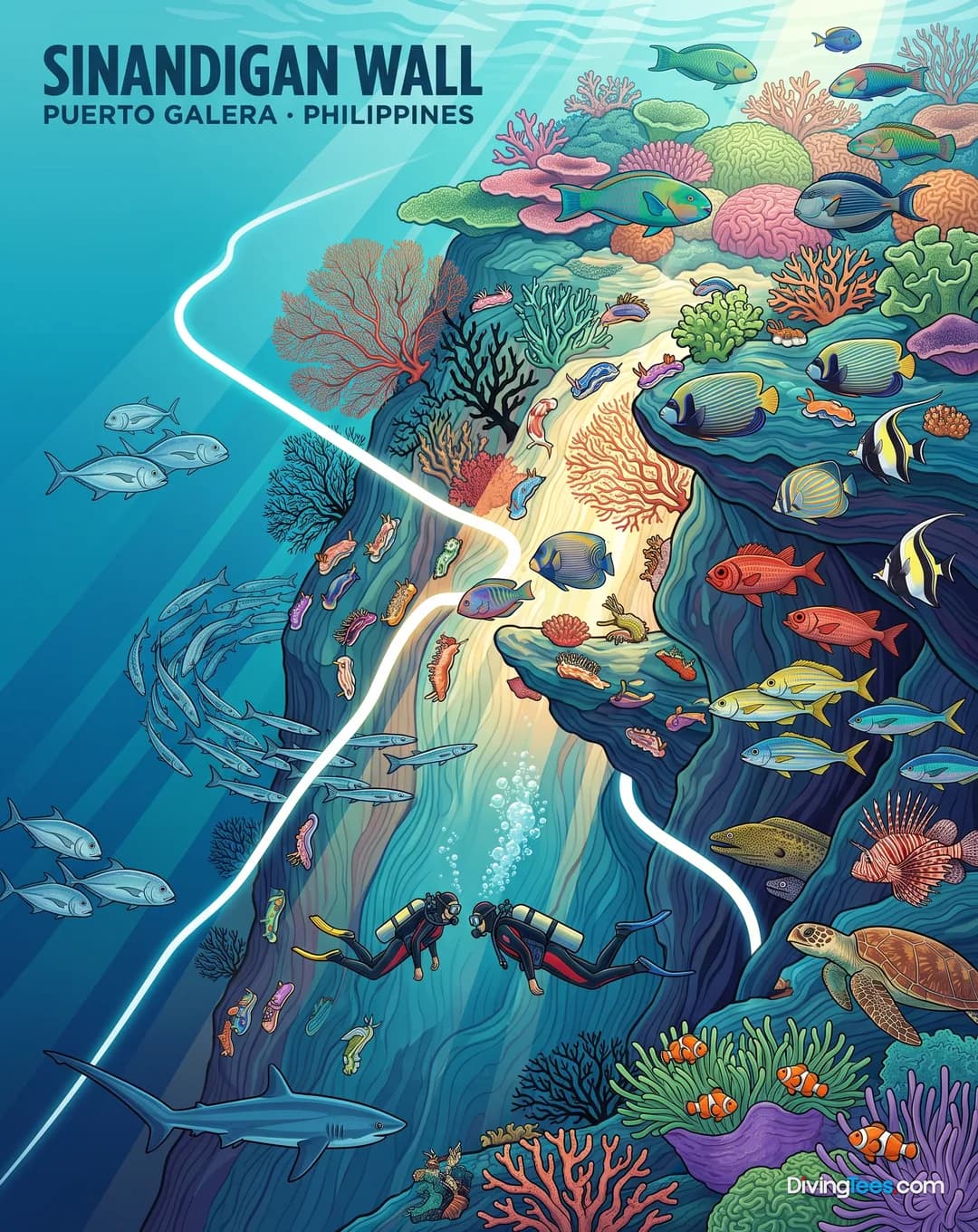
down to 40 m
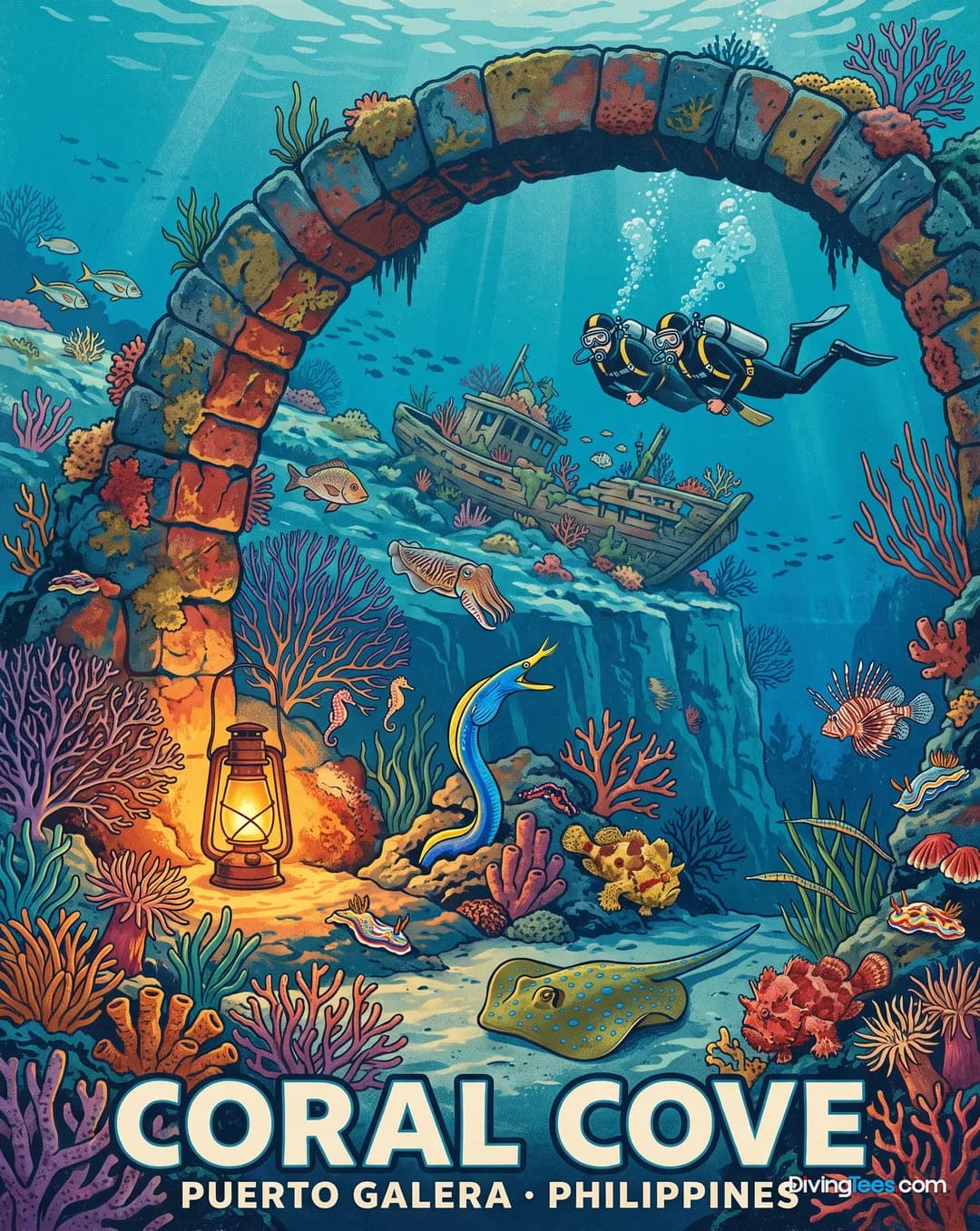
down to 25 m
And some of the dive sites the centre runs.
The reefs are a riot of colour, supported by a vast array of hard corals (Scleractinia) and soft corals (Alcyonacea). You will find extensive gardens of gorgonians, sea fans (Gorgoniidae), whip corals, and various species of brain corals, table corals, and staghorn corals.
Macro enthusiasts will find plenty to observe in the crevices and sandy patches. The area is home to a huge variety of nudibranchs, pygmy seahorses (Hippocampus bargibanti), ghost pipefish (Solenostomus paradoxus), and various species of shrimp and crabs. You can also look for octopus (Octopus vulgaris), cuttlefish (Sepiidae), and flamboyant cuttlefish.
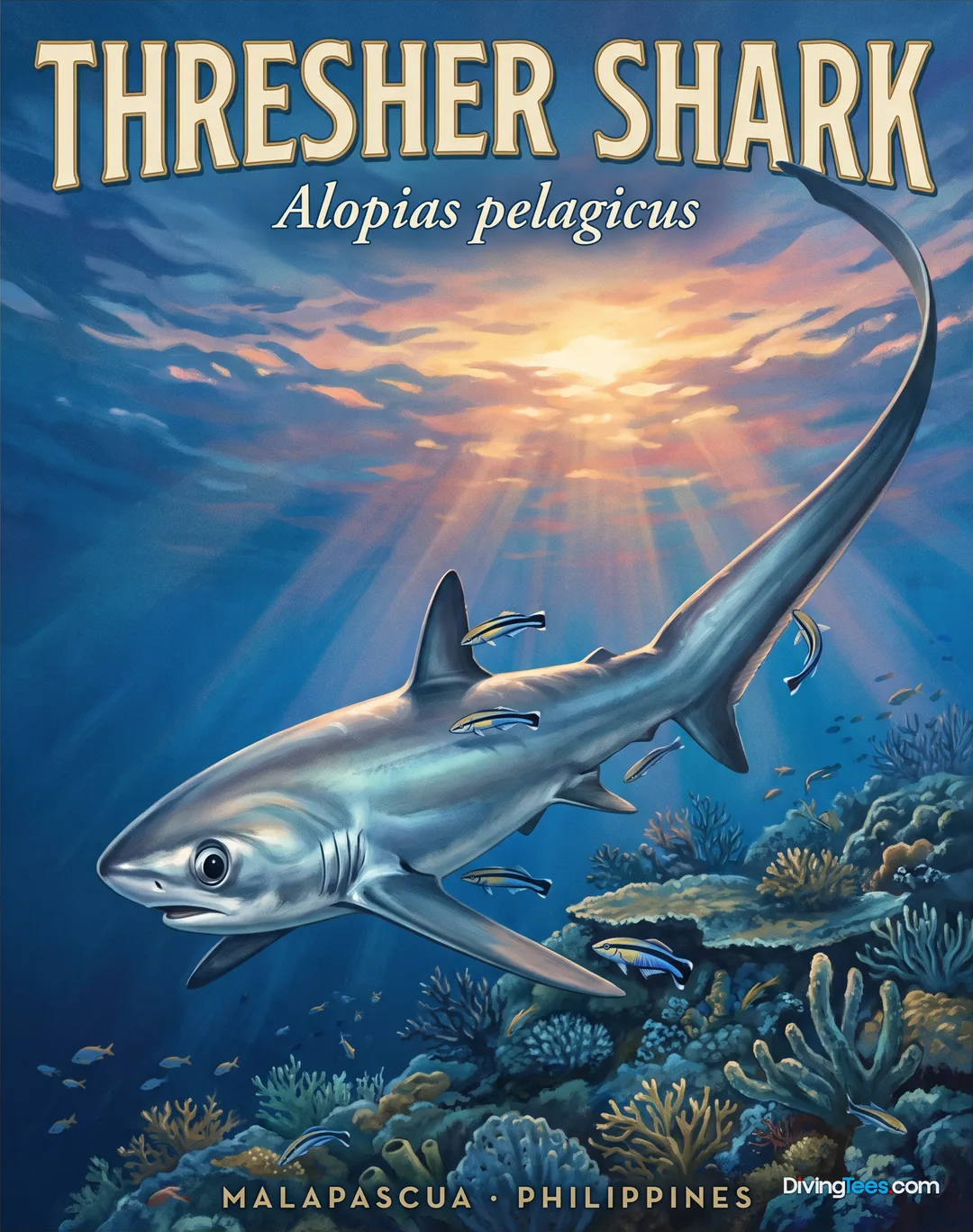
For those looking for larger animals, the sites frequently host schools of fish including snappers (Lutjanus), jacks (Carangidae), and various species of trevally. You may encounter pelagic species such as tuna (Thunnus), barracuda, and occasionally a thresher shark. Larger residents like the Napoleon wrasse, groupers (Epinephelus), and various species of sharks, including whitetip reef sharks (Triaenodon obesus), are also part of the local ecosystem.
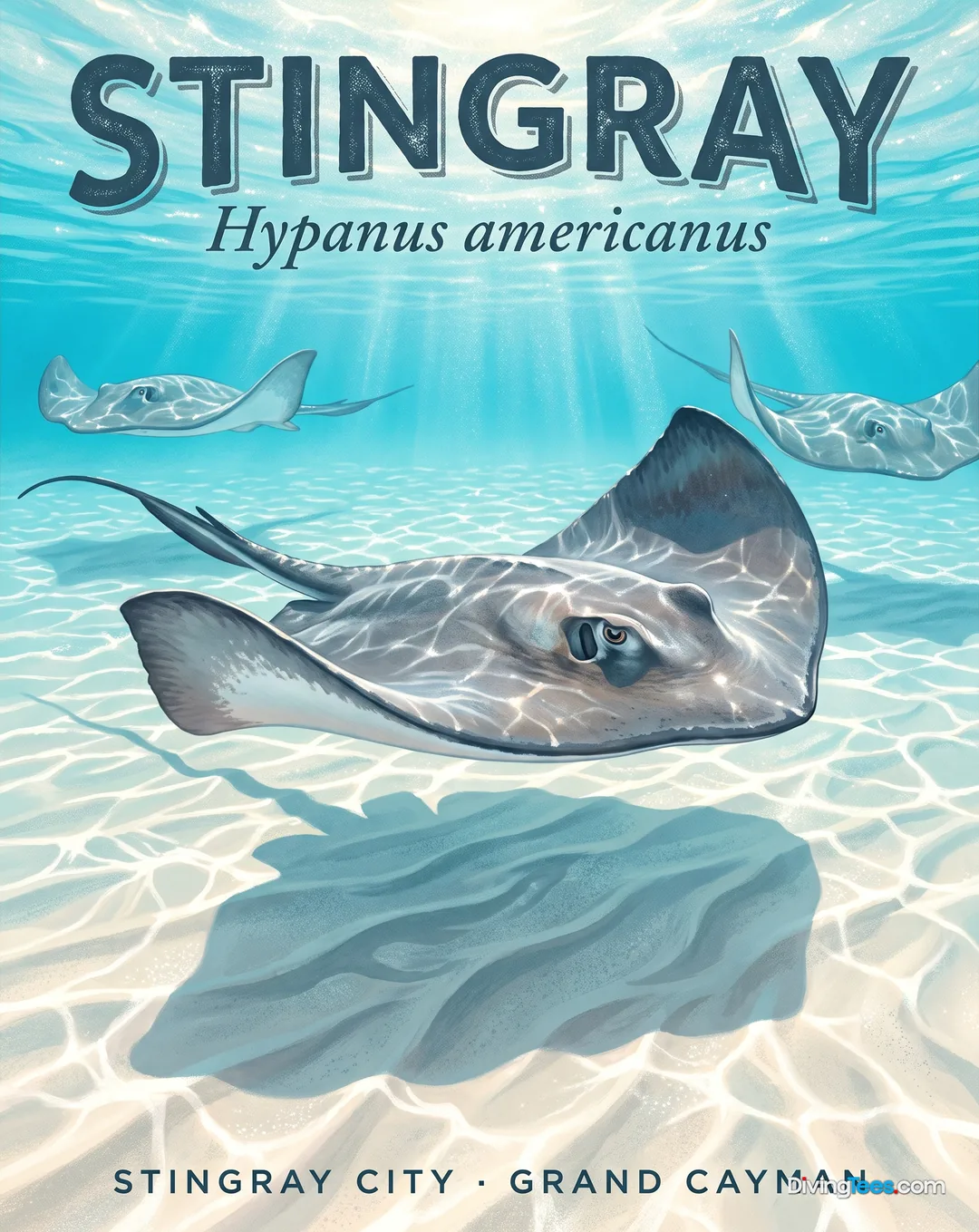
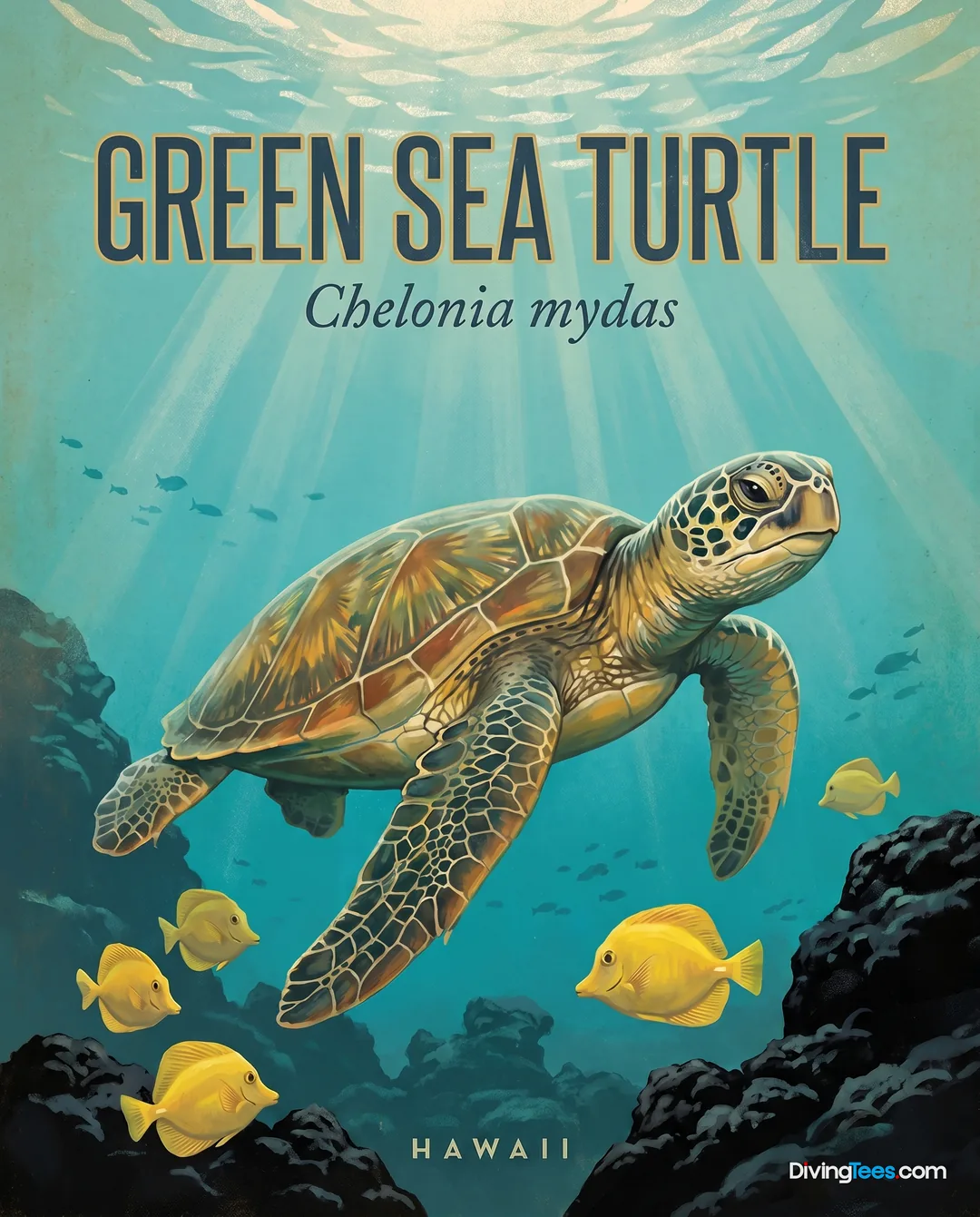
Reef residents like the green sea turtle (Chelonia mydas), hawksbill turtle (Eretmochelys imbricata), and various rays (Batoidea) are common sights. You will also see a wide range of colourful reef fish, from angelfish (Pomacanthidae) and butterflyfish (Chaetodon) to parrotfish (Calotomus) and surgeonfish (Acanthuridae).
The marine environment in Puerto Galera is characterised by varying current strengths depending on the site. While many reef flats and bays offer calm, low-current conditions suitable for beginners, sites like The Canyons, Odie’s Wall, and Washing Machine can experience very strong currents.
Water conditions are generally stable, but divers should be prepared for different environments, from sheltered bays to high-action drift dives along the walls and channels.
Hello, I'm Marina, DivingDeal.com's AI assistant. I answer in detail about hotels, dive centres and liveaboards.

Thinking about the whole trip and the flights? Talk it over with Edith →
Marina is an AI. Some links are affiliate links: DivingDeal may earn a commission, at no extra cost to you. Bookings are made with the partner.
★★★★
★ 9.1/10 (126 reviews)
less than 1 km away as the crow flies
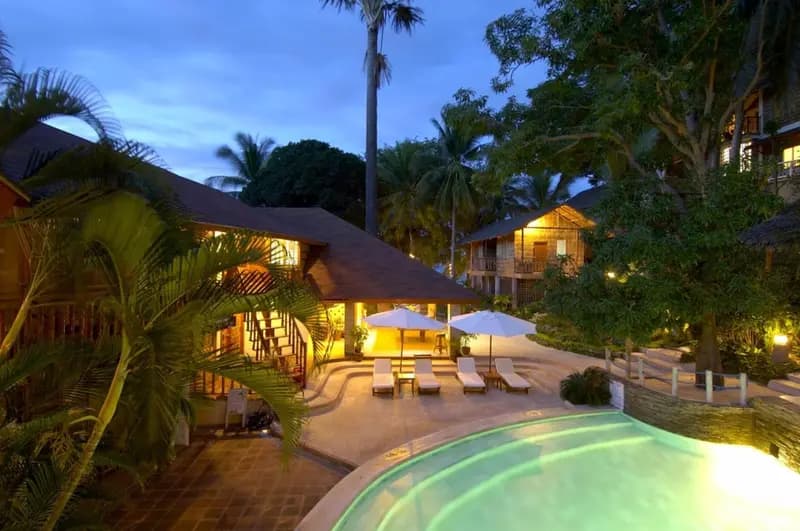
★★
★ 8.8/10 (60 reviews)
less than 1 km away as the crow flies
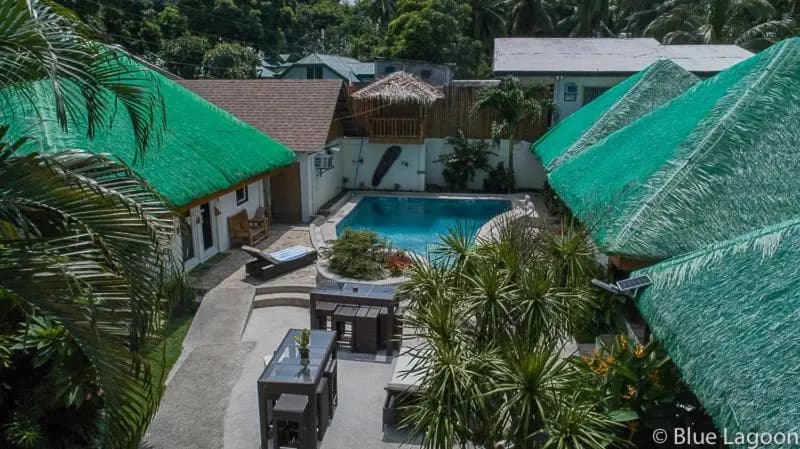
★★
★ 9.1/10 (42 reviews)
less than 1 km away as the crow flies
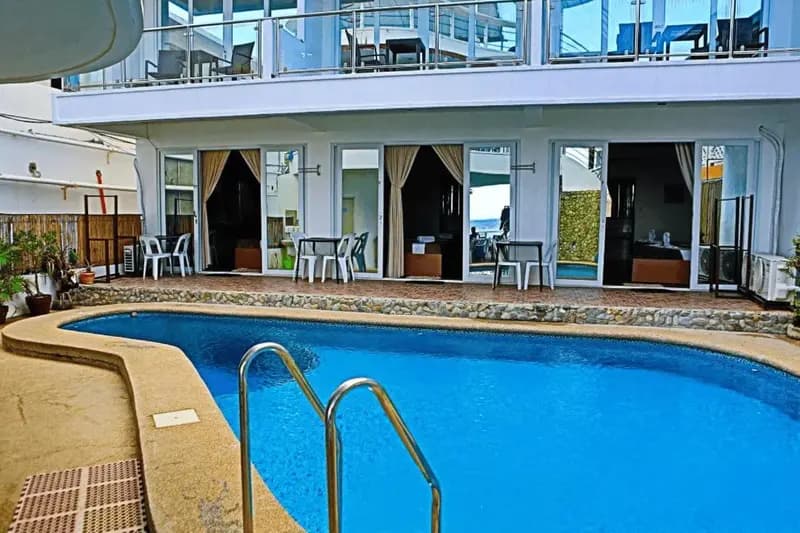
★★★
★ 9.2/10 (16 reviews)
less than 1 km away as the crow flies