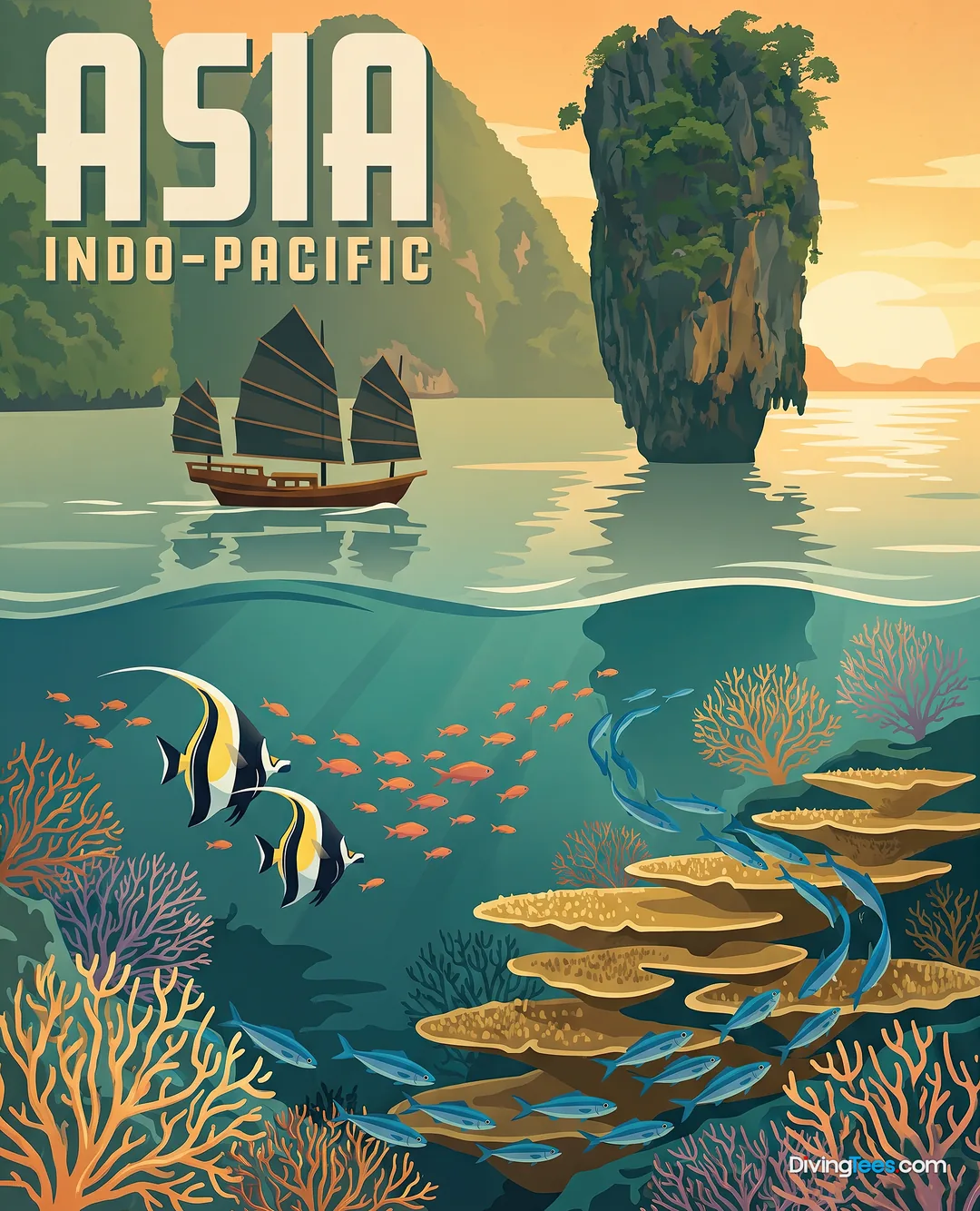
Liveaboards · Thailand
Aqua Thailand — a dive-first Andaman liveaboard
What makes this boat unique
- Aqua Thailand combines North and South Andaman routes with up to 22 dives on the longest itinerary.
- The 32-metre vessel was renovated in 2023 and carries up to 24 passengers in 12 air-conditioned cabins.
- Nitrox, night dives, transfers from the airport and hotel, meals, Wi-Fi and non-alcoholic drinks are included.
- Two Yamaha 40HP tenders support the diving, with DIN adapters and a separate camera rinse area on deck.
The invitation
Aqua Thailand is for divers who want Thailand's Andaman Sea in one continuous trip rather than a resort-based sample of it. The route can link the Similan and Surin Islands with Koh Bon, Koh Tachai, Richelieu Rock and the Southern Andaman sites, depending on the departure. That range is the point: granite boulder country, walls, pinnacles, coral gardens and two very different wrecks can all belong to the same liveaboard journey. Up to 22 dives are scheduled on the longest trips, with nitrox and night dives included. The boat is a practical choice for a diver who measures comfort by what happens between dives: a private bathroom, air-conditioning, a proper dive platform, two tenders and a separate camera rinse area. It is not being sold as a floating resort. It is a boat built around getting divers back into the water.
Boarding
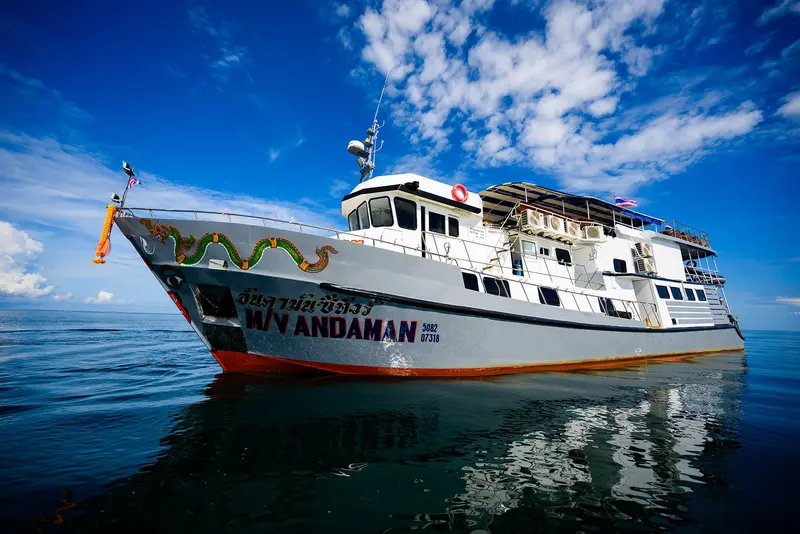
From the dock, Aqua Thailand presents itself as a working dive vessel rather than a polished yacht. Its 2023 renovation matters because it gives a 2004 hull a more recent interior and operating finish without changing the boat's purpose. Once aboard, the layout keeps the important movement simple: cabins sit on the lower deck, while diving, meals and time outside take place above. The saloon is air-conditioned for the hottest part of the day, and the terrace gives the group somewhere to come up for air after a dive. Two engines keep the boat moving between sites, while the deck is arranged for repeated entries, exits and equipment handling. The impression is functional and social: with a maximum of 24 passengers, the boat is large enough to offer several spaces but small enough that the same faces remain familiar throughout the trip.
The atmosphere on board
Aqua Thailand runs with a local team that speaks English, Thai and Chinese. That language mix is useful at the points where clarity matters most: cabin questions, meal preferences, equipment handling and dive briefings. The crew's role is visible in the small repeated jobs of a liveaboard week—keeping the dive areas usable, moving equipment between boat and tender, preparing meals and resetting the boat for the next entry. The atmosphere is shaped less by formal luxury than by how quickly those jobs are done when the group returns together from the water. In the evening, the saloon and outdoor dining area give divers somewhere to compare sightings, review photographs or stay with a drink after the night dive. A dedicated local team is the boat's strongest human asset; the vessel itself is more workmanlike than indulgent, and the crew is what turns that practical platform into an easy place to spend several days.
The sites you’ll dive
The route's attraction is its range. Similan Islands reach -40m, combining coral reefs with granite boulders where reef sharks, white- and blacktip sharks, leopard sharks, tuna and whale sharks may pass. Koh Tachai also reaches -40m, with submerged pinnacles, coral gardens and barracuda; Koh Tachai Pinnacle reaches -40m, where current sweeps across a coral-covered dome and can bring reef sharks, leopard sharks, manta rays and whale sharks. Koh Bon is the cleaning-station dive: its walls give manta rays a reason to return, with other pelagic hunters nearby. Boonsung Wreck is an old tin dredger at -18m, now an artificial reef dense with fish. Further south, the King Cruiser Wreck descends to -35m; the 85-metre twin-hulled ferry combines a substantial wreck with marine life. Surin Islands reach -25m and offer hard-coral gardens and granite outcrops. Elephant Head Rock reaches -60m, with arches, tunnels and caverns among huge boulders. Christmas Point reaches -40m, while Anita's Reef slopes to -35m over coral gardens and sand. Deep Six reaches -50m; Shark Fin Reef -40m; Breakfast Bend -35m; and West of Eden -40m through granite canyons, soft corals and gorgonians. Departures include 4-day/3-night South Andaman trips, 5-day/4-night Lipe trips and 5-day/4-night Similan–Koh Bon–Koh Tachai–Richelieu Rock itineraries, with longer schedules reaching 22 dives.
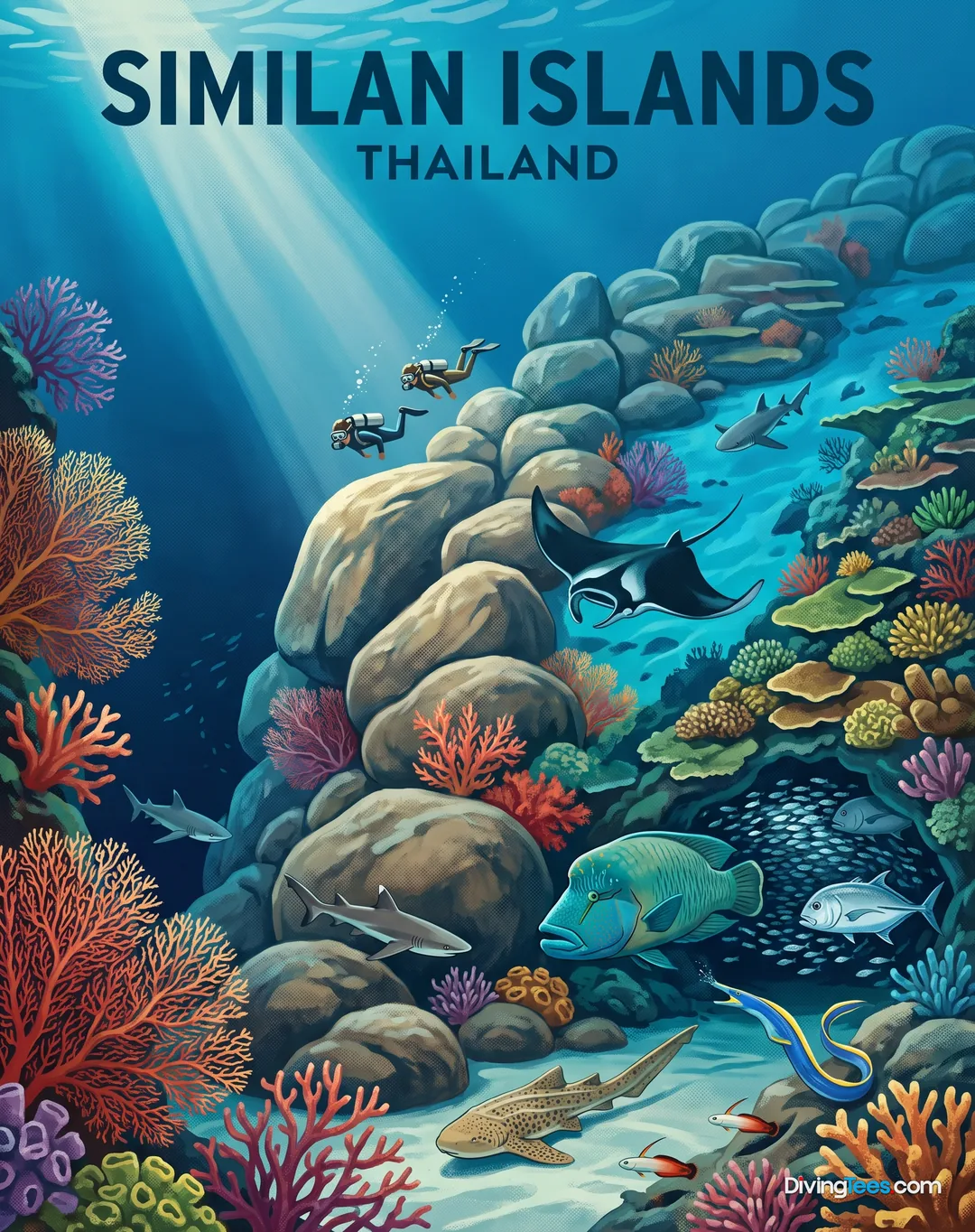
Similan Islands →
Max. depth · 40 m
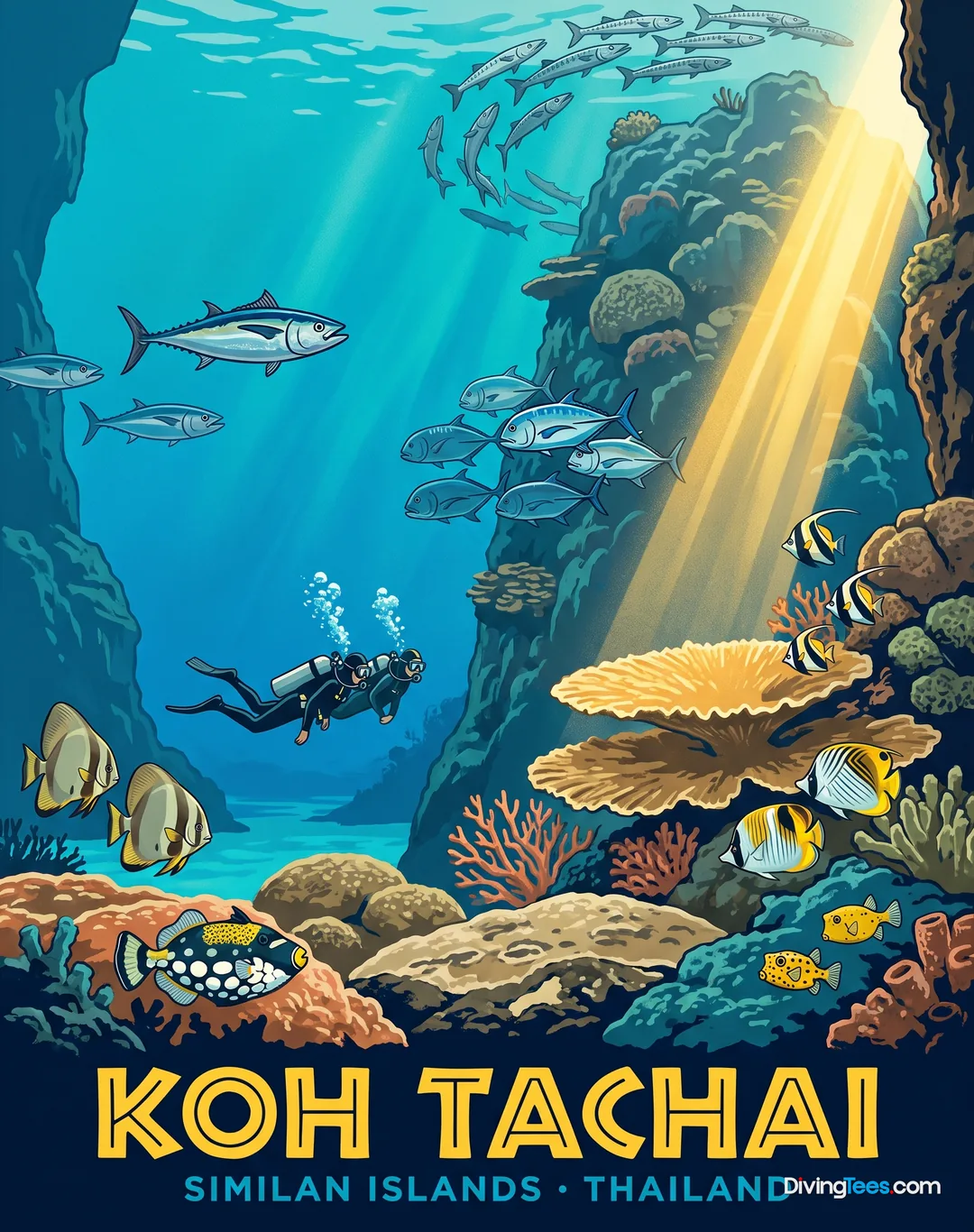
Koh Tachai →
Max. depth · 40 m
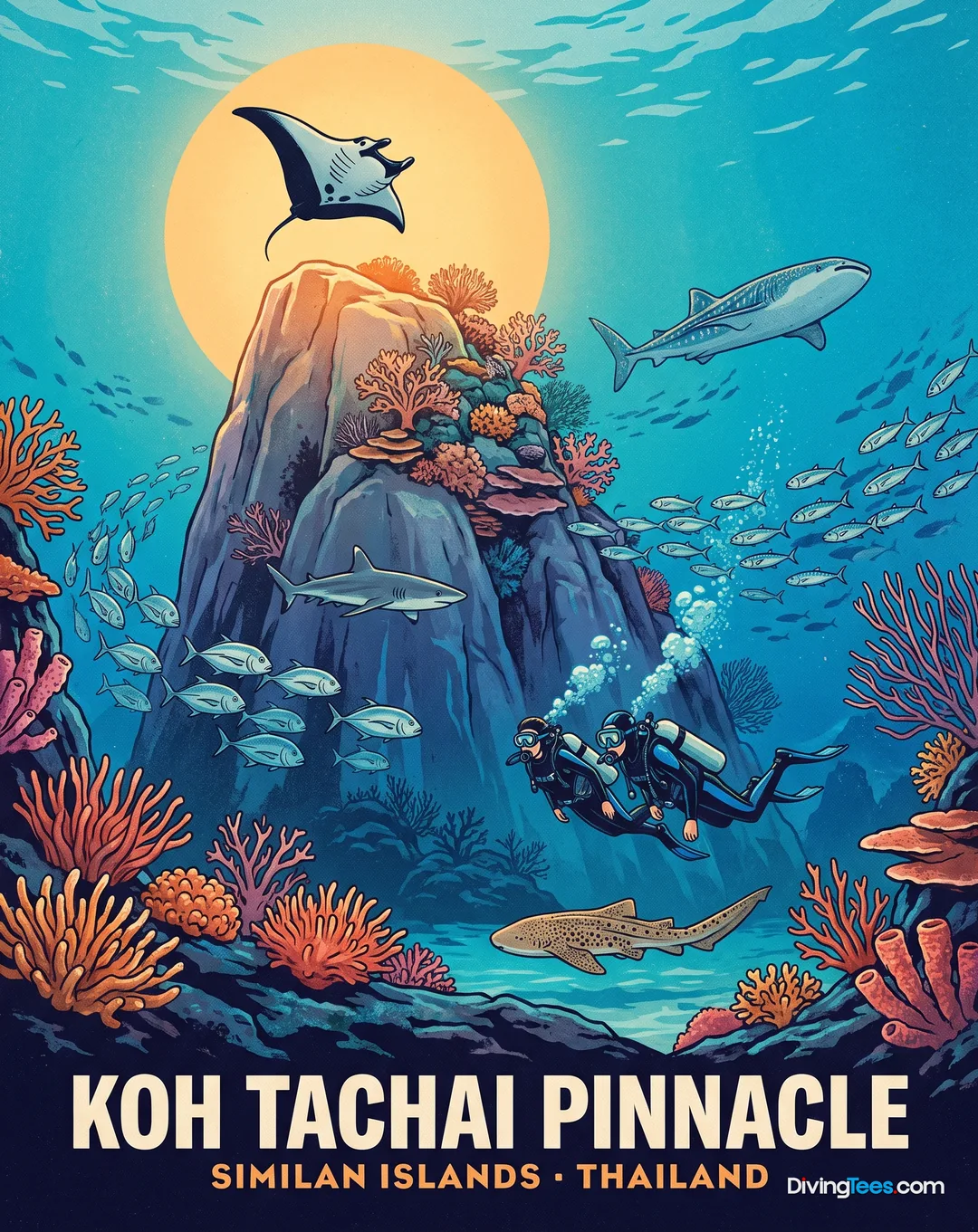
Koh Tachai Pinnacle →
Max. depth · 40 m
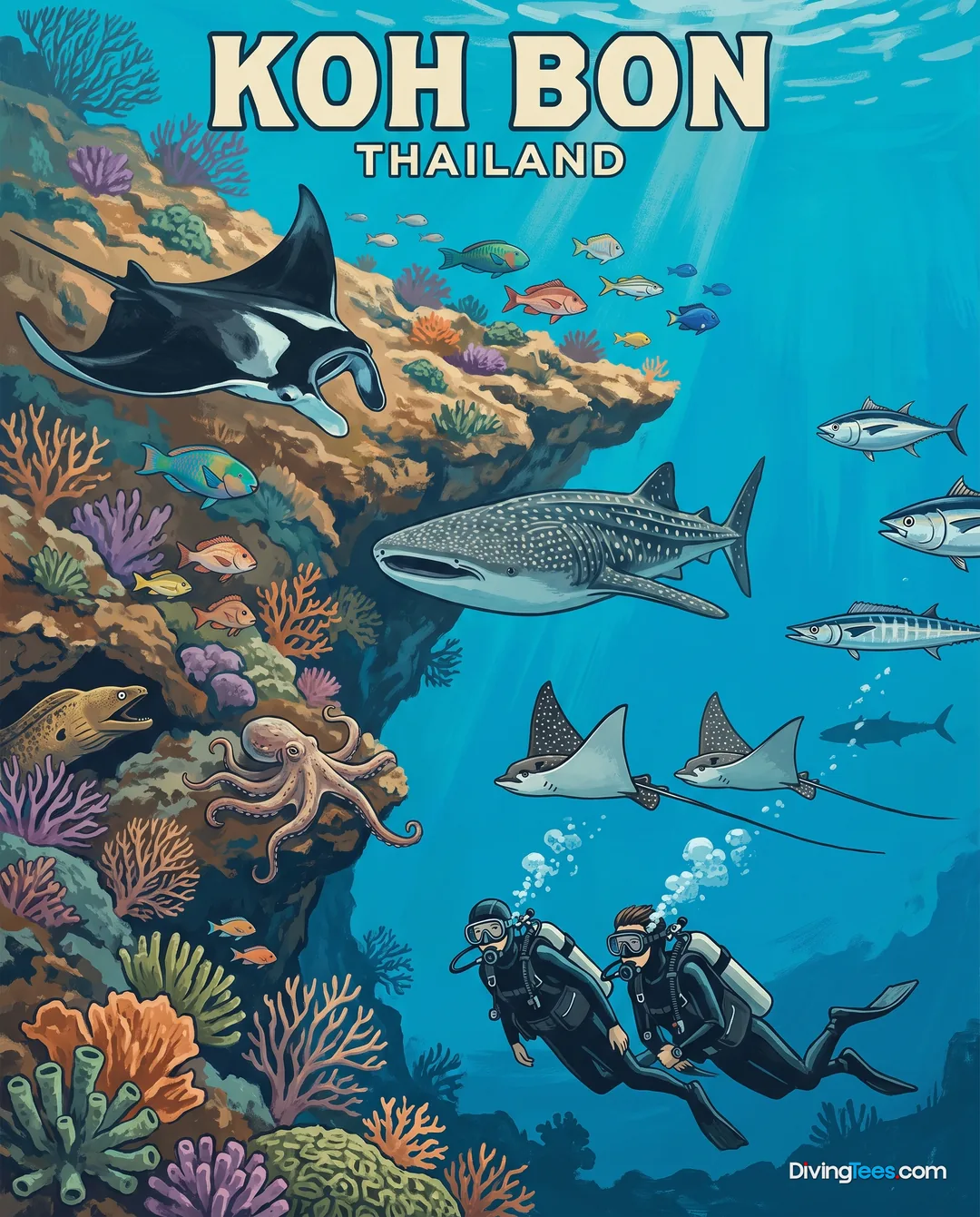
Koh Bon →
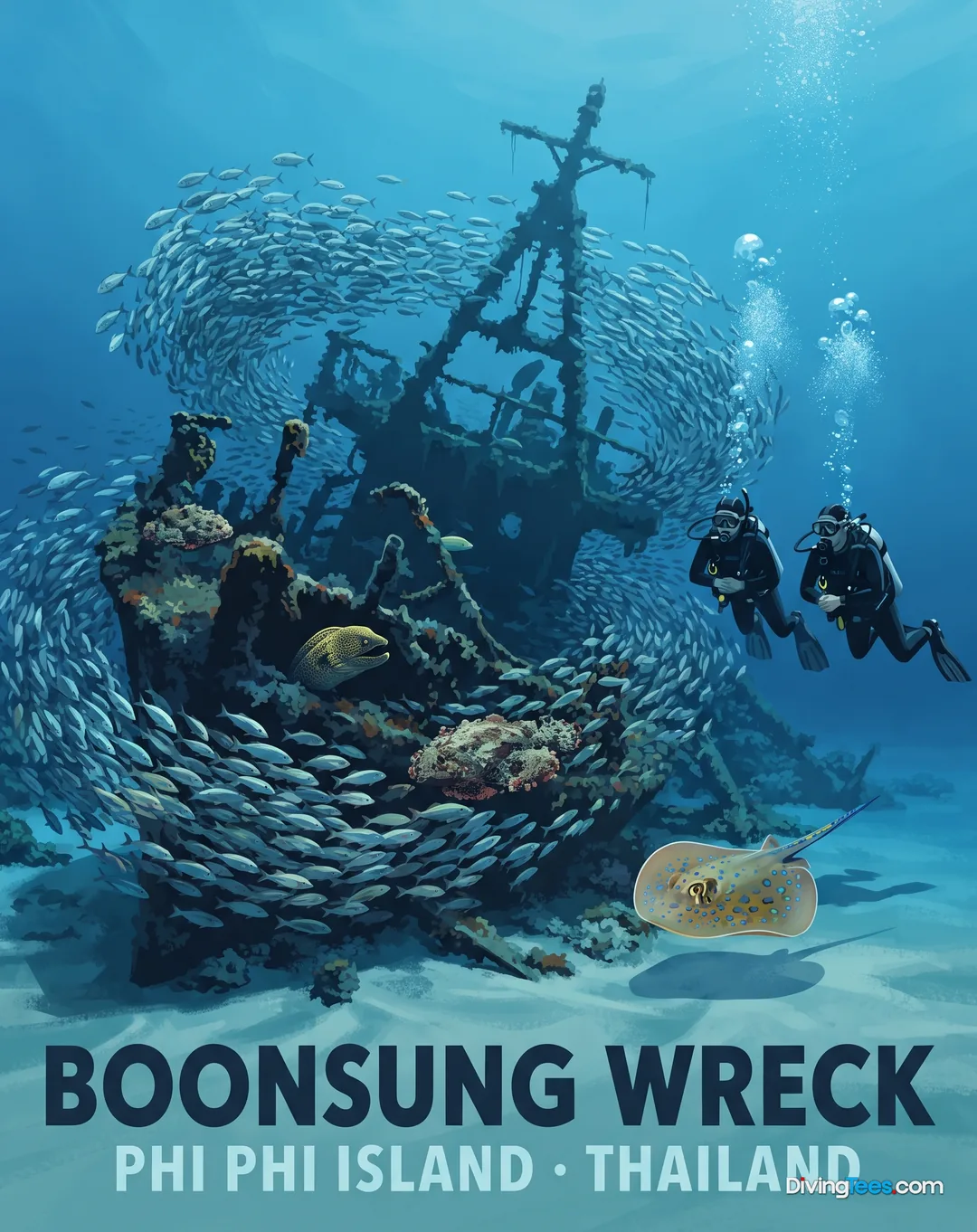
Boonsung Wreck →
Max. depth · 18 m
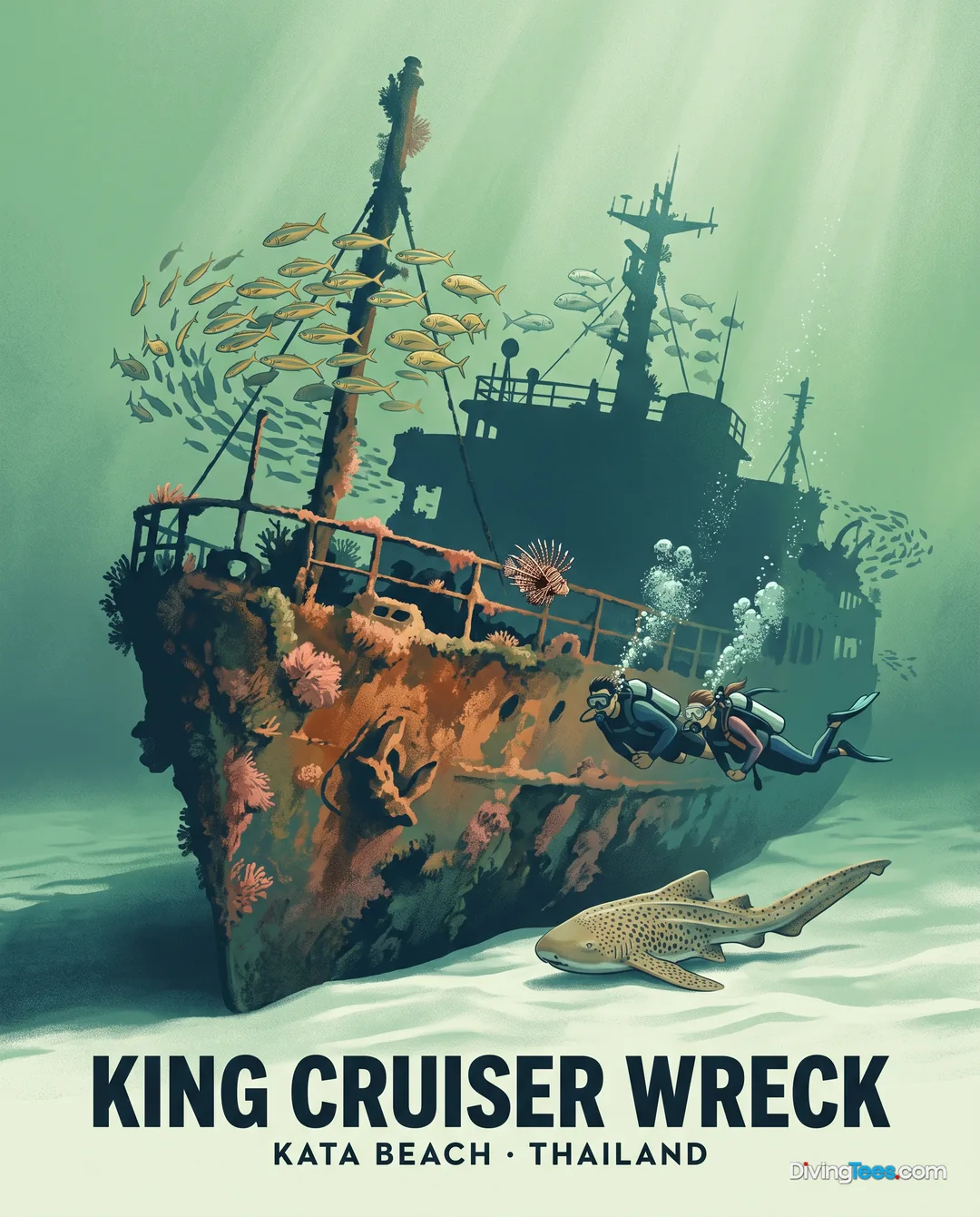
King Cruiser Wreck →
Max. depth · 35 m
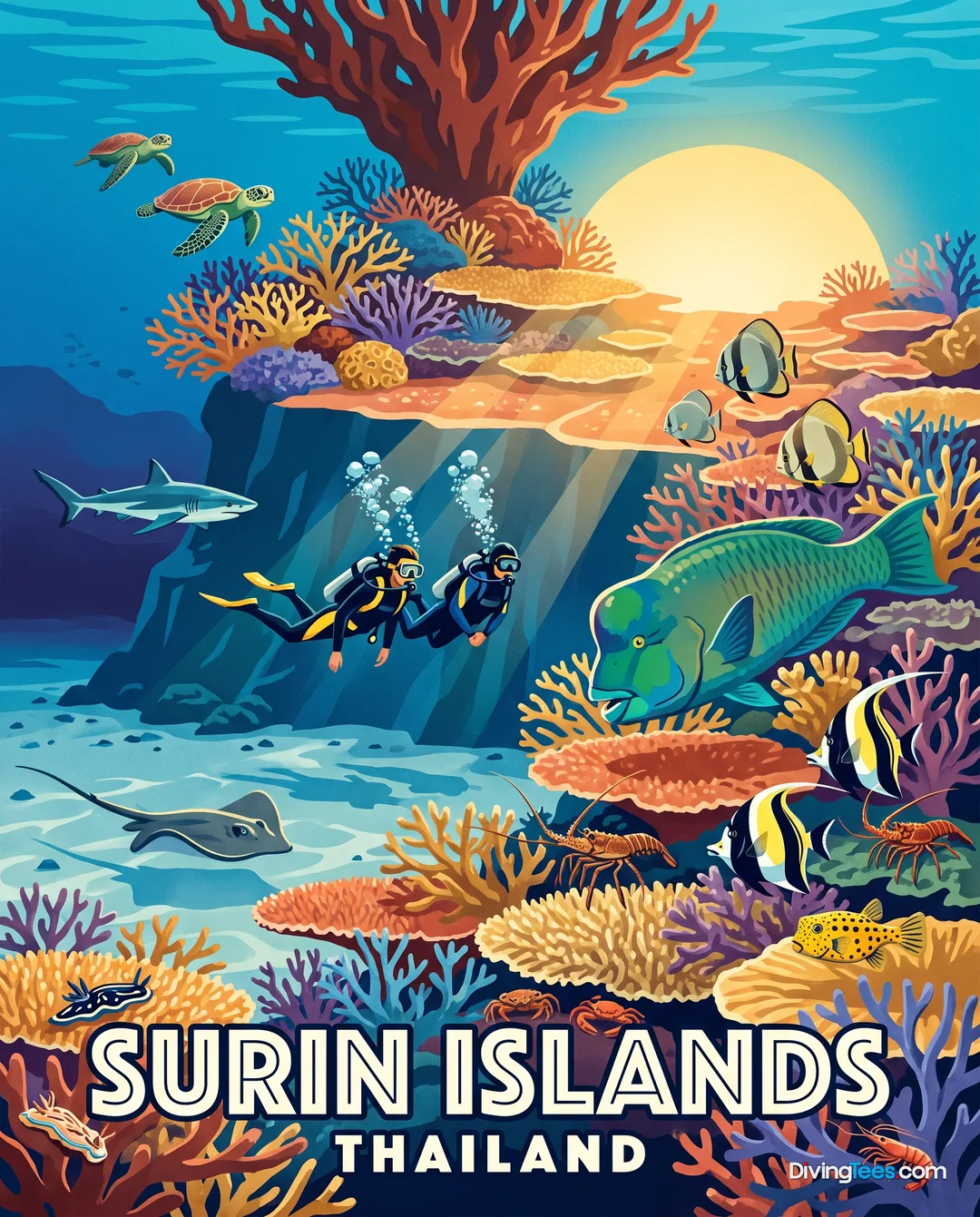
Surin Islands →
Max. depth · 25 m
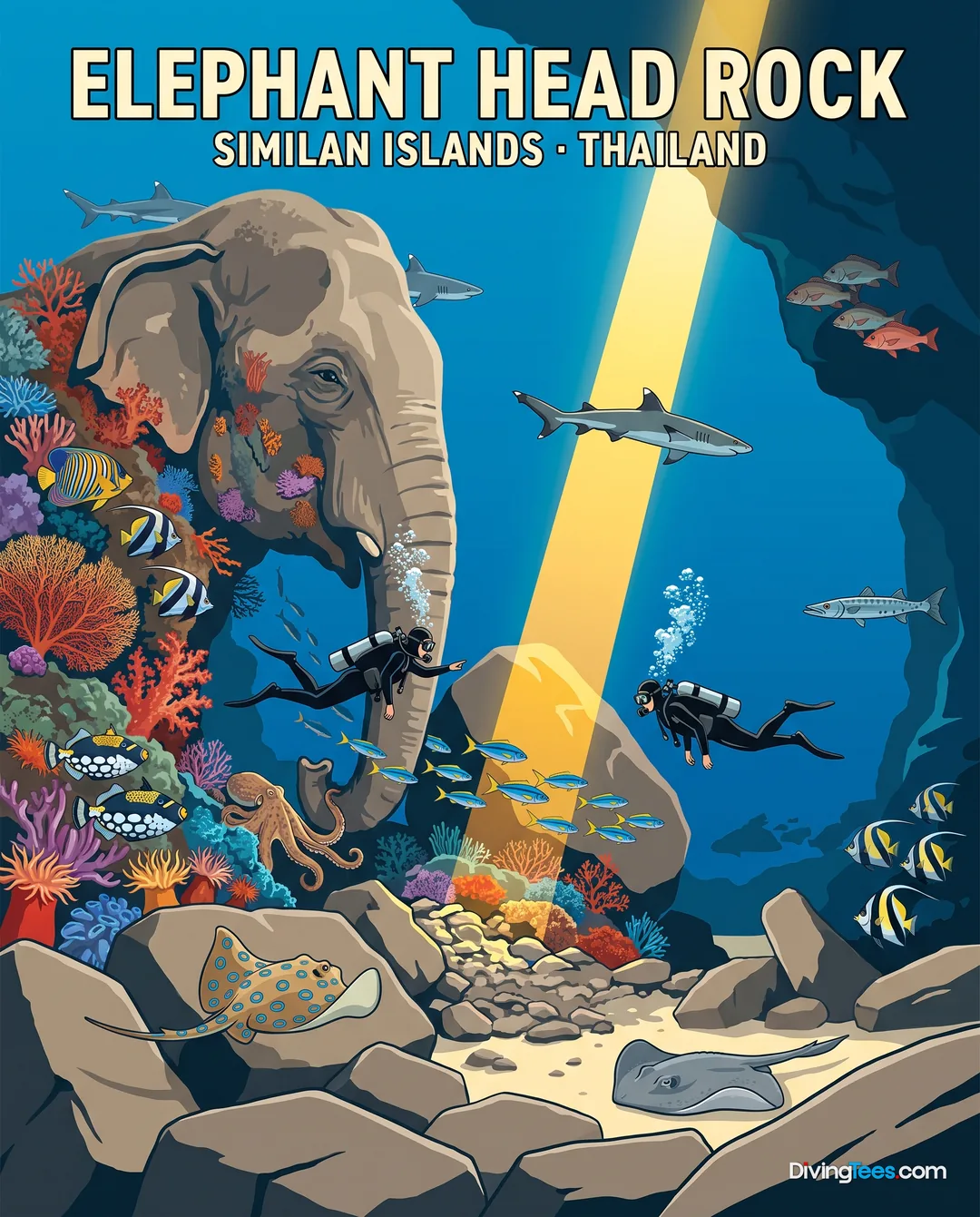
Elephant Head Rock →
Max. depth · 60 m
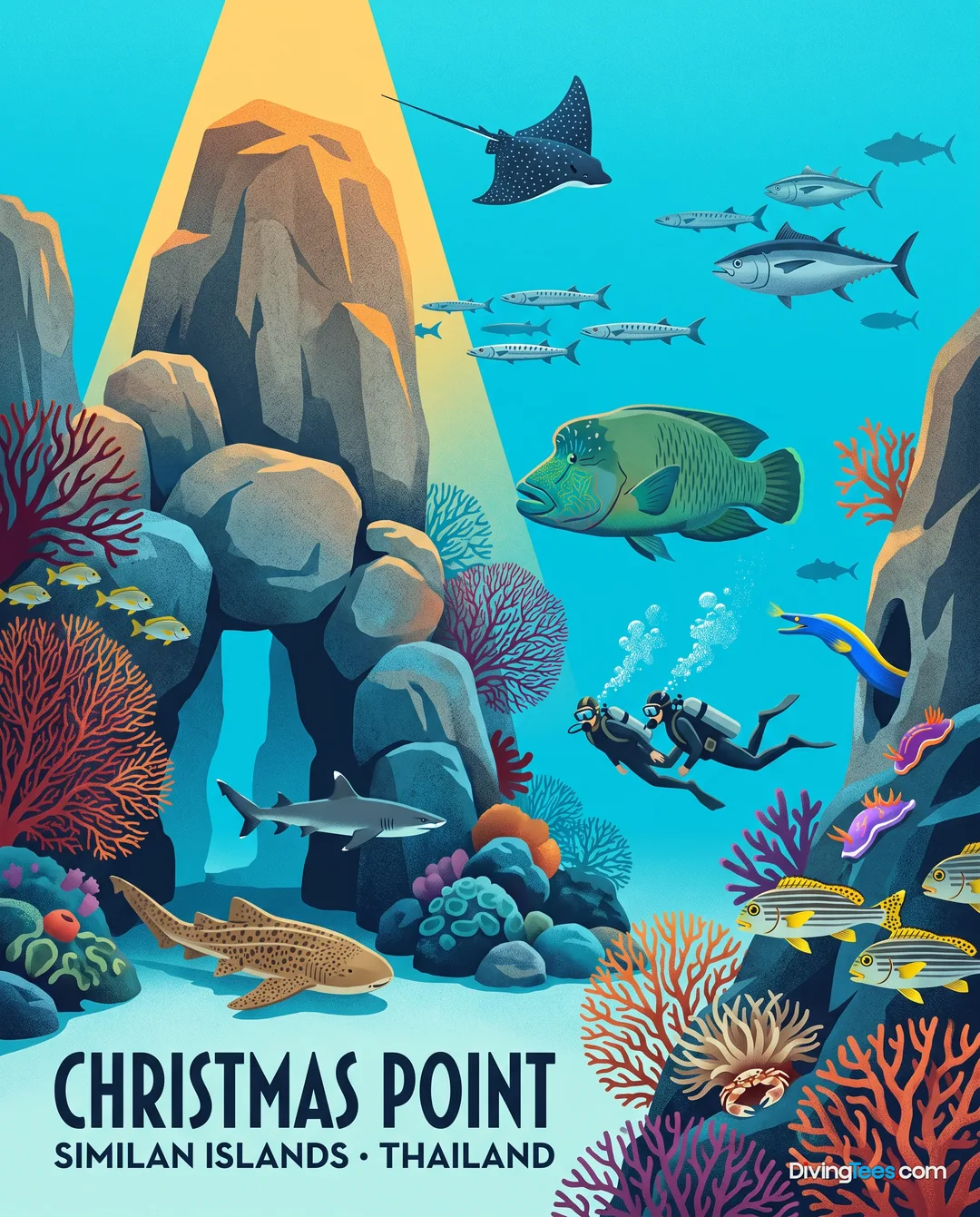
Christmas Point →
Max. depth · 40 m
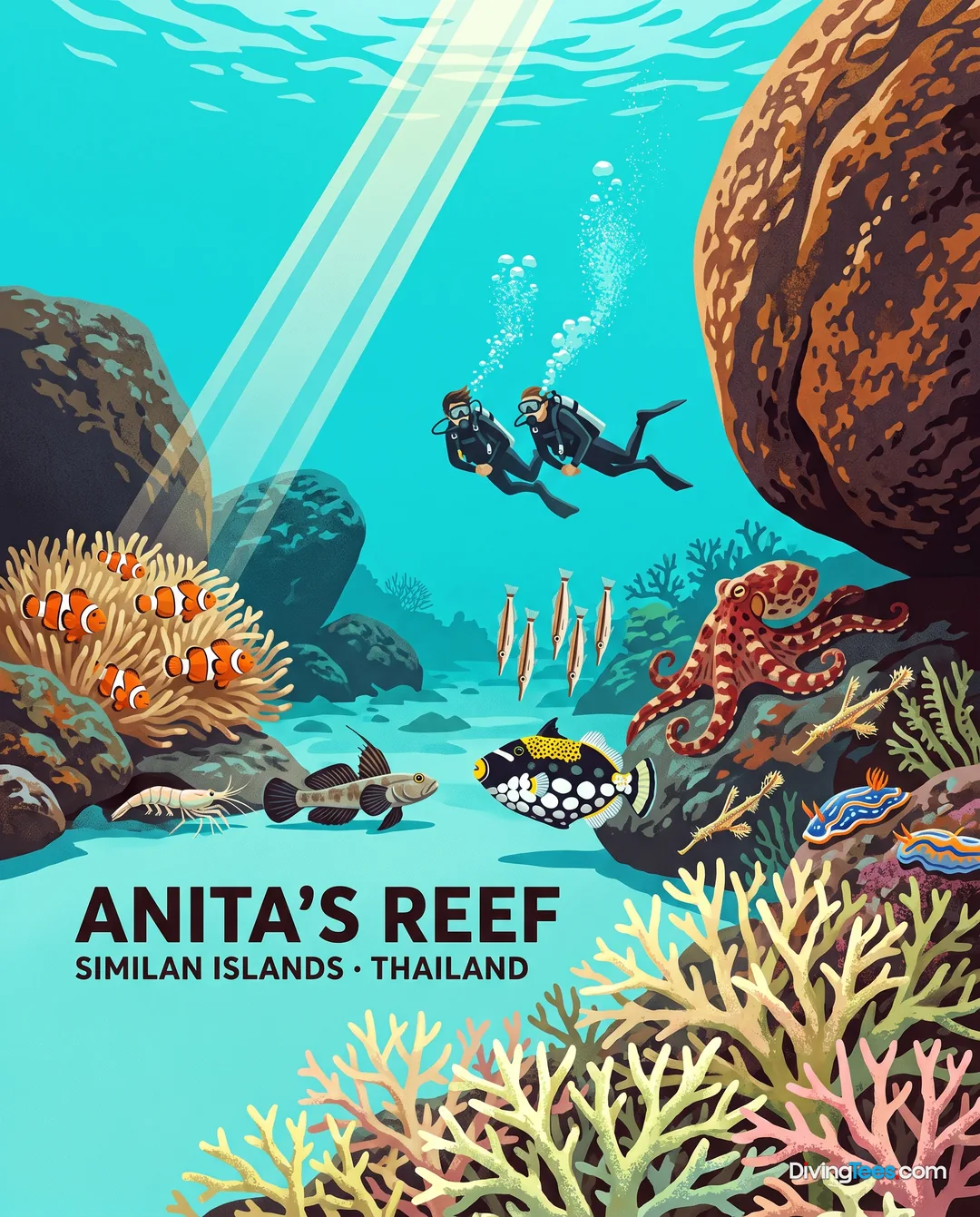
Anita's Reef →
Max. depth · 35 m
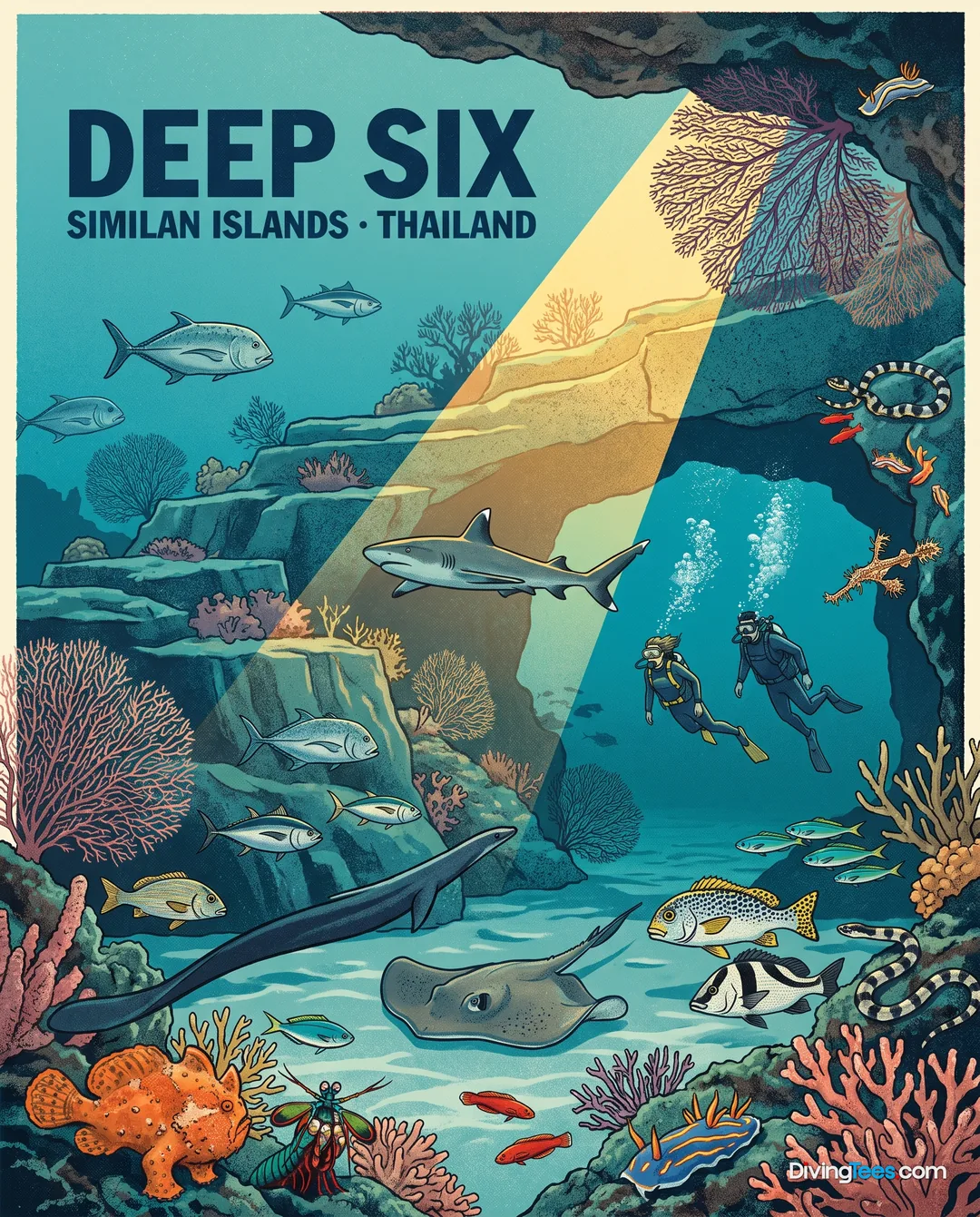
Deep Six →
Max. depth · 50 m
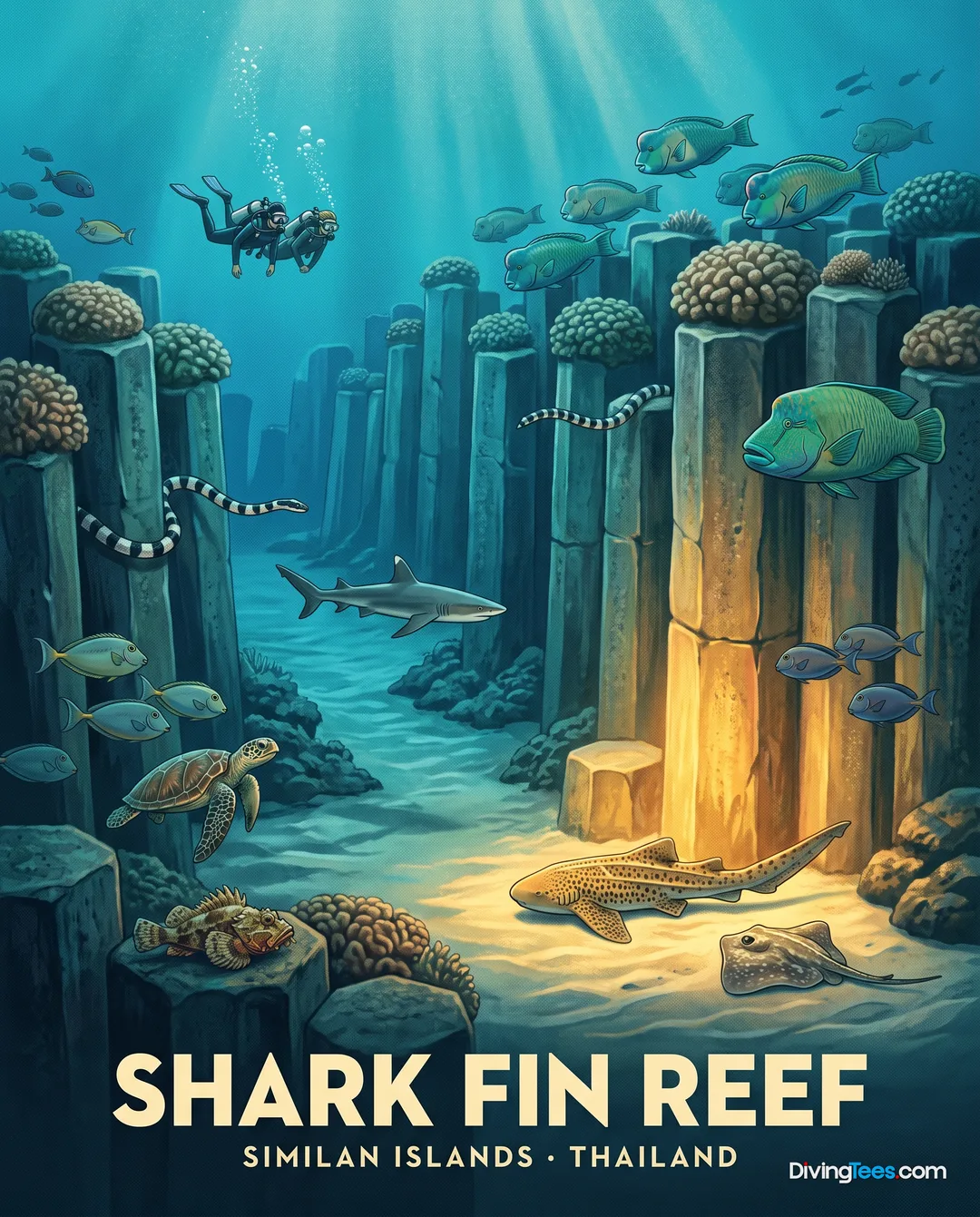
Shark Fin Reef →
Max. depth · 40 m
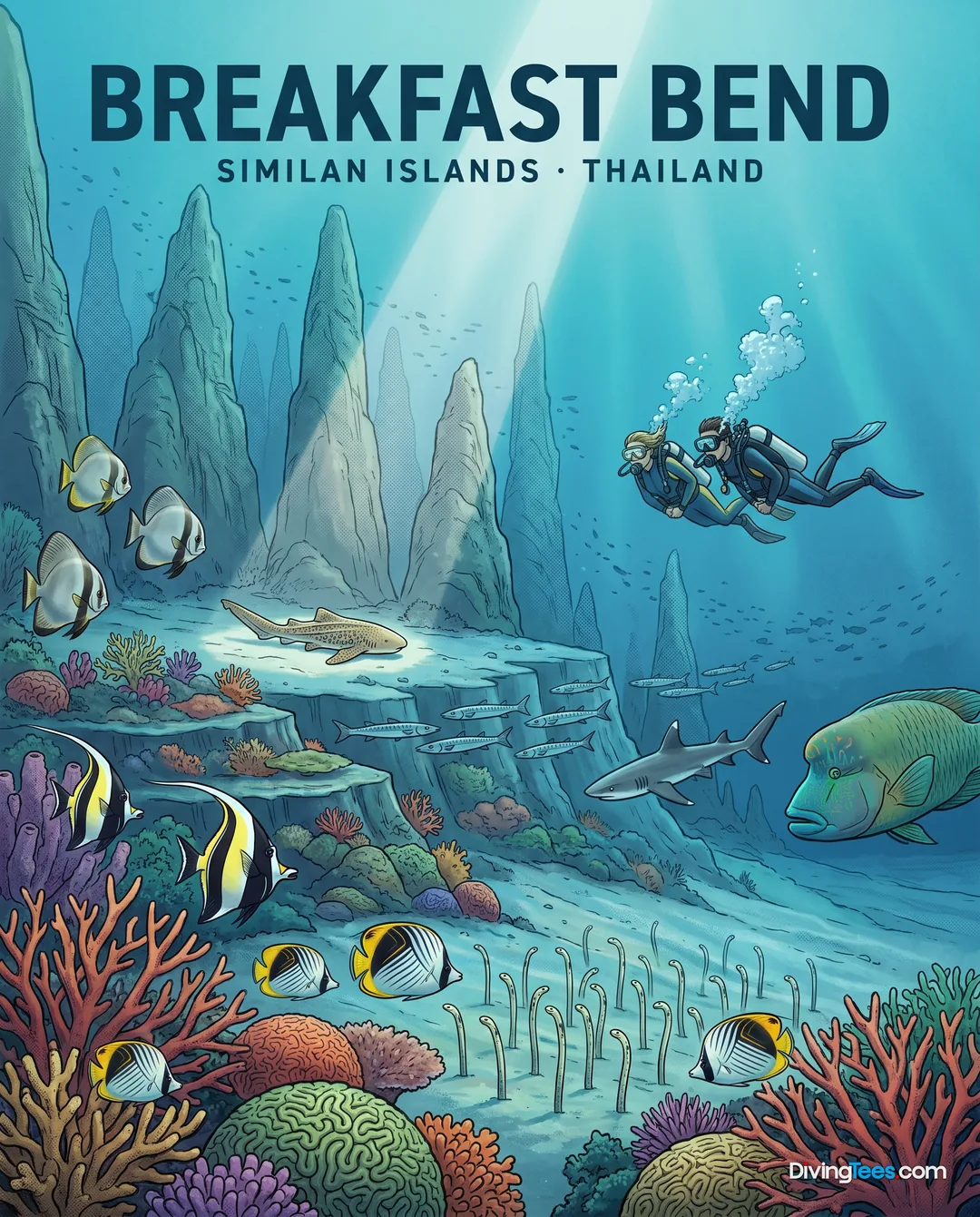
Breakfast Bend →
Max. depth · 35 m
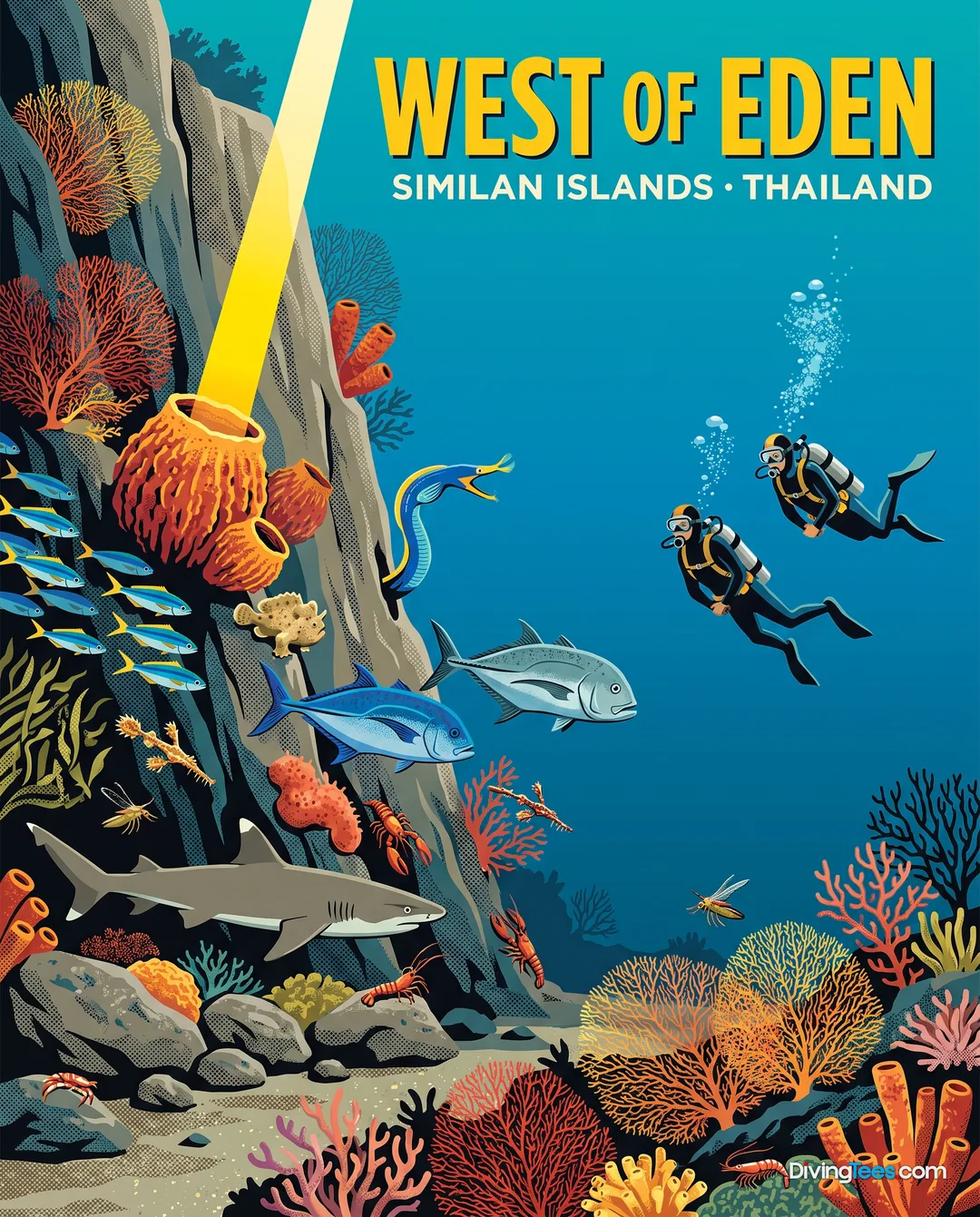
West of Eden →
Max. depth · 40 m
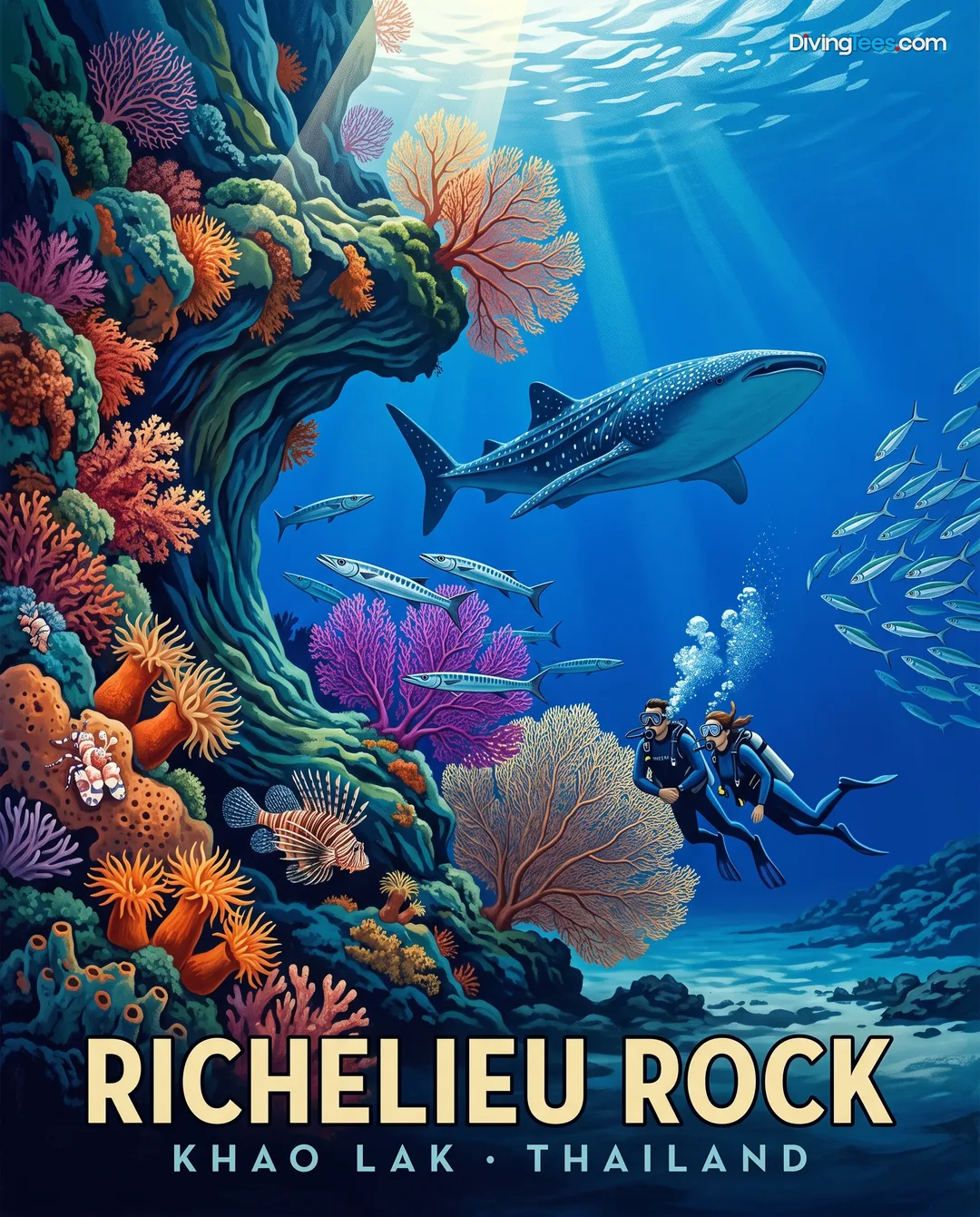
Richelieu Rock →
Max. depth · 35 m
Itineraries, dates and prices
Prices per person. Each month shows its lowest price: click a month, or pick an itinerary.
Next departures · 44 departuresfrom £567$758€677
November 2026
December 2026
See dates and prices
If you click these links and make a purchase on the partner site, DivingDeal may earn a commission, at no extra cost to you.
Dates and prices taken from liveaboard.com, updated 21 October 2026
What you’ll meet underwater
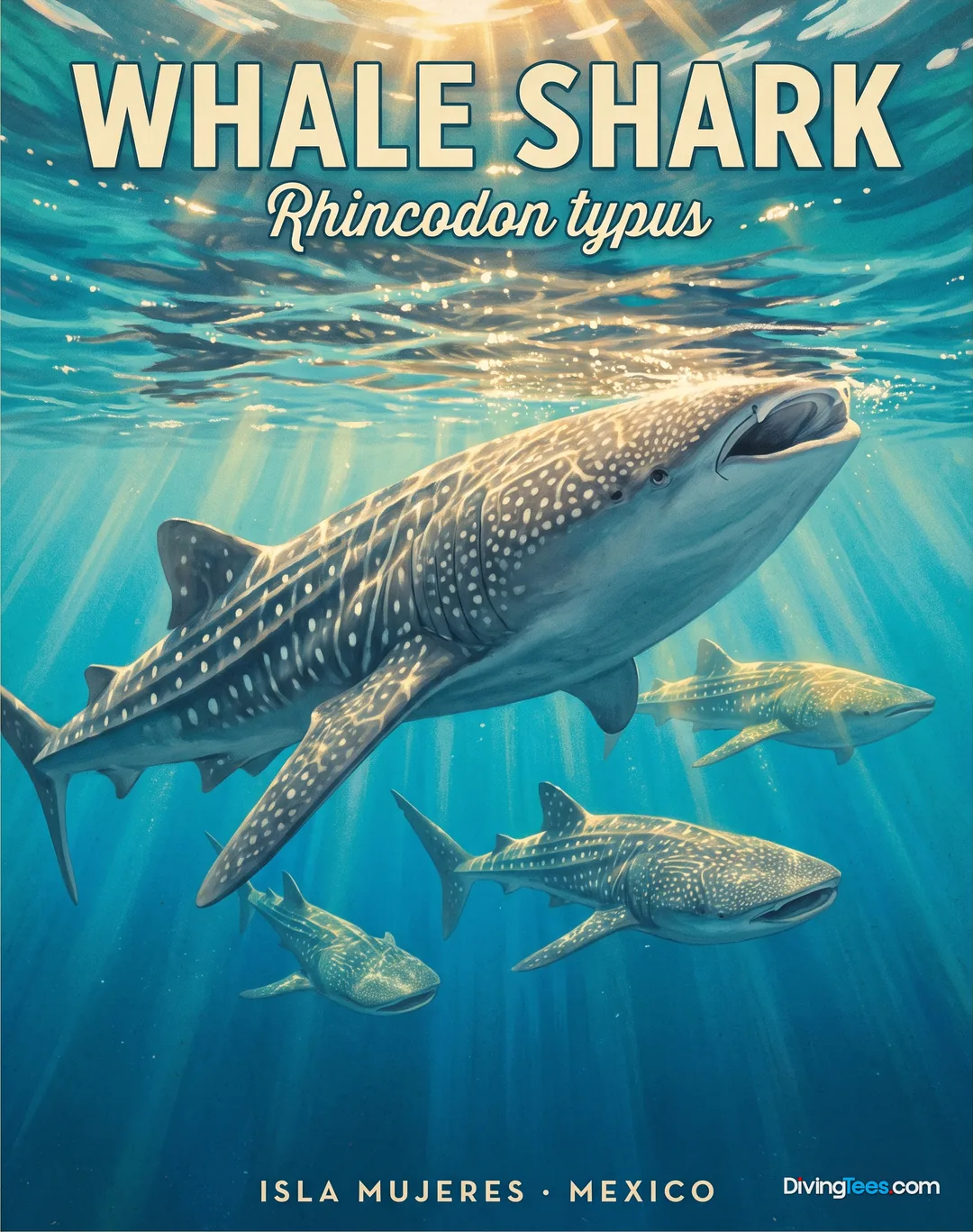
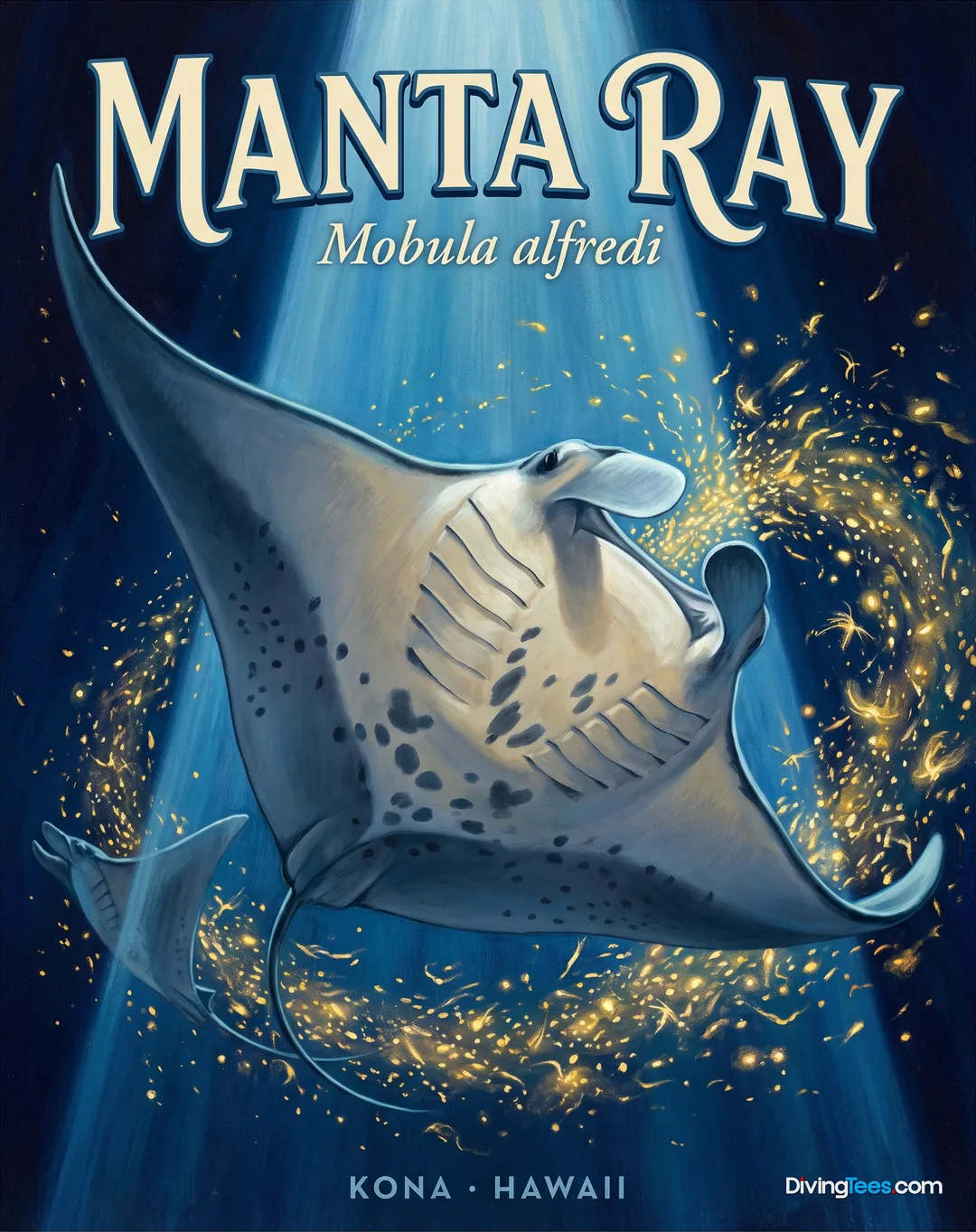
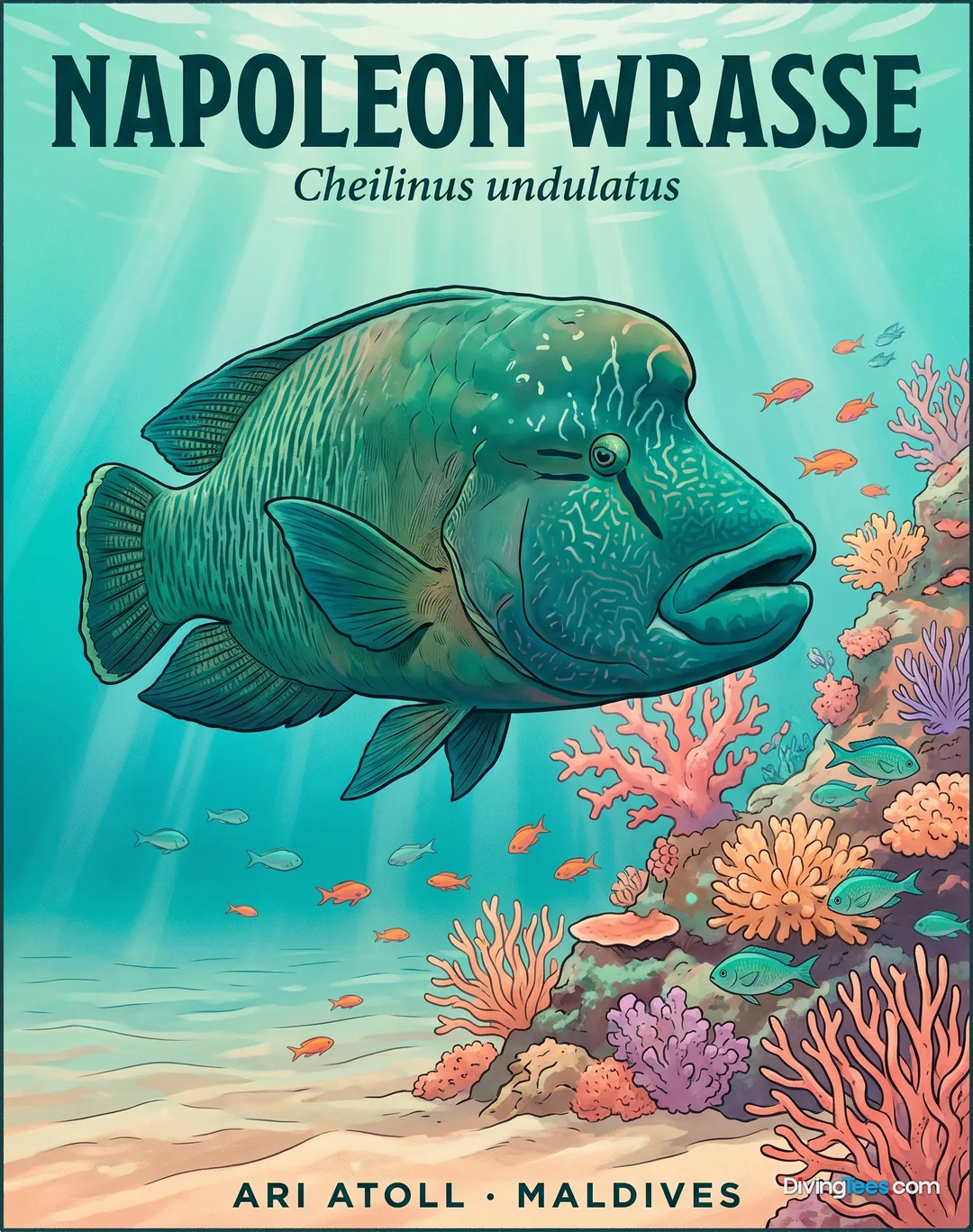
Across this route, the recurring spectacle is large movement over granite and reef: reef sharks, white-tip reef sharks, barracuda, leopard sharks, tuna, Napoleon wrasse, turtles, groupers, whale sharks, manta rays, jacks, fusiliers and morays are all recorded at multiple sites. Nudibranchs and smaller reef life keep the dives from becoming only a search for pelagics. The site-specific animals give certain stops their own reason to exist. At Koh Bon, mantas may use the cleaning station; at Elephant Head Rock, reef sharks can move through the boulder labyrinth and caverns. Boonsung Wreck is the place for the stonefish and porcupinefish recorded there, while King Cruiser Wreck is the only listed site for bamboo sharks and eels. Breakfast Bend is the stop for garden eels, butterflyfish and damselfish over the sloping reef. Christmas Point is the only listed site for anemones and the specifically recorded shark, and Deep Six is where blennies and ghost pipefish appear in the record. Sightings remain conditions-dependent, but the route keeps offering both scale and detail.

Who puts you in the water
The dive team communicates in English, Thai and Chinese, and the crew is trained in first aid. Briefings organise the route's walls, pinnacles, boulder passages and wrecks before divers enter with the tenders or from the platform. Oxygen and first-aid kits are carried on board, with fire alarms, extinguishers, life rafts and life jackets supporting the wider safety system. Nitrox certification and other diving certifications can be handled as optional courses, while the included package covers the planned dives and night dives. The setup suits divers who can manage their own equipment and follow a liveaboard briefing system.
The dive deck and the gear
The dive deck is built for repeated scuba operations, with a dedicated platform and two Yamaha 40HP tenders carrying divers to and from the sites. Nitrox is available and included, and DIN adapters are provided. Rental equipment can be arranged. A separate rinse tank for cameras, charging stations and a photo area give photographers a place to manage equipment without mixing it with the general rinse flow. Hot-water showers are available on board, including outdoor showers for the first rinse after a dive. The boat carries oxygen and first-aid kits, with the platform and tenders supporting the flow from preparation to entry and return.
Between dives
Between dives, the boat gives the group a choice between the shaded outdoor areas, the terrace and the air-conditioned interior saloon. That separation is useful on a long route: divers who want sun and drying gear do not have to compete with those who need a cool, quiet place after a deeper dive. The saloon also houses the audio and video entertainment, while the photo area and separate camera rinse keep wet equipment away from ordinary relaxation space. Outside showers make the first rinse straightforward after returning from the tender. When the boat is underway, the open deck is the place to watch the islands fall behind; when it is not, the same spaces let divers eat, nap, check photographs or simply stay out of the traffic around the tanks. There is also room for non-divers and snorkellers, so companions do not have to follow a full scuba schedule.
A day on board
A dive day starts with the boat preparing the first briefing before the group enters the water, then moves through meals, surface intervals and equipment resets rather than a fixed clock that applies to every itinerary. The shorter programmes spread 11 dives across five days and 15 across six; the longer Best of the Andaman trips reach 18 dives across seven days or 22 across eight. That can mean several daytime dives, with the tender returning divers to the platform after each site and the deck being made ready again. Food arrives between those water windows, while the saloon, terrace and photo area absorb the quieter stretches. On suitable itineraries, a night dive adds a different end to the day: lights find hunting morays, nocturnal reef life and details hidden in daylight. Once the last kit is rinsed and the boat is underway for the next site, the rhythm becomes straightforward—brief, dive, eat, rest, repeat.
What you eat aboard
Meals are served buffet-style, with Thai and Western cooking, local dishes, vegetarian choices and vegan options. Non-alcoholic drinks, drinking water, tea, coffee and snacks are included, and snacks remain available through the day. That matters more here than a restaurant-style menu: after a first dive, divers need food quickly, and after the next one they need something easy to take before rinsing gear or resting. The kitchen can move between familiar Western plates and Thai flavours, while beer and other alcoholic drinks are available separately. Full-board meals are included throughout the trip, so the table becomes part of the dive rhythm rather than a daily decision about where to eat. The practical test is simple: there is food after the water, food before the next briefing, and enough choice for different diets to share the same table.
Nights at sea
The cabin categories are Master, Deluxe, Standard Main Deck and Standard Lower Deck. All cabins are air-conditioned, non-smoking and fitted with a private bathroom, hot-water shower and porthole; some have sea views, and cabin televisions and hair dryers are available. The lower-deck position makes the Standard Lower Deck cabins the practical choice for divers who care more about sleeping space than a higher outlook. A private bathroom is the useful detail after four dives, especially when the next briefing is already approaching. Daily housekeeping, cabin towels and toiletries keep the room easy to live in, while the boat's non-smoking policy keeps the enclosed spaces cleaner. These are compact liveaboard cabins, not hotel rooms, but they cover the parts that affect a diving week: air-conditioning, a shower of one's own and somewhere quiet to leave dry clothes and personal kit.
Master Cabin
Deluxe Cabin
Standard - Main Deck Cabin
Standard - Lower Deck Cabin
What to know before boarding
Departures and returns use several ports: Asia Marina for South Andaman routes, Thap Lamu for Similan, Koh Bon, Koh Tachai and Richelieu Rock trips, and Pakbara for the Lipe itinerary. Airport and hotel transfers are included, with arrangements depending on the chosen route. Arriving in Thailand the night before is the sensible way to protect the first boarding day from flight delays.
Deck plan
- Year built
- 2004
- Year renovated
- 2023
- Length
- 32 m
- Beam
- 6.5 m
- Maximum number of passengers
- 24
- Number of cabins
- 12
- Number of bathrooms
- 14
- Engines
- 2 × cummins
- Cruising speed
- 9 knots
- Tenders
- 2 × Yamaha 40 hp
- Website
- aquathailand.net ↗
Hello, I'm Marina, DivingDeal.com's AI assistant. I answer in detail about hotels, dive centres and liveaboards.
Thinking about the whole trip and the flights? Talk it over with Edith →
Marina is an AI. Some links are affiliate links: DivingDeal may earn a commission, at no extra cost to you. Bookings are made with the partner.