


Khao Lak Scuba Adventures
★ 4.9/5 (1,490 reviews)
49 km away as the crow flies
Khao Lak · Thailand · Asia
Max. depth · 40 mKoh Tachai offers an exhilarating dive into a vibrant ecosystem, where majestic submerged pinnacles attract abundant pelagic life and intricate coral gardens.
For subtitles in English: start the video firstthen click the gearat the top right of the video, select “Subtitles/CC”, then “Auto-translate” and choose “English”.
Koh Tachai, located north of the main Similan chain, is primarily known for its extensive submerged pinnacle, often referred to as "The Dome" or "Twin Peaks." This majestic, isolated underwater mountain rises from a sandy seabed at 30 to 40 meters, with its apex beginning at 12 meters below the surface. The sheer scale of this pinnacle means divers can explore different aspects on multiple dives, each offering a unique perspective on this vibrant ecosystem. The site is part of the Similan National Park, benefiting from limited human activity and offering a vibrant underwater landscape of both hard and soft corals that blanket the granite boulders.
The main pinnacle’s summit forms a broad, flat plain, adorned with bush and mountain corals. Below 20 meters, large granite blocks create swim-throughs on the western side. To the east, smaller rock formations host a dense layer of hard corals and gorgonian fans, while the northern face is dominated by colorful soft corals and more gorgonians, offering varied exploration depending on your depth and skill.
Beyond the primary pinnacle, a smaller secondary pinnacle lies to the north, connected by a sandy flat at 24 meters. This area offers a different experience, with its peak at 18 meters, and provides a calmer alternative when currents around the main structure are intense. The eastern ridge of Koh Tachai, distinct from the pinnacles, stretches as a long, sloping reef, making it suitable for less experienced divers or those looking for a relaxed dive.
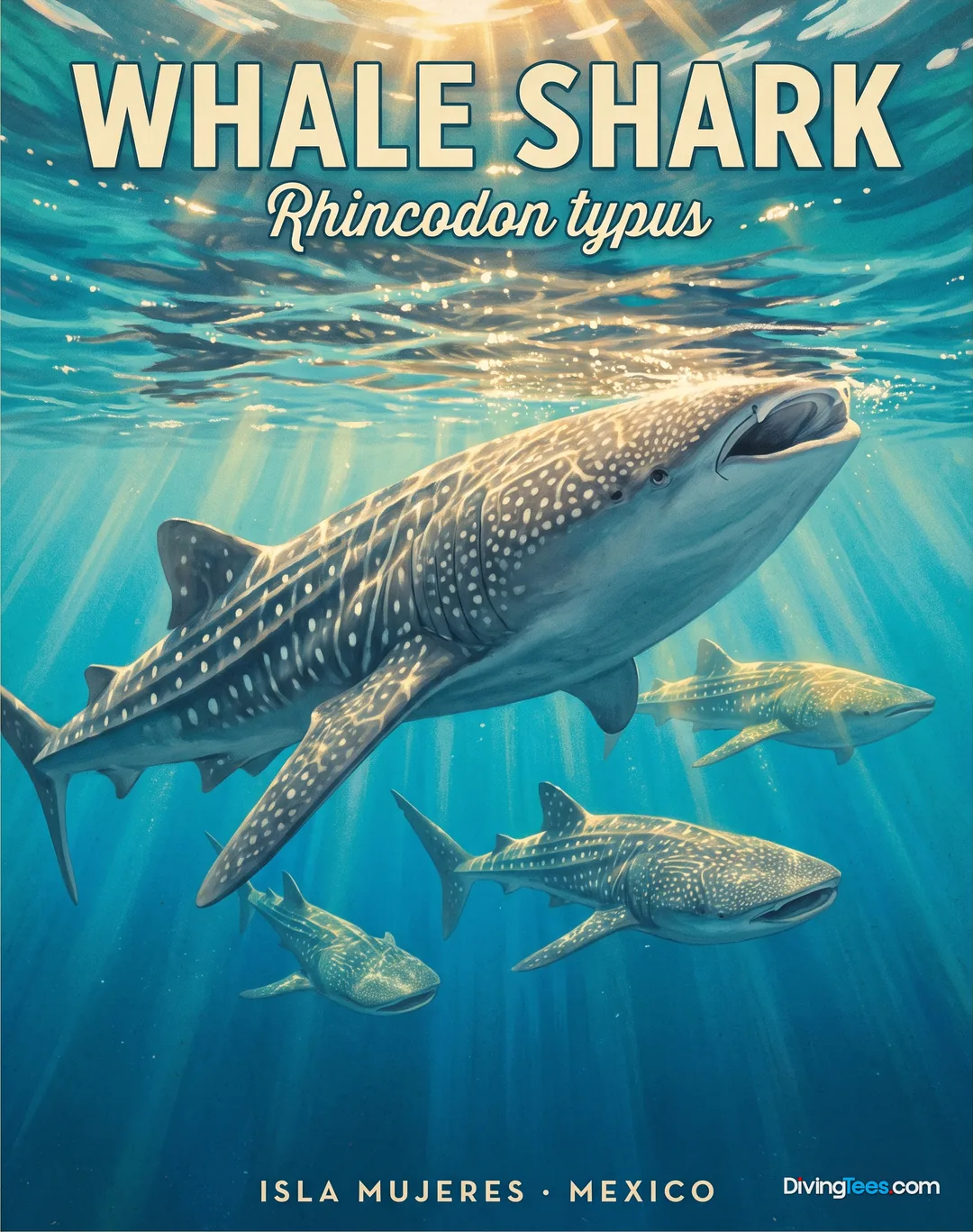
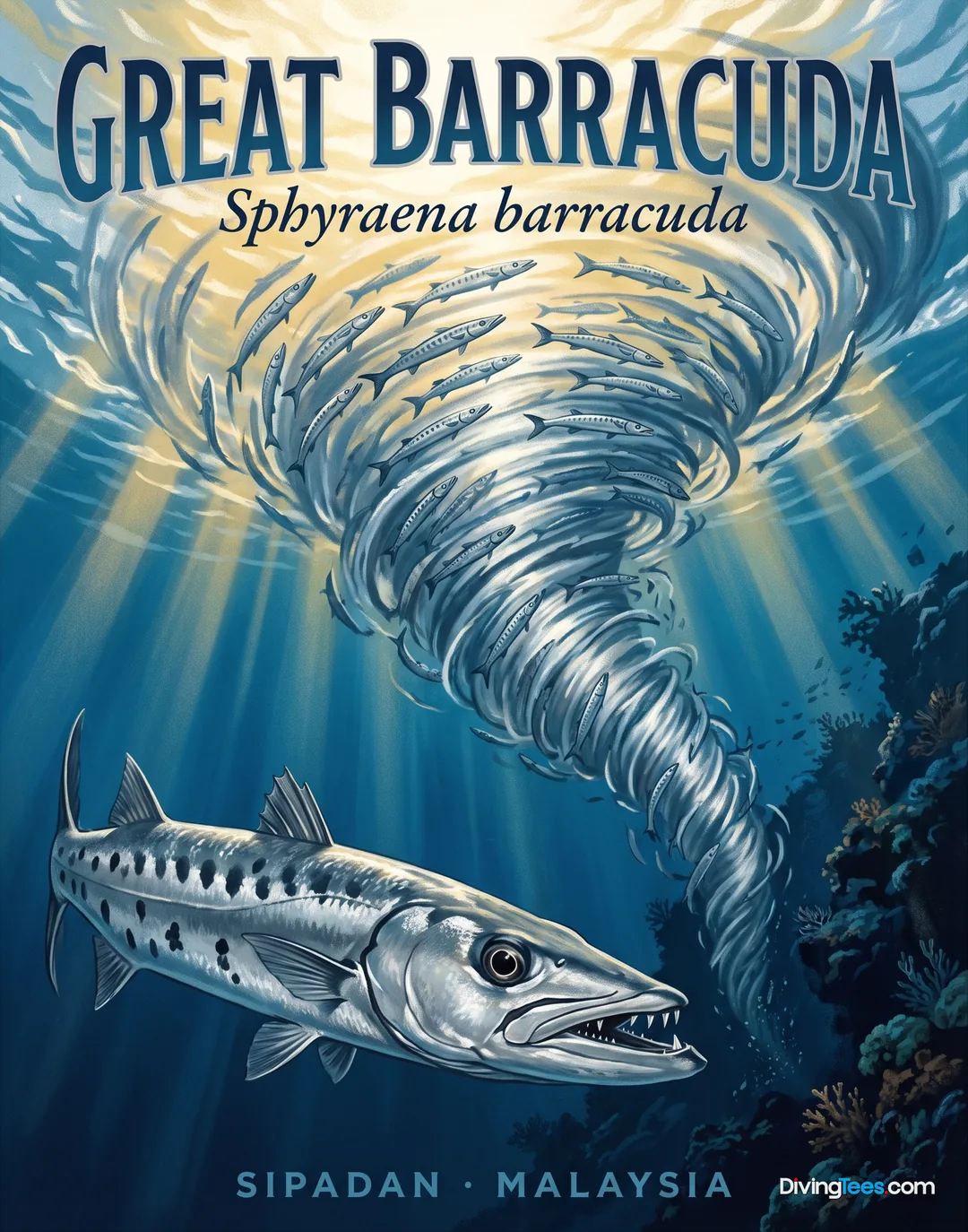
Koh Tachai is a regular aggregation point for pelagic species. The distinctive topography of Koh Tachai acts as a natural magnet for pelagic species, particularly where the strong currents sweep over its structure. Schools of tuna (Thunnus spp.) and barracudas (Sphyraena spp.) are common throughout the water column, often circling the top of the pinnacles. During migration seasons, particularly from February to April, oceanic manta rays (Mobula birostris) are frequently observed feeding here, and whale shark (Rhincodon typus) encounters are not uncommon, making this site a magnet for large animal enthusiasts. The nutrient-rich currents that characterize this site during certain seasons are precisely what draws these filter feeders in, creating opportunities for breathtaking encounters in the blue. Their presence here underscores the health and vitality of this underwater environment.
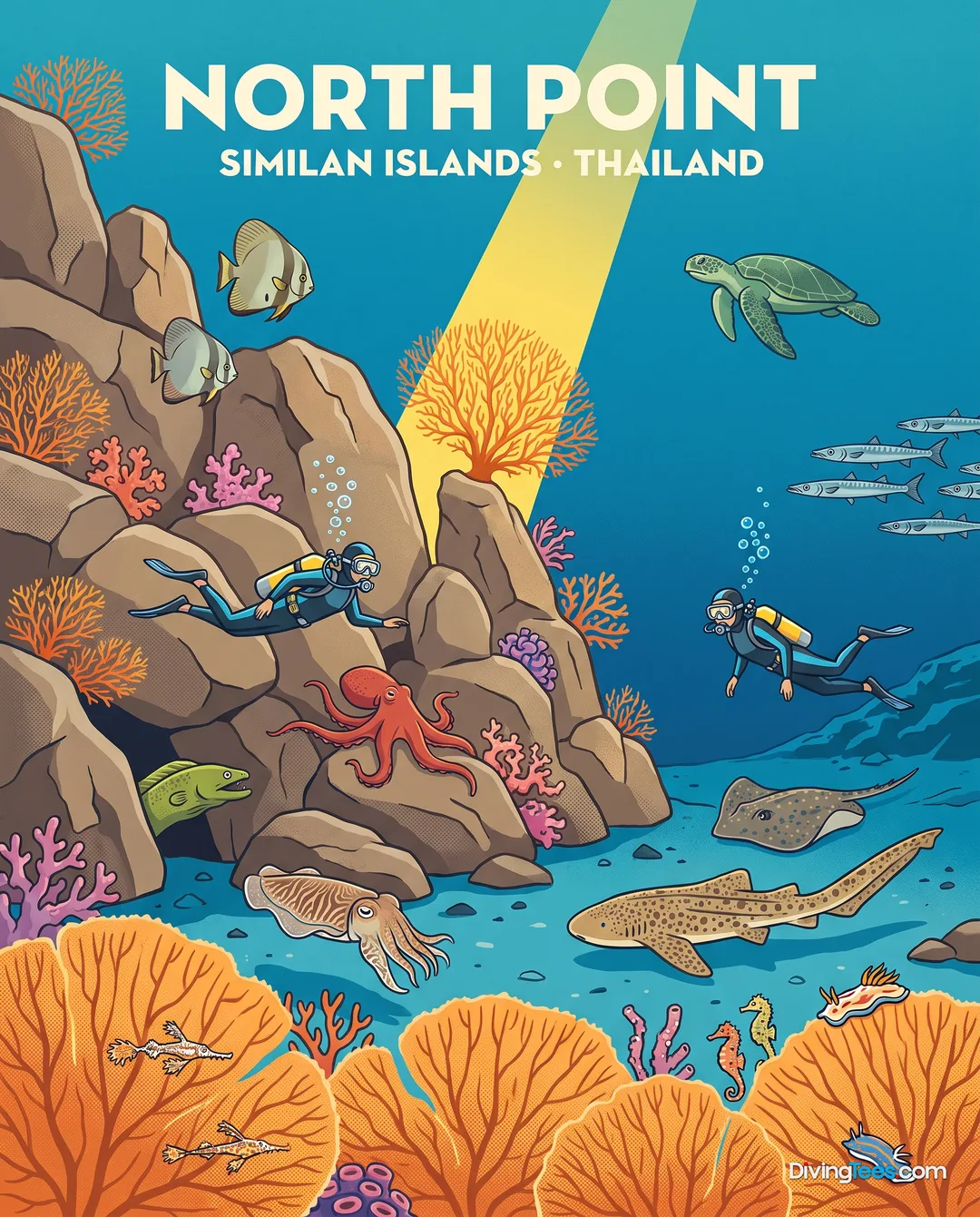
The resident reef life is equally vibrant, with a high density of reef fish in the shallower sections. Look for batfish (Platax spp.), giant trevallies (Caranx ignobilis), and various angelfish (Pomacanthidae) and butterflyfish (Chaetodontidae) species. Deeper among the boulders, you can find bent stick pipefish (Syngnathus spp.), leopard sharks (Stegostoma tigrinum) resting on the sand, and occasional white-tip reef sharks (Triaenodon obesus) patrolling the edges.
Exploring the cracks and crevices of the granite formations reveals a realm of macro life. Look closely for mantis shrimp (Stomatopoda) concealed in their burrows, delicate ghost pipefish (Solenostomidae) swaying with crinoids, and a variety of nudibranchs (Nudibranchia) crawling on the corals. Seahorses (Hippocampus spp.) and frogfish (Antennariidae) are also occasionally spotted with a keen eye, adding another layer of interest to the vibrant reef landscape.
The diverse topography, combining deep pinnacles, expansive plateaus, and shallower reefs, means Koh Tachai offers multiple dive profiles. While the dramatic pelagic encounters often steal the show, the intricate coral gardens and the sheer abundance of smaller organisms thriving within the granite structures ensure that every dive here offers something new, provided you adapt to its dynamic conditions.
Diving at Koh Tachai demands an advanced certification due to its challenging conditions, with depths reaching from 10 meters to a maximum of 40 meters. This site requires a minimum certification of Advanced Open Water, coupled with considerable experience in navigating currents, typically at least 50 logged dives. Currents can be moderate to very strong, even violent, particularly around the pinnacles, though the eastern reef offers calmer conditions. Visibility generally spans 10 to 30 meters. The best diving season, and particularly for pelagic encounters, runs from February to April, within the broader national park opening season of October to May. The regional peak season is from November to April.
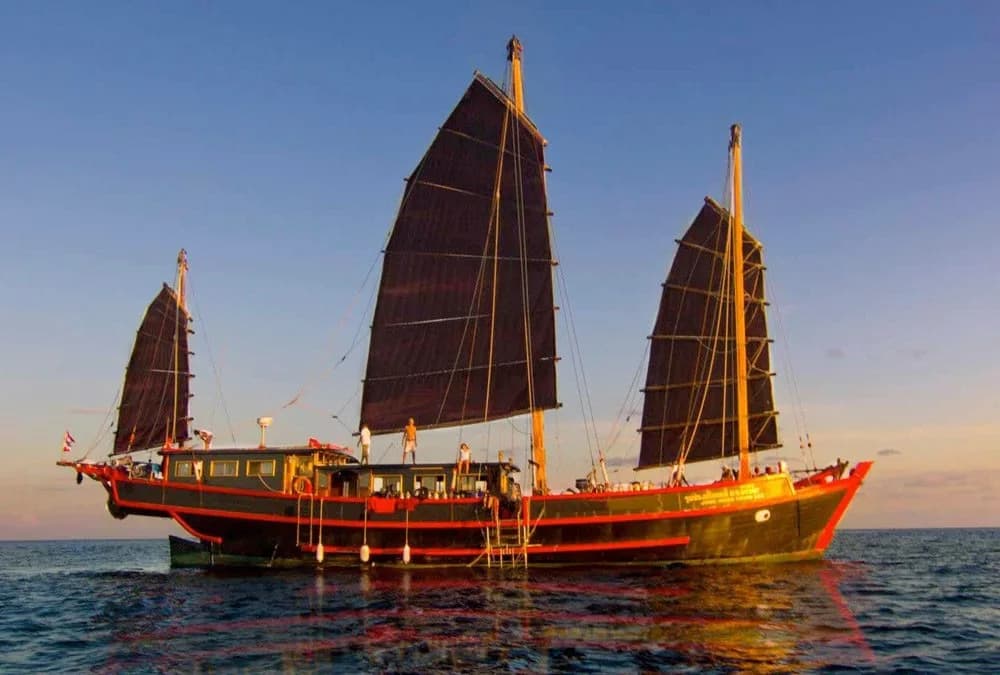
23 liveaboards depart from Khao Lak another way to explore the region, over several days at sea.

Departing from Thap Lamu
★ 9.6/10 (80 reviews)
from 113 €/day
Discover this boat →

Departing from Thap Lamu
★ 9.7/10 (60 reviews)
from 152 €/day
Discover this boat →

Departing from Thap Lamu
★ 9.2/10 (304 reviews)
from 163 €/day
Discover this boat →

Departing from Thap Lamu
★ 9.2/10 (179 reviews)
from 141 €/day
Discover this boat →