CMAS
A L'Eau Plongee
Google 5/5 (411 reviews)
France · Mediterranean
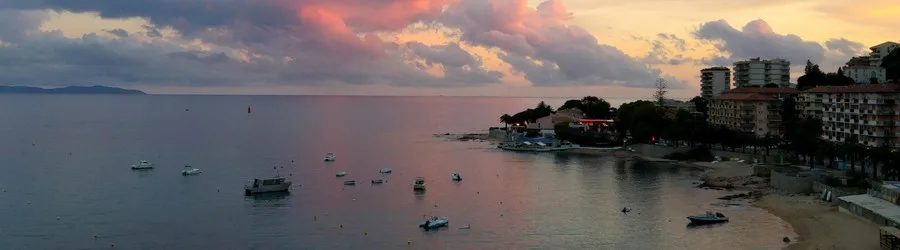
Drop into the deep blue along the Sanguinaires coastline to explore jagged rock heads, cavernous walls, and the sunken silhouette of the P51 Mustang.
For subtitles in English: start the video firstthen click the gearat the top right of the video, select “Subtitles/CC”, then “Auto-translate” and choose “English”.
Ajaccio offers a quintessential Corsican diving experience, defined by the rugged architecture of the gulf's western coast. Unlike more isolated reserves, this area provides a balanced mix of technical interest and logistical ease. Divers can expect a landscape of vertical walls, narrow fissures, and striking underwater formations, all set within a coastline protected by Natura 2000 designations, ensuring a rich Mediterranean ecosystem to explore.
The diving here is primarily boat-based, taking you from the urban beaches of Trottel or the Sanguinaires road out to the more exposed edges of the gulf. The topography is dominated by impressive rock heads and deep canyons where currents remain generally light, making for controlled exploration. You will find yourself navigating through arches, into dark grottos, and along steep drop-offs. Visibility is typically excellent from May to September, though it can fluctuate following heavy swells or organic shifts within the gulf. While shallower reefs are available, the real character of the area lies in its deeper structures and the colourful gorgonian forests clinging to the granite.
Marine life in the gulf is emblematic of a healthy Mediterranean ecosystem. The rocky outcrops and deep crevices serve as prime territory for the Mediterranean barracuda and the impressive dusky grouper, both of which are regular sightings from spring through autumn. As you move along the vertical walls, look for dense colonies of gorgonians and red coral that thrive in the nutrient-rich currents. The protected status of the area helps maintain a steady presence of Mediterranean fish species across the various reef systems and rocky summits.
The optimal window for diving is between May and October. During these months, the Mediterranean remains calm, the days are long, and the water temperature is most comfortable for repetitive dives. Early summer and autumn offer a particular advantage, providing more space to explore iconic sites like La Tête de Mort or La Campanina without the peak summer crowds. Conversely, winter months see significantly reduced activity due to more frequent wind and swell.
This destination caters to all levels, with plenty of shallower sites near the coast for those just starting. However, the true highlights—such as the deep valleys, prominent rock heads, and complex cave systems—are best experienced by those with Advanced or Level 2 certifications. Using Nitrox is highly recommended to extend bottom times when exploring the deeper structures, while wreck specialists will find interest in the local sunken remains.
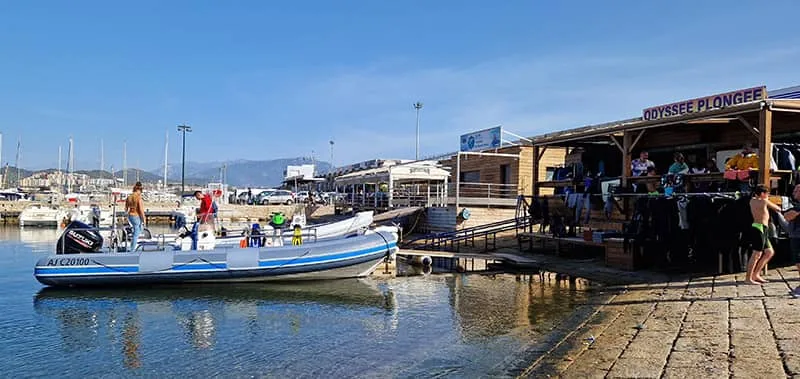
Reaching Ajaccio is straightforward with direct flights from major European hubs like London or Manchester to Ajaccio Napoléon-Bonaparte Airport. Alternatively, ferries connect mainland France and Italy to the port. Once in Ajaccio, the diving infrastructure is well-integrated; dive centres are located in the city centre, along the Sanguinaires road, or in southern seaside villages like Porticcio. Most divers find it easy to reach their boats via short car trips or local taxis from their accommodation.
Be mindful of the geography when planning your logbook. Do not assume that a trip to Ajaccio includes easy access to the Scandola Nature Reserve; while boats depart from here for surface sightseeing, the core of the reserve is strictly regulated for diving and is better accessed from Porto. If you want to experience the most iconic sites like the Vallée des Mérous or Le Dolmen, ensure your certification allows you to comfortably operate at 30–40 metres. A key tip for avoiding summer congestion is to book your accommodation as close to your chosen dive centre as possible—whether that is the urban Trottel area or the southern villages—to sidestep the seasonal traffic jams before morning departures. Finally, always check the swell forecast before heading to the outer points like Scudo; the exposed rock heads can become uncomfortable or even inaccessible if the wind picks up.
A stay of 5 to 7 days is ideal to truly absorb the region. This duration allows you to split your time between the different sectors of the gulf—ranging from the northern Sanguinaires route to the deeper entries near Isolella—while leaving ample room to explore the historic Napoleonic heritage and mountain landscapes of the Corsican interior.
Hello, I'm Marina, DivingDeal.com's AI assistant. I guide you through destinations, areas and countries.
Thinking about the whole trip and the flights? Talk it over with Edith →
Marina is an AI. Some links are affiliate links: DivingDeal may earn a commission, at no extra cost to you. Bookings are made with the partner.
Choose Ajaccio between May and October, when the Mediterranean is calmer, days are longer, and water temperatures suit repetitive dives. Visibility is typically excellent from May to September, although heavy swells can affect conditions. Early summer and autumn offer more room at sites such as La Tête de Mort and La Campanina.
Ajaccio has shallow coastal sites suitable for beginners, while its deeper valleys, granite rock heads, canyons, and cave systems suit divers with Advanced or Level 2 certifications. Nitrox is recommended for longer bottom times on deeper dives. Wreck specialists can also explore local sunken remains, including the P51 Mustang.
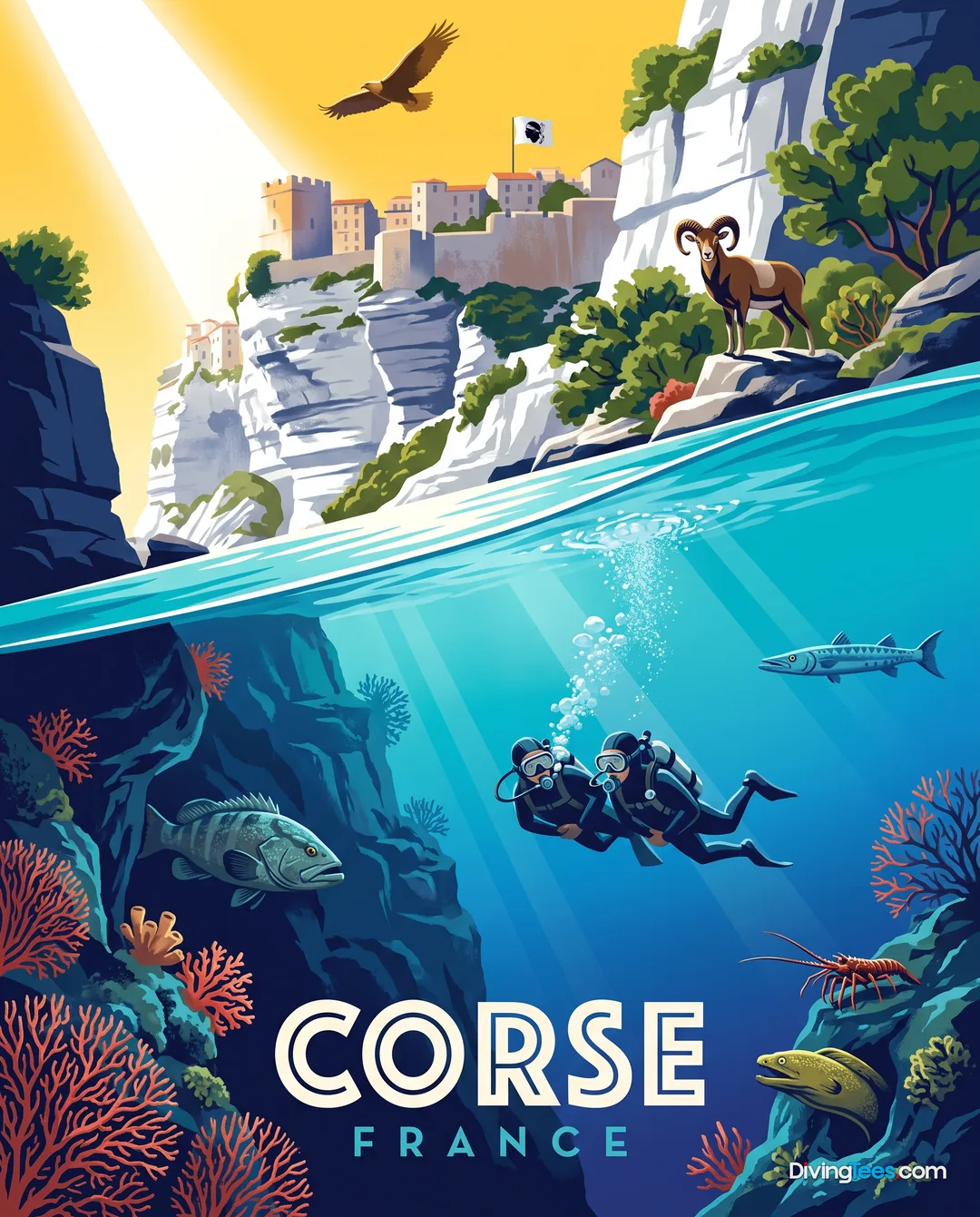
In Ajaccio, you can explore vertical walls, arches, grottos, caves, canyons, and jagged granite formations along the Sanguinaires coastline. Gorgonian forests and red coral cover deeper structures, while Mediterranean barracuda and dusky grouper frequent the rocks and crevices. The P51 Mustang adds a wreck option to the gulf’s varied underwater scenery.
Plan a five to seven day stay to divide dives between the northern Sanguinaires route and deeper areas near Isolella, with time for Corsican sights. Choose accommodation near your dive centre to avoid seasonal traffic. Check swell forecasts for exposed sites such as Scudo, and remember that Scandola diving is better accessed from Porto.