CMAS
Cargesub SARL
Google 5/5 (203 reviews)
France · Mediterranean
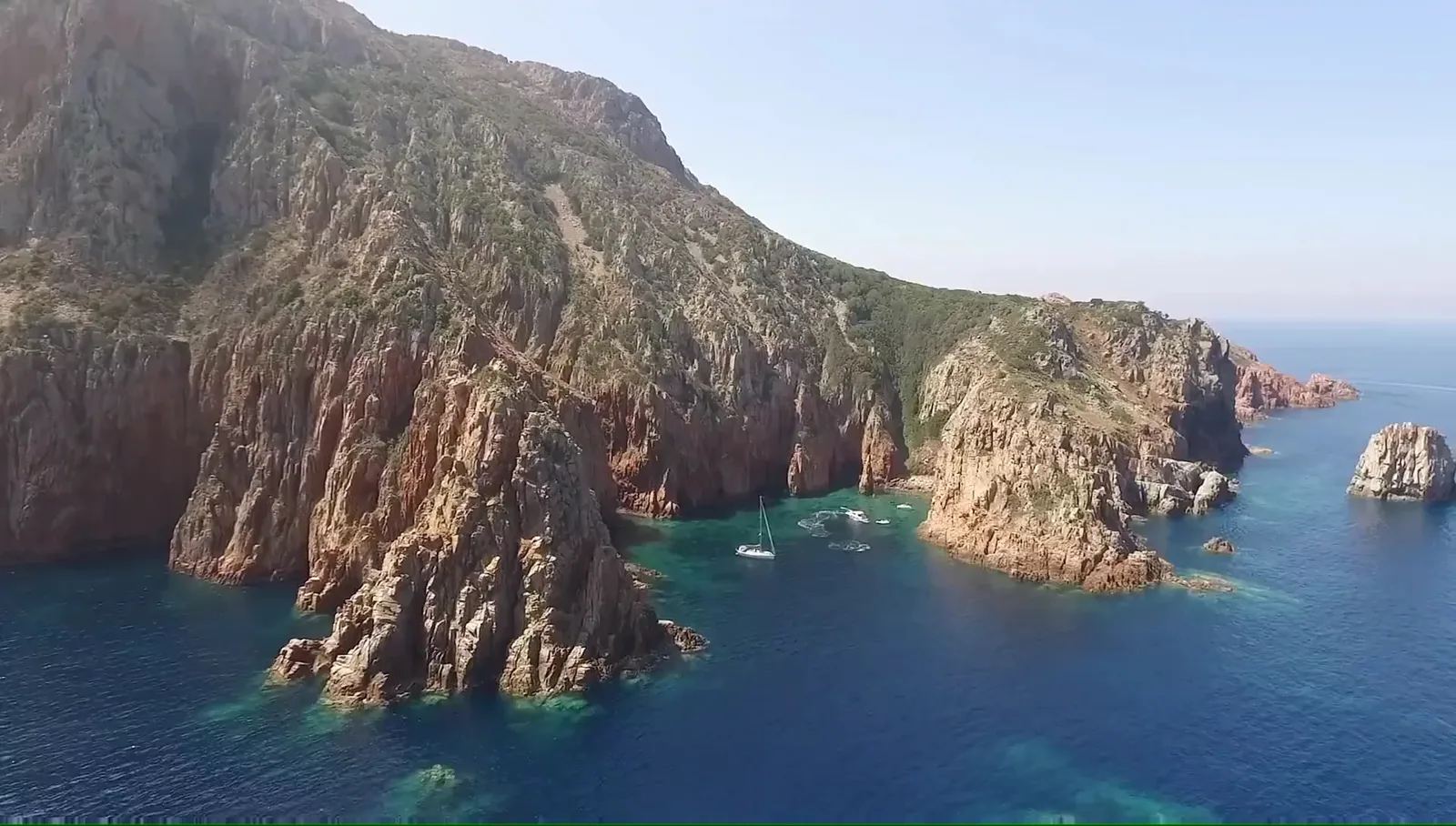
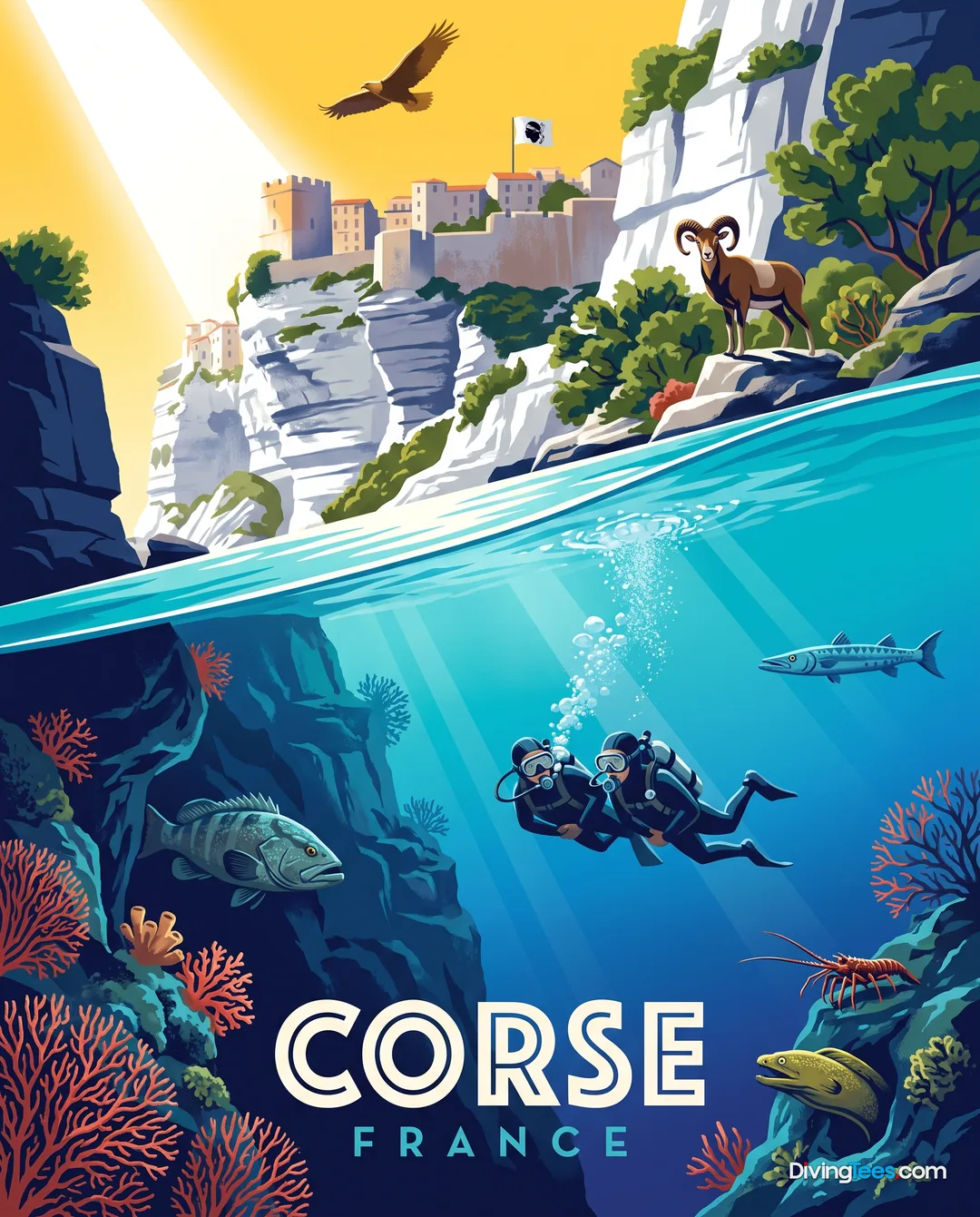
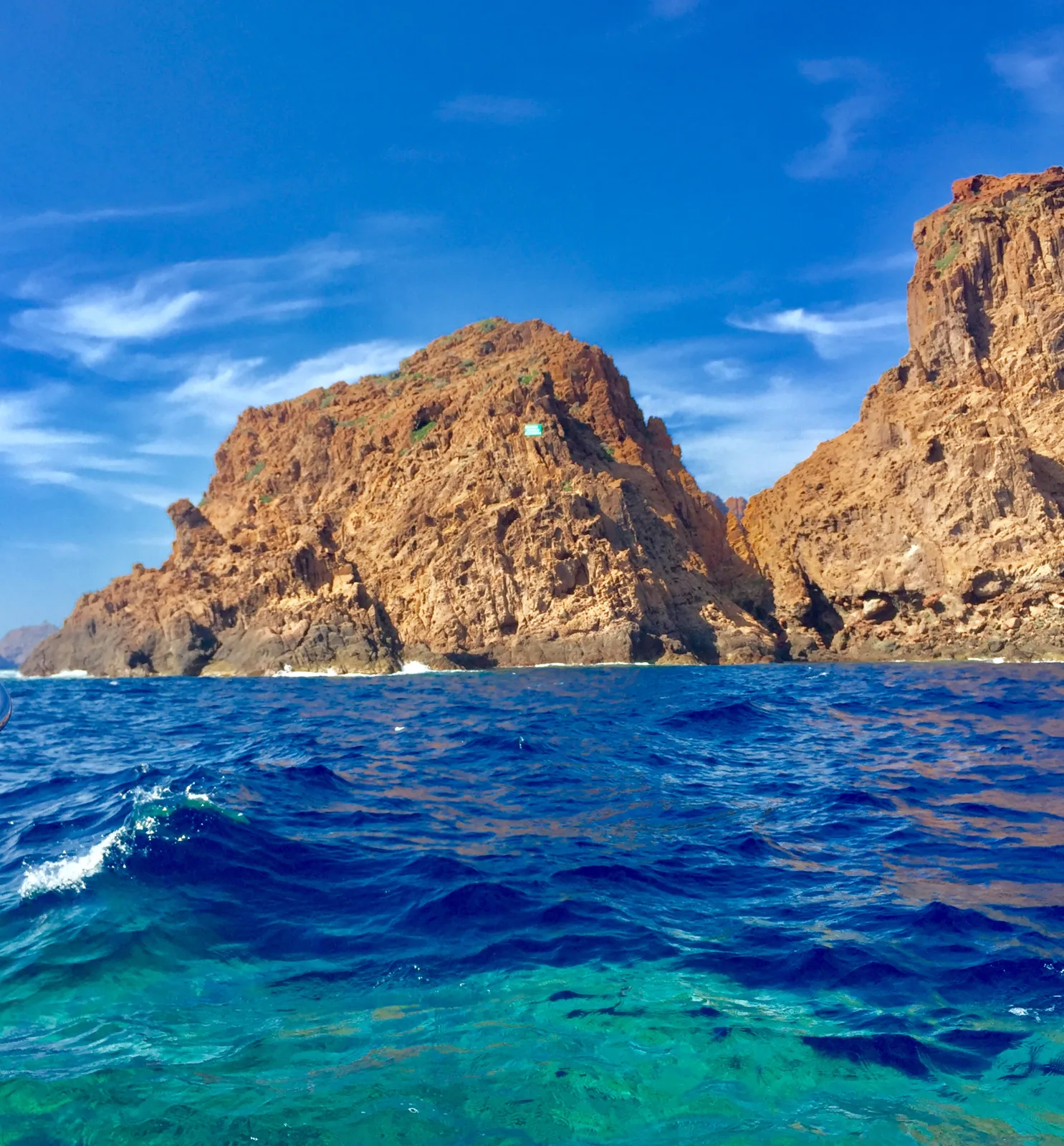
Granite pinnacles, deep red gorgonians, and the Canadair wreck define this rugged coastline of the Sagone Gulf.
For subtitles in English: start the video firstthen click the gearat the top right of the video, select “Subtitles/CC”, then “Auto-translate” and choose “English”.
Cargèse serves as a practical, unpretentious base for exploring the western Corsican coast. Positioned centrally between Ajaccio and Porto, it offers direct access to the Sagone Gulf's complex underwater topography. Divers here navigate a landscape of volcanic rock, steep drop-offs, and intricate cave systems. It is a destination for those seeking a blend of technical interest, such as wreck diving and cavern exploration, alongside the natural beauty of protected marine environments.
Diving is primarily conducted via boat from the Cargèse marina, heading out toward the various reefs and cliffs. The underwater terrain is highly varied, ranging from shallow Posidonia meadows to significant vertical drops. For those with the right certification, the area offers rewarding depth, such as the cliffs of Capo Rosso or the Canadair wreck. While currents are generally light, the coastline's exposure means conditions depend on the swell. Visibility is frequently outstanding, often extending to forty metres, making it an ideal location for photography and observing delicate marine life amidst the red gorgonians.
The local marine life is abundant and highly visible against the rocky seabed. You can expect to encounter brown grouper patrolling the reefs, while stingrays may occasionally appear on the sandy patches. For macro enthusiasts, seasonal nudibranches like Flabellina can be found during warmer months. The proximity to the Scandola Nature Reserve helps ensure high fish density in the surrounding waters, contributing to a healthy ecosystem of invertebrates and larger predatory fish.
The best window for diving is from May through October, when the sea is most stable and visibility is at its peak. During this period, local dive centres are fully operational, providing a consistent schedule for excursions. While summer brings more boat traffic in the Gulf of Sagone, the spring and autumn months offer a quieter, more serene experience for those looking to avoid the peak holiday crowds.
This destination caters to all skill levels, from beginners in the shallow bays to advanced divers exploring deeper features. Advanced Open Water or Level 2 certification is highly recommended to safely navigate the steeper drop-offs at Punta Locca or the Canadair wreck. For those interested in the cavernous structures like Le Tabernacle, a cave diving qualification is essential.
Reaching Cargèse typically involves a flight or ferry to Ajaccio, which serves as the primary entry point. From Ajaccio, the coast is reached via a roughly 50 km drive on the D81. The Cargèse marina is best accessed during daylight hours, as the entrance can be tricky due to swells and shallow rocks. Avoid approaching the port at night or during strong southwest winds when navigation becomes difficult.
Prioritize your diving schedule based on the wind; if a strong southwest swell is forecast, expect changes to the boat itinerary. When exploring caves such as Le Tabernacle, carry a powerful primary torch, as these passages can be quite dark even in midday. To avoid the midday rush of excursion boats, try to schedule your dives for early morning. Note that the most demanding sites, including the deeper drop-offs and wrecks, require a higher level of buoyancy control and experience; it is wise to start with shallower sites to acclimatize to the local conditions. Finally, remember that the Scandola reserve has strictly regulated zones; always check which areas are restricted to ensure your boat remains in compliance with local marine regulations.
A stay of five to seven days is ideal. This allows enough time to explore the varied depths of the Sagone Gulf and dedicate a full day to the more distant sites like Capo Rosso or the Porto Gulf region without rushing.
Hello, I'm Marina, DivingDeal.com's AI assistant. I guide you through destinations, areas and countries.
Thinking about the whole trip and the flights? Talk it over with Edith →
Marina is an AI. Some links are affiliate links: DivingDeal may earn a commission, at no extra cost to you. Bookings are made with the partner.
Plan your Cargèse diving between May and October, when the sea is generally more stable, visibility is at its peak, and local dive centres operate a consistent schedule. Summer can bring more boat traffic in the Gulf of Sagone, while spring and autumn are quieter and more serene.
Cargèse suits all skill levels, with shallow bays for beginners and deeper sites for experienced divers. Advanced Open Water or Level 2 certification is recommended for steep drop-offs and the Canadair wreck. Exploring cavernous sites such as Le Tabernacle requires a cave diving qualification, plus strong buoyancy control.
In Cargèse, you can explore volcanic drop-offs, rocky reefs, Posidonia meadows, underwater caves, red gorgonian forests, and the Canadair wreck. Marine life includes brown grouper, occasional stingrays, and seasonal Flabellina nudibranches. Clear water supports photography, while nearby Scandola helps sustain dense fish populations.
Use Cargèse as a base for boat dives from its marina across the Sagone Gulf. Arrive via Ajaccio and continue by road, reaching the marina in daylight. Plan several days for varied sites and a trip toward Capo Rosso or Porto Gulf, while allowing for itinerary changes in southwest swell.