CMAS
Club De Plongee Bastiais
Google 4.9/5 (501 reviews)
France · Mediterranean
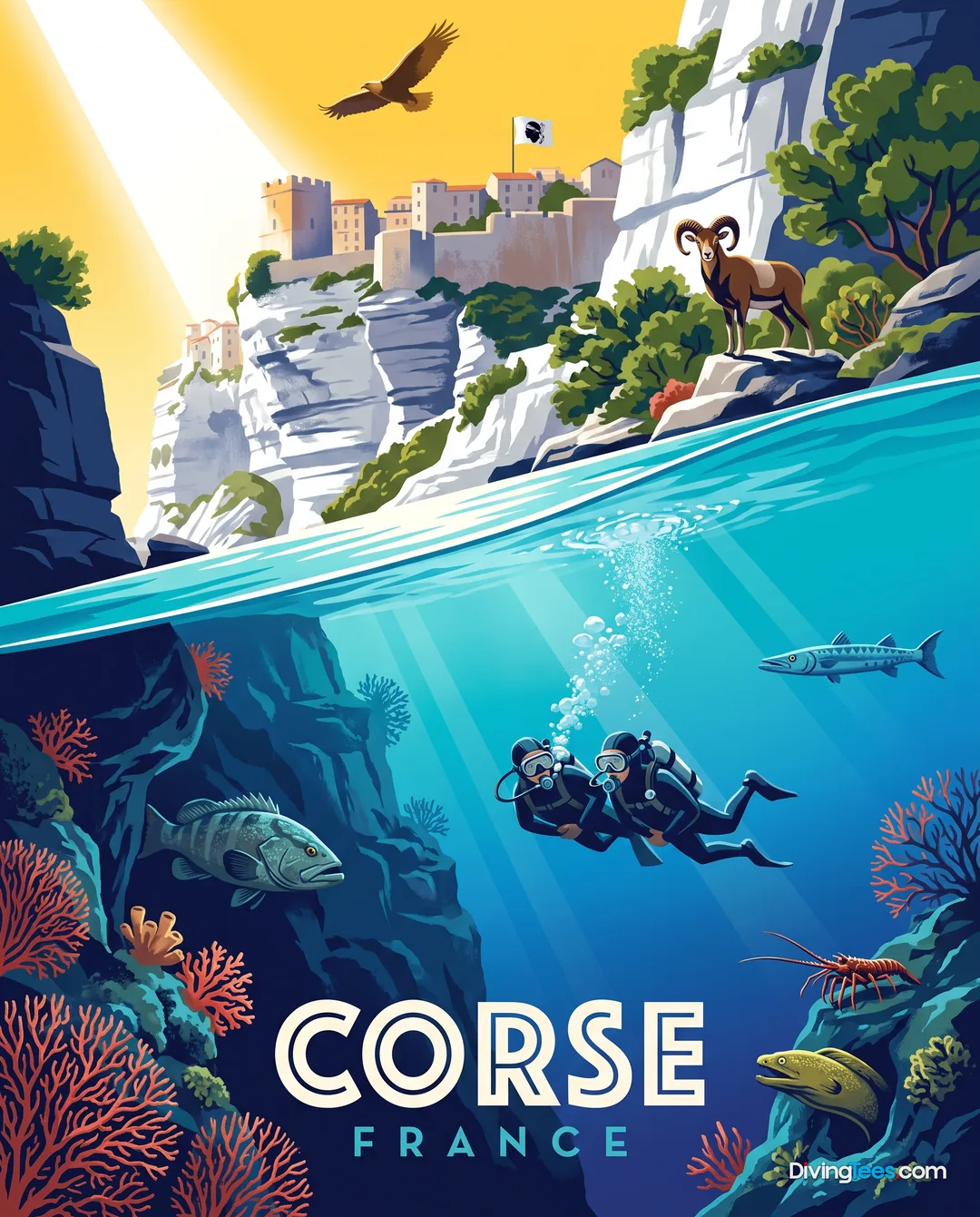
Explore deep Mediterranean limestone walls, historic wartime wrecks like the Insuma, and vibrant gorgonian reefs within the Cap Corse and Agriate Marine Park.
For subtitles in English: start the video firstthen click the gearat the top right of the video, select “Subtitles/CC”, then “Auto-translate” and choose “English”.
Bastia serves as a practical gateway to some of Corsica's most structured marine environments. Unlike more rugged, remote areas, this destination combines the ease of a mainland-style port with immediate access to the Cap Corse and Agriate Marine Park. Divers can expect a mix of historical exploration and classic Mediterranean topography, ranging from sandy plateaus to steep, life-rich vertical walls that descend into the blue.
The diving here is defined by its geological variety. You will find yourself navigating between shallow rocky plateaus for relaxed explorations and significant deep-water sites. The terrain shifts from posidonia meadows to dramatic drop-offs where gorgonians thrive. Currents are generally variable, requiring a steady hand, particularly when approaching deeper structures. While many sites are accessible within an hour's boat ride, the real draw lies in the verticality of the reefs and the presence of well-preserved wrecks that demand technical precision and calm buoyancy control.
The underwater fauna is quintessential Mediterranean. Large grouper and corbs are frequently encountered patrolling the rocks and wrecks, while dentis and moray eels add movement to the crevices. In the deeper, more sheltered gorgonian forests, the biodiversity remains high. Divers may also spot rays or nudibranchs on the seabed. While more elusive, the occasional sighting of a Mola mola provides a rare and memorable highlight for those visiting during the warmer months.
The optimal window for diving is from May through October. During these months, the Mediterranean offers calmer seas and increased sunlight, which generally aids visibility. The summer months of July and August see the highest tourist numbers, which can lead to busier dive boats. For those preferring quieter sites and more flexible scheduling, the shoulder seasons of late spring and early autumn are often the most rewarding.
This destination caters to a broad spectrum of experience. Beginners will find plenty to explore on shallower rocky plateaus and meadows between 15 and 25 metres. However, the area's true character emerges at depth. Advanced divers or those with Deep Diver and Wreck Diver certifications will find the most satisfaction exploring the WWII wrecks and the deep gorgonian walls that reach beyond 40 or 50 metres.
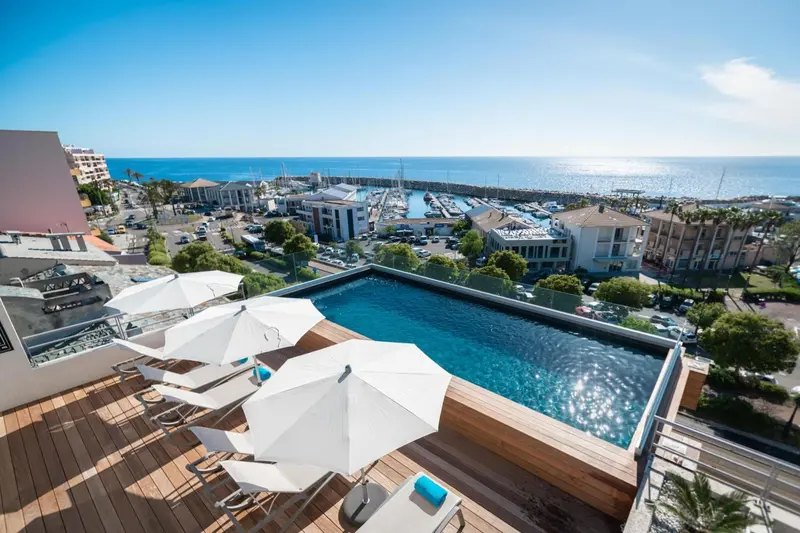
Bastia is highly accessible from mainland Europe. Many travellers arrive via ferry from French ports like Marseille, Toulon, and Nice, or Italian hubs including Livorno and Genoa. Alternatively, direct flights are available from various European cities to Bastia-Poretta Airport, followed by a short road transfer. Once in Bastia, the dive logistics are straightforward; most dive operations depart from the Old Port or the Toga Marina, both of which are easily reached on foot or by a short taxi ride from central accommodation.
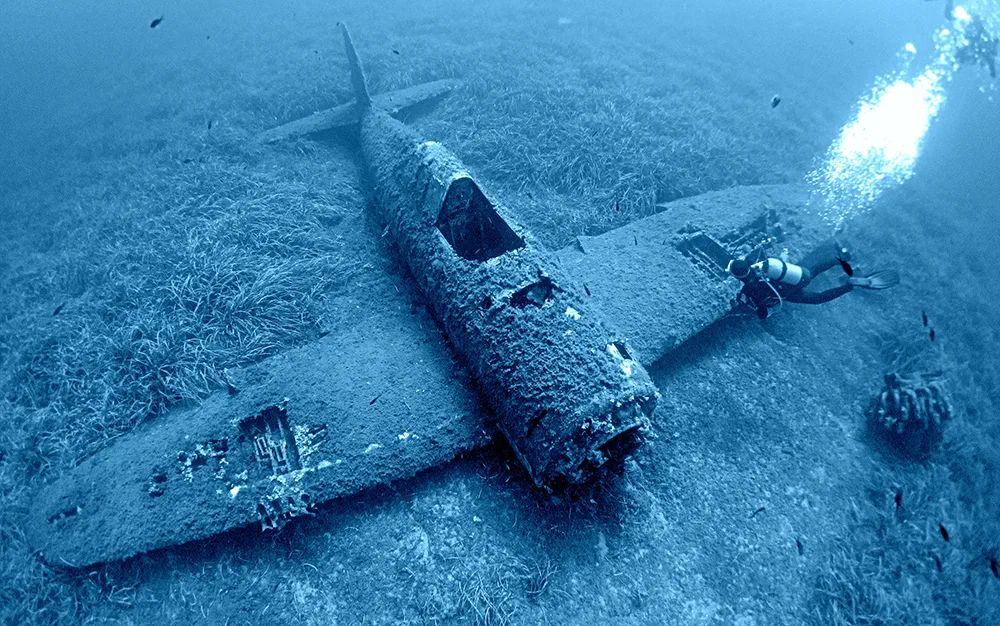
Respect the local maritime regulations strictly, as the area is heavily managed. The Bastia fishing zone and various biotope protection areas have specific restrictions where scuba diving is prohibited; always defer to your dive centre's briefing to ensure you are in a legal zone. If you are targeting the deeper wrecks like the Insuma or the high-altitude gorgonian reefs, plan these as dedicated dives rather than trying to cram them into a multi-site day; these profiles require a conservative approach. To avoid the heaviest crowds and potential siltation on popular wrecks like the P-47, try to schedule your outings for early morning. Finally, if you are planning to dive in the more remote parts of the marine park using a light boat, ensure you carry your own Alpha flag or red-and-white diagonal flag, as signaling is mandatory in the Cap Corse and Agriate protected area.
A stay of 5 to 7 days is ideal. This allows enough time to complete a meaningful number of dives—covering both the historic wrecks and the deep rock walls—while leaving ample room to explore the Cap Corse peninsula, visit the historic Bastia centre, or enjoy the coastal villages and beaches that make the region so compelling.
Hello, I'm Marina, DivingDeal.com's AI assistant. I guide you through destinations, areas and countries.
Thinking about the whole trip and the flights? Talk it over with Edith →
Marina is an AI. Some links are affiliate links: DivingDeal may earn a commission, at no extra cost to you. Bookings are made with the partner.
The main diving season in Bastia runs from May through October, when calmer Mediterranean seas and stronger sunlight generally support visibility. July and August bring more tourists and busier boats. Late spring and early autumn suit you better if you prefer quieter sites and more flexible scheduling.
Bastia offers options for different experience levels. You can explore shallow rocky plateaus and posidonia meadows between 15 and 25 metres as a beginner. The deeper wrecks and gorgonian walls beyond 40 or 50 metres require greater experience, with Deep Diver or Wreck Diver certification suited to these profiles.
In Bastia, you can explore Mediterranean limestone walls, sandy plateaus, posidonia meadows, gorgonian reefs, and historic wartime wrecks including the Insuma. Marine life includes grouper, corbs, dentis, moray eels, rays, and nudibranchs. During warmer months, you may also encounter a Mola mola in the deeper environment.
Plan a five- to seven-day stay in Bastia to combine historic wrecks, deep rock walls, and time ashore. Dive boats generally leave from the Old Port or Toga Marina. Follow local maritime regulations, check protected-area restrictions with your centre, and schedule deep wrecks as dedicated dives.