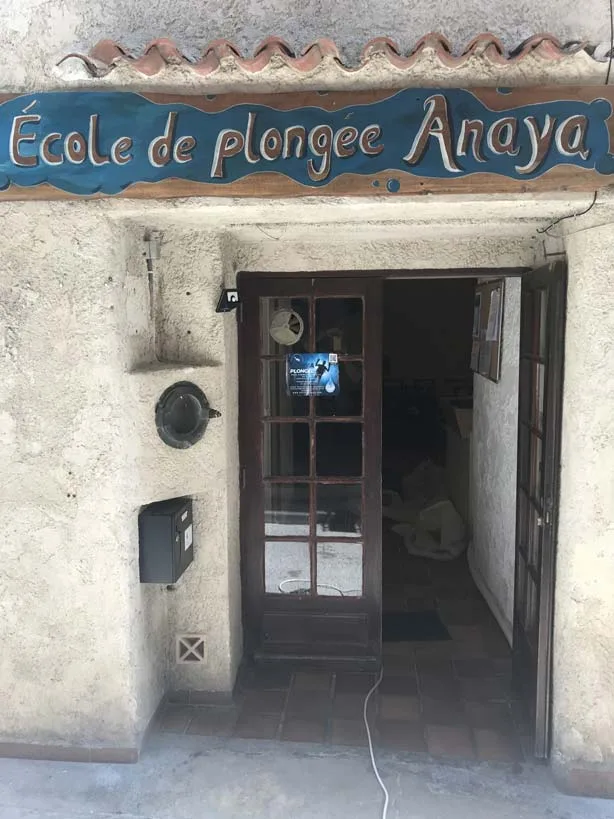

Anaya Plongée
Google 5/5 (383 reviews)
France · Mediterranean
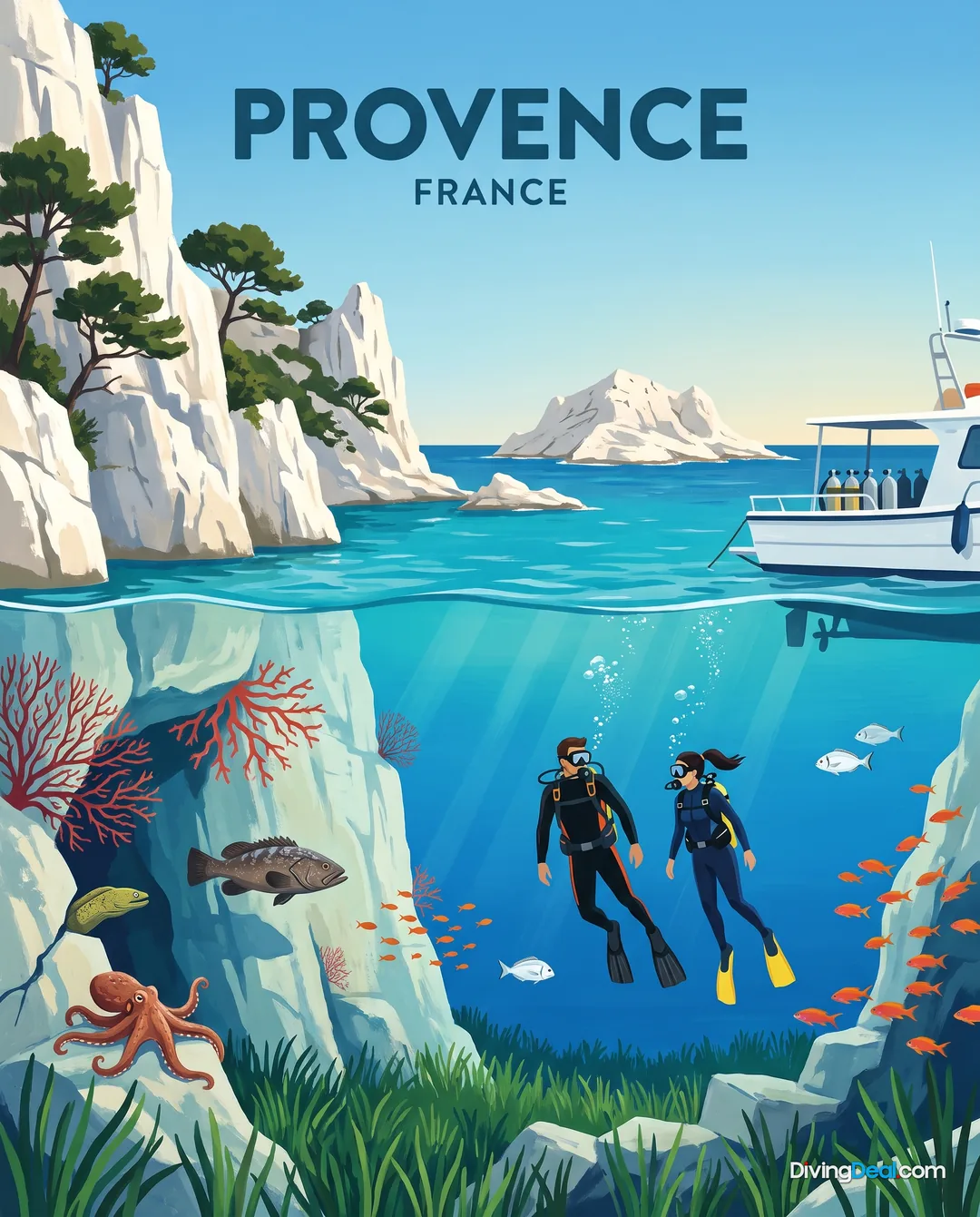
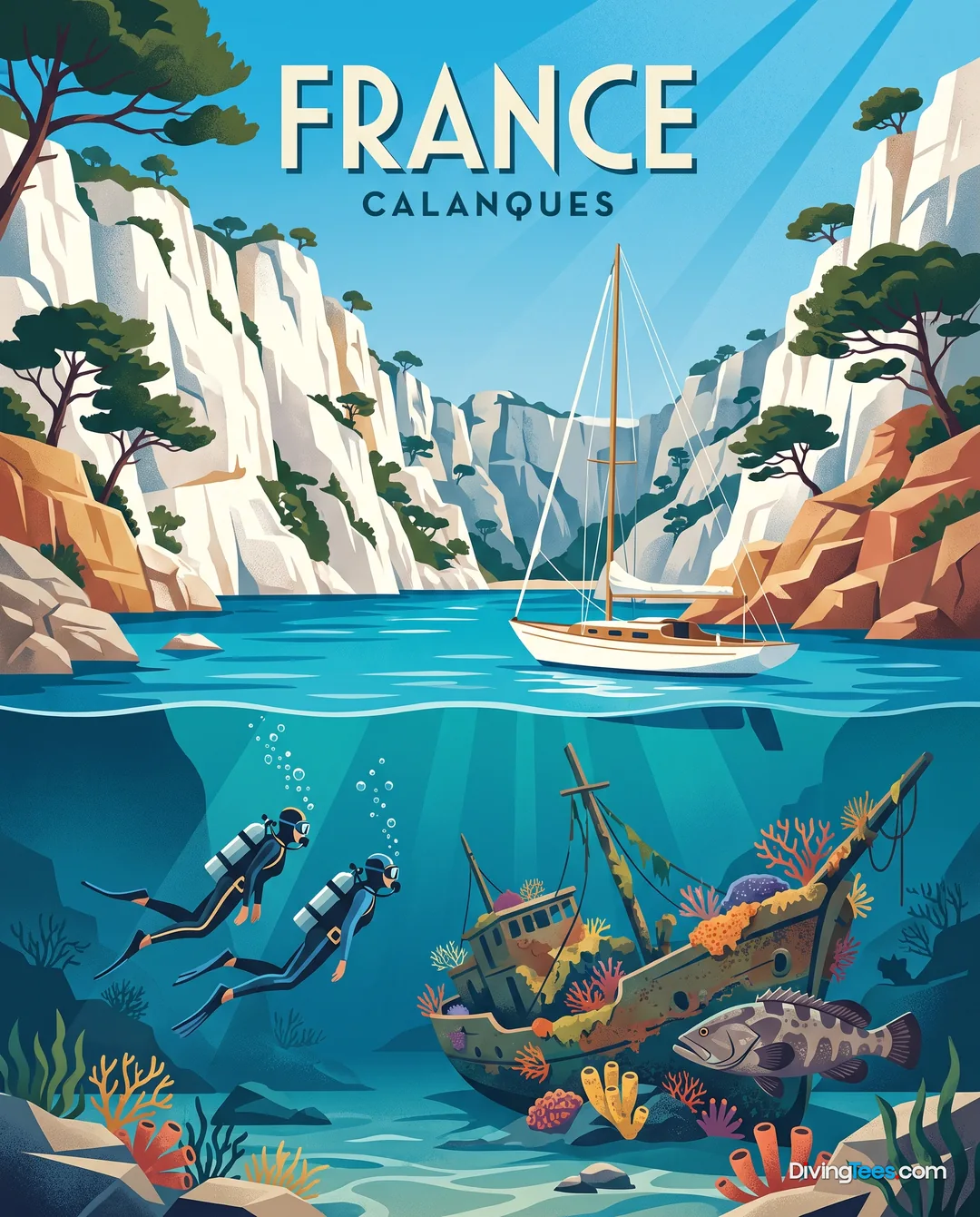
Limestone drop-offs, posidonia meadows, shallow arches and the Saint-Dominique wreck give La Ciotat a Mediterranean range from sheltered training dives to serious boat outings.
For subtitles in English: start the video firstthen click the gearat the top right of the video, select “Subtitles/CC”, then “Auto-translate” and choose “English”.
La Ciotat puts the rocky coastline of the Bec de l’Aigle, Île Verte and Liouquet within easy reach of a working harbour town. Dives begin in shallow, sheltered water, then build towards limestone walls, reefs, arches and deeper wrecks offshore. That makes it useful for a mixed holiday party: newer divers can stay with gentler coastal sites while experienced partners head for the deeper profiles. Above water, the old port, shipbuilding heritage, calanques and walking routes give non-divers a proper reason to come along.
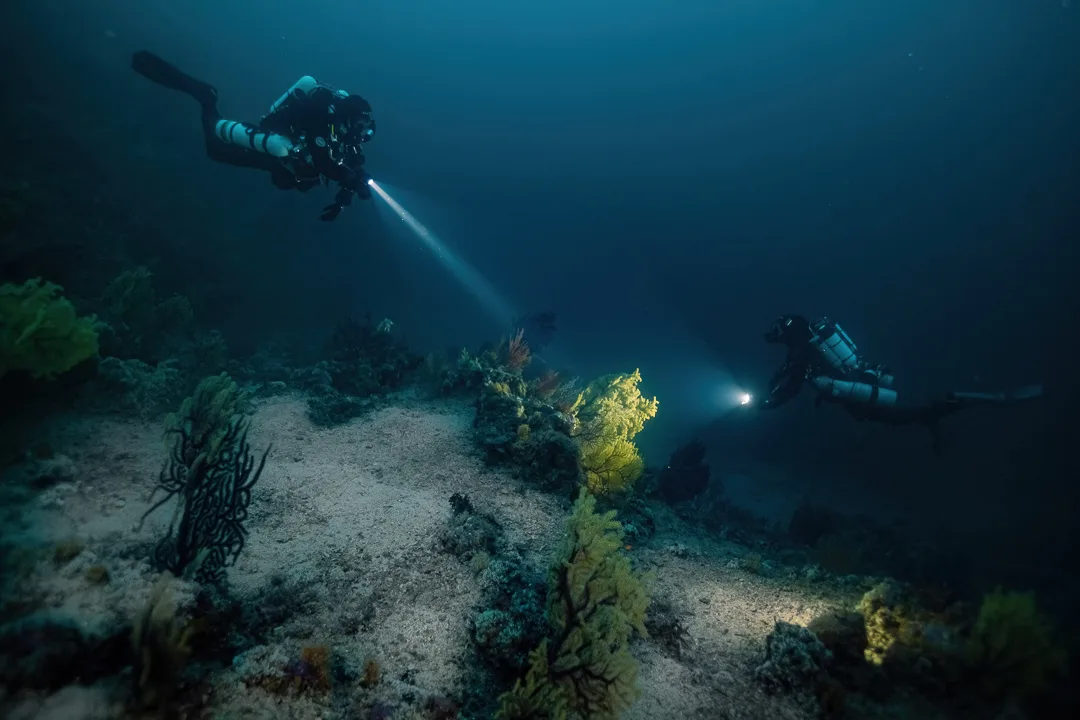
Underwater, La Ciotat is a succession of Mediterranean rock features rather than a single signature reef. Expect shallow sites with posidonia seagrass, boulders and arches, then higher relief, drop-offs and offshore wrecks. Île Verte and Liouquet are the sensible starting points when the sea is unsettled, while the deeper walls and the Saint-Dominique require a more deliberate boat plan. Currents are variable, so a route may involve moving water rather than simply circling a pinnacle, but conditions are assessed locally and departures can be shifted towards shelter. Visibility is not guaranteed: sand and fine sediment lift quickly on shallow sites, especially after several groups have passed. Most notable diving is by boat from La Ciotat’s ports, with some shore diving available.
The attraction here is close observation rather than a promise of large-animal encounters. Common octopus occupy the rocks and seagrass throughout the year, while wrasse and white seabream are regular company around the reefs and drop-offs. Posidonia meadows add another texture to the shallower dives, and they reward slow finning and a good look into the leaves rather than a hurried transit. Sunfish are reported from June into early July, but they are occasional visitors, not a reason to treat every outing as a search dive. The protected setting also means leaving animals, plants and fixed growth completely alone. On a busy day, careful buoyancy matters twice: it protects the habitat and keeps the sediment down for the divers behind you.
The practical diving season runs from spring into autumn, with May, June, September and October offering the most attractive balance of usable weather and fewer summer crowds. June and early July bring the possibility of an occasional sunfish, while the warmer core of summer brings more departures and heavier use of the sites around the harbour and Île Verte. Wind can cancel or relocate a boat outing at any time, so the best month on paper is not a guarantee for a particular wall or wreck. Outside the busiest period, there is generally less traffic, especially on sites farther from the port. Build spare days into the visit rather than filling every morning with an exposed site.
La Ciotat suits a broad range of divers, provided the site is matched honestly to the person in the water. Beginners and recently qualified divers can use sheltered, shallow areas around Liouquet and Île Verte. Advanced divers, or those with an equivalent qualification, are better placed for the walls and deeper wrecks. The Saint-Dominique is specifically an experienced-diver proposition, not a routine progression dive. Nitrox may be useful on repetitive days where the centre and site allow it, but it does not replace the experience needed for depth, current or a demanding wreck.
From London or Manchester, reach La Ciotat by travelling to a regional airport and continuing by road or regional train. There is no ferry crossing to the continental destination, and no direct air link to La Ciotat itself. The practical rail arrival is La Ciotat-Ceyreste, with buses linking the station and town centre. Most diving leaves from La Ciotat’s harbours, while Île Verte is reached from the Vieux-Port by boat. A seasonal public shuttle serves the island, but it is separate from the dive boat arrangements, so do not assume that one timetable covers both. In town, harbour accommodation and dive departures can often be managed on foot; farther out, allow for a bus or taxi.
Keep the first outing local if the sea is running. Île Verte or Liouquet can provide a more forgiving start, while a stable weather window is better reserved for the walls and wrecks. Ask before departure whether the proposed site matches the group’s actual experience, not simply its highest qualification. At sandy or silty sites, stay high enough to avoid fin wash: once the bottom is stirred, the next palanquée may spend the dive in a cloud. Early departures and shoulder-season dates also reduce the chance of arriving after several training groups have used the same shallow ground. Check the public Île Verte shuttle separately from the dive schedule, because it is seasonal and is not a substitute for the boat carrying divers. Pack thermal protection suitable for the beginning and end of the season, as rental provision differs. Leave a spare day for wind, and leave every shell, rock, wreck item and archaeological fragment where it lies.
Plan this as a land-based stay rather than a liveaboard trip. Three to five diving days usually fit comfortably into five to seven days in La Ciotat, leaving room for wind-related changes and a progression from shallow coastal sites to walls and accessible wrecks. Staying around the town centre or Vieux-Port keeps harbour departures and evening walks straightforward. Non-divers can use the same base for Figuerolles and Mugel, the Bec de l’Aigle, boat trips, the old town and the city’s shipbuilding heritage.
Hello, I'm Marina, DivingDeal.com's AI assistant. I guide you through destinations, areas and countries.
Thinking about the whole trip and the flights? Talk it over with Edith →
Marina is an AI. Some links are affiliate links: DivingDeal may earn a commission, at no extra cost to you. Bookings are made with the partner.
La Ciotat’s diving season runs from spring into autumn. May, June, September and October generally balance usable weather with fewer summer crowds. June and early July may bring occasional sunfish, but wind can cancel or relocate boat outings. Leave spare days for weather changes rather than scheduling every morning on exposed sites.
La Ciotat suits different experience levels when you choose the site carefully. Beginners and recently qualified divers can use sheltered, shallow areas around Liouquet and Île Verte. More experienced divers are better suited to the walls and deeper wrecks, while the Saint-Dominique is specifically for experienced divers because of depth, current and wreck demands.
Diving in La Ciotat includes limestone walls, drop-offs, shallow arches, reefs, boulders and posidonia meadows. Common octopus live among the rocks and seagrass, while wrasse and white seabream appear around reefs and drop-offs throughout the year. Sunfish are occasional visitors in June and early July, rather than a regular sight.
Plan La Ciotat as a land-based stay, with accommodation around the town centre or Vieux-Port for straightforward harbour departures and evening walks. Allow spare days for wind, start with sheltered sites such as Île Verte or Liouquet, and keep the public island shuttle separate from dive-boat arrangements. Regional rail and buses connect the town.