Hotel La Calanque
★★★★
★ 9.1/10 (807 reviews)
24 km away as the crow flies
Dive centre · Côte d'Azur · France
4.8576 Google reviewsExplore the legendary wrecks and protected reefs of the Port-Cros National Park from the decks of the Apogon or Cyana Bora.
For subtitles in English: start the video firstthen click the gearat the top right of the video, select “Subtitles/CC”, then “Auto-translate” and choose “English”.
Located in La Londe-les-Maures, Dune Port Cros serves as a gateway to the Port-Cros and Porquerolles National Park, the oldest marine park in Europe. This protected area offers a diverse range of underwater topography, from rocky points and steep walls to sheltered reef flats.
The centre has been established since 1997, bringing over three decades of experience to the Hyères islands. Whether you are looking for a shallow reef exploration or a technical wreck dive, the proximity to the national park ensures high-quality marine environments.
The team brings more than 30 years of expertise to the operation, focusing on safety and professional standards across all disciplines. They are affiliated with PADI, FFESSM, and ANMP, allowing them to provide a wide range of international and national certifications.
Training is available for all ages, including specific programmes for children. The centre is also equipped to host technical divers, providing support for CCR (Closed Circuit Rebreather) operations and offering decompression cylinder rentals.
A complete range of training is available through PADI and FFESSM frameworks. Beginners can start with Discover Scuba Diving or the Open Water Diver course, while more experienced divers can progress through Advanced Open Water Diver and Rescue Diver certifications.
Specialised training is a core part of the centre's offering, including Nitrox (both basic and advanced) and dedicated wreck diving stages. The curriculum also covers FFESSM levels, including Niveau 1, 2, and 3, as well as PE12, PE40, and PE60.
The fleet consists of three specialised vessels. The Apogon is a 25-diver capacity vedette featuring a convivial forward area and an internal space to provide shelter from the wind. It also features freshwater showers on board.
The Cyana Bora is a larger vedette with a capacity for 30 divers and includes freshwater showers. For more remote sites, the Sériole is a 7.5m semi-rigid capable of carrying 15 divers. The Sériole is powered by twin engines, making it ideal for reaching distant wrecks like Le Rubis.
The centre provides a full range of rental equipment, including 5mm wetsuits, regulators compatible with both Air and Nitrox, BCDs, dive computers, and torches. Cylinders and weights are included with the rental service.
Shore-based facilities are comprehensive, featuring separate changing rooms, hot showers, and a dedicated area for rinsing equipment. There is also a large shaded terrace and a classroom/seminar room for theory work, alongside free WIFI access.
The Donator is a legendary wreck in the region, offering the possibility of 25 minutes of bottom time depending on your configuration and gas consumption. The Grec is another iconic wreck site highly regarded by experienced divers.
La Gabinière is a renowned site consisting of a dry area and a steep wall within the National Park. It is widely considered one of the most beautiful sites in the Mediterranean. For those looking for aviation history, the Hellcat and Wildcat offer exceptional opportunities to dive aircraft wrecks.
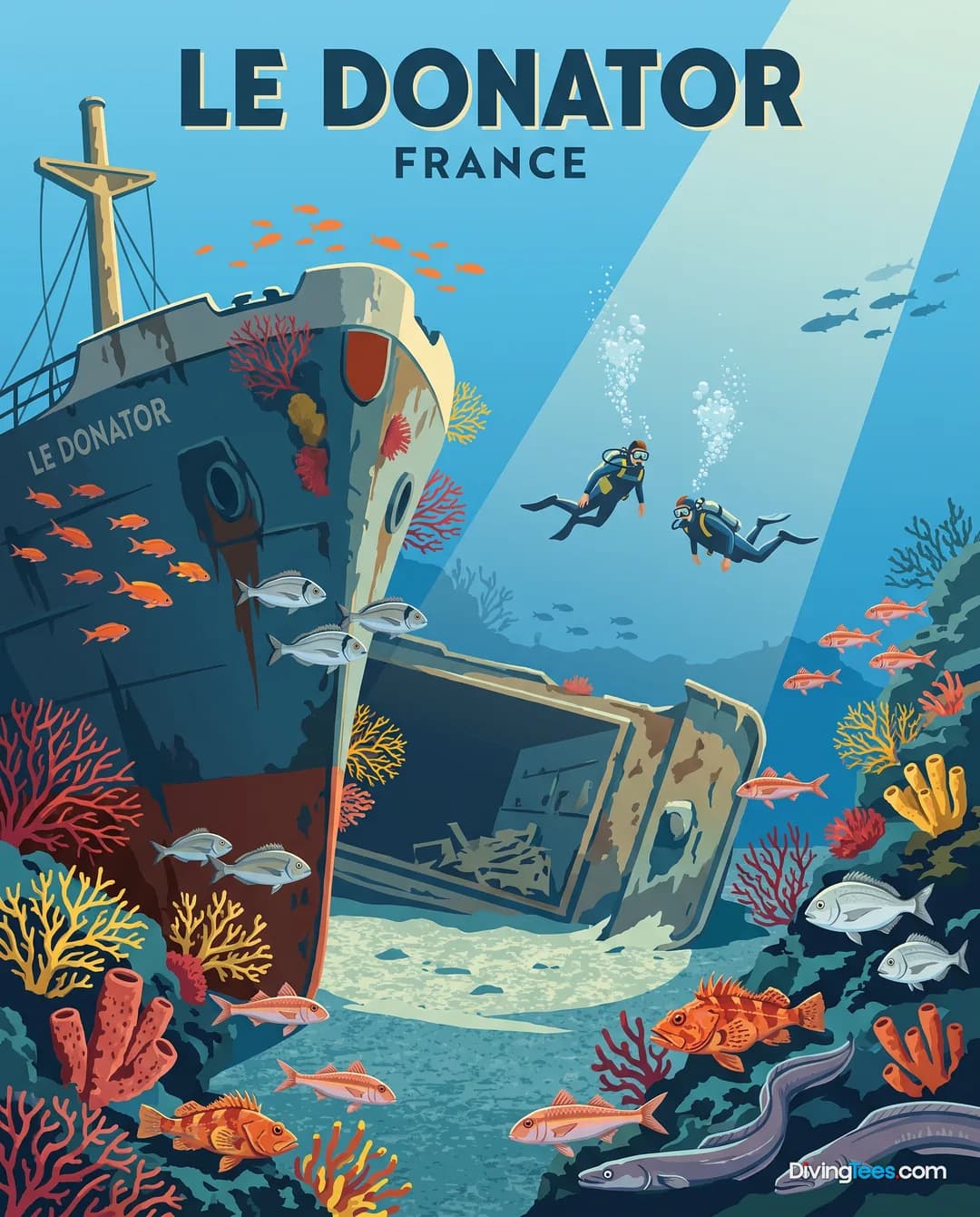
down to 51 m
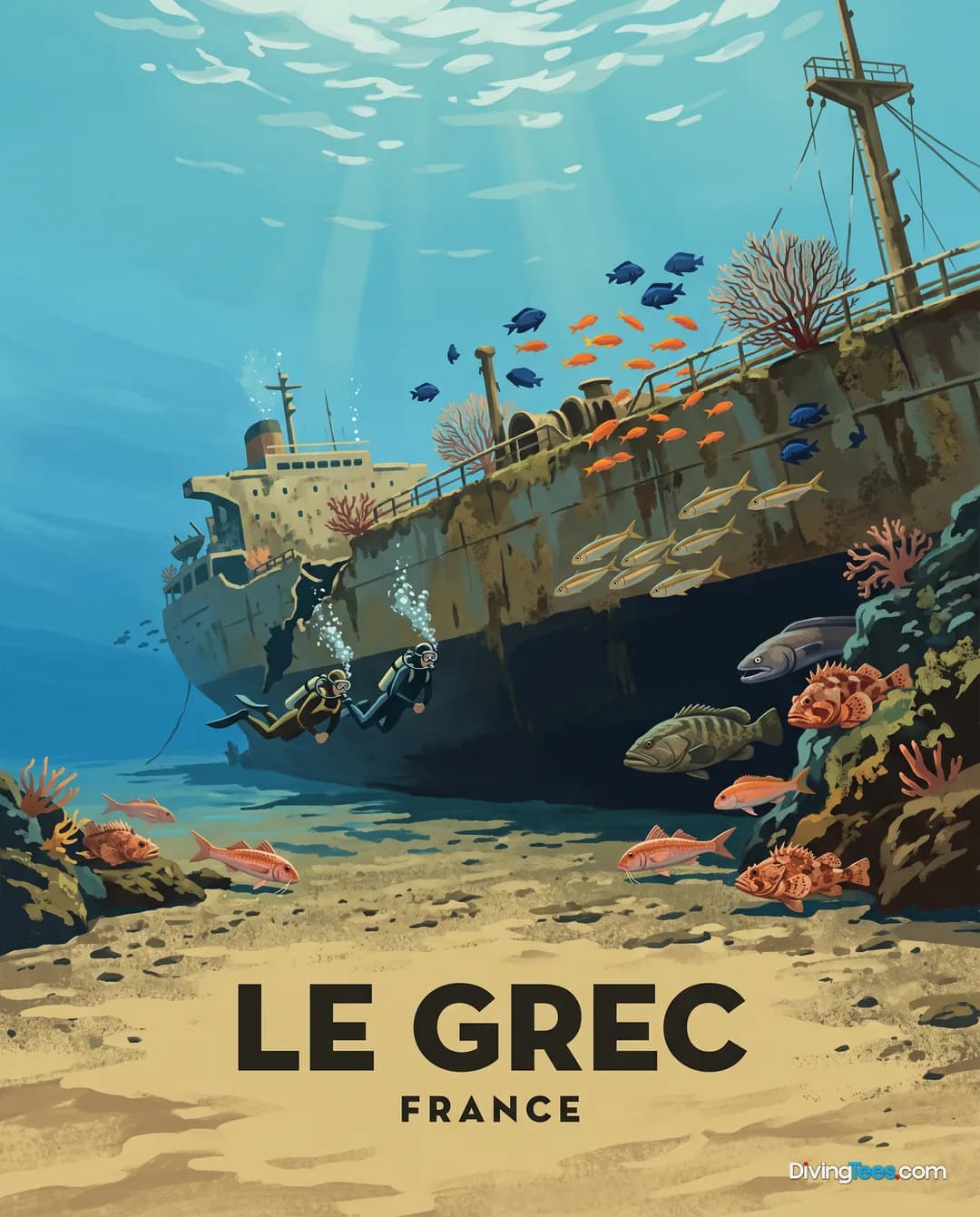
down to 47 m
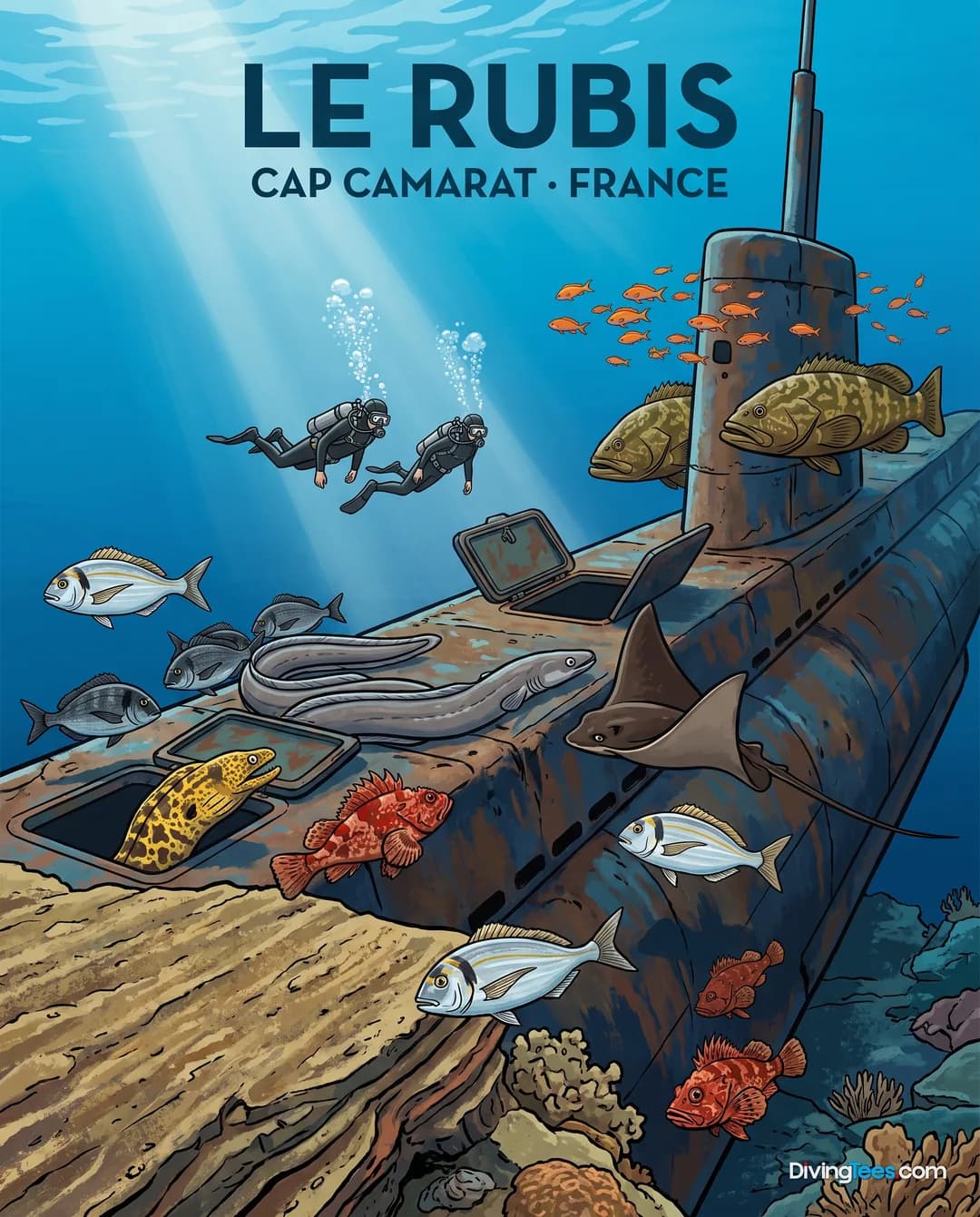
down to 40 m
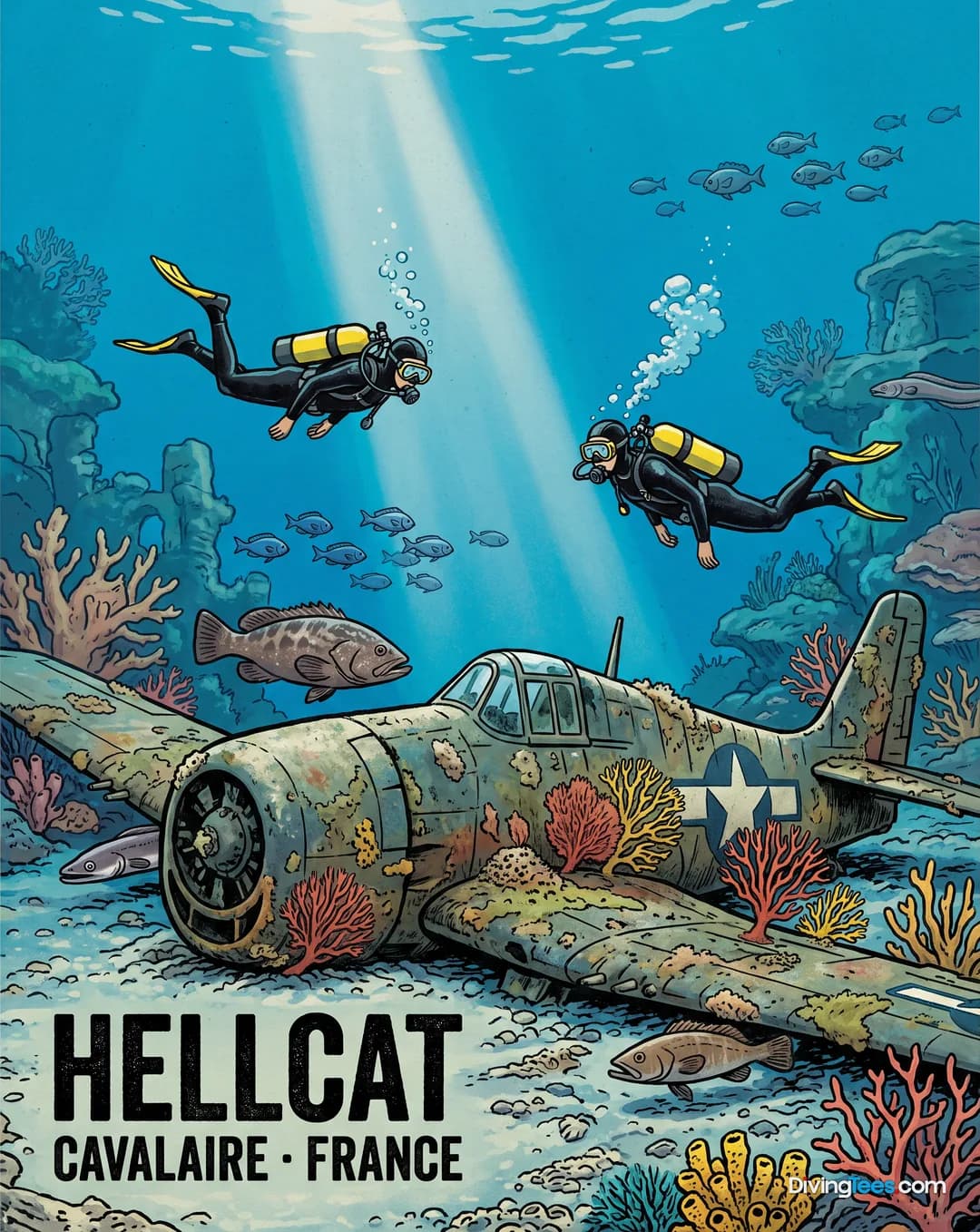
down to 57 m
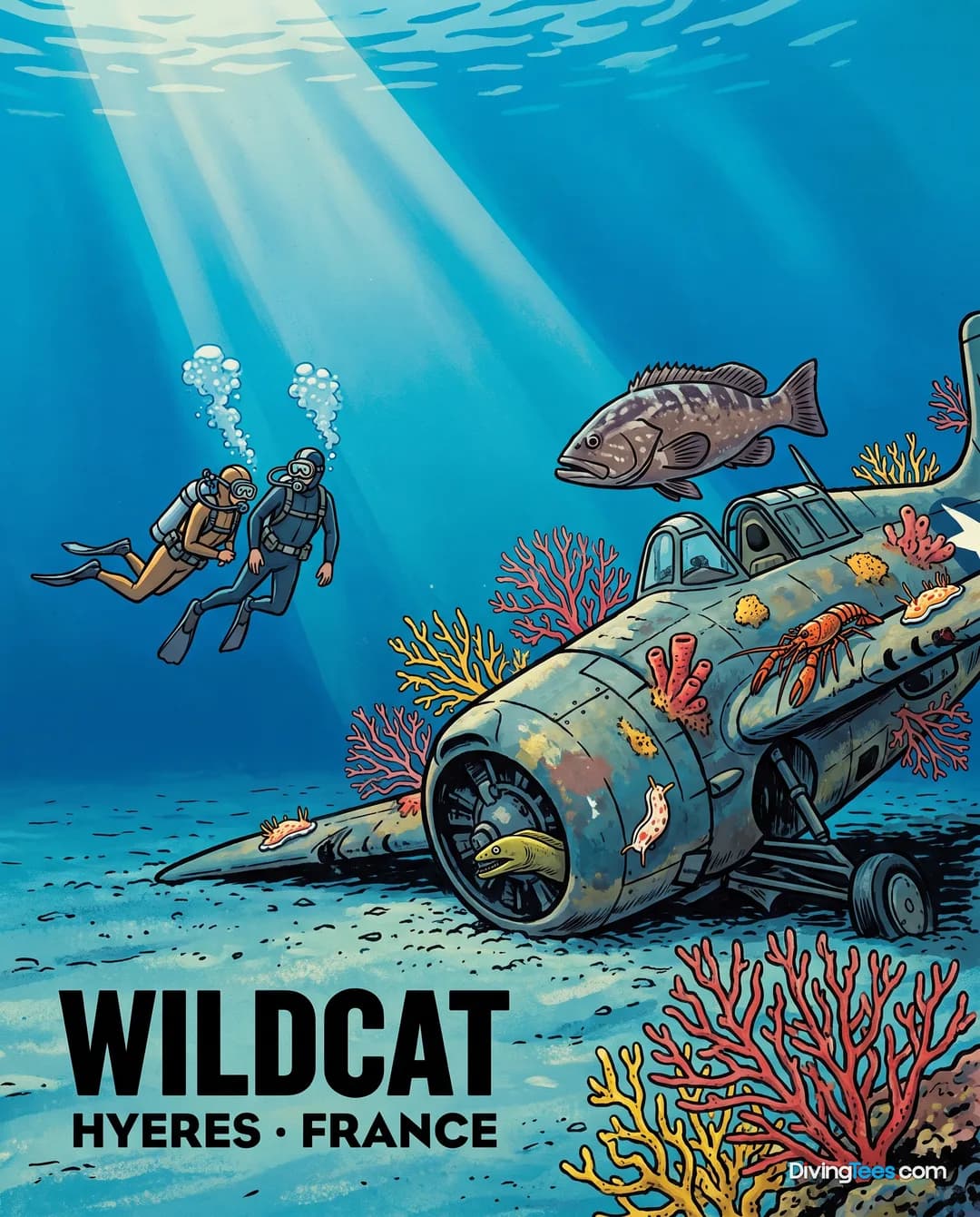
down to 52 m
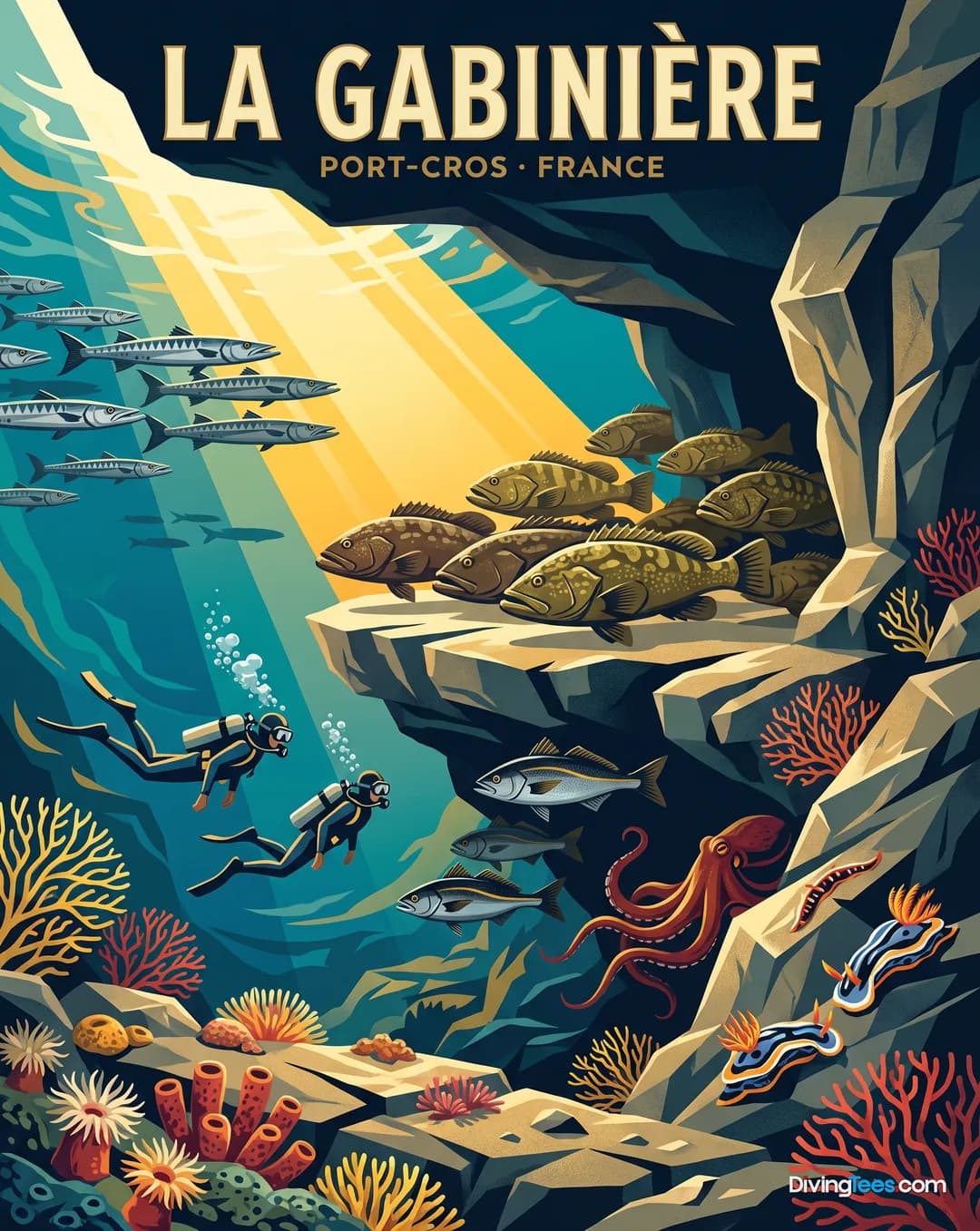
down to 45 m
And some of the dive sites the centre runs.
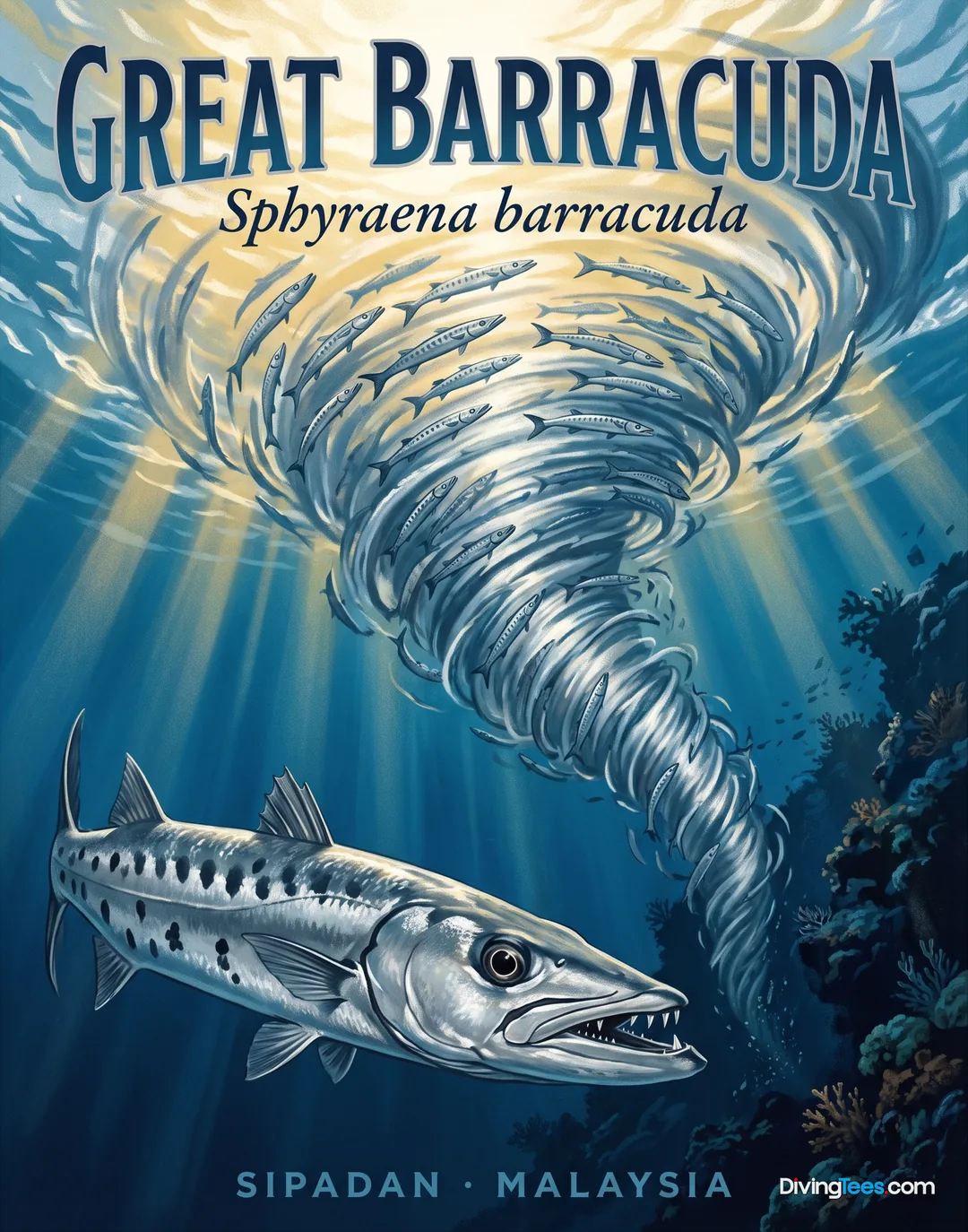
The protected waters of the National Park are home to a high density of large Mediterranean species. You will regularly encounter Dusky grouper (Epinephelus marginatus), Common dentex (Dentex dentex), and various species of wrasses. Larger pelagics such as Great barracuda (Sphyraena barracuda) and Amberjack (Seriola) are also present.
The rocky reefs and walls are draped in vibrant fixed life, including red gorgonians, Sea fan (Gorgoniidae), and various sponges (Porifera). You can also find yellow encrusting anemones and diverse species of corals decorating the structures.
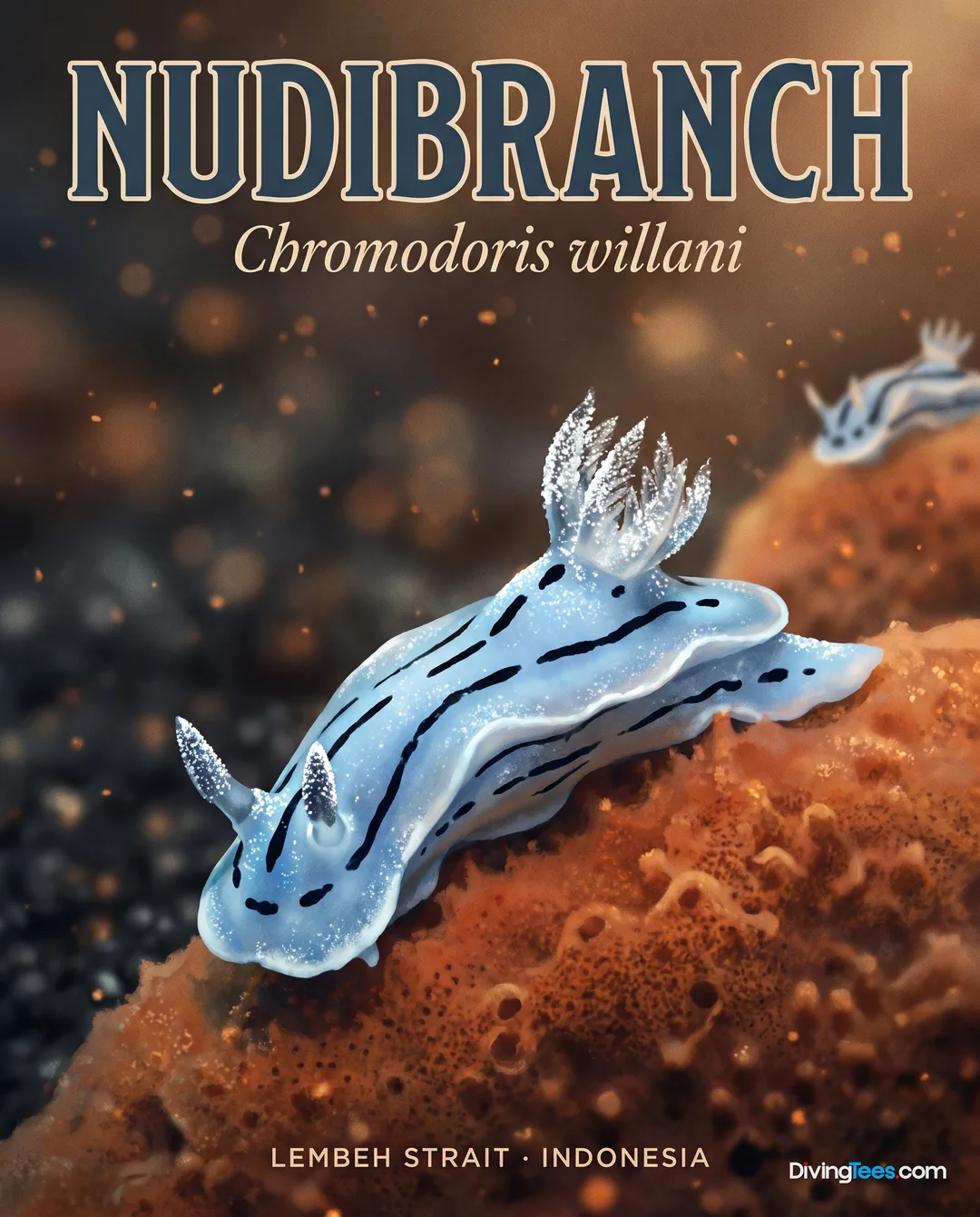
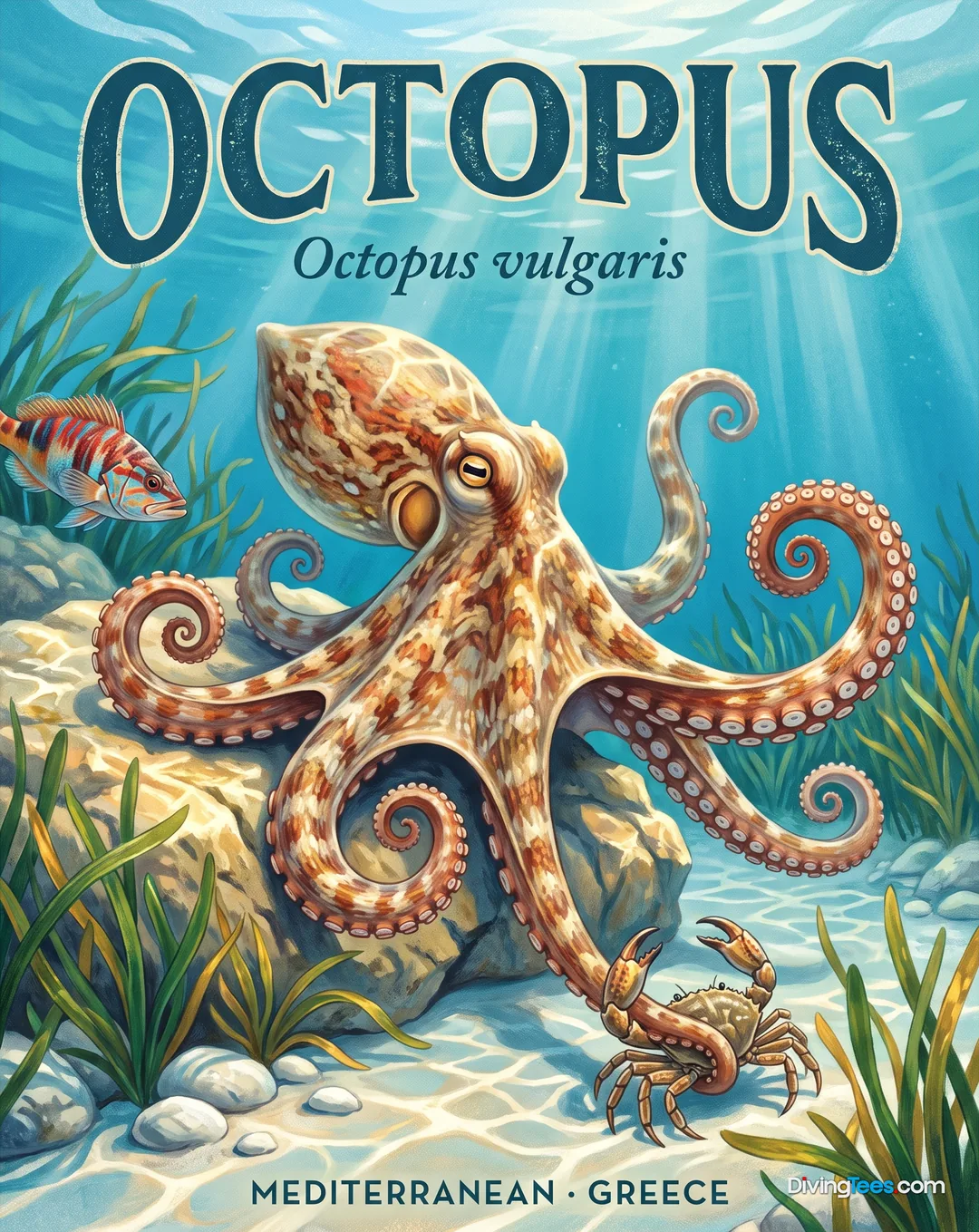
Macro life enthusiasts will find plenty to observe, from colorful Nudibranch (Chromodoris willani) to various crustaceans. Keep an eye out for Spiny lobster (Palinuridae), octopuses, and different types of shrimp (Caridea) tucked into the crevices of the reef.
The diving season runs from early April until 11 November. During this period, water temperatures typically range between 14°C and 27°C.
Access to the National Park is a primary feature of the local diving, with sites ranging from shallow reef flats to deep walls and rocky points. The availability of Nitrox on all boats allows for extended bottom times on many of the local sites.
Hello, I'm Marina, DivingDeal.com's AI assistant. I answer in detail about hotels, dive centres and liveaboards.

Thinking about the whole trip and the flights? Talk it over with Edith →
Marina is an AI. Some links are affiliate links: DivingDeal may earn a commission, at no extra cost to you. Bookings are made with the partner.
★★★★
★ 9.1/10 (807 reviews)
24 km away as the crow flies
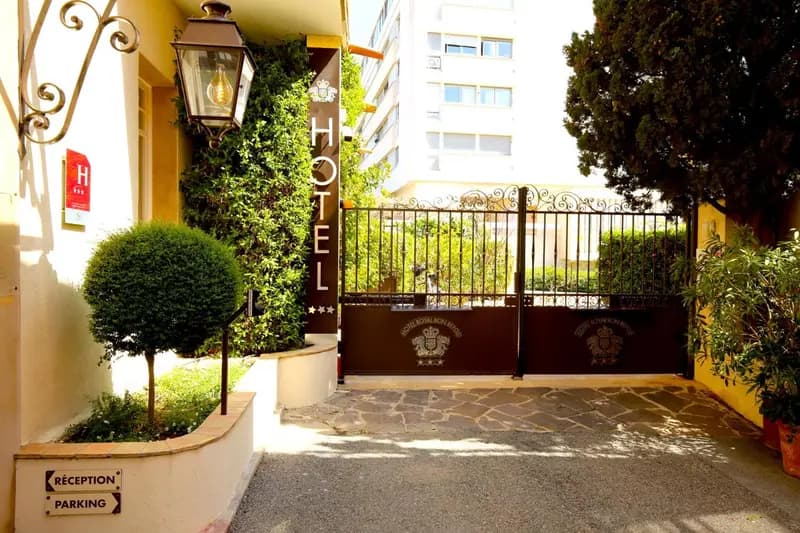
★★★
★ 9/10 (1,061 reviews)
38 km away as the crow flies
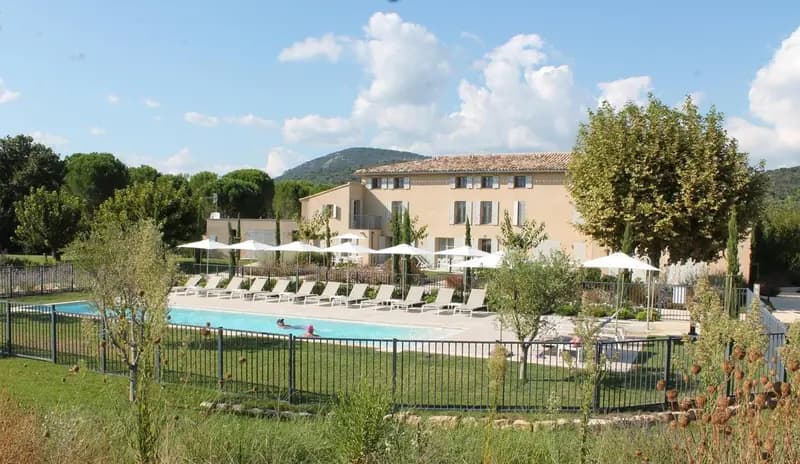
★★★★
★ 9.2/10 (404 reviews)
31 km away as the crow flies
★ 9/10 (753 reviews)
35 km away as the crow flies