
Dune Port Cros
Google 4.8/5 (589 reviews)
12 km away as the crow flies
Hyères · France · Mediterranean
Max. depth · 52 mExplore the remarkably preserved remains of an iconic aircraft at 52 metres off Hyères, a challenge for experienced divers.
For subtitles in English: start the video firstthen click the gearat the top right of the video, select “Subtitles/CC”, then “Auto-translate” and choose “English”.
The Wildcat wreck, a 1937 Royal Navy fighter believed to be a Martlet Mark V, lies off Hyères, France, at a maximum depth of 52 metres. It rests inverted on the sandy seabed, yet its airframe remains largely complete. Your dive begins with an open water descent, leading you through the water column to the distinct silhouette of the plane below, a destination primarily for experienced divers.
As you descend towards 52 metres, the structure of the Wildcat resolves from the blue. The clear water found at this depth often allows for a clear appreciation of the wreck's overall form before you reach it. The aircraft's inverted position provides a unique overhead view of its underside, offering insights into its construction and the impact that brought it to rest at the deep end of the Fourmigue du Lavandou.
Navigating around the Wildcat, you will observe its structural elements and the way it has settled into the sand. The intact nature of this particular wreck is a primary draw, offering a coherent structure to explore. While extensive internal penetration is not the focus, the experience lies in appreciating the integrity of this historic machine in its deep-water grave, which has become a focal point for marine life.
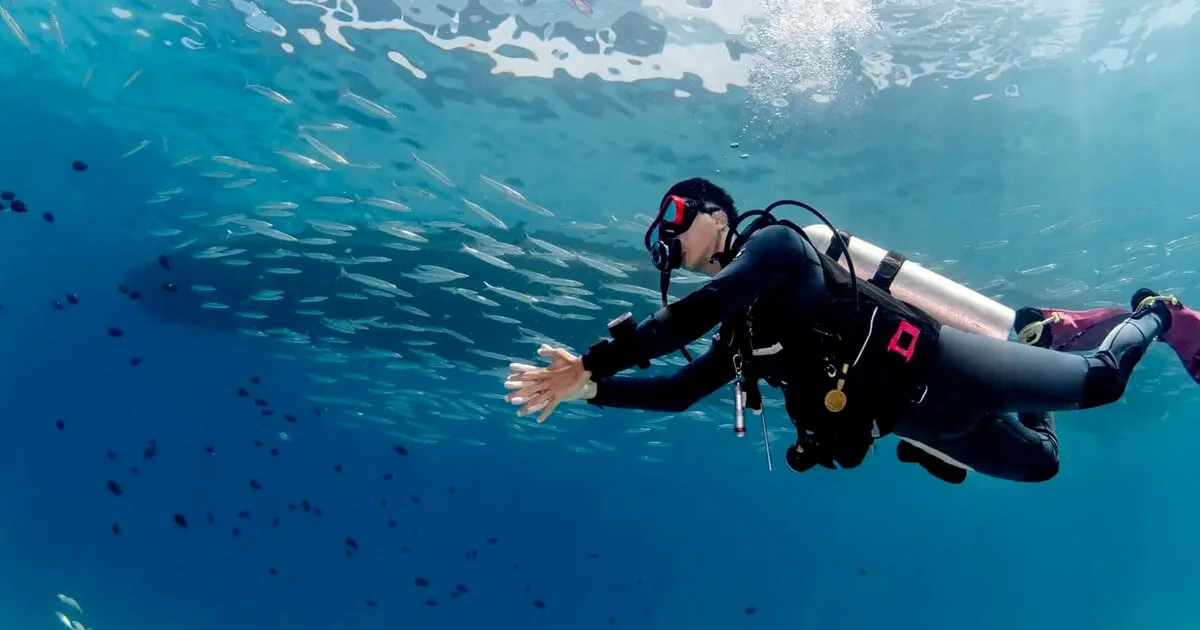
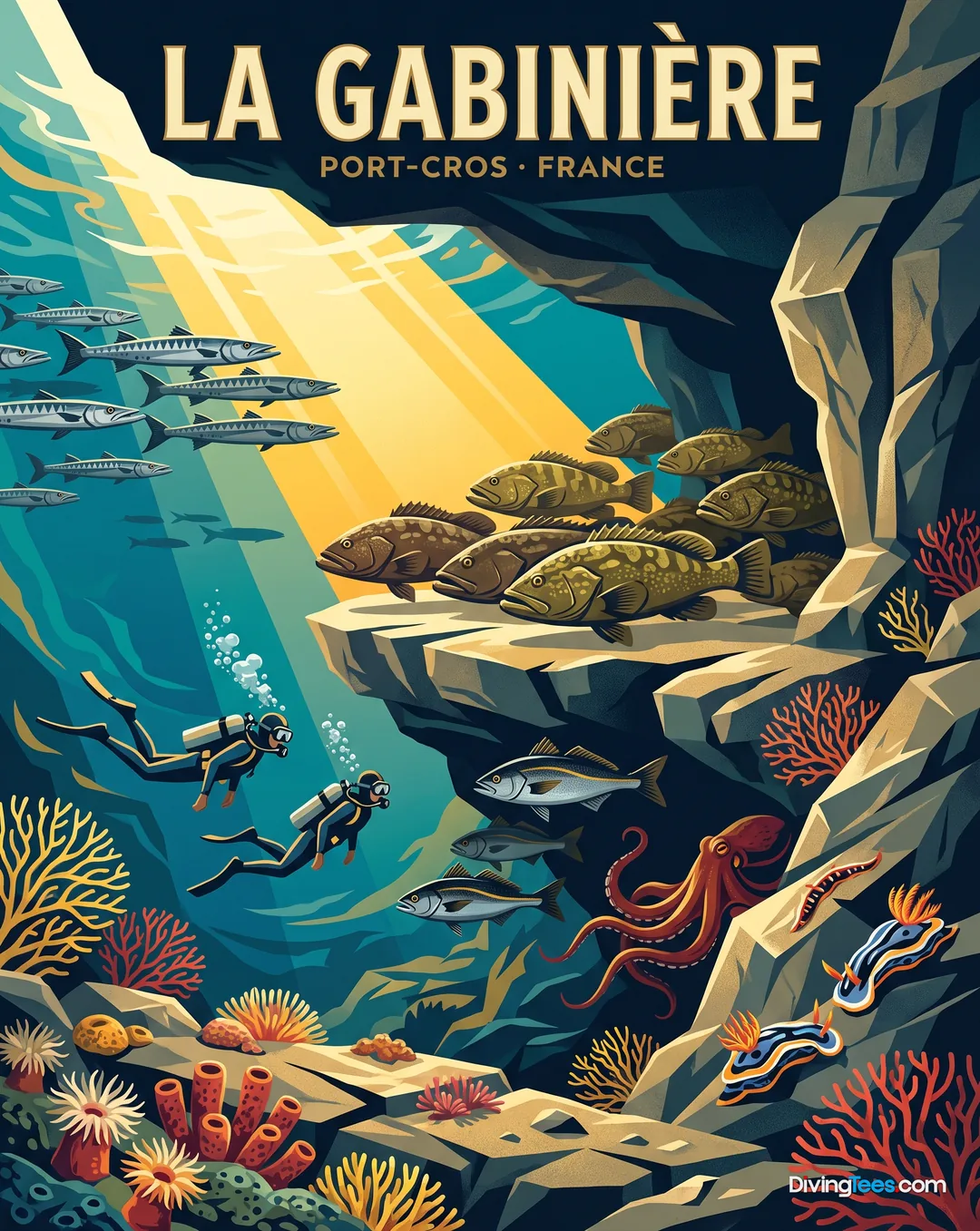
This site is a vibrant hub, attracting various species such as large groupers and schools of barracuda, which often patrol the structures. The overall conditions of the Mediterranean off Hyères, with typical temperatures from 14 to 27°C, support a diverse array of marine life. The exact circumstances of its sinking, whether scuttled or due to a forced landing, remain part of the site's mystique, adding to the contemplative atmosphere of the dive.
This is a demanding dive, requiring a CMAS ** certification or equivalent, and specific training in deep diving procedures and decompression management. The wreck lies at a maximum depth of 52 metres. While currents at this specific deep location are often stable, the depth itself necessitates technical dive training and a solid command of deep diving protocols. Visibility in the region generally supports clear views of the wreck, with the best period for diving extending from early April through to November 11th.
The best period for diving Wildcat extends from early April through November 11th. During this season, visibility in the Hyères region generally supports clear views of the wreck. Typical Mediterranean water temperatures off Hyères range from 14 to 27°C, giving you conditions suited to this deep-water aircraft site.
Wildcat is a demanding dive for experienced divers. You need CMAS ** certification or equivalent, along with specific training in deep diving procedures and decompression management. The dive begins with an open water descent to a deep wreck, so you need a solid command of deep diving protocols before visiting the site.
Wildcat rests at a maximum depth of 52 metres on the sandy seabed. Currents at this specific deep location are often stable, but the depth requires technical dive training and careful decompression management. You descend through the water column in open water before reaching the inverted aircraft at depth.
You can see a largely intact 1937 Royal Navy fighter, believed to be a Martlet Mark V, resting inverted on the sand. Clear water often reveals its silhouette and overall form. Around the structure, large groupers and schools of barracuda contribute to the marine life at this historic wreck.