
European Diving School
Google 4.9/5 (452 reviews)
20 km away as the crow flies
Hyères · France · Mediterranean
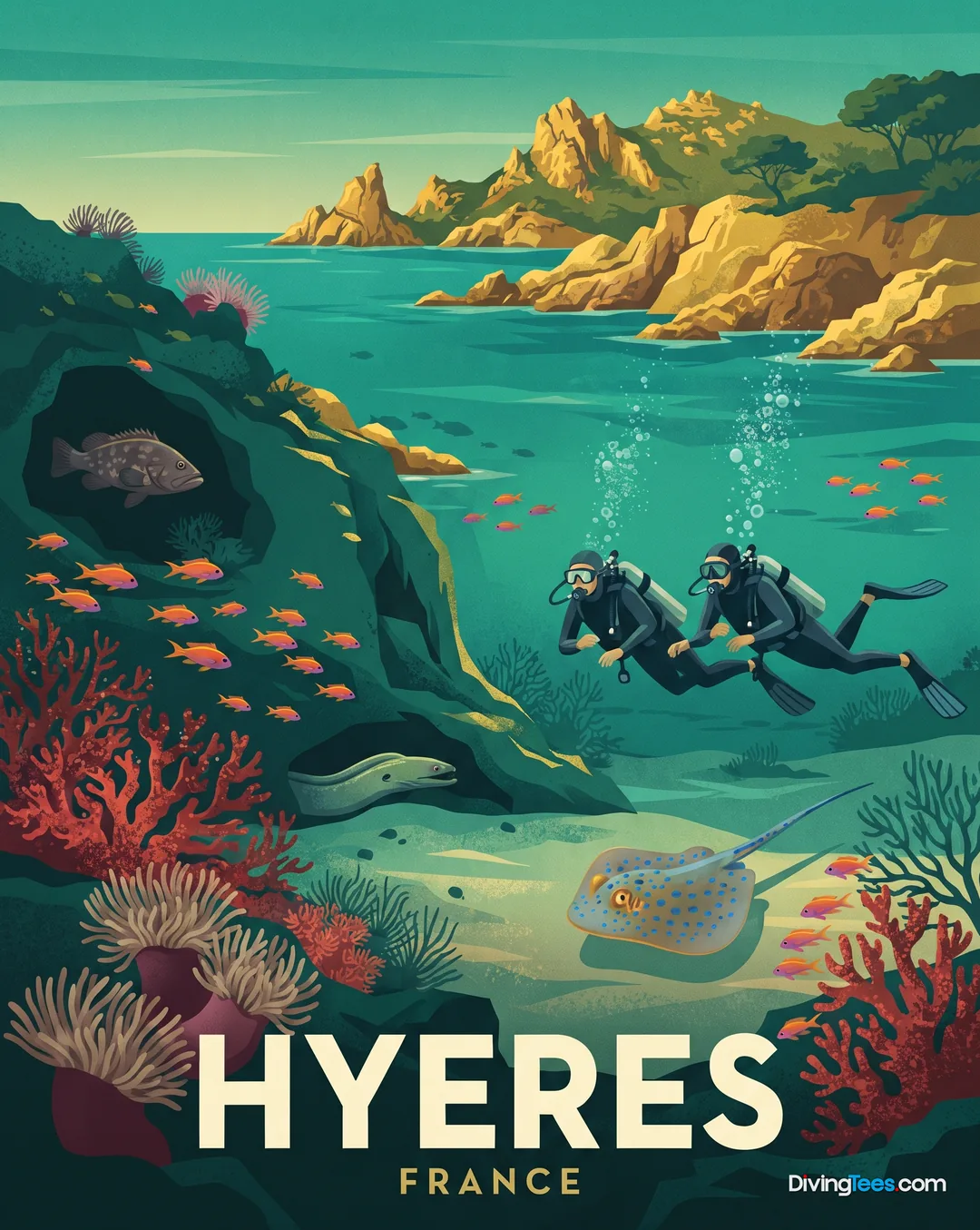
Max. depth · 45 mLa Gabinière offers a dive on a dry rock and dropping wall, teeming with brown groupers and schools of barracudas in excellent visibility.
For subtitles in English: start the video firstthen click the gearat the top right of the video, select “Subtitles/CC”, then “Auto-translate” and choose “English”.
La Gabinière is a prominent dive site within the Port-Cros National Park, recognized as one of the Mediterranean's most biodiverse marine areas. This site is essentially a dry rock formation with impressive walls and a diverse topography of submerged blocks and rocky scree. Its location within a protected marine park means that the marine life behaves differently from less protected areas, offering a unique opportunity to observe resident species without them being overly shy.
The dive profile at La Gabinière offers multiple exploration options. You can descend along significant drop-offs and explore different sections. The eastern wall is distinct from the southern area, which includes the "Sec" (dry), and the western part of the site. To truly appreciate the site's richness, planning at least three dives is recommended, each focused on a specific zone to understand its unique character and resident fauna.
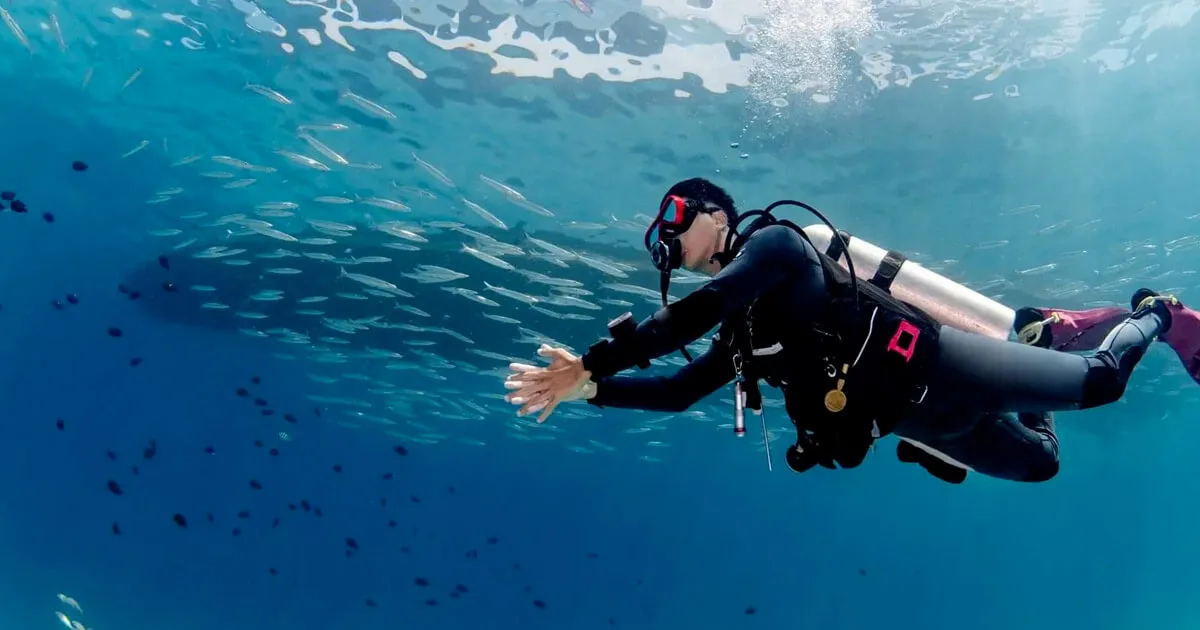
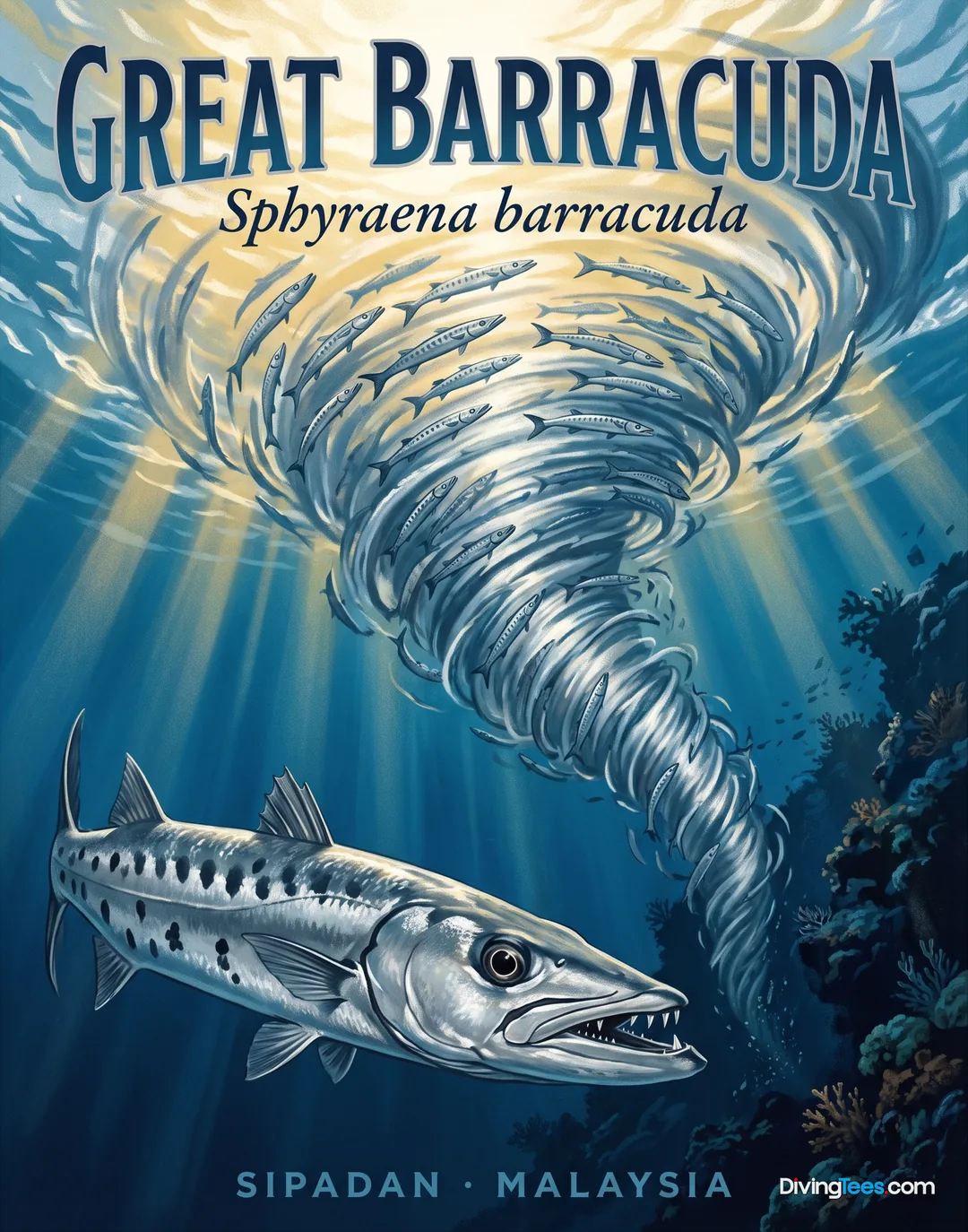
The site is particularly celebrated for its abundance of brown groupers (Epinephelus marginatus), boasting one of the highest concentrations within the Port-Cros Park. These large, often curious fish are a constant presence, sheltering among the rocky formations. Alongside them, you'll encounter schools of barracudas (Sphyraena viridensis), sometimes dentex (Dentex dentex), and other pelagic species passing by, making for dynamic encounters in open water.
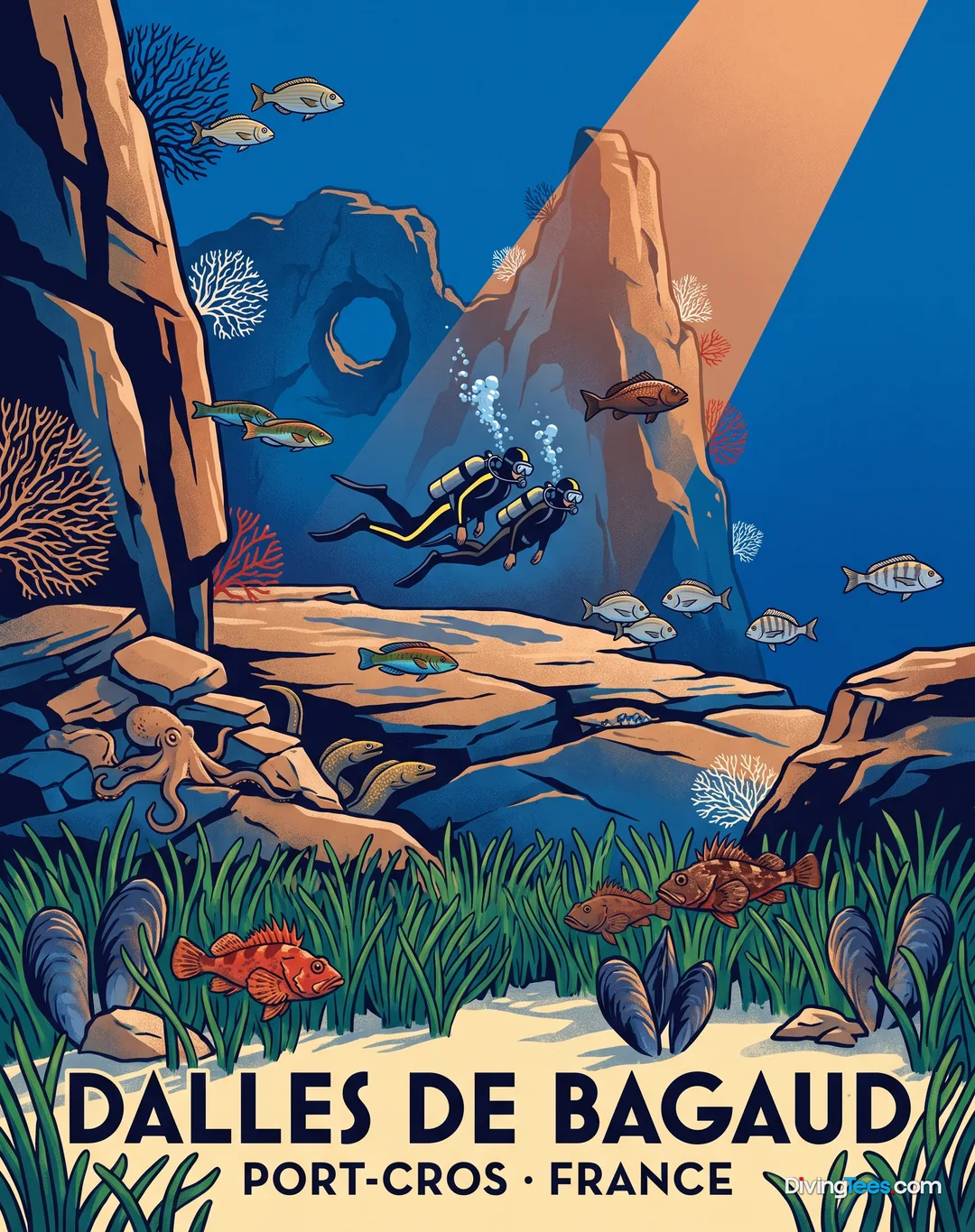
Beyond the larger fish, the walls and rocky landscape of La Gabinière are home to a vibrant community of smaller reef dwellers. Murays (Muraena helena), chapons (Scorpaena scrofa), and scorpionfish (Scorpaena porcus) are commonly seen in crevices. The site features rich invertebrate life, including nudibranchs, various sponges, and impressive expanses of encrusting anemones, which add vivid colour to the rock faces and overhangs.
As you explore the different sections, you'll find diverse gorgonian fields, with both red and yellow gorgonians creating dense underwater forests. Octopus (Octopus vulgaris) are often seen, and if you look closely, you might spot doris dalmatiens (Peltodoris atromaculata) and flabellinas (Flabellina affinis). The rocky formations provide numerous hiding spots, creating a thriving ecosystem for many species, including saddled sea bream (Oblada melanura), bogues (Boops boops), and mullet (Mugil cephalus).
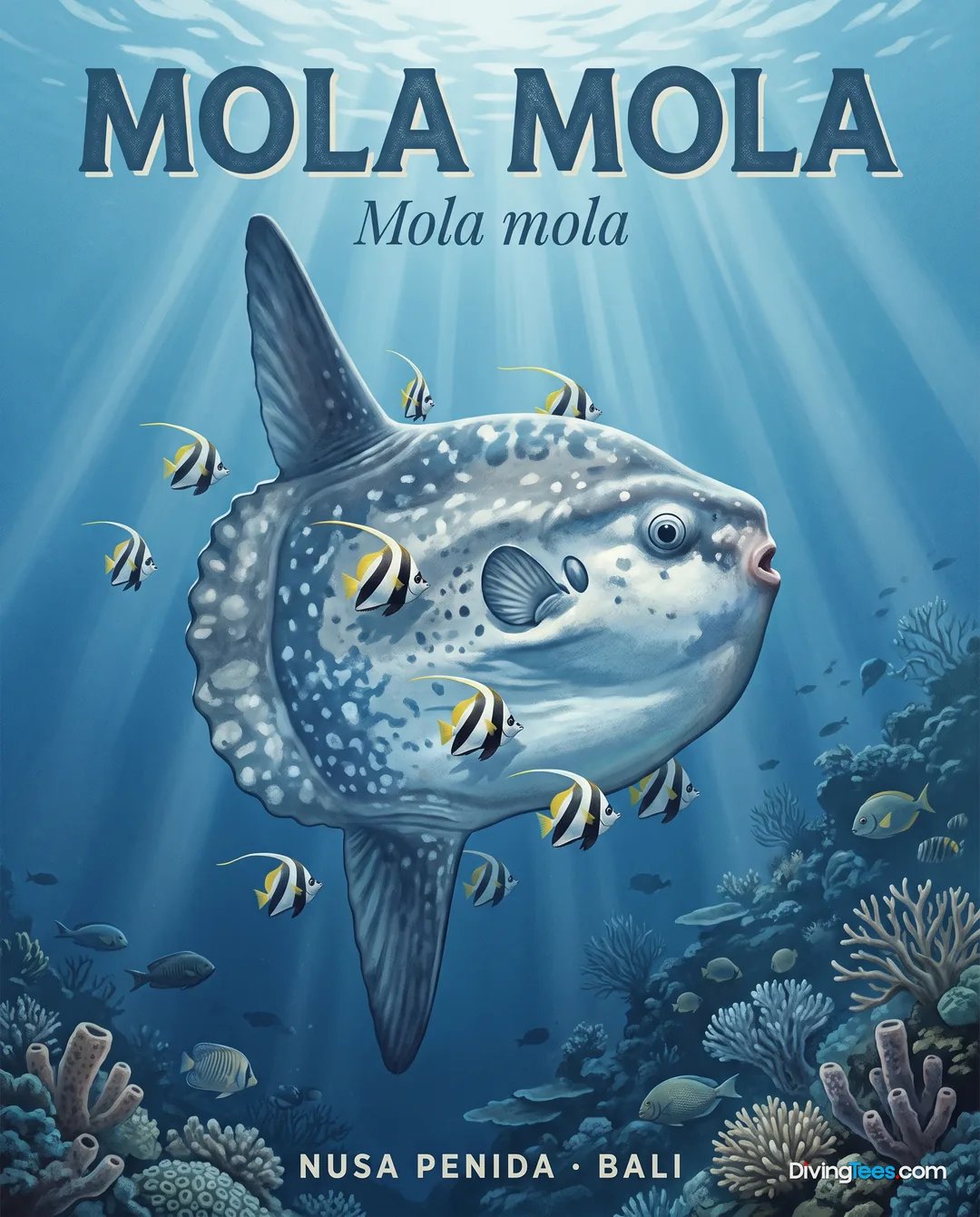
The marine life here is varied and abundant, ranging from small castagnoles (Chromis chromis) darting around the rocks to larger amberjacks (Seriola dumerili) cruising in the blue. Keep an eye out for moonfish (Mola mola), though they are more seasonal visitors. Other common residents include the Mediterranean cardinalfish (Apogon imberbis), wrasses (Symphodus tinca), and occasionally large fan mussels (Pinna nobilis) embedded in the sandy patches, although these are becoming rarer.
The overall experience at La Gabinière is defined by clear visibility and the sheer density of marine life. While the site is a rock with steep drop-offs, the varied topography ensures there's always something to discover, whether it’s the large pelagic schools or the intricate details of the reef system. The sense of being in a well-preserved marine environment is palpable, setting it apart from many other Mediterranean dive sites.
La Gabinière is accessible to divers with an Advanced Open Water certification, or a level 2 dive certification, due to its depth range and specific site topography. Depths typically run from 10 meters, with the wall extending down to a maximum of 45 meters in some areas. Visibility at this site is consistently excellent, often exceeding 20-30 meters. While generally calm, it's always prudent to check local conditions as currents can occasionally be present, especially on exposed sections. Diving between April and October is often considered the best period for optimal conditions.
You can dive La Gabinière throughout the year, but the period between April and October is often considered the best for optimal conditions. Visibility is consistently excellent, often exceeding 20 to 30 meters. Local conditions remain worth checking before your dive, as currents can occasionally affect exposed sections.
La Gabinière is accessible to divers with an Advanced Open Water certification or a level 2 dive certification. The site ranges from 10 meters to 45 meters, with walls, drop-offs, submerged blocks, and rocky scree. Its depth range and specific topography require you to plan your exploration appropriately.
La Gabinière is generally calm, although currents can occasionally be present, especially along exposed sections. You should check local conditions before entering the water and consider the site’s walls, steep drop-offs, dry rock formations, and varied topography when planning your route through its eastern, southern, or western areas.
At La Gabinière, you can see brown groupers among the rocky formations and schools of barracudas in open water. Walls and gorgonian fields shelter murays, scorpionfish, nudibranchs, octopus, sponges, anemones, reef fish, and passing pelagic species. Clear water also supports photography and close observation of the marine life.