
Bulles Plongee
★ 4.9/5 (228 reviews)
France · Mediterranean
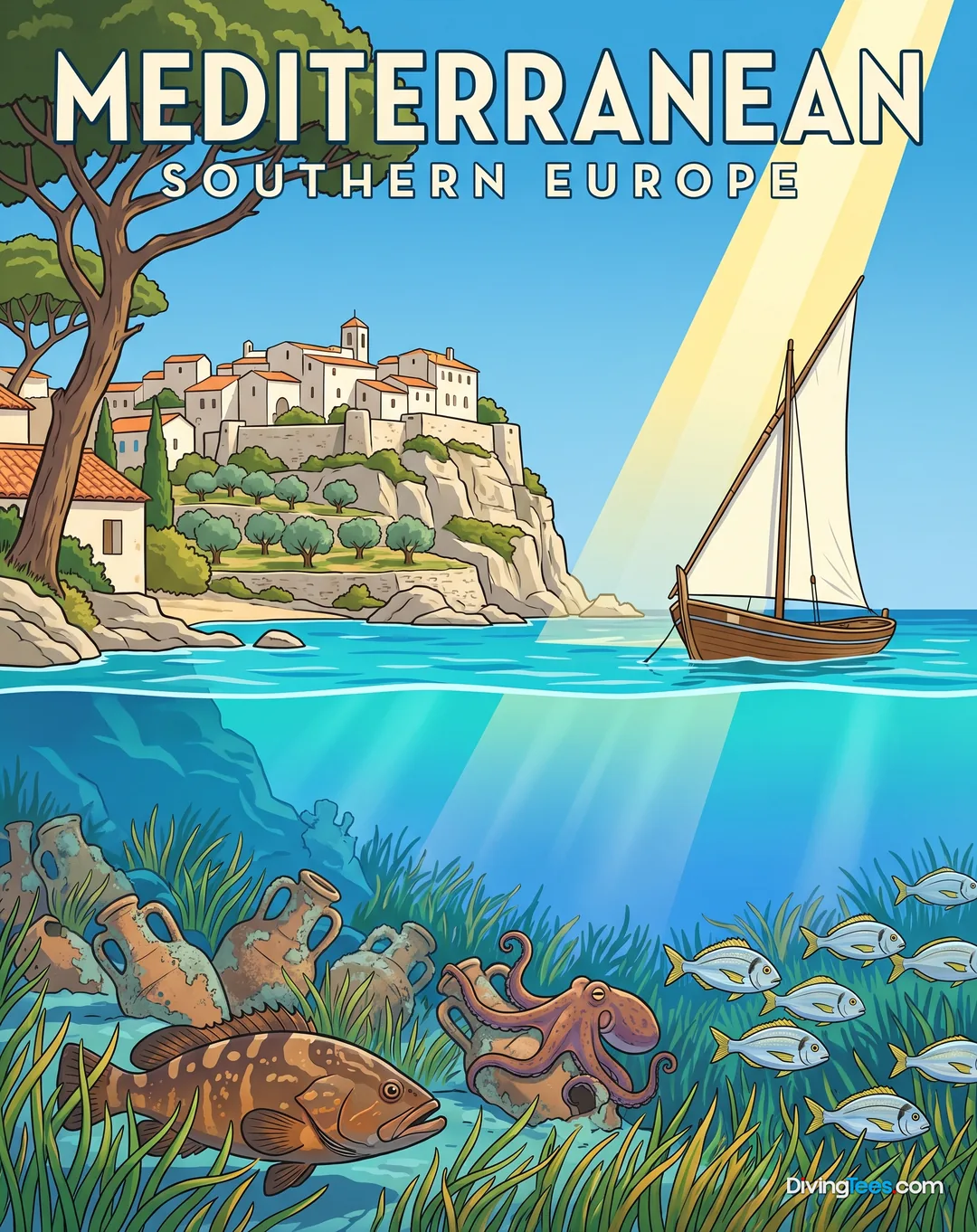
Volcanic rock at Cap d’Agde, seagrass meadows, wreck fragments and the groupers of Cerbère-Banyuls give Occitanie its distinctly Mediterranean character.
Occitanie follows the Mediterranean coast from Leucate to Cerbère, linking the volcanic shores around Cap d’Agde with the steep rock and coves of the Côte Vermeille. Diving here can mean a calm, shallow search through the Etang de Thau for seahorses, or a deeper boat dive among walls, cracks, wreck remains and seagrass. The protected waters of Cerbère-Banyuls are the regional draw for mature groupers and corbs, while the coastline itself makes a straightforward base for a week on land.
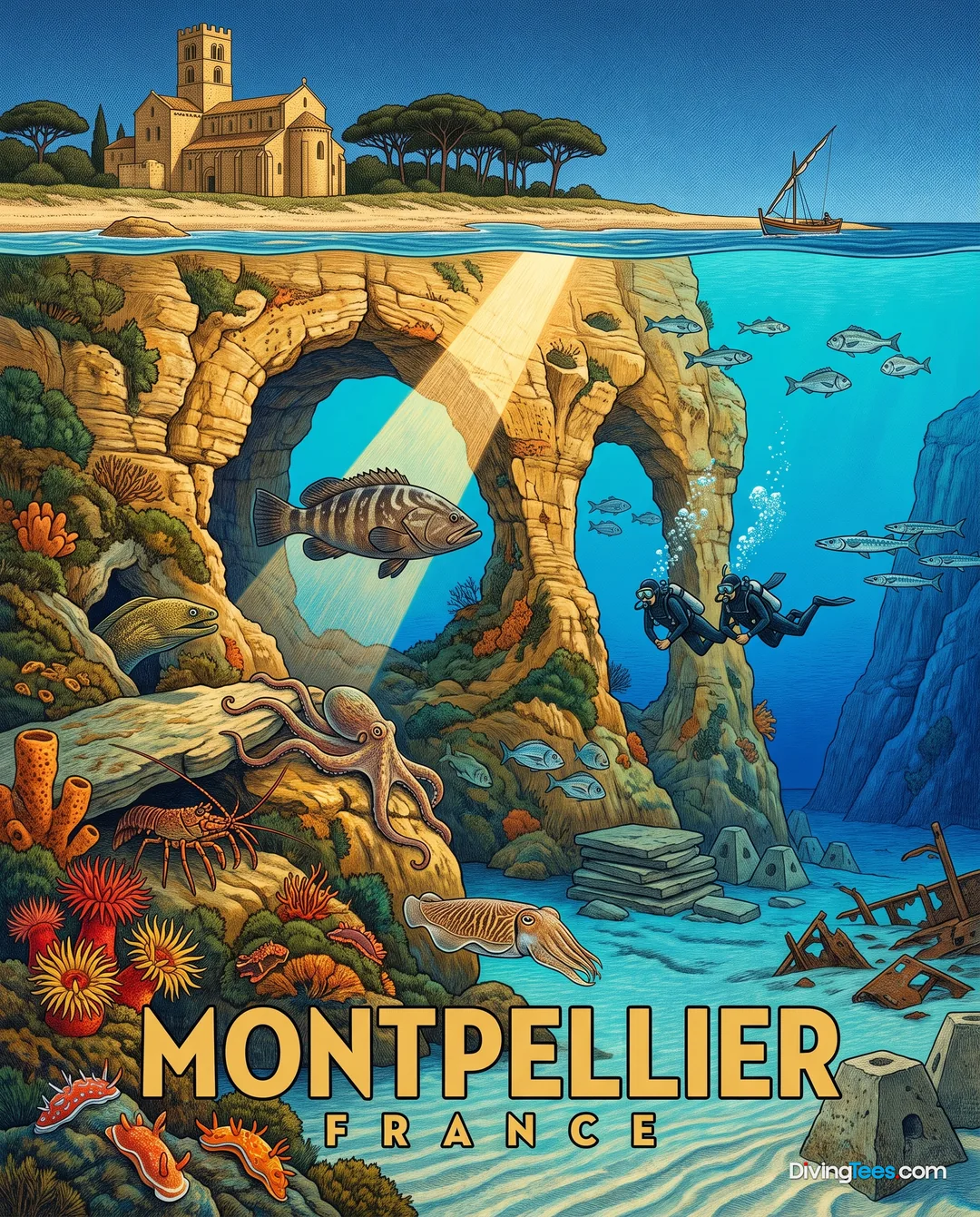
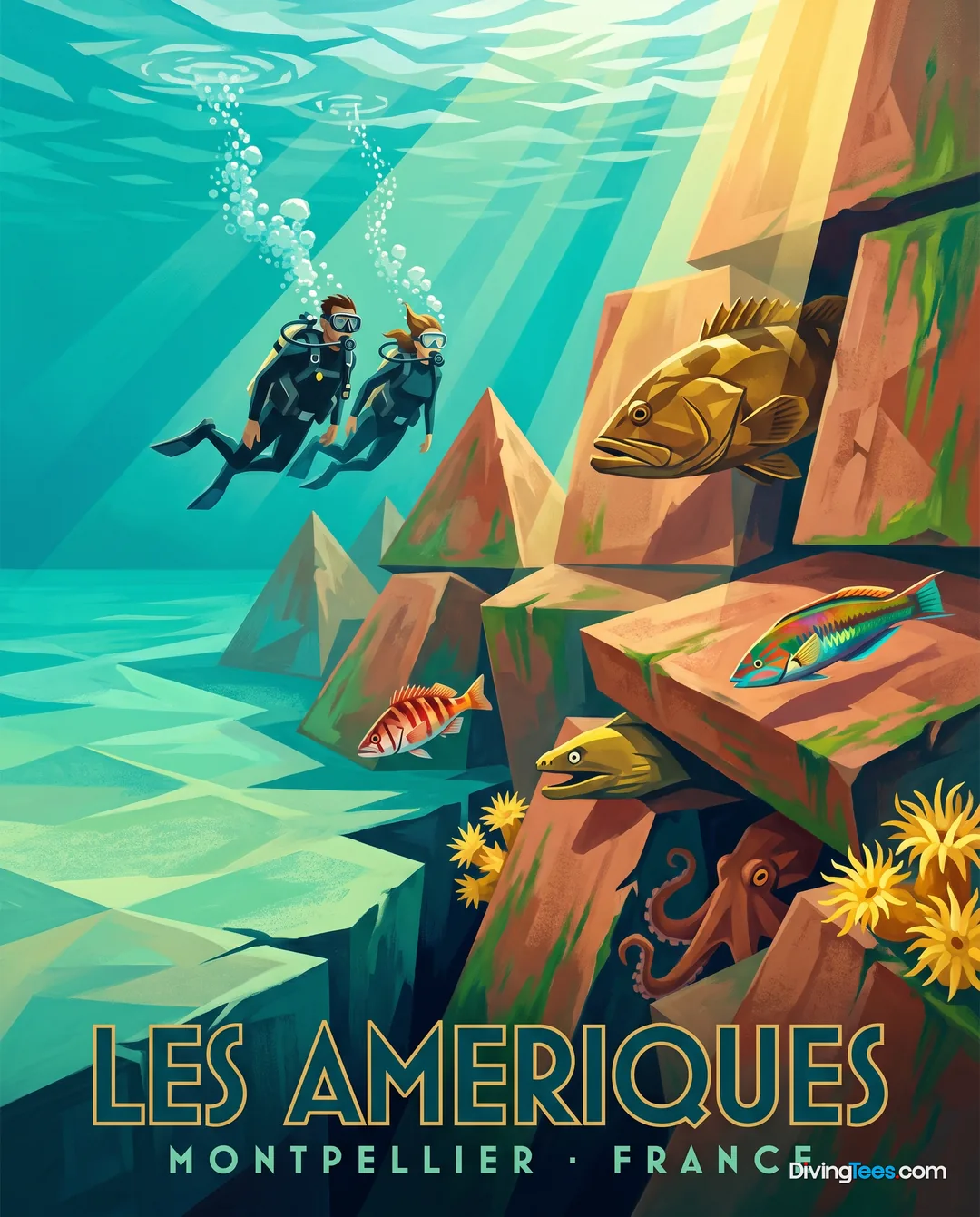
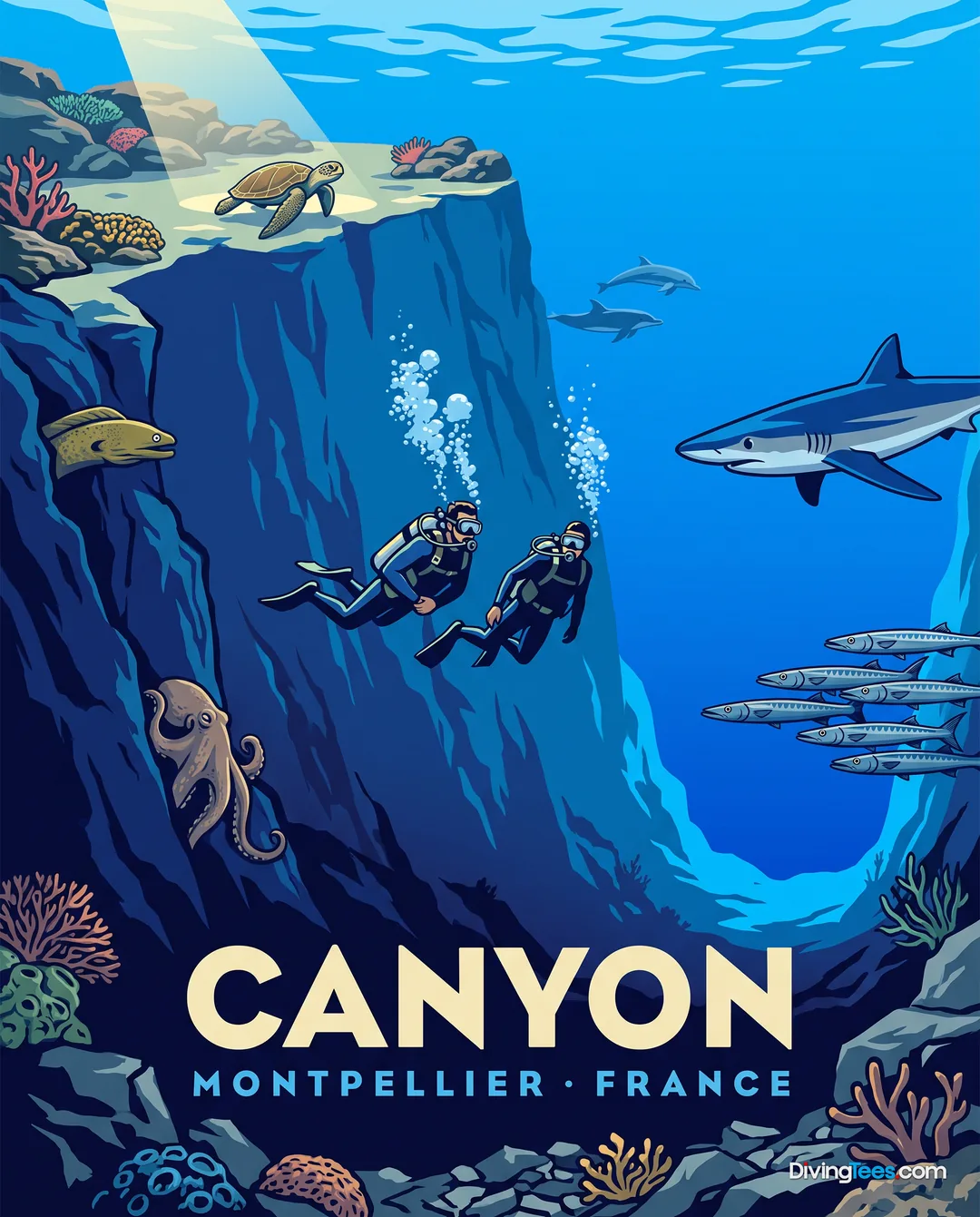
The underwater scenery changes noticeably along the coast. Around Montpellier and the Hérault, divers find sandy bottoms, artificial reefs and scattered wreck material: Maguelone stays between eight and eighteen metres, while Les Ameriques forms a compact maze of stone slabs and concrete modules. Further out, 3 Arches offers limestone openings and ledges down to twenty-five metres; Homardstone adds pinnacles, chambers and swim-throughs on the way to thirty-five metres. Canyon is the serious option, with a wall descending from fifteen to forty metres and currents that may strengthen near its open-water mouth. Conditions are not uniform: current is generally light on some inshore sites but variable across the region, responding to wind and sea state. Boat trips are the norm, with shore access useful for shallow sites and the Peyrefite snorkelling trail.
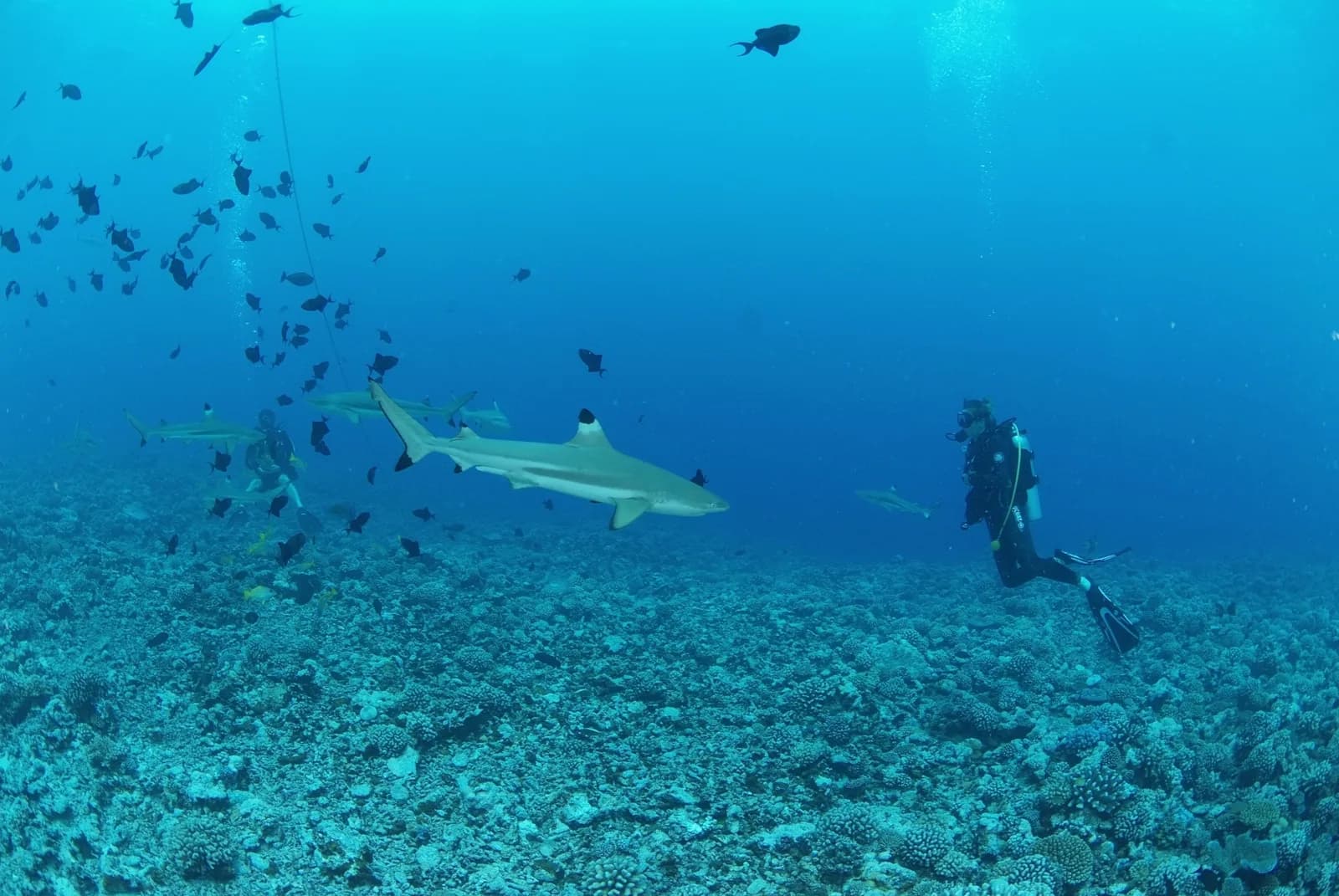
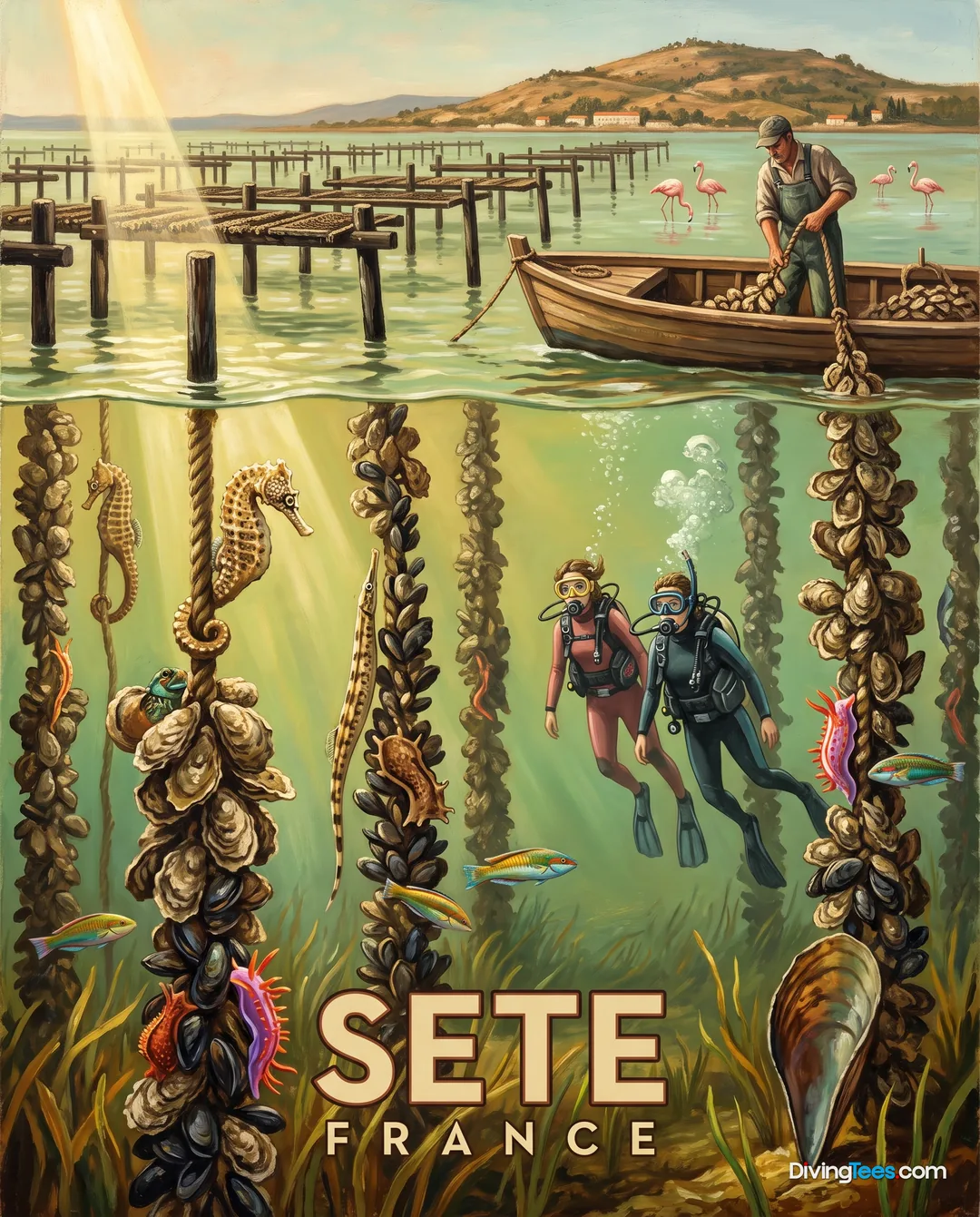
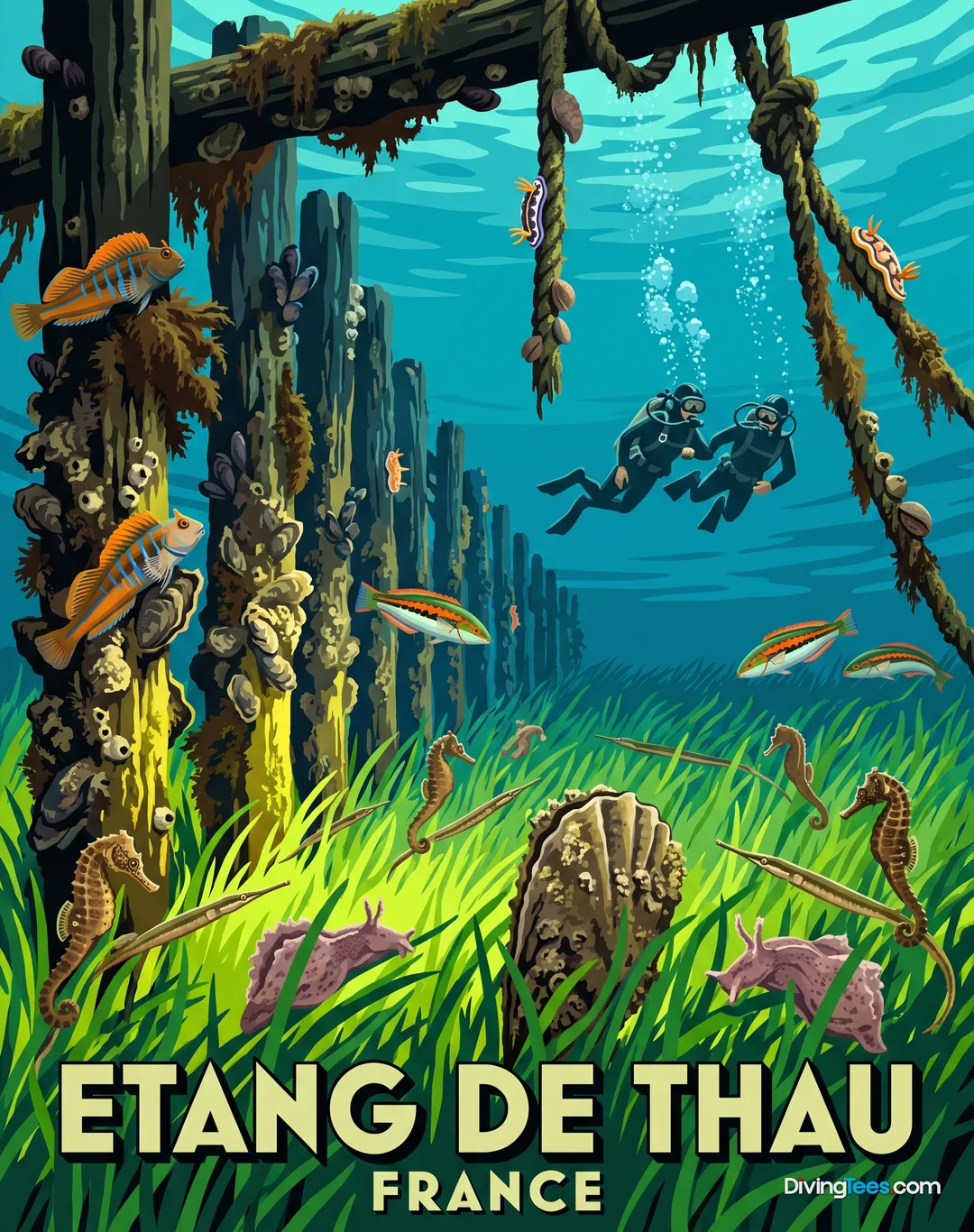
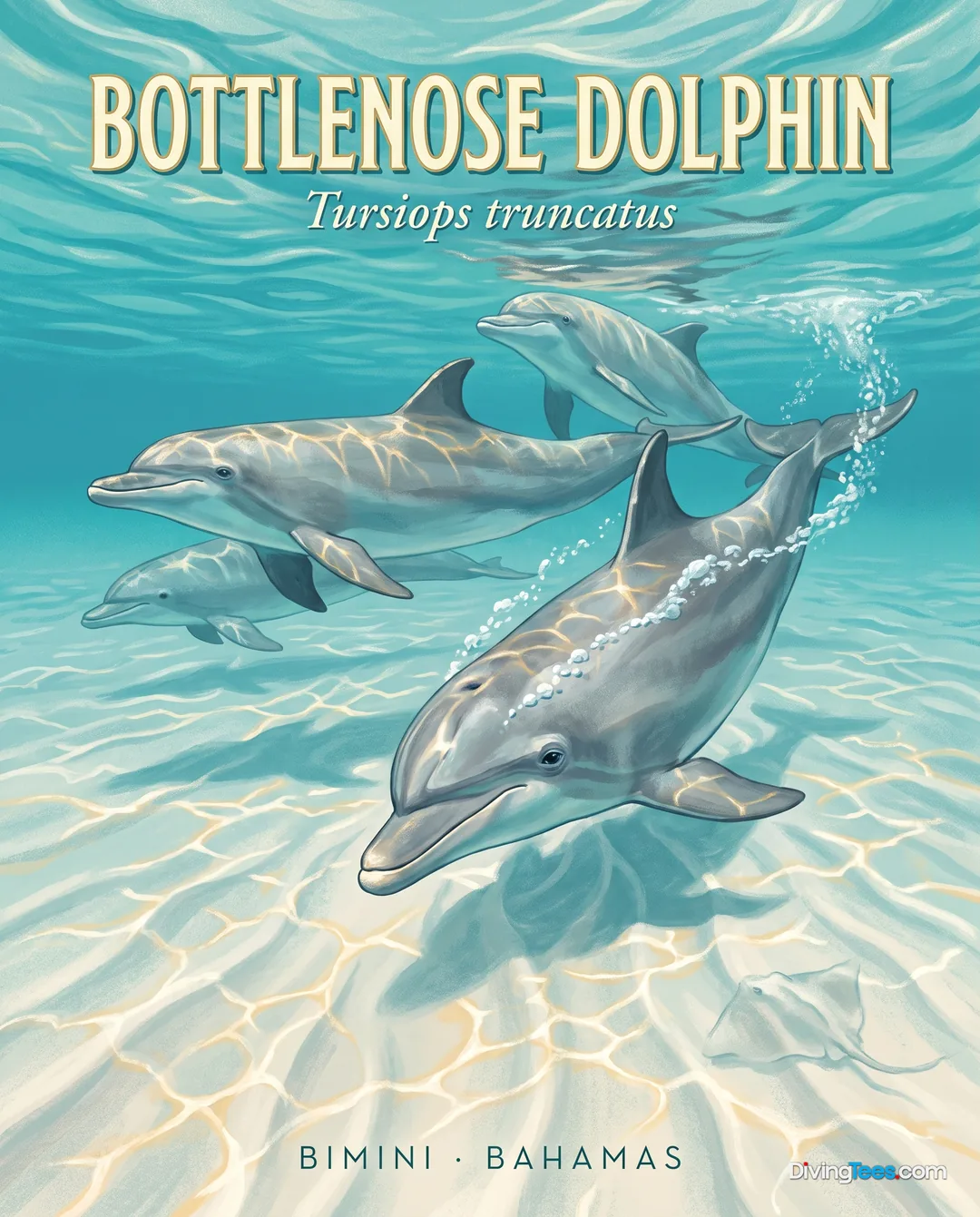
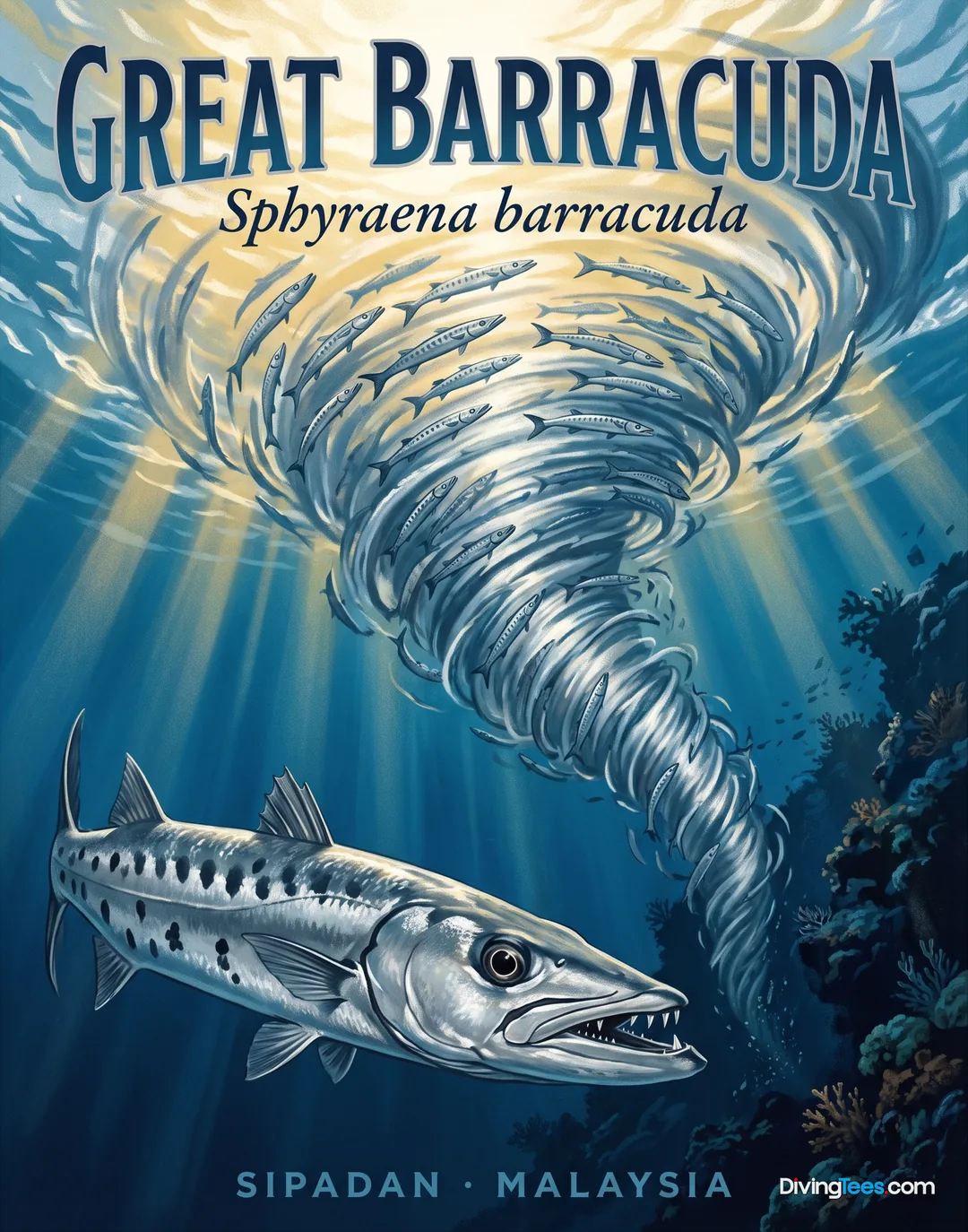
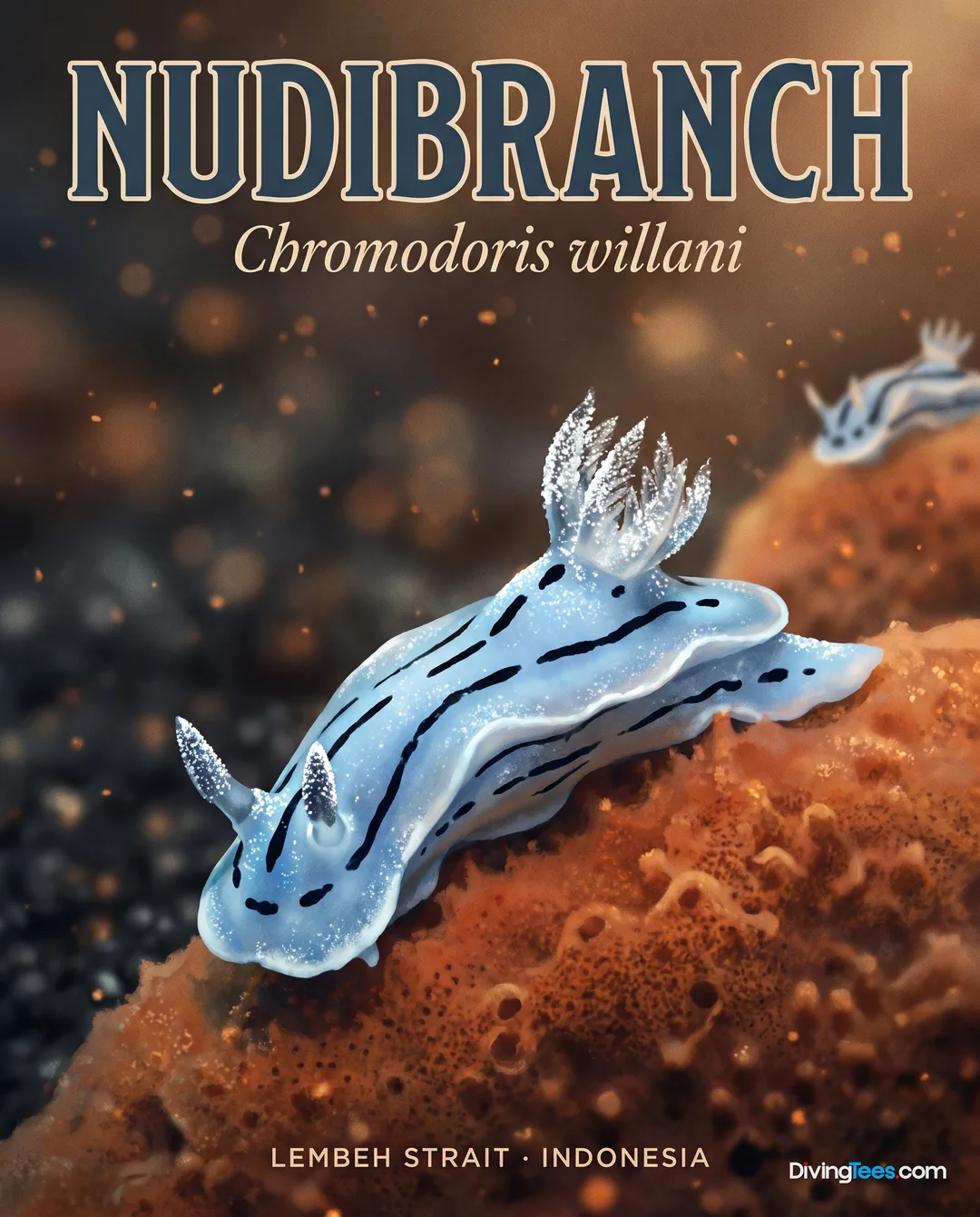
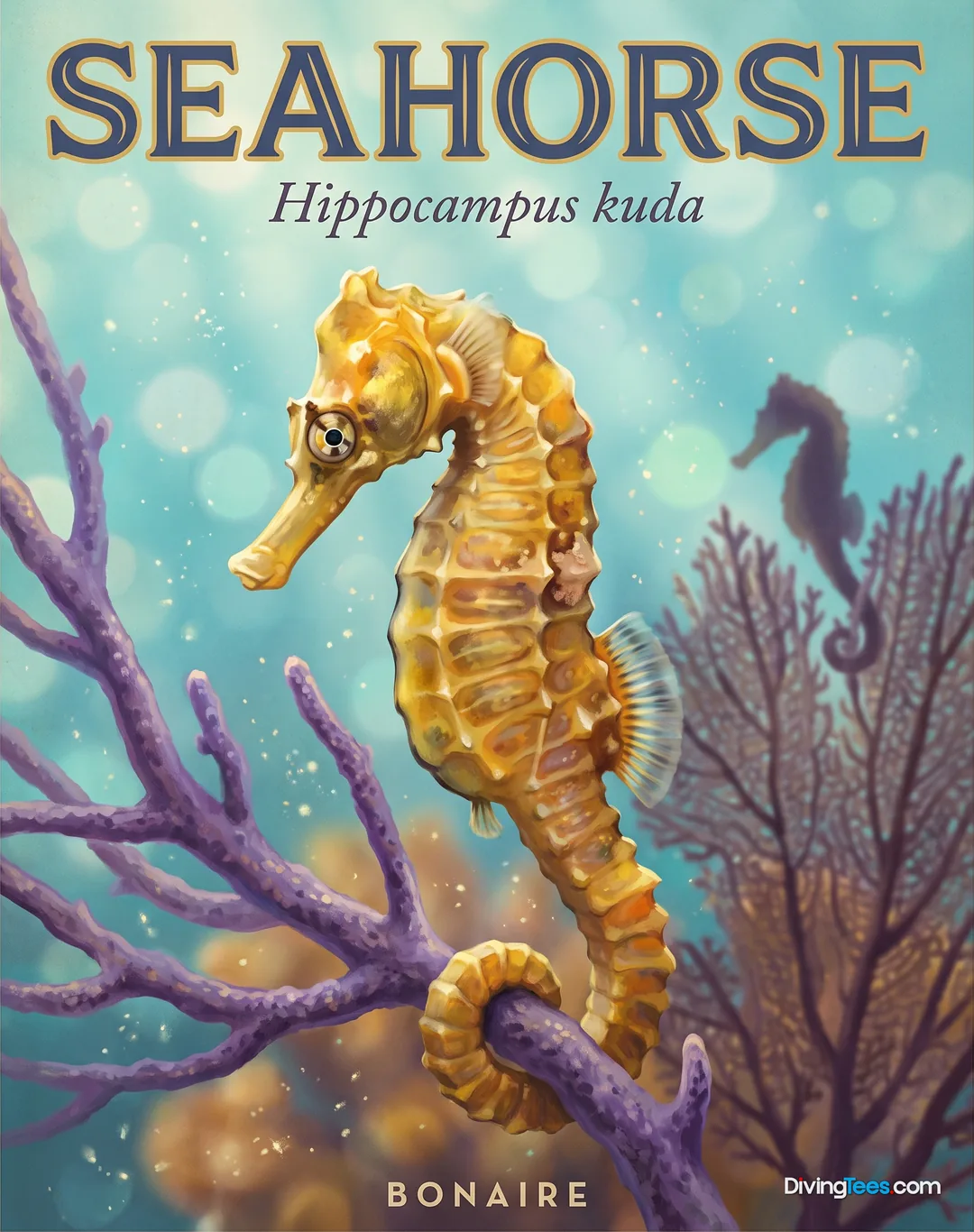
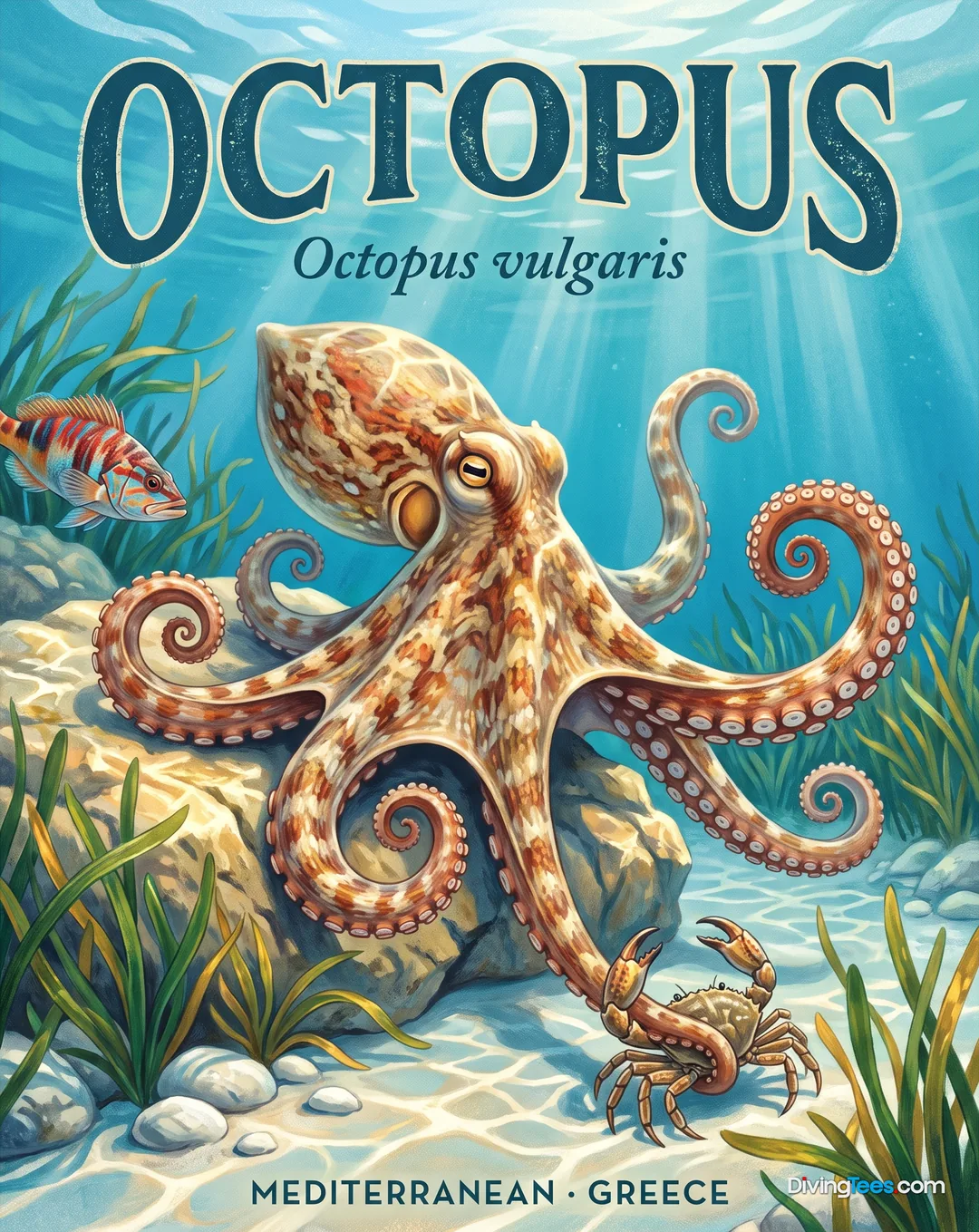
Cerbère-Banyuls is where the protected-water effect is most evident. Brown groupers and corbs are established year-round, with spring to autumn offering the most dependable diving rhythm for finding them around rocky walls and named sites such as Cap l’Abeille, Les Tines, Trois Moines and Mérouville. Barracuda, gilthead sea bream and moray eels add movement around the reefs, while octopus and nudibranchs reward a slower look into cracks and under ledges. The Etang de Thau brings a different experience: its calm lagoon habitats are known for dense seahorse sightings and suit patient observation or macro photography. Depending on the site, divers may also encounter Mediterranean rainbow wrasse, painted comber and scorpionfish; green sea turtles and bottlenose dolphins are among the wider area’s possible wildlife sightings rather than guaranteed encounters.
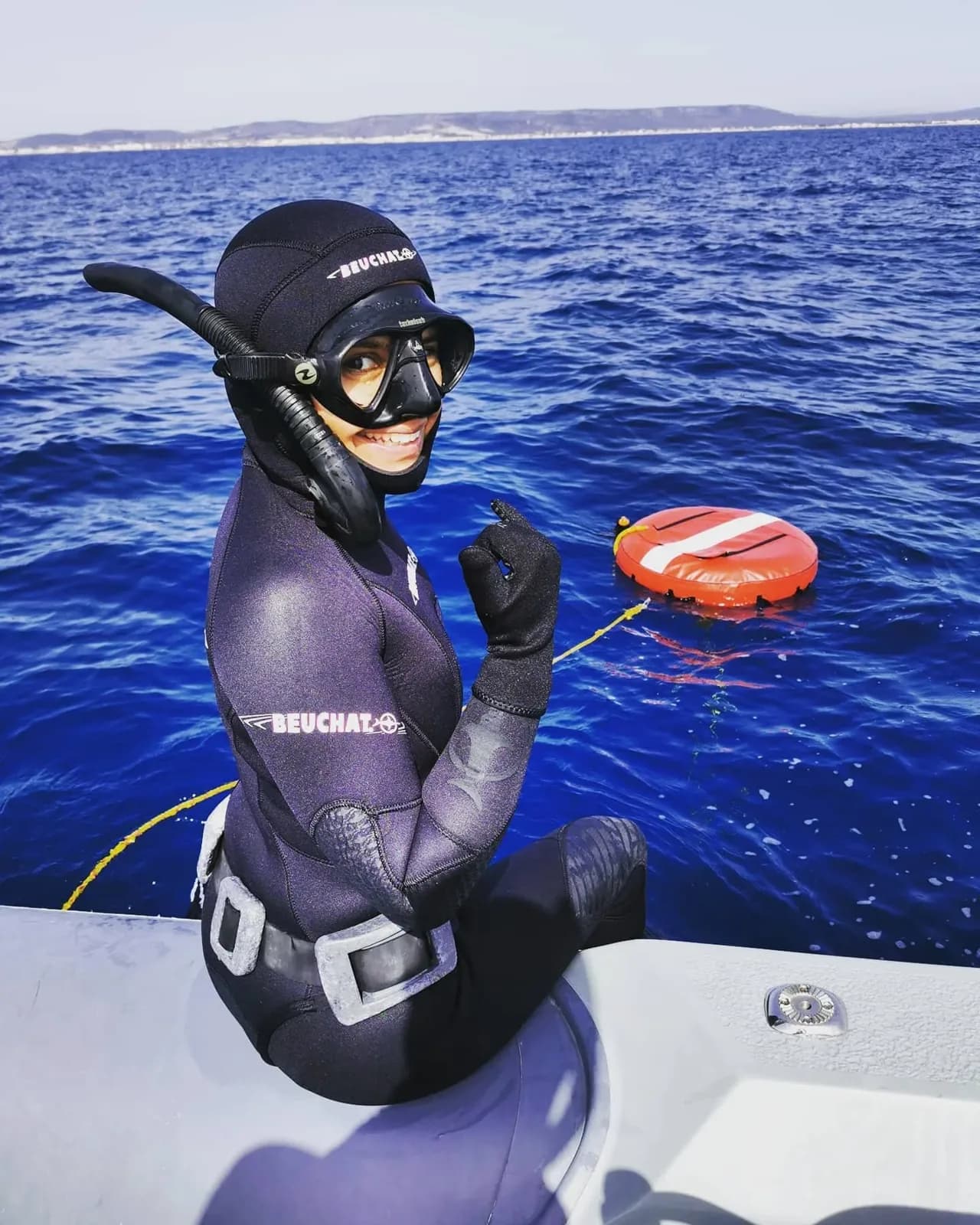
May to October is the practical window for diving, as the water is warmer, the sea is often calmer and marine life is active. May, June, September and October usually offer a better balance than the height of summer: visibility is often favourable in spring and autumn, while July and August bring heavier holiday traffic, more pleasure boats and busier easy-access sites. A full 5 mm to 7 mm wetsuit suits the season, with extra warmth useful at the beginning and end of the period or on deeper dives. Early morning and late afternoon are particularly sensible choices for Peyrefite and other popular coastal entries.
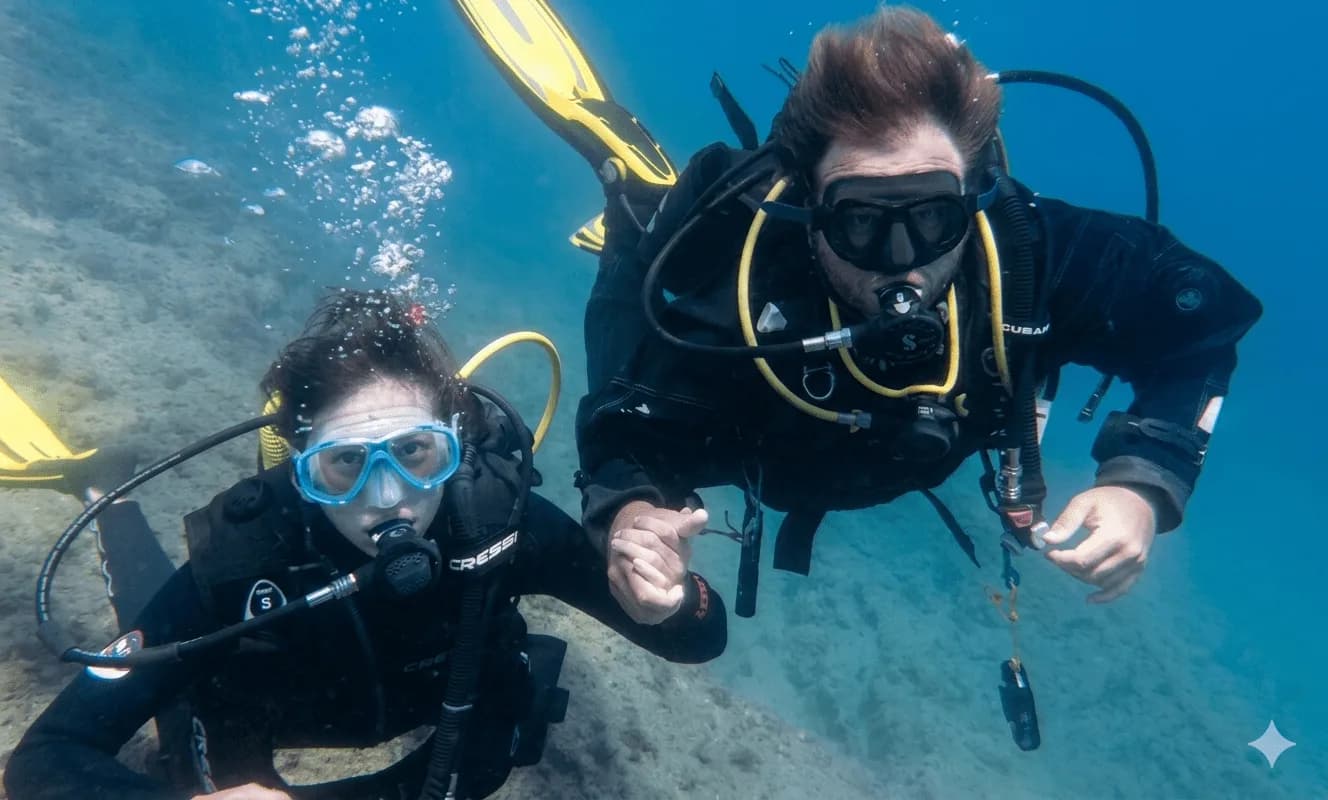
Occitanie works for all levels, with shallow shore sites, lagoon diving and progressive coastal reefs alongside deeper walls and wrecks. Beginners can start at Biou Biou, Murene Reef or the shallower parts of the Etang de Thau, while Open Water divers should be comfortable with local wind-driven changes before attempting more exposed sites. Advanced Open Water or an equivalent qualification is useful for Canyon, Homardstone and deeper wreck work. Nitrox makes sense for repeated boat dives, and a protected-area or naturalist speciality adds context to the reserve’s rules and wildlife.
From London Heathrow, Gatwick or Manchester, the journey can be made by air or high-speed rail towards southern France, followed by a road or regional-train transfer to the coast. The important decision is the diving sector: Cap d’Agde, the Hérault coast and the Côte Vermeille are spread along a long shoreline, so changing bases every day wastes time. Settle near the chosen port (Cap d’Agde, Sète, Palavas, Argelès, Banyuls or Cerbère) before booking the diving. Once there, many centres sit beside the harbour and can be reached on foot from coastal accommodation; otherwise a short local drive or shuttle is normally enough.
Treat the protected areas as zoned waters, not as places where every attractive patch is available to dive. Cerbère-Banyuls includes an integral section where diving is forbidden, while other areas are regulated; check the boundary before planning a shore entry or independent dive. Around Cap d’Agde, the Brescou and Tables sector has specific bans on diving and anchoring. In summer, avoid the middle of the day at Peyrefite and port-adjacent sites, when swimmers, boats and other groups make the water less settled. Staying close to Banyuls or Cerbère also avoids the winding coastal roads and full car parks that can complicate early departures. If diving across the region, group several days from one port rather than commuting between Hérault and the Côte Vermeille. For a family snorkelling day, use Peyrefite early or late, when the underwater trail is less crowded.
A five- to seven-day stay suits one sector, particularly Cerbère-Banyuls or the Cap d’Agde coast, without turning every dive into a transfer. Ten days allows the Hérault and Côte Vermeille to be combined, provided the bases are changed rather than visited on alternating days. Non-divers have beaches, coastal walks, villages, vineyards, kayaking and paddleboarding, with Collioure, Banyuls, Sète and Agde providing easy land-based diversions between boat outings.
Hello, I'm Marina, DivingDeal.com's AI assistant. I guide you through destinations, areas and countries.

Thinking about the whole trip and the flights? Talk it over with Edith →
Marina is an AI. Some links are affiliate links: DivingDeal may earn a commission, at no extra cost to you. Bookings are made with the partner.