Bulles Plongee
Google 4.9/5 (231 reviews)
2.6 km away as the crow flies
Montpellier · France · Mediterranean
Max. depth · 40 mDescend into an underwater gorge off the Languedoc coast, where steep walls lead to open blue water and encounters with pelagic life.
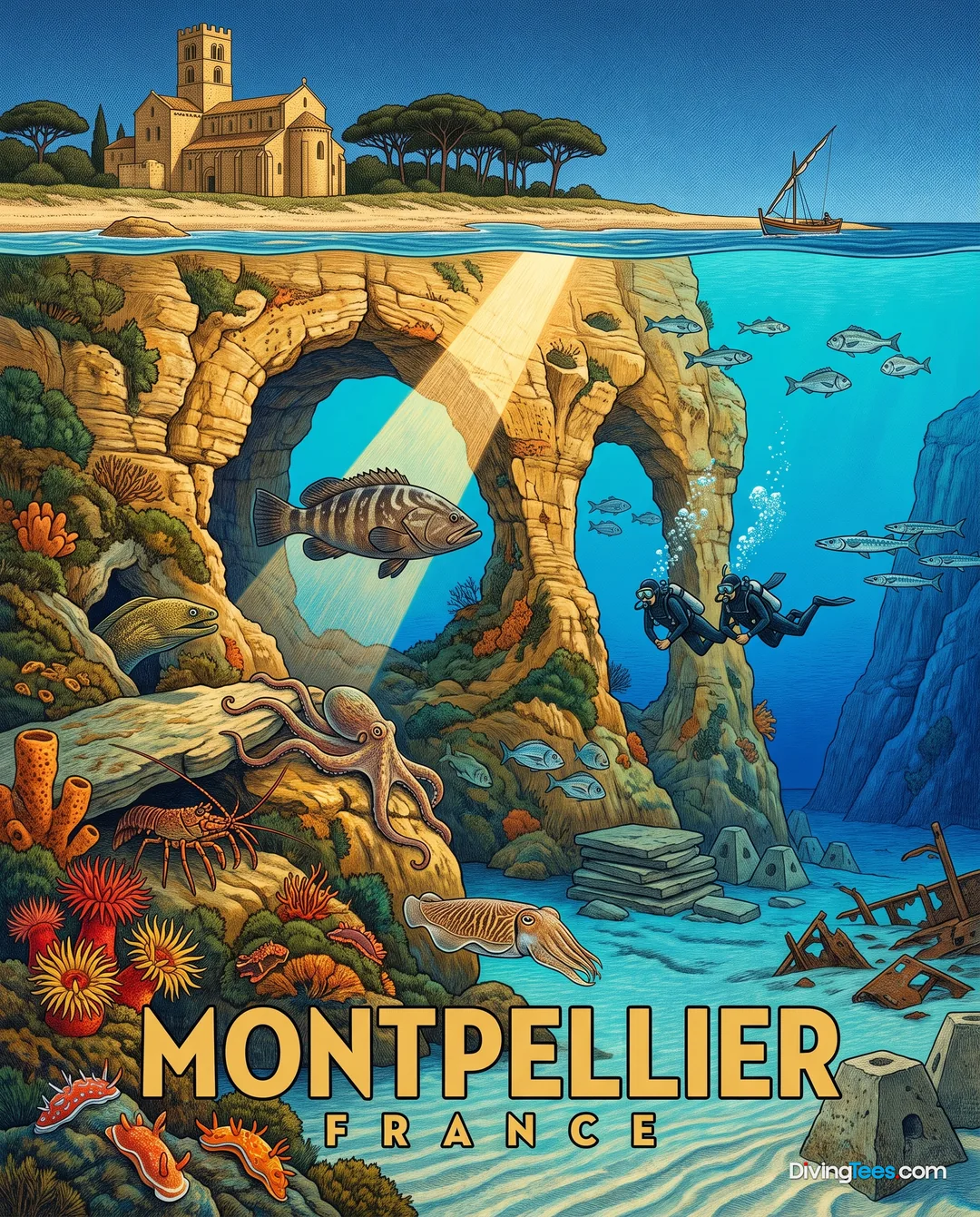
Diving the Canyon off the Languedoc coast means dropping onto the rim of an underwater gorge. Your descent starts around 15 meters, where the rocky wall begins its steep plunge. This is not a flat reef but a dramatic geological feature, carving a deep cut into the Mediterranean seabed. As you follow the wall, you'll find crevices and sections of rubble at its base, hinting at the forces that shaped this unique profile.
The main dive profile here follows this imposing rock face, where the light changes noticeably as you push deeper. The wall drops well beyond 40 meters, leading you towards an opening that faces out into the deeper, darker blue. This exposure to open water is what sets the Canyon apart, influencing both the conditions you'll encounter and the marine life that frequents the site.
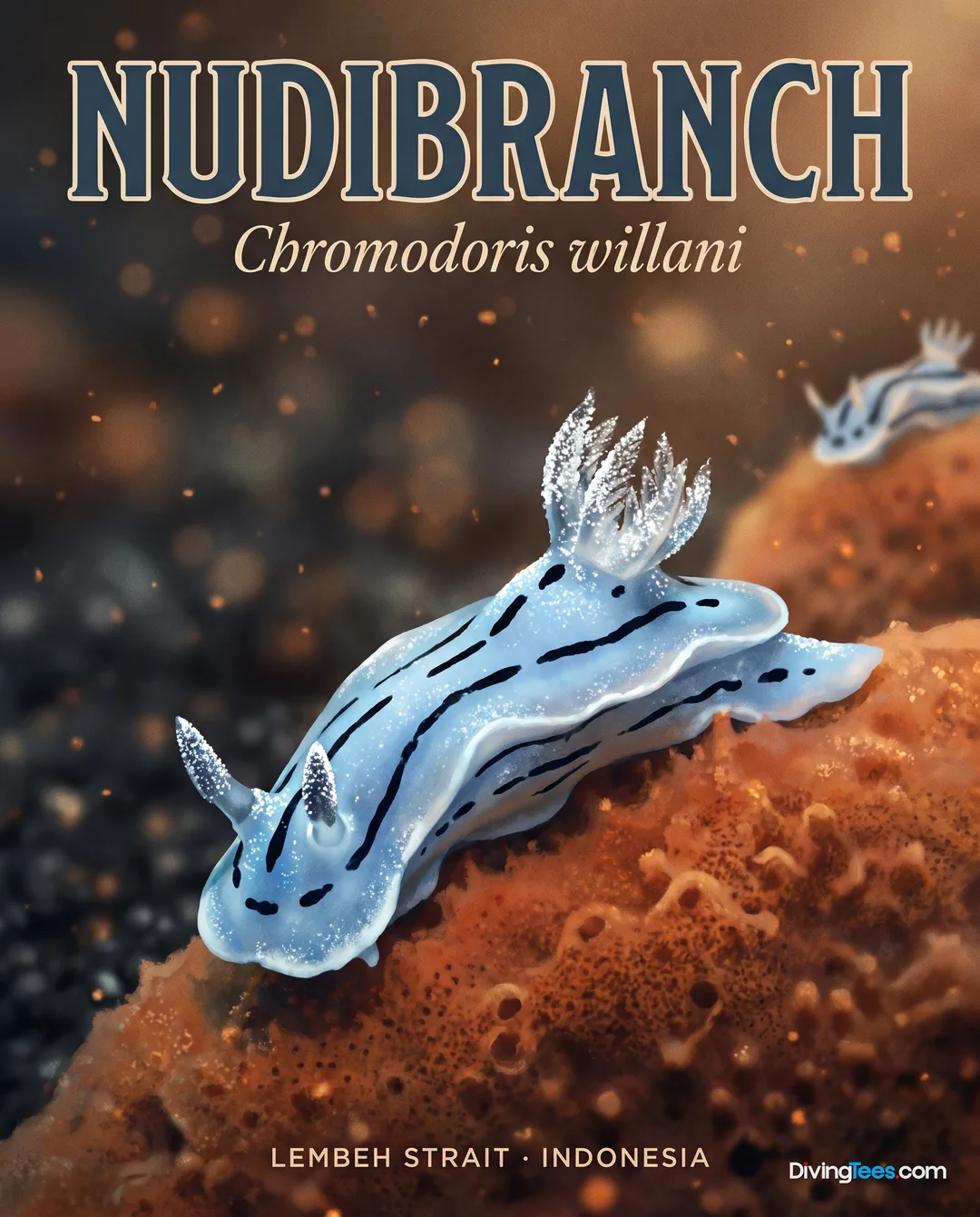
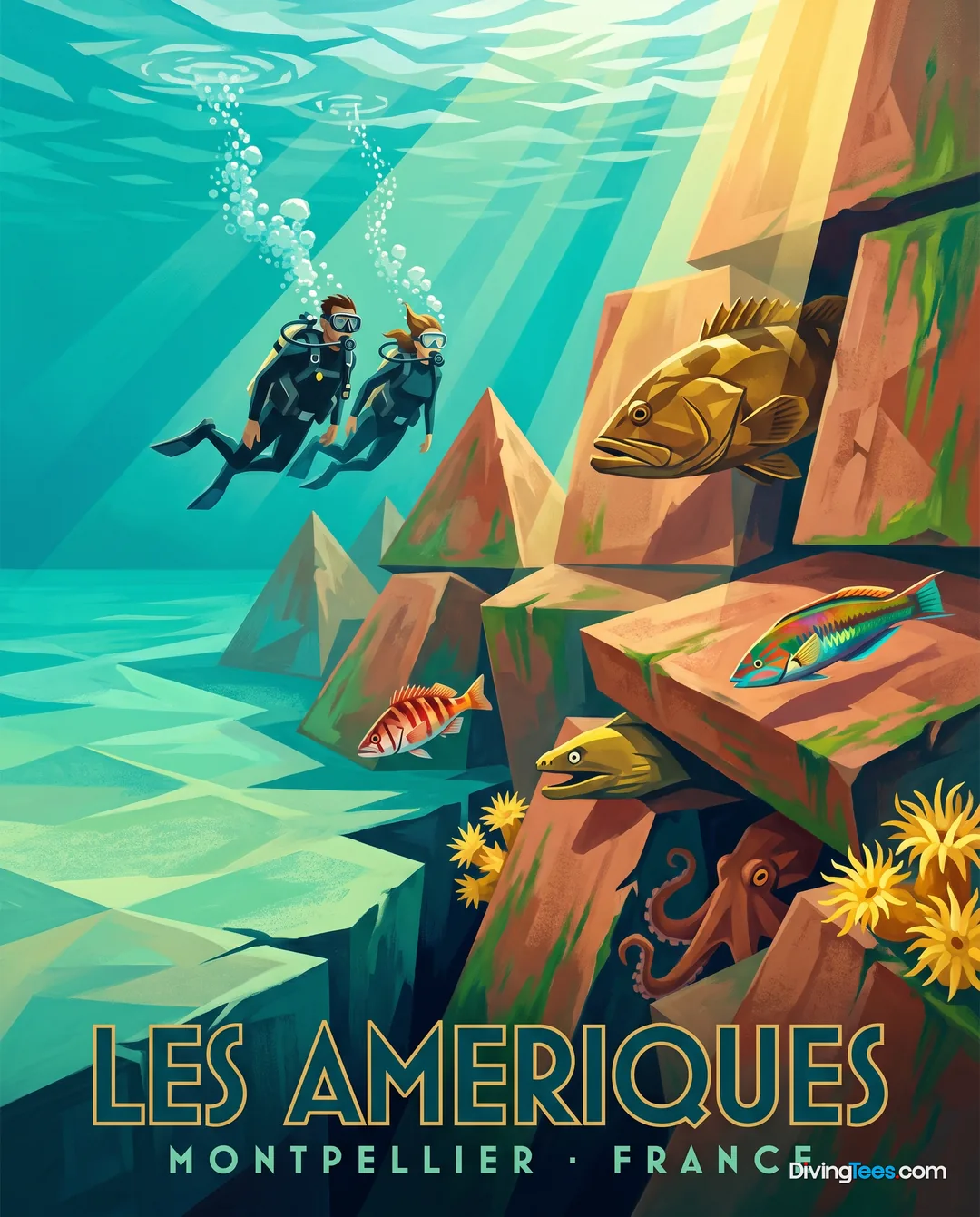
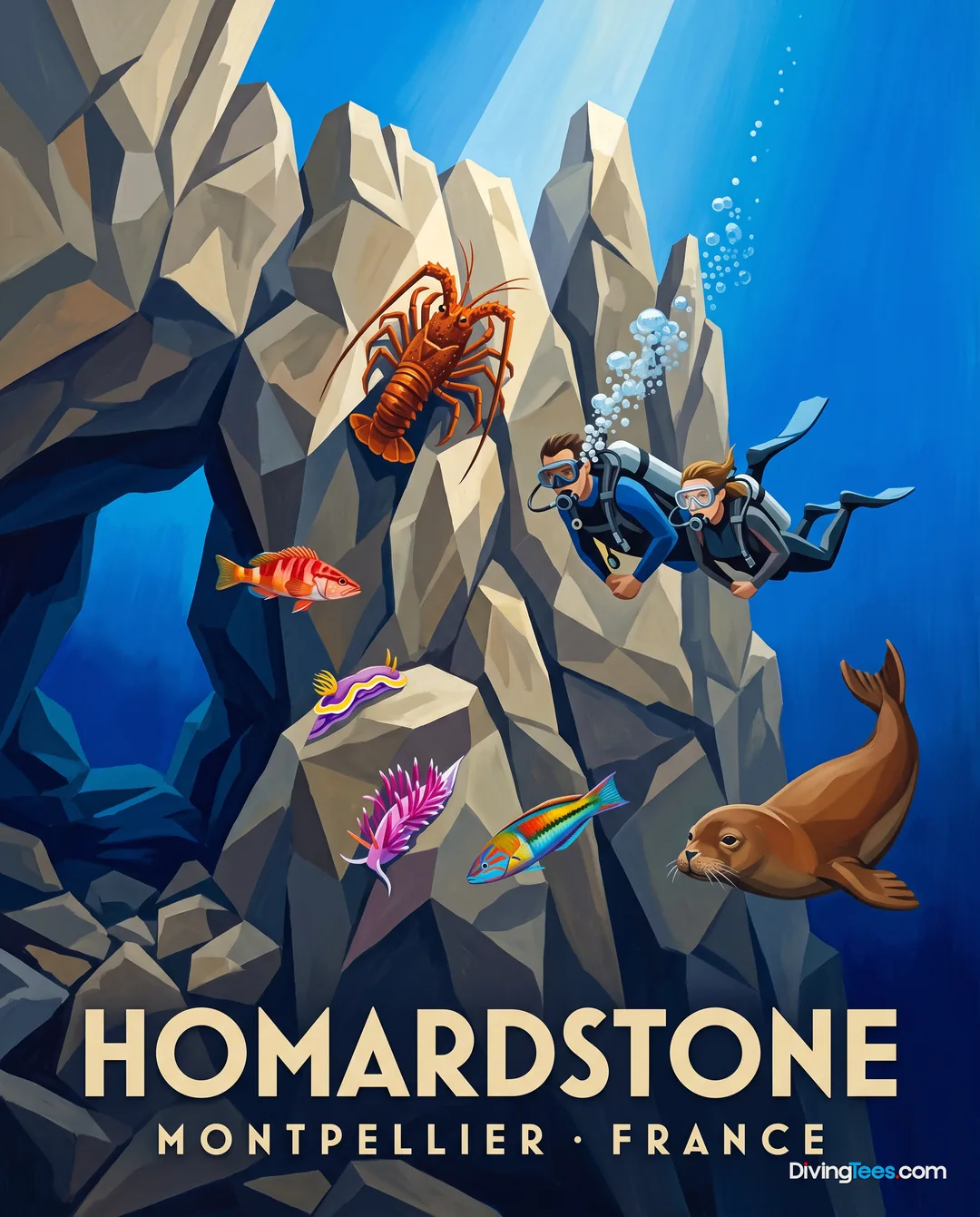
While exploring the wall, keep an eye out for resident life. Mediterranean moray eels often occupy the nooks and crannies along the rock face, and nudibranchs can be found clinging to various surfaces. Octopus are also common, blending into the rocky terrain. The transition from the sunlit upper rim to the deeper, shaded wall creates distinct zones for these species.
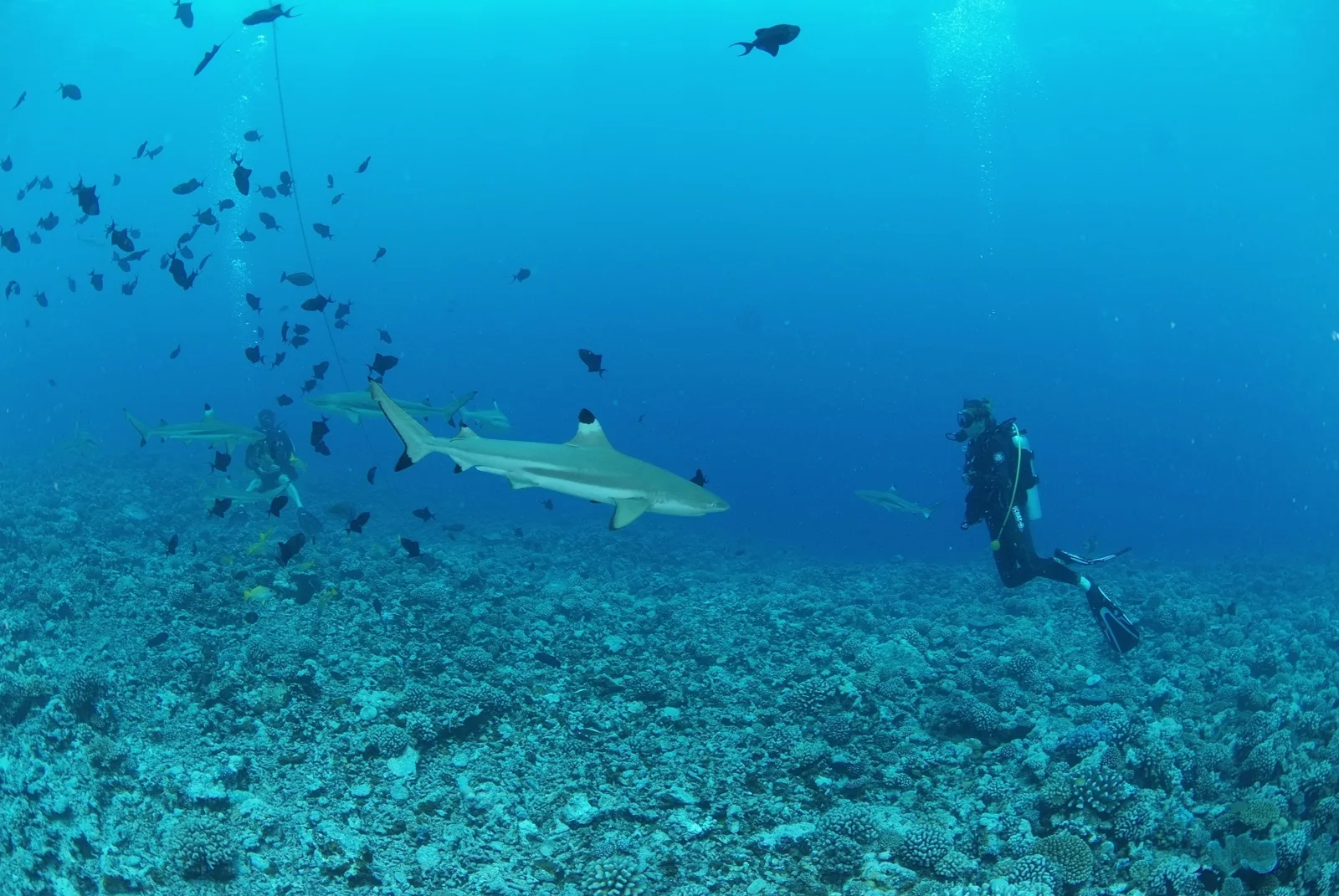
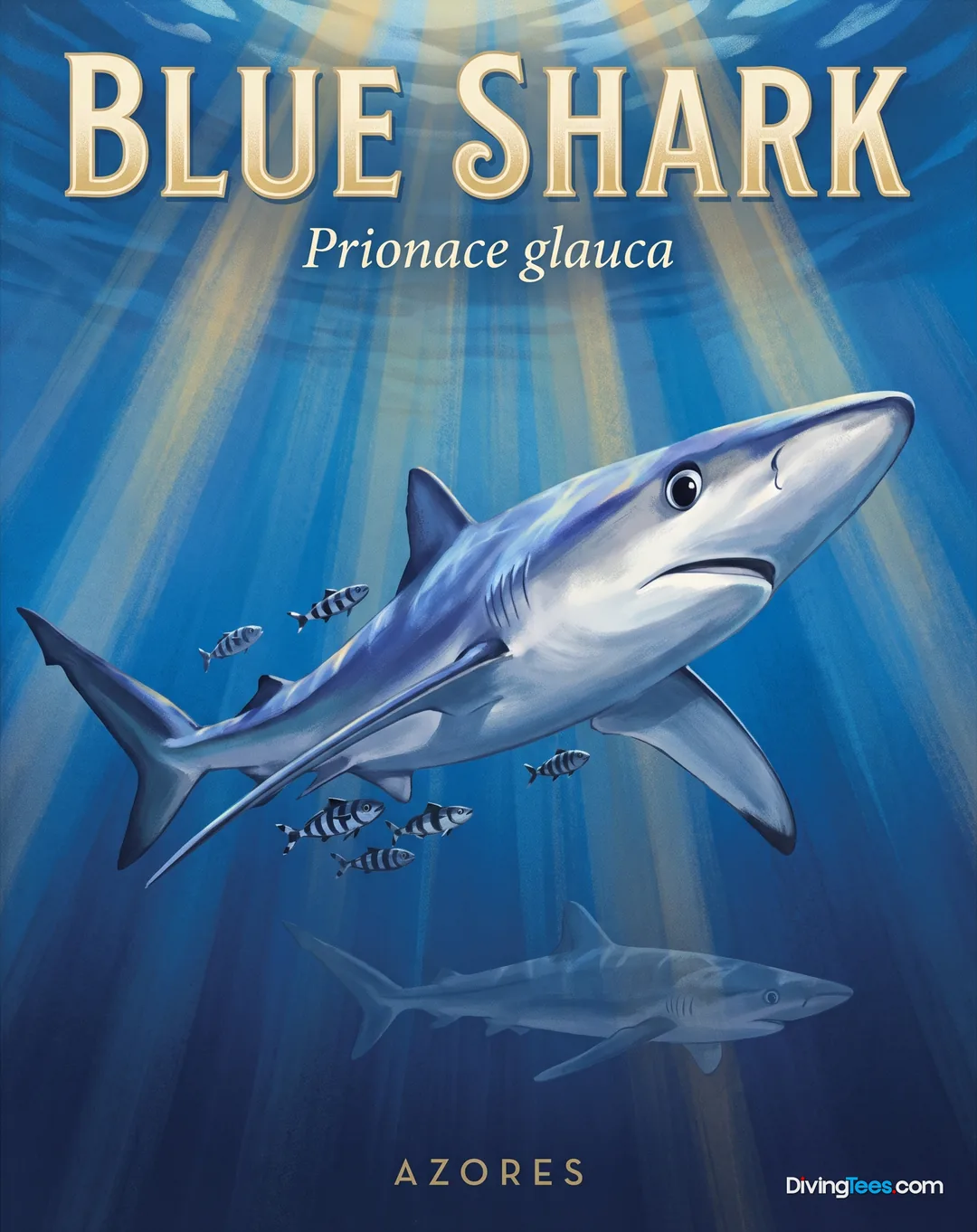
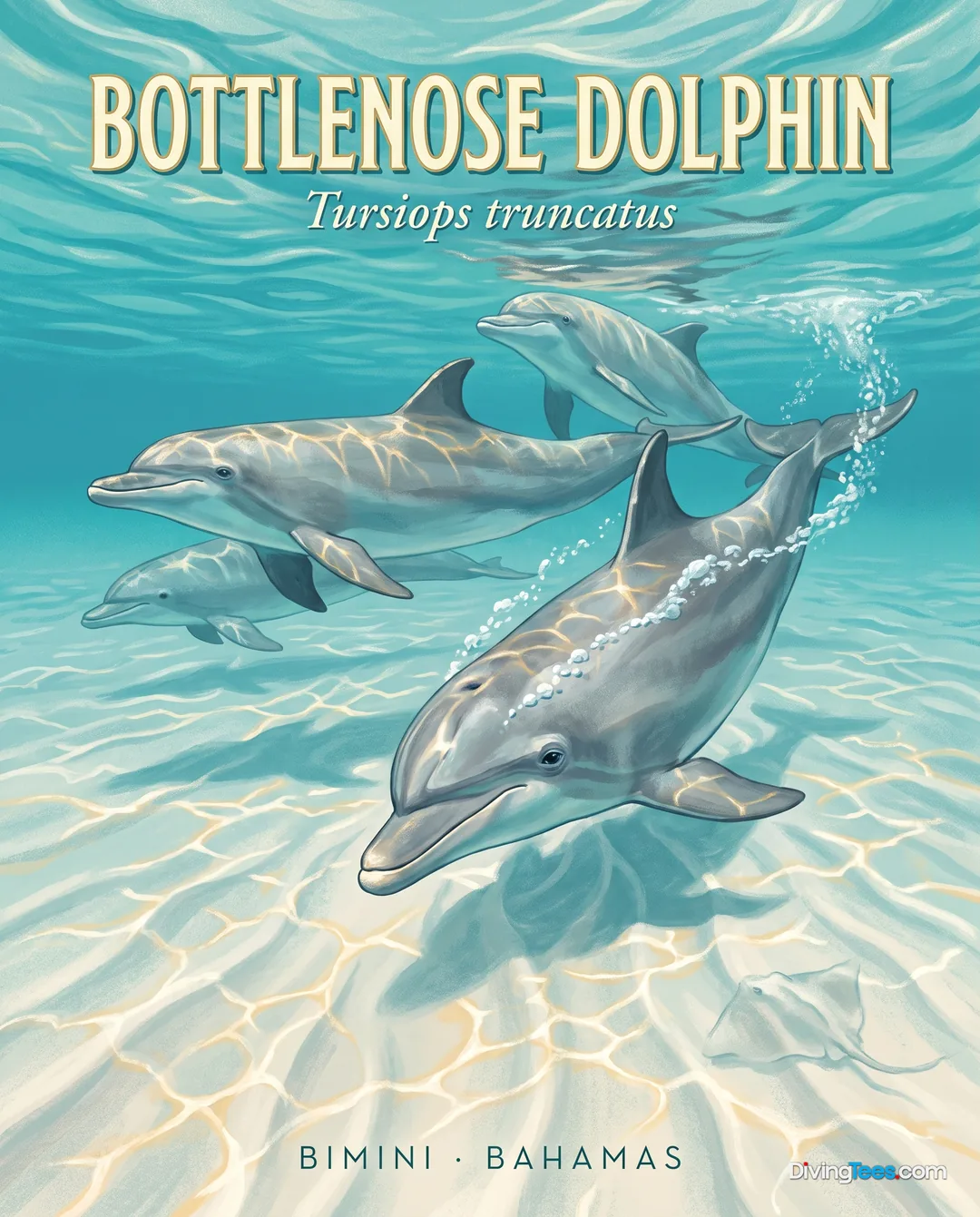
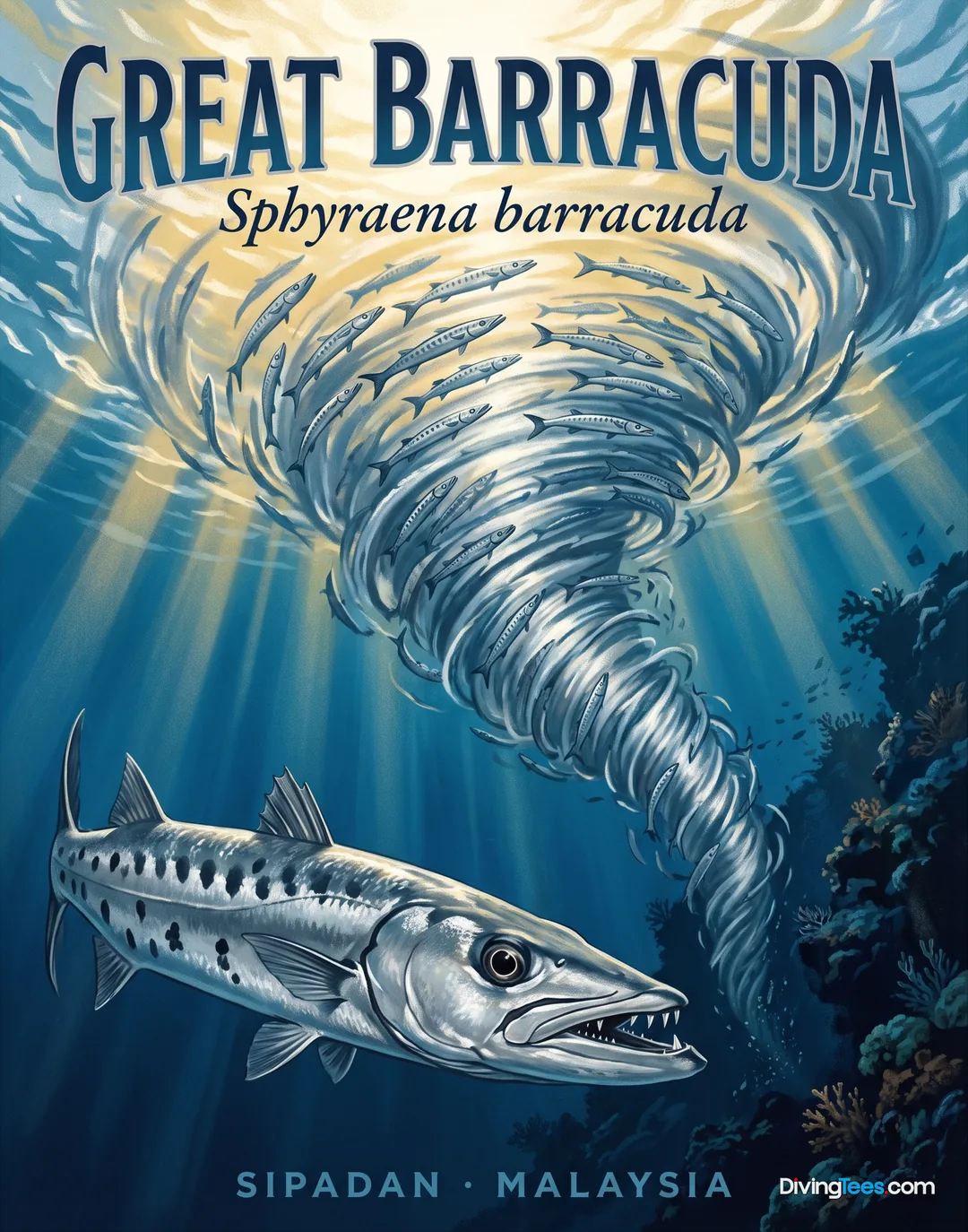
The Canyon's open-water exposure means it's a site where you have a genuine chance for pelagic encounters. Green sea turtles are known to visit, often gliding past the wall, and schools of barracuda can be seen in the blue. For those experienced in deeper diving, the site offers the possibility of sighting blue sharks and even bottlenose dolphins, especially near the canyon mouth where it opens to deeper water.
Currents at the Canyon are a significant factor to consider. They are variable, and you should be prepared for them to strengthen, particularly near the mouth of the canyon where it meets deeper water. This variability is directly tied to the site's exposure to the open Mediterranean, and dive guides treat it as an advanced dive largely due to these potential conditions and the depths involved. Planning your dive to account for these shifts is crucial.
This is an advanced dive, requiring experience with depths beyond 25 meters. The dive depth ranges from 15 meters on the rim down to a maximum of 40 meters at the base of the wall. Visibility typically ranges between 12 and 25 meters, offering clear views of the canyon structure. Currents can be variable and strengthen near the canyon mouth where it opens to deeper water. The best time to dive the Canyon is typically during July and August.
You can typically dive Canyon during July and August. These are identified as the best time to visit the site, which lies off the Languedoc coast in the Montpellier zone. Conditions remain linked to its open-water exposure, so planning still matters when choosing your dive.
Canyon is an advanced dive for divers with experience beyond 25 meters. Its depth and variable currents shape the profile, especially where the canyon opens toward deeper water. You should be prepared for changing conditions while following the rocky wall and its deeper sections.
At Canyon, the descent begins at about 15 meters on the rim and continues down the wall to 40 meters at its base. The wall extends beyond 40 meters toward an opening into deeper water, with light changing as you descend.
Currents at Canyon are variable and can strengthen near the canyon mouth, where it opens to deeper water. Along the rocky wall, you may see moray eels, nudibranchs and octopus; open water brings potential green sea turtles, barracuda schools, blue sharks and bottlenose dolphins.