

Bulles Plongee
Google 4.9/5 (231 reviews)
3.8 km away as the crow flies
Montpellier · France · Mediterranean
Max. depth · 25 mDescend onto a distinctive limestone reef formation featuring three natural arches, offering a unique structure for exploration between 4 and 25 metres.
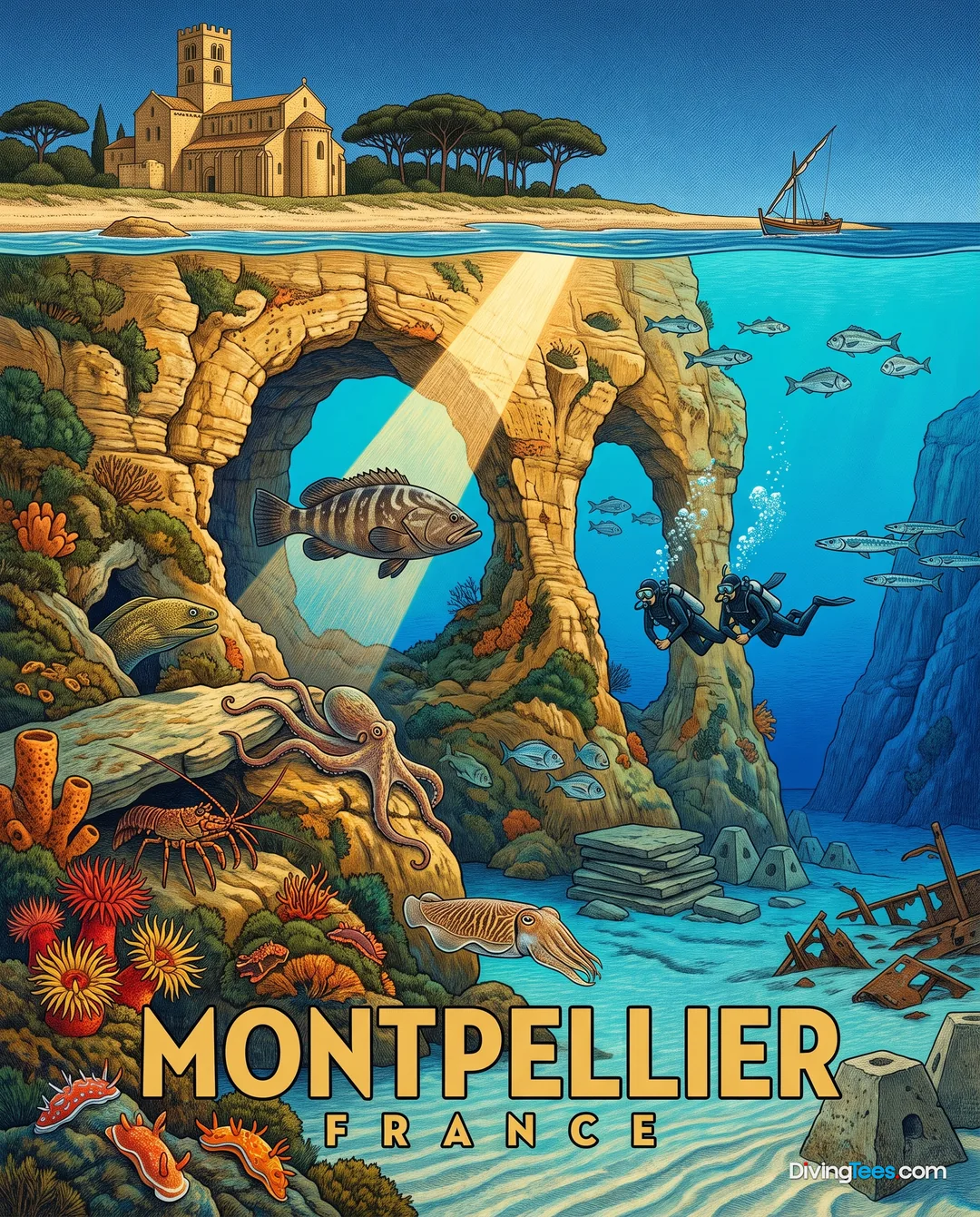
Diving the 3 Arches puts you on a rocky plateau roughly 300 metres long, situated offshore from Montpellier. The main feature is the series of limestone formations that give the site its name, rising from the seabed at 25 metres up to about 8 metres below the surface. As you descend, you'll find swim-throughs, rocky ledges, and crevices cut into the rock, creating an intricate underwater landscape distinct from the typical drop-offs found in the region.
Your descent typically begins on a reference line, guiding you directly to the heart of the formations. Once down, the topography unfolds into small amphitheatre-like spaces surrounding the arches themselves. The varying depths across the site, from the shallow plateau at 4 metres down to 25 metres at its base, allow for different exploration paths and provide diverse habitats for marine life. Moving through these natural openings offers a different perspective on the reef structure.
The 3 Arches stands out among Languedoc dive sites for its focus on structural exploration rather than deep walls or large pelagic encounters. It’s a place where you spend your dive navigating natural rock architecture. This makes it particularly engaging for divers who appreciate intricate underwater landscapes and detailed observation of smaller inhabitants, with the arches providing both shelter and distinct points of interest throughout the dive.
Visibility at 3 Arches generally ranges from 12 to 25 metres, depending on local conditions and sea state, which is typical for the offshore reefs in this part of the Mediterranean. While the current here can be variable, it is often manageable, allowing for comfortable exploration of the arches and swim-throughs. Always be aware of your position relative to the structures, especially when navigating tighter passages, as even a gentle surge can shift your orientation unexpectedly.
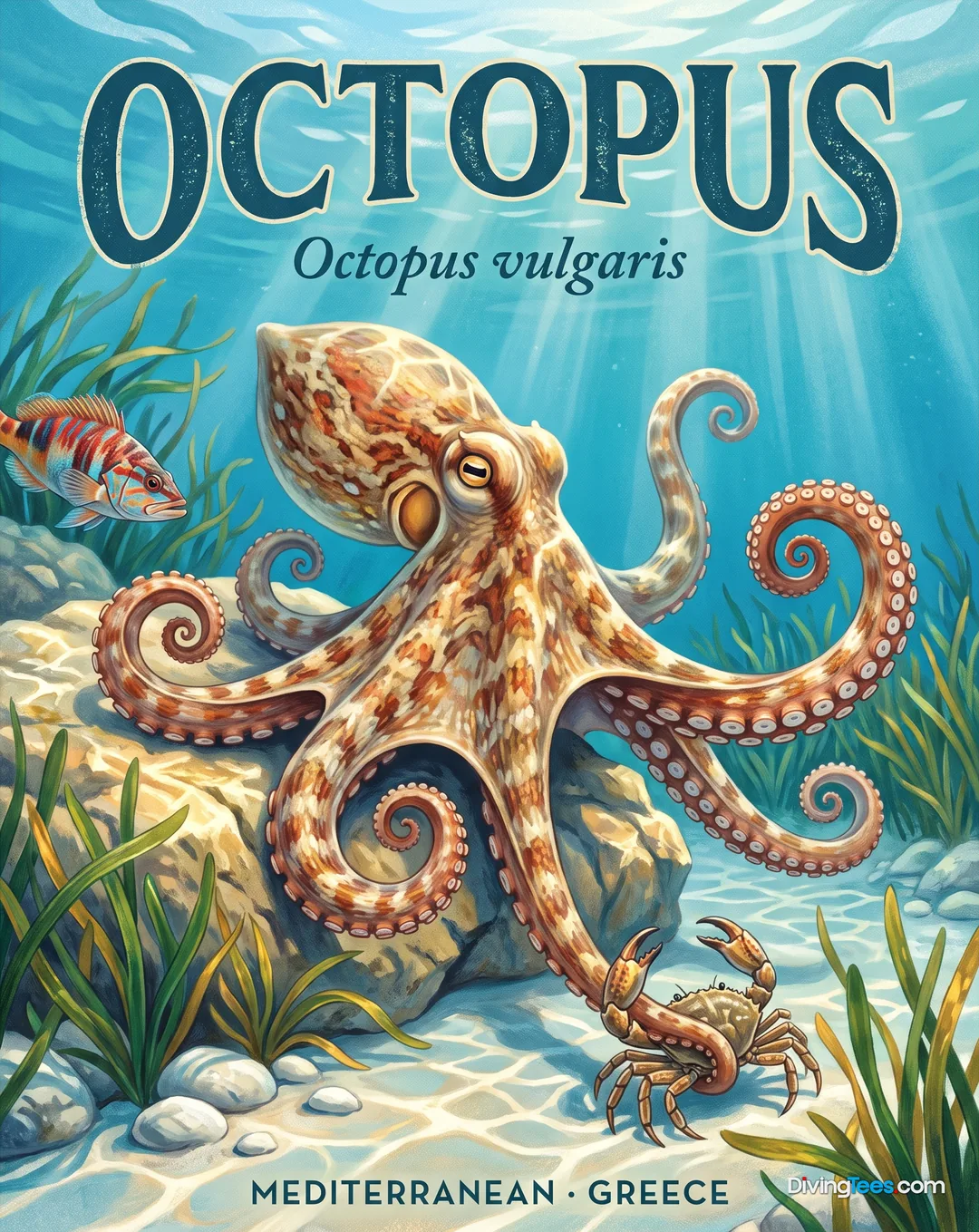
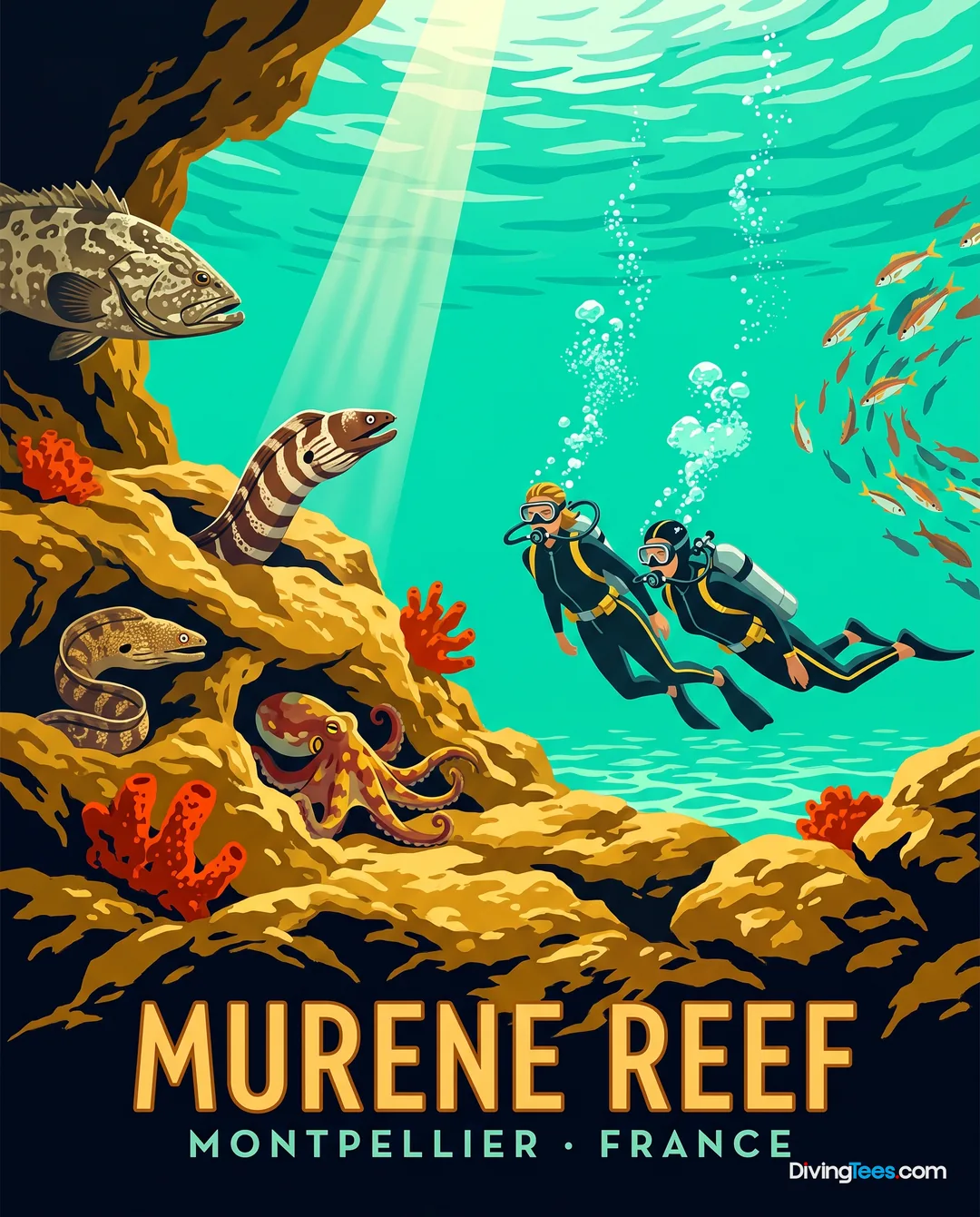
As you explore the ledges and crevices, keep an eye out for octopus (Octopus vulgaris) and various nudibranch species, which often blend seamlessly into the rockwork. Mediterranean rainbow wrasse (Coris julis) are common, flitting through the shallower parts of the reef, while painted comber (Serranus scriba) can be spotted resting on the bottom or darting between rocks. The site’s structure provides plenty of cover for these smaller, resident species.
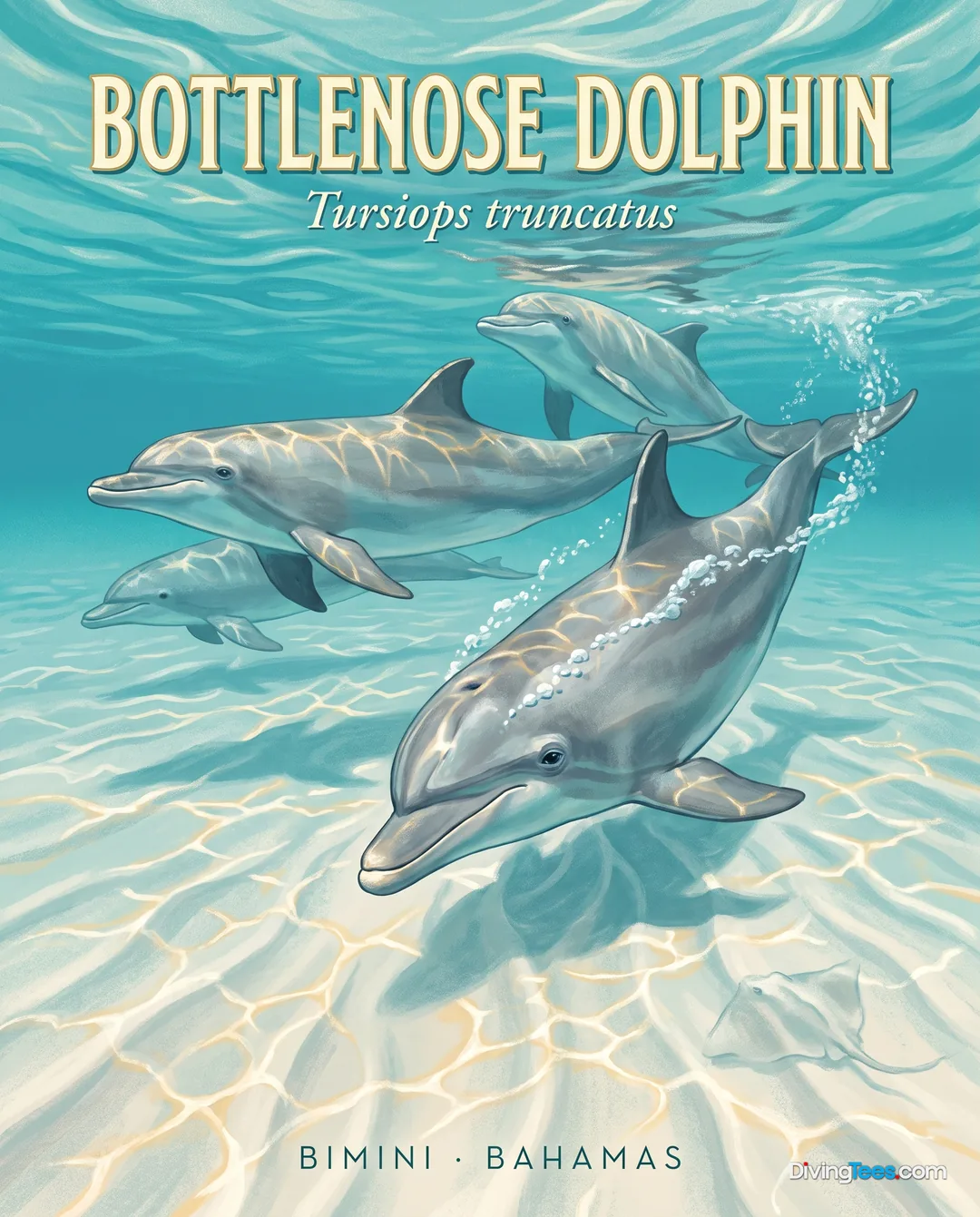
You might also encounter a Mediterranean moray eel (Muraena helena) peeking from a crevice, or observe schools of seabream (Diplodus sargus) moving through the open water around the arches. On rarer occasions, green sea turtles (Chelonia mydas) pass through, and bottlenose dolphins (Tursiops truncatus) have been observed in the wider area, though they are not a regular feature on the reef itself. The diverse marine life here adds a dynamic element to the structural dive.
What defines the 3 Arches is its character as a limestone formation dive. It's not a deep technical site, nor is it a massive pelagic hunting ground. Instead, it offers a specific type of engagement: close-up interaction with the reef's geology and its smaller inhabitants. The arches themselves, along with the numerous swim-throughs and varied depths, provide a continually changing backdrop that rewards careful and observant diving.
This site is accessible, with depths ranging from a minimum of 4 metres down to 25 metres. It is best suited for Advanced divers who possess comfortable buoyancy control, particularly for navigating the swim-throughs and tighter formations. While current can be variable, it is generally manageable for experienced divers. Visibility typically ranges from 12 to 25 metres. The most favourable diving window, with clearer conditions, runs from June to August.
Plan your dive at 3 Arches between June and August, when conditions are generally clearer. Visibility can range from twelve to twenty-five metres, depending on local conditions and sea state. This offshore Mediterranean site remains accessible during the favourable window, with the rocky formations providing varied routes for exploration.
3 Arches is best suited to Advanced divers with comfortable buoyancy control. You will navigate limestone arches, numerous swim-throughs, tight formations, ledges, and crevices. Careful positioning matters in the narrower passages, where even gentle surge can shift your orientation while you explore the structured reef.
At 3 Arches, depths range from a shallow plateau at four metres to the base of the formations at twenty-five metres, allowing varied dive profiles. Current can be variable but is generally manageable for experienced divers. Pay attention to your position around the structures, particularly inside tighter passages and swim-throughs.
At 3 Arches, you can explore three limestone arches, swim-throughs, rocky ledges, crevices, and small amphitheatre-like spaces. Look for octopus, nudibranchs, Mediterranean moray eels, rainbow wrasse, painted combers, and schooling seabream. Green sea turtles and bottlenose dolphins have been observed in the wider area, though they are not regular reef features.