Liveaboards · Egypt
JP Marine — A diver-first Red Sea liveaboard for big reefs, pelagics and easy days between dives
What makes this boat unique
- JP Marine runs eight-day, seven-night Red Sea itineraries departing from and returning to Marsa Alam.
- The boat carries up to 28 guests in 14 air-conditioned cabins, each with a private bathroom.
- The shaded dive deck has personal storage, dedicated stations, DIN adaptors, rinse tanks, Nitrox and sidemount support.
- Two Zodiac tenders with 40 HP engines take divers to and from the sites.
- Freshly baked bread, buffet meals, snacks after each dive and vegetarian options are served on board.
For subtitles in English: start the video firstthen click the gearat the top right of the video, select “Subtitles/CC”, then “Auto-translate” and choose “English”.
The invitation
JP Marine is built around the part of a liveaboard week that matters most: getting divers into the Red Sea efficiently, then feeding them well and giving them room to recover. Its itineraries range from the Deep South and Zabargad to Brothers, Elphinstone, Rocky and the pelagic sites around Daedalus, Sataya and St Johns. That makes it a sensible choice for divers who want walls, current and large animals rather than a resort-style boat that happens to carry tanks. The crew is the stronger part of the experience. Passenger feedback consistently points to clear briefings, capable guides, good organisation and food that exceeds the usual liveaboard standard. The boat itself is not presented as a luxury yacht; it is a working dive platform with quiet cabins, a practical deck and enough common space for 28 people. Choose JP Marine for the people running the trip and the access to serious Red Sea routes.
Boarding
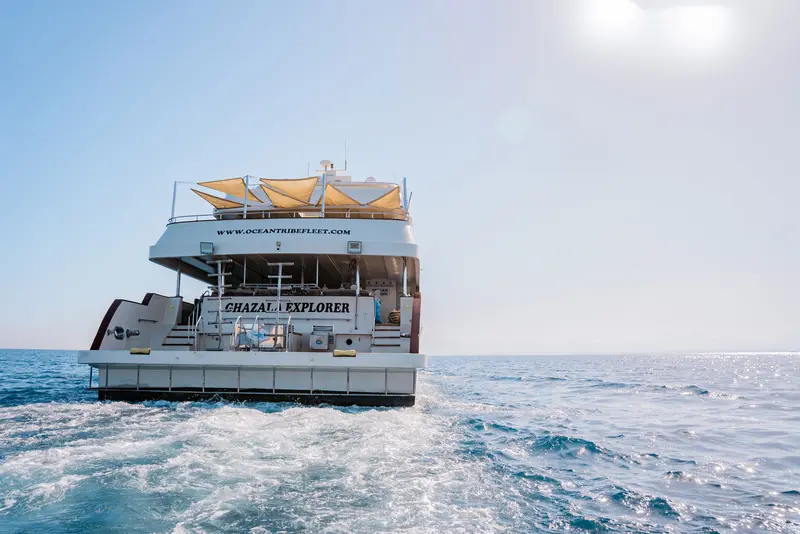
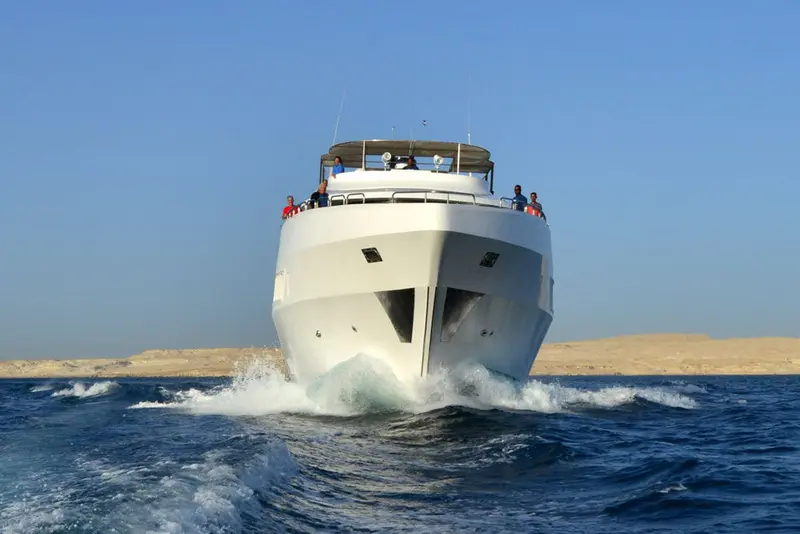
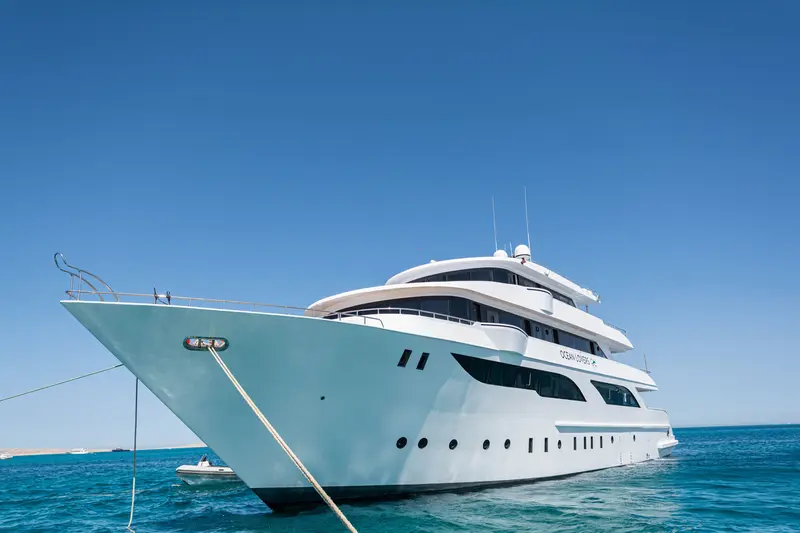
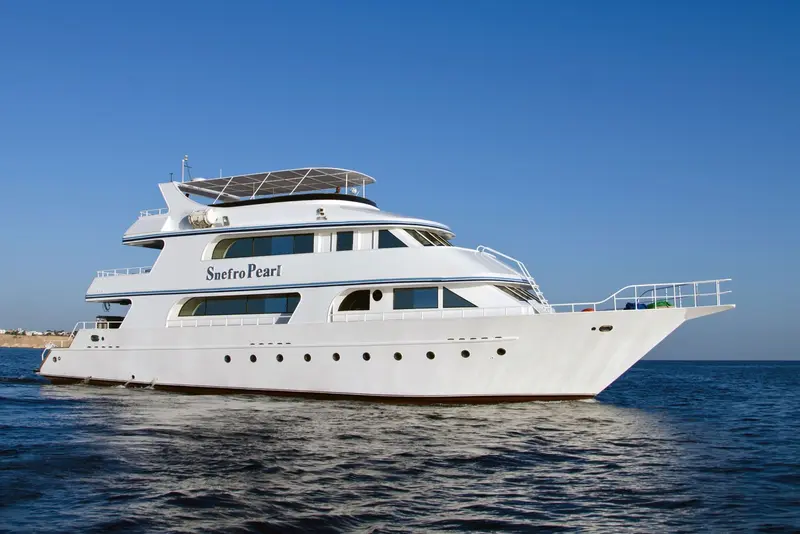
From the dock, JP Marine makes the impression of a purpose-built dive boat rather than a floating hotel. The layout is organised around the dive deck, with the saloon, shaded outdoor areas and upper-deck cabins giving the week a clear centre: divers come aboard, set up, eat, sleep and go back into the water. Once aboard, movement is straightforward. The engines are kept away from the cabins, so the night is not spent with machinery directly under the bunk. The boat has the size to carry a full group without turning every passage into a queue, while the personal dive stations keep the equipment tied to a place. It is a practical arrangement, and that matters more than polished decoration when a trip is built around repeated entries and exits. The captain has more than 30 years of Red Sea navigation experience, while the crew carries out safety training every week. The boat feels organised for work.
The atmosphere on board
The atmosphere is shaped less by formal service than by a crew that keeps the machinery of a dive week moving. Guides give detailed briefings, organise the groups and stay visible around the water, while the deck crew help with tanks, entries and exits. The salon becomes the social centre after meals, with an ice machine and bar making it easy for divers to stay there rather than scatter to their cabins. English is spoken by the crew, and the boat takes individual divers, groups and full charters, so the group can be mixed rather than built around one club. Passenger experience places the crew above the hull in the overall balance: the boat is functional, but the people make the week feel looked after. Evenings can include drinks, conversation and some dancing, without the trip losing its focus. This is a boat where competent organisation is the main luxury.
The sites you’ll dive
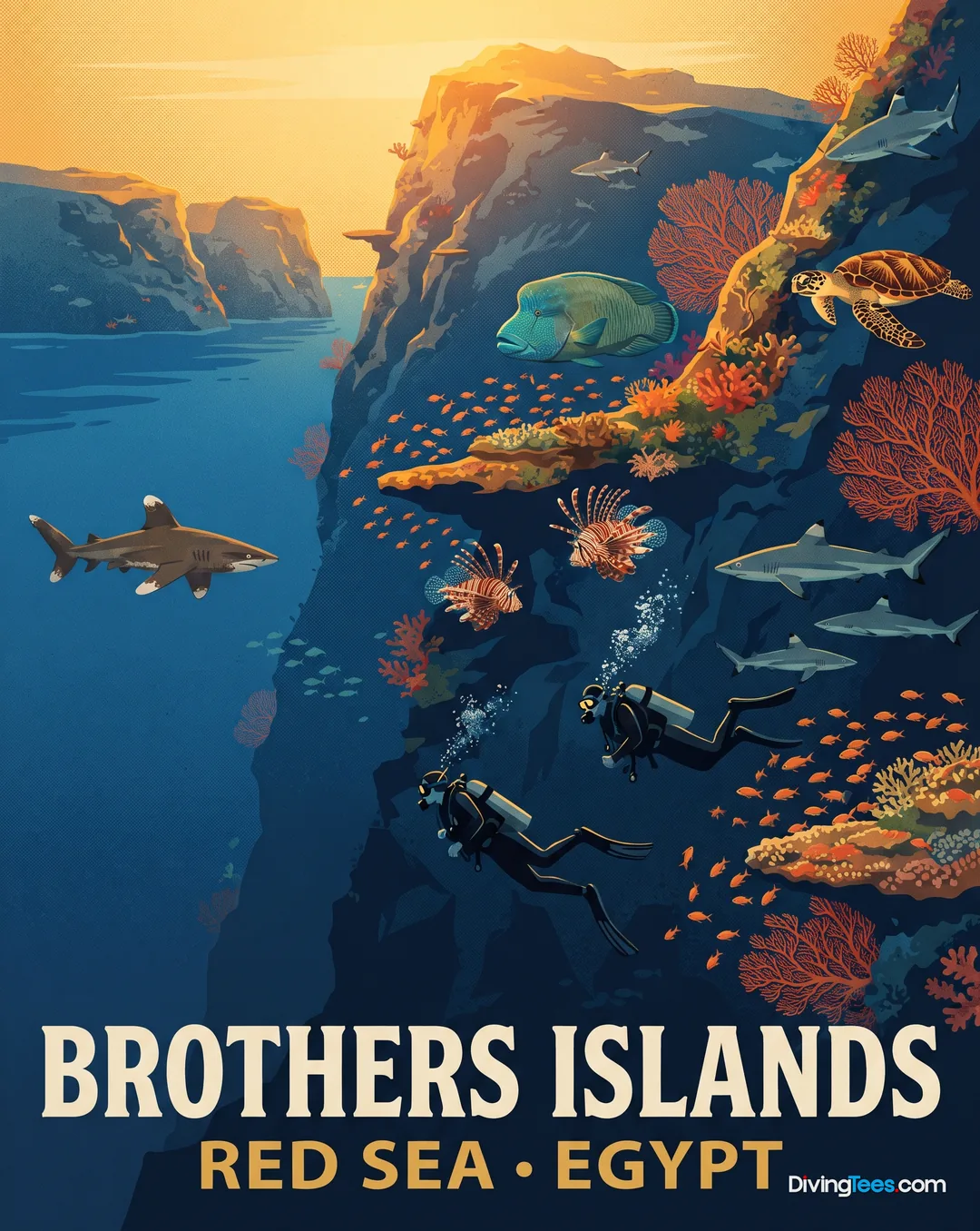
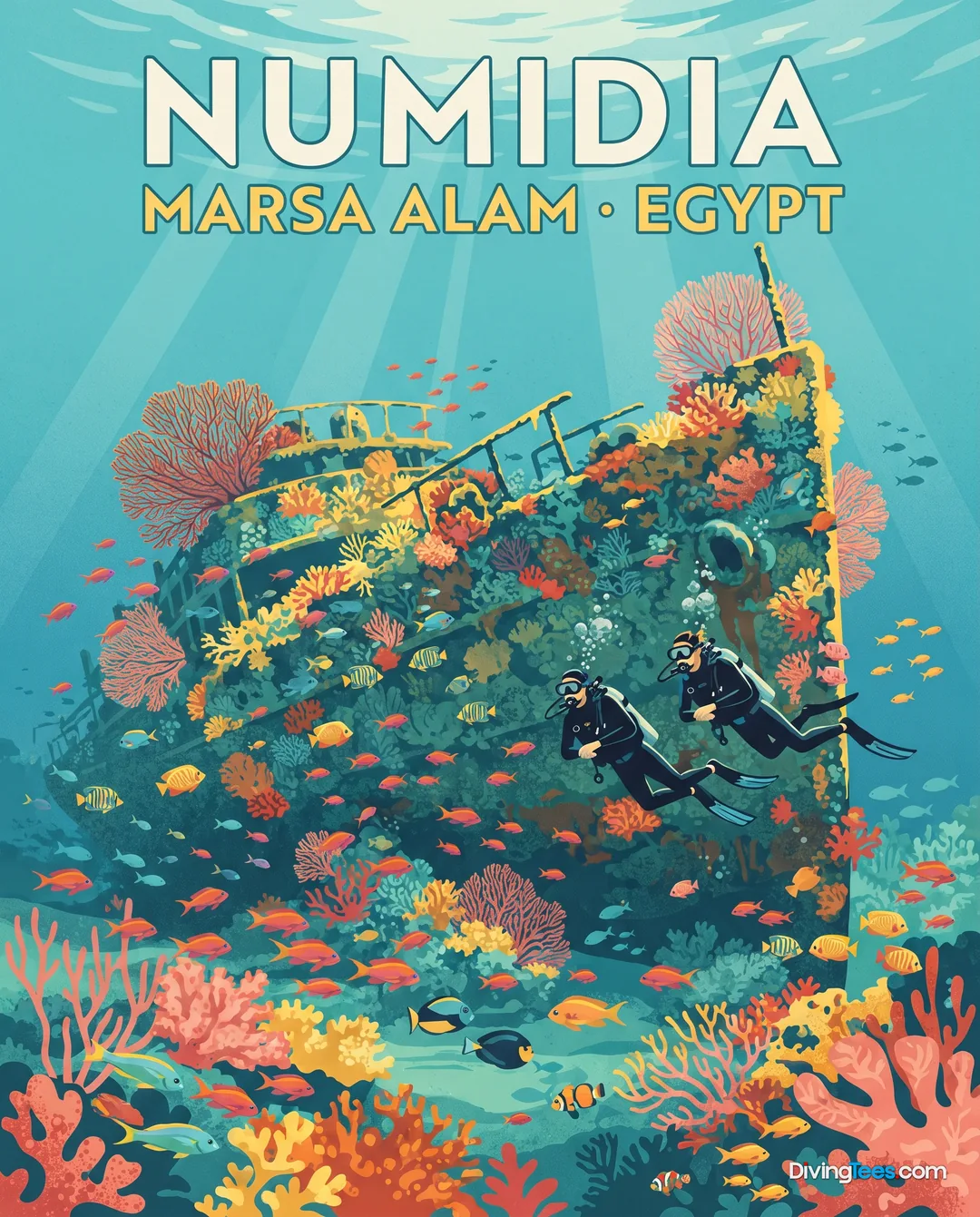
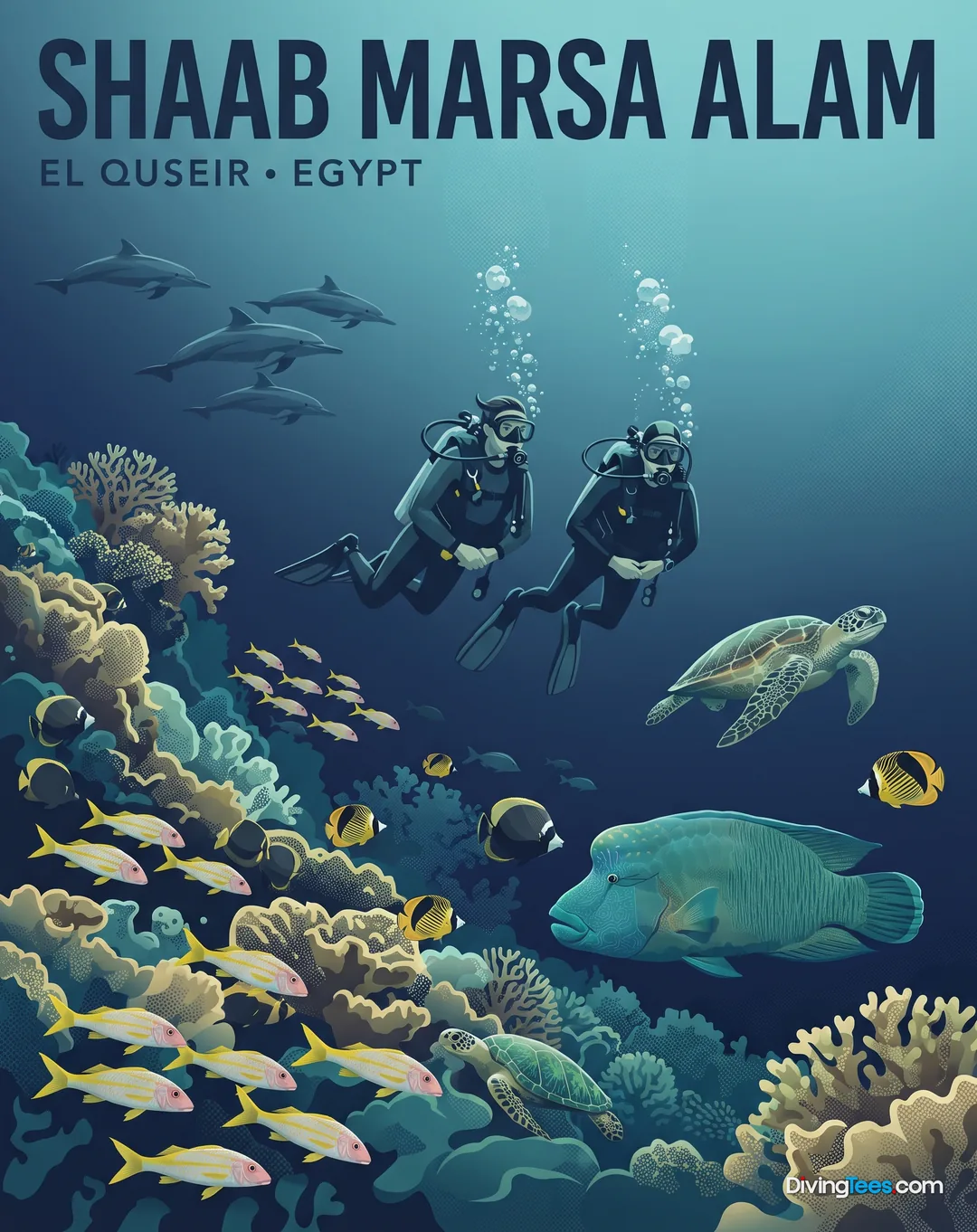
JP Marine's recorded routes are eight days and seven nights, returning to Marsa Alam. The Deep South Expedition: Secrets of Zabargad is aimed at remote reefs, while the Pelagic Trail focuses on hammerheads and dolphins. Golden Mix links Daedalus, Sataya, St Johns, Rocky and Zabargad in one week, and the Brothers, Daedalus and Elphinstone route brings together three of the Red Sea's best-known big-animal sites. Elphinstone drops along dramatic walls to a maximum of -60m, with pelagic shark encounters possible. Marsa Egla reaches -30m in a natural bay whose seagrass beds attract dugongs and green turtles. Marsa Mubarak is a sheltered seagrass-and-coral site to -25m, also known for dugongs and turtles. House Reef reaches -40m and combines rays, barracudas and the possibility of dugong encounters. Brothers Islands reach -85m and offer isolated oceanic reefs and pelagic action. Numidia is the 1901, 150-metre wreck, encrusted with hard and soft coral, to -80m. Other recorded sites include Rocky Island, Shaab Alam, Shaab Marsa Alam, Marsa Nakari House Reef, Abu Galawa Soghayar, Abu Galawa Kebir, Zabargad Island and Shaab Umm Gamar.
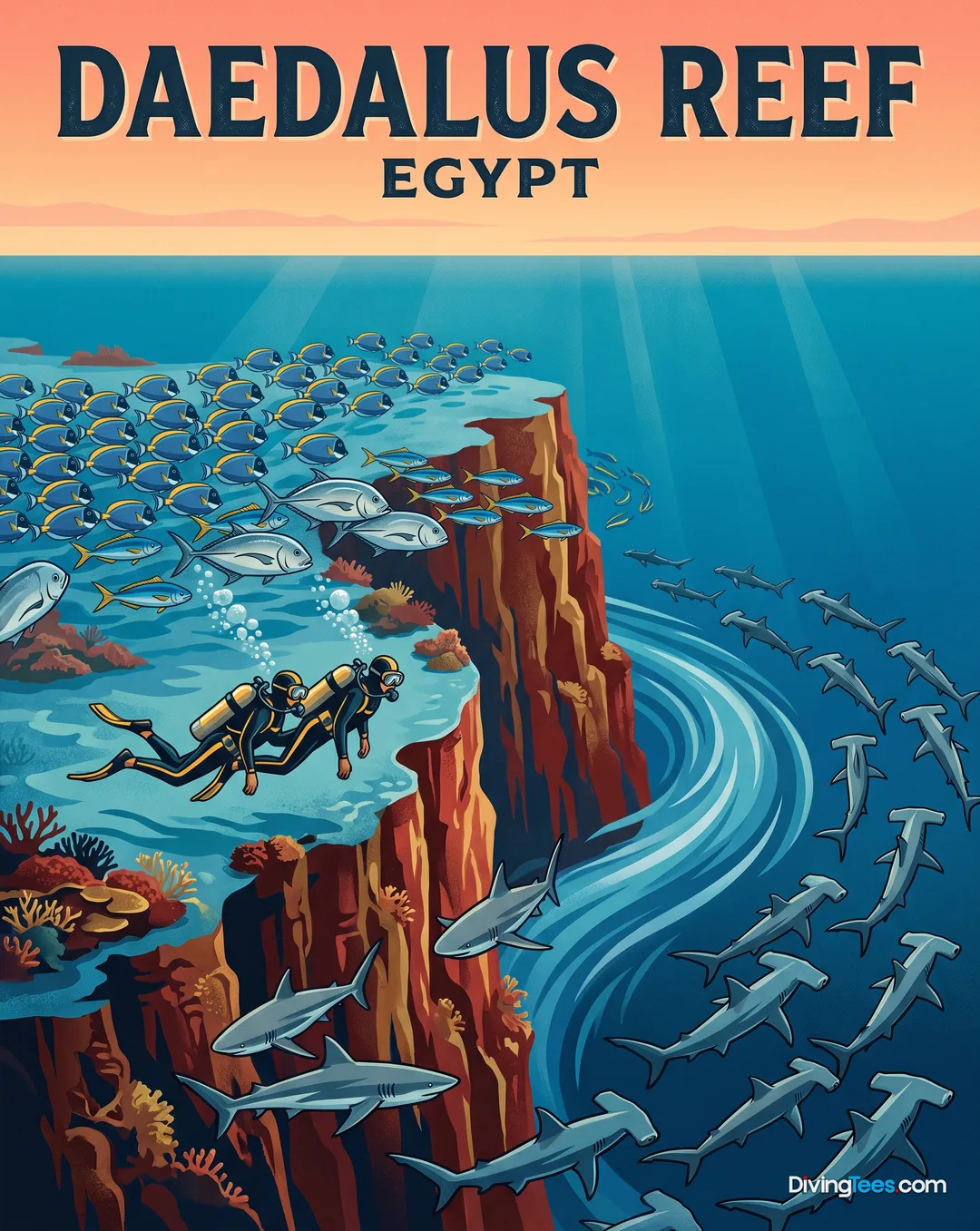
Daedalus →
Max. depth · 40 m
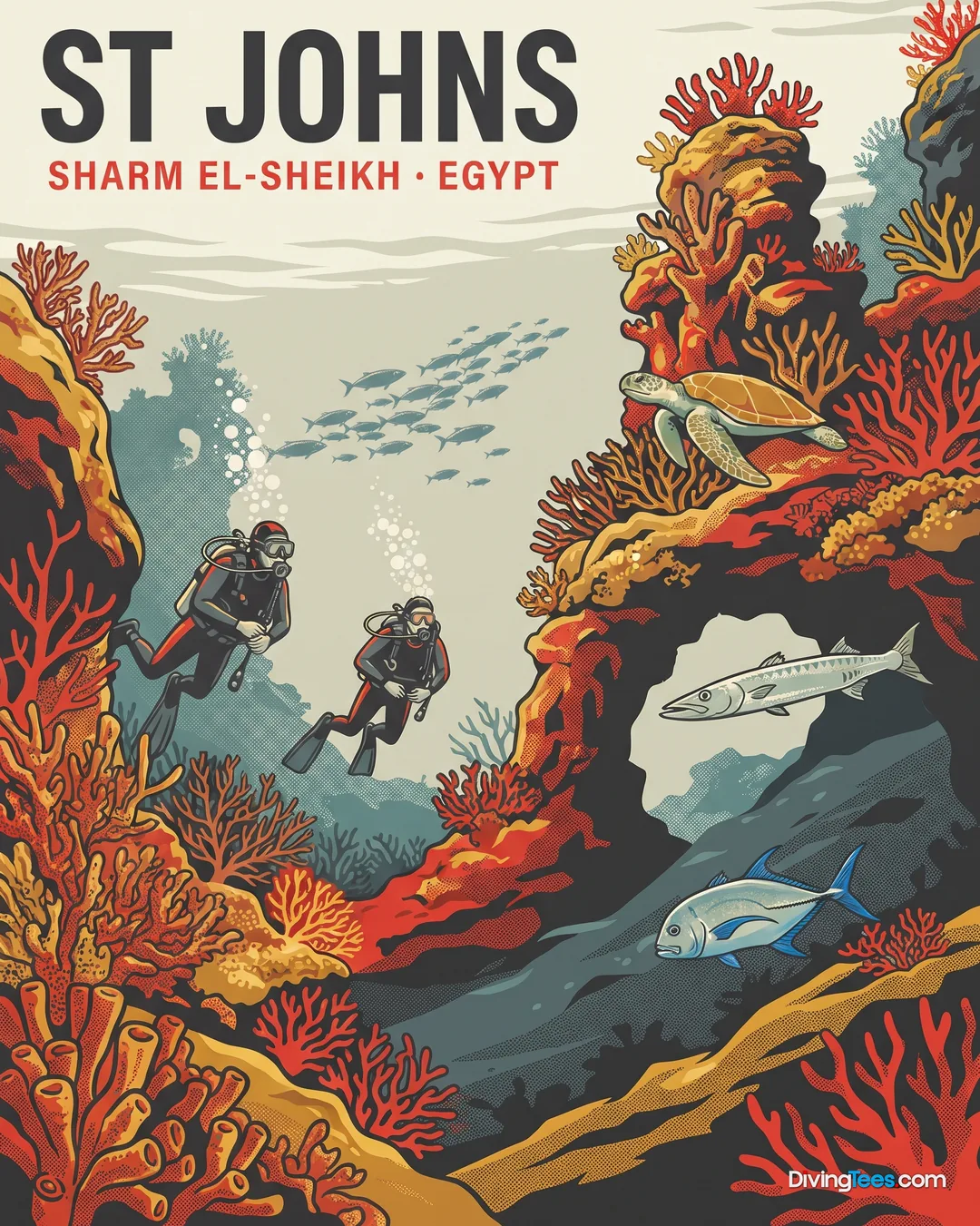
St Johns →
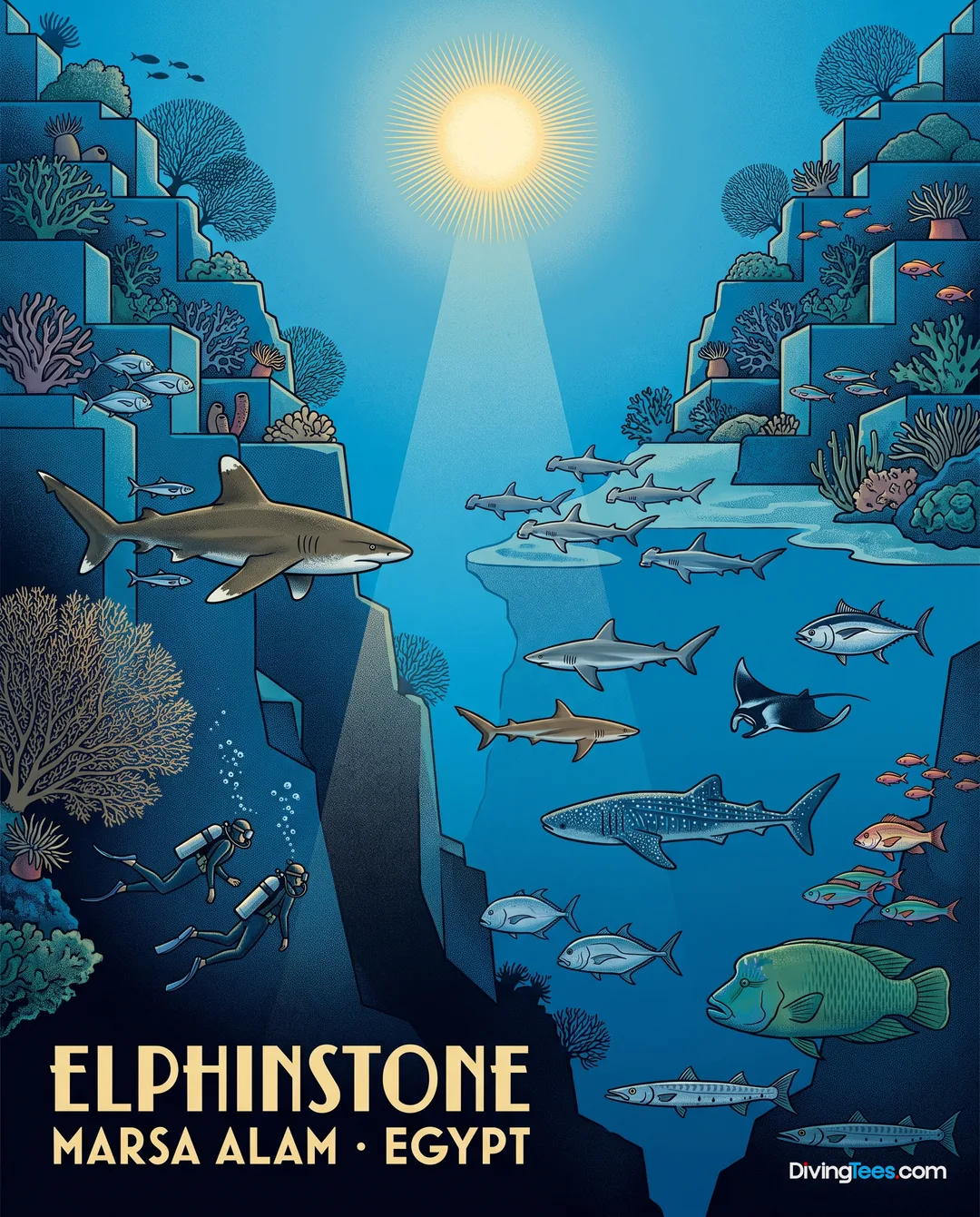
Elphinstone →
Max. depth · 60 m
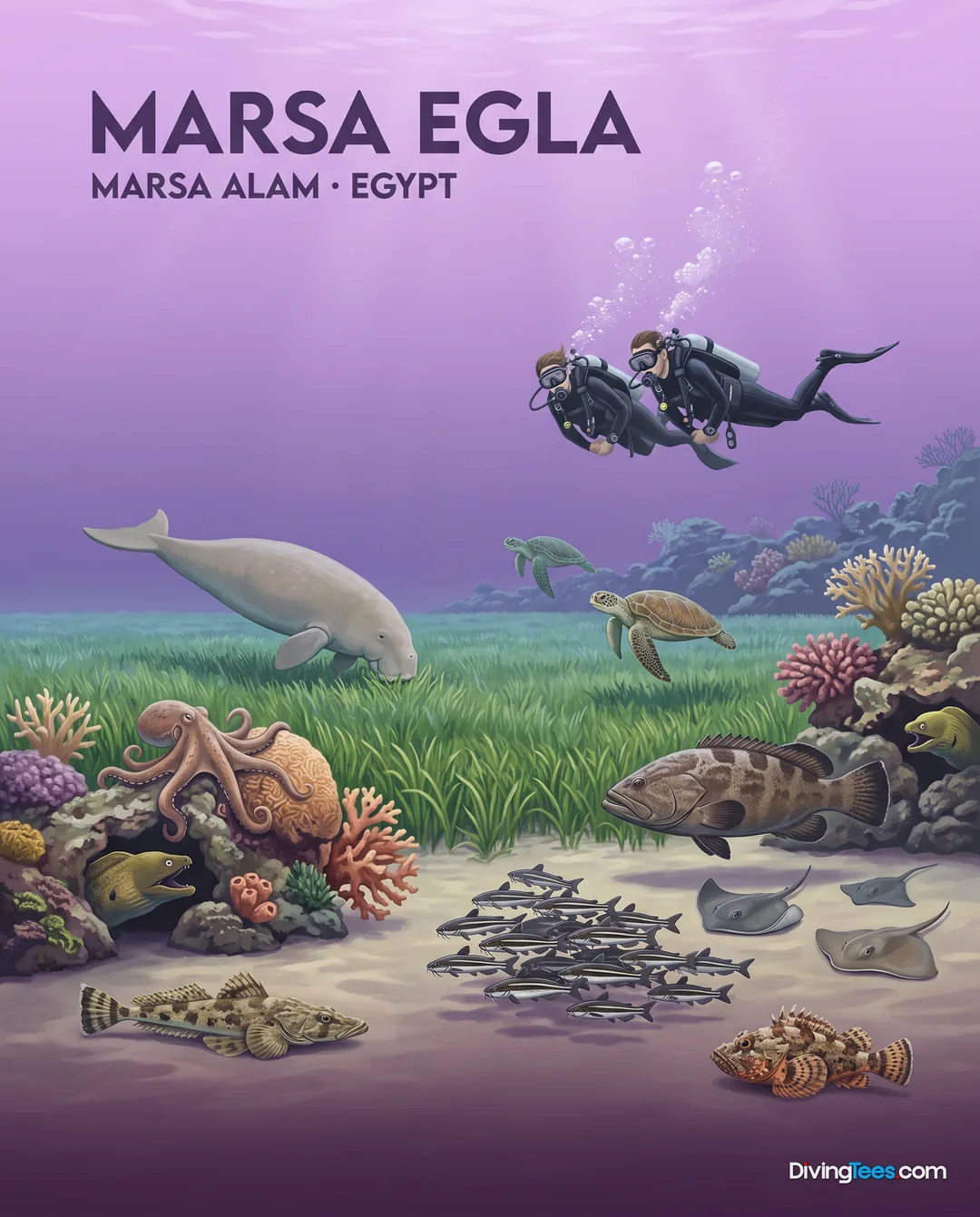
Marsa Egla →
Max. depth · 30 m
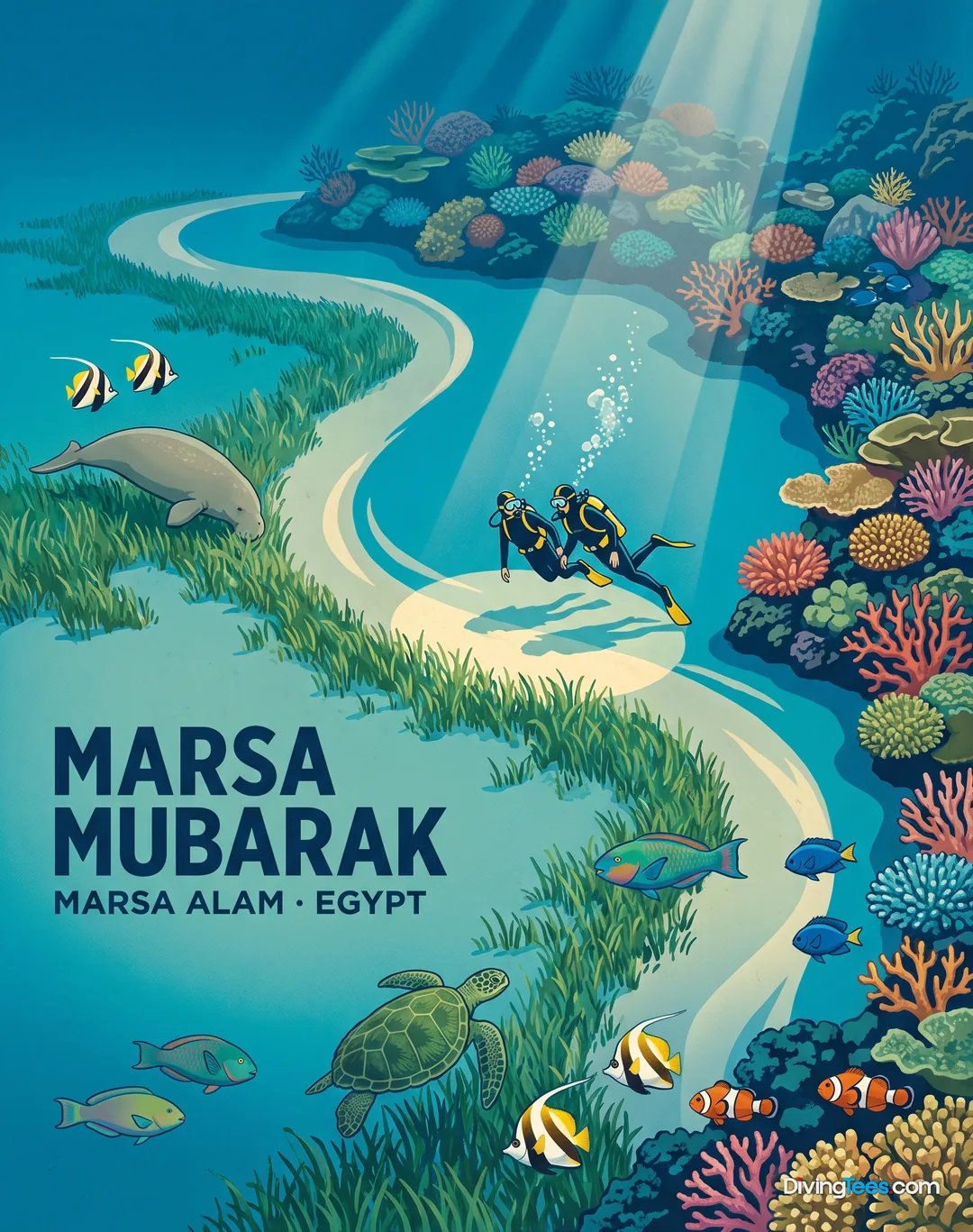
Marsa Mubarak →
Max. depth · 25 m
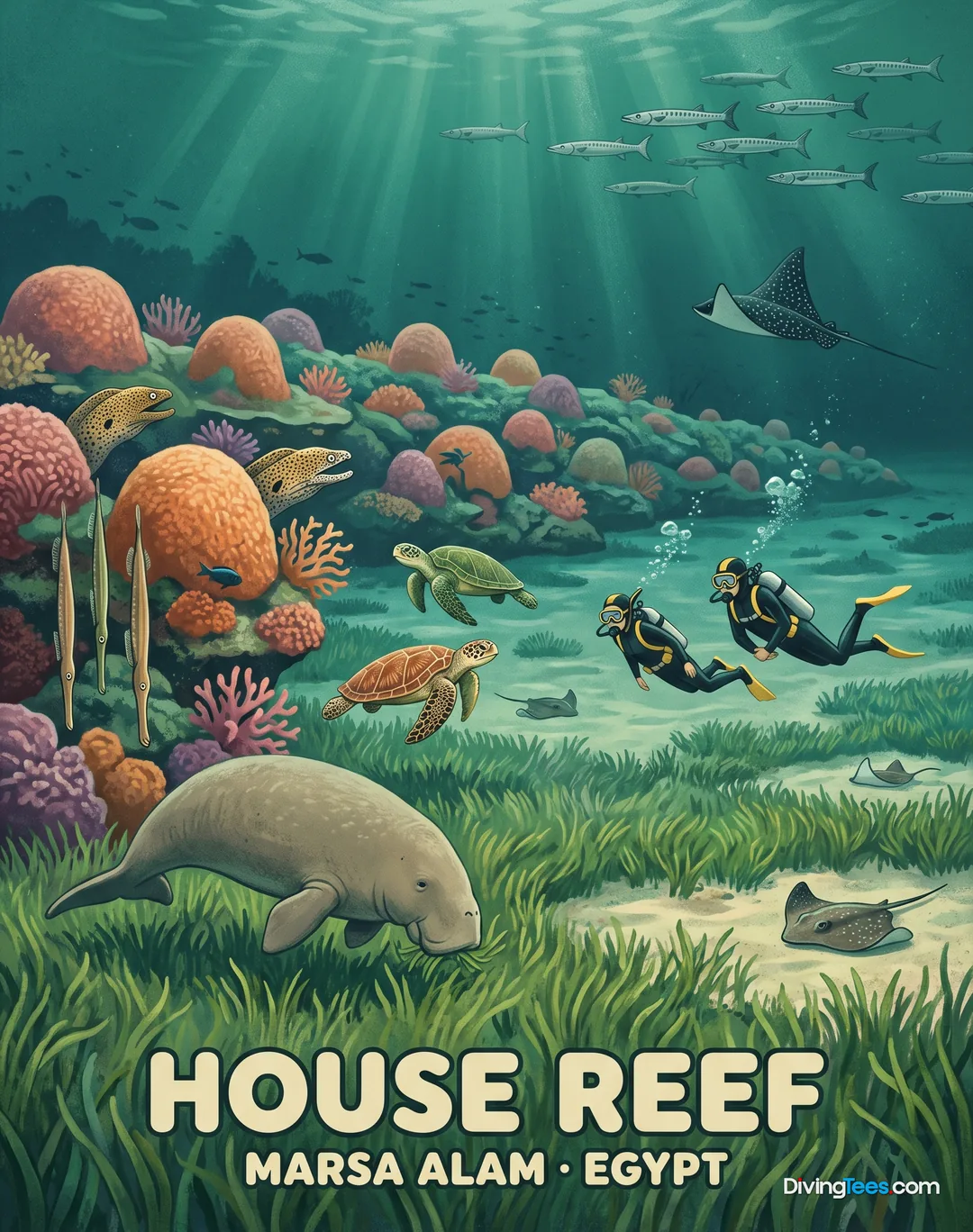
House Reef →
Max. depth · 40 m
Brothers Islands →
Max. depth · 85 m
Numidia →
Max. depth · 80 m
Rocky Island →
Shaab Marsa Alam →
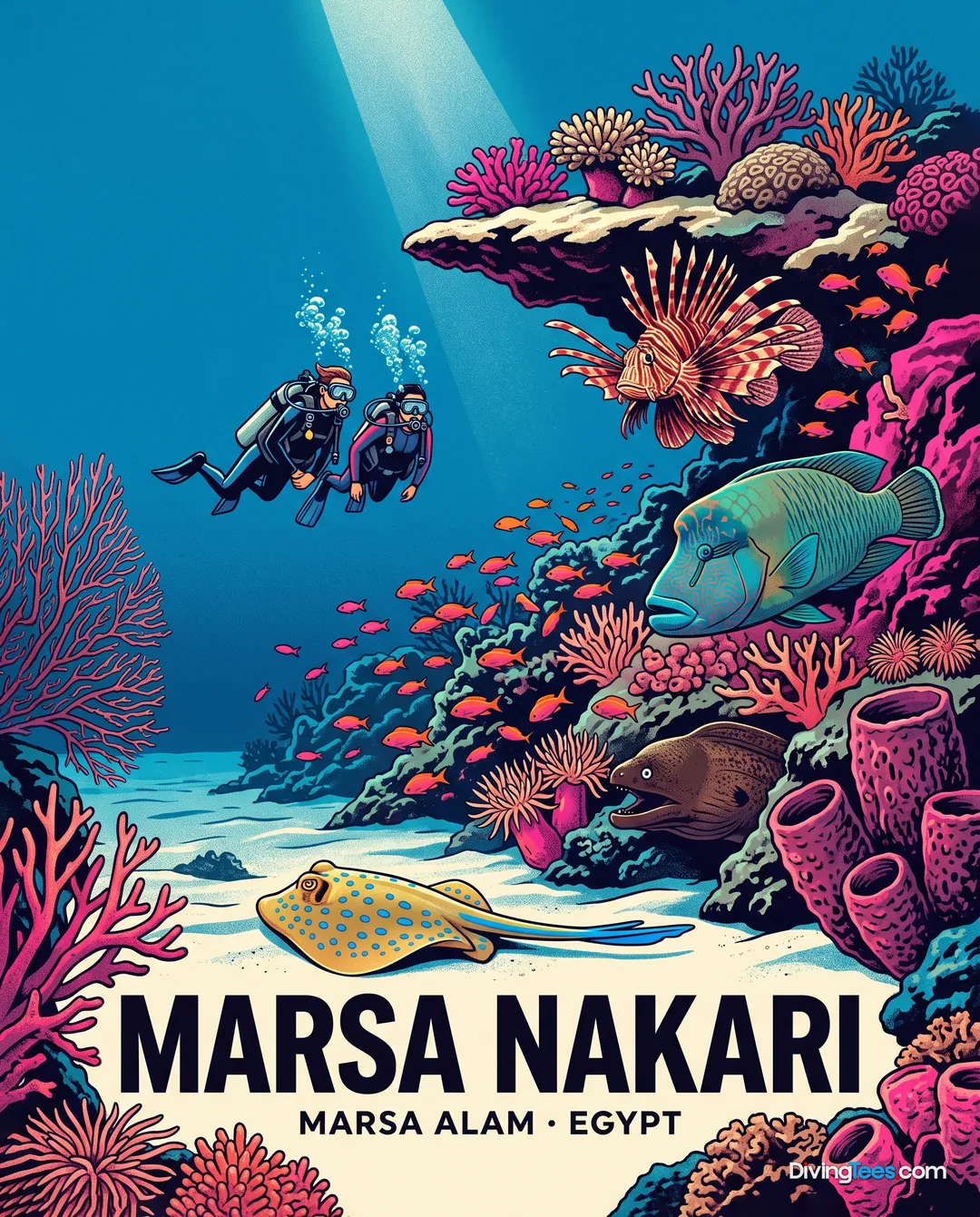
Marsa Nakari House Reef →
Max. depth · 30 m
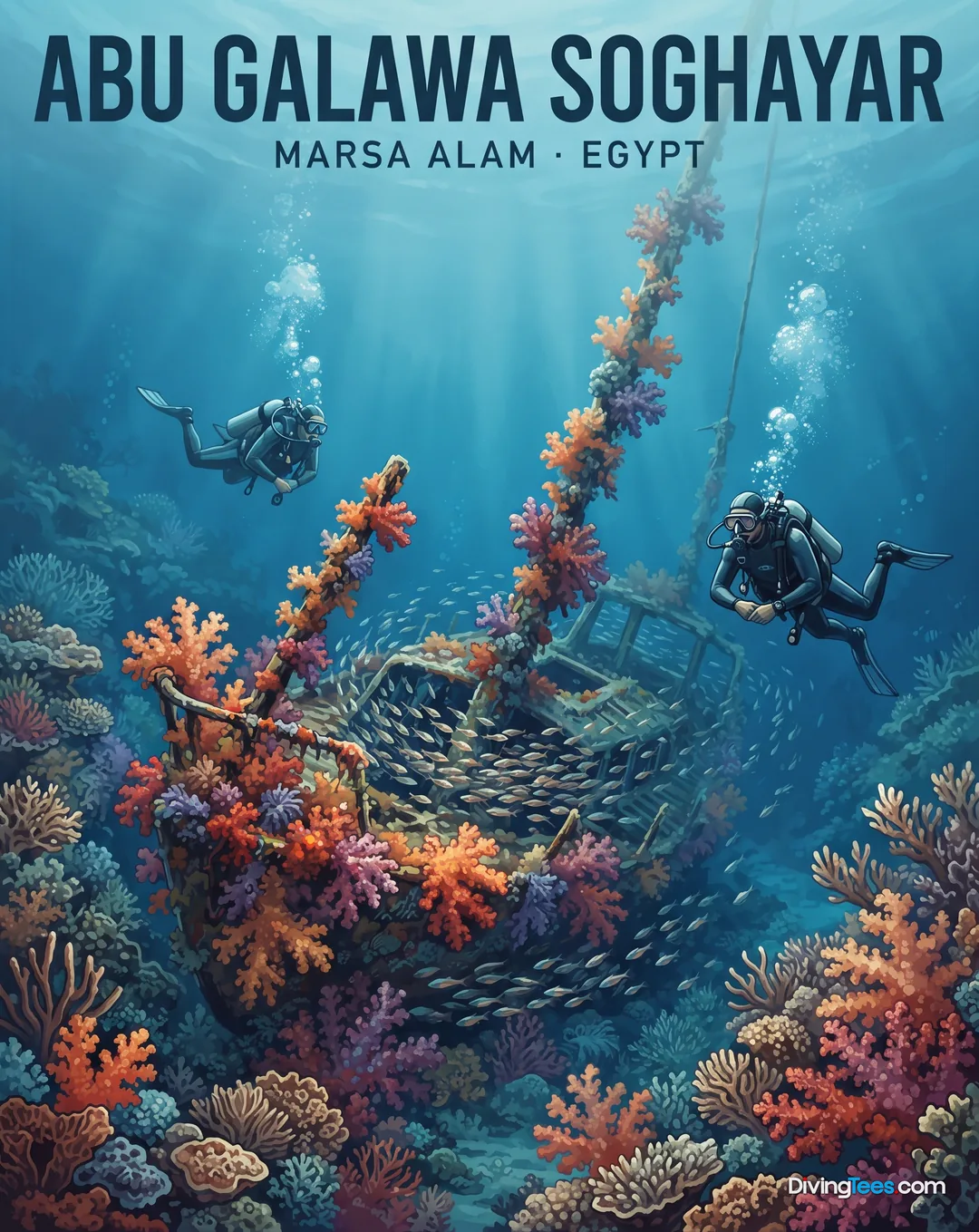
Abu Galawa Soghayar →
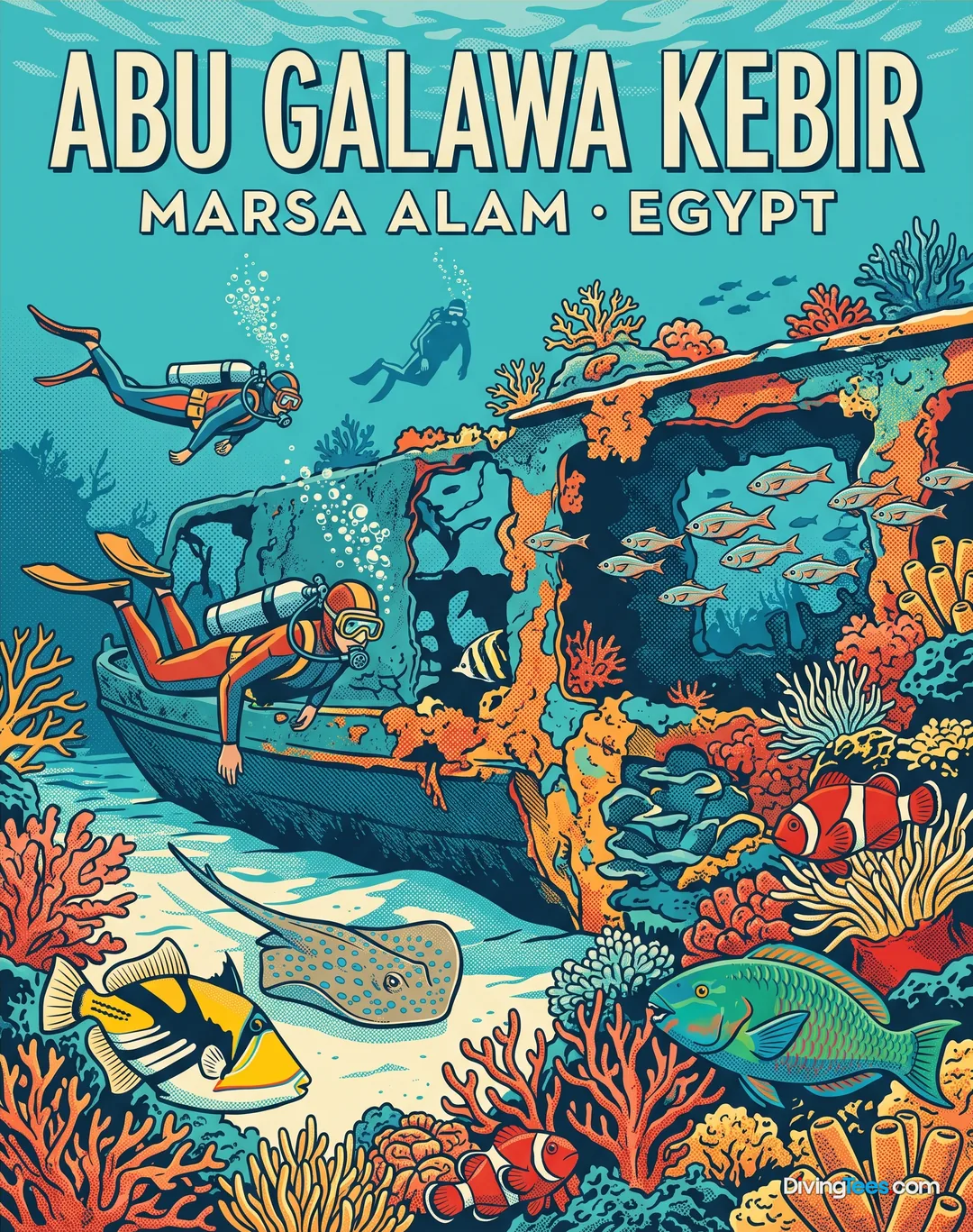
Abu Galawa Kebir →
Max. depth · 18 m
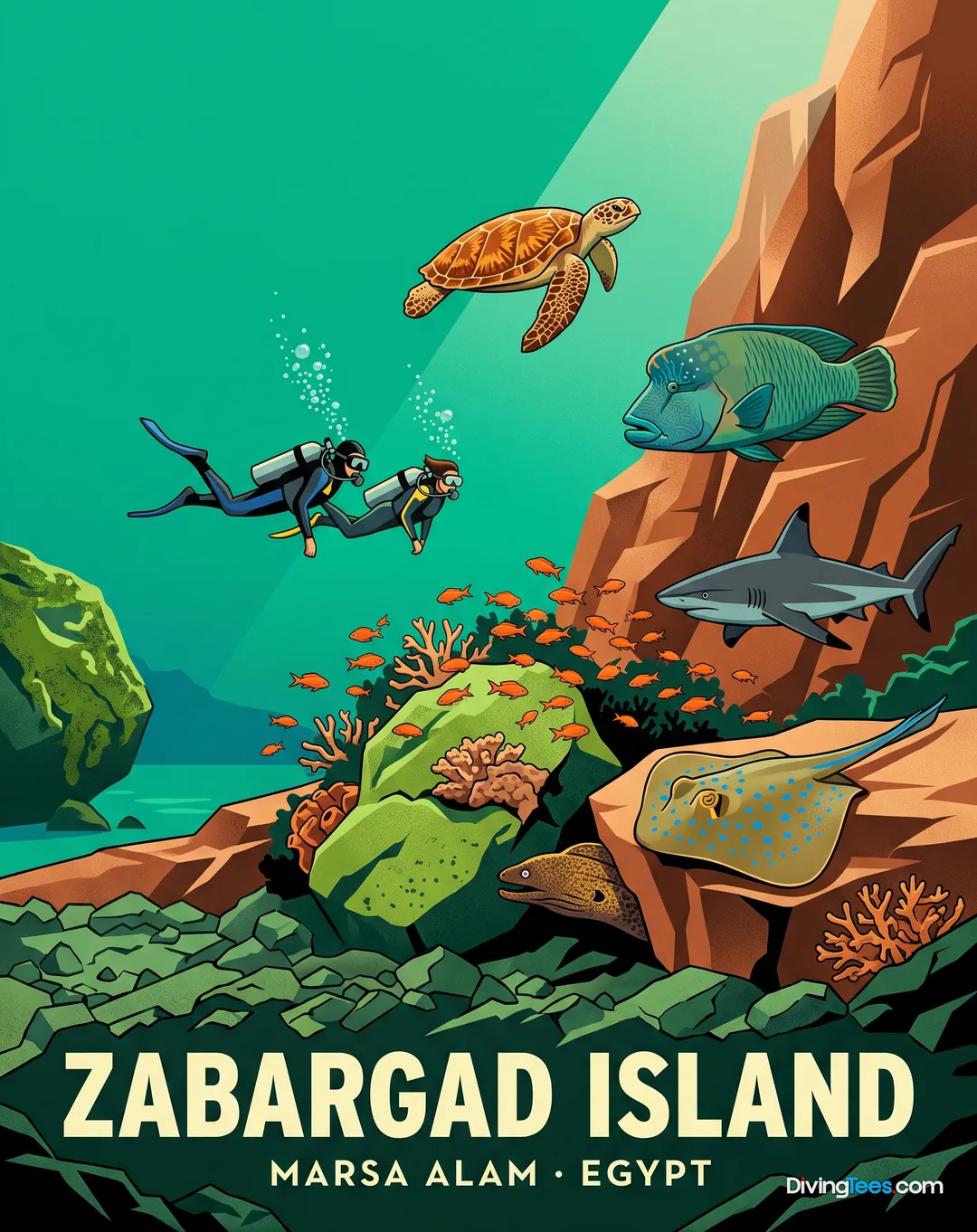
Zabargad Island →
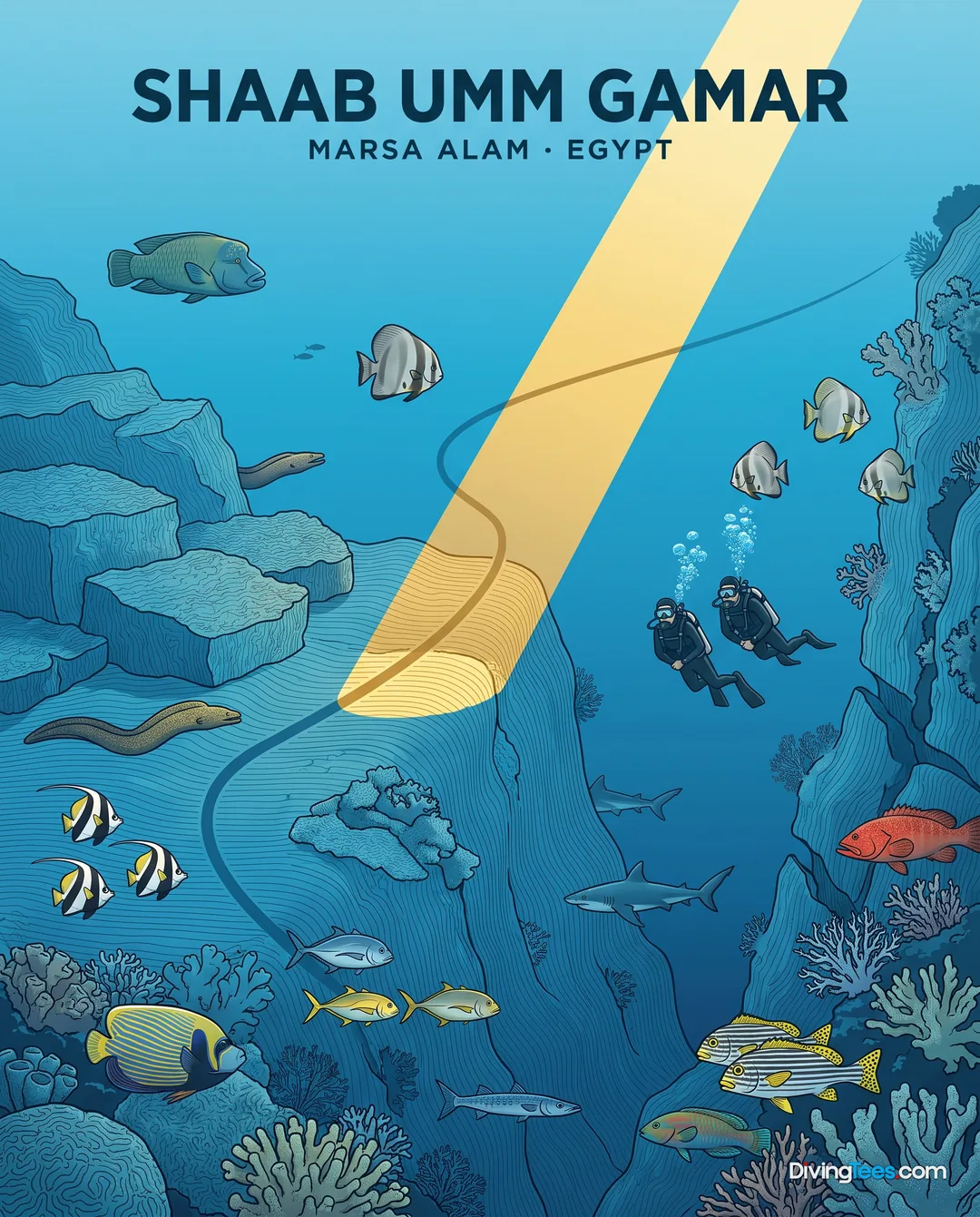
Shaab Umm Gamar →
Max. depth · 40 m
Itineraries, dates and prices
Prices per person. Each month shows its lowest price: click a month, or pick an itinerary.
Next departures · 51 departuresfrom £589$788€704
November 2026
December 2026
See dates and prices
If you click these links and make a purchase on the partner site, DivingDeal may earn a commission, at no extra cost to you.
Dates and prices taken from liveaboard.com, updated 25 October 2026
What you’ll meet underwater
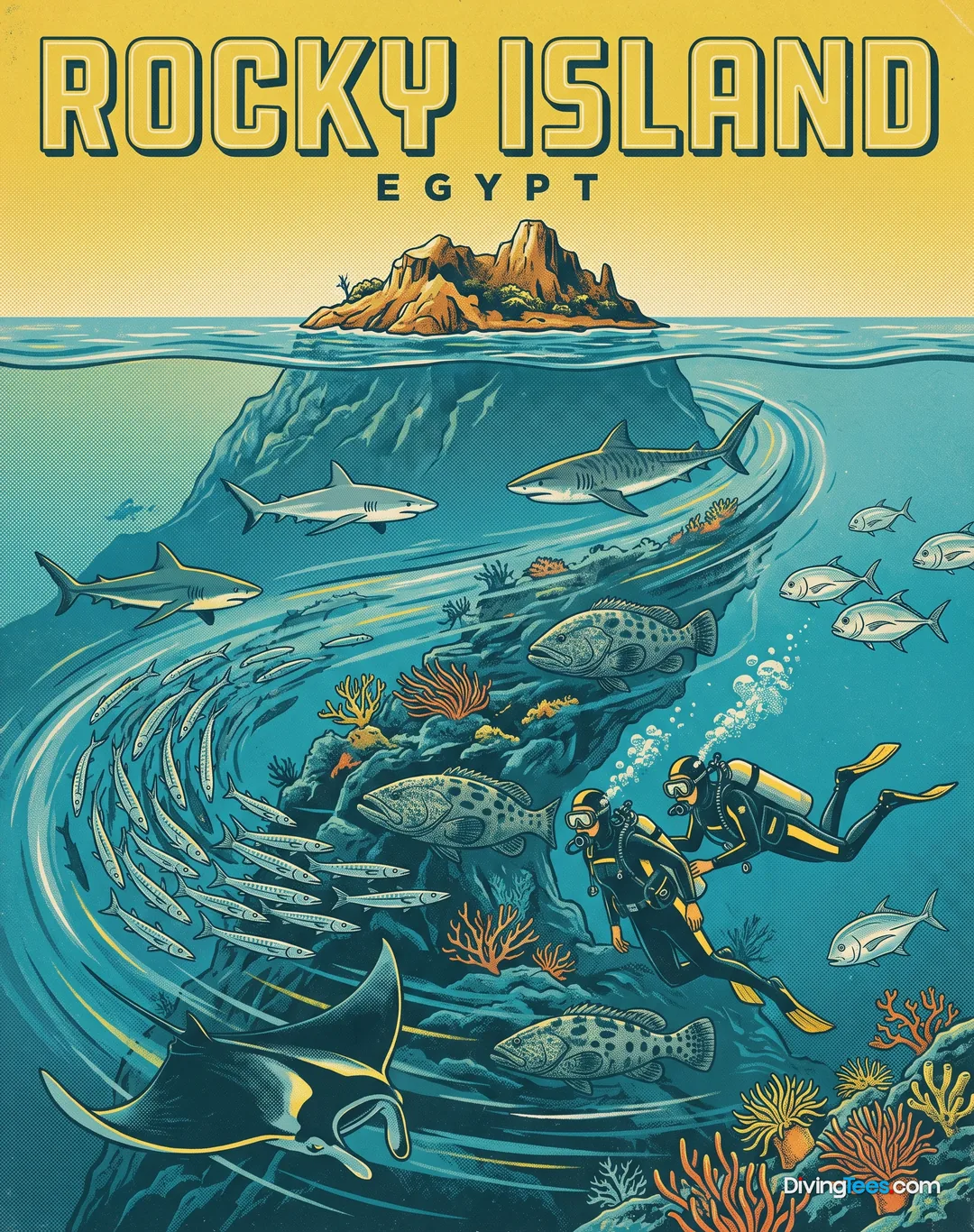
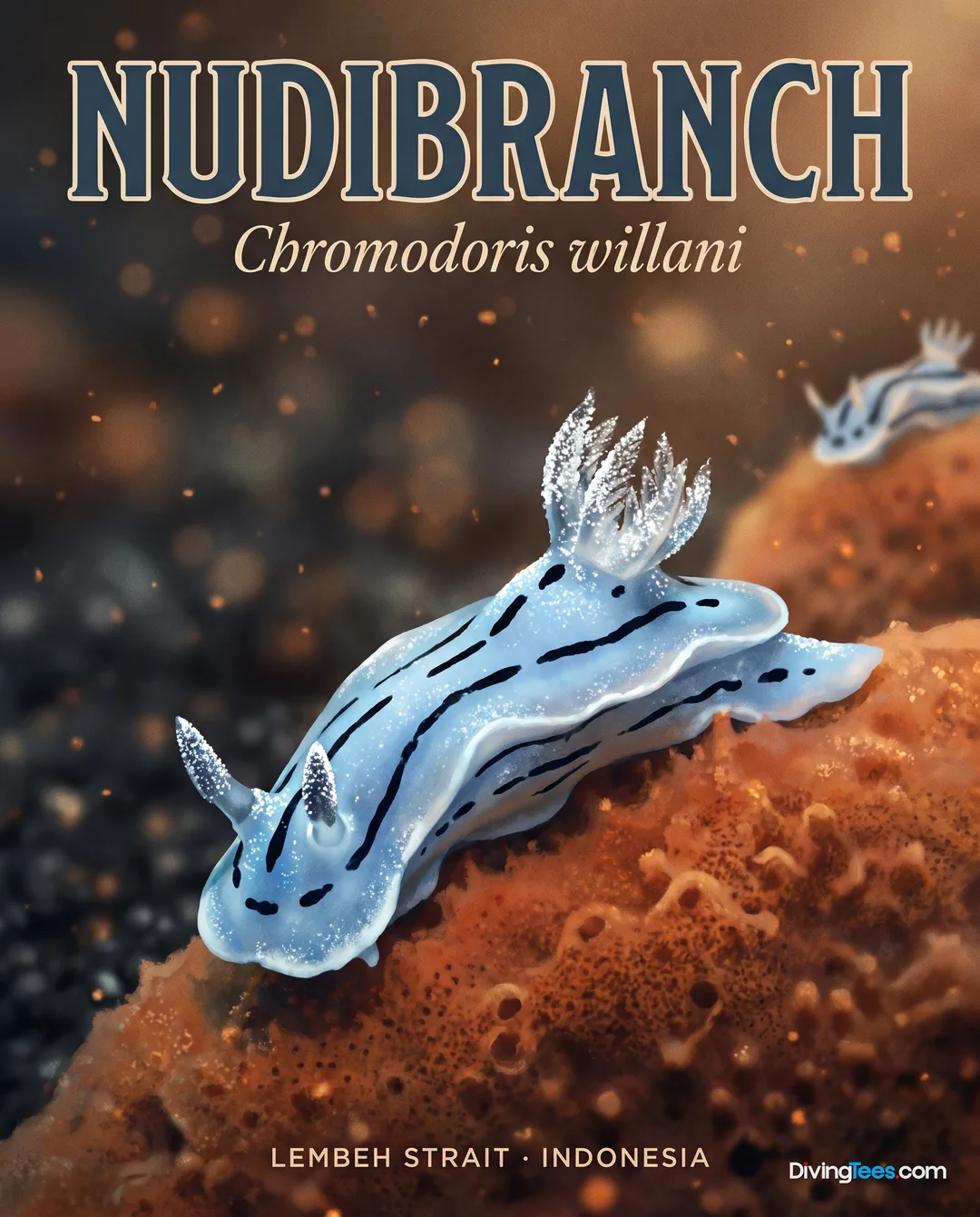
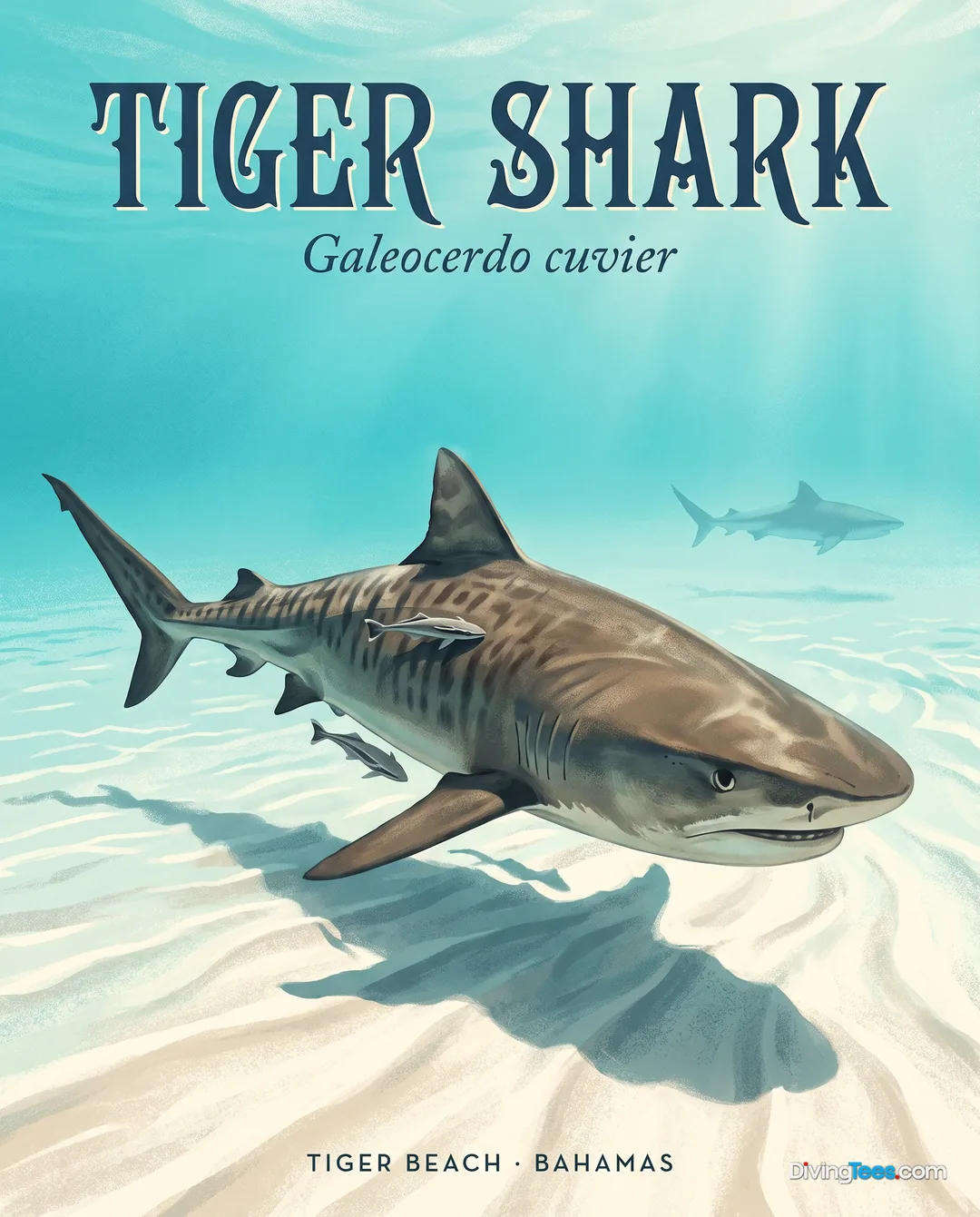
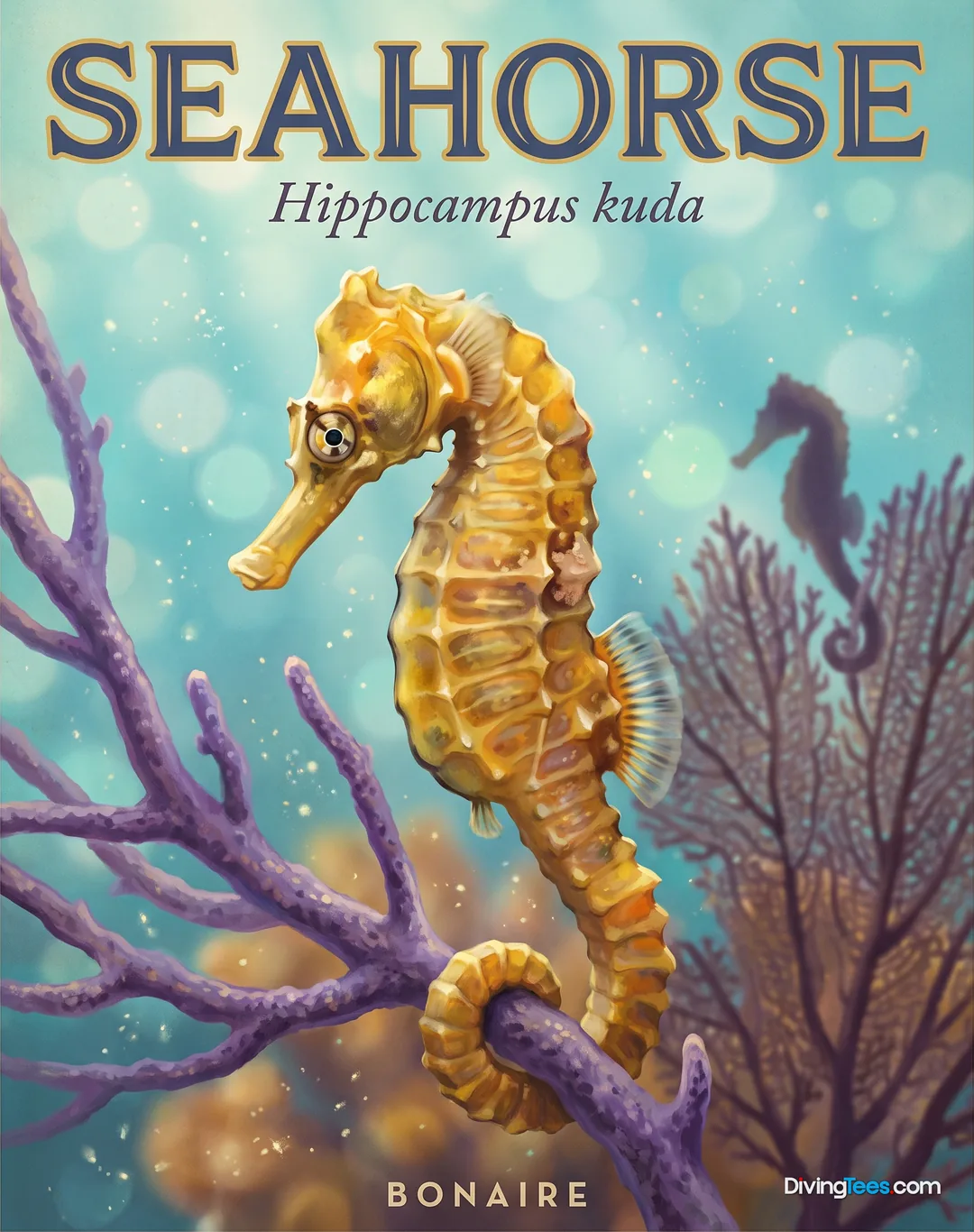
Across this route, the recurring spectacle is movement: barracudas, dolphins, reef sharks, sea turtles and morays appear in the site records again and again, with soft coral, groupers, manta rays, tuna, jacks, nudibranchs, octopuses and scorpionfish filling the reef scenes. The larger encounters depend on the site and the conditions. At Elphinstone, hammerheads, grey and silky sharks, oceanic whitetips, fusiliers and the recorded possibility of blacktip reef sharks and tiger sharks give the walls their reputation. Brothers Islands are the place for isolated oceanic reefs, where grey sharks, hammerheads and whitetip reef sharks may pass over hard coral, soft coral and gorgonians. Manta rays and sharks are also recorded at Rocky Island and Zabargad, where strong currents and remote reefs suit pelagic life. For slower observation, Marsa Egla and Marsa Mubarak offer dugongs and green turtles over seagrass. House Reef carries a rarer reward: a seahorse is recorded only there. Marsa Nakari House Reef is the site linked only to the stonefish, while Shaab Umm Gamar adds batfish, angelfish and sweetlips.


Who puts you in the water
The English-speaking crew includes dive guides and instructors who run detailed briefings and organise divers according to experience and the planned site. Passenger experience describes the guides as knowledgeable and the organisation as strong, with safety kept central during demanding trips such as Brothers and Elphinstone. JP Marine operates as a PADI-certified dive boat, and PADI courses and specialties can be taken during the trip, from beginner certification onward. Safety equipment includes emergency oxygen, first-aid kits, life jackets, fire alarms and extinguishers, flares, radio communications and rescue craft. The boat also carries a fish finder, searchlight and engine-room monitoring. Briefings are treated as part of the dive, not as a formality before it.
The dive deck and the gear
The dive deck is the reason JP Marine works well as a liveaboard. Each diver has personal storage and a dedicated station, with a shaded area protecting equipment and divers from the Red Sea sun. The platform leads directly to the water, and two 40 HP Zodiac tenders carry groups to sites when the boat cannot sit on the reef. Divers can use DIN adaptors, sidemount equipment and separate rinse tanks for cameras. Nitrox is available, including an unlimited package as an optional extra, and 12-litre and 15-litre Nitrox tanks are listed; 15-litre tank rental is also available. The mechanic keeps the filling operation closely tied to the dive plan: passenger feedback records tanks filled to 230/250 and Nitrox matched to the intended dives. Rental equipment includes BCDs, regulators, wetsuits, computers, masks, fins, boots, torches and full sets. Oxygen, first-aid kits, radar, GPS, VHF/DSC/SSB radio, an emergency beacon and rescue boats support the operation. A camera rinse tank is kept separate.
Between dives
Between dives, JP Marine gives divers two different places to settle. The shaded dive area is where equipment stays ready and where a return from the water can turn into a drink, a rinse and a short rest without crossing the whole boat. Above it, two sun decks and the observation area offer open air and sea views when the heat is welcome. The air-conditioned saloon is the better choice for cooling down, charging batteries and escaping the midday glare. It has a bar, an ice machine, a coffee machine and a water heater, with plenty of sockets reported around the seating area. Wi-Fi works when the boat is within coverage; remote stretches of the route can leave it unavailable. On a no-dive afternoon, the boat's value is in that choice between shade, air conditioning and open deck. Nobody needs to invent an activity to fill the interval.
A day on board
The week starts when check-in opens on Saturday evening. Dinner and the first briefing follow at around 20:00, giving the group its first look at the route and the way dives will be organised. Sunday brings departure once Red Sea police permission is in place, with the boat leaving between 06:00 and 13:00. From there, the day is built around the next briefing, the entry, the return to the platform, food and recovery before the following dive. Tanks are filled while divers eat, rest or sit in the shade, and Nitrox is prepared to match the planned profiles. The saloon and sun decks take over between water sessions; the bar, coffee machine and snacks make those gaps easy to use without dressing for shore. At the end of the trip, the boat reaches harbour on Friday afternoon or Saturday morning depending on the programme. The rhythm is not a resort timetable. It is a sequence of brief, dive, eat, sleep, repeat, with the sea passage connecting the sites.
What you eat aboard
The galley serves three buffet-style meals each day, with snacks after every dive. Fresh local ingredients are used, bread and pastries are baked on board, and vegetarian choices are included; vegan options are available as well. The menu combines local and Western cooking, with fish, seafood, meat, chicken, salads, cakes and fresh smoothies appearing in passenger accounts of the week. Non-alcoholic drinks, drinking water, tea, coffee and wine with dinner are included. Beer, other alcohol and cocktails are available separately, and divers may bring their own drinks. Meals are timed to the diving rather than treated as formal events: something substantial follows the water, while snacks bridge the shorter gaps. That matters on a liveaboard. A good table is not decoration when divers are repeatedly climbing ladders with wet gear; it is part of how the body gets ready for the next briefing.
Nights at sea
The cabins are divided between lower-deck and upper-deck categories, with air conditioning, a private bathroom, hot water and a standard window. Their useful feature is their position away from the engines: after a day in the water, the bunk is not placed directly over the mechanical noise. Upper-deck cabins add sea views, while the sun deck and terrace give the boat its daylight rather than making the cabin the only place to retreat. Passenger experience suggests the cabins are standard liveaboard rooms, not oversized hotel rooms. There is also a practical detail worth knowing: the air conditioning in two upper-deck cabins on opposite sides is linked, so neighbouring guests may need to agree on the temperature. That is a small compromise, but a real one. Daily cabin cleaning, cabin towels and separate non-smoking cabins keep the basic routine simple, leaving the space to do what it needs to do: let divers sleep between dives.
Lower Deck Cabins
Upper Deck Cabins
What to know before boarding
JP Marine departs from and returns to Marsa Alam. Transfers are included from Marsa Alam and Hurghada airports, and from hotels in Hurghada or Marsa Alam city. The usual airport pickup window is Saturday from 12:00 to 18:00, while hotel pickups run from 12:00 to 16:00; the exact arrangement is communicated for the booking. Arriving the night before is the safer practical choice, especially for flights that do not fit those windows.
- Year built
- 2014
- Length
- 37 m
- Maximum number of passengers
- 28
- Number of cabins
- 14
- Number of bathrooms
- 14
- Engines
- 2 × 610 hp MAN
- Tenders
- 2 Zodiac 40 hp
- Website
- jpmarine.net ↗
Hello, I'm Marina, DivingDeal.com's AI assistant. I answer in detail about hotels, dive centres and liveaboards.
Thinking about the whole trip and the flights? Talk it over with Edith →
Marina is an AI. Some links are affiliate links: DivingDeal may earn a commission, at no extra cost to you. Bookings are made with the partner.