

Let's Dive Tulamben
Google 5/5 (2,215 reviews)
Bali · Indonesia · Asia
Explore the diverse artificial reef structures and natural pinnacles of Batu Emerald, a site known for its barrel sponges, reef sharks, and the occasional thresher shark sighting.
For subtitles in English: start the video firstthen click the gearat the top right of the video, select “Subtitles/CC”, then “Auto-translate” and choose “English”.
Diving Batu Emerald begins with a journey by traditional jukung, transporting you to one of the standout dive sites in the southeastern reaches of Tulamben Bay. As you descend, the sandy slopes immediately reveal a compelling mix of natural and artificial reef features. Submerged cars and other deliberately placed structures serve as vital focal points, acting as nurseries and shelters for a myriad of smaller reef inhabitants, creating intricate ecosystems for observation.
The landscape transitions from these artificial elements to a natural reef teeming with life, showcasing an impressive array of sponges. You'll navigate through areas dominated by massive barrel sponges, their cavernous forms providing habitat, alongside delicate elephant ear sponges clinging to small walls. These formations, intertwined with robust hard corals, create a dynamic underwater garden where macro life thrives in sheltered crevices and open spaces.
This site is particularly renowned for its resident reef sharks, which you'll often encounter patrolling the deeper sections of the reef or cruising along the outer edges of the slopes. Their consistent presence underscores the health and rich biodiversity of Batu Emerald, offering divers recurrent opportunities to observe these apex predators in their natural hunting grounds. Keep a keen eye out, as their sleek forms merge seamlessly with the blue.
Beyond the established reef shark population, Batu Emerald is also a known location for more elusive pelagic encounters. Thresher sharks (Alopias vulpinus), with their distinctive long tails, occasionally sweep through the deeper zones, a thrilling sight for those patient enough to wait. Similarly, observant divers might spot eagle rays (Aetobatus narinari) gliding gracefully across the open water, adding another dimension to the dive experience.
The sandy patches between the artificial structures and natural reef host a diverse micro-world. Look closely, and you'll find intricate gardens of eels swaying rhythmically with the subtle currents, their heads peeking from the sand. Here, you might also spot various gobies, perfectly camouflaged against the substrate, alongside the delicate ornamental arrowfish (Oxymonacanthus longirostris) and the unusual ghost pipefish (Solenostomus paradoxus), demanding a slower, more deliberate exploration.
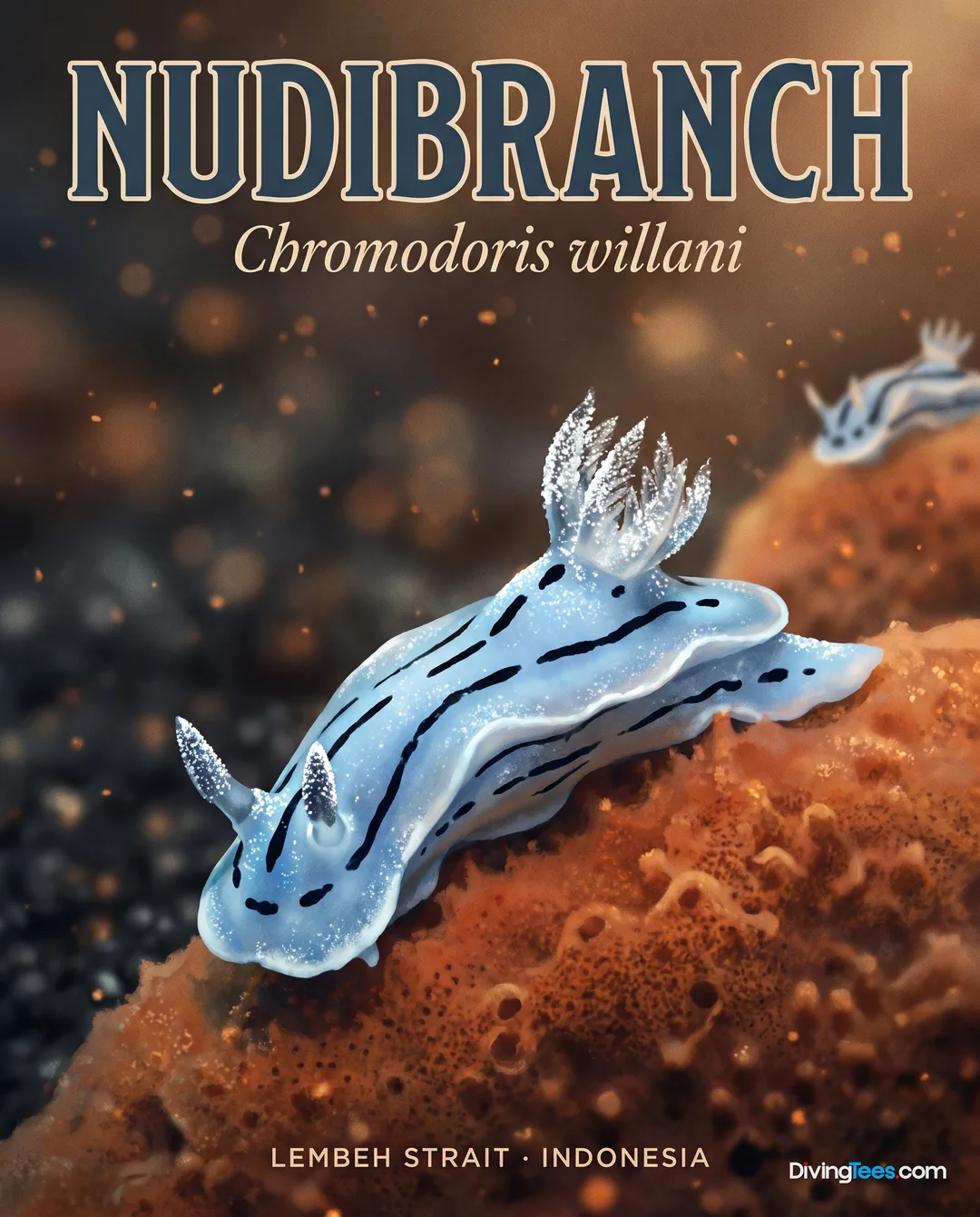
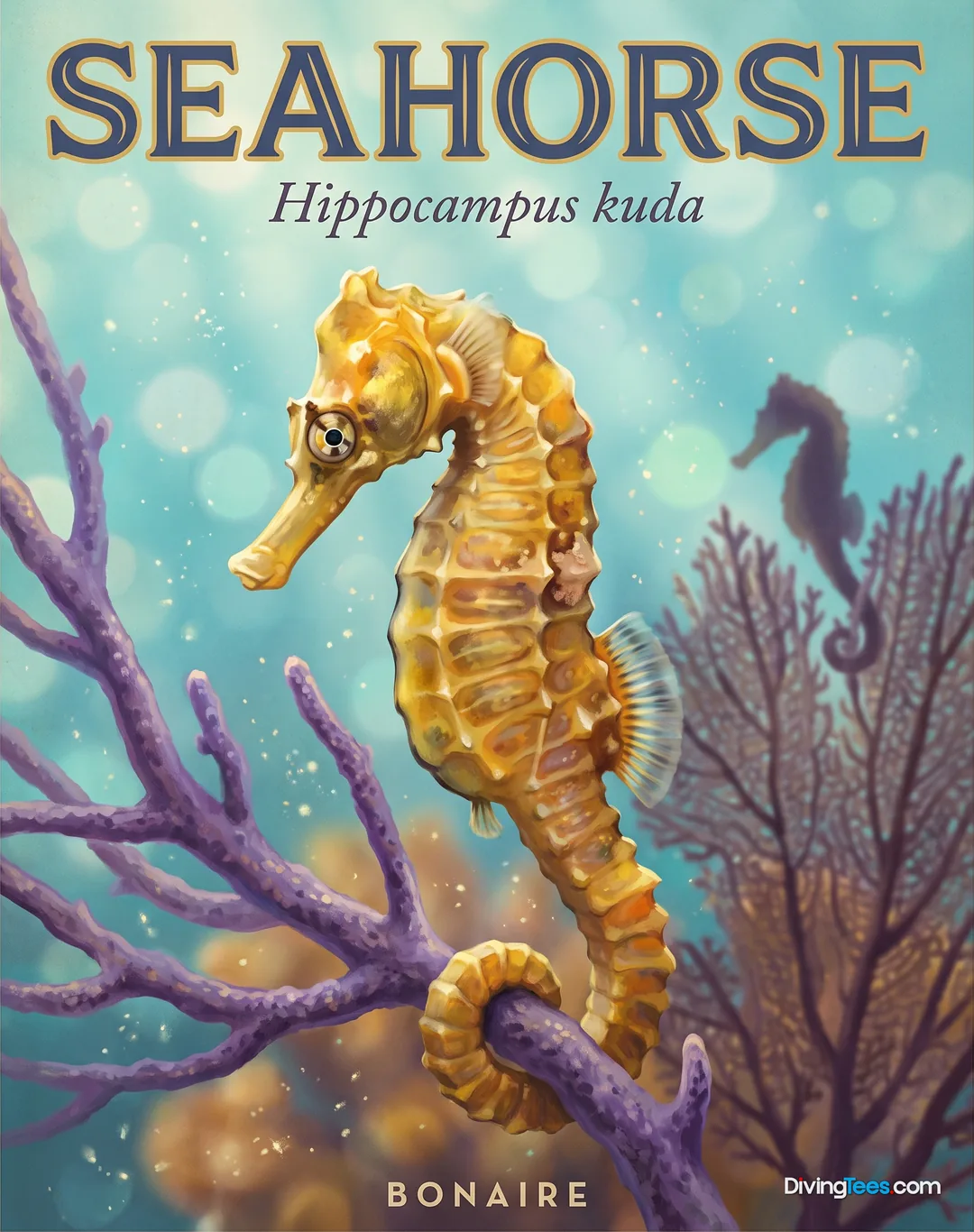
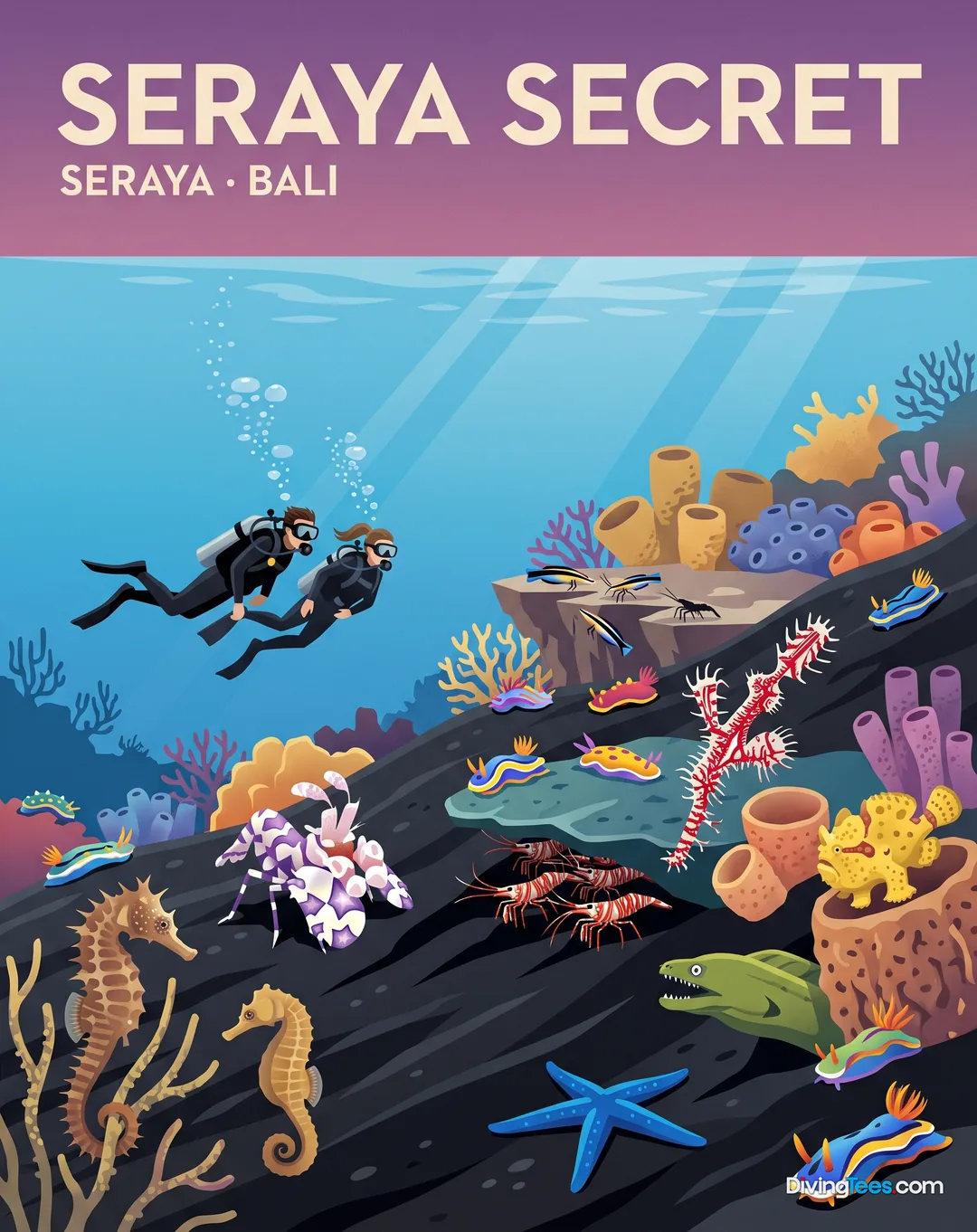
Nudibranchs in an astonishing array of colours and forms are ubiquitous across the reef, hidden among corals and sponges, offering endless photographic opportunities. The occasional pygmy seahorse (Hippocampus bargibanti) can be found clinging to specific gorgonian corals, a testament to the site's rich macrofauna. Octopus (Octopus vulgaris), cuttlefish (Sepia officinalis), and various lionfish (Pterois volitans) and scorpionfish (Scorpaenopsis spp.) are also common residents, showcasing the site's vibrant biodiversity from the very small to the subtly larger.
Batu Emerald is accessible by Open Water Diver certification. The typical visibility ranges between 10 to 40 meters, offering clear perspectives on the reef structures and marine life. Currents are generally weak to absent, providing a relaxed diving experience that allows for detailed exploration of the various habitats.
Batu Emerald is accessible with an Open Water Diver certification. The site combines sandy slopes, artificial reef structures, submerged cars, and natural reef areas, allowing you to explore habitats where smaller reef creatures shelter among hard corals, sponges, and sandy patches.
Currents at Batu Emerald are generally weak to absent, creating relaxed conditions for exploration. You can take time to examine artificial reef structures, sponges, corals, sandy patches, and the smaller animals living around them, while still watching the deeper reef sections and outer slopes.
Visibility at Batu Emerald typically ranges from ten to forty meters, giving you clear perspectives across reef structures and marine life. This visibility can help you examine submerged cars and natural habitats, look into sheltered crevices, and watch animals moving along the reef and through open water.
At Batu Emerald, you can see resident reef sharks, with thresher sharks and eagle rays in the deeper blue. The reef also shelters barrel and elephant ear sponges, pygmy seahorses on gorgonians, nudibranchs, ghost pipefish, eel gardens, ornamental arrowfish, gobies, octopus, cuttlefish, lionfish, and scorpionfish.