Adventure Divers Bali
Google 5/5 (1,690 reviews)
3.6 km away as the crow flies
Bali · Indonesia · Asia
Max. depth · 30 mExplore a shallow Japanese wreck and a thriving coral nursery within a calm, sheltered bay.
For subtitles in English: start the video firstthen click the gearat the top right of the video, select “Subtitles/CC”, then “Auto-translate” and choose “English”.
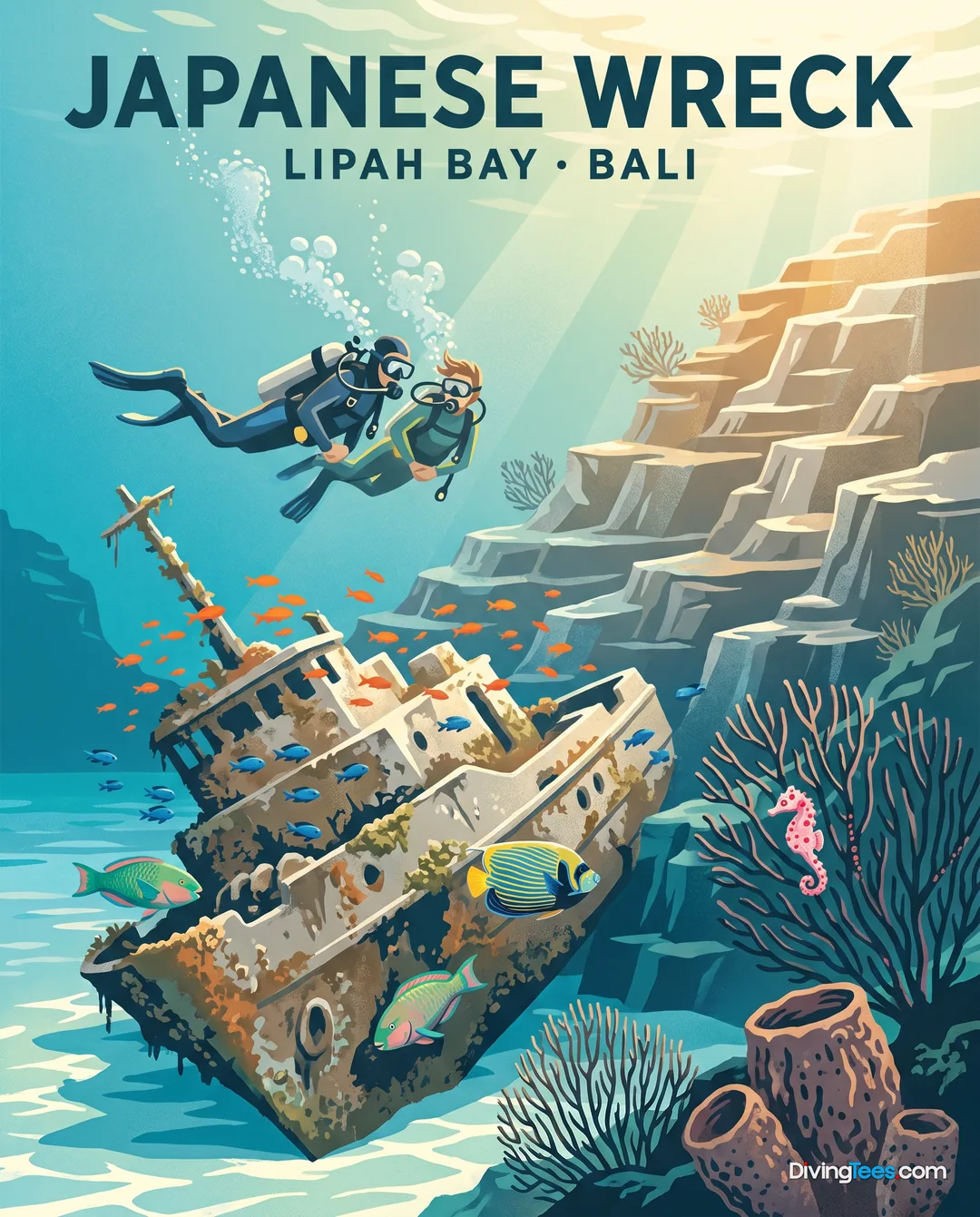
Lipah Bay presents a diverse underwater topography that transitions from shallow, sheltered waters to a more structured reef slope. The site begins with a shallow Japanese wreck, situated at depths between 3 and 12 metres, which serves as a focal point for many divers. This wreck is integrated into a landscape of coral-encrusted volcanic rocks and varied seabed textures. As you move away from the wreck, the terrain evolves into a series of hard-coral gardens and sandy patches. This layout makes the site accessible for different levels of experience and various diving objectives.
The upper section of the reef is characterized by a gentle slope that descends through vibrant coral gardens. You will encounter a variety of structures including large bommies and sections covered in sponges and gorgonian fans. These features provide complex habitats for a wide range of resident species. The presence of sandy patches and seagrass areas between the coral formations allows for easy navigation and provides different environments for specialized marine life. This combination of features ensures the site remains interesting throughout the entire depth range.
A significant biological feature of Lipah Bay is its role as a nursery for juvenile reef sharks. You can often find these white-tip reef sharks sheltering beneath the protection of large table corals. This behavior makes the site a unique location for observing early life stages of apex predators in a relatively calm environment. While the sharks are often found in the shallower reef sections, the presence of such a nursery adds a layer of biological interest to the site's ecological profile.
The deeper portion of the site drops to approximately 30 metres, where the landscape shifts toward a more pronounced reef slope. This deeper zone is dominated by sponge-covered sections and more rugged terrain. It offers a different experience from the shallow wreck area, focusing on larger coral structures and deeper-water reef dynamics. The transition from the shallow plateau to the deeper slope allows divers to experience multiple ecological zones within a single dive.
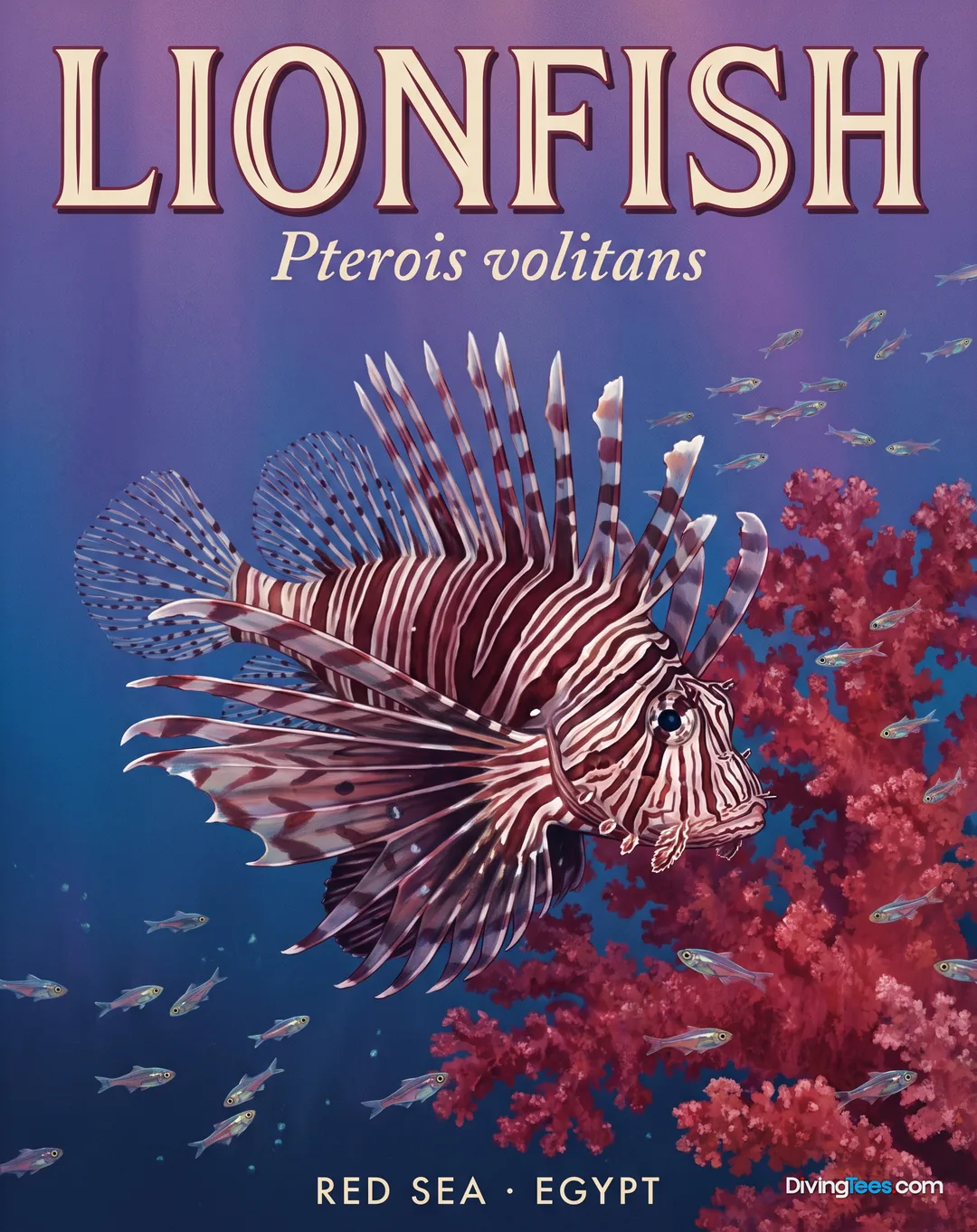
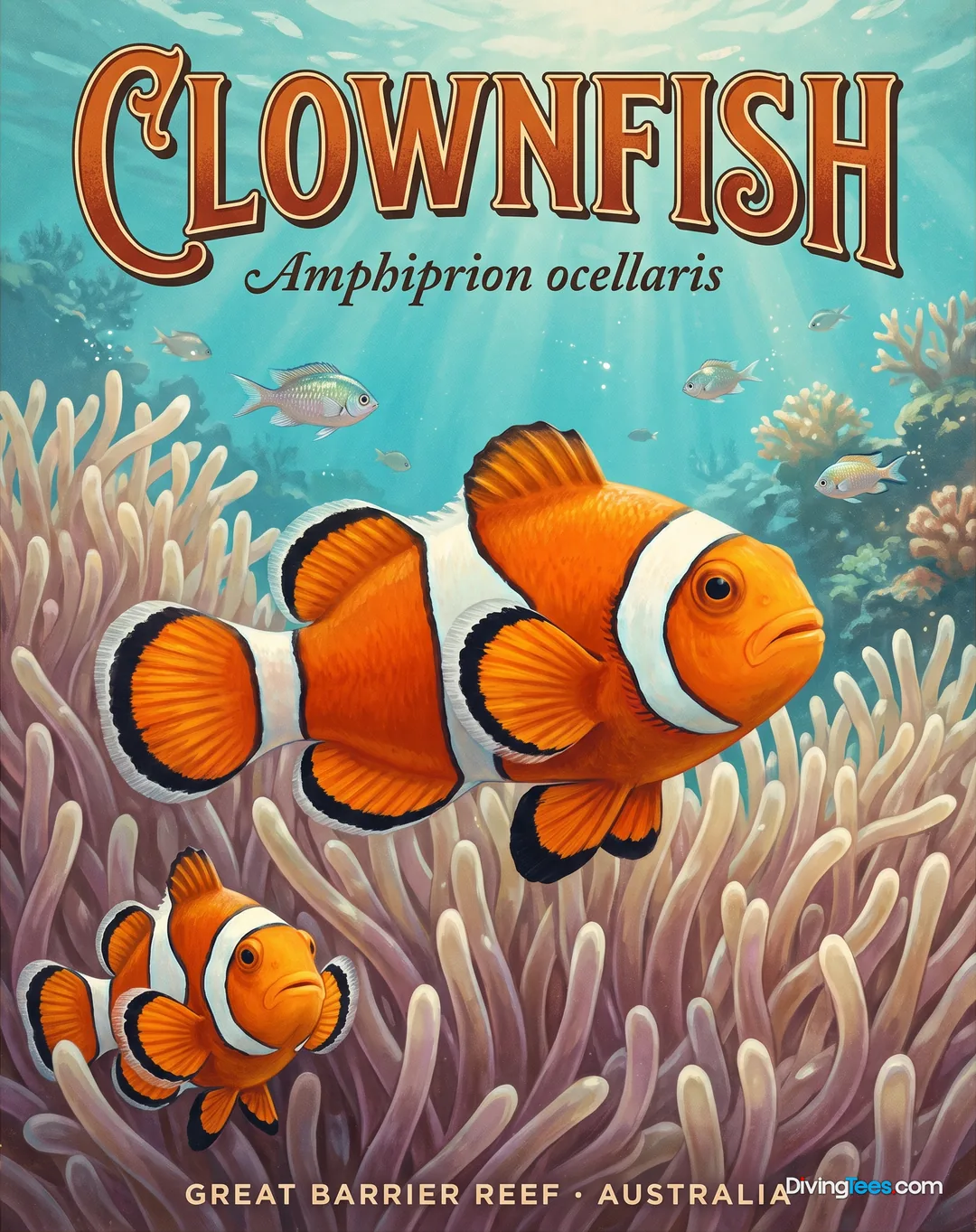
The marine life at Lipah Bay is diverse, catering to those interested in both macro and larger reef species. You can observe various inhabitants such as clownfish, lionfish, and scorpionfish among the coral formations. For those looking for more elusive species, the site is known to host frogfish and ghost pipefish. Other residents include moray eels, blue-spotted stingrays, and various species of nudibranchs. This concentration of species makes the site a consistent choice for photographers and naturalists alike.
Visibility at the site typically ranges between 10 and 25 metres, providing clear views of the coral gardens and reef structures. However, these conditions can be influenced by seasonal changes, particularly during the wet season. Increased rainfall can lead to runoff that might temporarily reduce visibility. When conditions are optimal, the clarity allows for detailed observation of the intricate structures within the sponge gardens and coral fields. Observing the site during the drier months ensures the most consistent visibility for your dives.
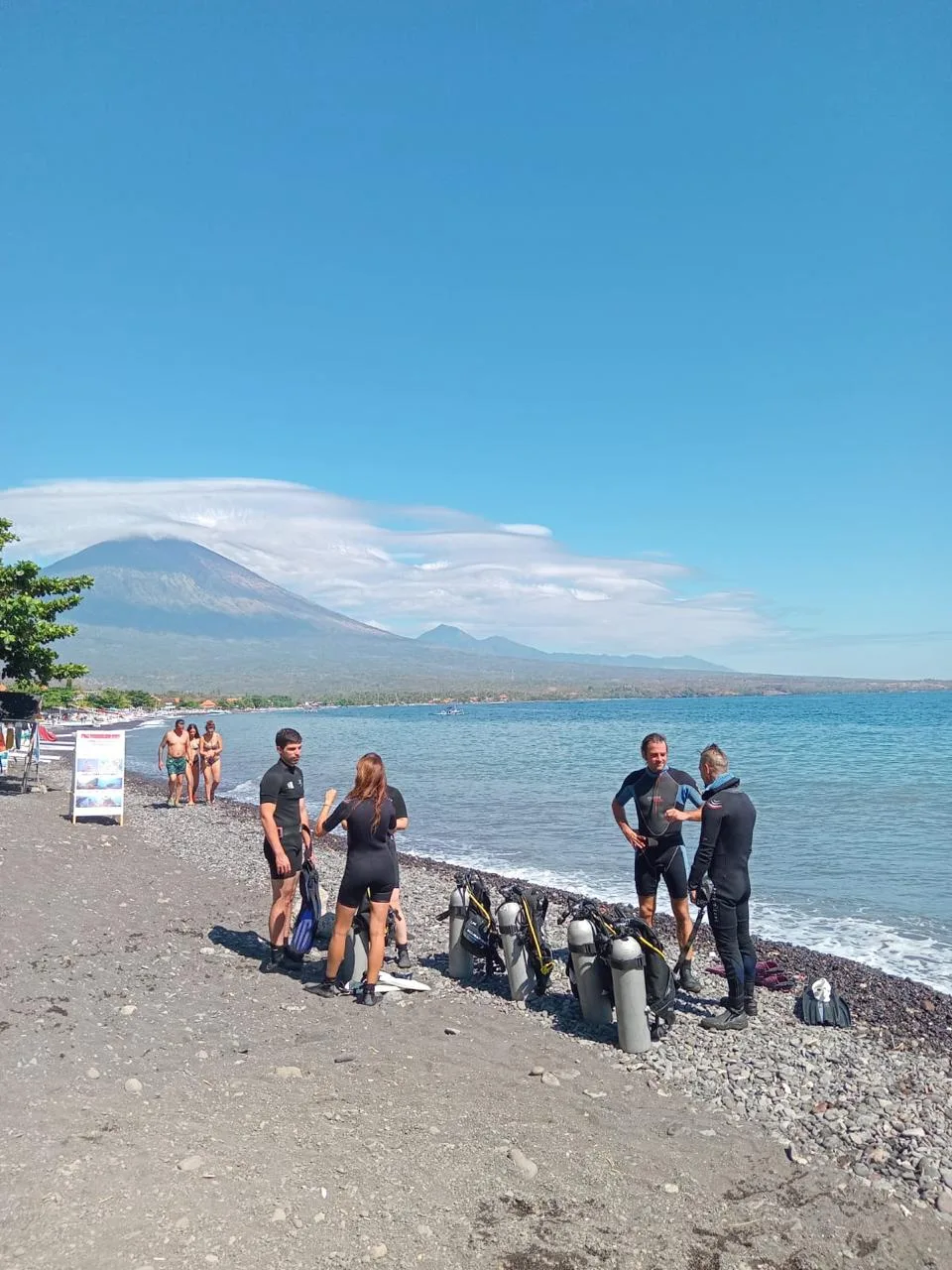
Navigating Lipah Bay is generally straightforward, as the site is typically approached from the shore via a sandy or stony beach. Some operators may utilize a short jukung or dive-boat ride for easier access. Because the site lacks a fixed line, you will mostly follow the natural contour of the reef slope. This method of navigation requires attentive buoyancy control, especially when moving between the sandy patches and the coral-encrusted rocks. The gentle nature of the bay makes it a highly accessible location for recreational divers.
The site ranges from 3 to 30 metres in depth. It is accessible from Open Water Diver level, though deeper sections require appropriate depth certification and experience. Current is generally light, though mild drift or stronger flow can occur around the point and the outer coral field. Visibility is between 10 and 25 metres, but can deteriorate during the wet season due to rainfall and runoff. The best time to dive is from April to November during the southeast monsoon.
You can dive Lipah Bay throughout the year, but the preferred period is from April to November during the southeast monsoon. Visibility is typically between 10 and 25 metres, while rainfall and runoff during the wet season can temporarily reduce clarity. Drier months generally provide more consistent views of the reef.
Lipah Bay is accessible to Open Water Divers, with depths ranging from 3 to 30 metres. The shallow Japanese wreck lies between 3 and 12 metres, while the deeper reef slope reaches 30 metres. Diving the deeper sections requires suitable depth certification and experience, while the gentle topography suits varied experience levels.
Current at Lipah Bay is generally light, making the site approachable for recreational diving and navigation along its natural reef contours. You may encounter mild drift or stronger flow around the point and the outer coral field. Attentive buoyancy control remains useful when moving between sandy patches and coral-encrusted rocks.
At Lipah Bay, you can explore a shallow Japanese wreck, coral gardens, sponge-covered rocks, gorgonian fans, sandy patches, and a reef slope. Marine life includes juvenile white-tip reef sharks, frogfish, ghost pipefish, clownfish, lionfish, scorpionfish, moray eels, blue-spotted stingrays, and nudibranchs, with rich macro life for photographers.