
Alam Kita
★★★
★ 9.5/10 (191 reviews)
10 km away as the crow flies
Dive centre · Java · Indonesia
4.764 Google reviewsExplore the pristine reefs of the Karimunjawa archipelago from a private island resort with a dive centre established in 1999.
For subtitles in English: start the video firstthen click the gearat the top right of the video, select “Subtitles/CC”, then “Auto-translate” and choose “English”.
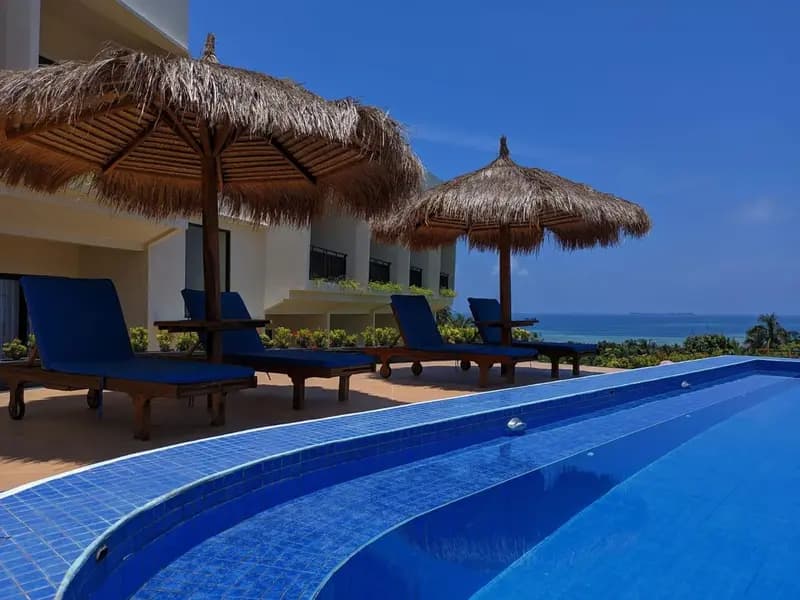
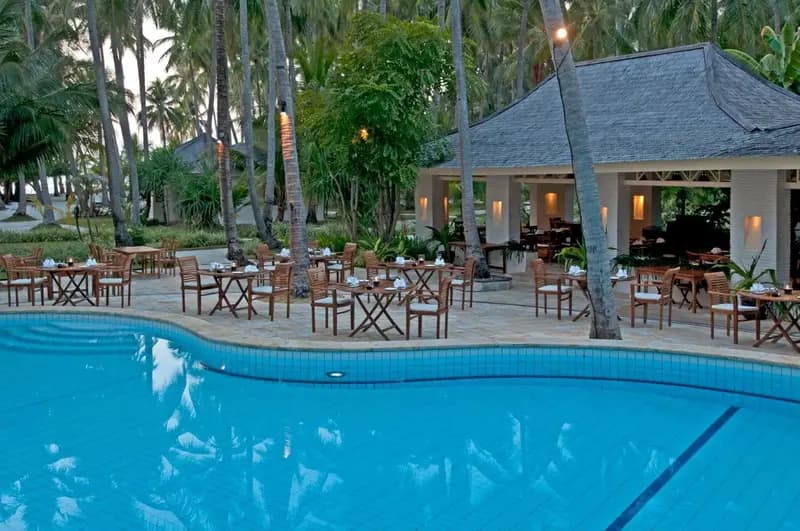
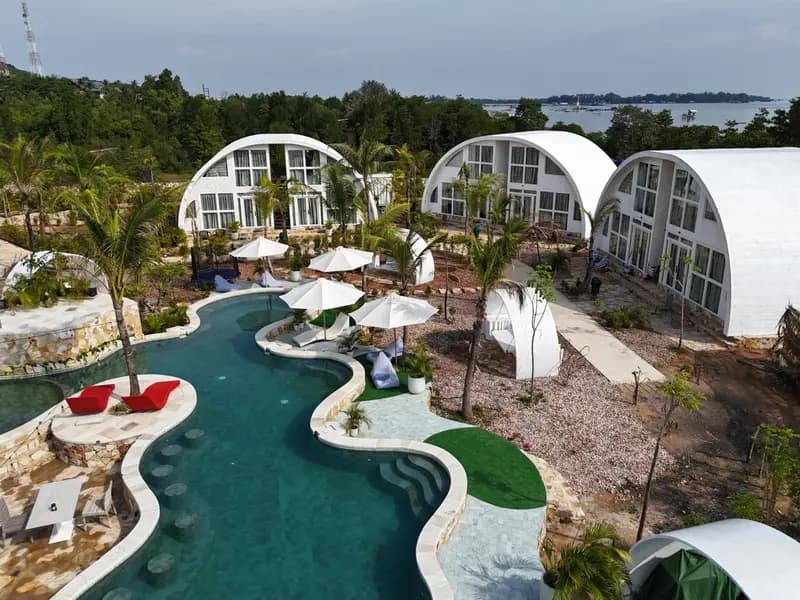
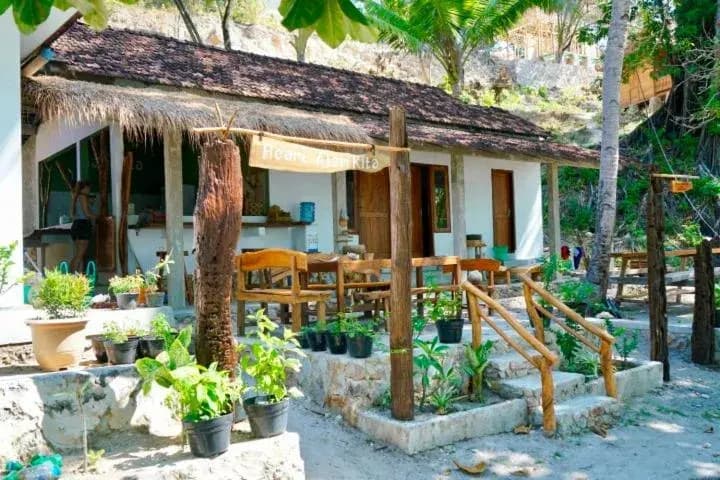
Kura Kura Resort is situated on Menjawakan, a 22-hectare private tropical island in the heart of the Karimunjawa archipelago. The resort is set within a national marine park and a biosphere reserve, ensuring the surrounding waters remain largely untouched by mass tourism.
The resort operates exclusively during the dry season from May to October. Access is managed via a private flight service from Semarang followed by a private speedboat transfer, providing a secluded environment for those looking to dive the 27 islands of the archipelago.
The dive centre has been operating since 1999, bringing over two decades of experience to the Karimunjawa region. As a PADI affiliated centre, it provides structured training and guided diving for various experience levels.
The centre focuses on environmental stewardship, utilising permanent moorings to protect the coral reefs from anchor damage and employing water purification systems to maintain the island's ecological balance.
A full range of PADI courses is available on-site, catering to everyone from those looking to try the water for the first time to advanced divers. The curriculum includes Discovery Scuba Diving and Bubblemaker for beginners, as well as the PADI Scuba Diver course.
For those looking to advance their qualifications, the centre offers PADI Open Water Diver, Advanced Open Water Diver, and Scuba Refresh programmes. This allows divers to build their skills in the local environment before moving on to more complex diving.
The centre offers full equipment hire for divers who prefer not to travel with their own kit. This includes BCDs, regulators, wetsuits, fins, and masks. For night diving, torches are available for hire.
Specific individual items such as dive computers and dive lights can also be rented. The resort's commitment to sustainability includes the use of local materials and comprehensive water purification systems on the island.
Indonor is a shallow wreck site reaching a maximum depth of 16m, making it an ideal spot for macro photography. The cargo ship is long enough to be explored entirely and serves as a hub for various crustaceans and nudibranchs.
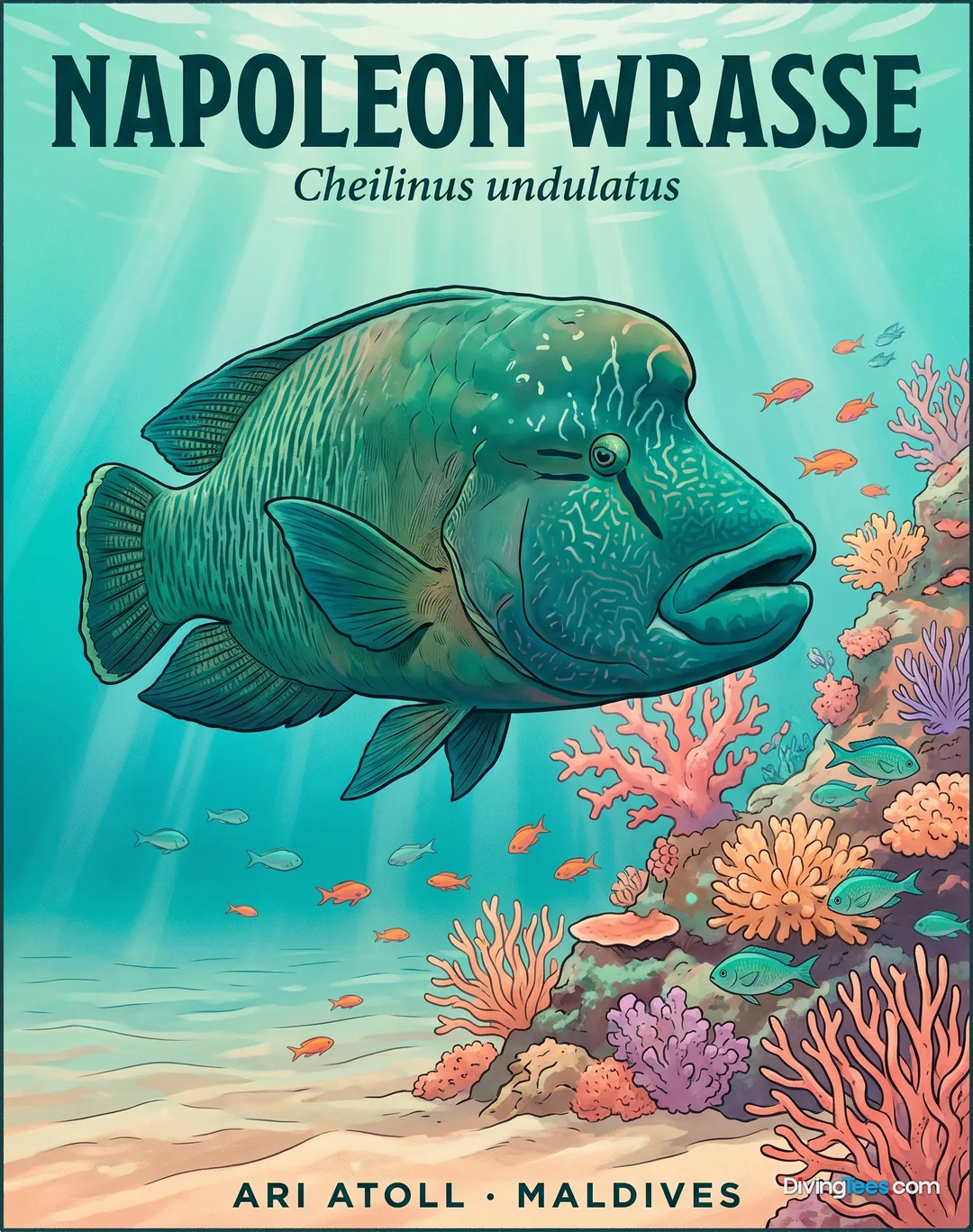
Burung is an atoll located 30 minutes from the resort, featuring a coral tongue that forms a wall dropping to 30m. You can expect moderate currents here, which often bring larger fish such as Napoleon wrasse (Cheilinus undulatus) and barracuda.
Sleeping Beauty is a coral garden located just five minutes by boat from the resort. It is a prime location for night dives, where you can find bamboo shark juvenile and blue-ringed octopuses among the reef structures.
Menjangan features a coral slope and a wooden wreck that sits between 8m and 27m. The site is known for its abundance of Batfish (Platax), scorpionfish (Scorpaenidae), and juvenile barracuda.
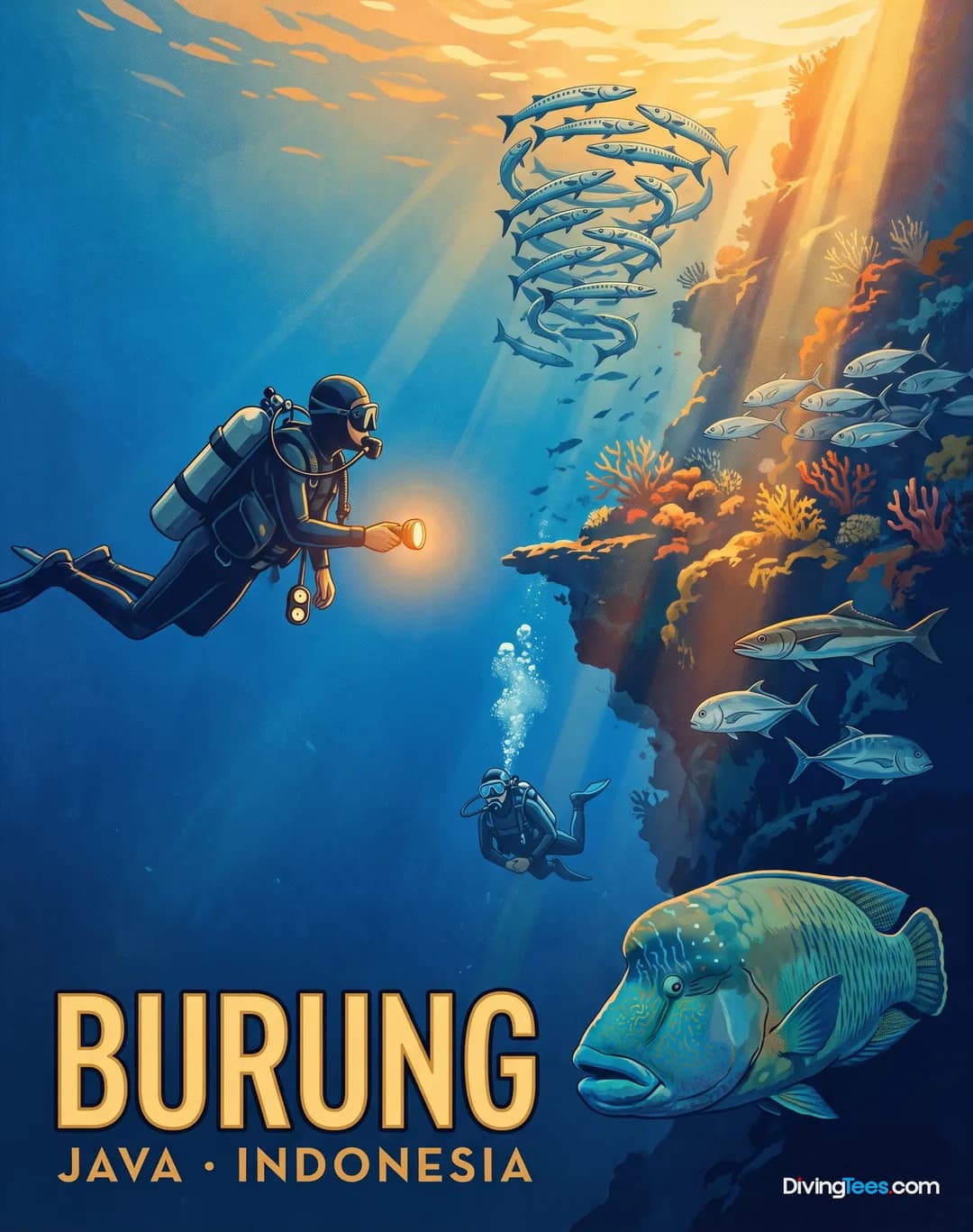
down to 30 m
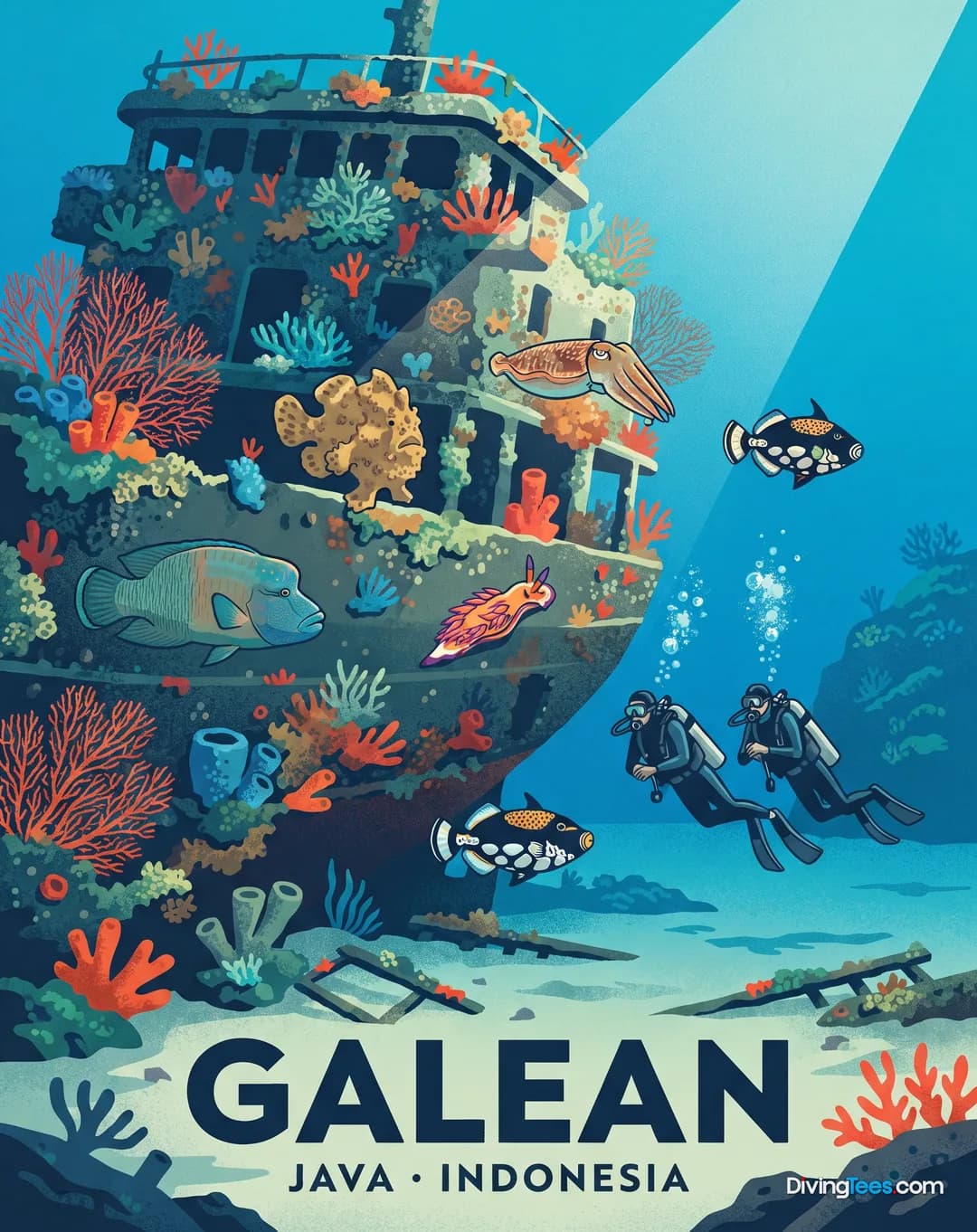
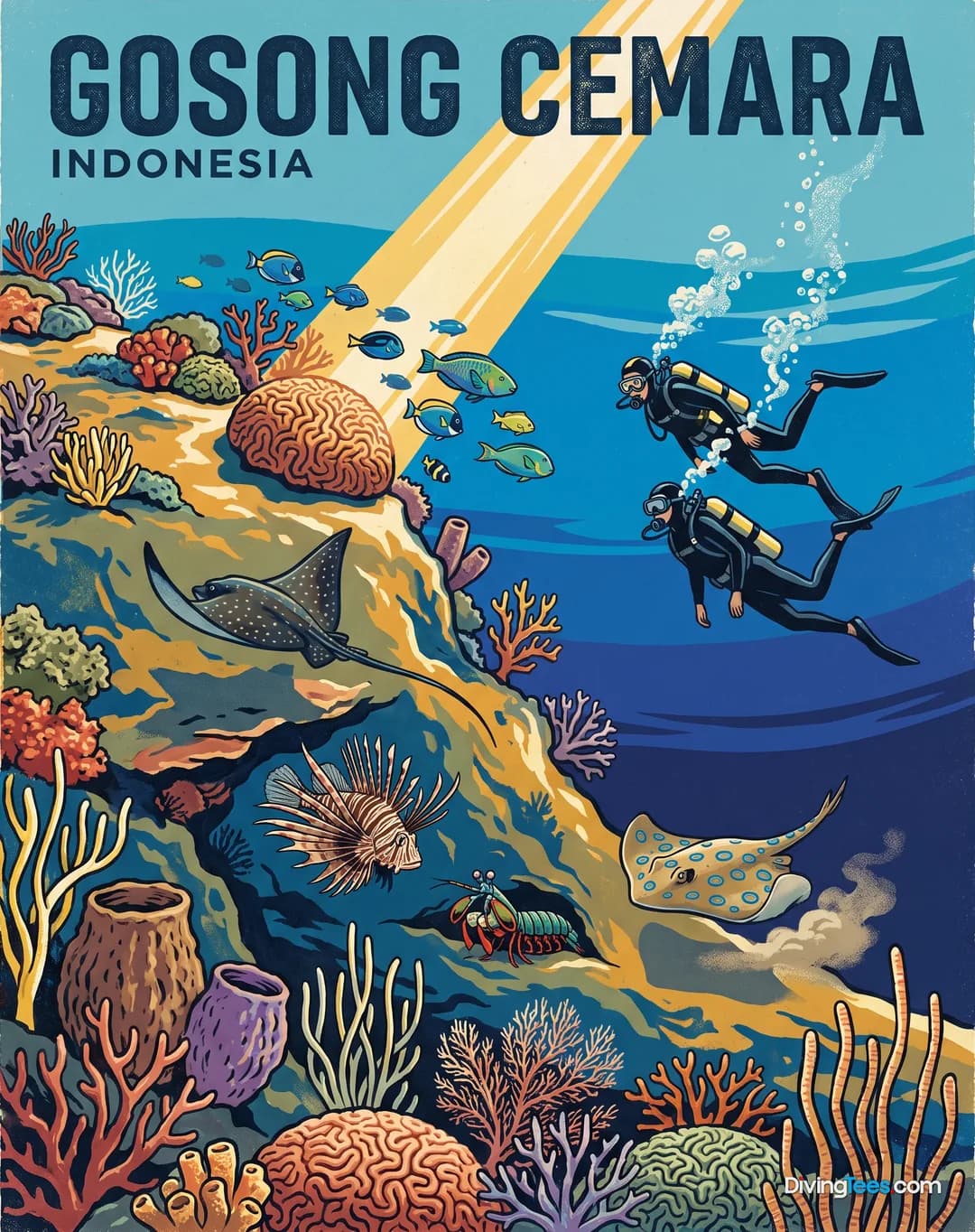
down to 27 m
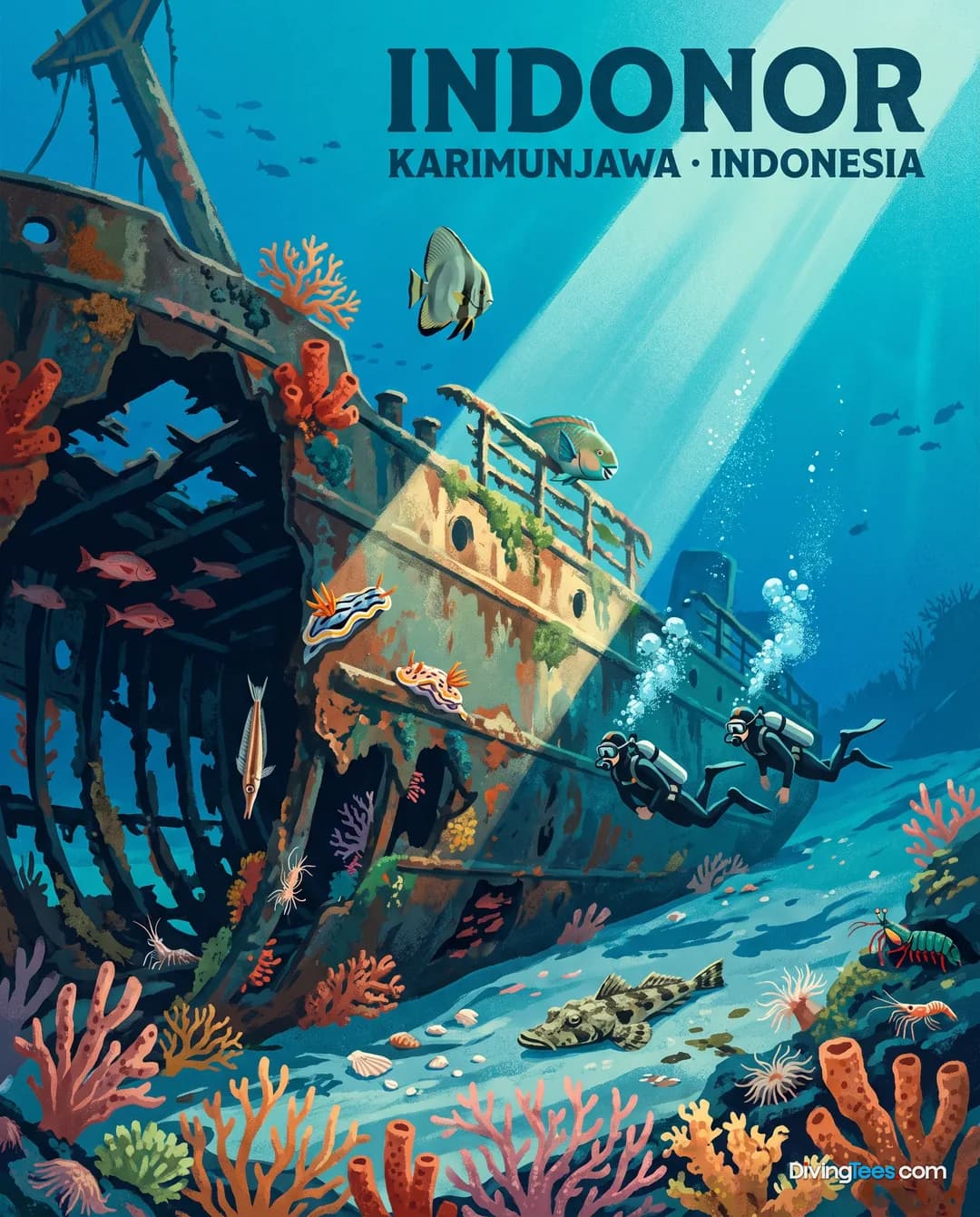
down to 16 m
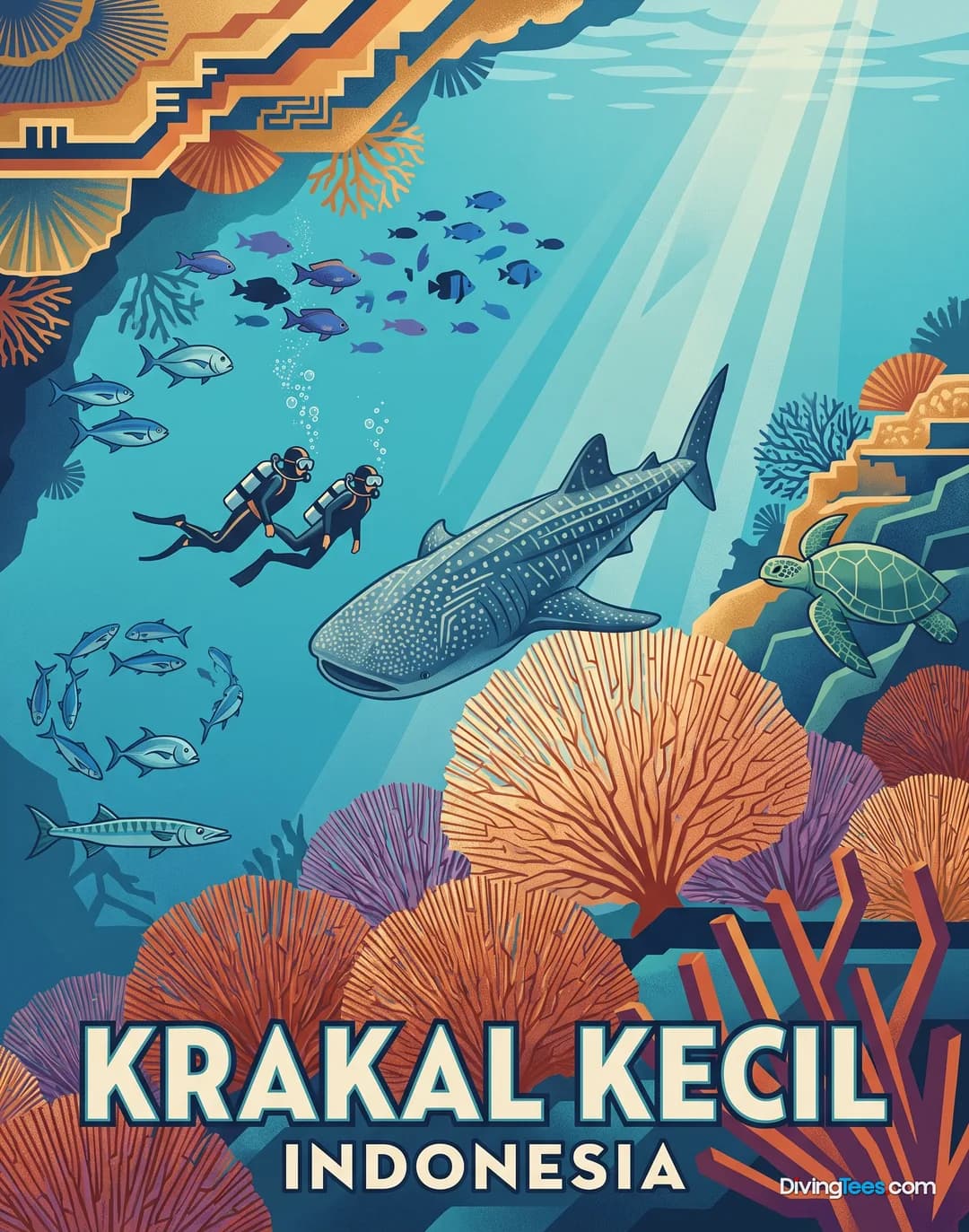
down to 26 m
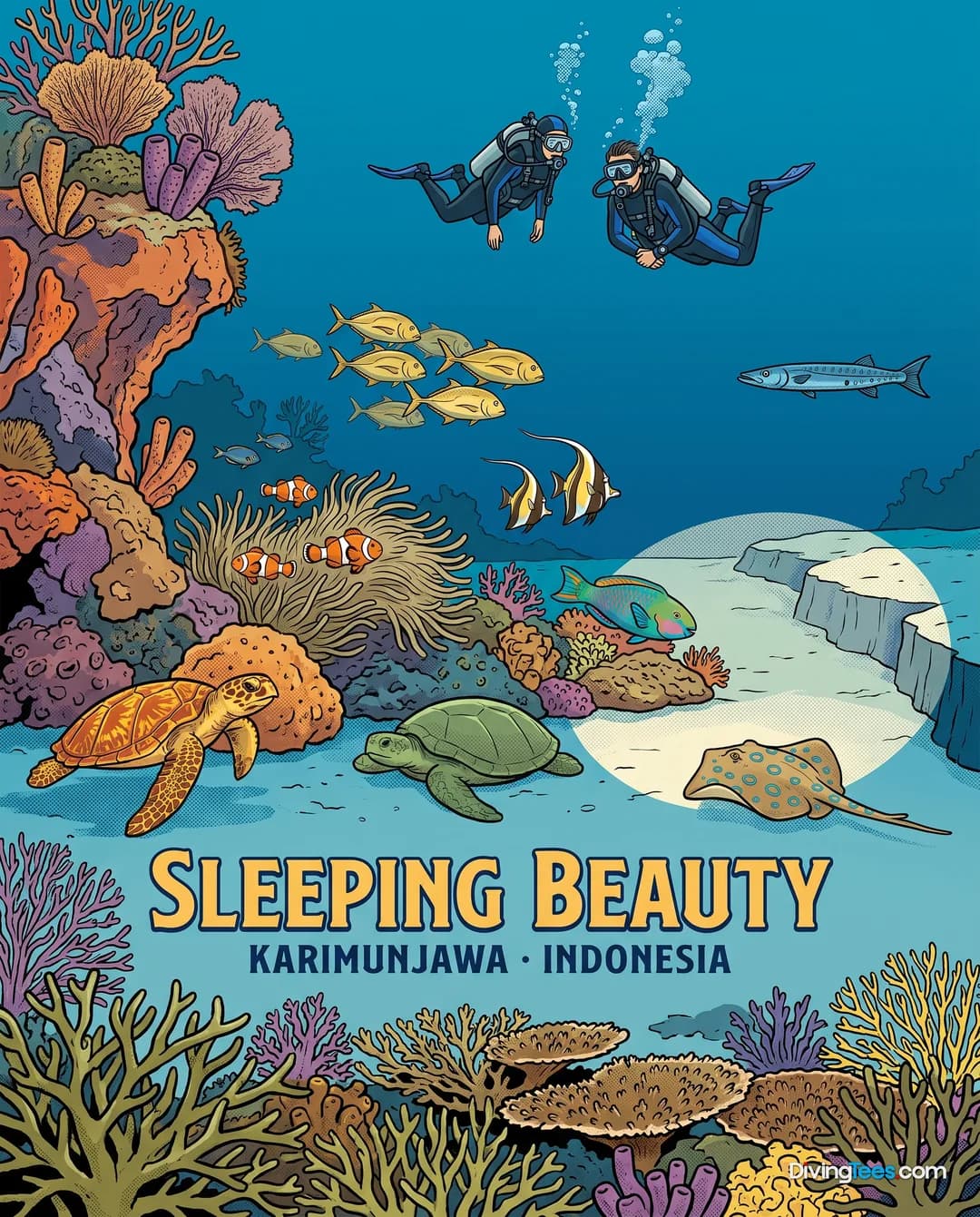
And some of the dive sites the centre runs.
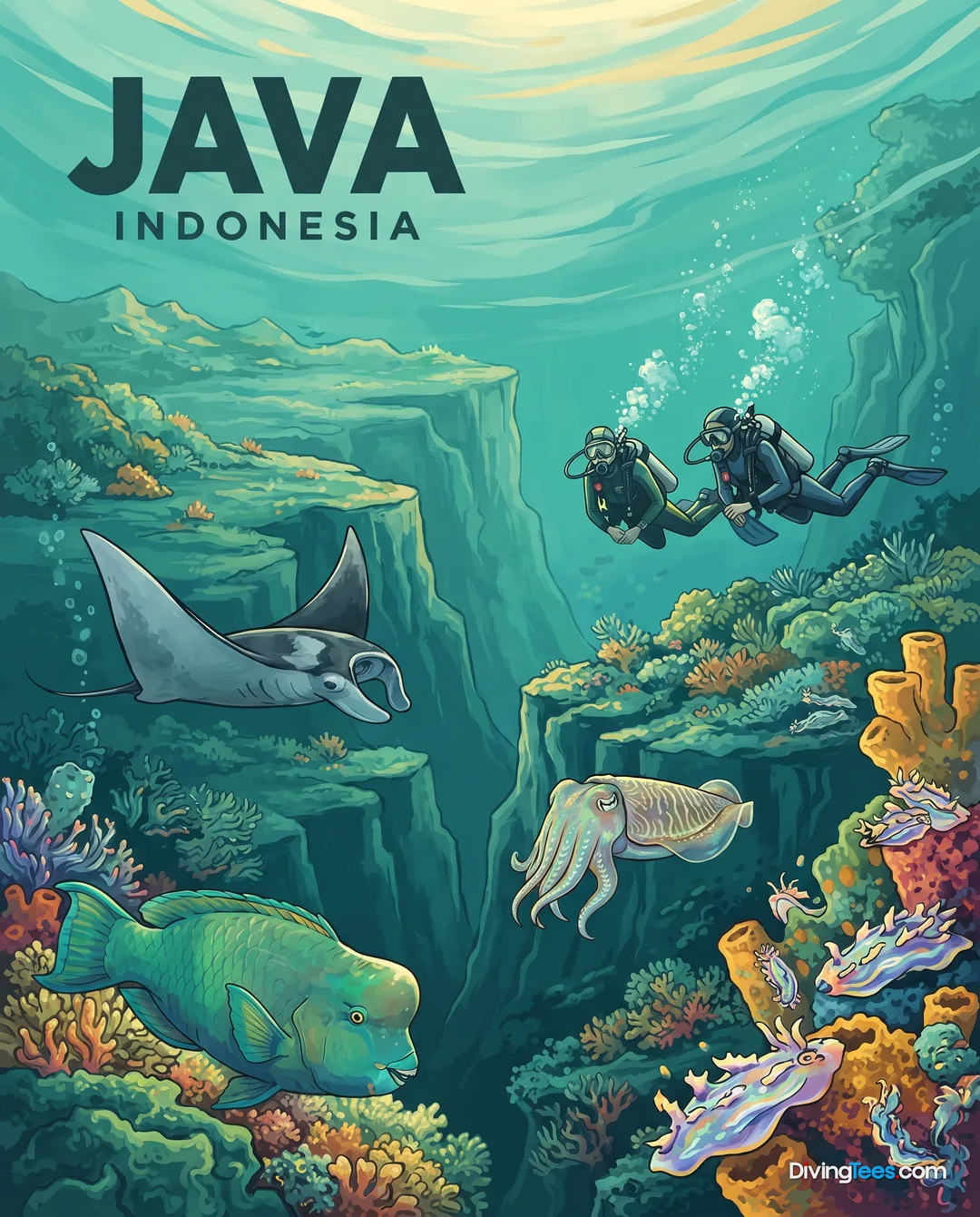
The reefs are characterised by a high density of hard and soft corals, including colourful Acropora, massive gorgonians, cauliflower corals, pillar corals, and various Alcyonacea species. These structures provide a complex habitat for a vast array of reef fish.
In the water, you will regularly encounter Hawksbill turtle (Eretmochelys imbricata), Green sea turtle (Chelonia mydas), and various species of snapper (Lutjanus). Large schools of fusilier (Caesio), jacks (Carangidae), and sardines (Sardina pilchardus) are common, alongside moorish idols and longfin bannerfishes.
Macro enthusiasts will find plenty to observe, including a variety of nudibranch (Chromodoris willani), mantis shrimp, and ghost shrimps. The sites are also home to many crustaceans such as lobster (Homaridae), sponge crabs, and various species of anemone shrimp and whip coral shrimp.
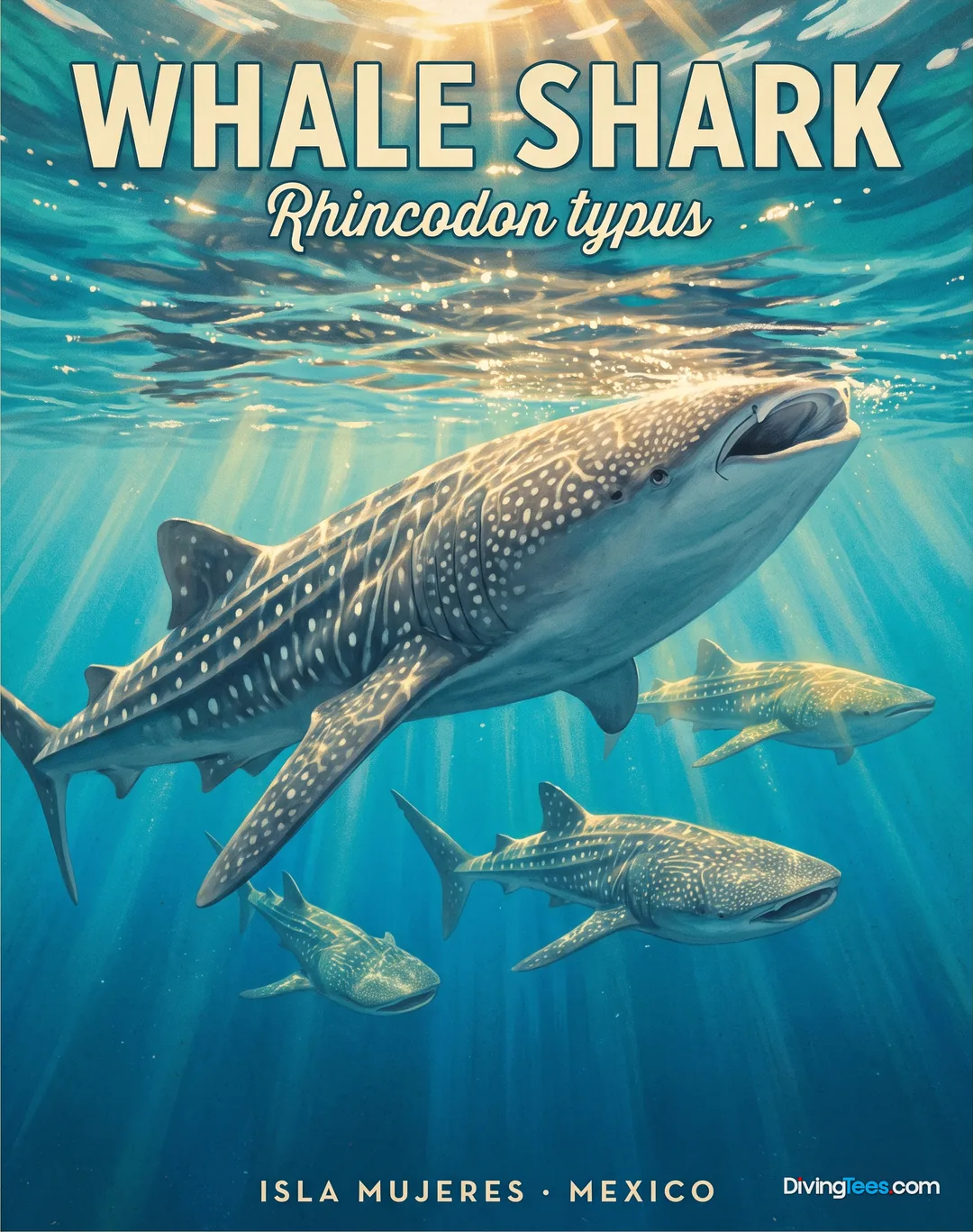
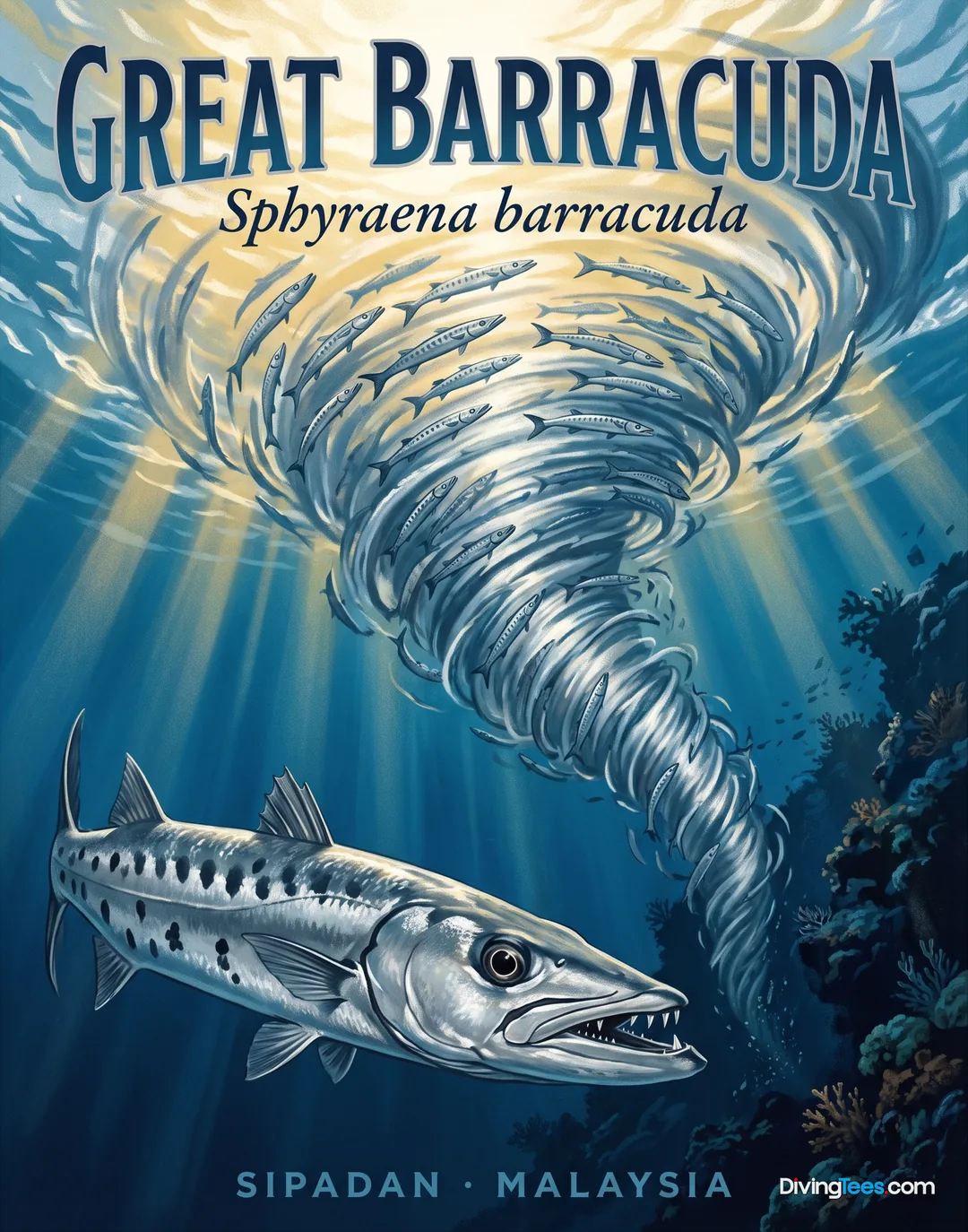
During the months of September and October, there are rare opportunities to encounter the whale shark (Rhincodon typus). Larger pelagics like the Great barracuda (Sphyraena barracuda) and eagle ray (Aetobatus) also visit the area.
Diving in the archipelago is generally characterised by calm conditions with minimal currents, except for specific sites like Burung where moderate currents may occur. The best time to visit the region is during the dry season from May to October.
The sites vary from shallow reef flats and slopes to deeper atolls and walls, allowing for a wide range of diving experiences depending on your certification level.
Hello, I'm Marina, DivingDeal.com's AI assistant. I answer in detail about hotels, dive centres and liveaboards.

Thinking about the whole trip and the flights? Talk it over with Edith →
Marina is an AI. Some links are affiliate links: DivingDeal may earn a commission, at no extra cost to you. Bookings are made with the partner.