Uber Scuba Komodo
Google 5/5 (1,538 reviews)
26 km away as the crow flies
Komodo · Indonesia · Asia
Max. depth · 30 mPolice Corner combines a dramatic vertical wall with sloping reefs, offering varied dive profiles influenced by the region's strong currents.
For subtitles in English: start the video firstthen click the gearat the top right of the video, select “Subtitles/CC”, then “Auto-translate” and choose “English”.
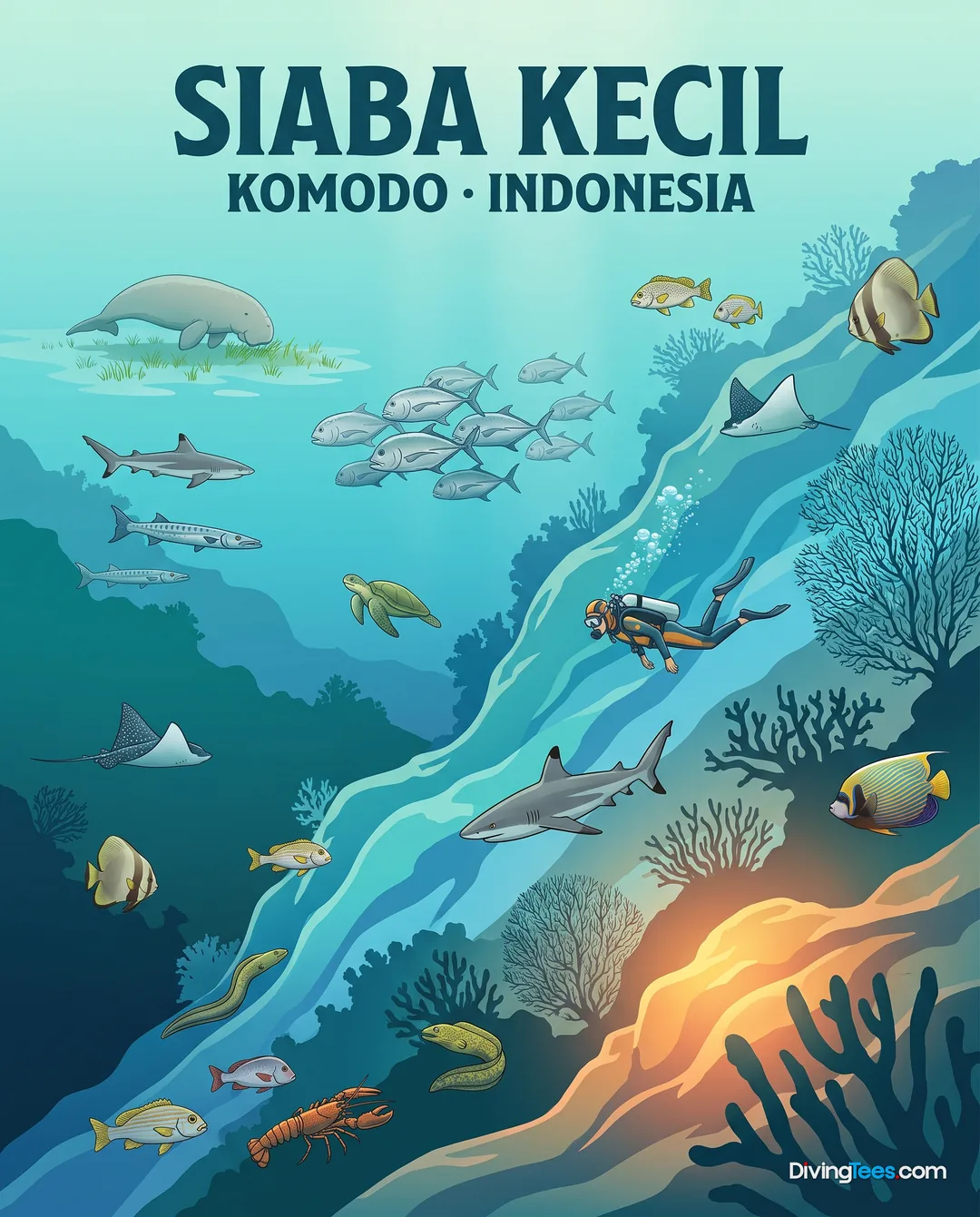
Police Corner is located along the coast of Padar Island, presenting a dive that transitions from a strong vertical wall to a sloping reef. The descent brings you down along a dramatic face starting around 10 metres. This wall is heavily encrusted with a diverse coverage of soft corals, large gorgonian fans, and various sponges, creating a vibrant ecosystem from top to bottom. The current here can range from mild to significant, often dictating the dive profile as a drift.
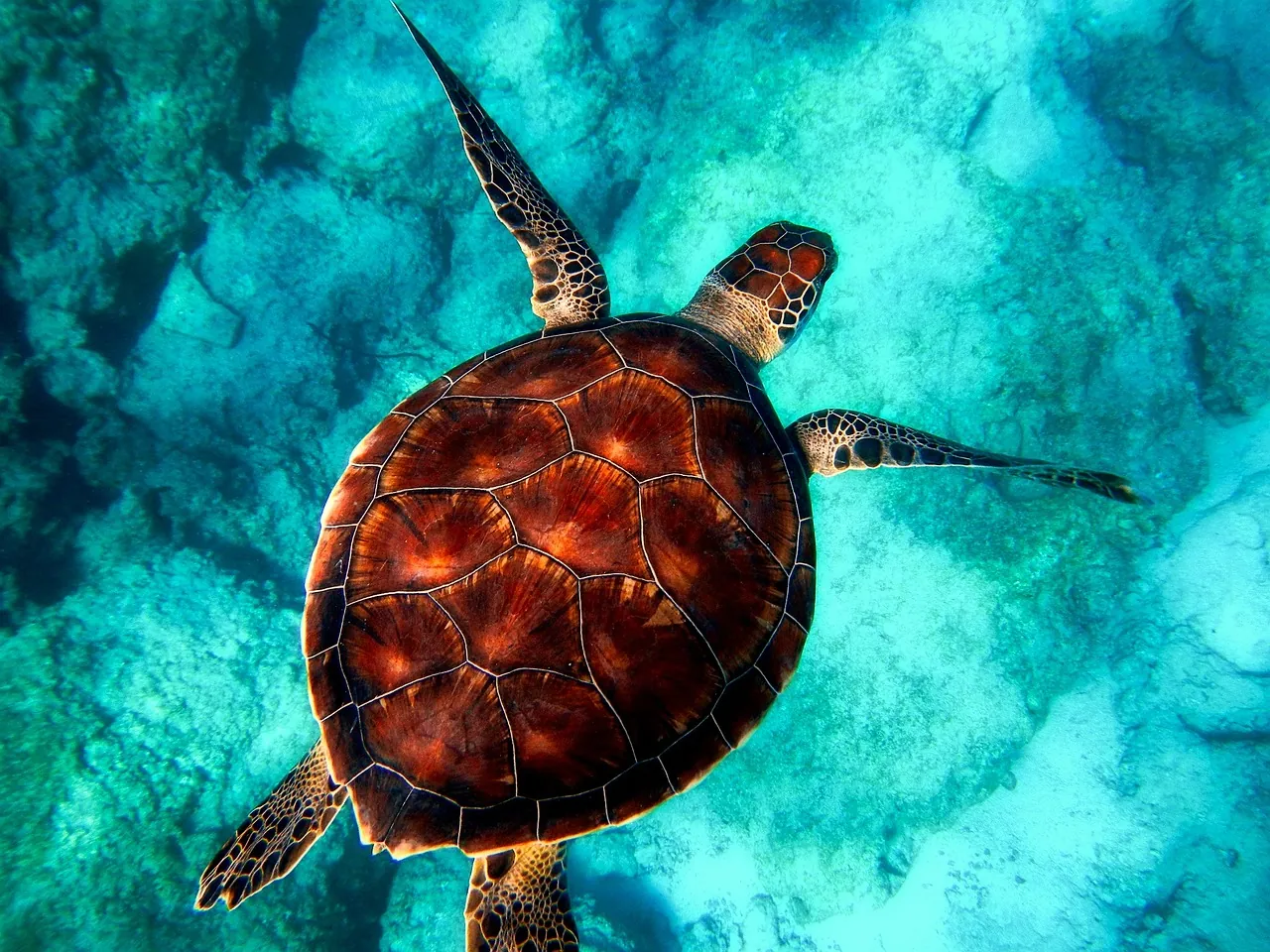
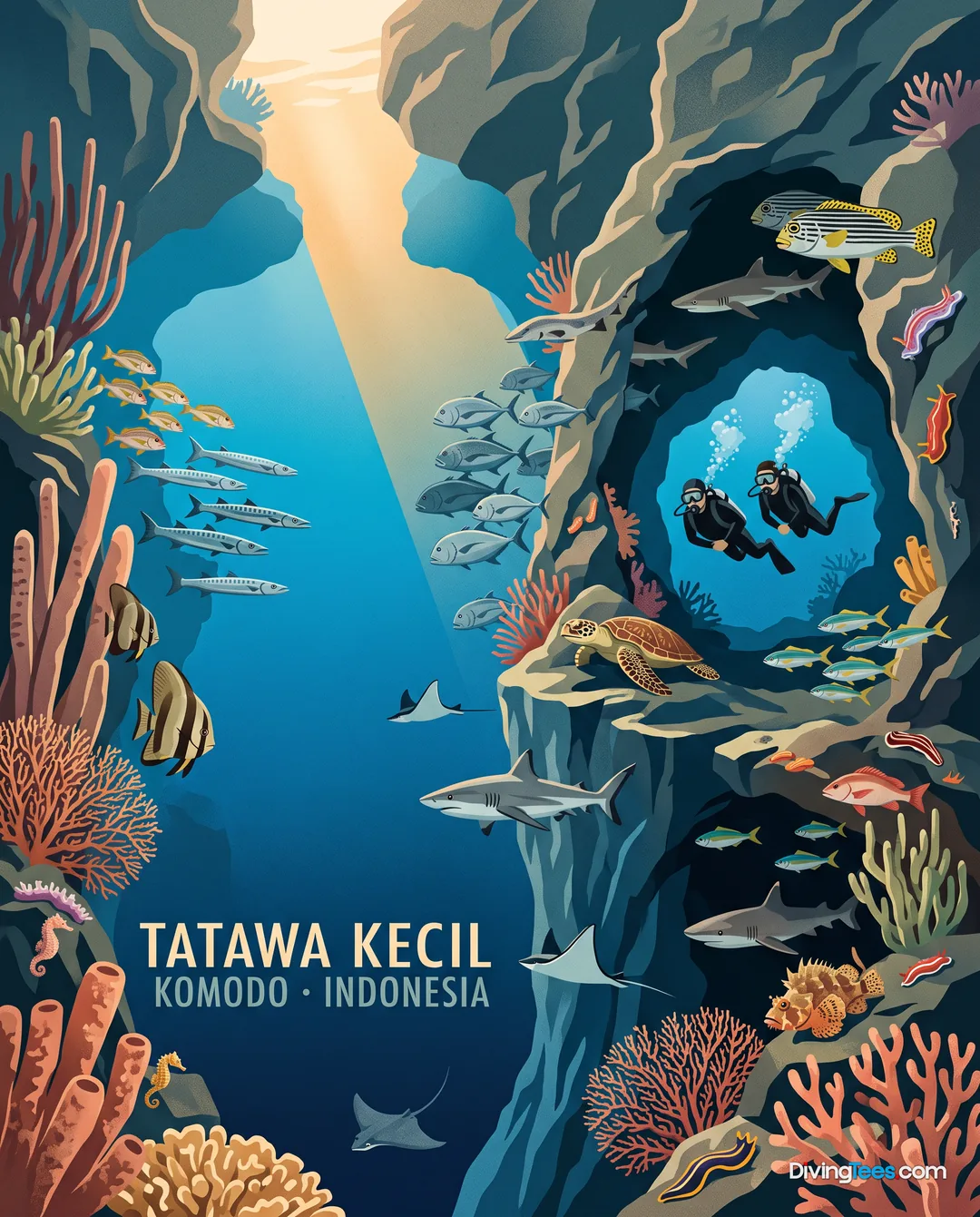
As you move away from the sheer wall, the topography shifts into a sandy slope, extending past 25 metres. This area serves as a transitional zone where you can observe a different set of marine life. Keep an eye out for green sea turtles (Chelonia mydas) or hawksbill turtles (Eretmochelys imbricata) feeding, and both blacktip reef sharks (Carcharhinus melanopterus) and whitetip reef sharks (Triaenodon obesus) patrolling the deeper sections. Large schools of bumphead parrotfish (Bolbometopon muricatum) are also regularly seen grazing on the reef, especially in areas with moderate current.
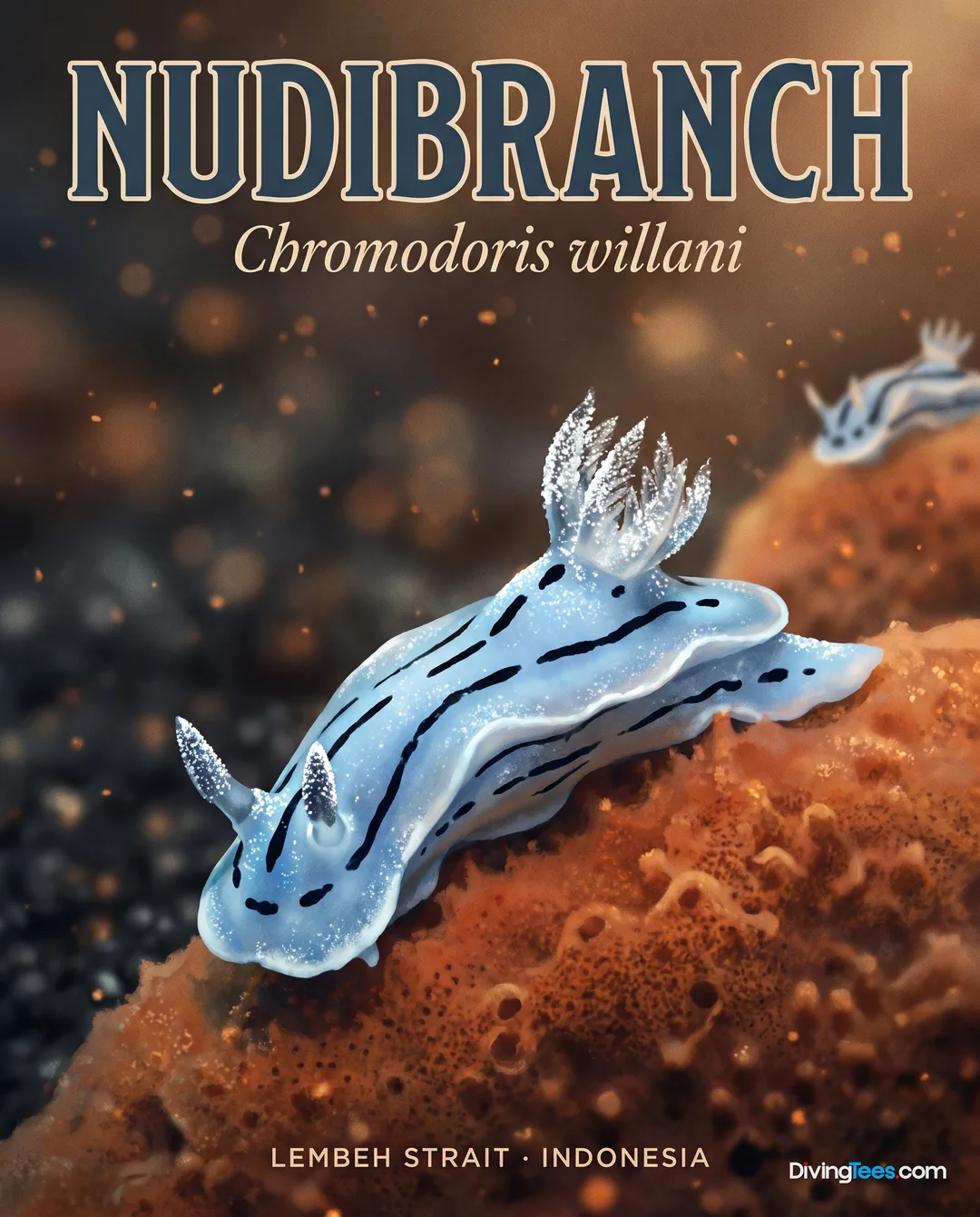
The site is also known for specific geological features, including rocky and coral galleries deeper in the reef structure. These formations provide shelter and foraging grounds for a variety of marine animals. This intricate network of small caverns and overhangs offers a different perspective on the reef, often revealing creatures that prefer secluded spaces, such as moray eels (Muraenidae), scorpionfish (Scorpaenidae), and various species of nudibranch (Nudibranchia).
Visibility at Police Corner is generally good, but the site's biodiversity is heavily influenced by the prevailing currents. These currents bring in nutrient-rich water, drawing in larger species while also creating challenging conditions at times. The best action, including interactions with schools of reef fish and occasional pelagics, tends to occur between 10 and 25 metres, making the mid-water column frequently dynamic.
While the strong current can be demanding, this variability is also what supports the rich ecosystem. It’s essential to plan your dive according to the tides, as conditions can shift rapidly from calm to strong drifts. This makes Police Corner a prime example of a site where understanding the local current patterns is key to a rewarding and safe dive experience, allowing you to fully appreciate the mix of macro life and larger pelagic encounters.
Dive depth at Police Corner ranges from 10 to 30 metres. This site requires an Advanced Open Water certification due to the presence of currents that can vary from mild to strong, making it suitable for experienced divers. Access is dependent on tidal conditions, as currents significantly impact the dive. Water temperature typically ranges between 26°C and 28°C.
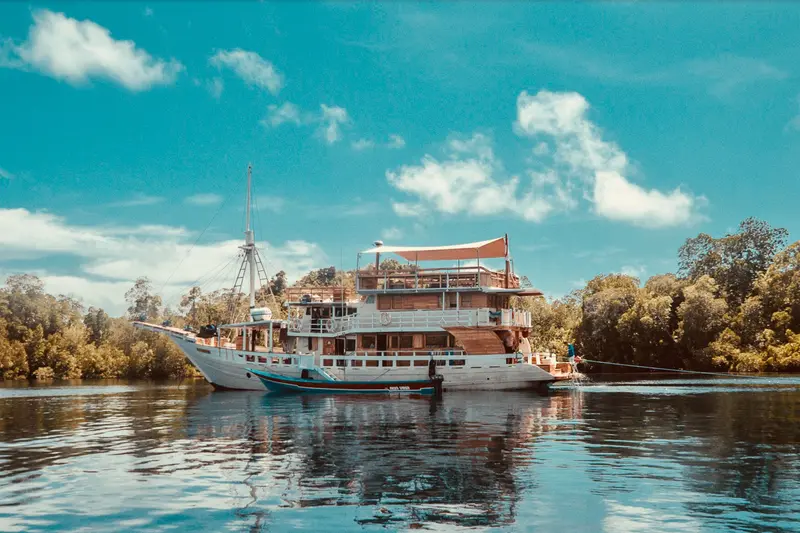
37 liveaboards depart from Komodo another way to explore the region, over several days at sea.
Police Corner is planned around the tides, because tidal conditions affect access and currents can shift rapidly from calm to strong drifts. Water temperature typically ranges from 26°C to 28°C. Planning with the local current pattern helps you experience the site according to its changing conditions.
Police Corner requires Advanced Open Water certification because currents can range from mild to strong. You should be comfortable with changing conditions and drift diving, as the current often dictates the dive profile. The site is intended for experienced divers who can plan around variable current strength.
Police Corner ranges from 10 to 30 metres. The descent follows a vertical wall beginning around 10 metres, then continues toward a sandy slope extending past 25 metres. Much of the action, including reef fish schools and occasional pelagic encounters, occurs between 10 and 25 metres.
Police Corner can have mild to significant currents, creating a dynamic drift dive and attracting nutrient-dependent marine life. You may see green or hawksbill turtles, blacktip or whitetip reef sharks, bumphead parrotfish schools, pelagic species, nudibranchs, moray eels, scorpionfish, soft corals, and gorgonian fans.