Lembeh · Indonesia · Asia View on the map
Max. depth · 28 mDiving Bianca, Lembeh: staghorn corals and muck diving slope
Transition from shallow staghorn coral beds to a classic silty muck slope at 28 metres.
What makes this site special
- Mandarinfish in shallow staghorn coral beds
- Transition from coral reef to silty muck slope
- Presence of Banggai and Pajama cardinalfish
- Diverse macro life including frogfish and nudibranchs
- Combination of hard corals and soft sponge formations
- Reliable daytime sightings of specialized species
For subtitles in English: once the video has started, click the gearat the top right of the video, select “Subtitles/CC”, then “Auto-translate” and choose “English”.
Bianca about the site
The geography of Bianca is defined by its transition from shallower reef structures to a descending silty slope. You begin your dive near a permanently moored white phinisi, which serves as a reliable landmark for the site. The topography starts with coral outcrops and branching staghorn-coral beds in the shallower sections before giving way to a slope covered in sand, silt, and rubble. This mix of substrates creates distinct zones for different types of marine life to inhabit.
Your dive profile typically follows a zigzag pattern to maximize the area covered. You descend down the slope to reach the deeper sections, often moving through areas populated by sponge formations and anemones. As you move along the descent, the substrate shifts from hard coral heads to the fine silt and rubble characteristic of the Lembeh muck diving environment. This structured approach allows you to experience both the reef-oriented life and the specialized macro species found on the bottom.
In the shallower zones, the presence of branching staghorn corals provides a complex habitat for resident species. You will find various cardinalfish, such as Banggai cardinalfish (Pterapogon kauderni) and Pajama cardinalfish (Sphaeramia nematoptera), darting among the branches. These areas are often more colorful due to the healthy coral growth and anemones. This section of the dive offers a more traditional reef experience before the terrain drops away into the silt.
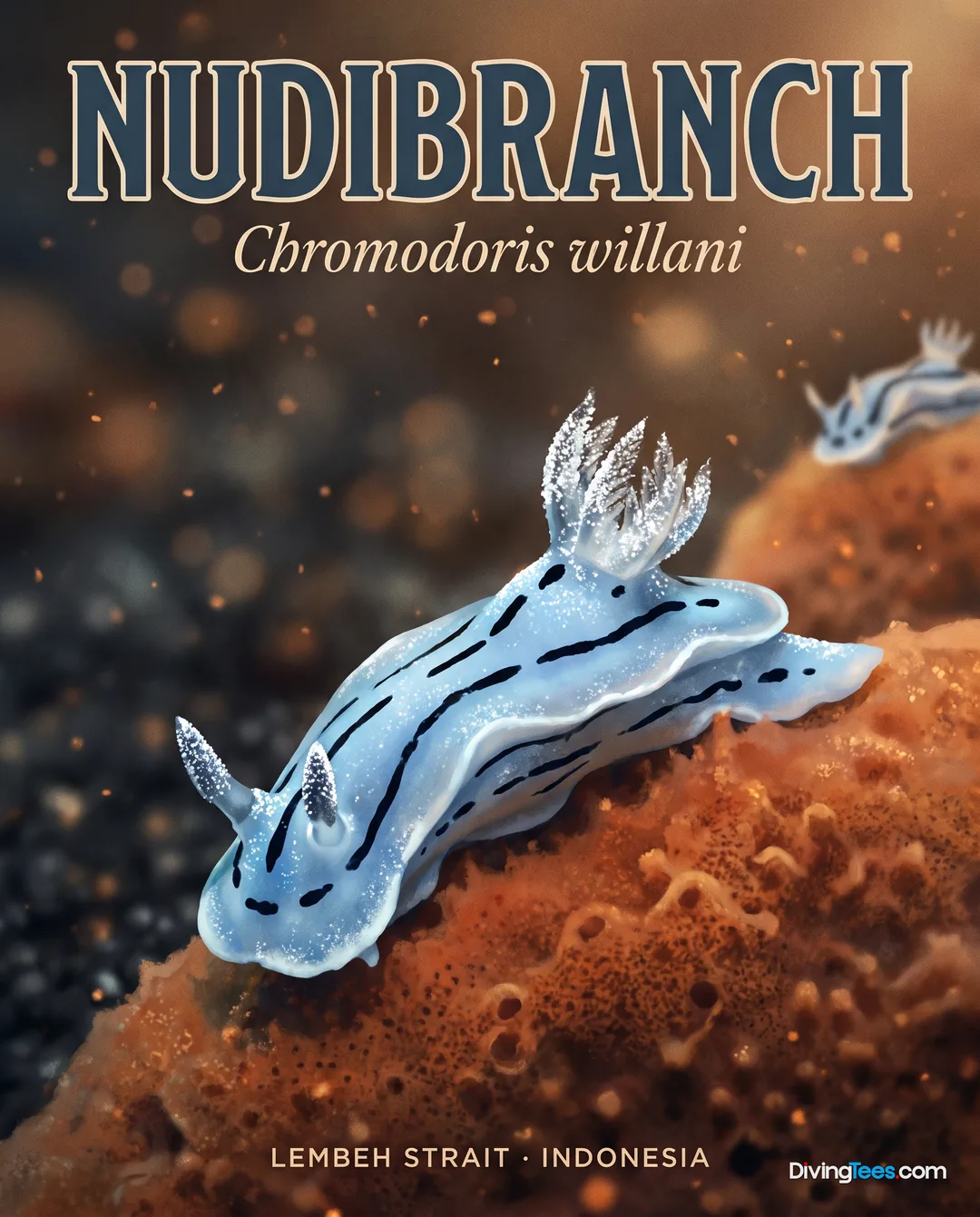
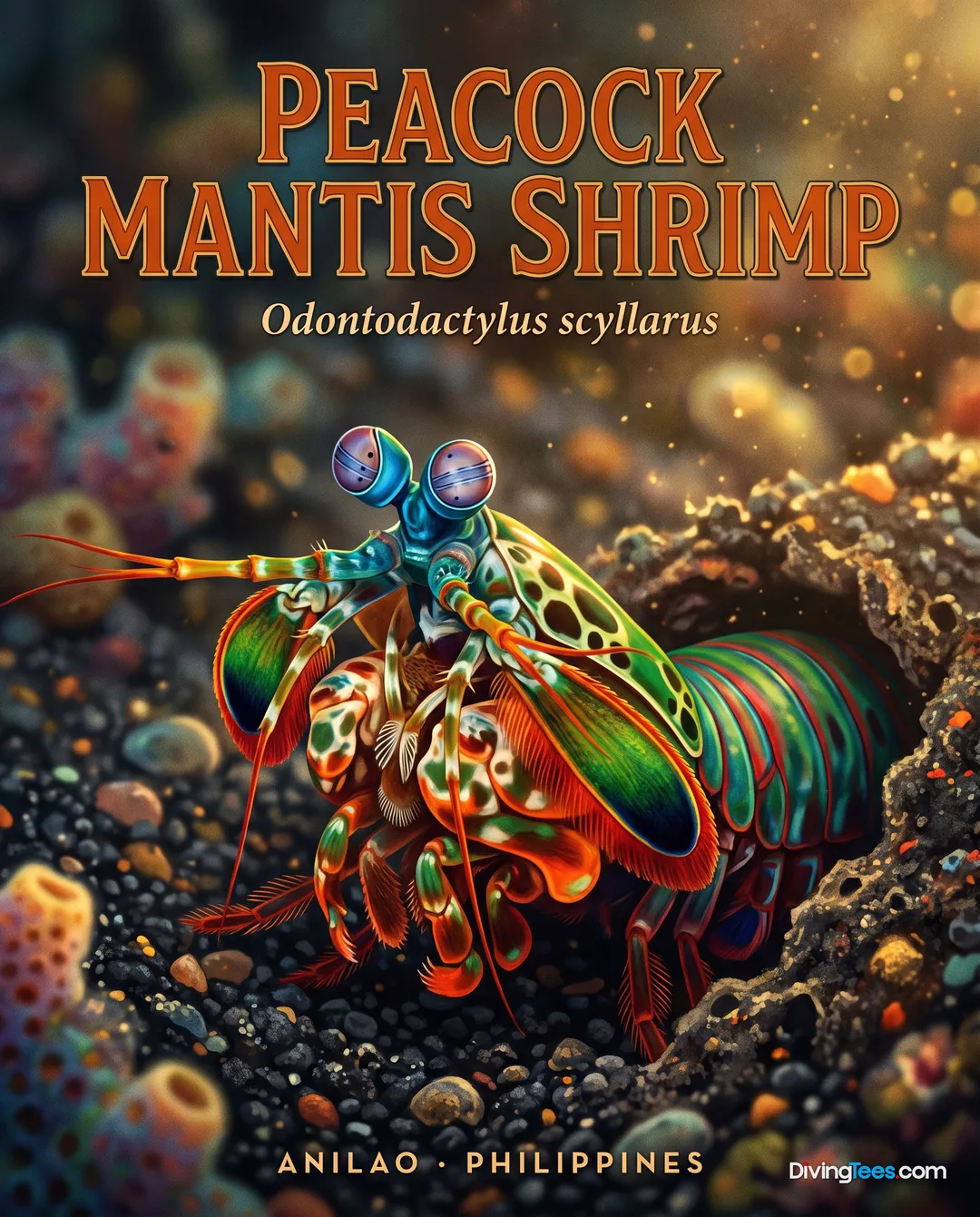
As you move toward the deeper, silty parts of the slope, the focus shifts toward macro photography and specialized species. The rubble and sand are home to a variety of frogfish and mantis shrimp looking for cover. You should look closely at the silt for nudibranchs and ribbon eels that weave through the debris. The environment requires a slow, methodical finning technique to avoid disturbing the sediment and reducing your visibility during the dive.
One of the most specific biological highlights of Bianca is the presence of Mandarinfish. While they are often associated with evening mating rituals, they are frequently observed during the day within the staghorn coral beds. Finding them requires patience and a keen eye for movement within the coral branches. Their presence in these shallower, structured areas distinguishes this site from many other purely muck-based locations in the region.
The light conditions at Bianca change significantly as you move from the shallow staghorn beds down the slope. In the upper levels, the light is bright enough to illuminate the vibrant colors of the soft corals and sponges. As you reach the 28-metre mark, the light levels drop and the environment becomes more monochromatic, dominated by the grey and brown tones of the silt and rubble. This change in light and color palette marks the transition from reef diving to true muck diving.
Currents at Bianca are generally light, making it a manageable site for most divers. The dive route is often planned to head out against the local current and return as it eases, though specific strength depends on the tidal cycle. Because the site is located in the Lembeh area, the water is typically calm, but you should always be prepared for slight shifts in movement as you navigate the slope. This predictability makes it a reliable site for both photography and relaxed exploration.
The site is also locally known as Police Pier, a name used by some regional operators. Regardless of the name used, the physical characteristics remain consistent, centered around the transition from coral outcrops to the silty descent. The combination of these two environments in a single dive makes it a highly efficient site for seeing the diversity of Lembeh's marine life. You can move from observing reef fish in the shallows to searching for specialized macro organisms on the bottom in a single descent.
Diving Bianca: the marine life you’ll meet
Diving conditions
The site has a maximum depth of 28 metres. It is accessible to Open Water Divers, though good buoyancy and slow finning are recommended to manage the silty bottom. Visibility typically ranges between 5 and 12 metres. Currents are generally light but can vary based on local tidal conditions.
Three dives not to miss

Map of hotels, dive sites and dive centres in Lembeh
Dive centres in Lembeh

Hotels in Lembeh

Dive liveaboards Lembeh
18 liveaboards run trips to Lembeh.


Frequently asked questions about Bianca
When should you dive Bianca?
You can dive Bianca during the day, when Mandarinfish are frequently observed among the shallow staghorn coral beds. Their presence requires patience and a keen eye for movement within the branches. Daytime also lets you experience the change from brighter shallow reef areas to the more subdued silty slope.
What experience and depth do you need for Bianca?
Bianca is accessible to Open Water Divers, with a maximum depth of 28 metres. You should have good buoyancy and use slow finning because the deeper slope contains sand, silt, and rubble. Careful movement helps you explore both the coral outcrops and the muck environment without disturbing the bottom.
What are the currents like at Bianca?
Currents at Bianca are generally light, although their strength can vary with local tidal conditions. The route is often planned against the current on the way out, then back as it eases. You should still be ready for slight shifts while navigating the slope, even though the water is typically calm.
What can you see while diving Bianca?
At Bianca, you can move from staghorn coral beds with Banggai and Pajama cardinalfish into a silty slope containing frogfish, mantis shrimp, nudibranchs, ribbon eels, anemones, sponges, and other macro life. The site combines hard corals, soft sponge formations, and specialized species in one dive profile.