
Indonésie – Sulawesi – Lembeh – Critters@Lembeh Resort
Google 4.8/5 (124 reviews)
1.1 km away as the crow flies
Lembeh · Indonesia · Asia
Max. depth · 25 mSerena Island offers a diverse dive profile in central Lembeh Strait, combining shallow coral gardens with extensive rubble and mixed habitat down to 25 metres.
Diving Serena Island brings you into a dynamic environment situated in the middle of Lembeh Strait. The site begins in the shallows, around 3 metres, with vibrant coral and anemone patches providing immediate interest. From these initial reef sections, the topography transitions into a sloping or broken reef, eventually giving way to a larger expanse of rubble and mixed habitat between 18 and 24 metres. This progression allows for a single dive to cover multiple ecosystems, which is a distinguishing feature in an area often known for its more uniform muck sites.
The varied structure of Serena Island creates numerous hiding spots and micro-habitats, essential for the array of marine life found here. Within the coral and rubble, you can spend time scanning for the smaller inhabitants. Specific nooks and crannies within the mixed habitat are where many of the site's unique critters are encountered. This transition from healthy coral to rubble and back creates a patchwork of environments, ensuring that different species thrive in their preferred zones, often within metres of each other.
One particular area of interest is the steep reef at the northwest tip of Sarena Kecil, sometimes referenced as part of the broader Serena Island complex. Here, green branching corals provide a different kind of architectural complexity, creating a dense network of cover. This area, too, is a magnet for smaller, more cryptic creatures, taking advantage of the protection offered by the reef structure. It’s a contrast to the more open rubble fields and requires a shift in focus to appreciate the life tucked within its branches.
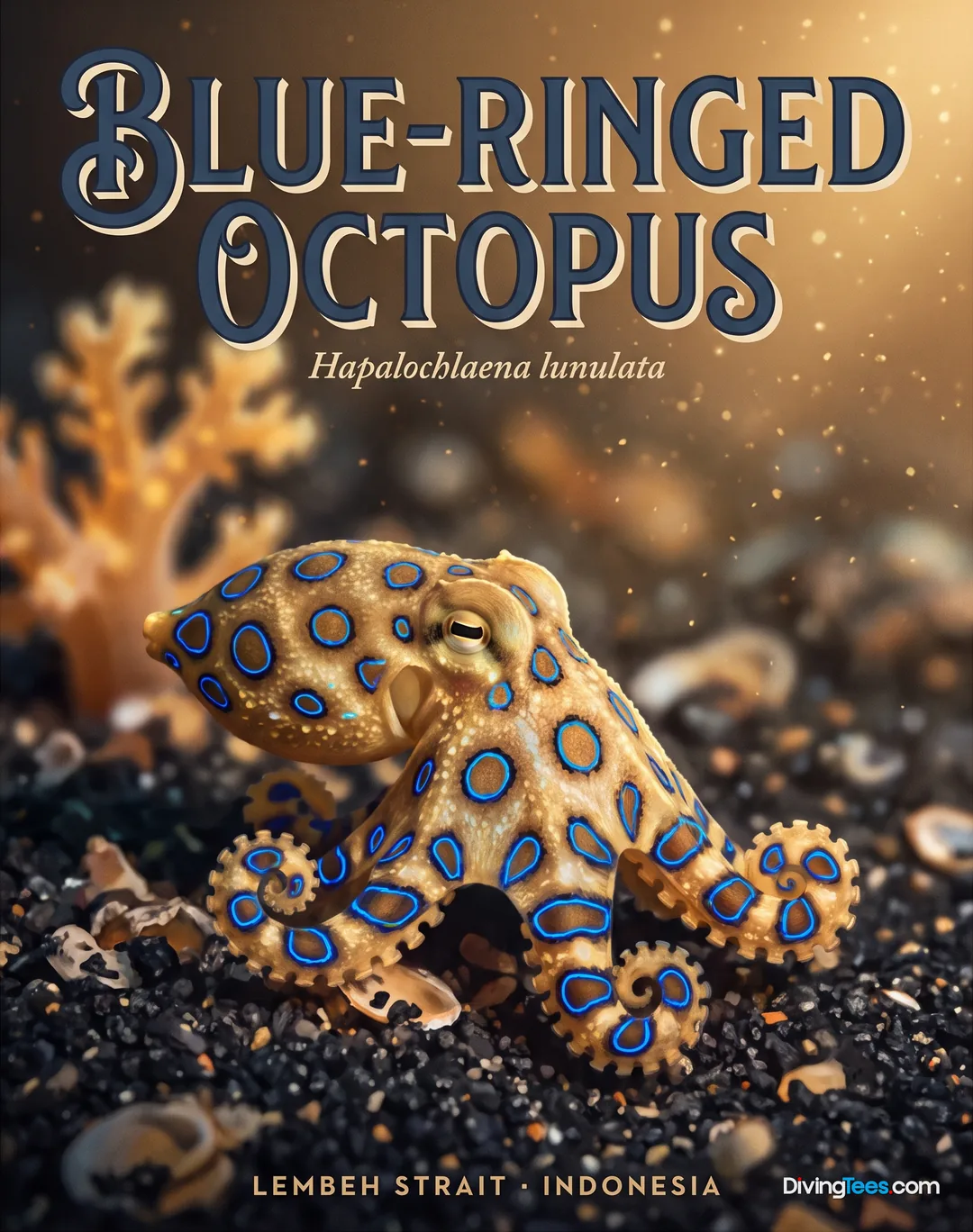
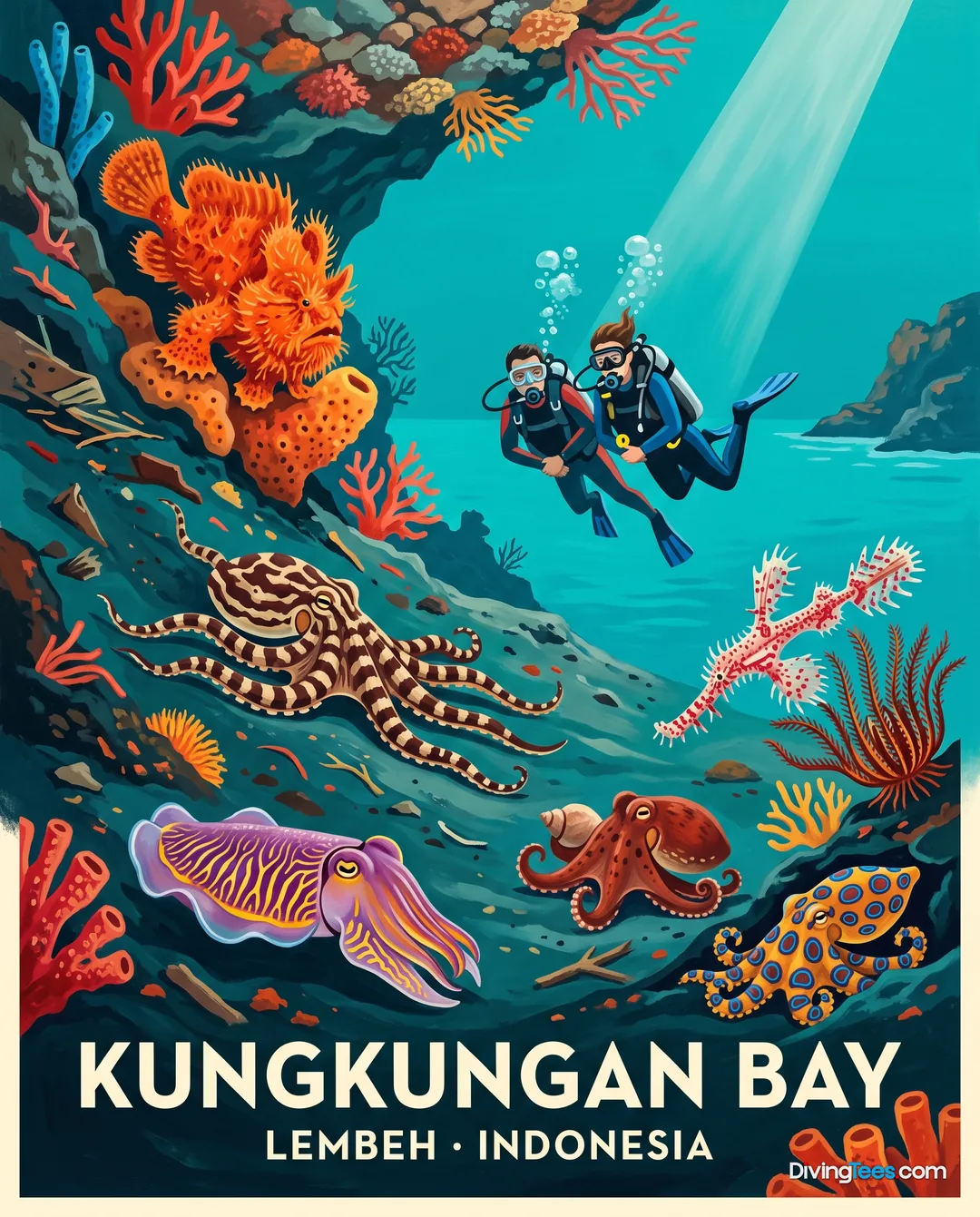
The fauna at Serena Island reflects its mixed habitat. You can anticipate finding a range of species that bridges both reef and rubble environments. Expect to see blue-ringed octopuses, tiger shrimp, bumblebee shrimp, and harlequin shrimp. These cephalopods and crustaceans are often found camouflaged against the varied substrate, requiring a keen eye and patient approach. The site allows for observations of behavior that might differ from what you see in more uniform habitats.
Fish species such as black-spotted sand goby, barred shrimp goby, and banded goby are common, often sharing burrows with their symbiotic shrimp partners in the rubble. Keep an eye out for bandtail waspfish, which blend seamlessly with their surroundings, and the more vibrant blue green damselfish and black tail sergeant in the coral areas. Bignose unicornfish are also present, often patrolling the edges of the reef structure, adding another layer of diversity to the site's fish population.
Nudibranchs are a staple of Lembeh, and Serena Island is no exception. Look for the distinct Mexichromis multituberculata nudibranch, often found grazing on sponges in the mixed zones. The site is also known for painted frogfish, which are masters of camouflage, sitting patiently among the rubble or corals. For those with a sharp eye, the Bargibanti pygmy seahorse can also be found, typically on specific gorgonian corals, demanding careful searching.
Currents at Serena Island can be variable, influenced by both wind and tide. While Lembeh Strait is often known for its calm conditions, this site can experience fairly strong currents depending on the specific conditions of the day. This variability means that while some dives will be tranquil, others may involve more active drift, requiring good buoyancy control to stay over the preferred macro hunting grounds. Pay attention to the dive brief for the day's expected conditions.
Compared to the classic black-sand muck dives that define much of Lembeh, Serena Island offers a broader ecological palette. The combination of shallow coral gardens, deeper rubble, and mixed habitats on a single dive allows for observations of both reef-associated species and the typical critter life of the strait. This makes it a compelling option for divers looking for a more varied macro experience, moving between different ecosystems throughout the dive.
Serena Island offers a dive depth ranging from 3 to 25 metres. The site is accessible from Open Water Diver level, though proficiency in buoyancy control is recommended, and comfort with potentially variable current is an asset, particularly for those focused on macro photography. Visibility typically ranges from 15 to 30 metres. While critter activity is often cited as best from July to September, calmer diving conditions are generally reported from March to October, which can also influence the current strength.
18 liveaboards run trips to Lembeh.
You can dive Serena Island from March to October, when calmer conditions are generally reported and current strength may be influenced. Critter activity is often cited as best from July to September. These periods overlap, giving you a window that combines calmer conditions with frequently noted activity from smaller marine life.
Serena Island is accessible from Open Water Diver level, but you should be comfortable with buoyancy control. The dive ranges from 3 to 25 metres, moving from shallow coral and anemone patches across sloping or broken reef to rubble and mixed habitat. Comfort with variable current is also useful.
You may encounter variable currents at Serena Island, influenced by wind and tide. Some dives are tranquil, while others involve a fairly strong current or a more active drift. Good buoyancy control helps you remain over preferred macro hunting areas, and you should pay attention to the expected conditions in the dive briefing.
At Serena Island, you can search coral, rubble, and mixed habitats for blue-ringed octopuses, harlequin and bumblebee shrimp, painted frogfish, gobies, nudibranchs, and a possible Bargibanti pygmy seahorse. You may also see tiger shrimp, bandtail waspfish, damselfish, bignose unicornfish, and black tail sergeant among the reef and rubble.