Liveaboards · Indonesia
La Galigo — a traditional Indonesian phinisi built around serious diving
What makes this boat unique
- La Galigo is a 33-metre traditional phinisi built in 2012 by craftsmen from Bira, using ironwood and teak.
- She carries a maximum of 14 passengers in seven air-conditioned cabins, with private bathrooms and aft lower-deck portholes.
- Raja Ampat itineraries run from Sorong to Sorong, including the 12-day/11-night Ultimate Raja Ampat route and the 9-day/8-night Raja Ampat South–Misool route.
- The dive operation has two six-metre tenders, a shaded dive deck, DIN adapters, camera facilities and nitrox available as an option.
- Food is one of the boat's strongest points, with local and Western dishes, buffet meals, snacks throughout the day and options for vegan and vegetarian divers.
For subtitles in English: start the video firstthen click the gearat the top right of the video, select “Subtitles/CC”, then “Auto-translate” and choose “English”.
The invitation
La Galigo suits divers who want Raja Ampat as the main event, not a resort holiday with a few dives added. The reason to choose her is the combination: a hand-built Indonesian phinisi, a compact guest list, a local crew that knows these reefs, and a route reaching the sites where currents turn into fish, mantas and sharks. The boat is not presented as a new yacht. Its appeal is the working character of traditional wood, paired with a dive setup designed for repeated entries from tenders. The crew scores particularly strongly for diving and food, and that matters on a long Raja Ampat trip: guides who put the group in the right water, and a galley that keeps divers properly fed between dives. She is a good match for divers who want Misool's coral walls and pinnacles as well as Dampier Strait's cleaning stations and schooling fish, with space for non-diving snorkellers too.
Boarding
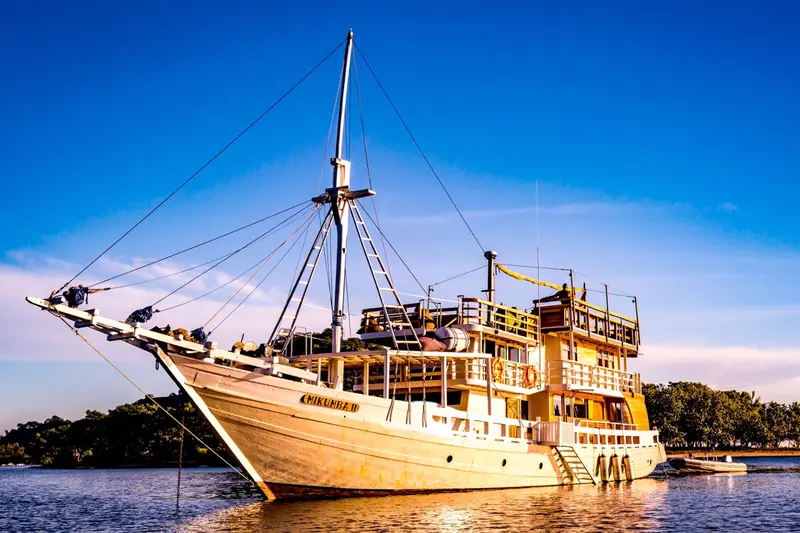
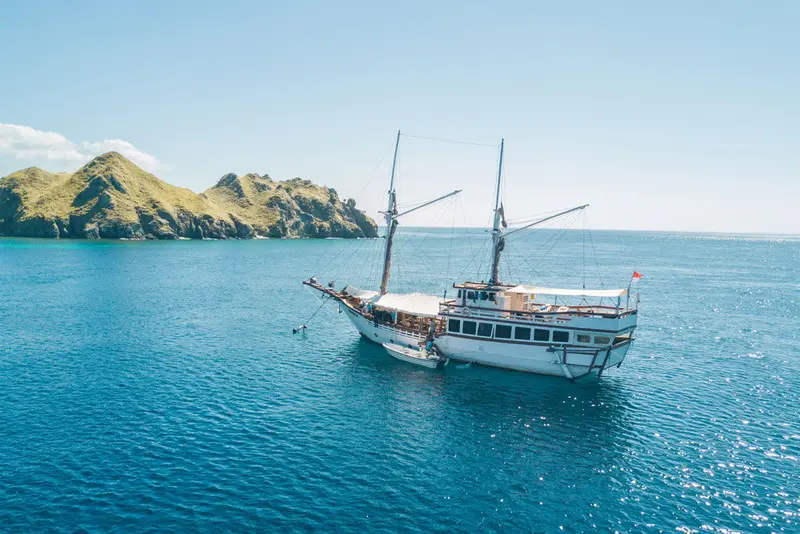
La Galigo arrives with the unmistakable profile of an Indonesian phinisi: traditional woodwork shaped by Bira boatbuilders, with ironwood and teak rather than the anonymous finish of a production yacht. The hull was built in 2012, so this is a boat with some working history rather than a floating showroom. That is part of the point. Her layout is organised around diving, with the dive operation low and close to the tenders, while the upper areas provide a shaded place to sit and an observation deck for the islands passing by. With only 14 guests, the boat remains small enough for the crew to know who is gearing up and who is still looking for a camera battery. The cruise speed is deliberately modest, which suits Raja Ampat: the boat is there to reach reefs, not to turn the crossing into the attraction.
The atmosphere on board
La Galigo's atmosphere is built by a crew large enough to keep the boat moving but close enough to remain visible throughout the day. Indonesian and international crew members speak English and Indonesian, and the working roles are clear: deckhands handle the tender operation, guides manage the diving, cooks keep food moving and housekeeping keeps the cabins in order. Guests tend to remember that division of labour because it removes friction from a four-dive trip. The strongest feedback is concentrated in the human parts of the operation: the crew scores 9.2, the food 9.8 and the diving 9.4. That points to a boat where the people compensate for the fact that the hull is not new. Evenings can stay quiet in the salon or move outside for dinner, drinks and conversation under the Raja Ampat sky. The crew's role is practical, not theatrical: they make the next dive easier.
The sites you’ll dive
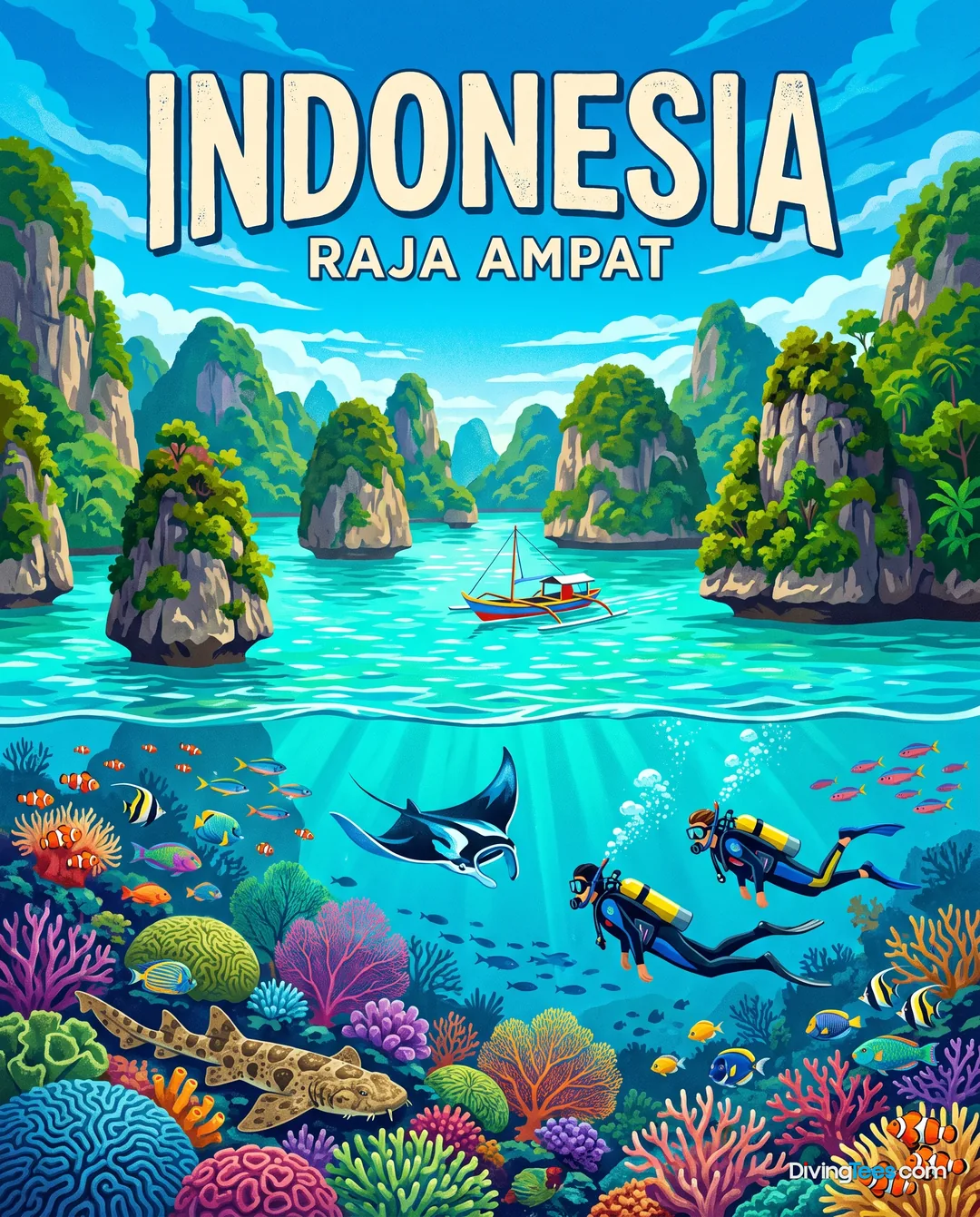
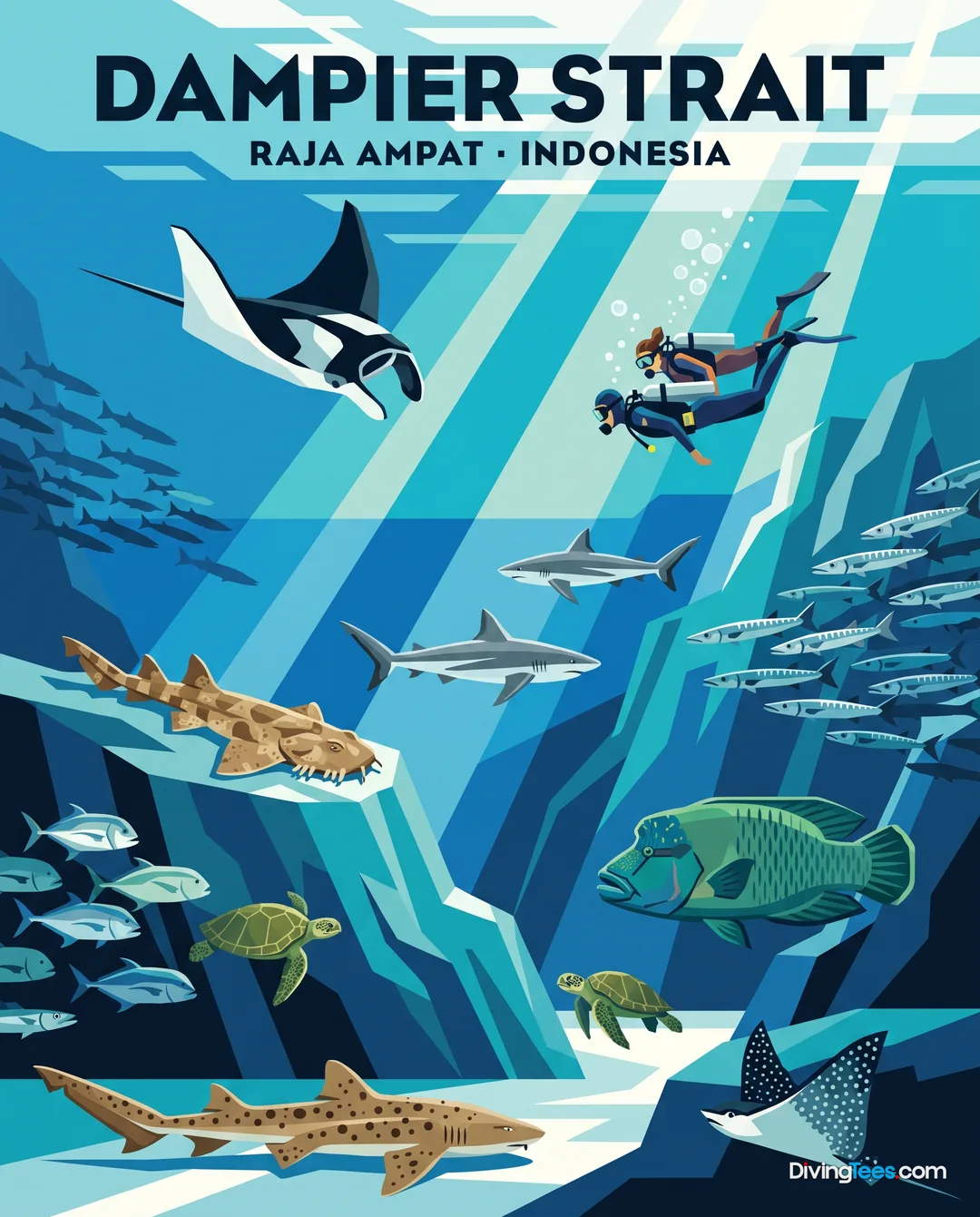
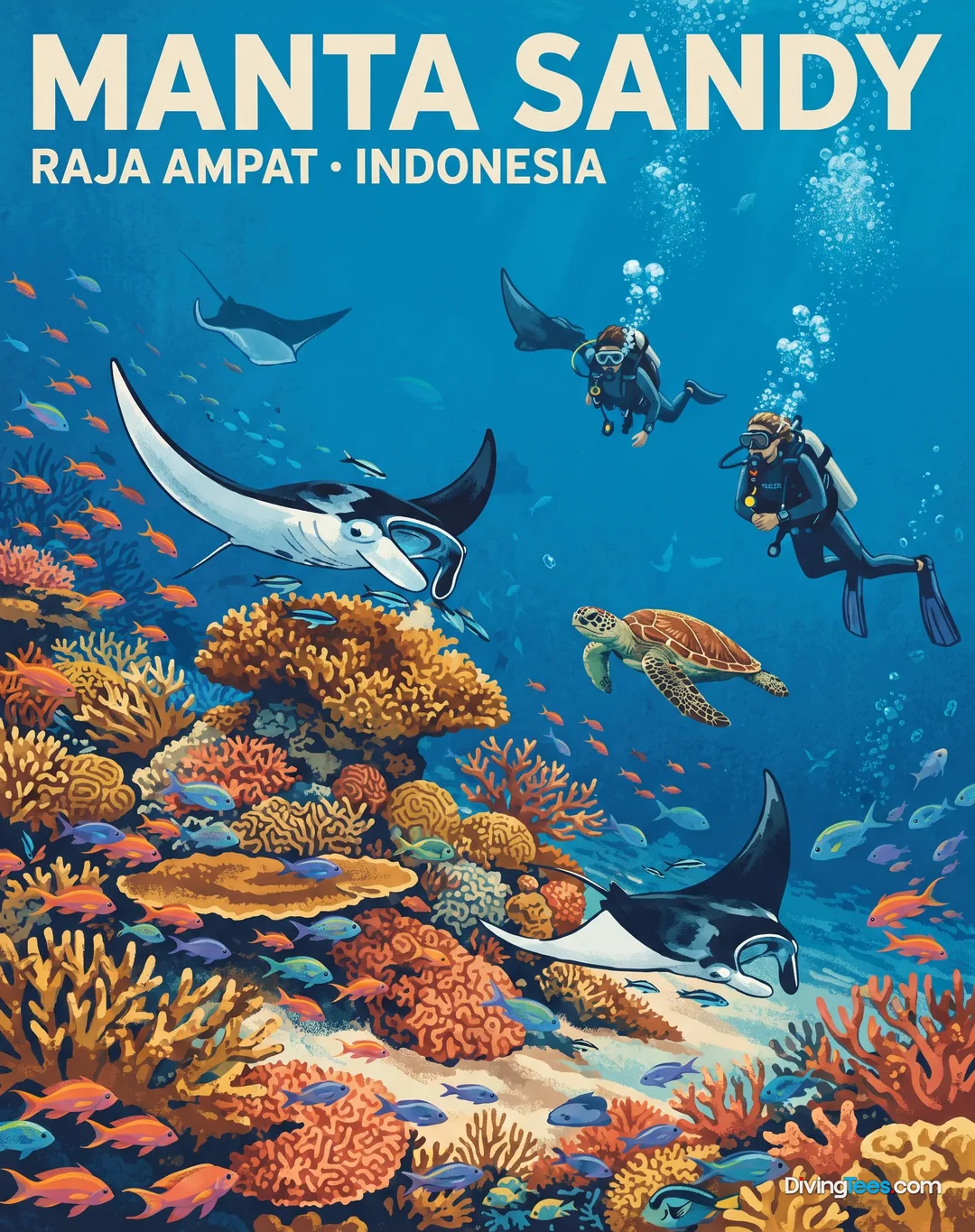
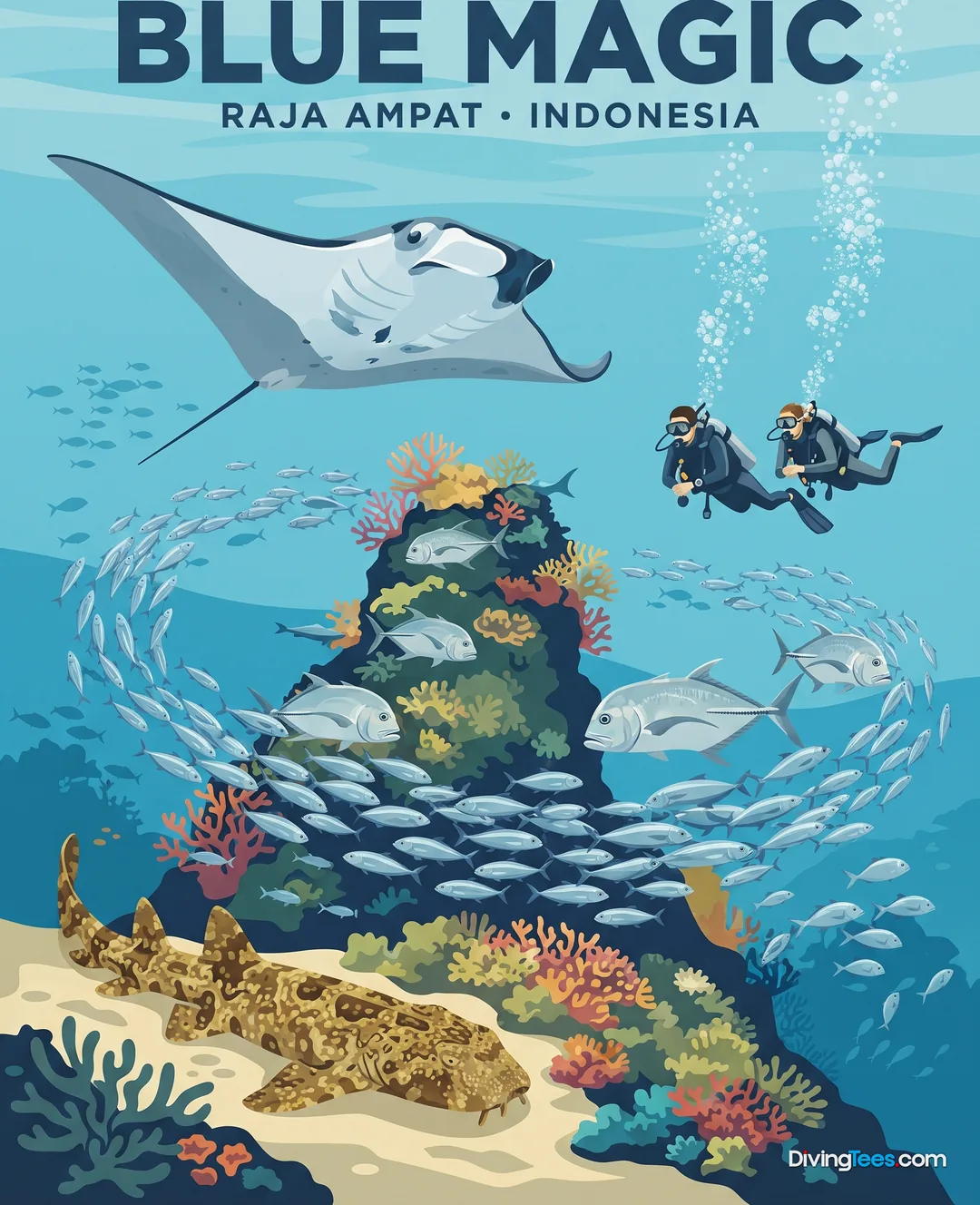
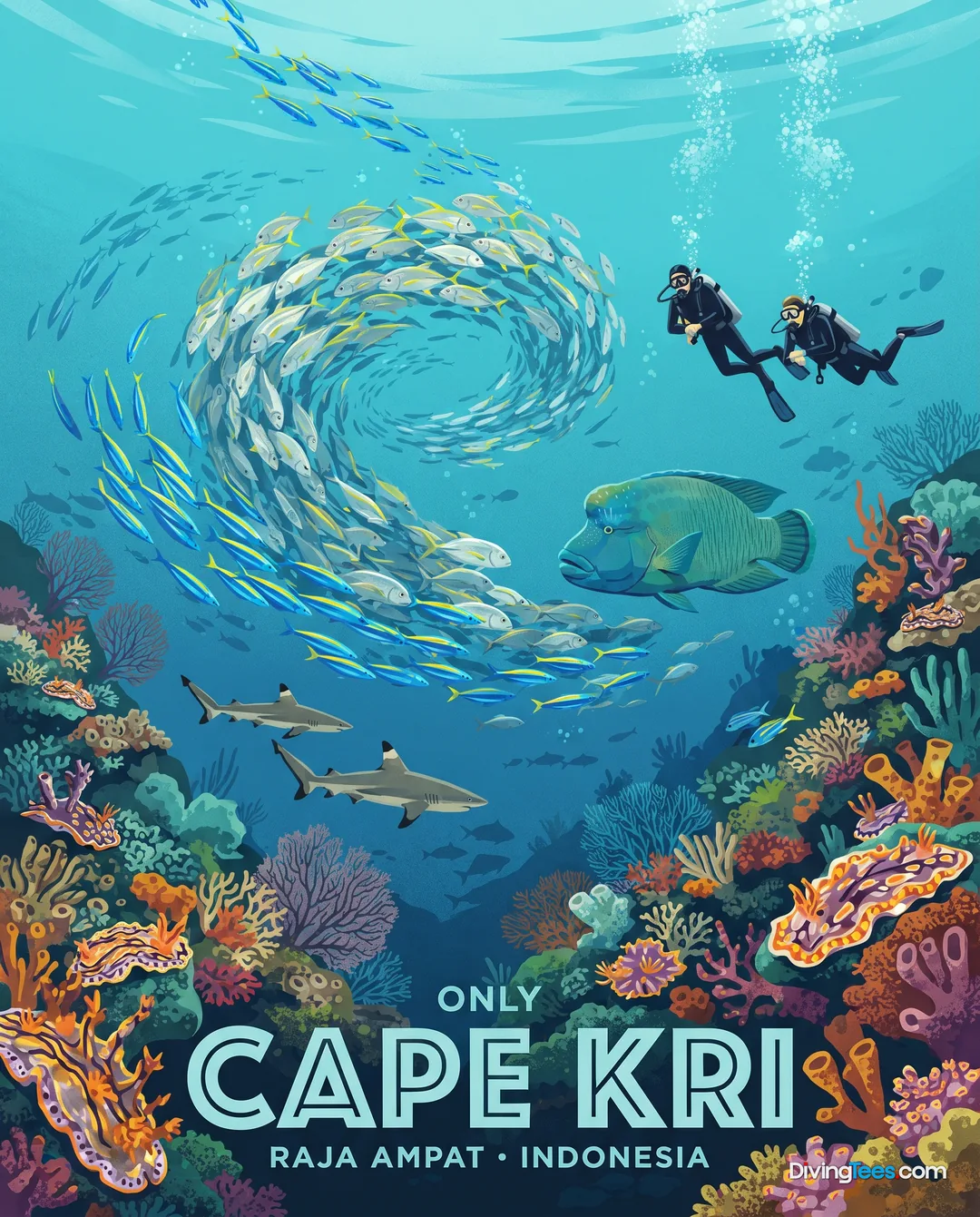
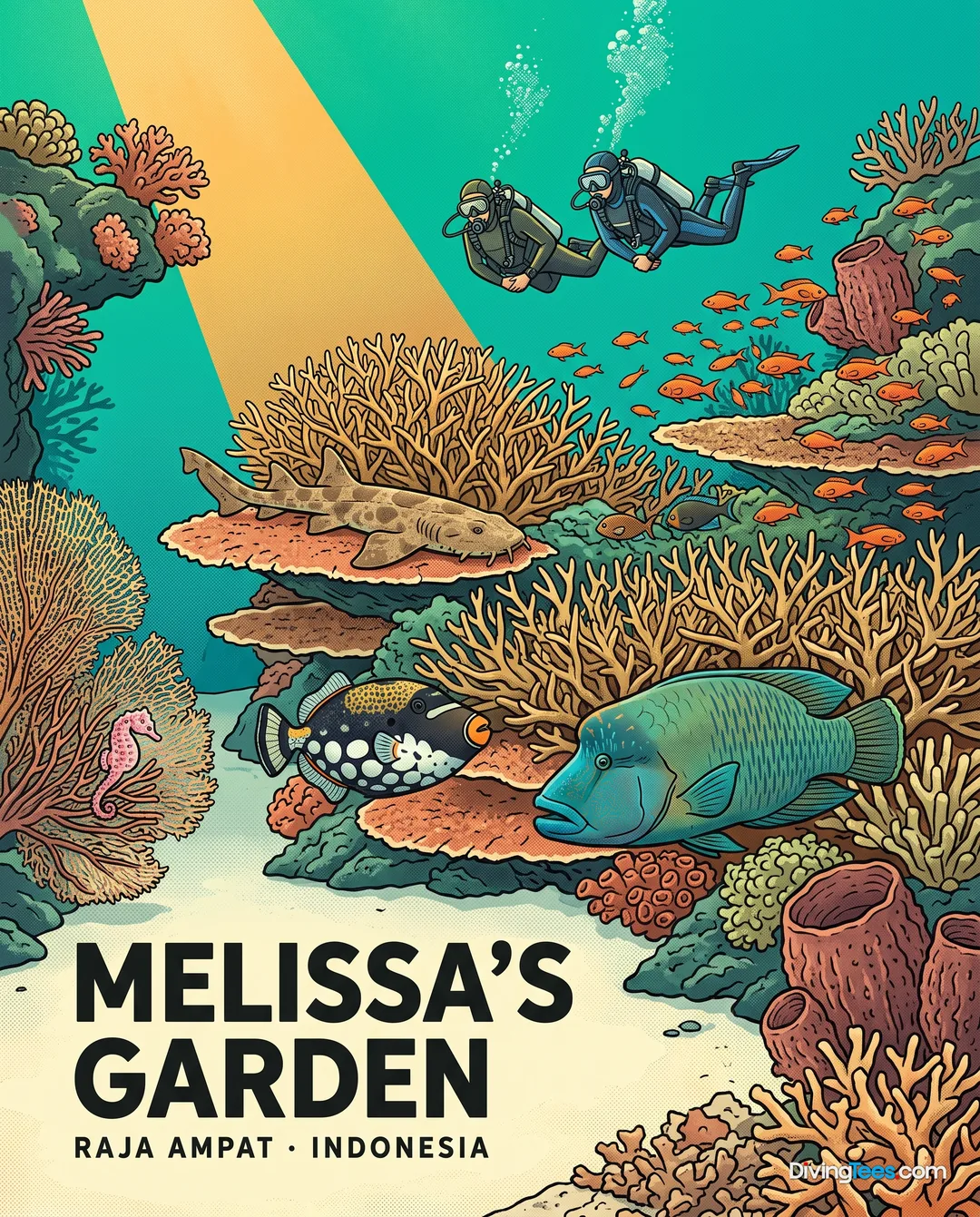
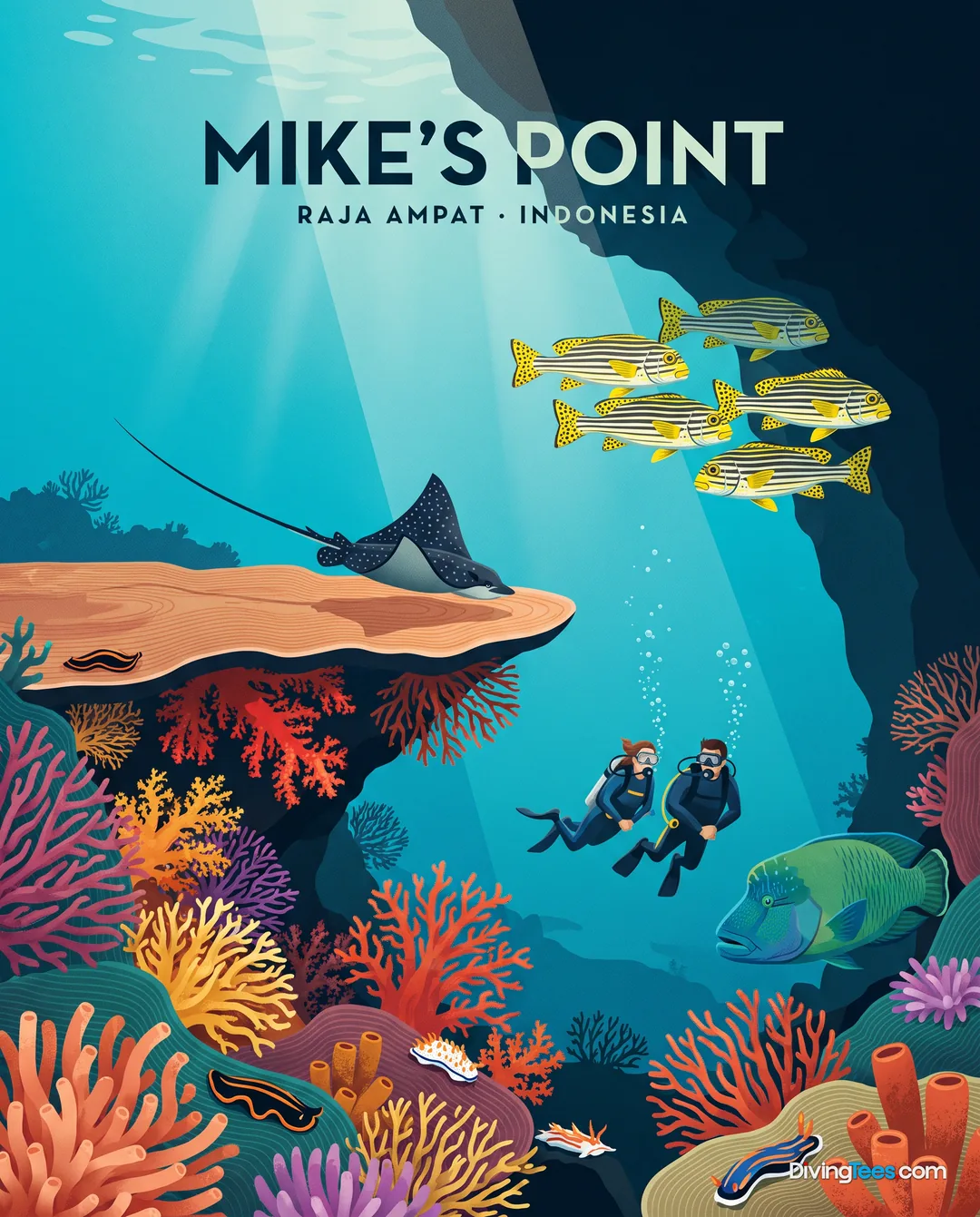
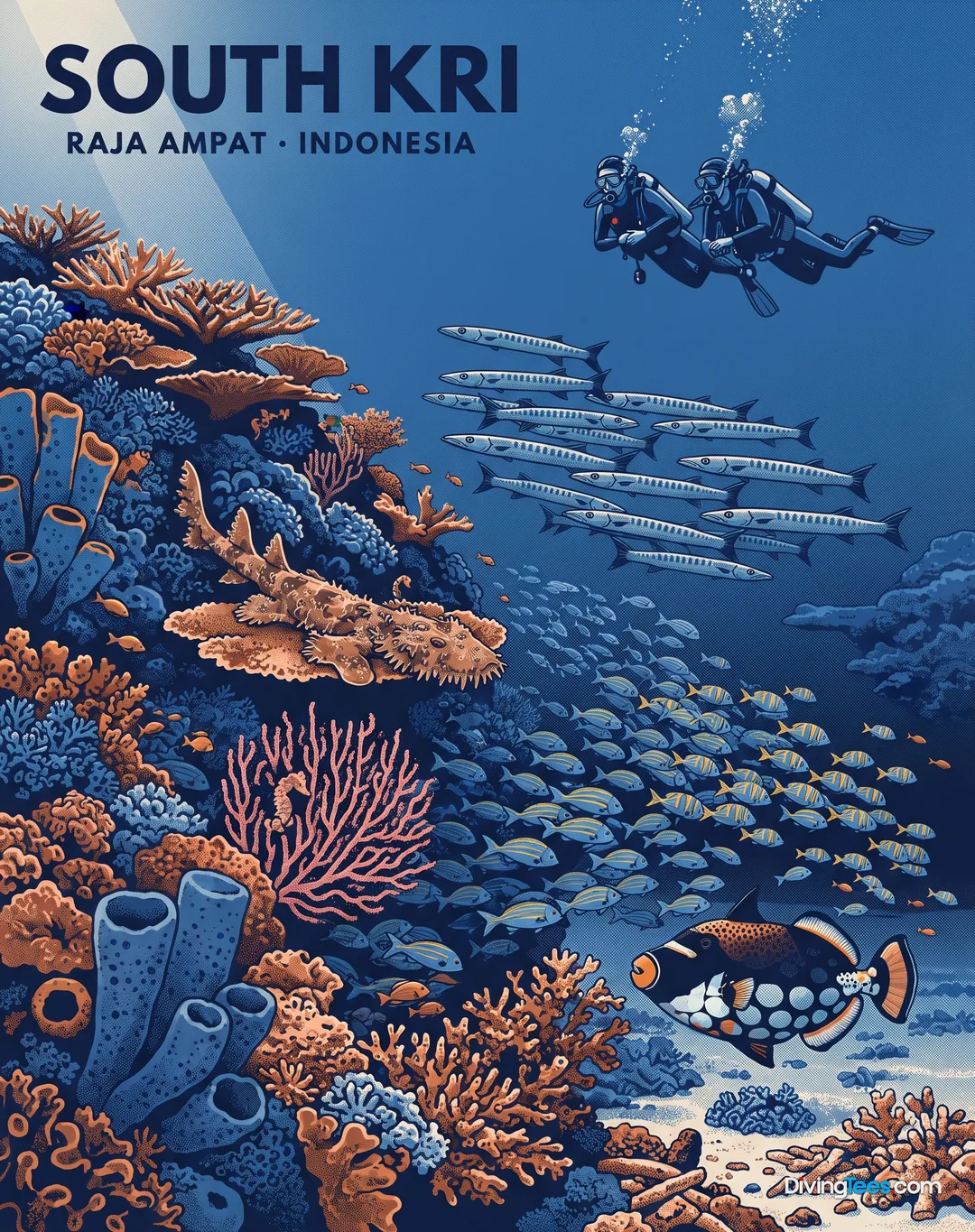
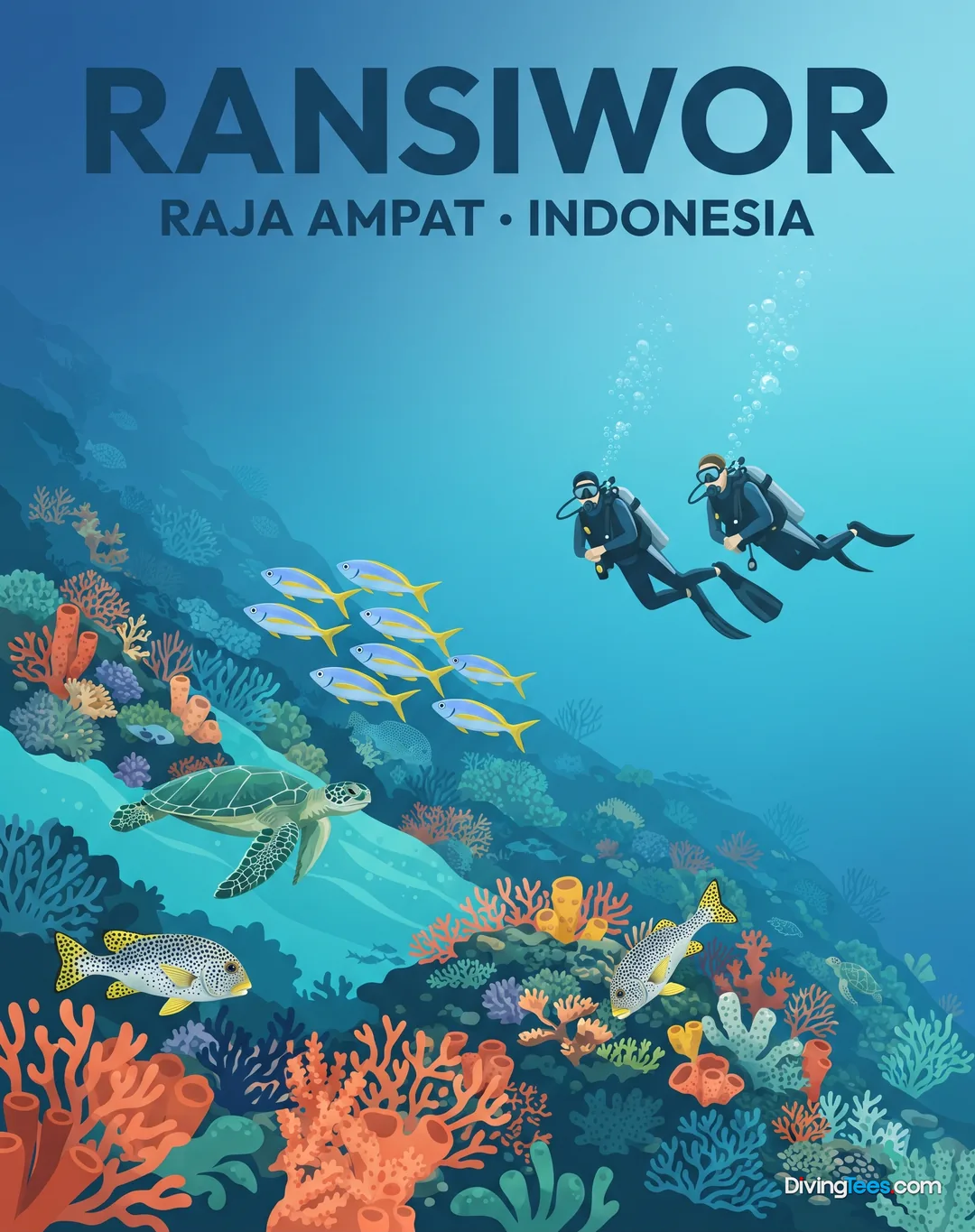
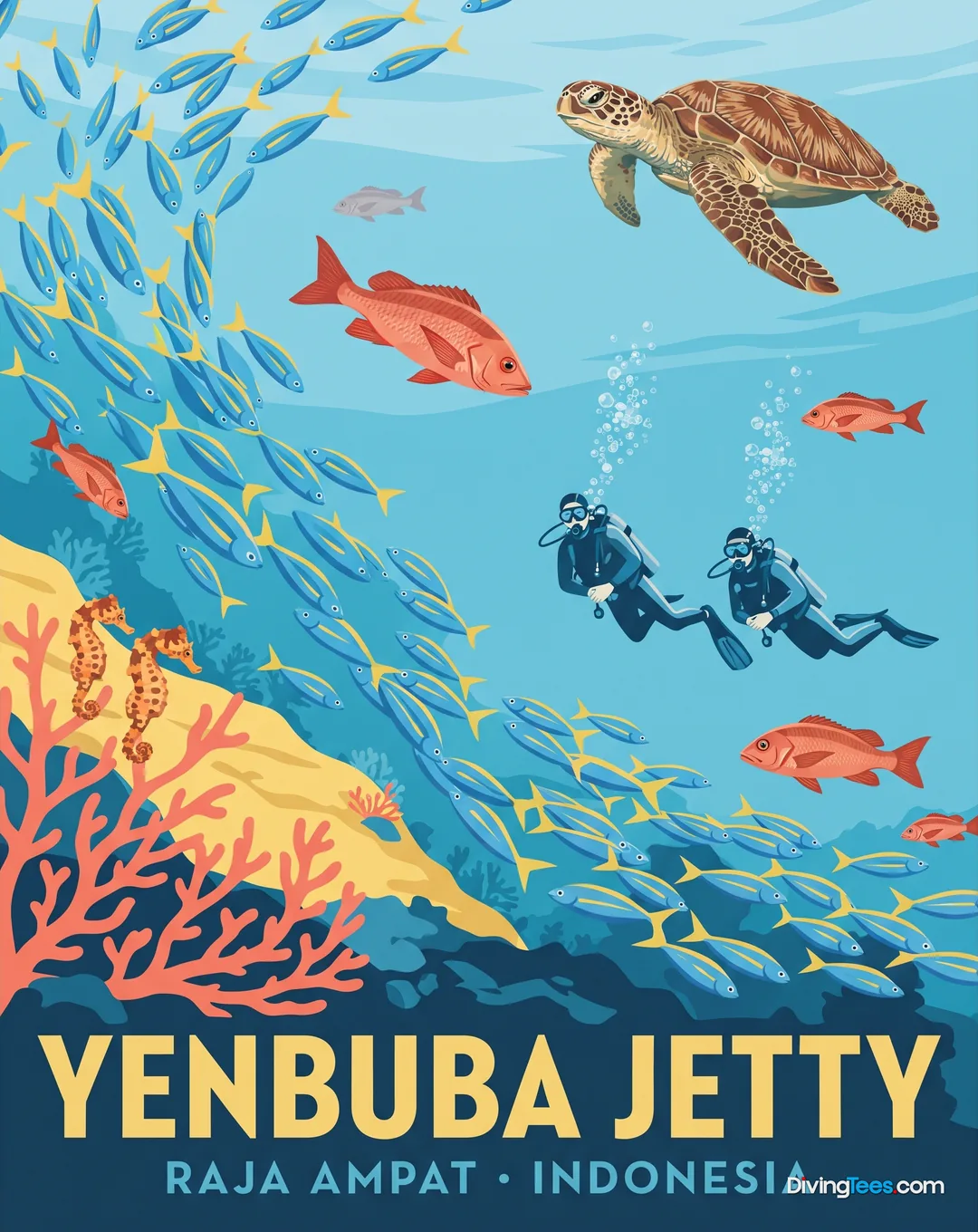
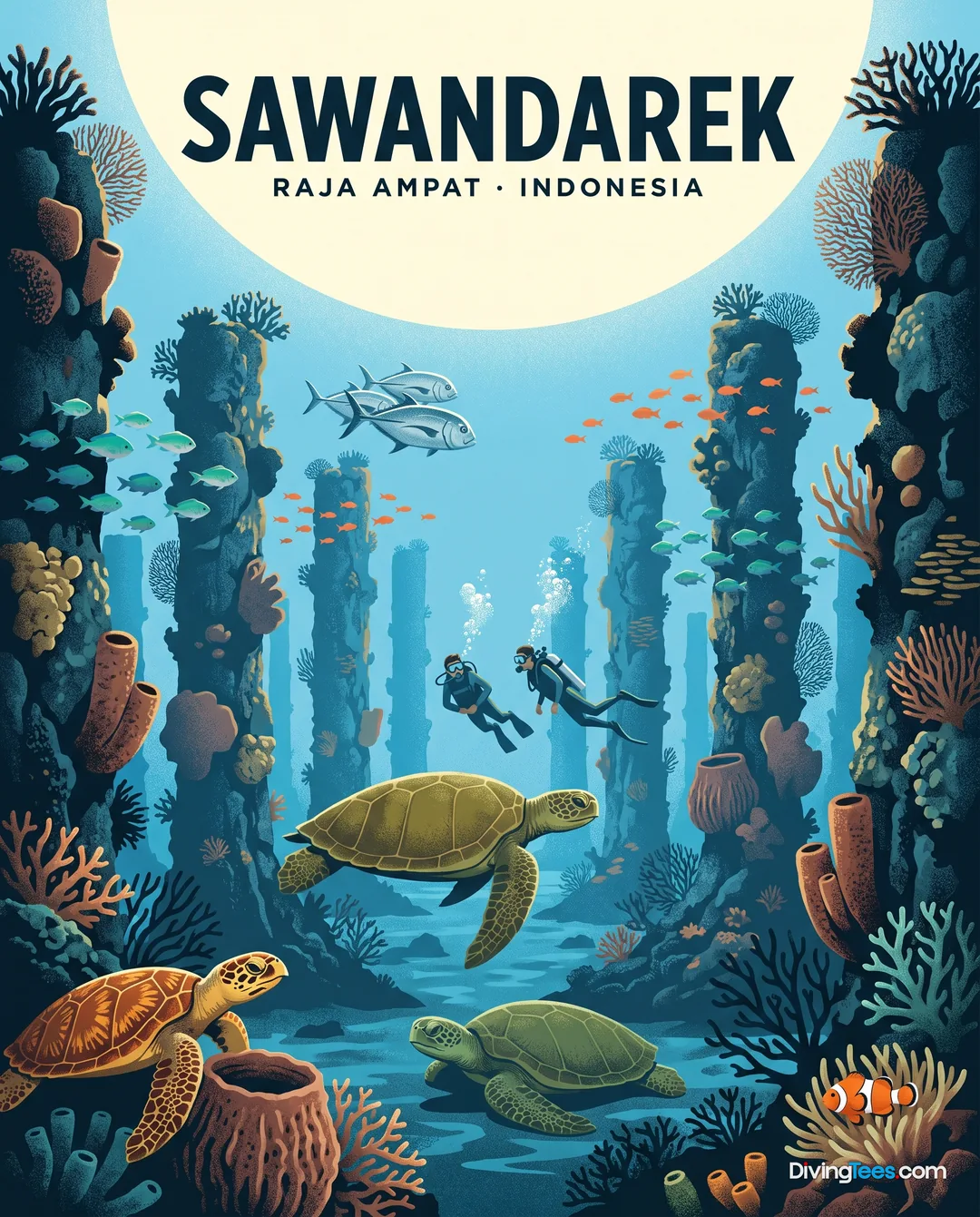
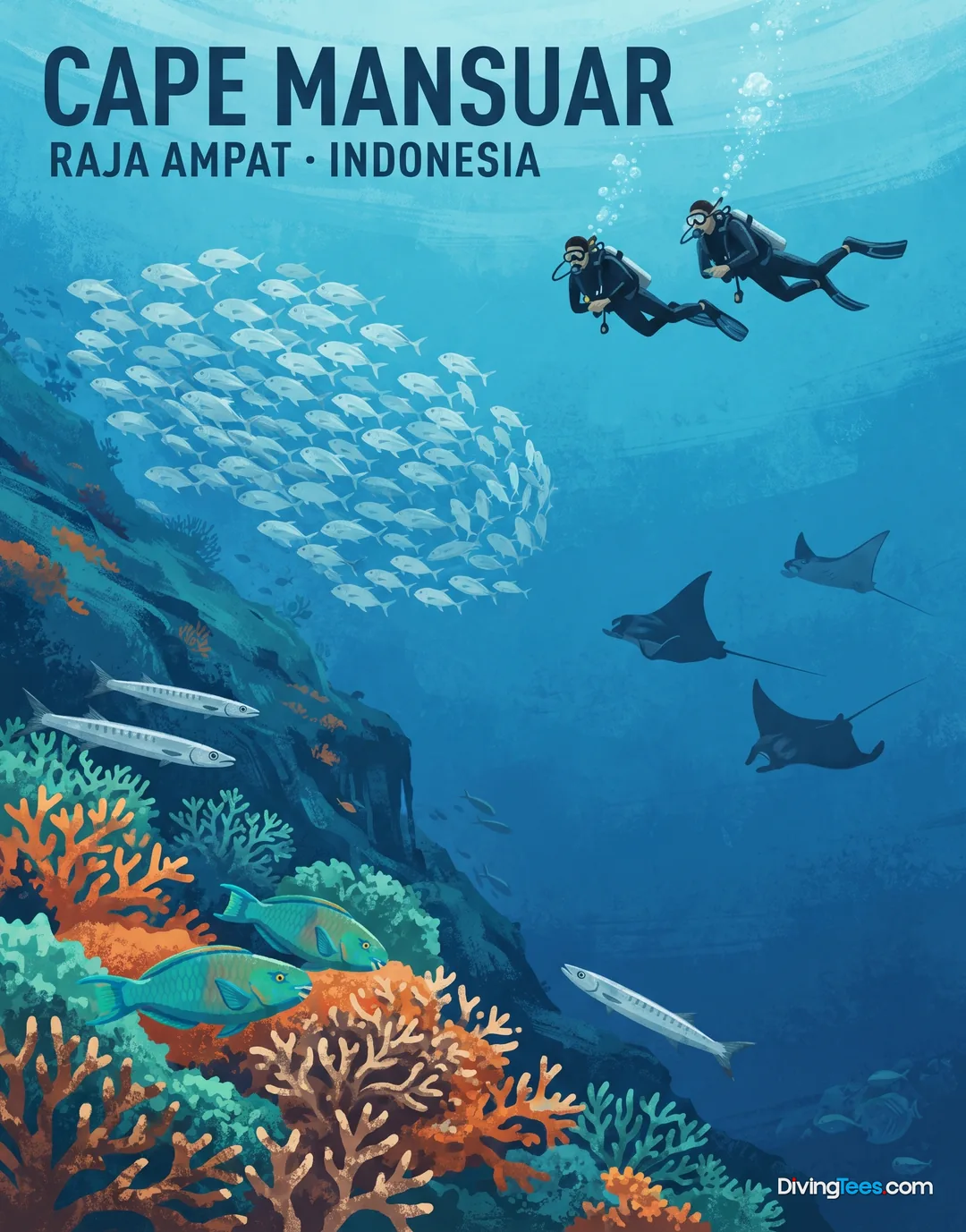
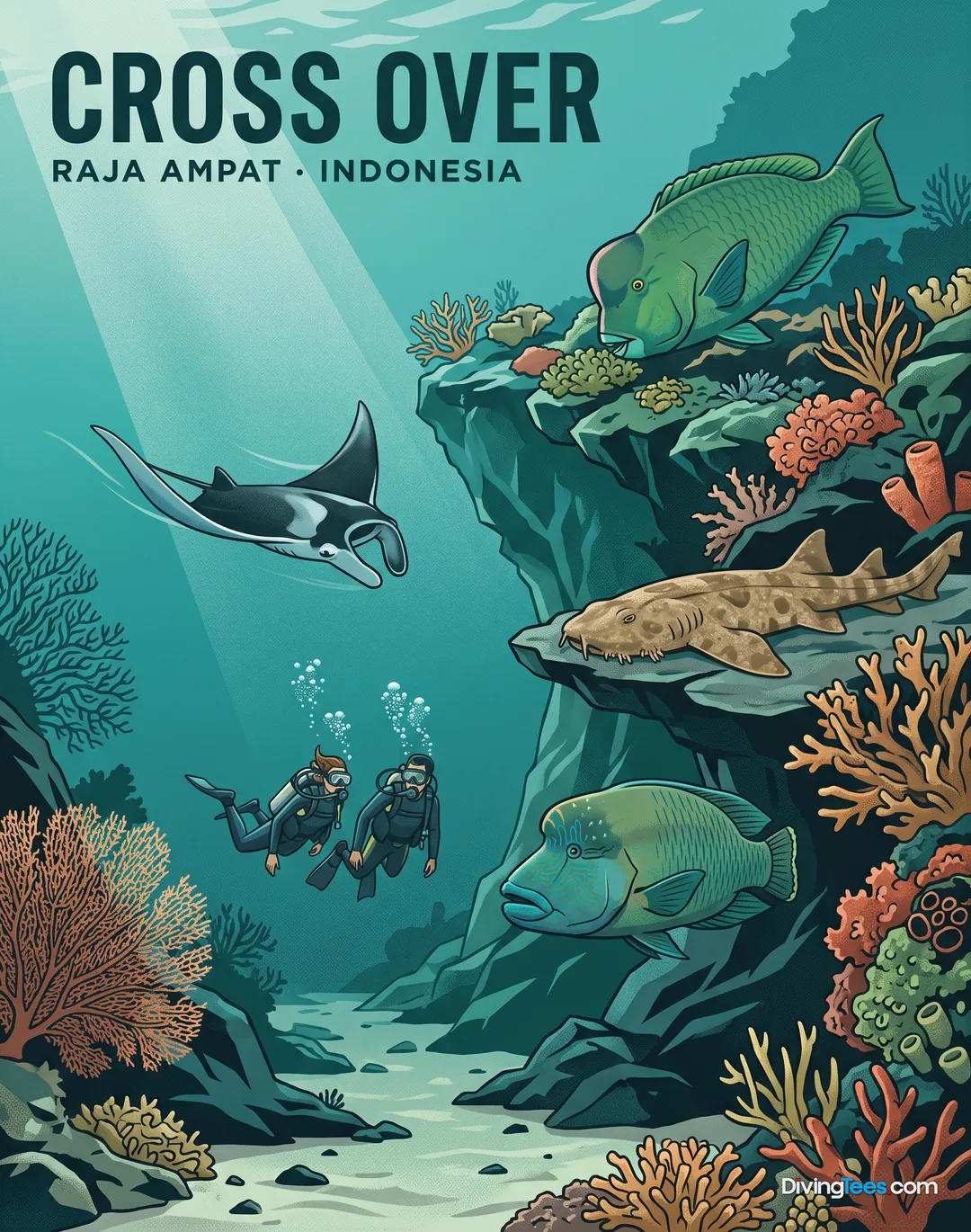
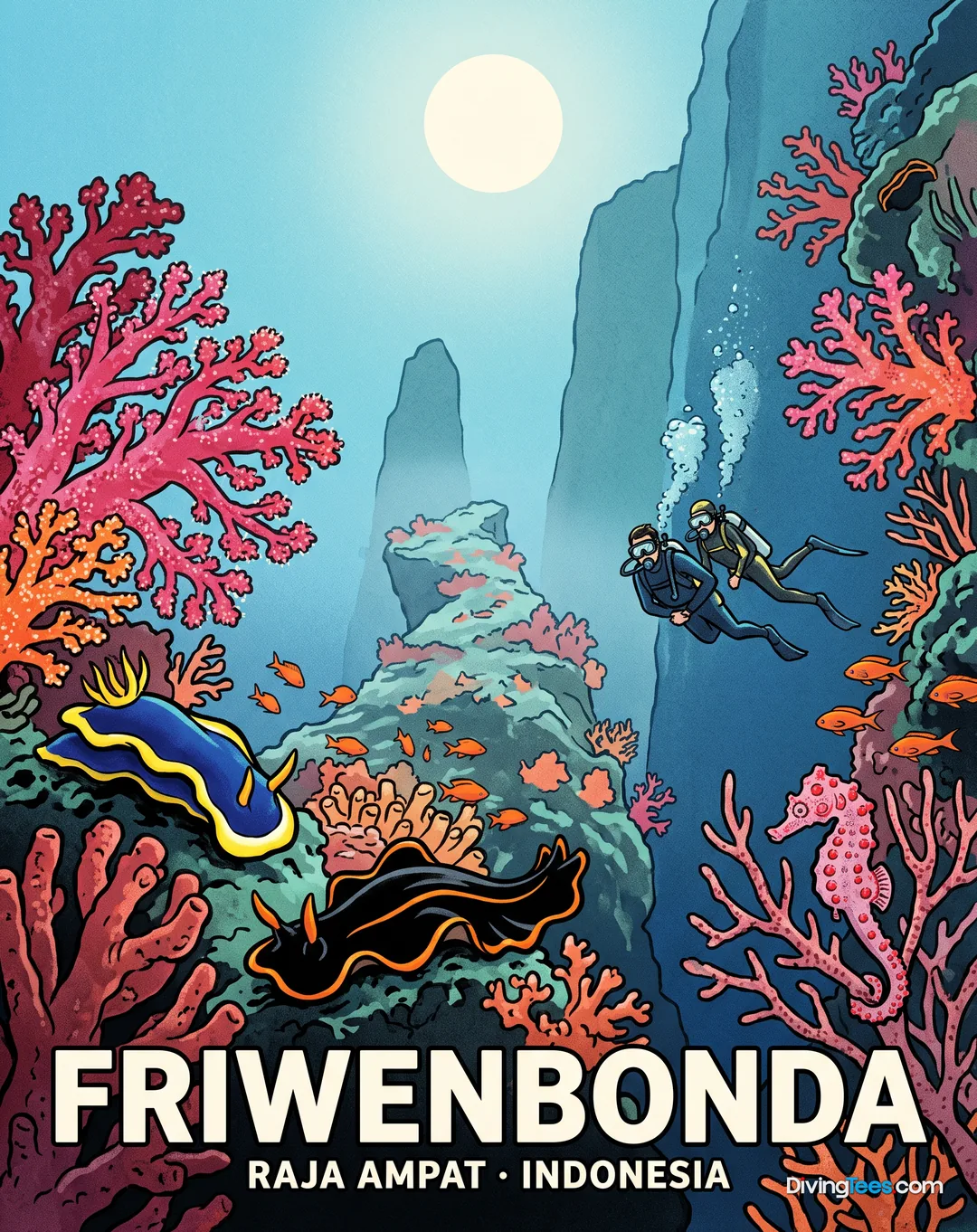
The Raja Ampat route is the reason to come. The 12-day/11-night Ultimate Raja Ampat itinerary runs Sorong to Sorong through northern, central and southern areas; the 9-day/8-night Raja Ampat South–Misool itinerary also starts and ends in Sorong. In the Dampier Strait, Manta Sandy is a shallow cleaning-station dive for reef and oceanic mantas, while Blue Magic brings schooling fish, wobbegongs and oceanic mantas into the blue. Cape Kri reaches a maximum of 40 metres and is known for its documented count of 374 fish species; currents can be challenging. Melissa's Garden reaches 35 metres, with soft corals and staghorn formations. Mike's Point reaches 40 metres, combining overhangs, soft corals, sweetlips and an open plateau where eagle rays may pass. South Kri is a current-led drift with schooling fish and macro life. Ransiwor reaches 30 metres and centres on cleaning stations and yellow-back fusiliers. Yenbuba Jetty reaches 30 metres, moving from fish-filled pilings to a sloping reef. Sawandarek brings giant green turtles and jackfish into the shallows. Cape Mansuar and Cross Over add schooling fish, mobulas, barracudas, humphead parrotfish and blacktip reef sharks. Friwenbonda is a soft-coral wall with macro life near the surface.
Itineraries, dates and prices
Prices per person. Each month shows its lowest price: click a month, or pick an itinerary.
Next departures · 48 departuresfrom £2,593$3,466€3,097
November 2026
December 2026
January 2027
February 2027
See dates and prices
If you click these links and make a purchase on the partner site, DivingDeal may earn a commission, at no extra cost to you.
Dates and prices taken from Divebooker and liveaboard.com, updated 24 October 2026
What you’ll meet underwater
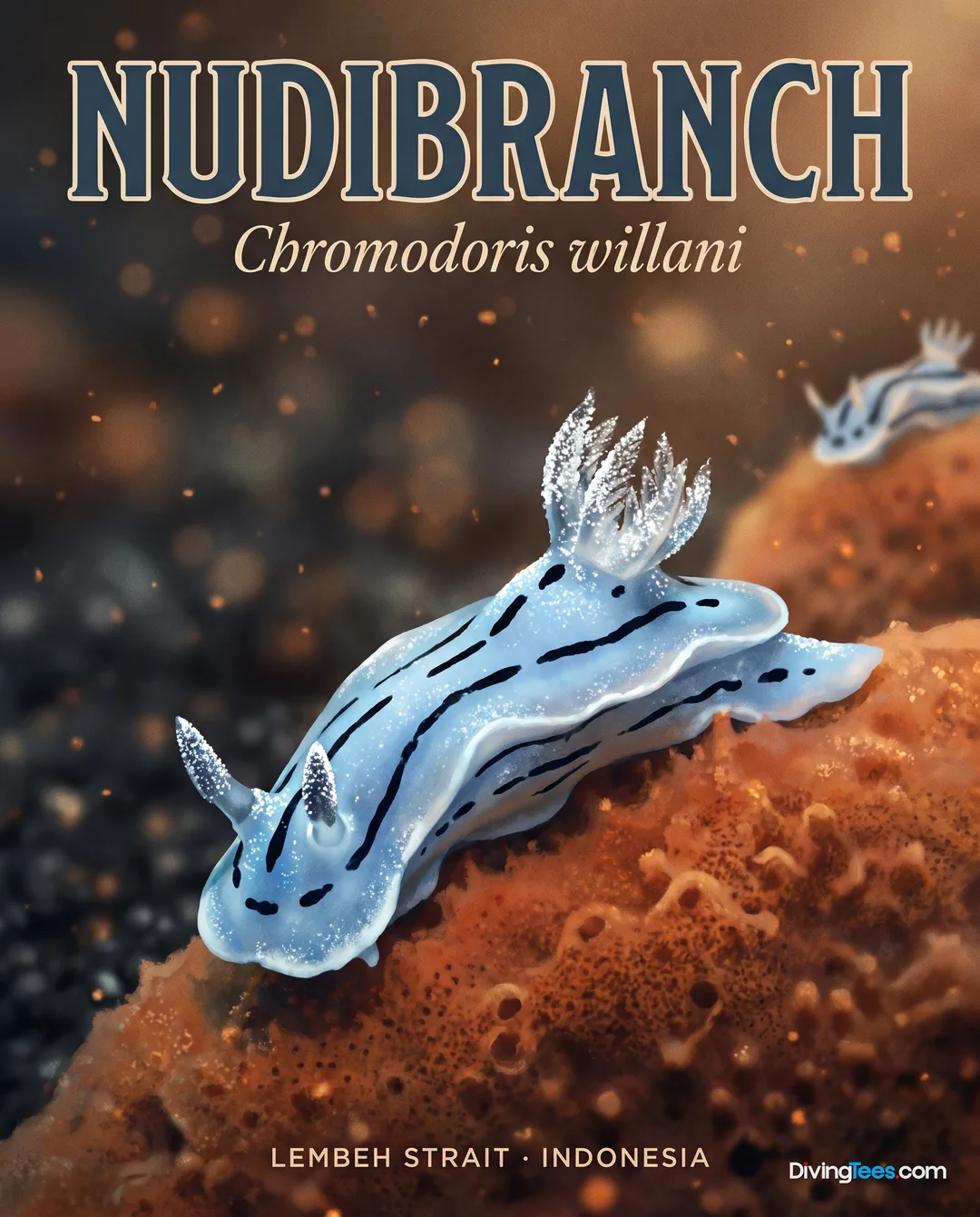
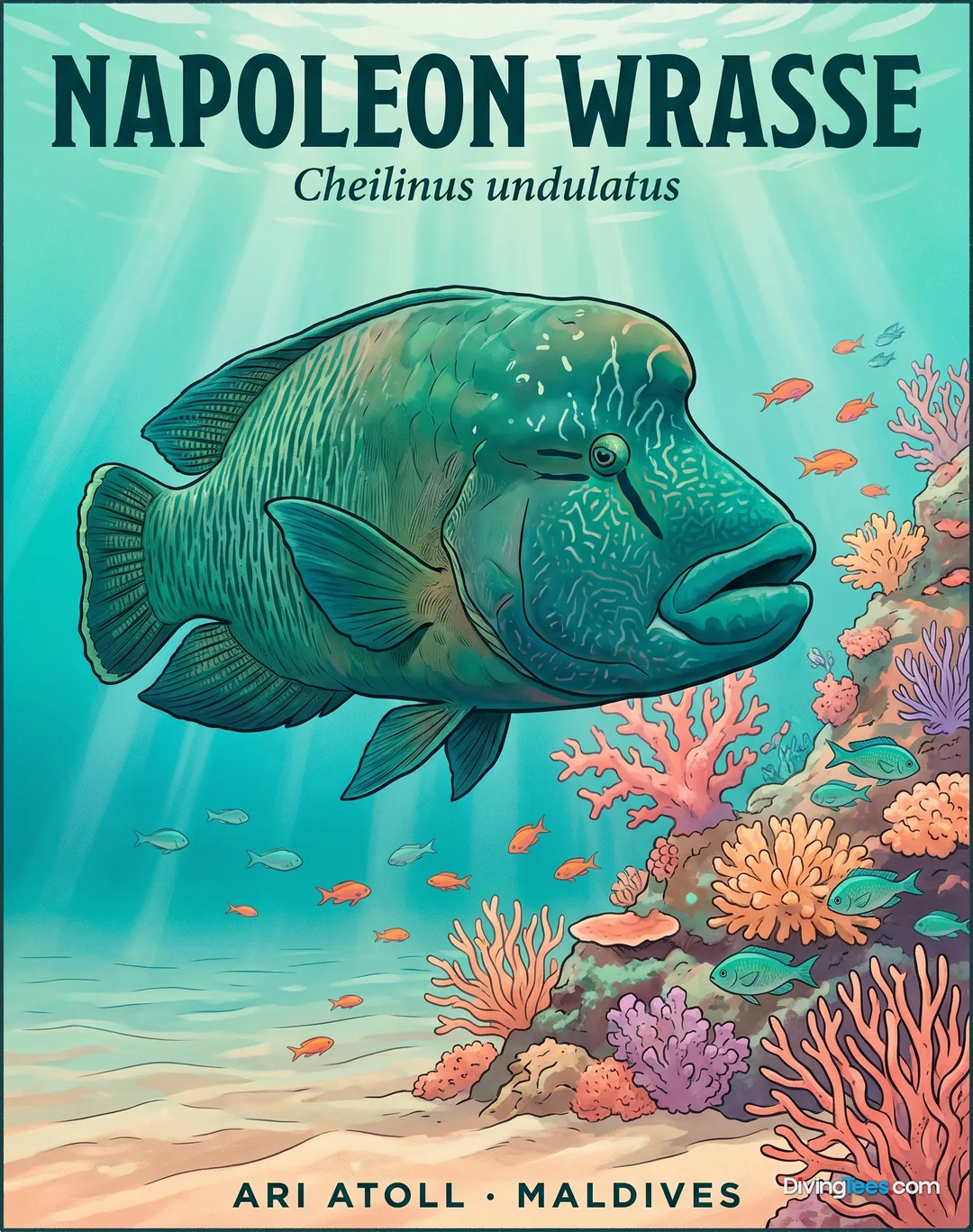
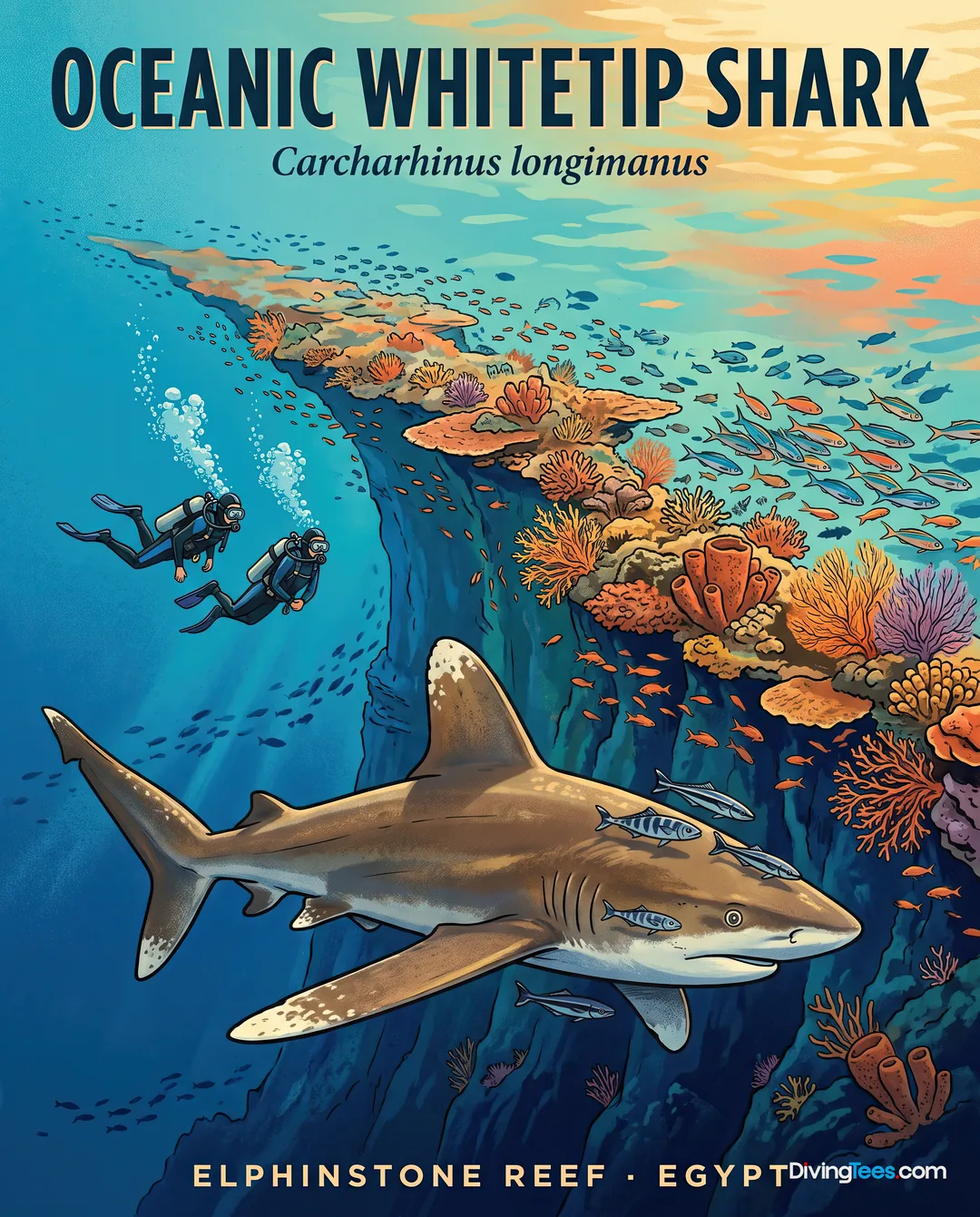
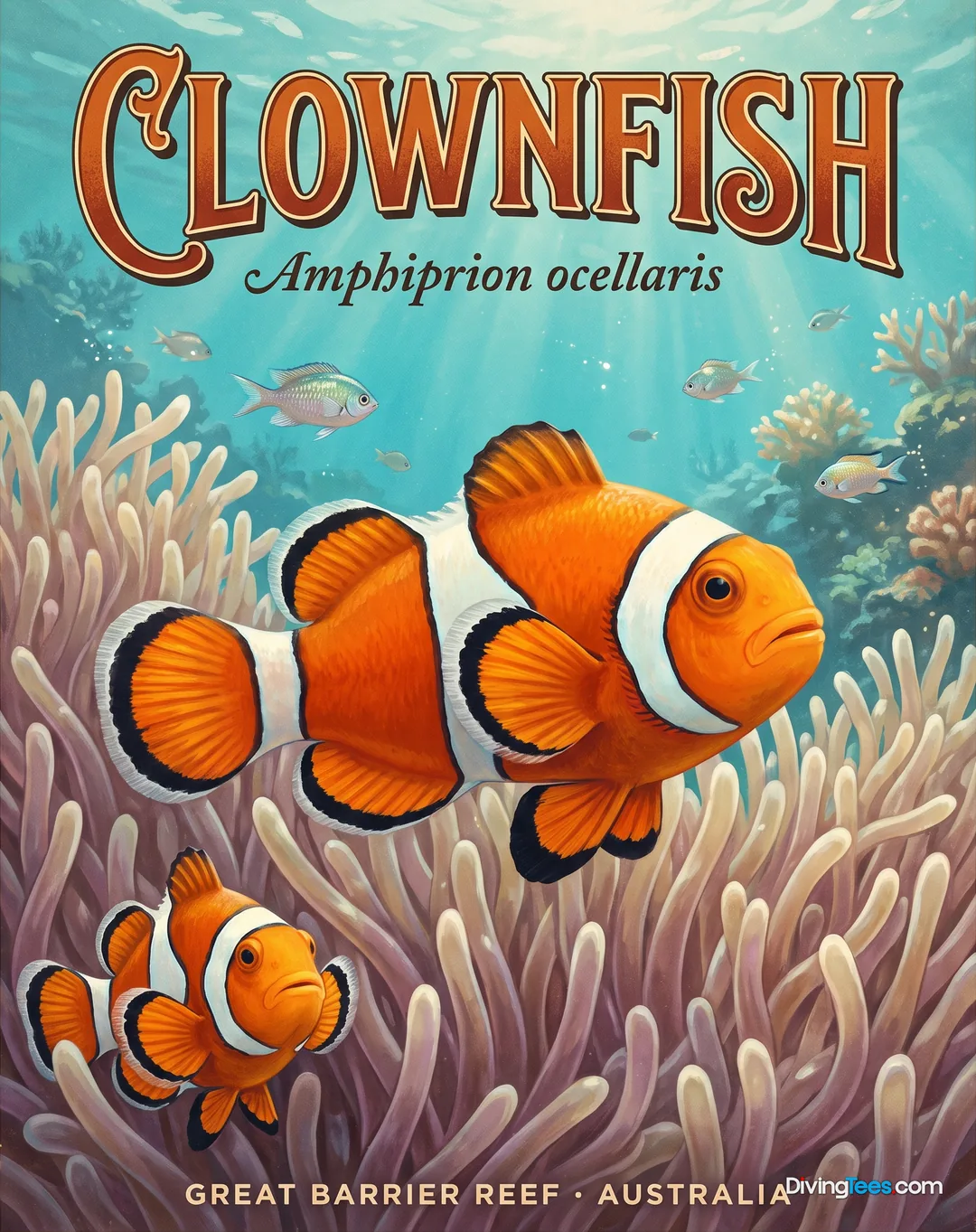
Across this route, the recurring spectacle is scale changing from one glance to the next. Barracudas, reef sharks, nudibranchs, trevally and fusiliers appear across many sites, alongside Napoleon wrasse, turtles, sweetlips, humphead parrotfish, soft corals, eagle rays and pygmy seahorses. Currents explain much of the big-animal action: nutrient-rich water gathers schooling fish and hunting predators around reefs such as Cape Kri, Blue Magic and Cross Over. Cleaning stations give Manta Sandy its purpose, where reef and oceanic mantas may hover while cleaner fish work over them. Some encounters are tied to one site. Cape Kri is the place for the giant grouper and white-tip reef shark; Blue Magic is where an oceanic whitetip shark and tuna are recorded; Yenbuba Jetty is the site for anthias and damselfish among the jetty pilings; South Kri is where bigeye trevally, crabs and shrimp stand out; Ransiwor is the site associated with octopus and clownfish; Sorido Wall brings surgeonfish into the schools of fusiliers and barracudas. The attraction is not a checklist. It is the chance to watch the reef reorganise itself around current, depth and light.
Who puts you in the water
The dive team includes a chief dive guide, an instructor and additional dive guides, with the cruise director and guides speaking English and Indonesian. Briefings are built around the site and the current: where to enter, which side of the reef to hold, where the group should expect the action and where the tender will collect divers. On current sites, reef hooks may be needed, including at Cape Kri. The crew carries oxygen and first-aid kits, and the boat has VHF/DSC/SSB radio, GPS, radar, sonar, an emergency position beacon, mobile and satellite phones, fire alarms and extinguishers, life rafts and lifejackets. The crew is trained in first aid.
The dive deck and the gear
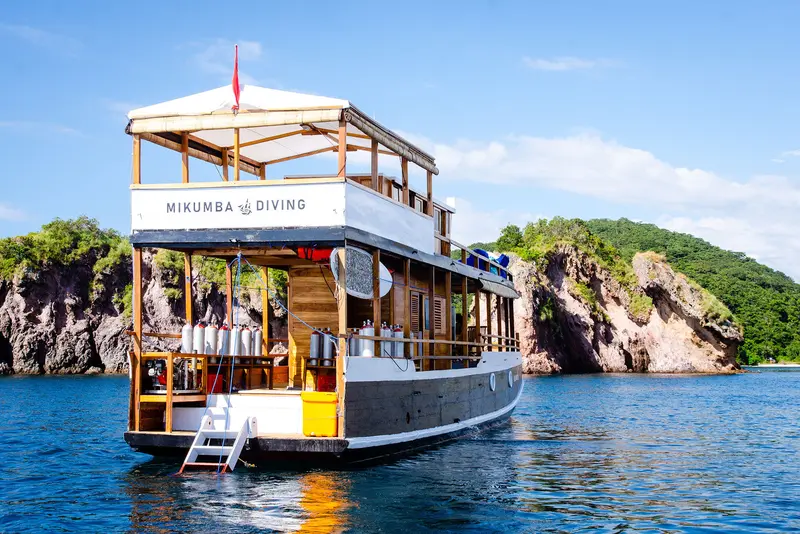
The dive deck is shaded and arranged for repeated tender departures, with tank stations, rinse bins and a dedicated camera rinse area. DIN adapters are available. Nitrox and rental equipment are available as optional extras. Two six-metre tenders, each with a 40-horsepower outboard, take up to eight diving guests and handle the final trip to the reef. Divers enter from the tender by a positive-buoyancy back roll where the site allows, then return to the tender for collection after surfacing. Back aboard, hot-water showers and towels matter more than they sound after a current dive. The boat also provides outdoor showers, charging stations and a camera workspace, which keeps the wet and delicate parts of the operation separate from the living areas.
Between dives
Between dives, the best place is the shaded outdoor dive area or the observation deck, where the view is of limestone islands, open water and the next tender run rather than a television screen. The air-conditioned salon offers a cooler retreat, with a library, audio and video entertainment, and internet access available as an option. There is also an indoor camera room and separate camera rinse facilities, so photographers can work without spreading housings and chargers across the dining space. Non-divers and snorkellers are welcome, with snorkelling gear, guides and excursions included. A beach barbecue or shore excursion can break up the underwater routine when the route permits. Otherwise the gap is usefully simple: dry kit, eat, check a lens, watch the current and get ready for the next descent.
A day on board
A day starts with the dive operation, not with a leisurely hotel breakfast. The first briefing comes before the first tender departure, and the boat's shaded deck becomes a working space of tanks, cameras, fins and wet gear. After the first dive, divers return for food, hydration and a chance to log what they saw before the next entry. The route then alternates between dives, meals, surface intervals and the short movements needed to place the boat or tenders at the next reef. Afternoon dives often change the feel of the day as the light drops and the reef colours deepen. Where the itinerary includes a night dive, the tender takes divers back to the boat afterward for a warm drink and a dry towel; a beach barbecue or shore excursion can replace the underwater plan when the route allows. The exact number and timing of dives depend on the itinerary, conditions and site.
What you eat aboard
The galley is one of La Galigo's clearest strengths. Meals combine Indonesian cooking with Western dishes, served buffet-style, with snacks available throughout the day so a diver is not waiting for the next formal meal to replace the calories spent underwater. Vegan and vegetarian options are available, and the kitchen caters to different dietary requirements. Beer and wine are available, while coffee, tea, drinking water and full-board meals are included. The useful detail is not the size of the menu; it is the way food supports a diving day. There is something ready after a dive, the table can work for a quick plate or a longer meal, and local flavours give the trip a sense of place that a purely international menu would lose. Barbecue meals and beach barbecues add another setting when the itinerary allows it.
Nights at sea
The cabins are on the lower deck, aft, with portholes rather than large hotel windows. Each has air conditioning and a private bathroom, and several categories are available: Deluxe Twin/Double, Master, Deluxe Double and The Suite. Some cabins have an accessible balcony and sea views. That gives the boat a practical split between private sleeping space below and open air above, where guests spend the daylight hours after returning from a tender. Nights are therefore more about a cool, dark cabin and the steady presence of a liveaboard around it than about resort-style room design. The boat has hot-water showers, daily housekeeping and a separate indoor lounge when the weather closes in. Divers carrying cameras should appreciate having a dedicated camera area rather than turning the sleeping cabin into a drying room.
Deluxe Twin/Double Cabins
Master Cabins
The Suite
Deluxe Double Cabins
What to know before boarding
Raja Ampat trips depart from and return to Sorong. Airport and hotel transfers are included, along with local transfers. Arriving in Sorong the night before is the sensible choice, leaving margin for domestic travel before boarding. The transfer arrangements are provided as part of the trip logistics after booking.
Deck plan
- Year built
- 2012
- Length
- 33 m
- Beam
- 8 m
- Maximum number of passengers
- 14
- Number of cabins
- 7
- Number of bathrooms
- 8
- Engines
- Mitsubishi 8M22 450 hp V8
- Cruising speed
- 5-7 knots
- Tenders
- 2 × 6 m tenders, each with 40 hp outboard engines, for 8 divers
- Website
- lagaligoliveaboard.com ↗
Hello, I'm Marina, DivingDeal.com's AI assistant. I answer in detail about hotels, dive centres and liveaboards.
Thinking about the whole trip and the flights? Talk it over with Edith →
Marina is an AI. Some links are affiliate links: DivingDeal may earn a commission, at no extra cost to you. Bookings are made with the partner.