Lembeh · Indonesia · Asia View on the map
Max. depth · 35 mBimoli Wreck, Lembeh: WWII Japanese cargo ship exploration
Explore the remains of a Japanese cargo ship lying on its starboard side in the Lembeh Strait.
What makes this site special
- Large WWII Japanese cargo ship
- Lies on its starboard side
- Exploded stern debris field
- Propeller located at 30 metres
- Significant wreck exploration potential
For subtitles in English: once the video has started, click the gearat the top right of the video, select “Subtitles/CC”, then “Auto-translate” and choose “English”.
Bimoli Wreck about the site
Located in the Lembeh Strait near Bitung, the Bimoli Wreck provides a different kind of exploration compared to the macro-focused muck diving typical of the region. This Japanese cargo ship from the Second World War lies on its starboard side, presenting a large, inclined structure to divers. The wreck stretches between 60 and 100 metres in length, offering significant surface area for exploration. You can start your descent at the upper sections around 12 to 18 metres, where the structure remains relatively intact.
As you move deeper along the wreck, the topography becomes more complex and rugged. The hull descends significantly, with the propeller resting at approximately 30 metres. The most broken part of the vessel is the stern, which was destroyed by an explosion of the cargo's ammunition. This impact has left a concentrated mass of twisted metal and debris on the seabed. Exploring this section requires careful buoyancy control to navigate the uneven, jagged surfaces of the wreckage.
The dive profile reaches a maximum depth of 35 metres at the deepest points of the debris field. Because the wreck is heavily damaged and tilted, you will find yourself navigating various angles as you move from the upper deck down to the bottom. The structural integrity of the ship is degraded, especially near the stern, creating a landscape of scattered plates and debris. This makes it a site that rewards slow, methodical exploration rather than a quick pass.
Safety and surface conditions are important considerations when diving this specific location. The site is situated in an active shipping lane within the Lembeh Strait, which introduces the possibility of surface traffic. You must be mindful of your ascent and the vessel's position when returning to the surface. This factor, combined with the wreck's depth, makes it a site that requires disciplined dive management and a focus on surface awareness.
The local environment can be influenced by seasonal weather patterns, particularly between June and September. During these months, the prevailing southeast winds can affect both the surface sea state and underwater visibility. When the wind increases, the water conditions can become more challenging for the dive. Planning your trip to account for these seasonal shifts will help you ensure the most stable conditions for an exploration dive.
Diving conditions
The wreck depth ranges from 12 to 35 metres. Advanced certification and significant experience with wreck diving and deep environments are required. Visibility and surface conditions are notably affected by southeast winds from June to September.
Three dives not to miss

Map of hotels, dive sites and dive centres in Lembeh
Dive centres in Lembeh

Hotels in Lembeh
Dive liveaboards Lembeh
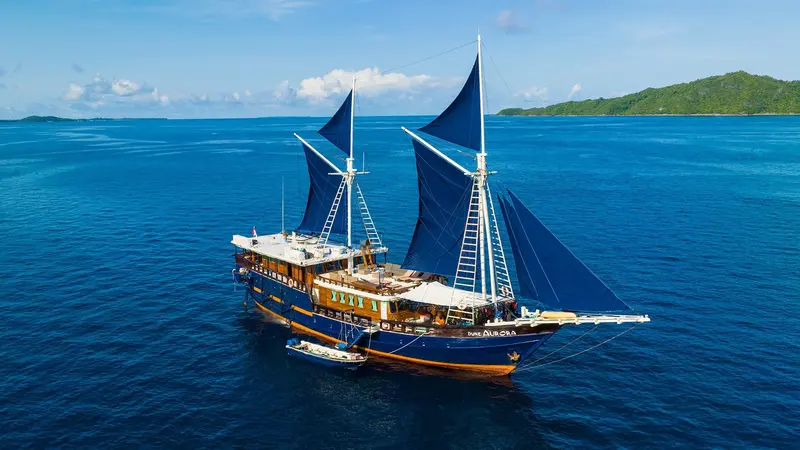
18 liveaboards run trips to Lembeh.
Frequently asked questions about Bimoli Wreck
When should you dive Bimoli Wreck?
You should plan Bimoli Wreck with seasonal conditions in mind. From June to September, southeast winds can affect surface sea state and underwater visibility. When winds increase, conditions may become more challenging. Planning around these shifts helps you seek more stable conditions for exploring the wreck in the Lembeh Strait.
What experience do you need for Bimoli Wreck?
Bimoli Wreck requires advanced certification and significant experience with wreck diving and deep environments. The ship is tilted and heavily damaged, with uneven, jagged surfaces and scattered debris, particularly near the stern. You need careful buoyancy control, disciplined dive management, and awareness of surface traffic in the active shipping lane.
How deep is Bimoli Wreck?
Bimoli Wreck ranges from twelve to thirty-five metres deep. You can begin descending around the upper sections at twelve to eighteen metres, where the structure remains relatively intact. The propeller lies at approximately thirty metres, while the deepest points are in the stern debris field at thirty-five metres.
What can you see at Bimoli Wreck?
At Bimoli Wreck, you can explore a large Second World War Japanese cargo ship lying on its starboard side. The wreck includes relatively intact upper sections, an inclined hull, a propeller, and a stern destroyed by an ammunition explosion, leaving twisted metal and debris across the seabed.