La Bohème
★★★
★ 9.7/10 (582 reviews)
1.3 km away as the crow flies
Dive centre · Lombok · Indonesia
4.6729 Google reviewsDive the vibrant reefs of Gili Air from a Diamond-rated SSI centre with dedicated reef restoration projects on-site.
For subtitles in English: start the video firstthen click the gearat the top right of the video, select “Subtitles/CC”, then “Auto-translate” and choose “English”.
Located on the tranquil island of Gili Air, northwest of Lombok, Manta Dive has been a fixture of the local diving community since 2008. The centre has grown from a small operation into a premier destination for divers seeking both technical progression and relaxation.
As an SSI Diamond centre, it maintains high standards of instruction and safety. The facility is uniquely integrated with environmental efforts, having spent six years actively involved in coral reef restoration using biorock technology directly in front of the resort.
The team at Manta Dive is composed of highly qualified instructors capable of guiding you through a wide range of PADI and SSI programmes. They provide instruction in English, German, French, Spanish, and Indonesian, making it easy to communicate technical details during your training.
Safety and individual attention are central to their operation, with a maximum ratio of four divers per guide. This ensures that whether you are completing your first Open Water course or working towards a Divemaster certification, you receive the necessary supervision and support.
Manta Dive offers a comprehensive curriculum through both PADI and SSI affiliations. Beginners can start with an Introduction Dive or work through the Scuba Diver and Open Water Diver courses. For those looking to advance, the Advanced Open Water, Deep Diver, and Navigation courses are available.
Specialty training is extensive, covering topics such as Nitrox, Wreck, Night or Limited Visibility, and Perfect Buoyancy. The centre also caters to professional candidates, offering Divemaster and Instructor courses, alongside Emergency First Responder and React Right training.
The centre operates traditional wooden boats for its daily excursions. These vessels take you out to the various reef systems and sites surrounding the Gili Islands for morning and afternoon sessions.
Night dives are also organised from these boats, allowing you to experience the local marine life after sunset. Nitrox is available for use on these trips to help extend your bottom time on the reefs.
The centre is equipped to handle a variety of diving needs, offering Nitrox for divers looking to optimise their profiles. Safety is a priority, with oxygen for emergency use available on-site.
For those staying at the resort, the facility includes comfortable accommodation ranging from traditional Sasak-style bungalows with Alang-Alang roofs to more modern garden rooms and luxury bungalows. The on-site Manta Taqueria provides convenient dining for divers between sessions.
The Glenn Nusa Wreck provides an opportunity to explore an artificial structure, suitable for those looking to practice buoyancy and navigation around a wreck site.
Shark Point and Jack Point are iconic locations for spotting larger marine life. These sites offer varied topography that is excellent for both reef exploration and observing pelagic species.
Meno Wall and Air Wall offer vertical or sloping reef structures. These sites are ideal for observing reef sharks and a variety of colourful reef fish against the backdrop of the drop-off.
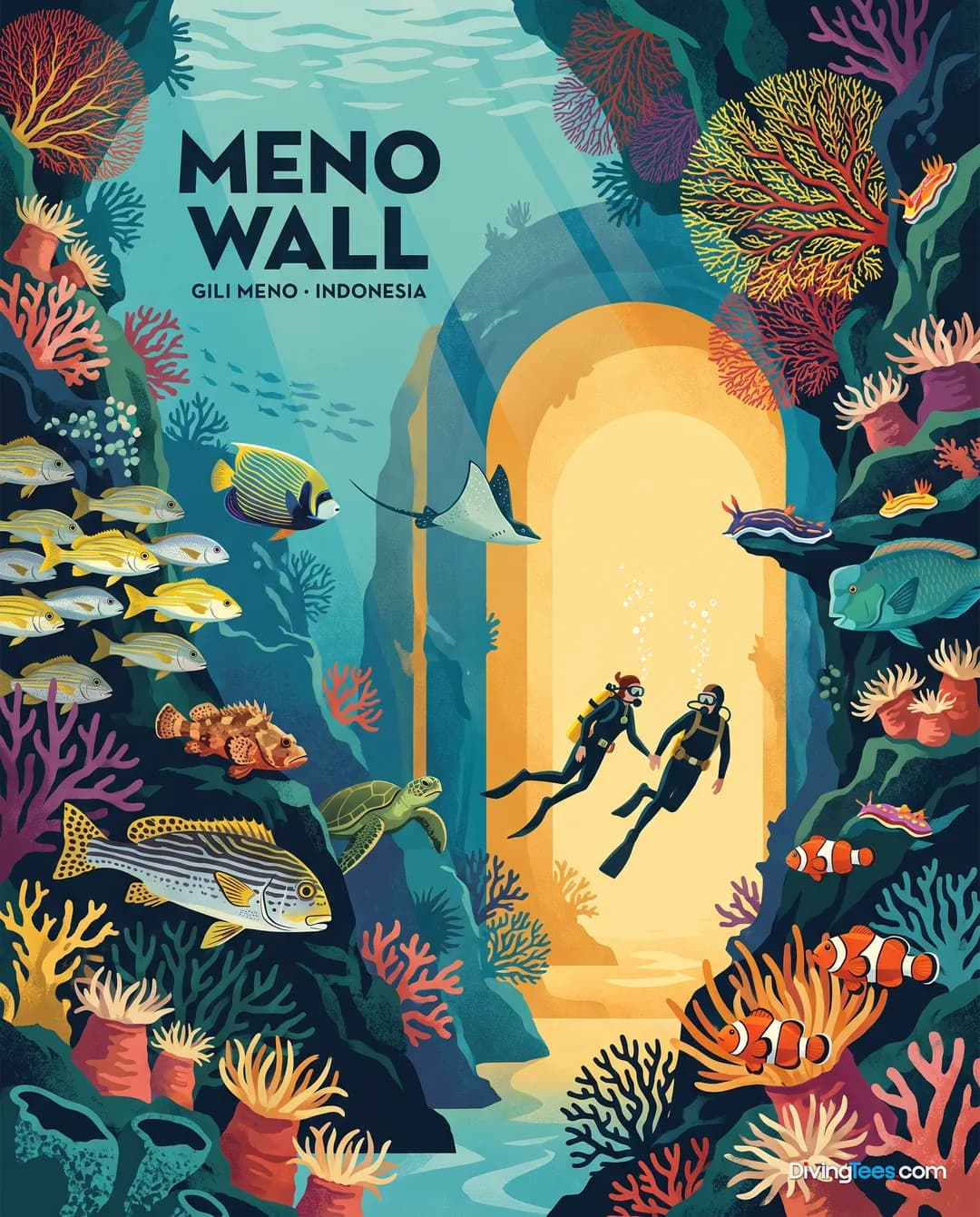
down to 24 m
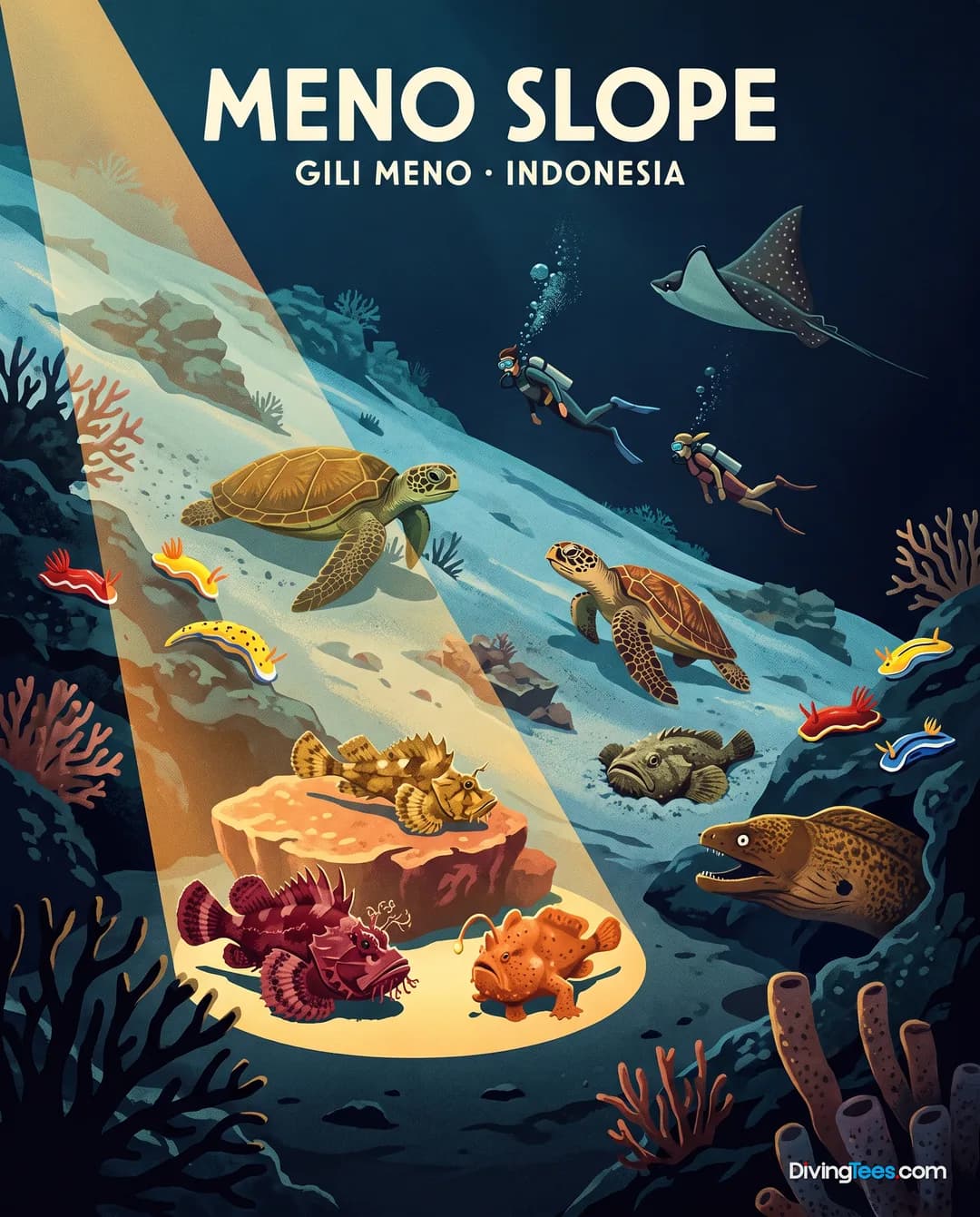
down to 30 m
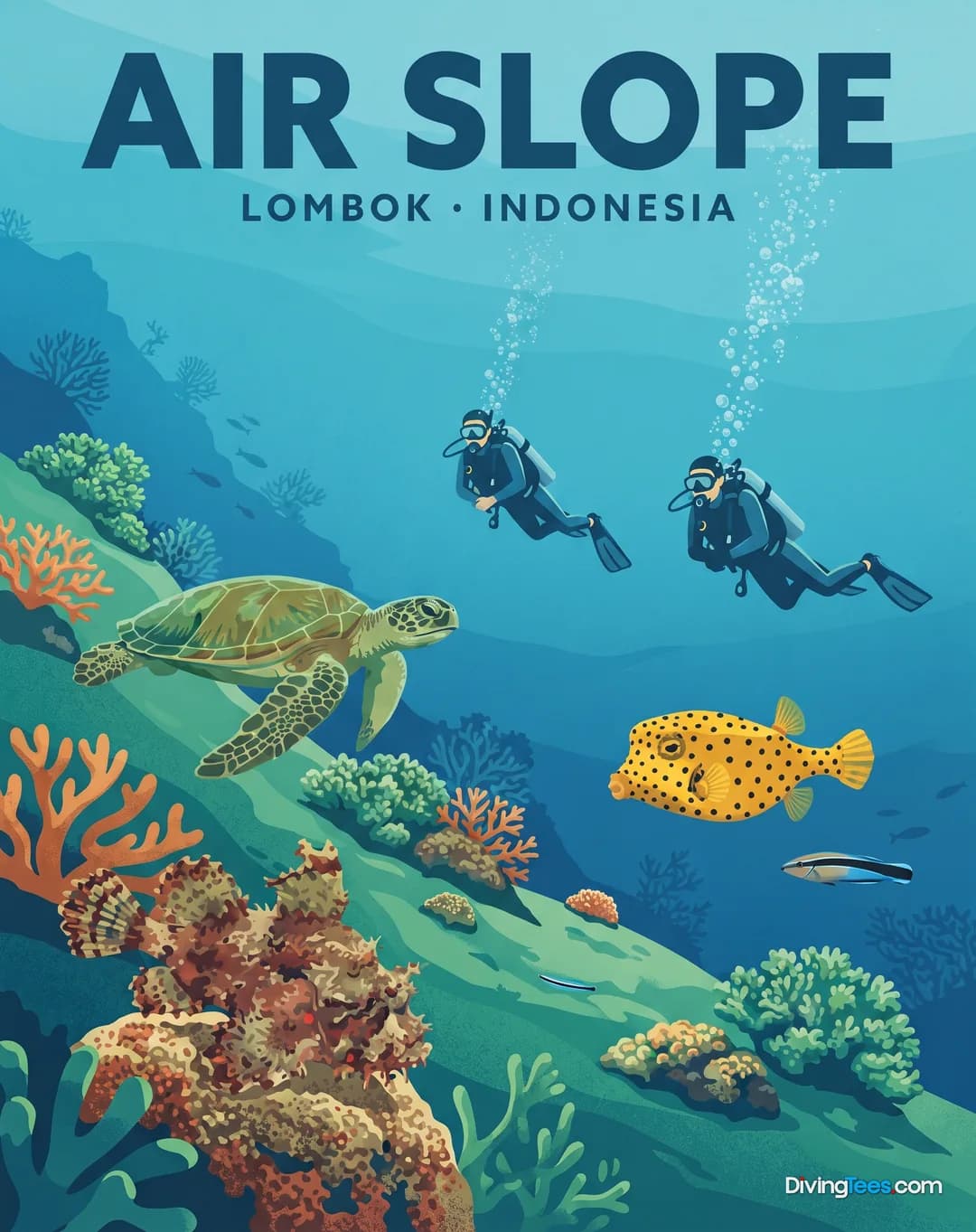
down to 26 m
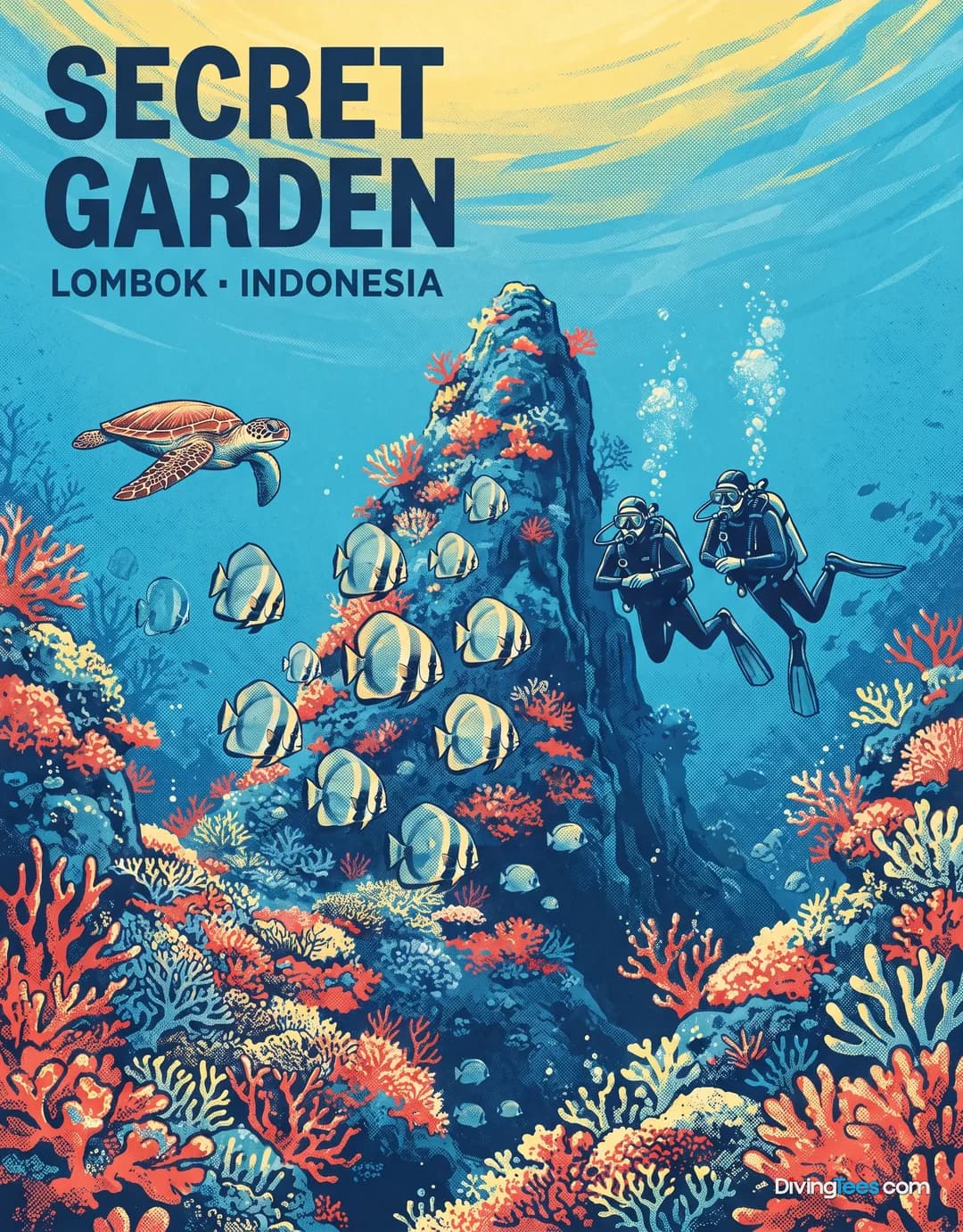
down to 30 m
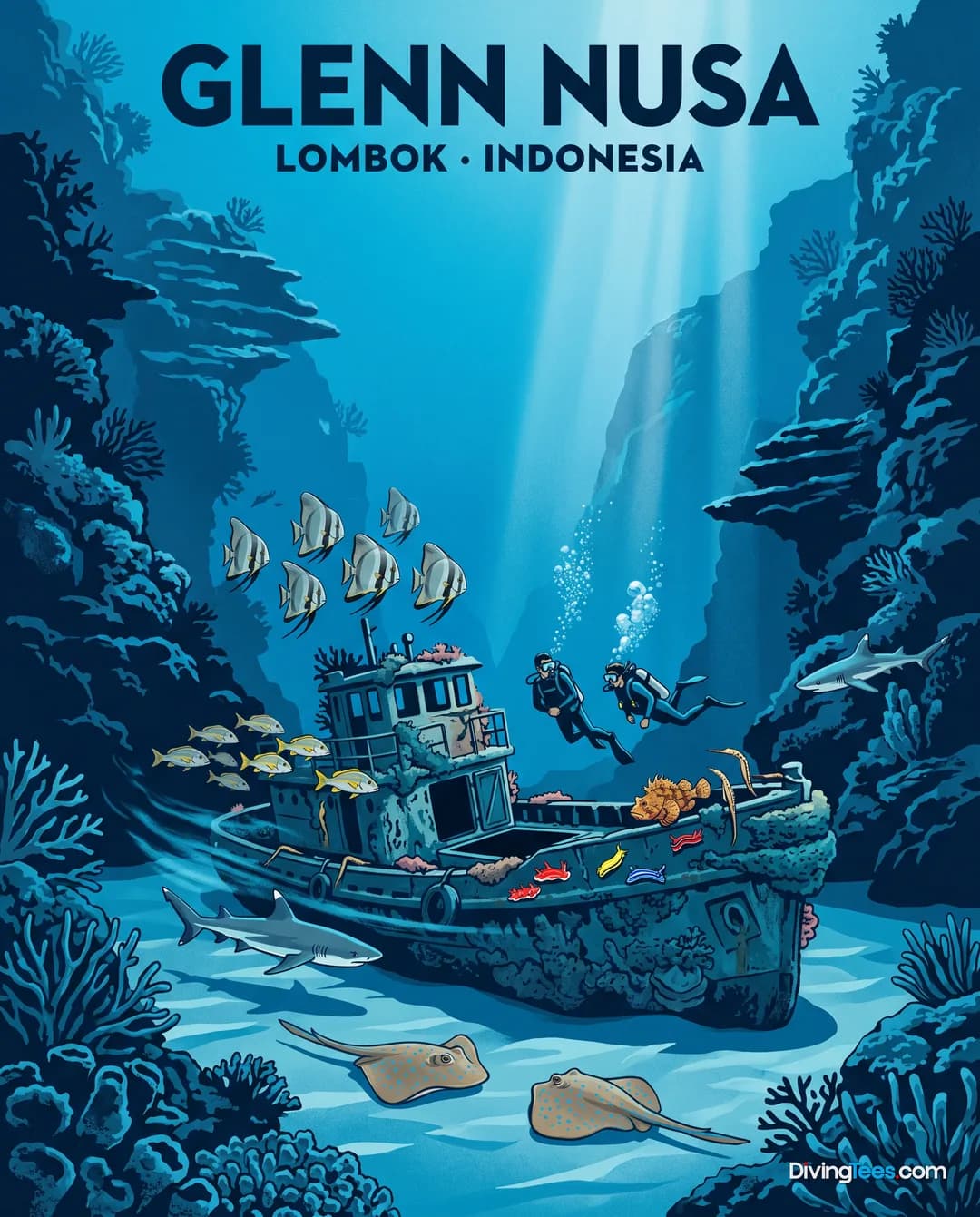
down to 30 m
And some of the dive sites the centre runs.
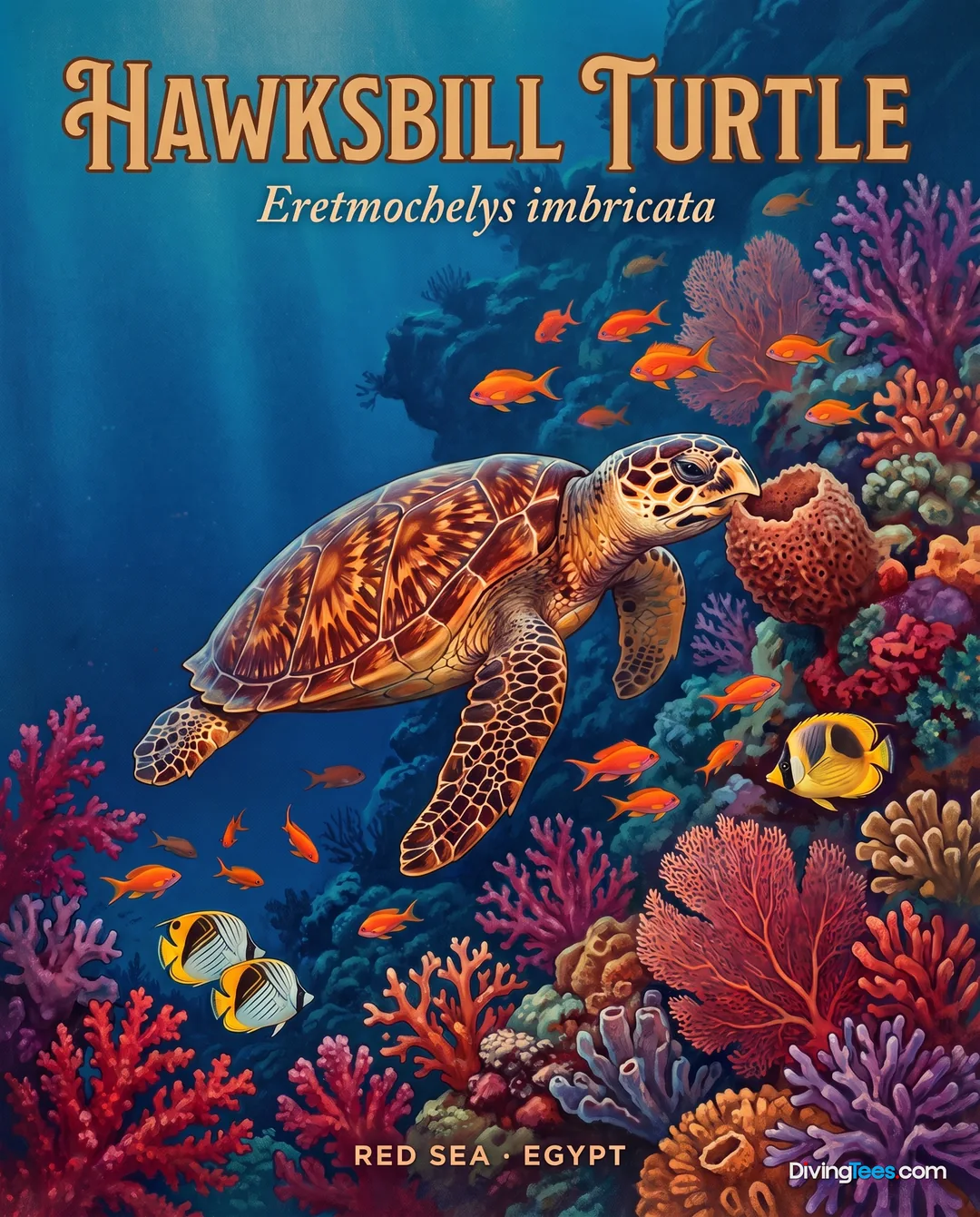
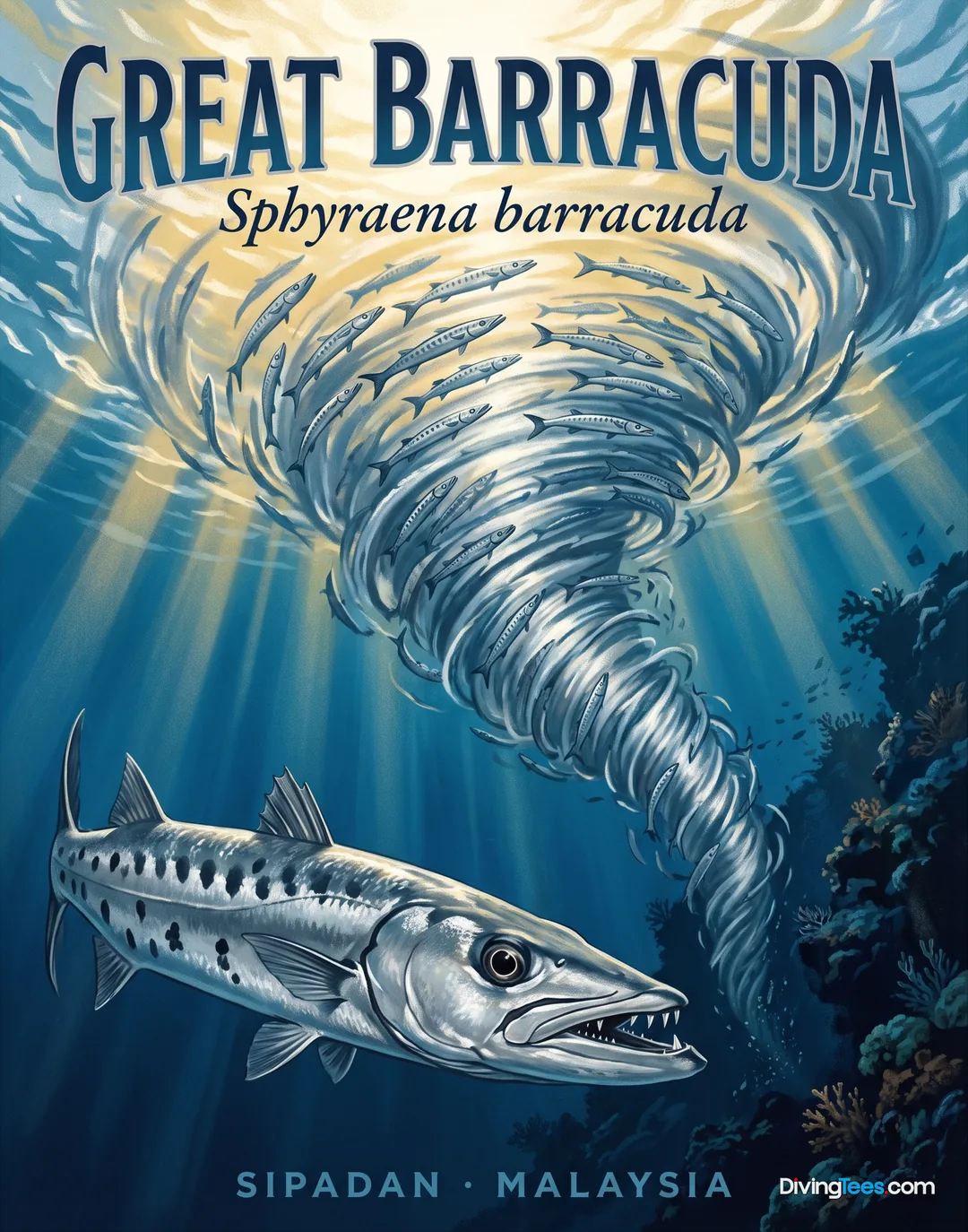
The waters around Gili Air are teeming with life, from large pelagics to small, intricate creatures. You will regularly encounter sea turtles, reef sharks, and rays cruising the reef flats and slopes. Schools of various fish, including surgeonfish, butterflyfish, lionfish, and pufferfish, are common sights.
Macro enthusiasts will find plenty to observe in the crevices and seagrass beds. Keep an eye out for octopus, cuttlefish, and seahorses hiding among the coral and sand.
The reef itself is a vibrant habitat, with clownfish frequently found amongst anemones. The biodiversity is supported by the local coral health, including the biorock structures maintained by the centre.
Divers should be aware that strong currents can occur between the Gili Islands. These currents can change the nature of a dive, particularly when navigating the walls or moving between the islands.
Planning your dives around the scheduled departures—typically at 8:00 am, 11:30 am, or 2:00 pm—allows you to make the most of the local conditions and tidal shifts.
Hello, I'm Marina, DivingDeal.com's AI assistant. I answer in detail about hotels, dive centres and liveaboards.

Thinking about the whole trip and the flights? Talk it over with Edith →
Marina is an AI. Some links are affiliate links: DivingDeal may earn a commission, at no extra cost to you. Bookings are made with the partner.
★★★
★ 9.7/10 (582 reviews)
1.3 km away as the crow flies
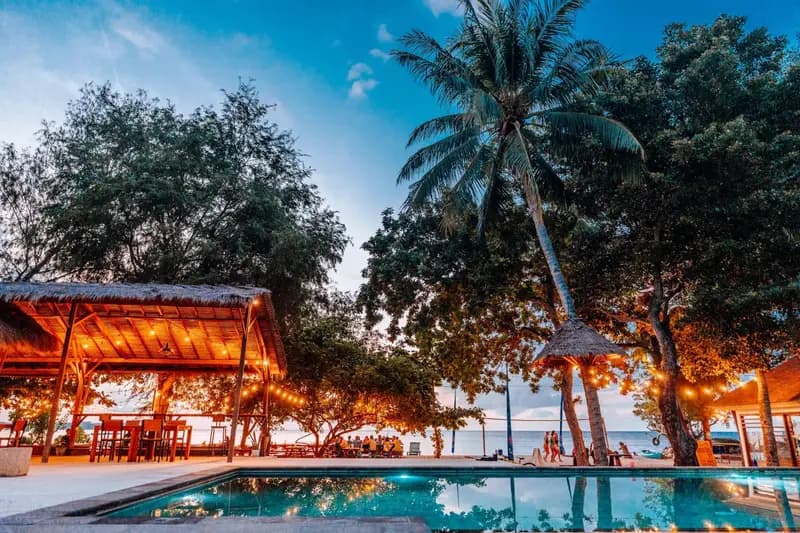
★★★
★ 8.9/10 (662 reviews)
1.4 km away as the crow flies
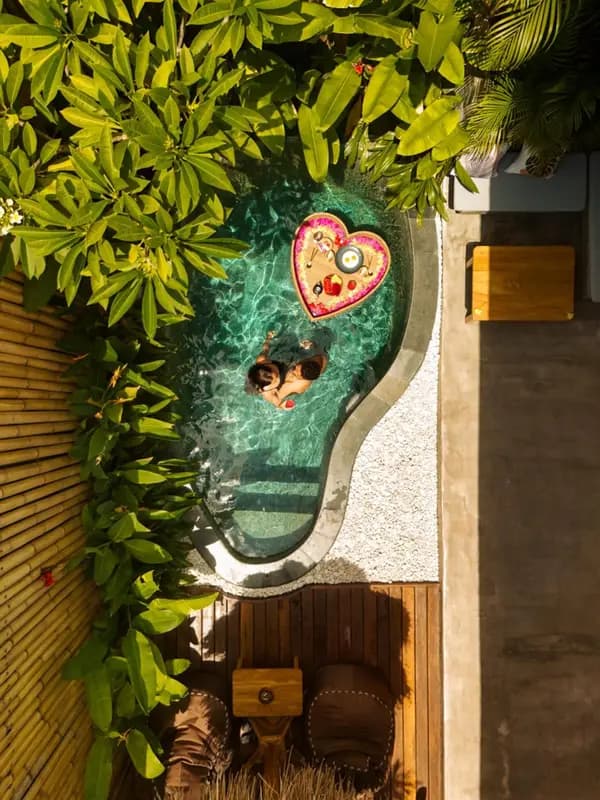
★★★★
★ 9.6/10 (144 reviews)
5.8 km away as the crow flies
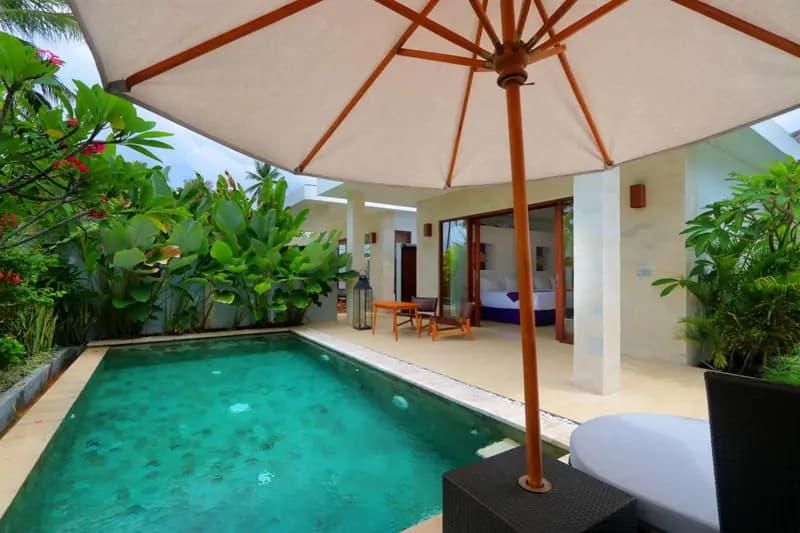
★★★★★
★ 9/10 (269 reviews)
3.3 km away as the crow flies
Your last day stays dry: no diving in the 18-24 hours before a flight the perfect window to see the destination from another angle.

⏱ 3 h · ★ 5.0 (305 reviews)
from €26
see on Viator ↗
 City
City⏱ 7 h · ★ 5.0 (27 reviews)
from €110
see on Viator ↗
 Culture
⏱ 8 h · ★ 5.0 (25 reviews)
from €55
see on Viator ↗
 Nature
⏱ 10 h · ★ 5.0 (15 reviews)
from €63
see on Viator ↗
Ratings and reviews collected by Viator and Tripadvisor.