
Lembeh - Solitude Lembeh Resort
Google 4.7/5 (173 reviews)
2.6 km away as the crow flies
North Sulawesi · Indonesia · Asia
Max. depth · 30 mDescend into the black sand and rubble of Hairball, where the gentle slope reveals an unparalleled diversity of rare macro life, making it a true king among Lembeh Strait's muck sites.
For subtitles in English: start the video firstthen click the gearat the top right of the video, select “Subtitles/CC”, then “Auto-translate” and choose “English”.
Dropping into Hairball is like entering a treasure hunt across a gentle slope of black volcanic sand, a topography that immediately sets the stage for discovery. Scattered across this dark canvas are patches of rubble and occasional sunken logs, each offering crucial habitat for the countless organisms that call this site home. There's no dramatic wall or vibrant coral reef here; the beauty lies in the subtle textures and hidden details, demanding a slower, more deliberate approach to your dive.
The dive profile typically involves a slow, meandering traverse across this subtle slope, extending down to a maximum depth of 30 metres. The very weak currents allow for leisurely exploration, granting ample time to meticulously scan every piece of debris and every ruffle in the sand. This patient observation is key, as many of Hairball's residents are masters of camouflage, blending seamlessly into their unique environment until a careful eye picks them out.
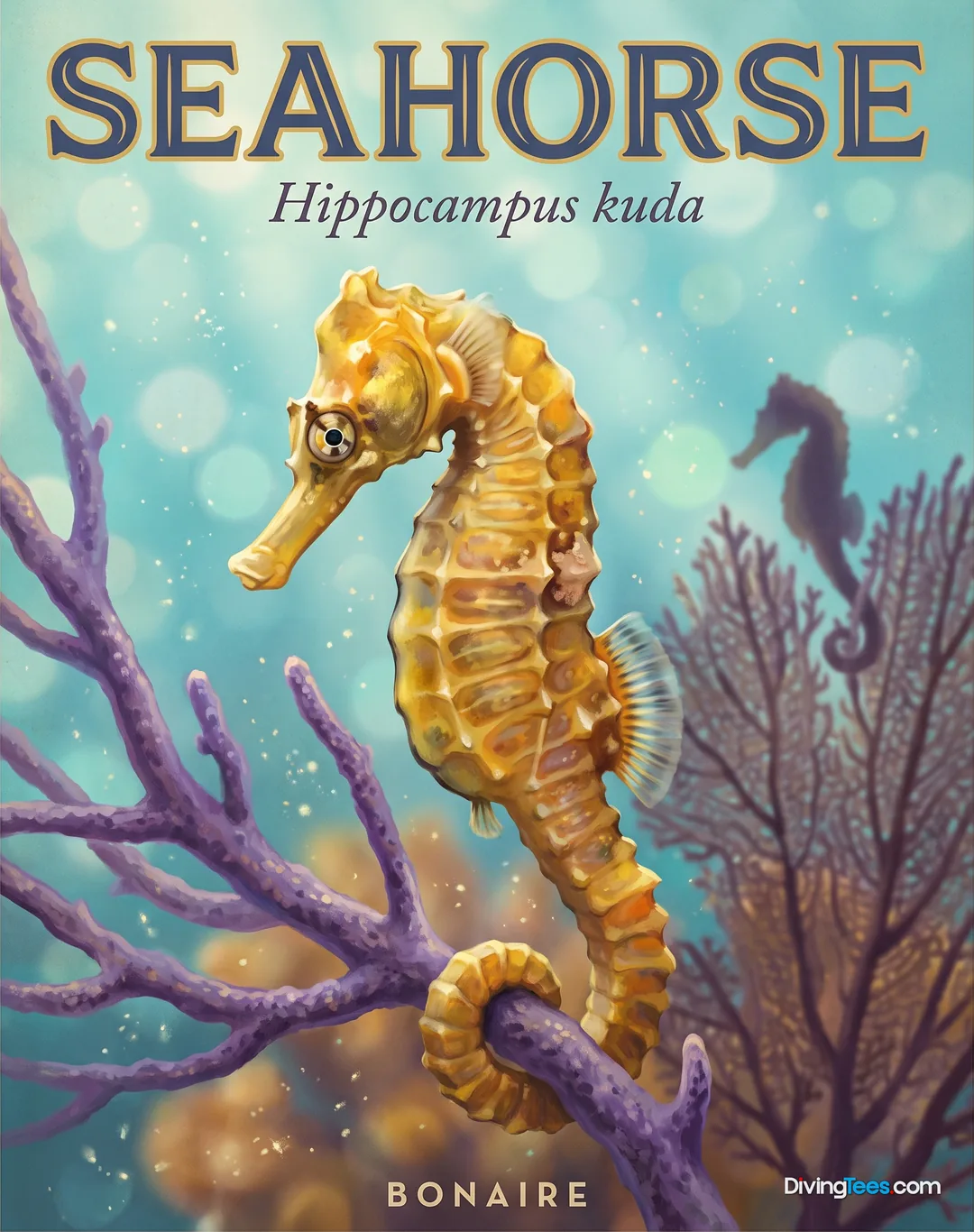
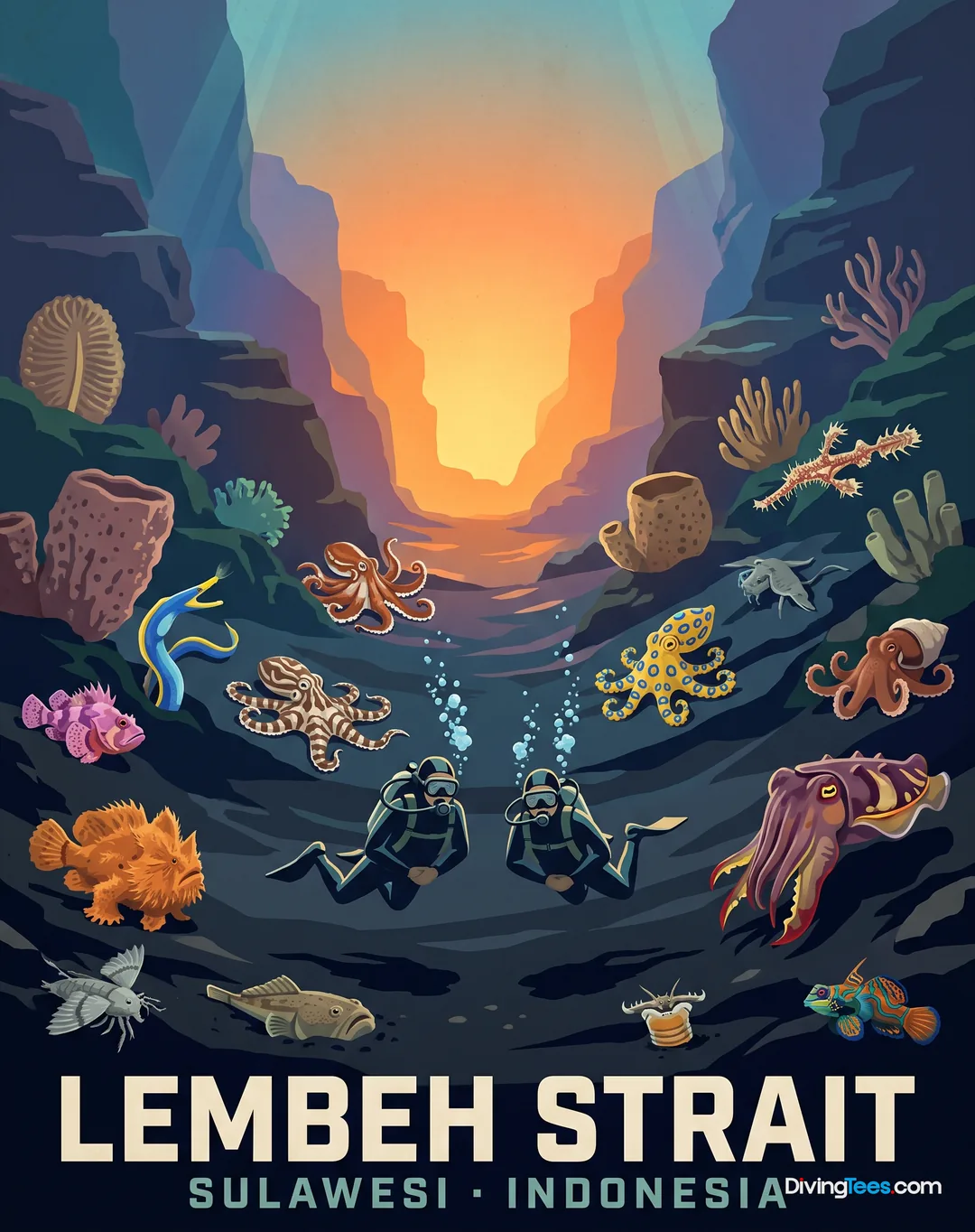
Hairball often earns its reputation as a king among kings in the Lembeh Strait for its critter diversity, a claim that becomes evident with every metre traversed. Here, you'll specifically be looking for the elusive Hairy frogfish and its close cousin, the Lembeh hairy frogfish, often perched motionless, waiting for unsuspecting prey. Keep your gaze sharp for the delicate Common seahorse, which prefers to cling to strands of detritus rather than coral.
Beyond the frogfish and seahorses, the site also reliably delivers sightings of the Roughsnout ghost pipefish, an expert at mimicking its surroundings, swaying gently with the water's movement. Among the rubble and sand, the unique Carrying crab can be seen, often adorned with sponges or anemones for camouflage, adding to its already intriguing appearance. Deeper observations may also reveal the intelligent Wunderpus octopus, often seen navigating the bottom with its signature slow, purposeful movements.
The bottom topography, with its mix of fine black sand, rubble, and occasional larger debris, provides the perfect substrate for a variety of fascinating bottom dwellers. Keep an eye out for Napoleon eels and snake eels as they undulate through the sand or peer out from their hidden burrows. This specific combination of substrate and shelter contributes directly to why Hairball boasts such a concentrated and varied population of highly sought-after macro subjects, making each dive a unique opportunity for discovery.
Hairball is accessible to divers of all levels, offering a maximum depth of 30 metres, making it suitable for a wide range of certifications. You can expect very weak currents throughout the dive, allowing for relaxed and unhurried exploration. Visibility generally holds strong at around 15 metres, providing clear views of the intricate macro life. The best time to experience Hairball, and the broader Lembeh Strait, is from the end of March until the end of November, which is the driest period, offering optimal diving conditions.
The best time to experience Hairball and the broader Lembeh Strait is from the end of March until the end of November. This is the driest period, offering suitable diving conditions for exploring the black sand slope and searching carefully for Hairball’s varied macro life.
Hairball is accessible to divers of all levels. Its gentle black volcanic sand slope and very weak currents allow relaxed, unhurried exploration across the site. Divers with a wide range of certifications can enjoy the slow search for camouflaged creatures among rubble, debris, and occasional sunken logs.
Hairball reaches a maximum depth of 30 metres. You can expect very weak currents throughout the dive, making it possible to move slowly across the slope and inspect sand, rubble, debris, and hidden burrows without rushing. The site’s visibility generally holds strong at around 15 metres.
At Hairball, you can search for Hairy frogfish, Lembeh hairy frogfish, Common seahorses, Roughsnout ghost pipefish, Carrying crabs, and Wunderpus octopus. The black sand, rubble, and debris may also reveal Napoleon eels and snake eels, with many subjects blending into the surroundings and rewarding careful observation.