Manado Dive Club
Google 5/5 (412 reviews)
8.1 km away as the crow flies
North Sulawesi · Indonesia · Asia
Max. depth · 40 mExplore the Molas Shipwreck, a World War II cargo vessel resting upright on a sandy slope, now a vibrant artificial reef teeming with macro life.
Dropping onto the Molas Shipwreck, you immediately feel the history of this World War II casualty. The wreck lies upright on a gentle sand slope between Bunaken Island and Manado, with its bow starting around 20 to 22 metres. As you descend, the superstructure rises into view, heavily encrusted with soft corals and barnacles, creating a complex habitat that blends manufactured and natural elements. The dive profile follows the slope, allowing for a gradual exploration of the ship's various sections.
The Molas is generally identified as a Dutch cargo vessel, discovered in 1980, and its structure tells a story. A large hole in the hull, often attributed to torpedo damage, offers a glimpse into its wartime demise. While the wreck itself provides a focal point for the dive, the surrounding sandy bottom and the ship's surfaces are where the true critter action unfolds. This site rewards a slow pace, allowing you to meticulously inspect every crevice and growth.
As you navigate the wreck, you'll find the stern and its intact propeller resting on the deeper part of the slope, around 38 to 41 metres. This propeller is a key photographic feature, often highlighted by the ambient light filtering through the water. The visibility here, typically between 5 and 15 metres, often creates a distinctive, atmospheric wreck ambience, different from the clear walls of Bunaken, adding to the sense of discovery as the wreck emerges from the blue.
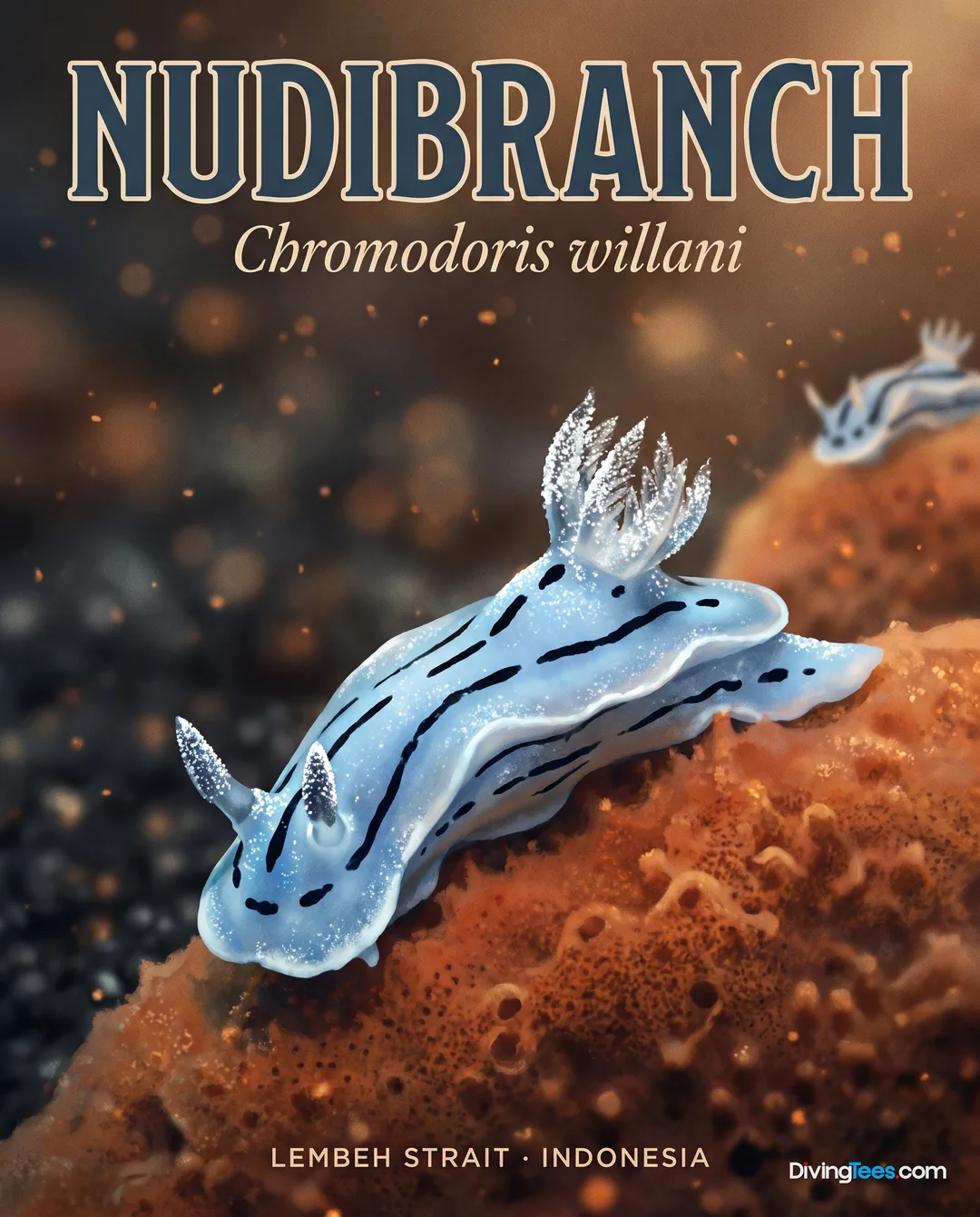
The Molas Shipwreck is a magnet for diverse marine life, particularly for those with a keen eye for macro subjects. Longfin batfish (Platax teira) often school around the wreck, while nudibranchs in various forms and colours are found meticulously grazing on the encrusted surfaces. Keep an eye out for ribbon moray eels (Rhinomuraena quaesita) peeking from their hiding spots within the wreck's structure, their vibrant colours a stark contrast to the muted tones of the metal.
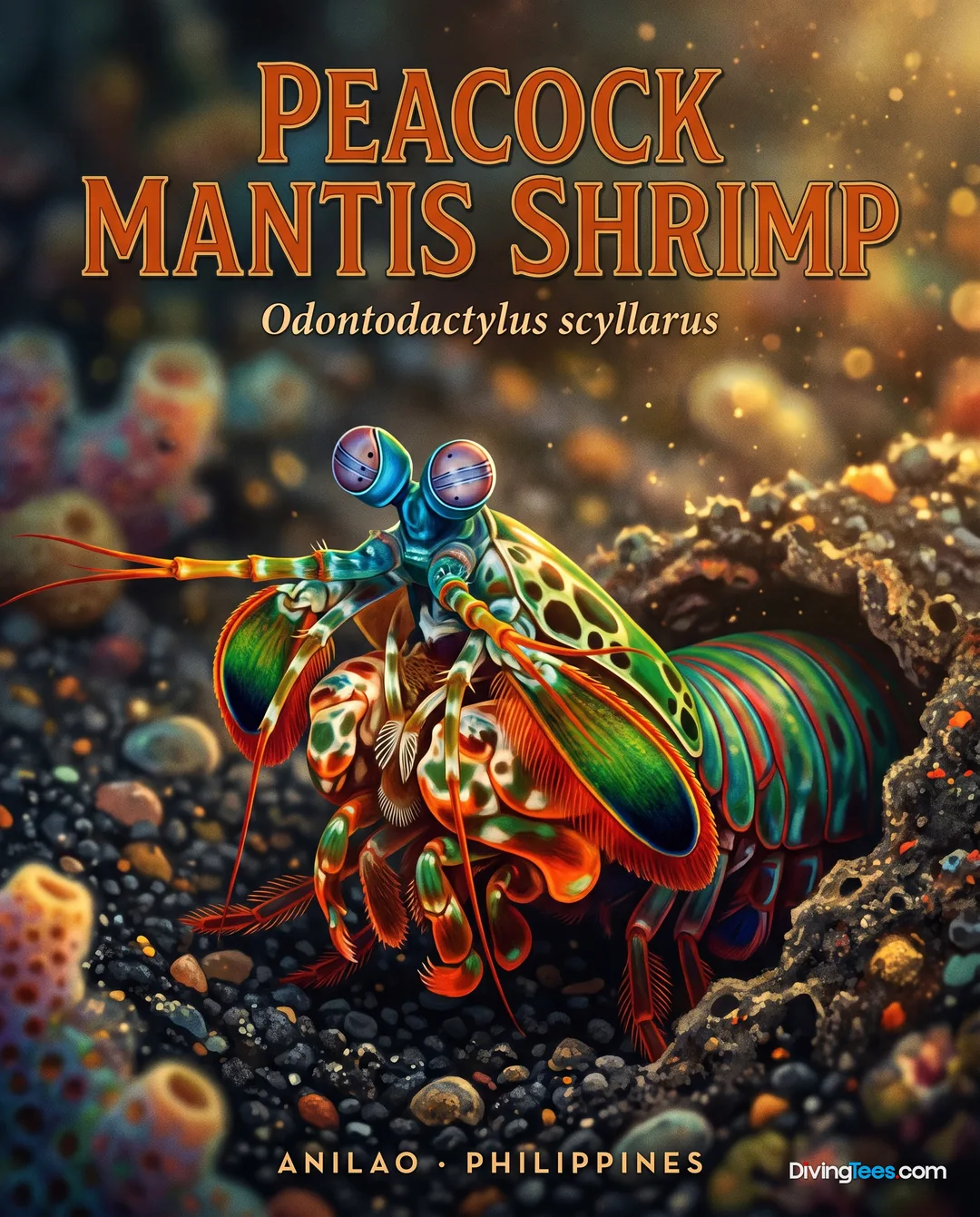
Beyond the wreck's immediate structure, the sandy bottom surrounding it is equally productive. Mantis shrimp (Odontodactylus scyllarus) are often spotted near their burrows, their iridescent colours catching the light. The interplay of light and shadow cast by the wreck creates endless opportunities for discovery, especially for macro photography, as many camouflaged residents blend seamlessly into their environment. Patience is key to uncovering these hidden gems.
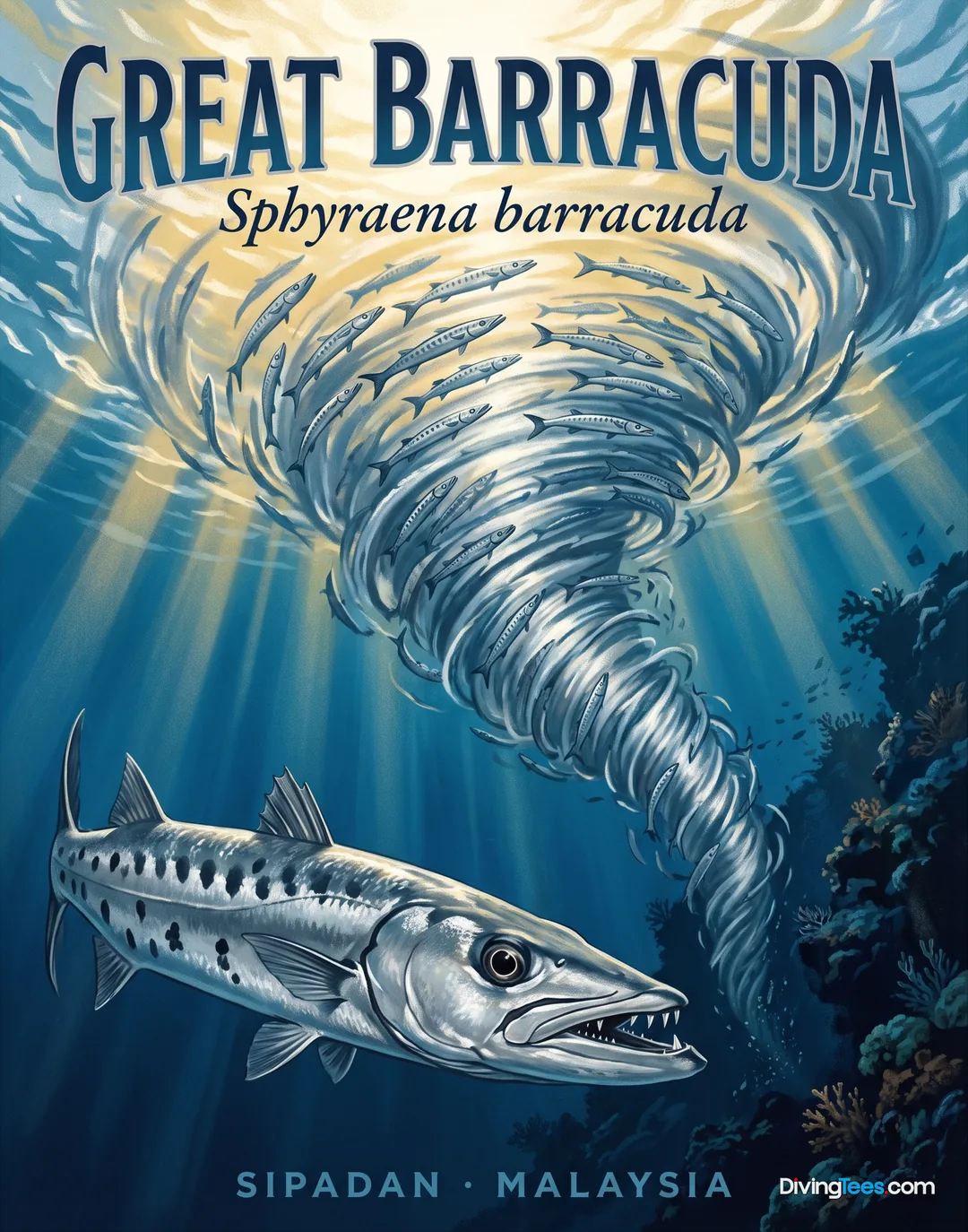
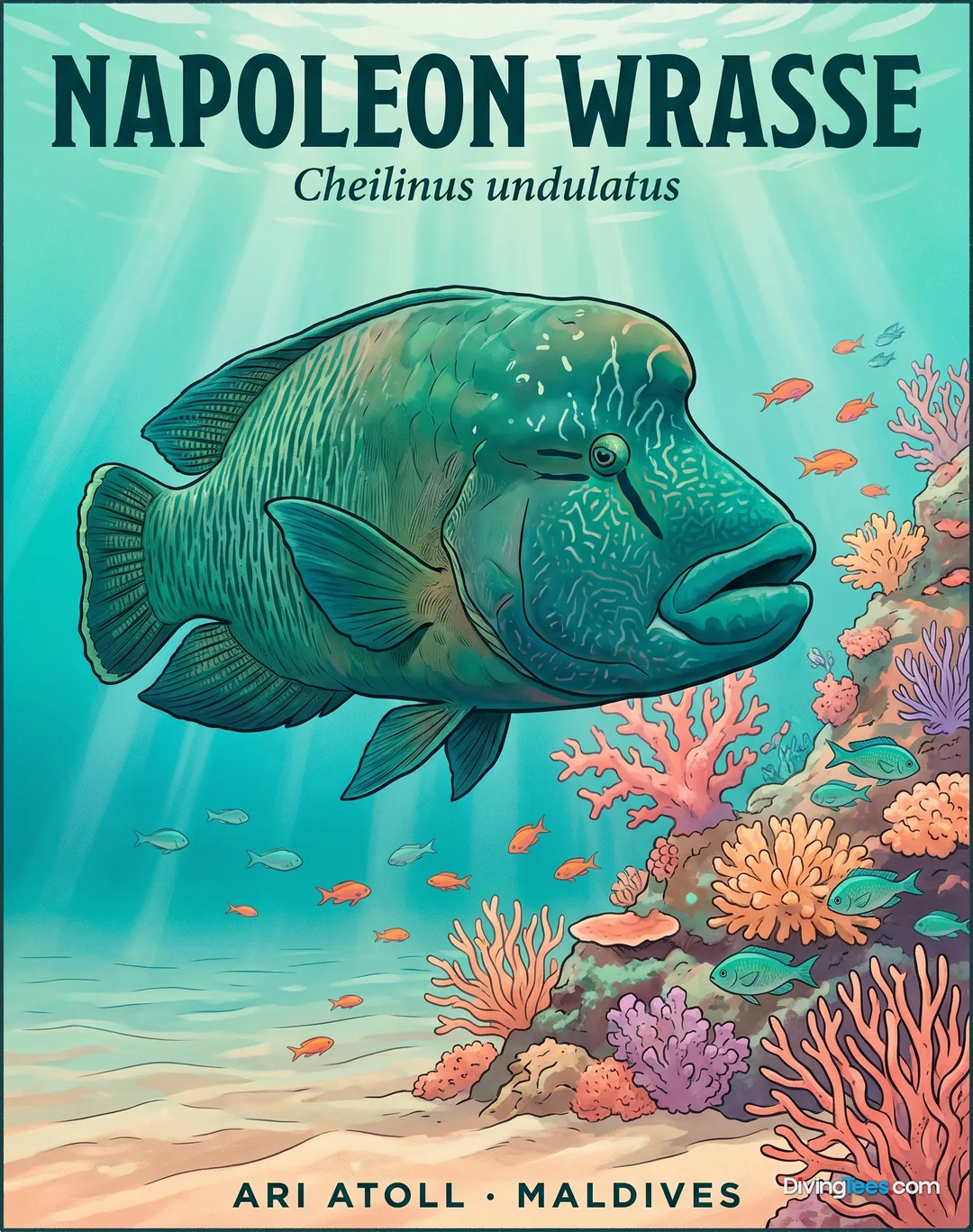
While primarily a critter haven, larger pelagic species can also make an appearance. Barracuda (Sphyraena barracuda) are occasionally seen patrolling the deeper sections, and Napoleon wrasse (Cheilinus undulatus) might cruise by the wreck. These encounters add another dimension to the dive, reminding you that even on a historical wreck, the dynamic marine ecosystem is constantly in motion, influenced by the tides of the Bunaken/Manado channel.
The Molas Shipwreck is a dive for Advanced Open Water divers or equivalent, with deep-dive experience recommended due to depths ranging from 20 to 41 metres. Currents at the site are variable, influenced by the Bunaken/Manado channel tides, and can be moderate, requiring good buoyancy control. Visibility typically ranges from 5 to 15 metres. The best period to dive this site is during the region's driest season, from late March until late November, when conditions are generally most favourable.
You will generally find the most favourable conditions for diving The Molas Shipwreck during the region’s driest season, from late March until late November. Visibility typically ranges from 5 to 15 metres, creating an atmospheric setting as the World War II cargo wreck emerges from the surrounding blue.
The Molas Shipwreck is intended for Advanced Open Water divers or equivalent, with deep-dive experience recommended. The wreck lies between 20 and 41 metres, with the bow starting around 20 to 22 metres and the intact propeller resting around 38 to 41 metres on the deeper slope.
Currents at The Molas Shipwreck are variable because they are influenced by the tides of the Bunaken and Manado channel. They can be moderate, so you need good buoyancy control while following the wreck’s gentle sandy slope and exploring its sections, surfaces and surrounding bottom.
At The Molas Shipwreck, you can explore a World War II cargo vessel with soft corals, barnacles and a large hull hole. Look for longfin batfish, nudibranchs, ribbon moray eels and mantis shrimp, while the stern’s intact propeller offers a photographic feature in the deeper section.