
Reeflex Divers Nusa Penida
Google 4.9/5 (1,290 reviews)
13 km away as the crow flies
Nusa Lembongan · Indonesia · Asia
Max. depth · 40 mExplore Karang Sari's varied topography, from shallow coral plates to deep walls, offering encounters with diverse reef life and pelagics on Nusa Penida's eastern coast.
For subtitles in English: start the video firstthen click the gearat the top right of the video, select “Subtitles/CC”, then “Auto-translate” and choose “English”.
Karang Sari sits on the eastern coast of Nusa Penida, just opposite the bay named after the village. This site offers a distinct profile, beginning with extensive shallow plateaus between 5 and 10 metres. These shallower areas are sheltered, acting as nurseries and providing a calm environment for new divers to acclimate, while also serving as excellent spots for safety stops after venturing deeper. The transition from plateaus to slopes is gradual, leading into more dramatic walls.
The topography here blends reef plateaus with a series of sloping walls that dive down to 40 metres. These deeper sections are where the environment changes considerably, moving from the protected bay into more exposed waters. You'll find these walls are heavily covered in corals and gorgonian fans, creating structural complexity that offers refuge and hunting grounds for a variety of reef fish. Small fissures and overhangs are common along these walls.
While the shallower bay offers protection, the deeper sections of Karang Sari can experience moderate currents, which may intensify as you descend. These currents bring nutrients, supporting the vibrant coral growth and attracting both resident reef fish and larger pelagic species. Staying aware of your position relative to the wall and planning your trajectory are key here, particularly when exploring the deeper limits.
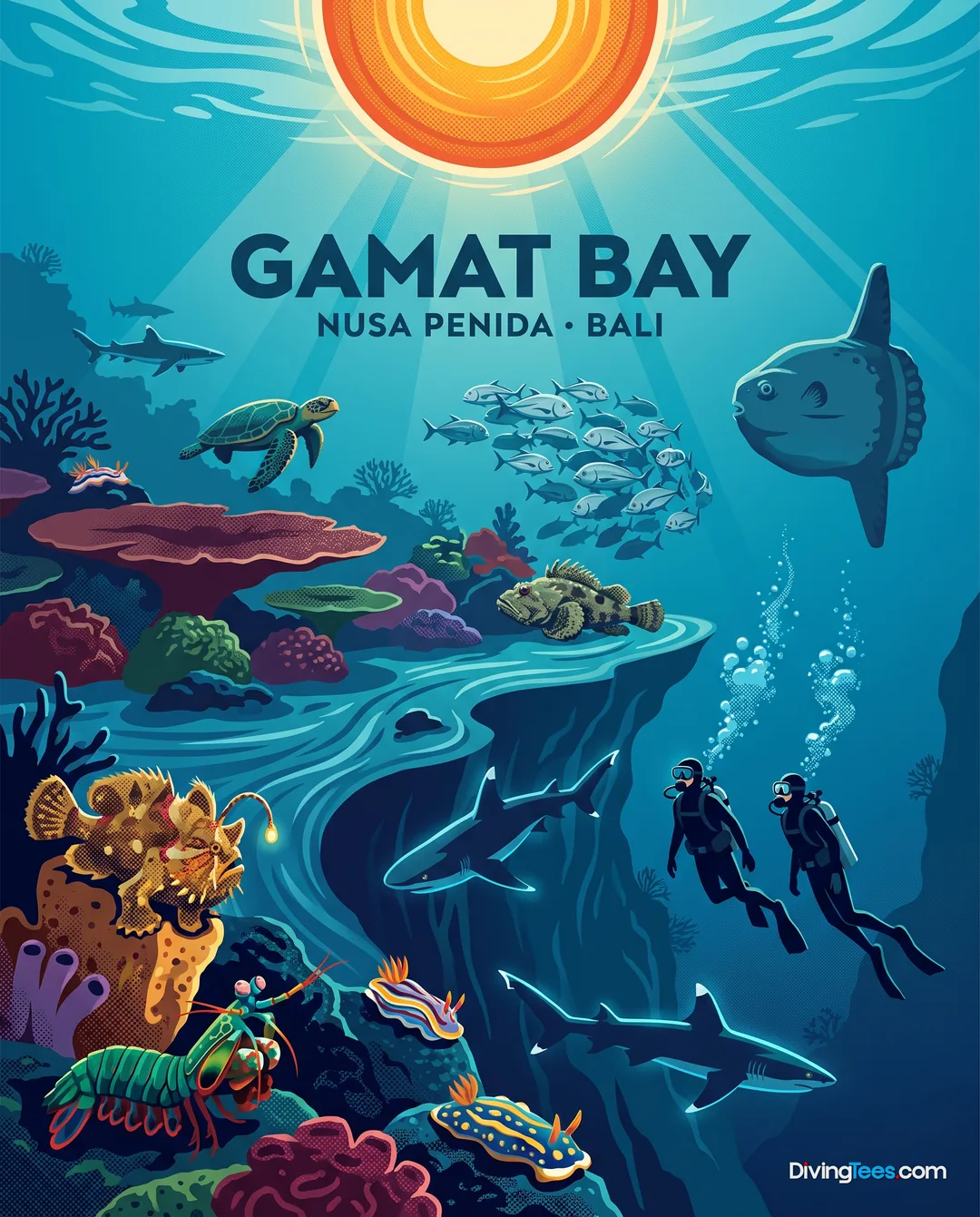
The marine life at Karang Sari is extensive, evolving with depth and exposure. In the shallower bays, you can spot juvenile sharks, turtles, and the often-elusive frogfish (Antennariidae) camouflaged among the corals. The hard and soft corals shelter a variety of reef fish, including angelfish (Pomacanthidae) and moray eels (Muraenidae), alongside diverse macro-life.
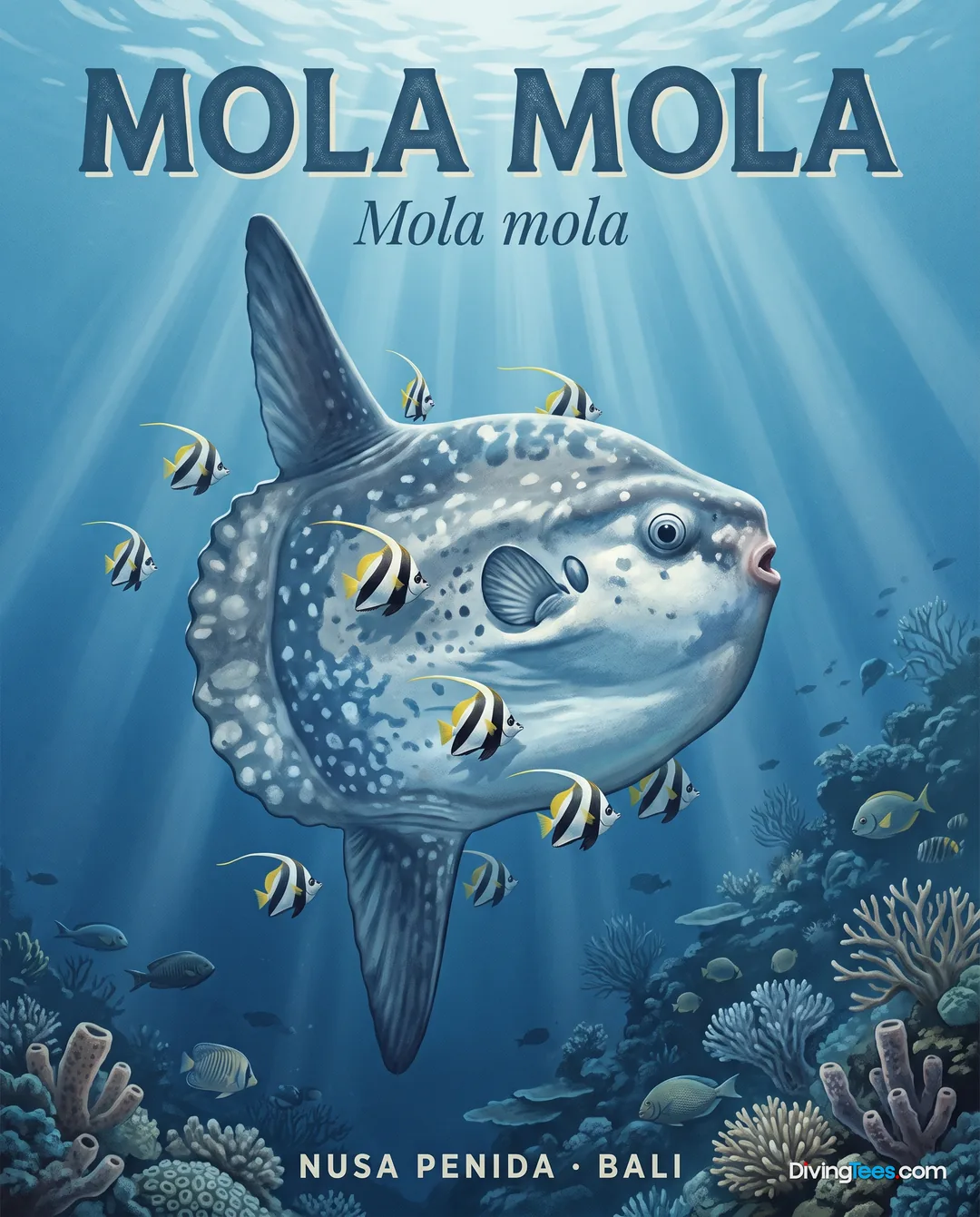
As you move away from the main reef and look towards the blue, the chance of encountering larger pelagic species increases. Karang Sari is known for occasional sightings of thresher sharks (Alopias vulpinus) and the large, elusive Mola mola (oceanic sunfish), particularly during specific seasons. Eagle rays (Aetobatus narinari) and marble rays (Taeniura meyeni) are also regularly seen cruising in the current.
The diverse habitat, from the sheltered bay to the exposed walls, means you need to scan both the reef and the open water. The many coves and rock formations provide exploration opportunities, particularly for those who take their time to investigate crevices where smaller creatures hide. This combination of sheltered reef and deeper pelagic action ensures that no two dives are exactly alike at Karang Sari.
Karang Sari is accessible to divers from Open Water certification level, with opportunities for deeper exploration down to 40 metres for Advanced Open Water and experienced divers. Currents are generally weak within the sheltered bay but can become moderate in the deeper, more exposed sections of the walls. Visibility is typically clear, rarely falling below 20 metres. The best time to dive here for potential Mola mola encounters aligns with the regional season from August to October.
For potential Mola mola encounters, plan your dive during the regional season from August to October. Karang Sari also offers marine life throughout its sheltered bay and deeper walls, including juvenile sharks, turtles, frogfish, reef fish, macro-life, rays, hard corals, soft corals, and gorgonian fans.
Karang Sari is accessible from Open Water certification level, with sheltered shallow plateaus that provide a calm environment for new divers to acclimate. Advanced Open Water and experienced divers can explore the deeper sections, where the walls extend farther down and conditions become more exposed.
Karang Sari begins with shallow plateaus between five and ten metres and continues through gradually sloping reef areas into walls reaching forty metres. The shallower sections suit acclimation and safety stops, while the deeper walls offer exploration among corals, gorgonian fans, fissures, overhangs, and rock formations.
Currents are generally weak inside the sheltered bay but can become moderate in deeper, more exposed wall sections and may intensify as you descend. Look among the reef and open water for turtles, juvenile sharks, frogfish, reef fish, rays, moray eels, macro-life, thresher sharks, and Mola mola.