
Reeflex Divers Nusa Penida
Google 4.9/5 (1,290 reviews)
1.3 km away as the crow flies
Nusa Lembongan · Indonesia · Asia
Max. depth · 27 mGamat Bay offers a diverse profile, from shallow coral gardens to a northern wall, known for both macro life and occasional pelagic encounters in its often-present currents.
For subtitles in English: start the video firstthen click the gearat the top right of the video, select “Subtitles/CC”, then “Auto-translate” and choose “English”.
Gamat Bay is positioned on the northwest coast of Nusa Penida, opening towards the channel between Nusa Penida and Nusa Ceningan. The dive typically begins in the calmer, shallower parts of the bay itself, which rests on a white sand bottom. Here, you'll find scattered coral bommies, creating micro-habitats that support a variety of smaller marine life. This area offers a gentle start, allowing divers to orient themselves before exploring deeper sections of the site.
As you move away from the protected inner bay, the topography transitions to a more defined reef profile. The site is characterized by significant coral formations, including vibrant hard corals and table corals, which line the underwater landscape. These structures create ledges and overhangs, providing shelter and hunting grounds for reef-dwelling species. The reef here is a focal point for biodiversity, offering chances to observe various fish and invertebrates that are integral to a healthy coral ecosystem. The initial plateau is rich with soft corals and gorgonians, serving as a haven for dense reef fish populations.
The site extends to a wall section, particularly towards the north, that adds another dimension to the dive. This wall presents a different set of conditions and marine encounters compared to the shallower reef. Along the face of the wall, you'll navigate through areas where the current can become more pronounced. This impressive deeper structure is a key feature, often leading to encounters with larger reef fish and occasionally pelagic species that patrol the drop-off. The reef gives way to larger bommies, undercuts, and small caverns carved into the substrate.
Currents at Gamat Bay are a defining factor, typically ranging from gentle in the sheltered areas of the bay to strong as you move out towards the channel and the northern wall. These currents, which can be brisk, dictate the dive dynamics, making it a drift dive much of the time. While they bring nutrients that sustain the rich marine life, divers should be comfortable managing these conditions. The flow often serves to enhance the experience, allowing you to glide past the reef with minimal effort.
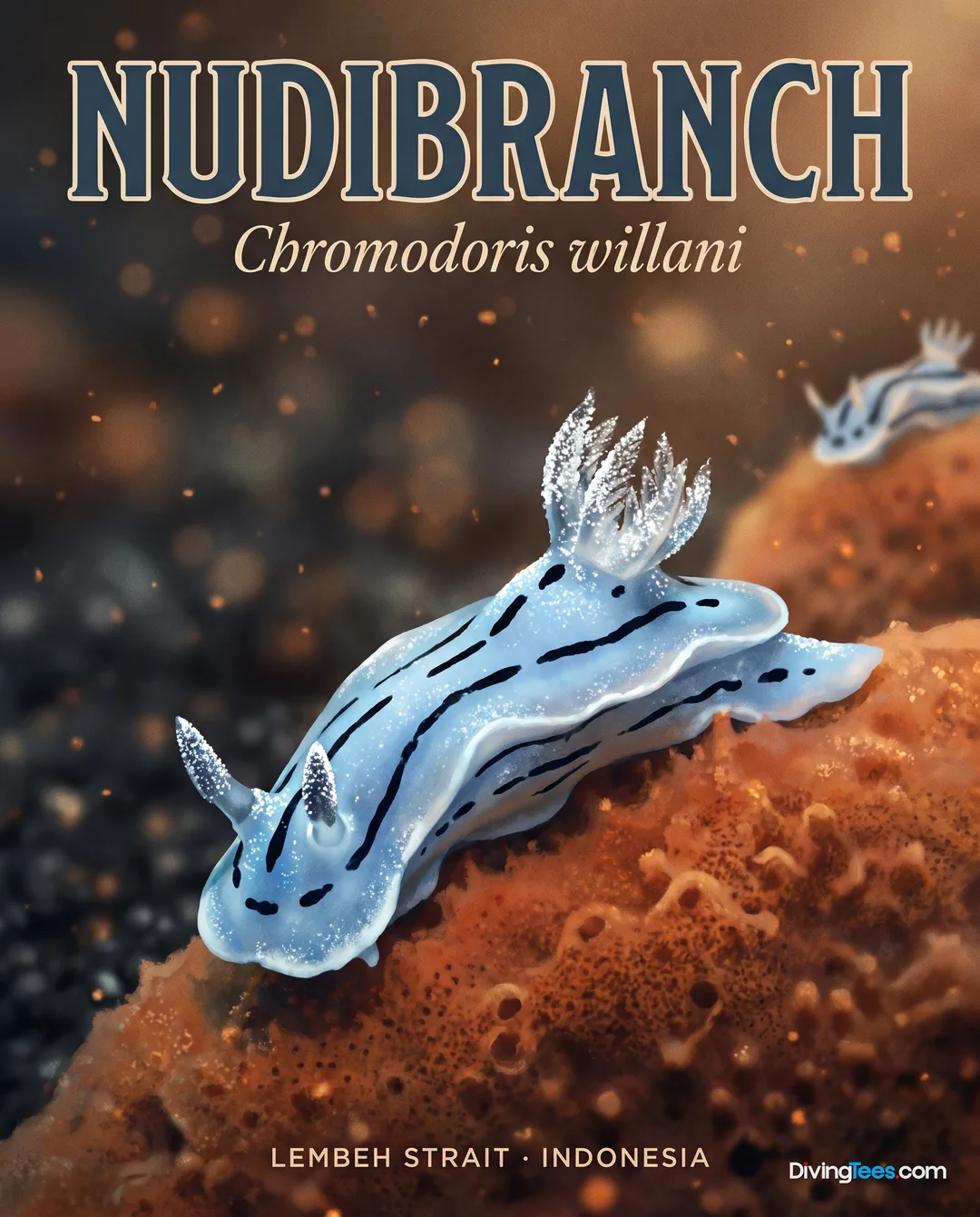
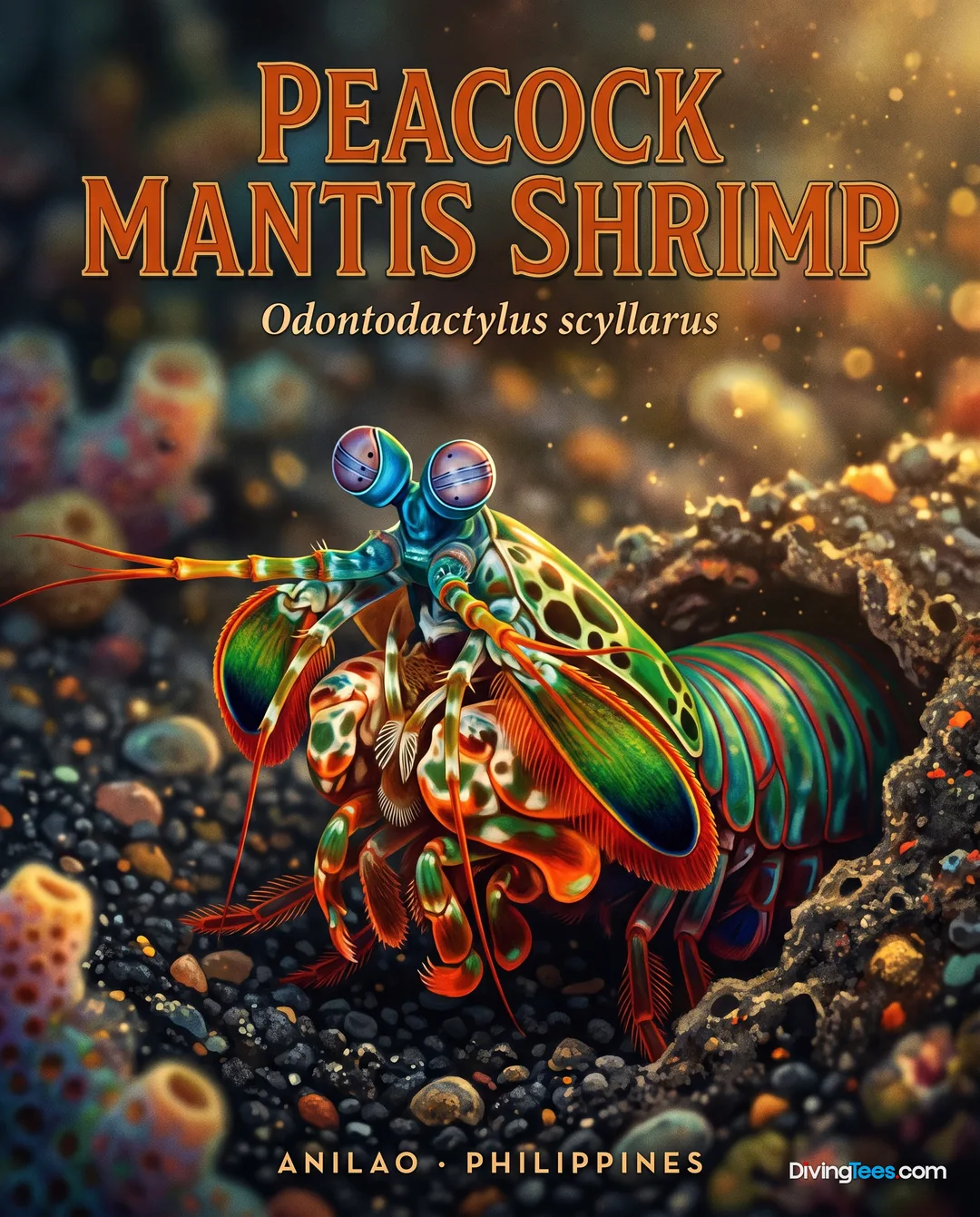
The biodiversity at Gamat Bay is a blend of macro and larger marine life. Within the sandy patches and coral bommies of the shallow bay, you can spend time searching for nudibranchs, frogfish, and mantis shrimp. These are often found tucked into crevasses or camouflaged against the substrate. The opportunity for intricate macro photography is significant in these more sheltered spots. Among the coral structures, you’ll observe commensal species and a surprising variety of nudibranchs, often in less common forms.
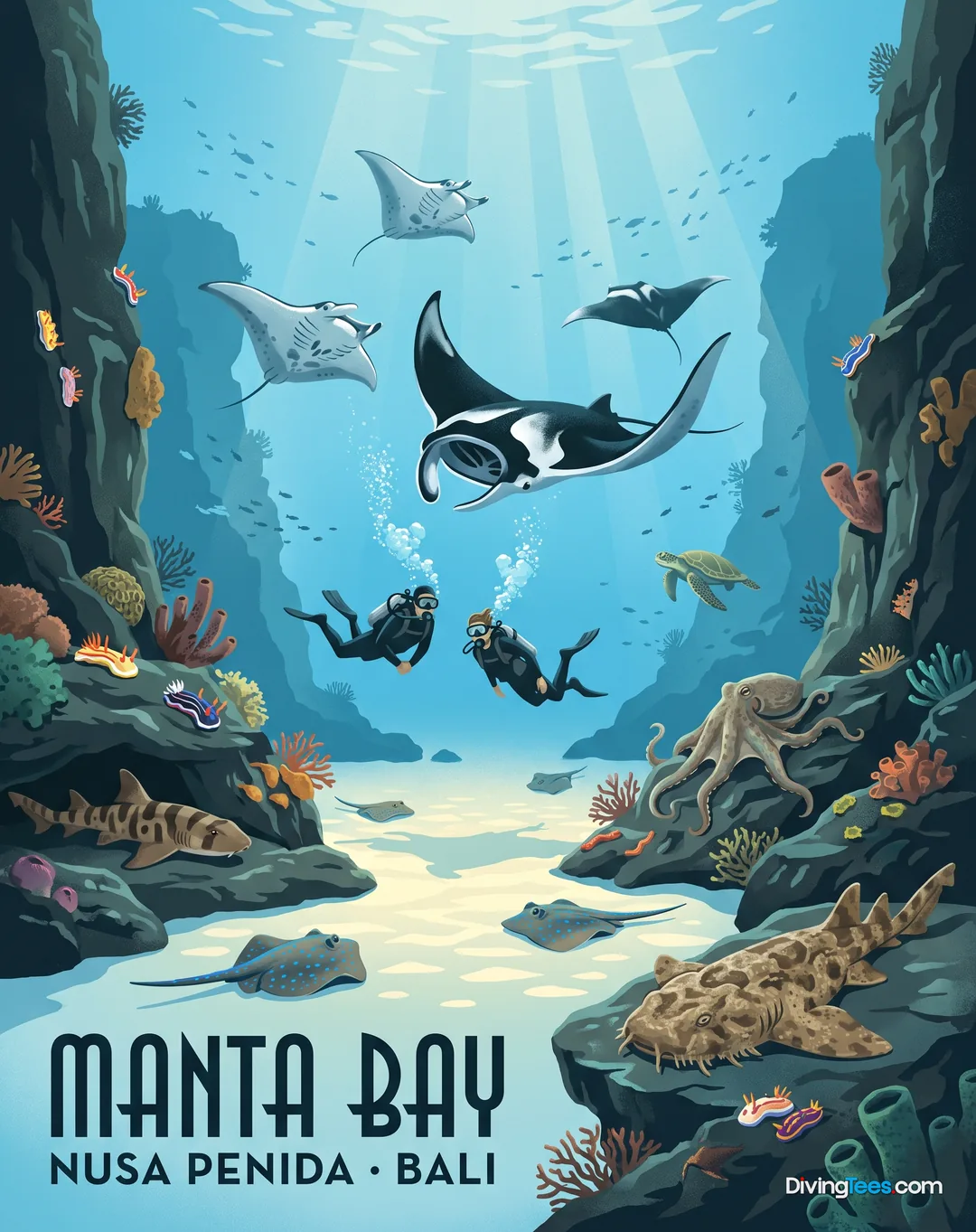
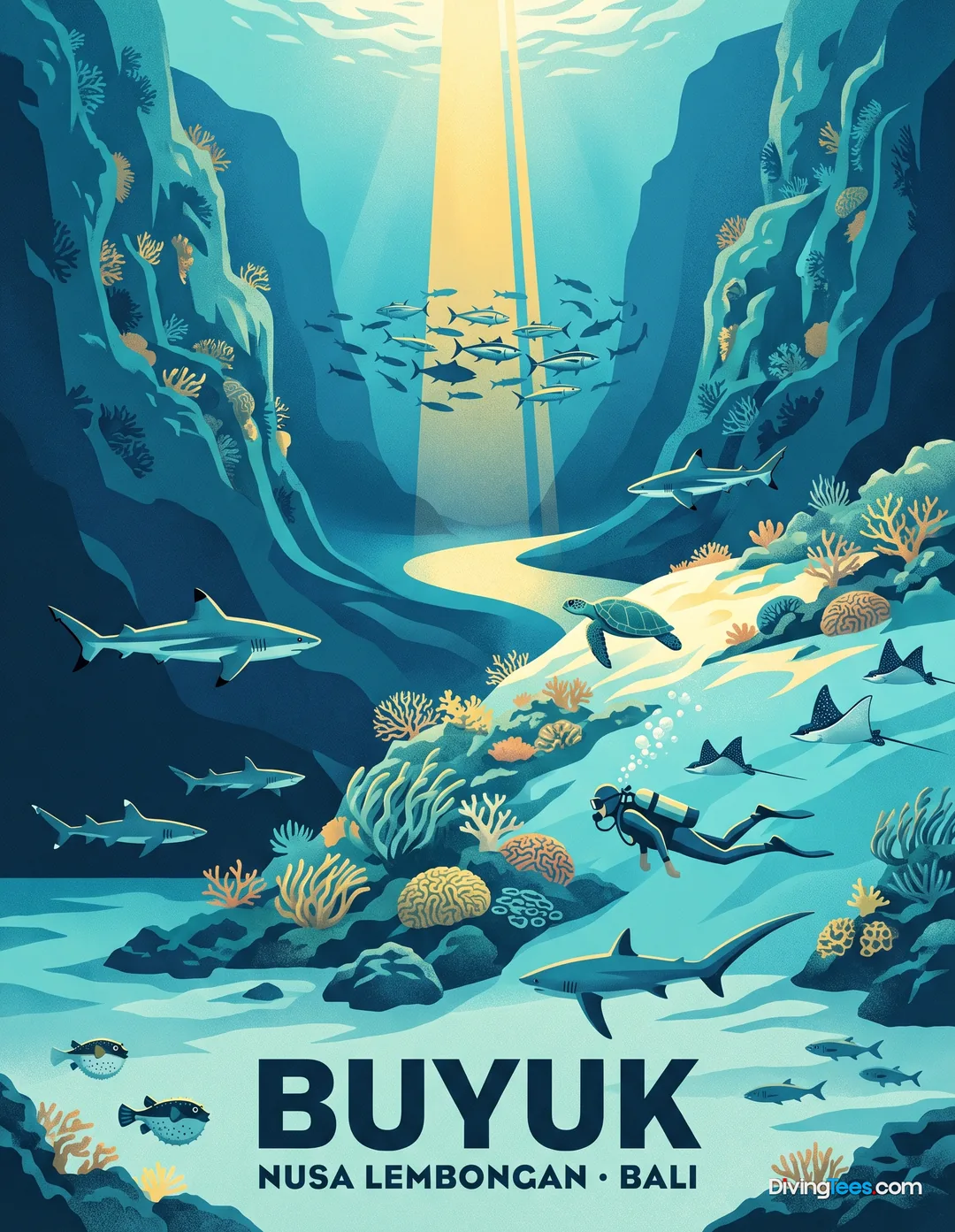
Moving along the reef and wall, the environment introduces a different scale of marine life. Here you can expect to see reef sharks patrolling, often spotted near ledges or deeper sections where the current is stronger. Turtles are regular visitors, observed grazing on corals or resting. Schools of trevally are also a common sight, moving swiftly through the water column, particularly where the current brings in food sources. These consistent encounters highlight the health and dynamic nature of the reef environment.
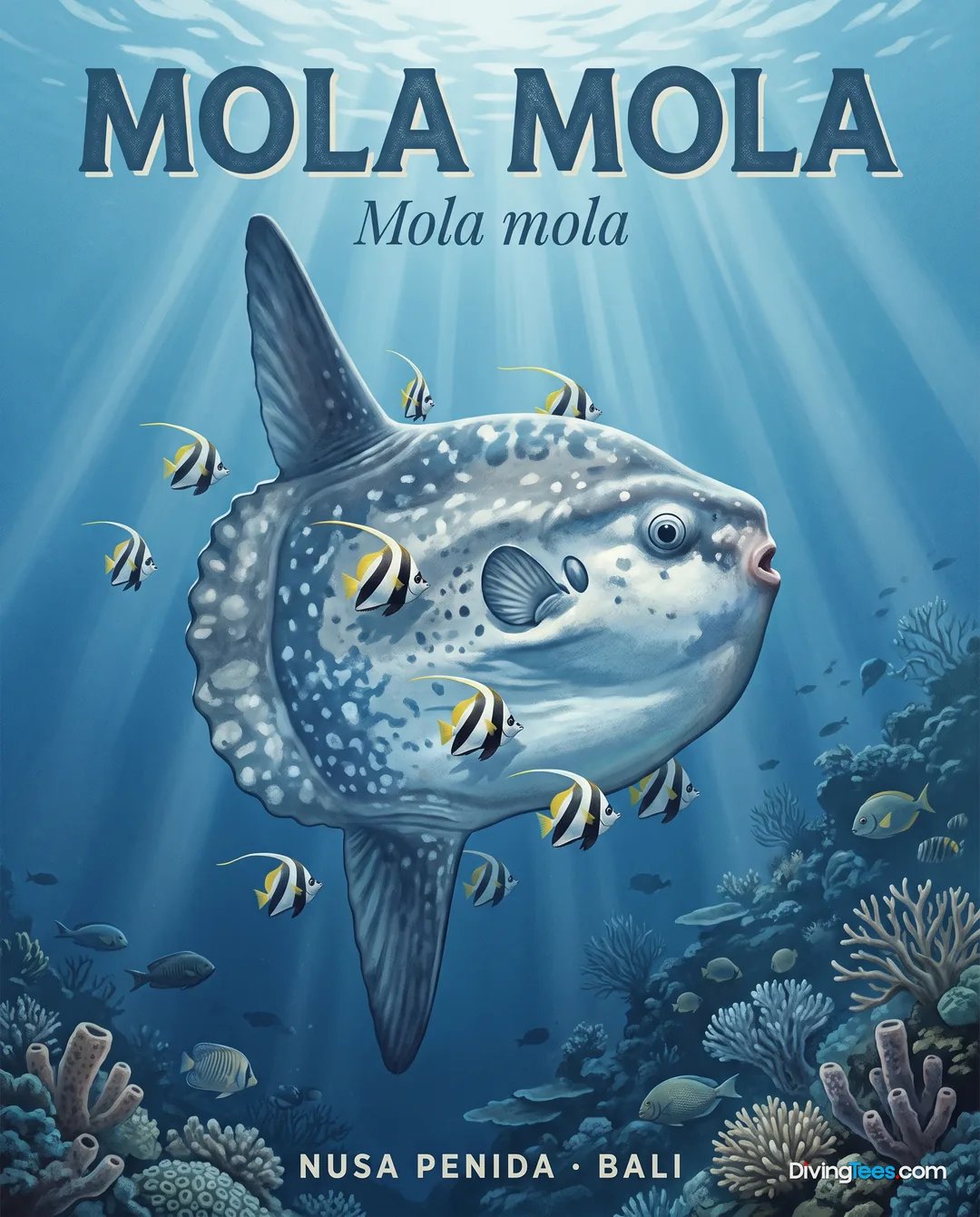
Gamat Bay is notably recognized as a cleaning station, particularly for Mola-Mola, or ocean sunfish, during their seasonal appearances from July through October. While not a guaranteed sighting, their presence adds a unique pelagic draw to the site. These large, distinctive fish are typically encountered at greater depths, often where upwellings bring cooler water and attract their food sources. The strong currents are a magnet for other pelagic fish, drawing them from the open ocean closer to the reef wall, underscoring the nutrient-rich waters that flow through the channel.
Gamat Bay is best suited for intermediate to advanced divers due to variable and often strong currents that shape the dive. Open Water Divers should possess substantial real dive experience in current. The dive can reach a maximum depth of 27 metres. Visibility is generally good, often exceeding 20 metres. Marine life is present year-round, but the optimal period for Mola-Mola encounters is from July to October.
You can find marine life at Gamat Bay year-round, while Mola-Mola, or ocean sunfish, make seasonal appearances from July through October. Their presence is not guaranteed. These large pelagic fish are typically encountered at greater depths, where cooler water and upwellings attract their food sources near the reef wall.
Gamat Bay suits intermediate to advanced divers because currents vary from gentle in sheltered bay areas to strong toward the channel and northern wall. The dive is often a drift dive, and you should be comfortable managing brisk current conditions. Open Water Divers need substantial real diving experience in current.
Gamat Bay ranges from three to twenty-seven metres, with the dive reaching a maximum depth of twenty-seven metres. You can begin in the calmer, shallower bay over white sand, then continue toward deeper reef and wall sections. The deeper areas may have stronger current and attract larger reef fish and pelagic species.
At Gamat Bay, you can search shallow sandy patches and coral bommies for nudibranchs, frogfish, and mantis shrimp, with opportunities for macro photography. Along the reef and wall, you may encounter reef sharks, turtles, schools of trevally, and larger pelagic fish. Vibrant hard corals, table corals, soft corals, and gorgonians shape the habitat.