

Reeflex Divers Nusa Penida
Google 4.9/5 (1,290 reviews)
3.6 km away as the crow flies
Nusa Lembongan · Indonesia · Asia
Max. depth · 30 mDescend into a shallow bay where juvenile manta rays glide gracefully, feeding on plankton concentrations close to the surface, offering consistent encounters.
For subtitles in English: start the video firstthen click the gearat the top right of the video, select “Subtitles/CC”, then “Auto-translate” and choose “English”.
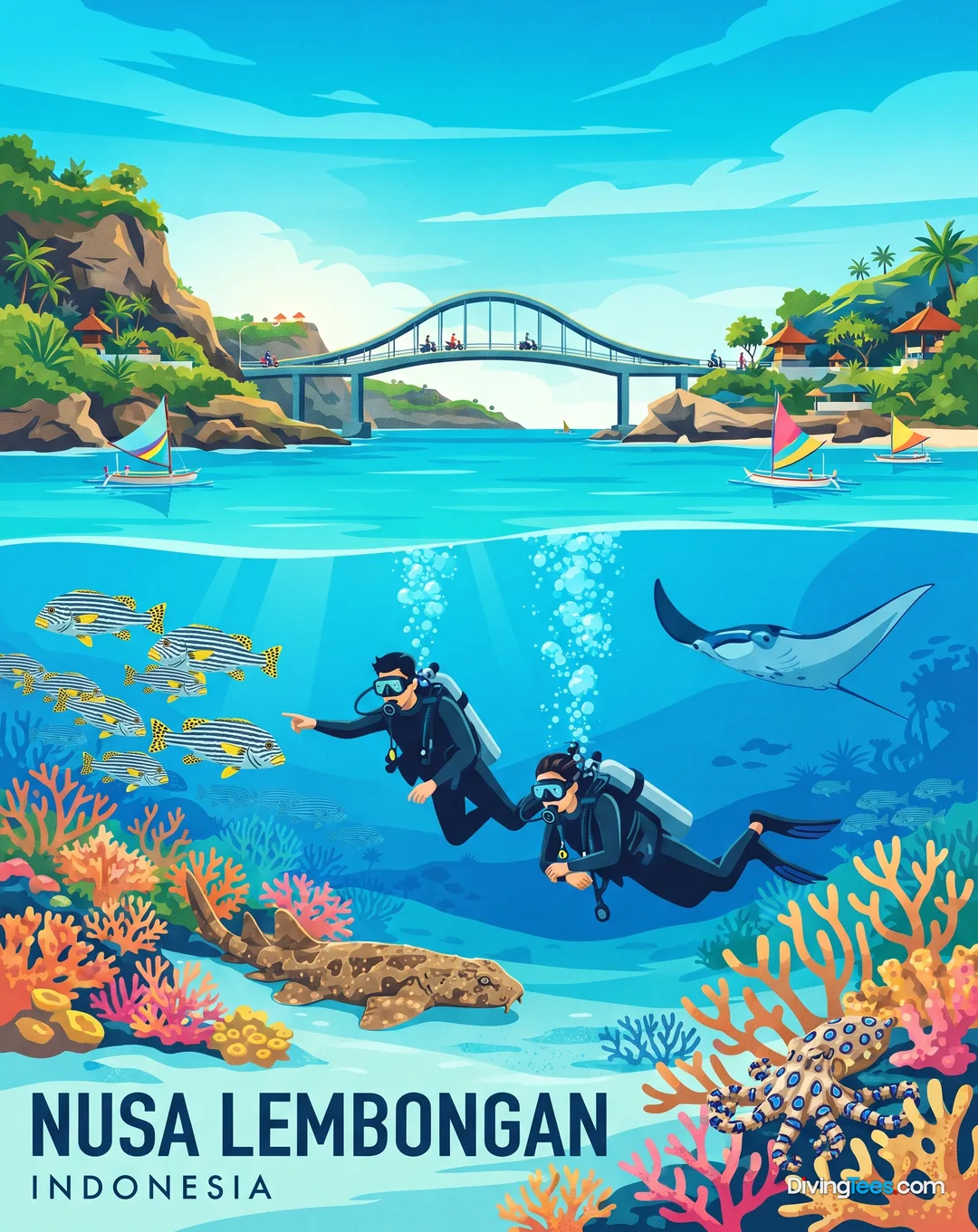
Manta Bay lies off the coast of Nusa Lembongan, characterized by a series of shallow, sandy coves sheltered by towering cliffs. This unique topography creates a natural basin where ocean swell interacts with the coastline, often creating white surf zones at the surface. Below, the rays of the sun cut through the water, especially on bright days, producing a dynamic light show across the underwater landscape as you descend.
The dive profile here is gentle, typically keeping you between 5 and 15 meters, though some areas can extend to 30 meters. This makes it an ideal spot for divers with varying experience levels. As you navigate the rocky reef slopes and sandy patches, you'll find yourself drifting through a rich plankton soup, which is the primary draw for the site's most famous inhabitants. The shallow nature of the bay means you often start your dive already in the thick of the action.
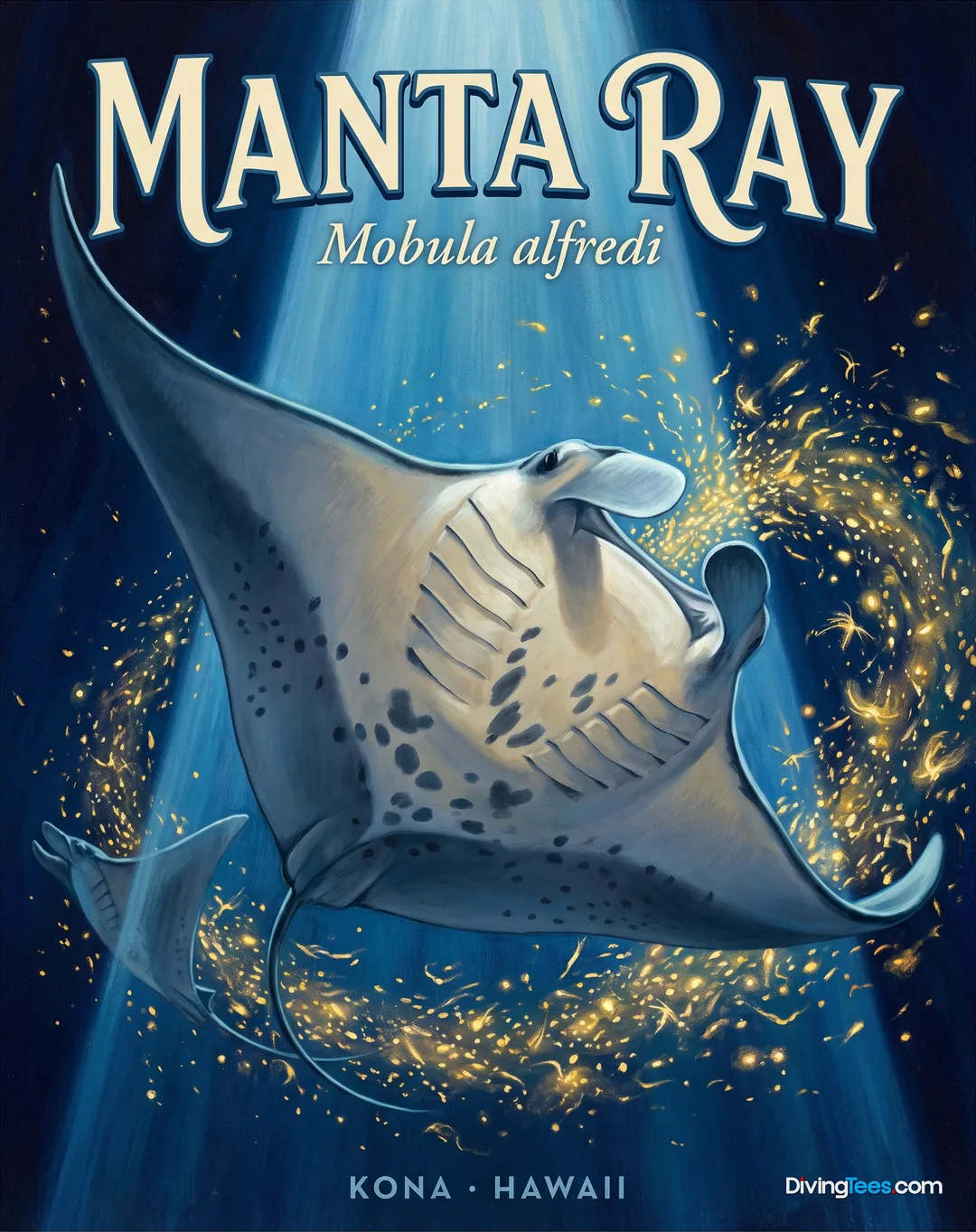
The resident reef manta rays (Mobula alfredi), predominantly juveniles, are the main attraction, feeding actively on the plankton blooms. You'll often see them gliding close to the sandy bottom, barrel-rolling through the water column to maximize their plankton intake. These younger mantas, around 1.2 meters in wing span, tend to stick to these shallower, nutrient-rich bays, making encounters here notably predictable year-round.
Beyond the mantas, the rocky seafloor and crevices provide habitat for other fascinating species. Keep an eye out for brown-banded bamboo sharks (Chiloscyllium punctatum) and wobbegong sharks tucked away in rocky overhangs. The abundance of plankton also supports a variety of macro life, including numerous nudibranchs and octopuses, particularly in the quieter areas between manta passes.
While the current here is generally considered minimal, the site is exposed to swell from the Indian Ocean, which can result in surface chop and surge. This exposure also means that the overall visibility can vary; it might drop due to the very plankton that attracts the mantas, but it can also clear up to 20 meters on occasion. Expect cooler water temperatures during the dry season (June to October), ranging from 18-25°C, warming up to 26-29°C during the wet season.
Diving Manta Bay isn't just about the marine life; it's also about experiencing the dynamic underwater environment. The interaction of swell and reef creates a distinct ambiance, different from the deeper, more exposed cleaning stations. Here, the focus is on natural feeding behavior in a relatively contained environment, allowing for extended observations of these gentle giants without the strong currents often associated with other manta sites.
The site caters to both divers and snorkelers due to its shallow depths and consistent manta presence. While it can get busy, especially during peak tourist season, observing proper manta etiquette – maintaining a distance of 3-4 meters and not touching the animals – ensures a responsible and respectful encounter for everyone. This is a place where you observe natural feeding rather than active cleaning, providing a different perspective on manta ray behavior.
This site is generally accessible for all certified divers, often referred to as suitable for beginners, with depths typically ranging from 5 to 15 meters, though certain areas can drop to 30 meters. Visibility averages around 10 meters due to the plankton density but can improve to 20 meters. Surface conditions can be choppy due to ocean swell, so be prepared for potential motion sickness. Manta Bay is diveable year-round, with water temperatures varying from 18-25°C in the cooler months (June-October) to 26-29°C in the warmer season (November-May). Current is typically low, but monitor local conditions.
You can dive Manta Bay year-round. Water temperatures are cooler from June to October, ranging from 18-25°C, and warmer from November to May, ranging from 26-29°C. Surface conditions may be choppy because of ocean swell, so you should be prepared for potential motion sickness during your visit.
Manta Bay is generally accessible to all certified divers and is often considered suitable for beginners. You will typically dive between 5 and 15 meters across shallow coves, rocky reef slopes, and sandy patches, although some areas can reach 30 meters. The site also caters to snorkelers.
The current at Manta Bay is typically low, but you should still monitor local conditions. Ocean swell can create surface chop and surge, while visibility is influenced by plankton concentrations. It averages around 10 meters and can improve to 20 meters, although the plankton attracting mantas may reduce clarity.
You can encounter juvenile reef manta rays feeding on plankton, often gliding near the sandy bottom or barrel-rolling through the water. Rocky reef slopes and crevices may shelter brown-banded bamboo sharks and wobbegong sharks. You can also look for nudibranchs, octopuses, and macro photography subjects among the quieter areas.