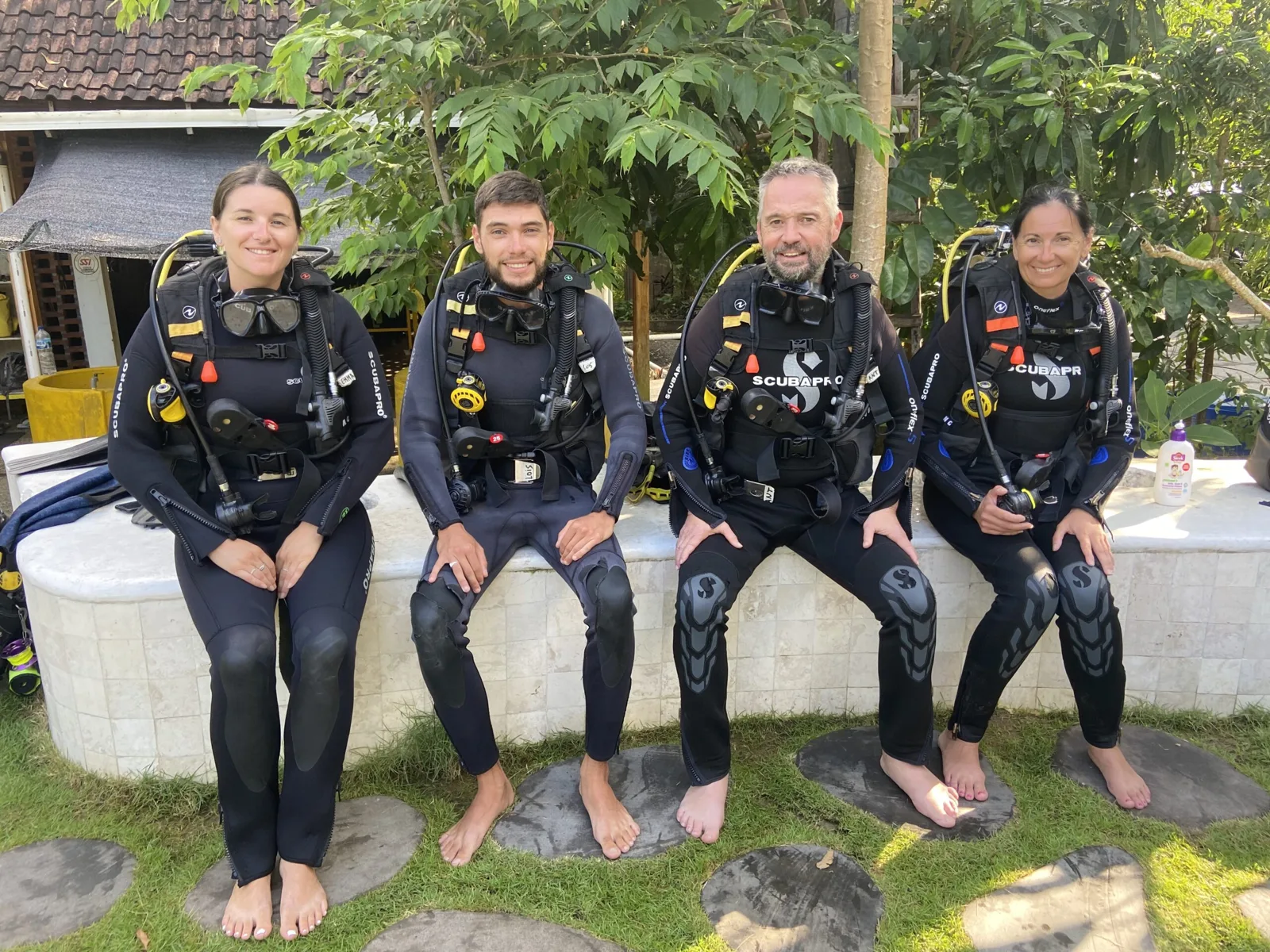

Reeflex Divers Nusa Penida
Google 4.9/5 (1,290 reviews)
12 km away as the crow flies
Nusa Lembongan · Indonesia · Asia
Sampalan offers a drift through sloping reefs adorned with extensive tabular corals and abundant fish life, revealing both intricate reef ecosystems and potential encounters with pelagic visitors.
Sampalan is positioned on the eastern flank of Nusa Penida, a site typically explored as a drift dive moving with the prevailing current from south to north. The underwater topography here consists of a gently sloping reef, distinguishing it from the more vertical walls found elsewhere in the region. This gradient allows for broad expanses of hard coral growth, forming the foundation of a vibrant ecosystem.
The dive profile often involves navigating along a vast coral garden that stretches across this sloping reef. What immediately stands out are the pristine tabular corals, which are some of the most extensive you'll find throughout Indonesia. Interspersed among these hard coral formations are striking, enormous barrel sponges, providing shelter and a striking contrast to the reef structure.
The sheer density of reef fish at Sampalan is remarkable. As you drift, you'll pass through thick schools of bannerfish, fusiliers, angelfish, and triggerfish, all contributing to a colorful and dynamic underwater scene. These resident populations congregate around the healthy coral structures, feeding and sheltering within the reef's complex architecture.
Among the more specific reef inhabitants, you'll encounter large schools of humphead unicornfish (Naso brachycentron) moving across the reef. Keep an eye out for peacock mantis shrimp (Odontodactylus scyllarus) hidden around the bases of fire coral, showcasing the intricate macro life present even amidst the larger schooling fish. These smaller details require a closer look, especially if the current allows for slower exploration.
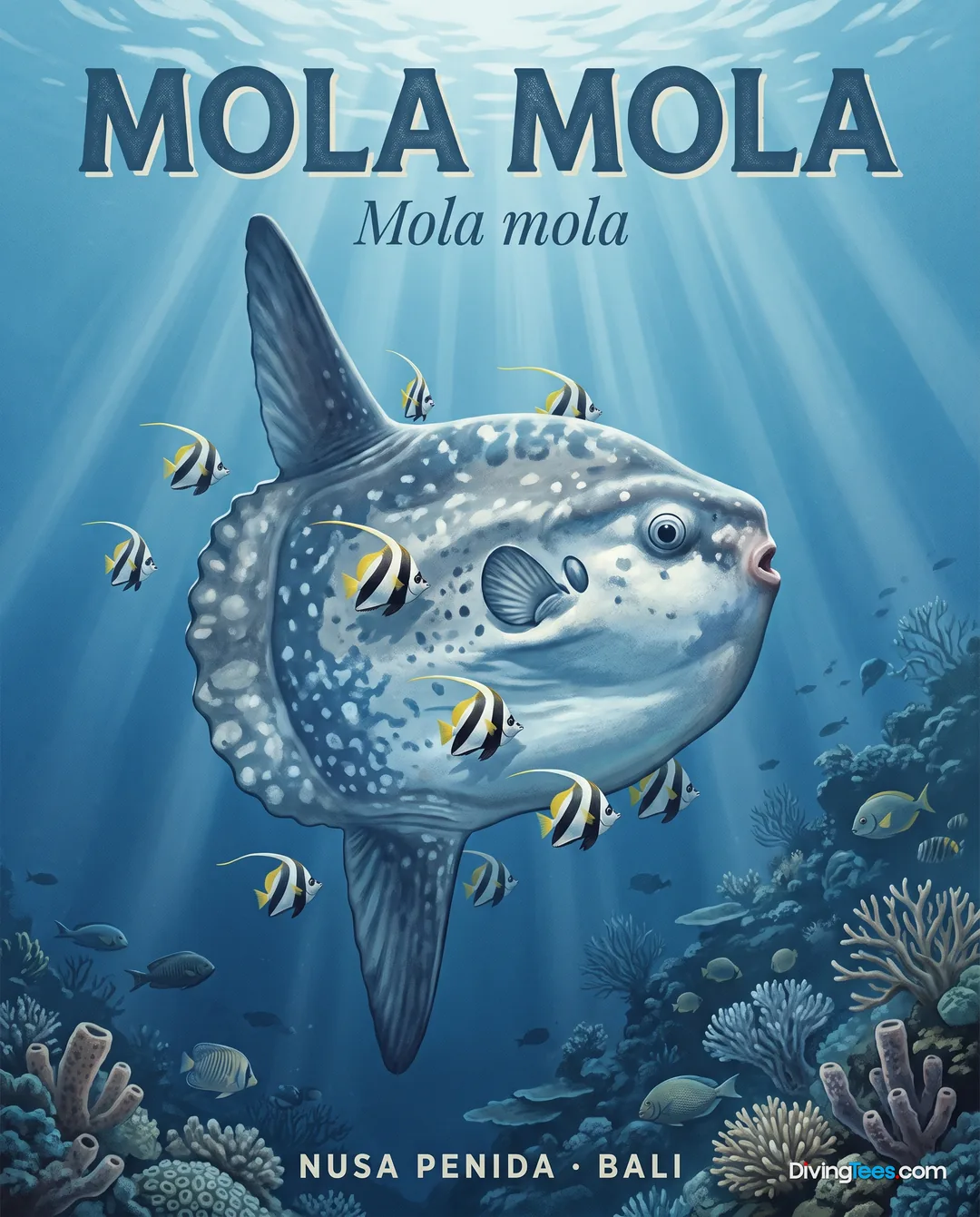
For those prepared for deeper sections, Sampalan, particularly when exploring its canyons and deeper walls, offers the chance to encounter pelagic species. Thresher sharks (Alopias vulpinus) are reported, moving through these deeper areas. The renowned Mola Mola (Mola alexandrini), or ocean sunfish, is also a seasonal visitor, frequently seen in the colder, nutrient-rich upwellings that characterize this region.
The site's unique blend of extensive coral formations and the potential for larger pelagic encounters makes it stand out. The combination of its sloping reef structure and the nutrient flow supports both the vibrant reef community and the transient pelagics. This balance contributes to why it is considered one of the more rewarding dives in the Nusa Penida area, provided you are comfortable with drift diving conditions.
Sampalan is considered an advanced level dive due to the potential for strong, variable currents characteristic of the Nusa Islands. While the visibility typically remains clear, averaging between 15 and 30 meters, the actual conditions depend on the tide and seasonal influences. The Mola Mola season runs from June to October, offering the best chance to encounter these ocean sunfish.
Plan your Sampalan dive between June and October if you want a chance to encounter Mola Mola, also known as ocean sunfish. During this period, these seasonal visitors are associated with the colder, nutrient-rich upwellings around the Nusa Islands, while other reef and pelagic encounters remain possible.
Sampalan is considered an advanced-level dive because currents can be strong and variable around the Nusa Islands. You typically drift from south to north with the prevailing current along a gently sloping reef. Tide and seasonal influences affect the conditions, so you should be comfortable with drift diving.
Visibility at Sampalan typically ranges from 15 to 30 meters and generally remains clear, although tide and seasonal influences can change the conditions. Underwater, you follow a gently sloping reef rather than vertical walls, often moving through a broad coral garden during the drift.
At Sampalan, you can see extensive tabular coral formations, large barrel sponges, and schools of bannerfish, fusiliers, angelfish, triggerfish, and humphead unicornfish. Look around fire coral for peacock mantis shrimp, while deeper areas may bring reported thresher shark encounters and seasonal Mola Mola sightings.