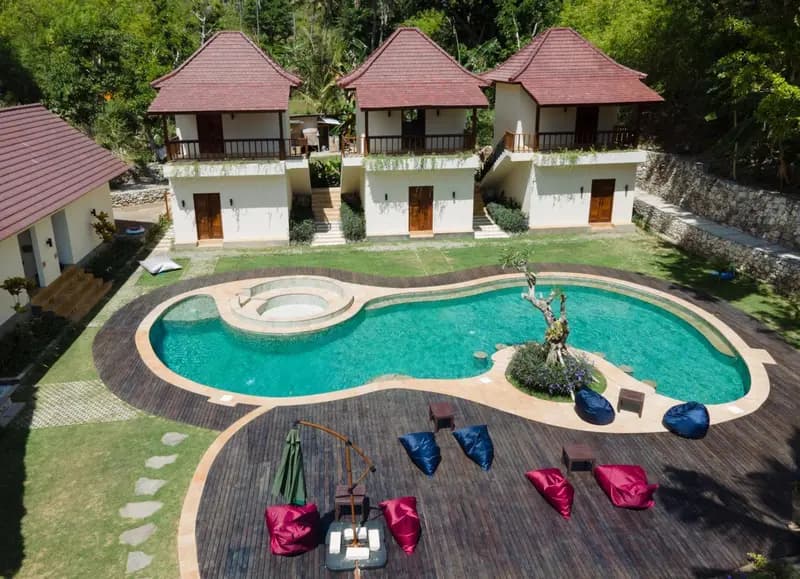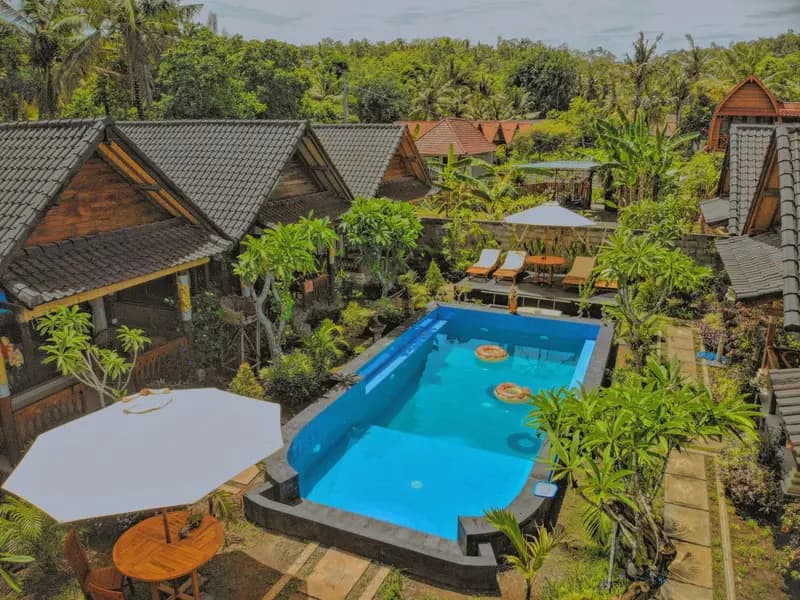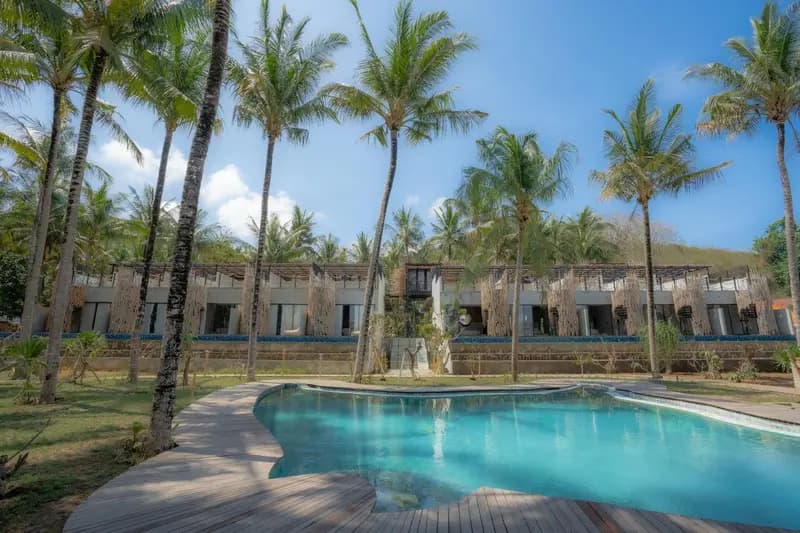
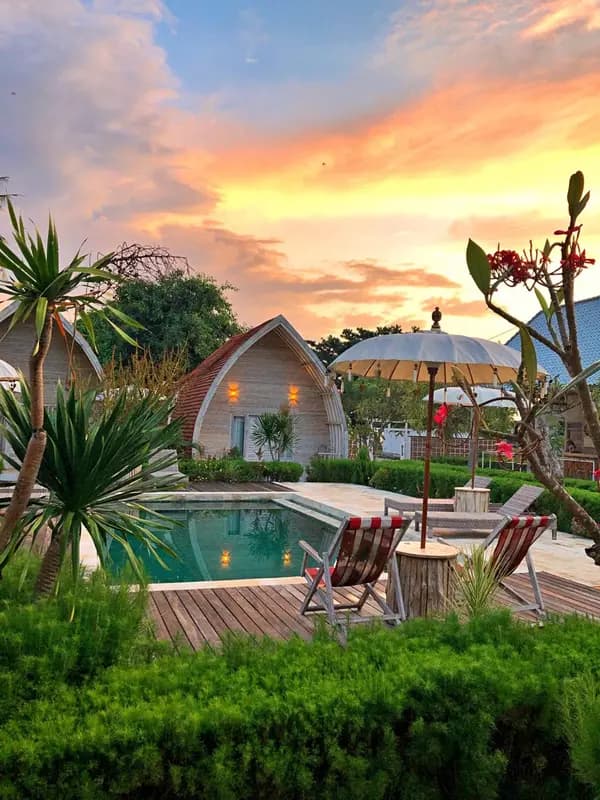
La Roja Bungalows
★★★
★ 9.1/10 (1,249 reviews)
8 km away as the crow flies
Dive centre · Nusa Penida · Indonesia
4.9433 Google reviewsDive with a conservation-led team at Nusa Penida, specialising in coral restoration and Manta ray ecology.
For subtitles in English: start the video firstthen click the gearat the top right of the video, select “Subtitles/CC”, then “Auto-translate” and choose “English”.
Established in 2016, Blue Corner Dive Penida has become a cornerstone of the local diving community. The centre is part of a larger group with additional operations in Nusa Lembongan and Menjangan Island, bringing a structured and professional approach to the waters around Nusa Penida.
What sets this centre apart is its deep-rooted commitment to the marine environment. Rather than just providing recreational dives, they integrate active conservation into their identity, supporting local research and reef health through dedicated monitoring and restoration programmes.
The centre operates with PADI-certified instructors who prioritise small group sizes and personalised service. This approach ensures that whether you are a novice or an experienced diver, the focus remains on safety and the quality of the underwater experience.
Beyond standard recreational diving, the team facilitates advanced ecological studies. They host specialised programmes in coral taxonomy, sea turtle ecology, and Manta ray conservation, making it a destination for divers who want to contribute to the scientific understanding of the region.
The course catalogue covers the entire PADI spectrum, starting from Discover Scuba Diving through to PADI Open Water Diver and Advanced Open Water Diver. For those looking to progress their professional skills, Divemaster training and Rescue Diver courses are also available.
Speciality training is a core strength here, with offerings including the PADI Deep Diver Specialty and Enriched Air (Nitrox). The centre also runs an intensive Full Conservation Course spanning 12 days and 24 dives. For those interested in marine biology, they offer specific modules in Sea Turtle Ecology, Manta Ray Conservation, Coral Taxonomy, and an Ecological Monitoring Program (EMP).
The centre provides a full range of rental kit for those not travelling with their own equipment. This includes regulators, wetsuits, fins, and masks, as well as the option to hire dive computers and GoPro cameras for your outings.
For divers looking to extend their bottom time, Nitrox is available, with 15-litre cylinders offered as an option. The centre also maintains on-site oxygen for safety and provides refreshments such as coffee, tea, water, fruit, and snacks during your trips.
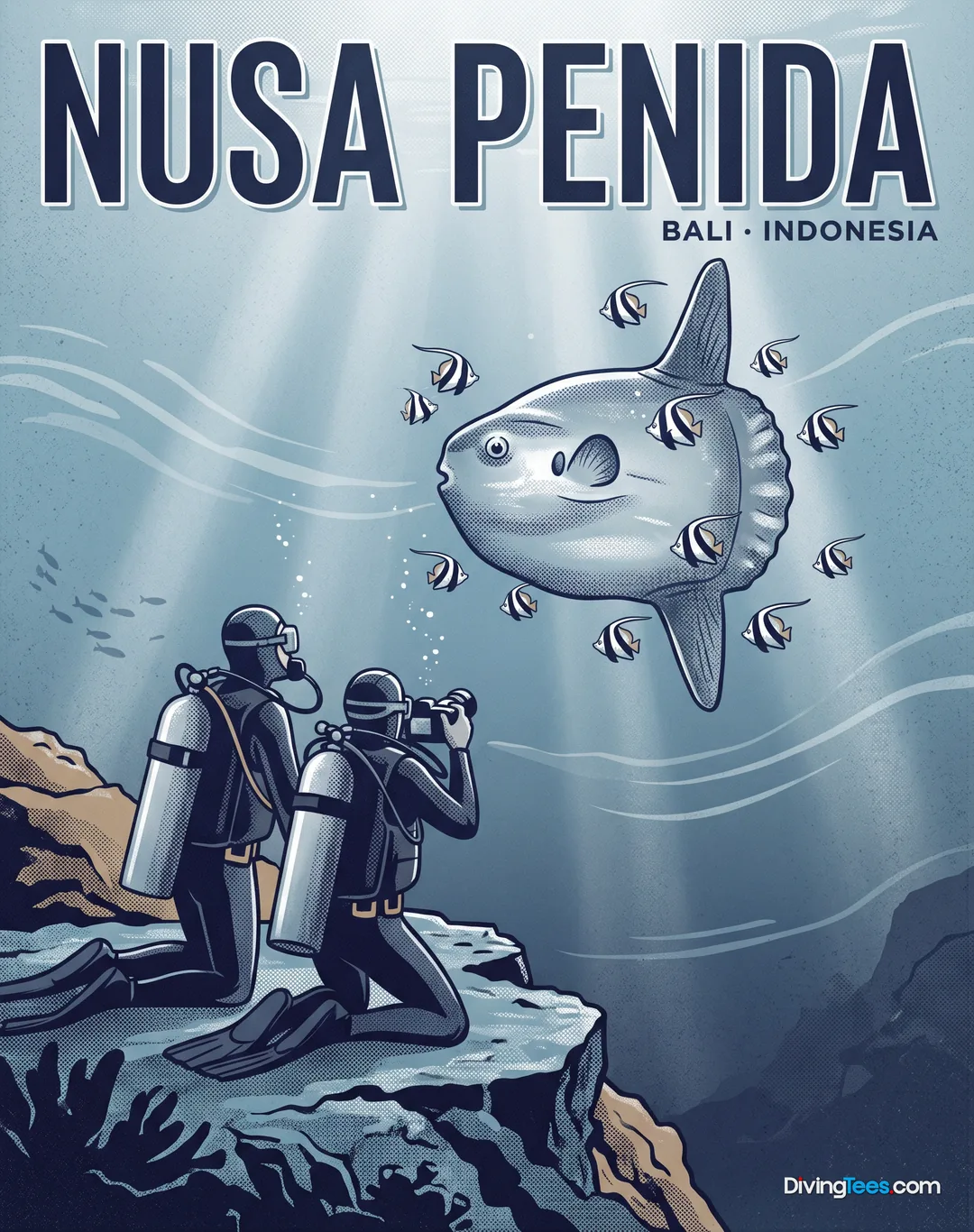
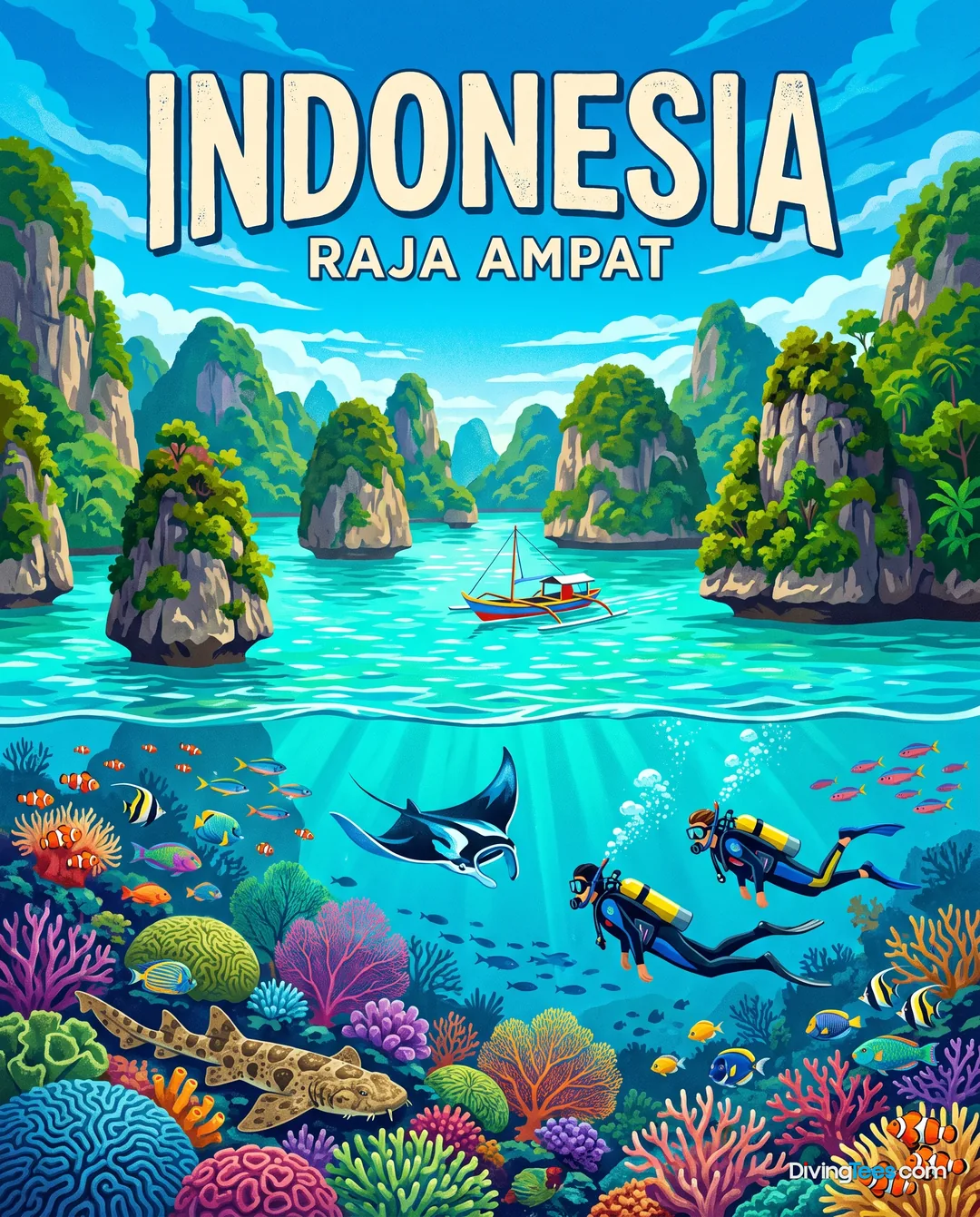
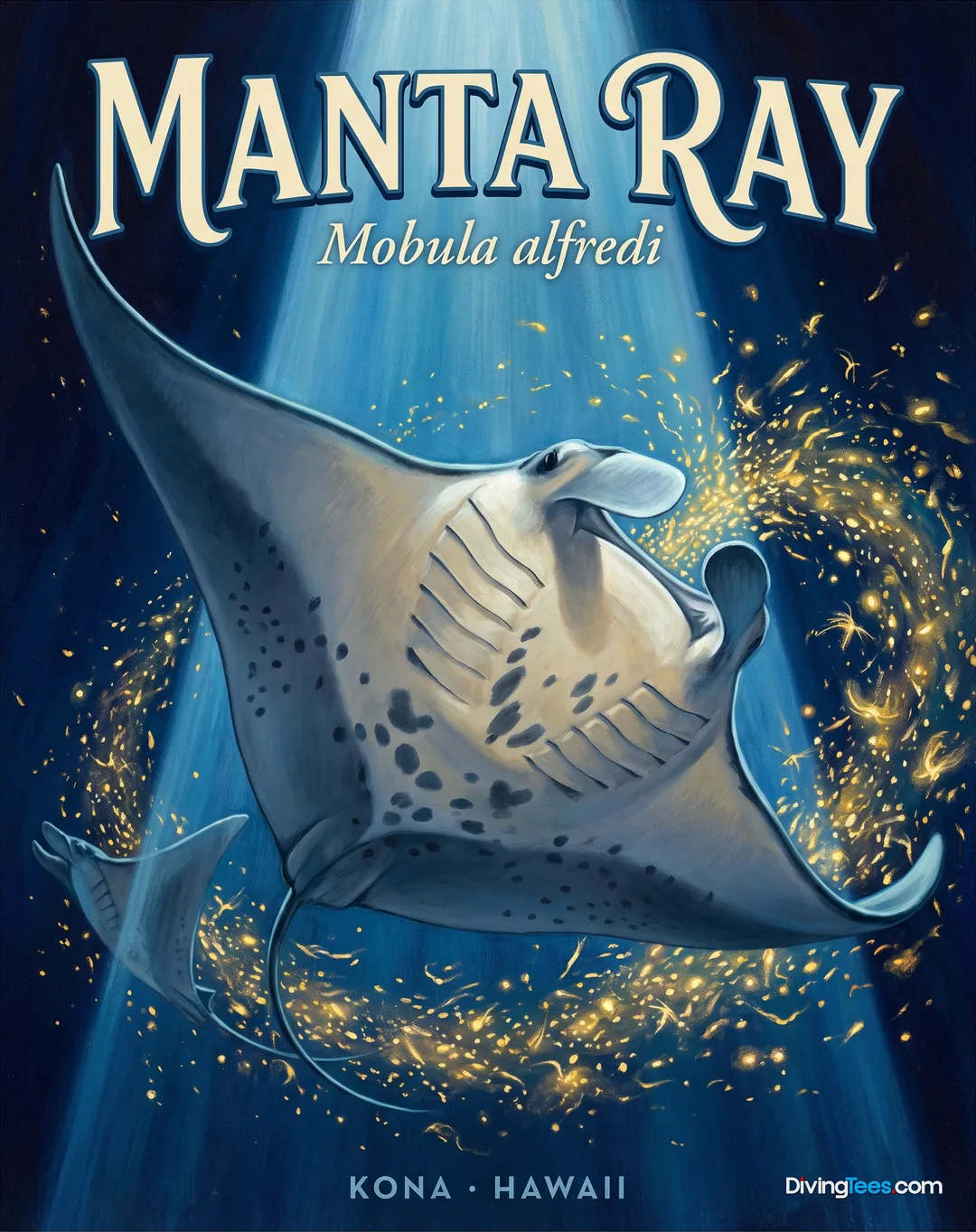
Manta Point is the area's most iconic site, functioning as a cleaning station where you can watch Manta ray (Mobula alfredi) glide over the reef. It is accessible to all experience levels.
Crystal Bay and Toyapakeh are staple sites for the area, offering varied topography and reliable encounters with local reef life. The Ceningan Wall provides a different perspective, allowing you to explore the vertical structures of the region.
And some of the dive sites the centre runs.
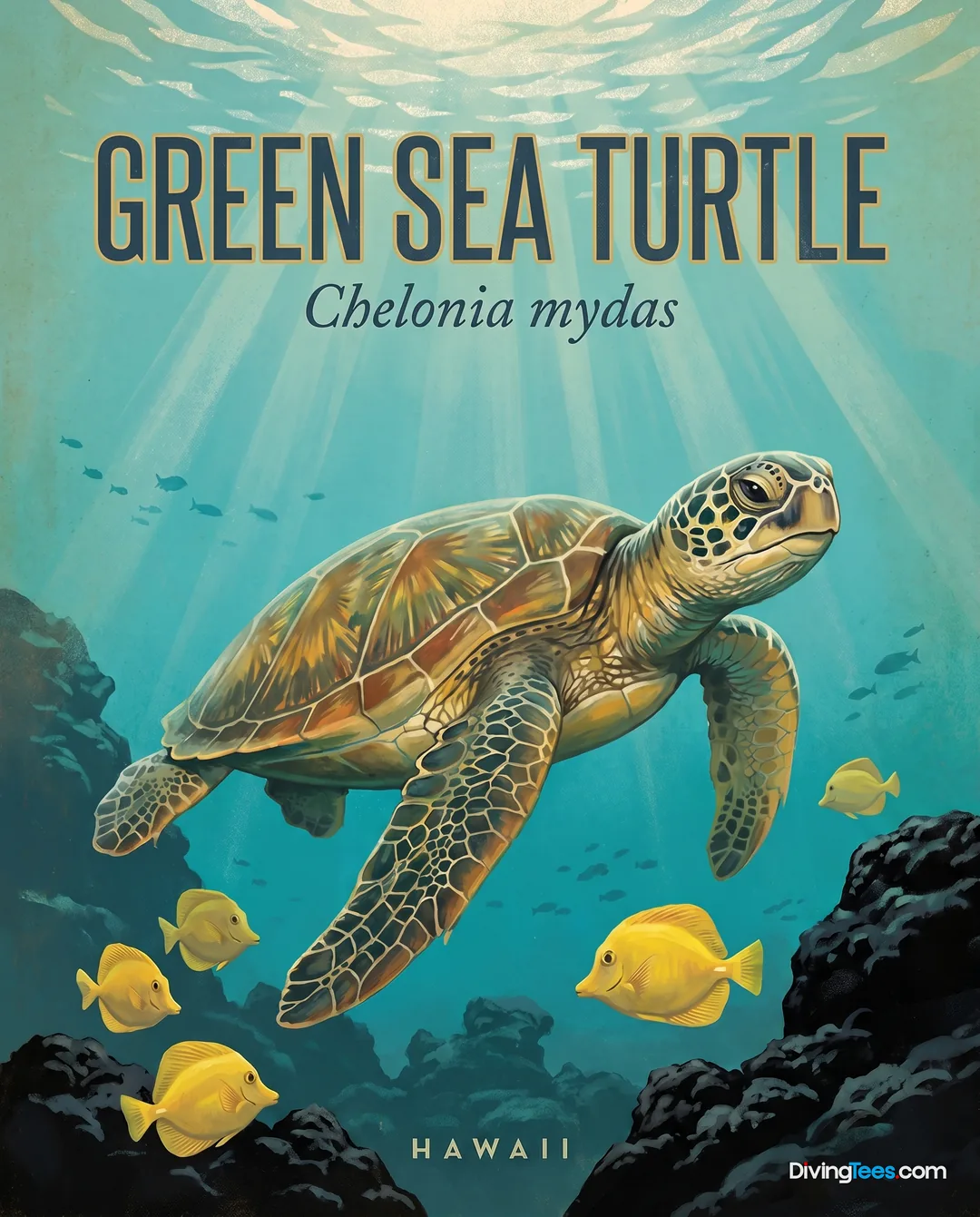
The waters around Nusa Penida are famous for large pelagics and resident reef species. You can expect to encounter Manta ray (Mobula alfredi), various turtles including Green sea turtle (Chelonia mydas) and Hawksbill turtle (Eretmochelys imbricata), as well as reef sharks such as Whitetip reef shark (Triaenodon obesus) and Blacktip reef shark (Carcharhinus melanopterus).
On the reef itself, the biodiversity is high, with plenty of schooling fish, Jacks (Carangidae), and various species of snapper (Lutjanus). You will also see plenty of colourful reef fish, including Butterflyfish (Chaetodon), Triggerfish (Balistidae), and various species of Damselfish (Pomacentridae) navigating the hard coral (Scleractinia) and soft coral (Alcyonacea) formations.
For those with an eye for the smaller details, the macro life is significant. Look out for Nudibranch (Chromodoris willani), various species of shrimp, and the Peacock mantis shrimp (Odontodactylus scyllarus). Scorpionfish (Scorpaenidae) and various species of frogfish (Antennarius) often sit well-camouflaged among the sponges (Porifera) and reef crevices.
The diving environment in Nusa Penida is influenced by local currents, particularly at sites like Blue Corner and Manta Point. Divers should be prepared for varying water movement depending on the specific site and tide.
While the centre services all levels, certain sites may require more experience to manage the drift and current effectively. The presence of plankton can influence visibility and, in turn, the frequency of pelagic sightings.
Hello, I'm Marina, DivingDeal.com's AI assistant. I answer in detail about hotels, dive centres and liveaboards.

Thinking about the whole trip and the flights? Talk it over with Edith →
Marina is an AI. Some links are affiliate links: DivingDeal may earn a commission, at no extra cost to you. Bookings are made with the partner.
Your last day stays dry: no diving in the 18-24 hours before a flight the perfect window to see the destination from another angle.
 City
City⏱ 8 h · ★ 5.0 (5 reviews)
from €20
see on Viator ↗
 Nature
⏱ 12 h · ★ 4.9 (19 reviews)
from €41
see on Viator ↗
 Nature
⏱ 9 h · ★ 4.9 (10 reviews)
from €25
see on Viator ↗
 Culture
⏱ 8 h · ★ 4.7 (38 reviews)
from €43
see on Viator ↗
Ratings and reviews collected by Viator and Tripadvisor.