Nyande Raja Ampat
★ 9.6/10 (451 reviews)
9 km away as the crow flies
Dive centre · Raja Ampat · Indonesia
4.9132 Google reviewsDive the untouched reefs of Merpati island with experienced guides in small groups of no more than four divers.
For subtitles in English: start the video firstthen click the gearat the top right of the video, select “Subtitles/CC”, then “Auto-translate” and choose “English”.
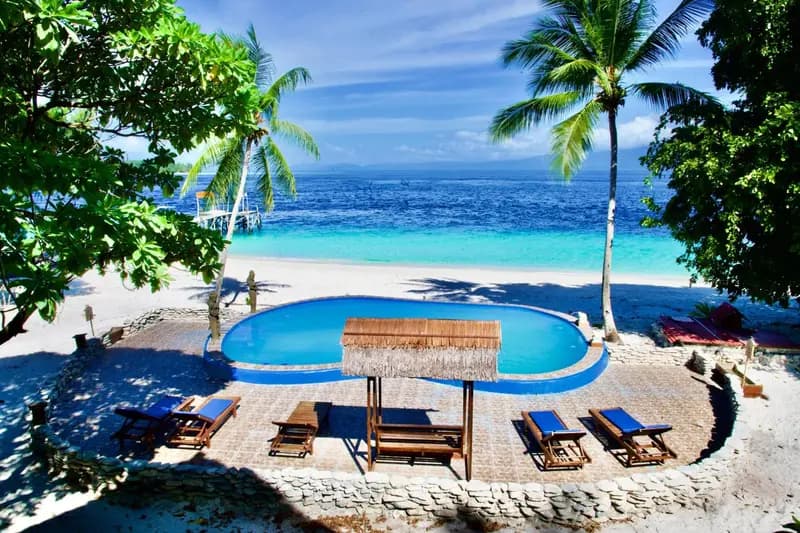
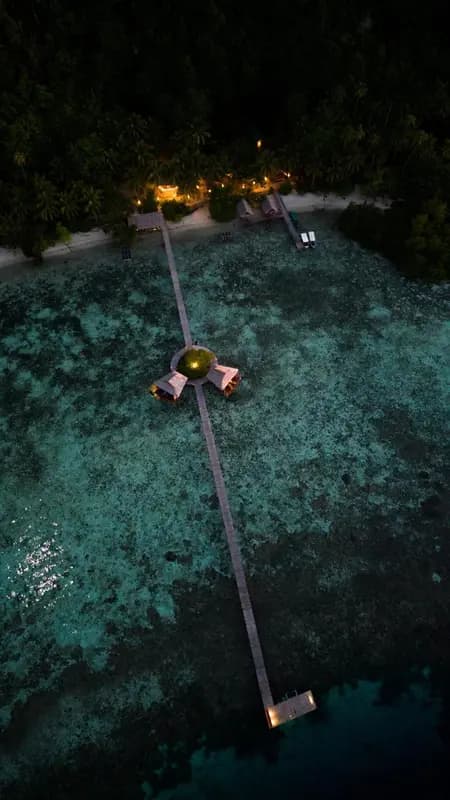
Located on Merpati Island, between Mansuar and Batanta, Tabari Dive Lodge sits in the very heart of Raja Ampat. The lodge is an eco-conscious family operation that has been welcoming divers to these waters since late 2020.
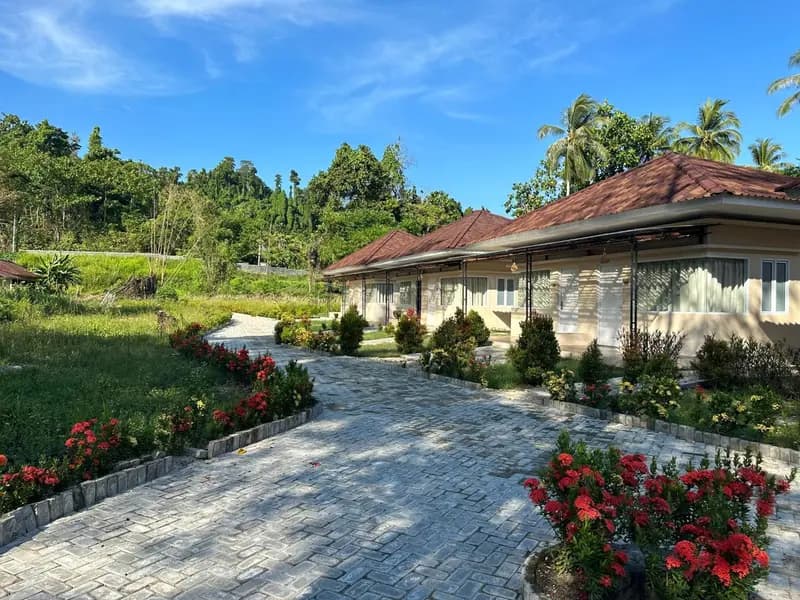
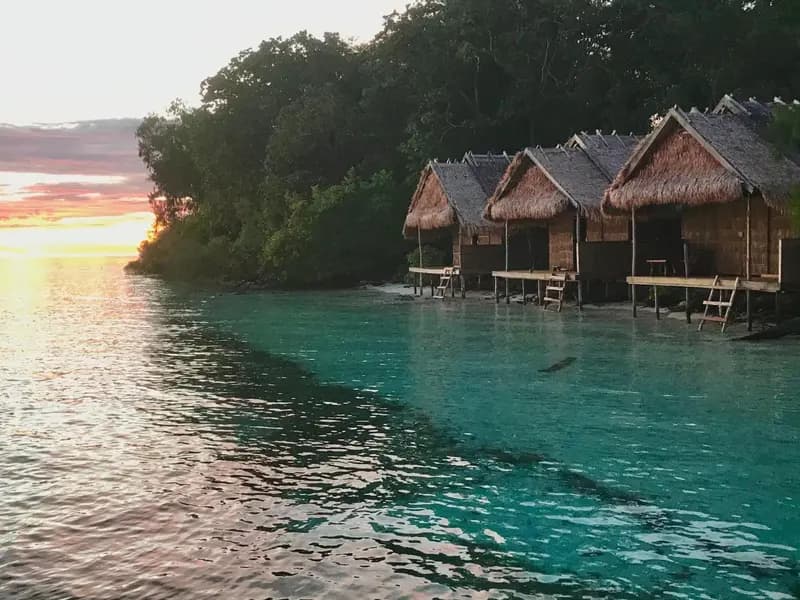
Reaching the lodge is straightforward via a speedboat transfer from Waisai, the main port of Raja Ampat. Once there, you stay in traditional bungalows built from local wood, palm leaves, and reeds by the local Papuan community, all while enjoying full pension complete.
The centre operates with a focus on small-scale, intimate diving, maintaining a ratio of one guide for every four divers. This ensures that whether you are a photographer looking for a specific macro subject or a biologist studying the reef, you receive attentive guidance.
The dive team is comprised of experienced professionals, with divemasters boasting over twenty years of local knowledge in the Raja Ampat region. The lodge is an SSI affiliated centre, providing a structured environment for both recreational and professional training.
As an SSI affiliated centre, Tabari Dive Lodge offers a complete range of training programmes. You can begin with Try Scuba or the Open Water Diver course and progress through the full certification ladder.
Advanced training is also available, including the Advanced Open Water, Rescue Diver, Divemaster, and Instructor courses. This allows you to build your skills locally in some of the world's most diverse marine environments.
The centre uses a speedboat to transport divers to the surrounding dive sites. This allows for quick transit times between the lodge and the various reefs and drop-offs that make this area so famous.
The lodge provides full equipment hire for those not travelling with their own kit. All equipment is maintained to a high standard to ensure reliability during your dives.
Safety is a priority on site, with oxygen availability provided for all divers. The lodge is powered 24/7 by solar panels, and Starlink satellite internet is available for those needing to stay connected.
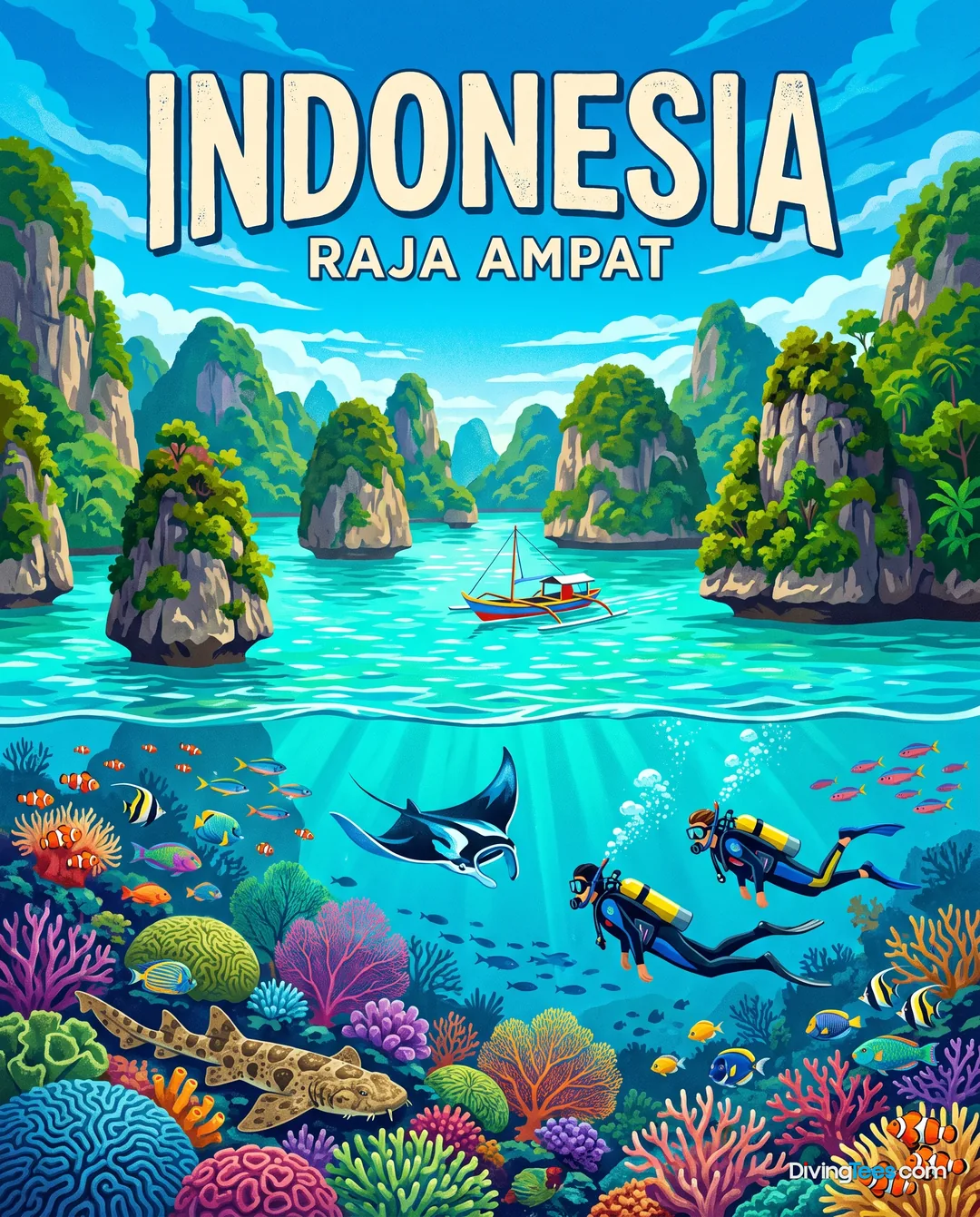
Melissa's Garden is a famous coral garden that offers exceptional beauty and high biodiversity. This site is accessible from the Open Water Diver level and is known for its stunning hard coral formations and resident wobbegong sharks.
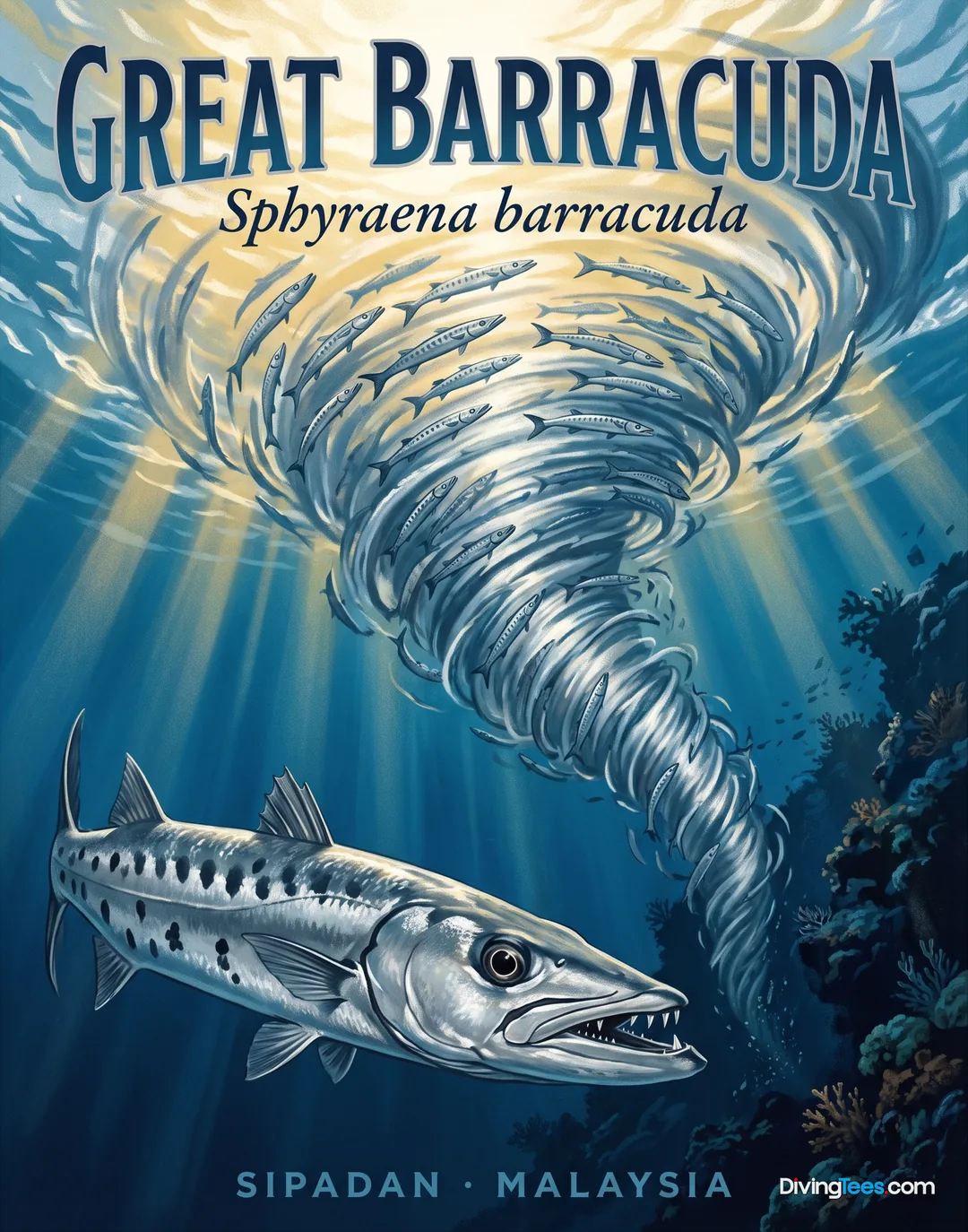
Cap Kri is a premier site for those looking to see massive schools of fish. Divers can expect to encounter large schools of jacks, barracudas, and various reef sharks along the drop-off.
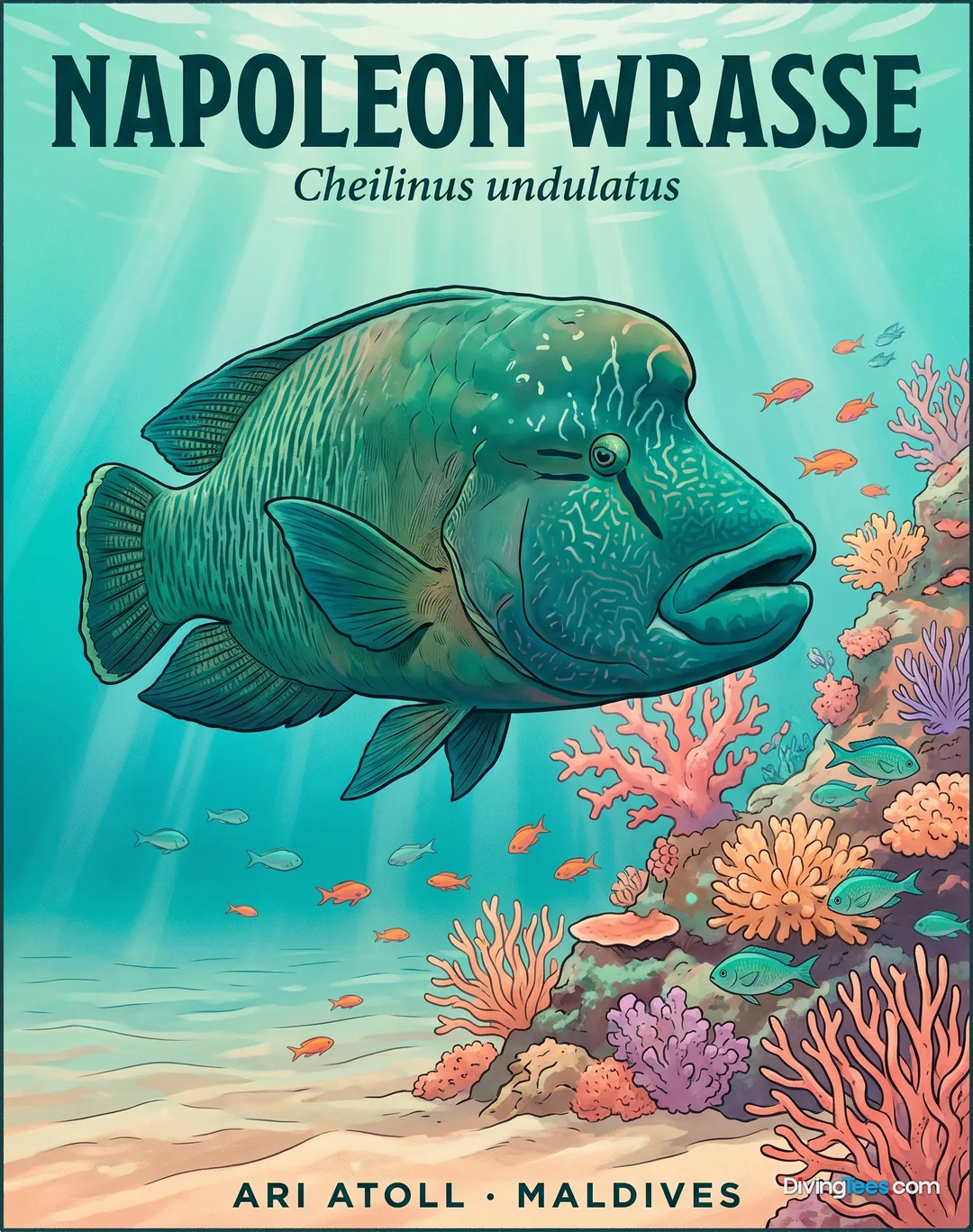
Marco Reef is a favourite for underwater photographers due to the high concentration of life. This site features beautiful coral structures and frequent sightings of Napoleon wrasse, wobbegongs, and various species of reef sharks.
Sawandarek is a fantastic site for seeing large marine animals, particularly turtles. The reef structure provides a habitat for many species, including snappers, barracudas, and various nudibranchs.
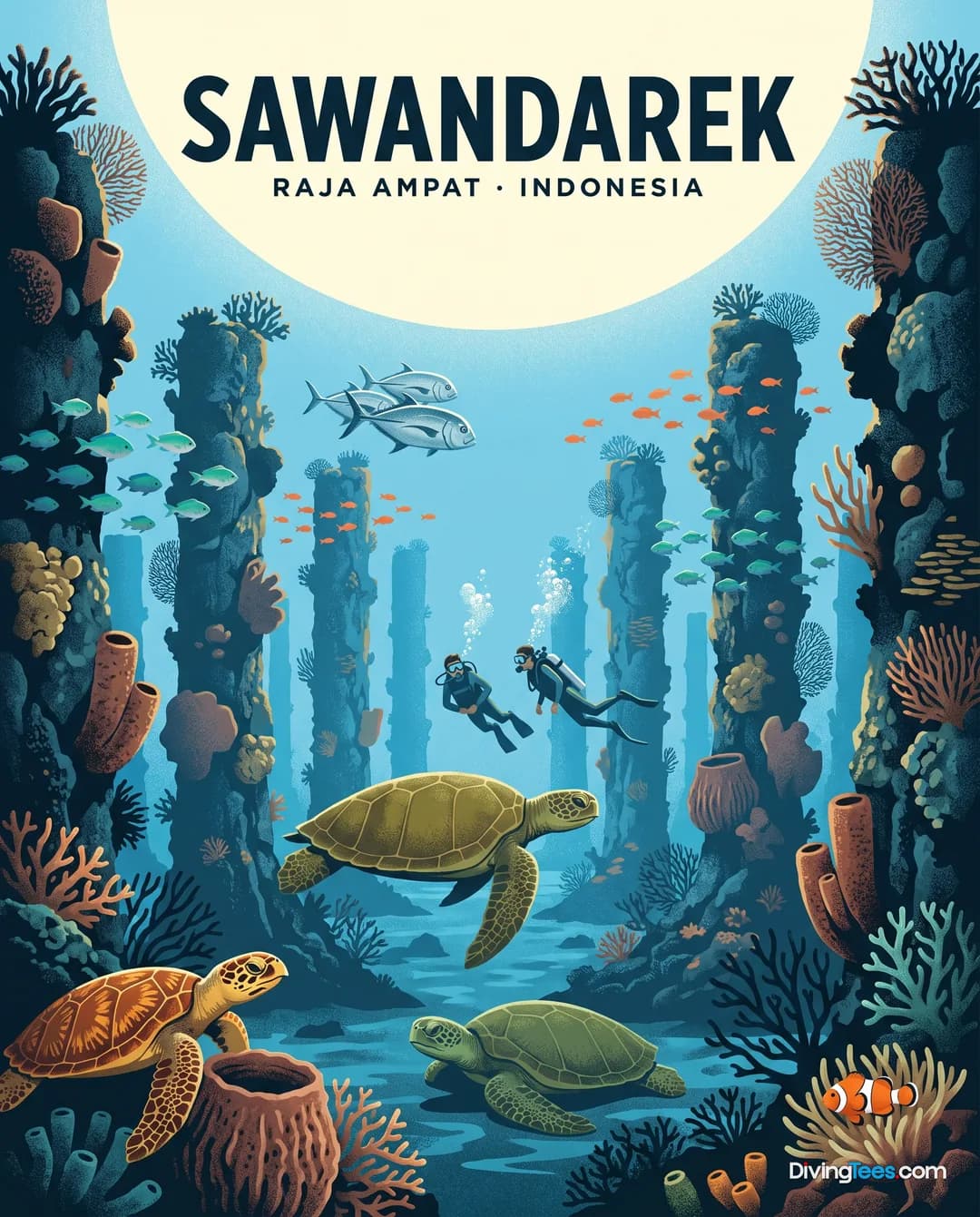
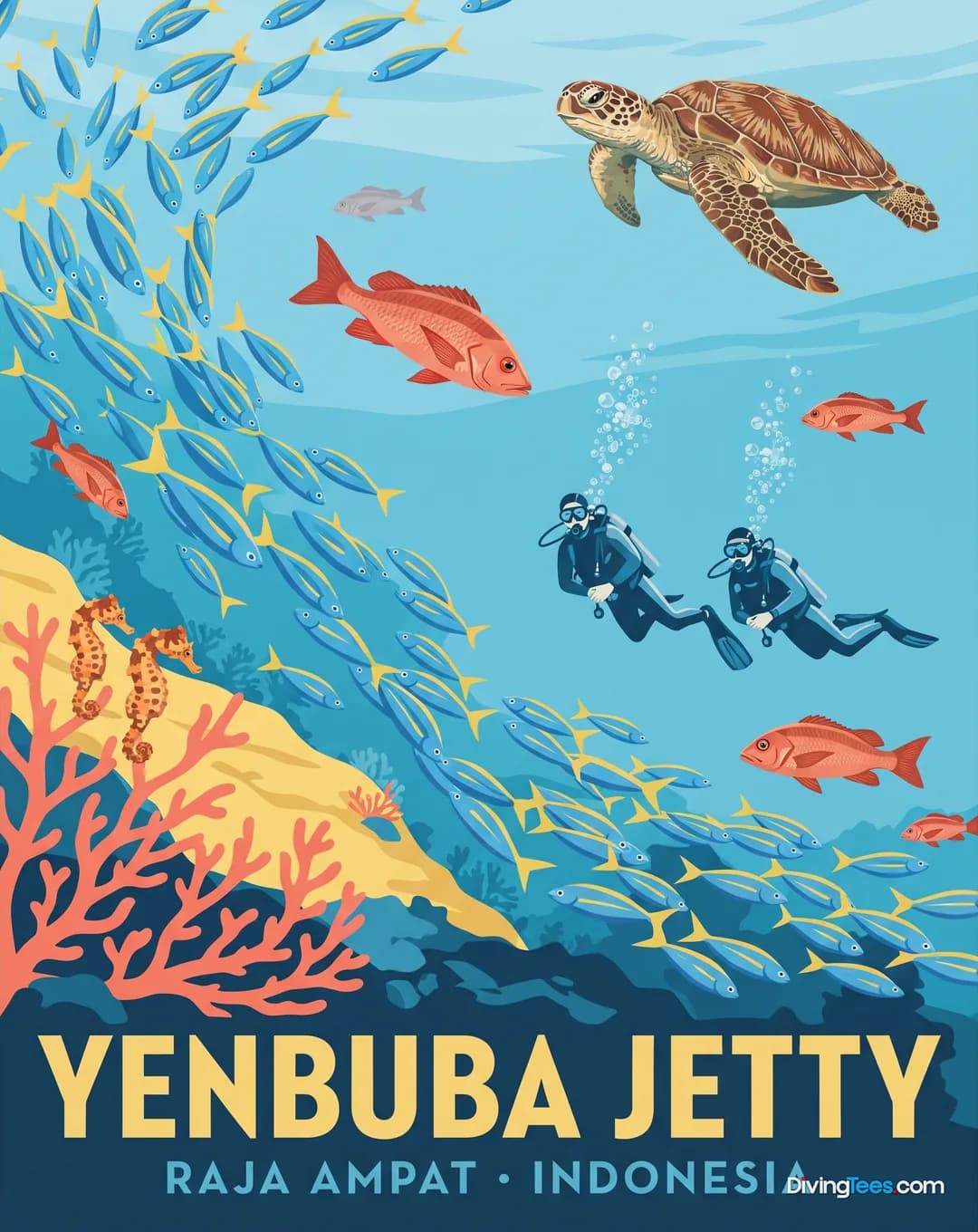
down to 30 m
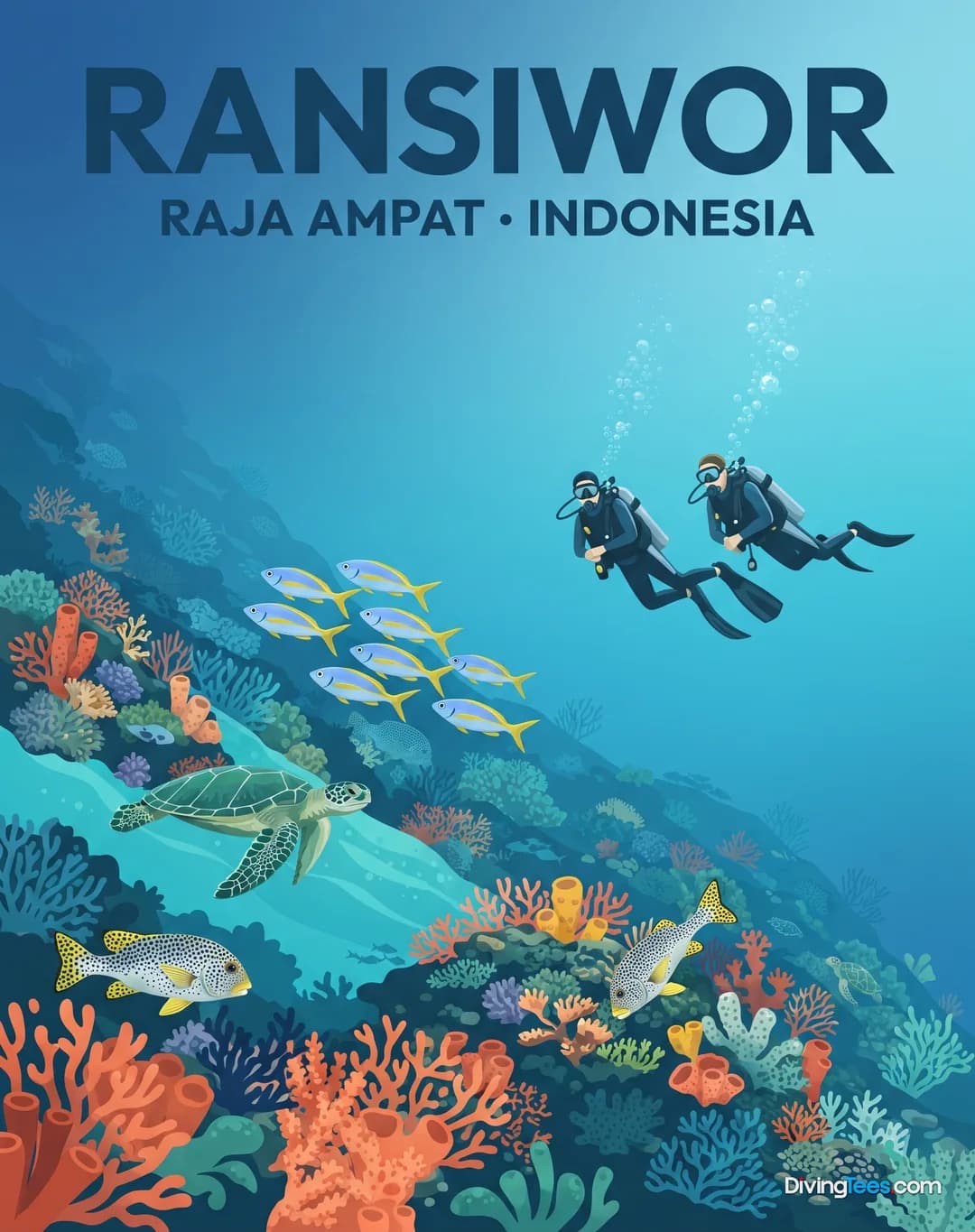
down to 30 m
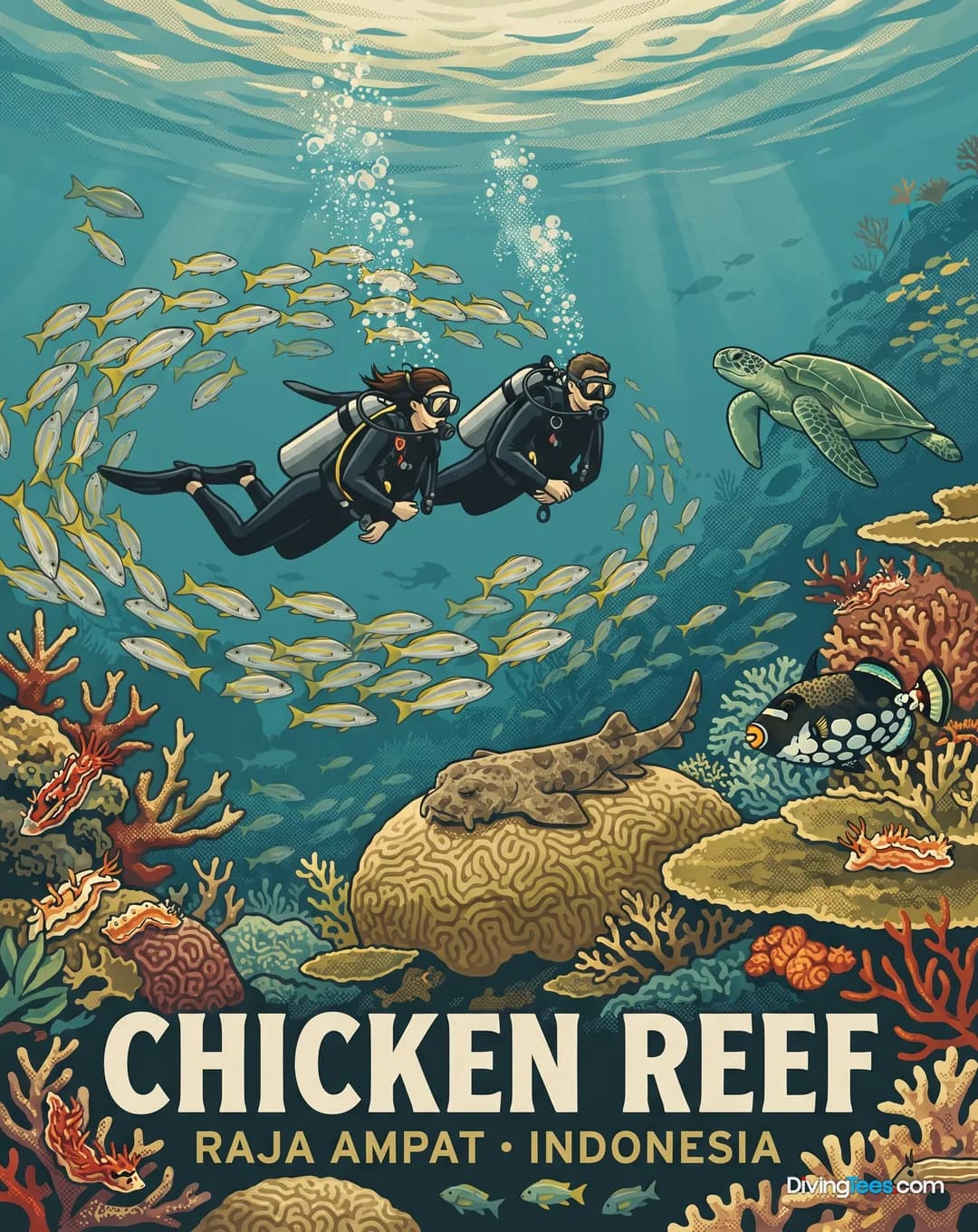
down to 30 m
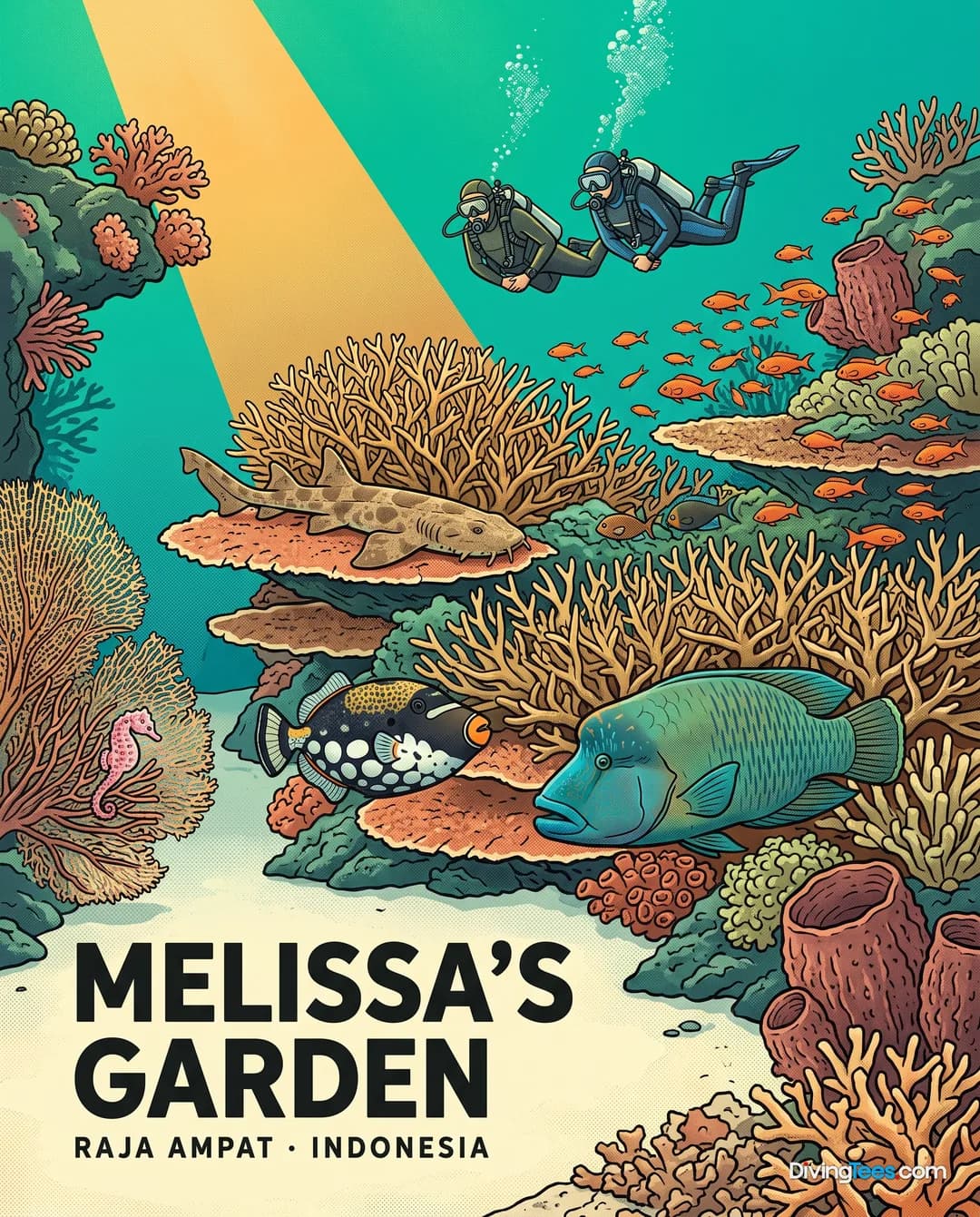
down to 35 m
And some of the dive sites the centre runs.
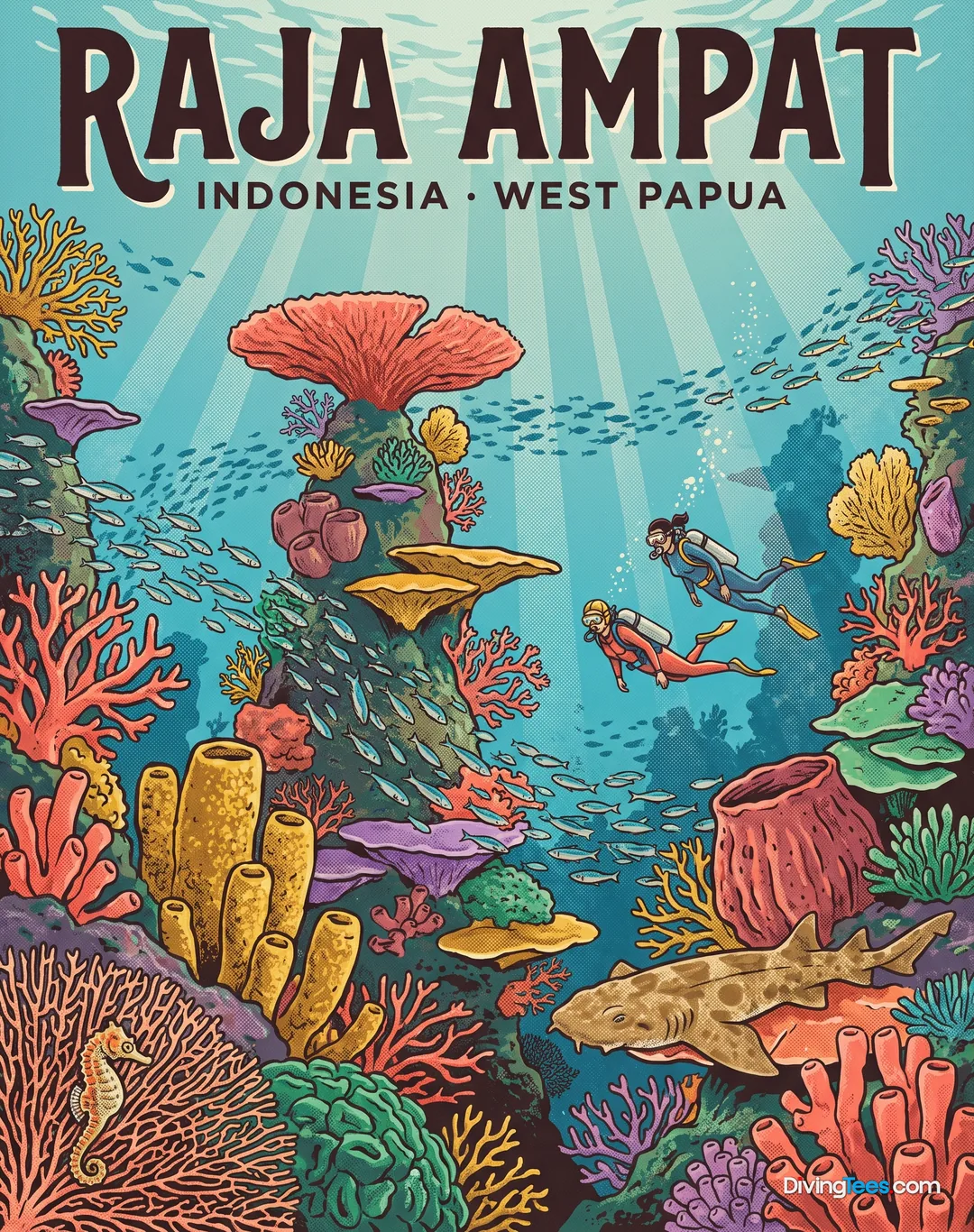
The marine life in this area is defined by incredible density and variety. You will regularly encounter wobbegong sharks, Napoleon wrasse (Cheilinus undulatus), and Humphead parrotfish (Bolbometopon). The reefs are home to many species of sharks, including Whitetip reef sharks (Triaenodon obesus), blacktip reef sharks, and grey sharks.
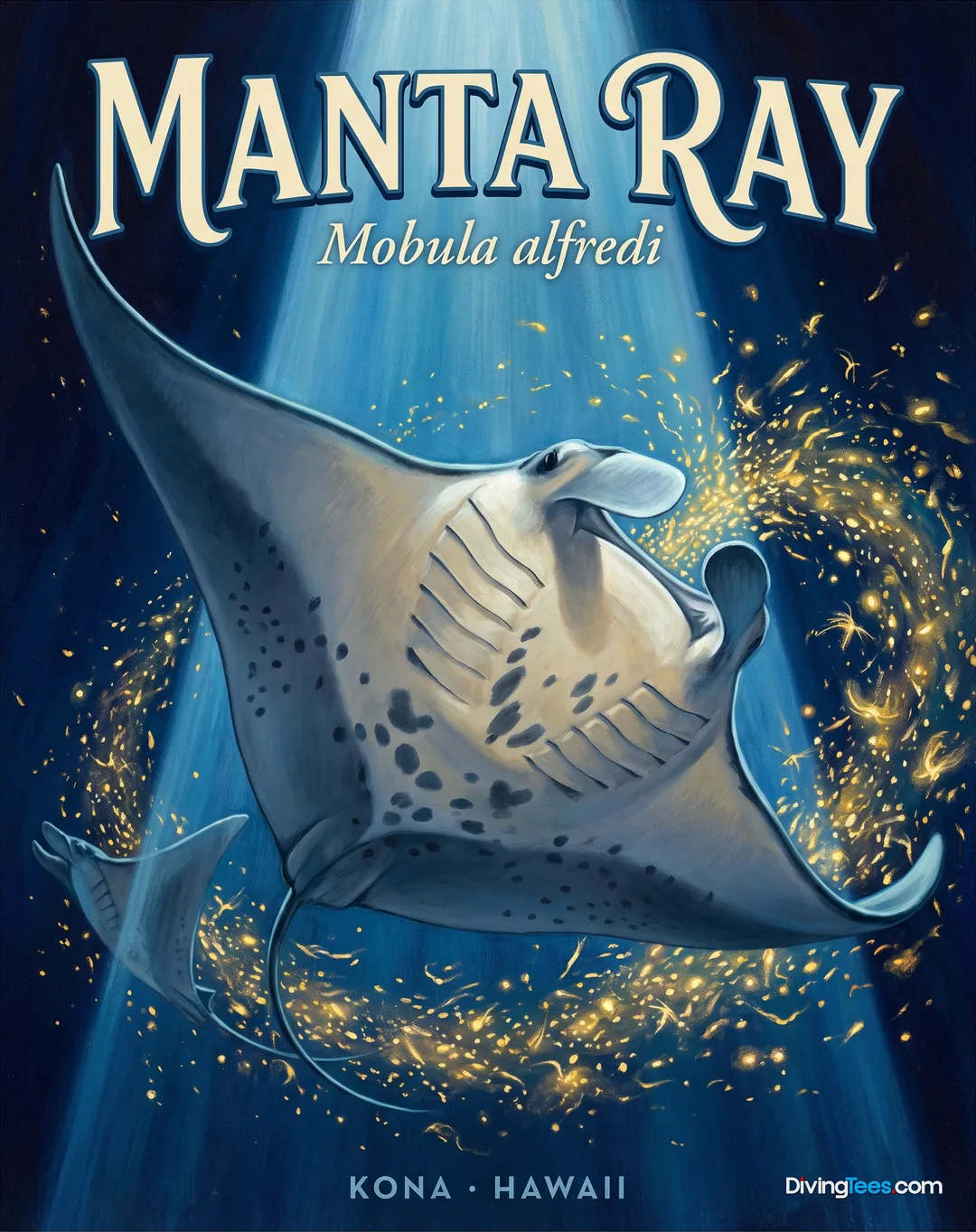
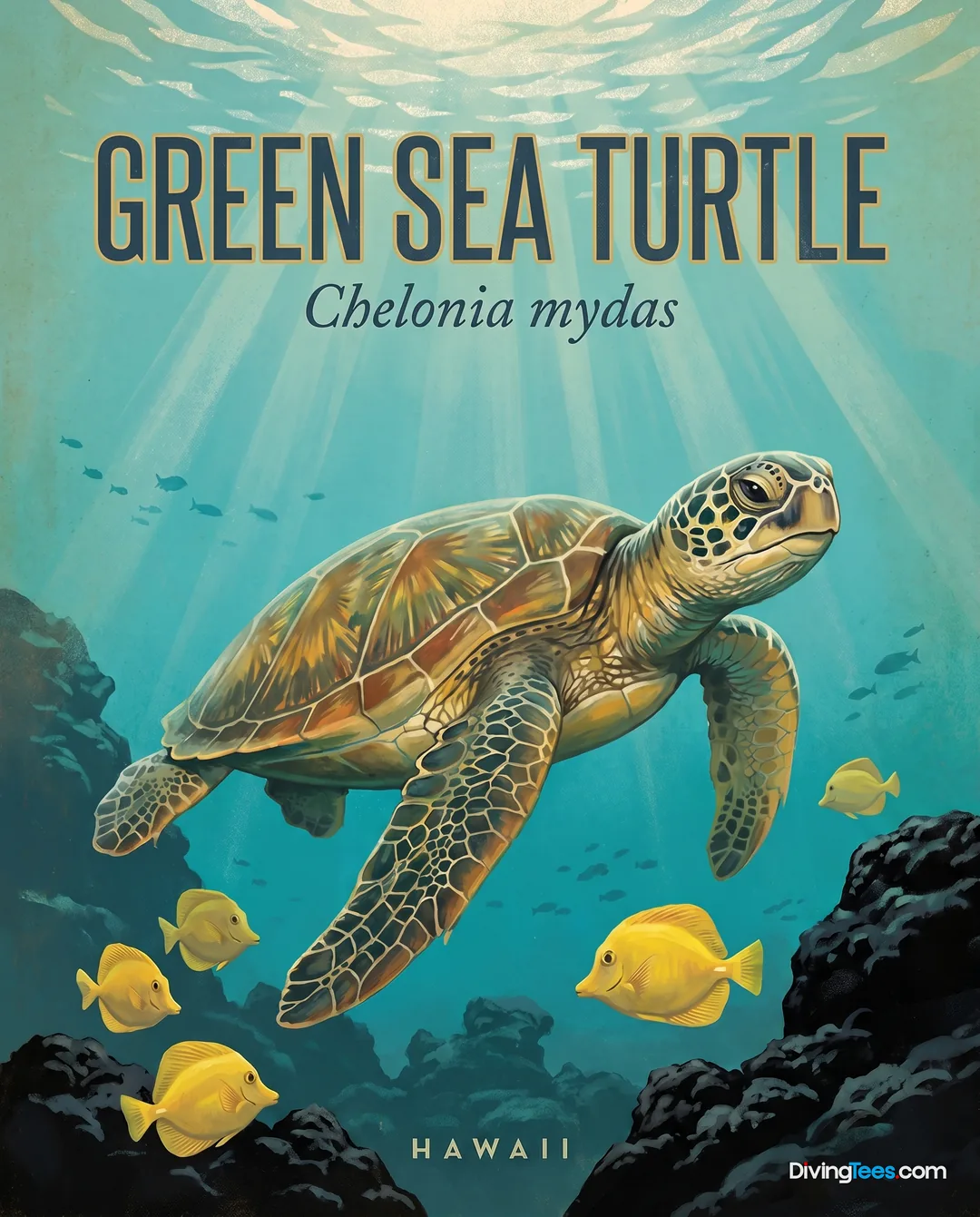
Large pelagic species are a highlight of the region. You can find various species of turtles, Eagle ray (Aetobatus), and mobula rays. During the season from December to June, you may also encounter Manta ray (Mobula alfredi) and oceanic manta rays.
For those interested in the smaller residents of the reef, the macro life is extensive. The area is excellent for spotting Nudibranch (Chromodoris willani), various species of shrimp (Caridea), and crabs (Brachyura). You might also find Ornate ghost pipefish (Solenostomus paradoxus), leaf scorpionfish, and various species of pygmy seahorse.
The hard and soft coral cover provides the essential architecture for this ecosystem, with massive colonies of hard coral (Scleractinia) and soft coral (Alcyonacea) supporting a vast array of reef fish, including snappers (Lutjanus), fusiliers (Caesio), and surgeonfish (Acanthuridae).
The dive sites around Merpati Island consist of a mix of reef flats and significant drop-offs. Many of the sites are accessible to Open Water Diver level, though some areas feature deeper walls reaching up to 40 metres.
Night diving is a regular part of the programme here, offering a completely different perspective on the reef's inhabitants.
Hello, I'm Marina, DivingDeal.com's AI assistant. I answer in detail about hotels, dive centres and liveaboards.

Thinking about the whole trip and the flights? Talk it over with Edith →
Marina is an AI. Some links are affiliate links: DivingDeal may earn a commission, at no extra cost to you. Bookings are made with the partner.