
Tarzan-Diving
Google 4.9/5 (424 reviews)
6.2 km away as the crow flies
Raja Ampat · Indonesia · Asia
Max. depth · 30 mChicken Reef is a sprawling seamount in Raja Ampat, offering four distinct dive experiences from sheltered bays to current-swept slopes, all within a single, expansive reef system.
For subtitles in English: start the video firstthen click the gearat the top right of the video, select “Subtitles/CC”, then “Auto-translate” and choose “English”.
Chicken Reef is not a single dive site but a complex, bow-tie shaped seamount in the Dampier Strait, northeast of Kri Island. This extensive underwater ridge is subdivided into four distinct areas: Chicken Reef itself, Chicken Bay, Sleeping Barracuda, and Surgeonfish Slope. Each section presents its own topography, from coral-covered flanks and reef slopes to deeper areas, allowing for varied dive plans depending on conditions and diver preference. The site's character shifts as you move across these zones, offering different encounters within one dive.
The dive profile at Chicken Reef typically begins with a descent onto the reef top, which starts as shallow as 5 metres, gradually sloping down to a maximum depth of 30 metres. This gradual slope allows for extended bottom time in shallower, brightly lit areas, while also providing access to deeper sections where larger pelagics might cruise. The transition between the distinct areas of the reef complex means you can experience different current exposures and marine life assemblages during a single dive, from sheltered corners to more exposed points.
Currents at Chicken Reef are a defining feature, varying significantly with tidal movements. They can range from mild to strong, often necessitating a negative entry and careful timing to make the most of the dive. These currents are the lifeblood of the reef, bringing in nutrients that support a high biomass of fish. Planning your dive around the tidal flow is crucial, as the direction and strength can shift, influencing drift routes and where marine life congregates, particularly in areas like Sleeping Barracuda or Surgeonfish Slope.
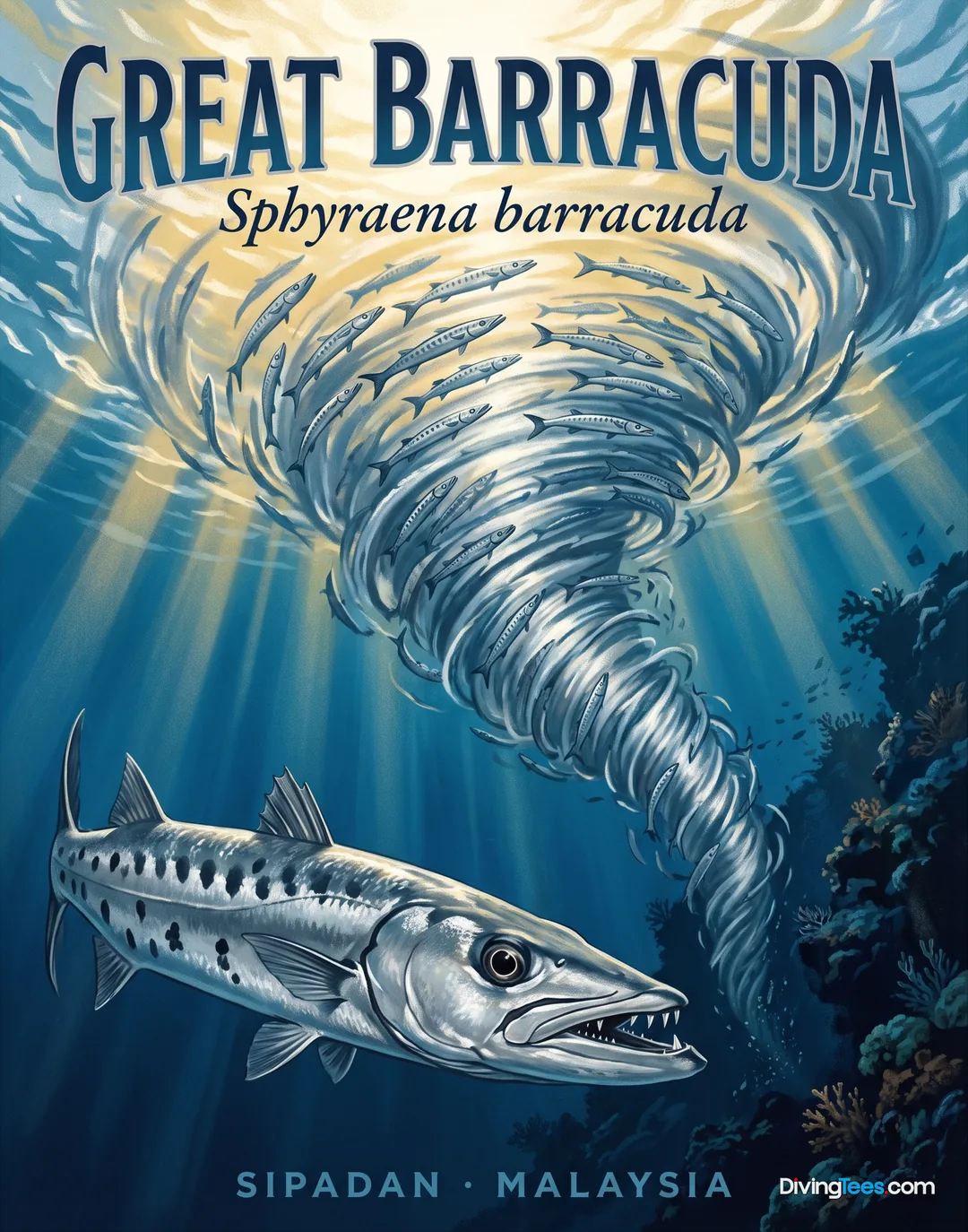
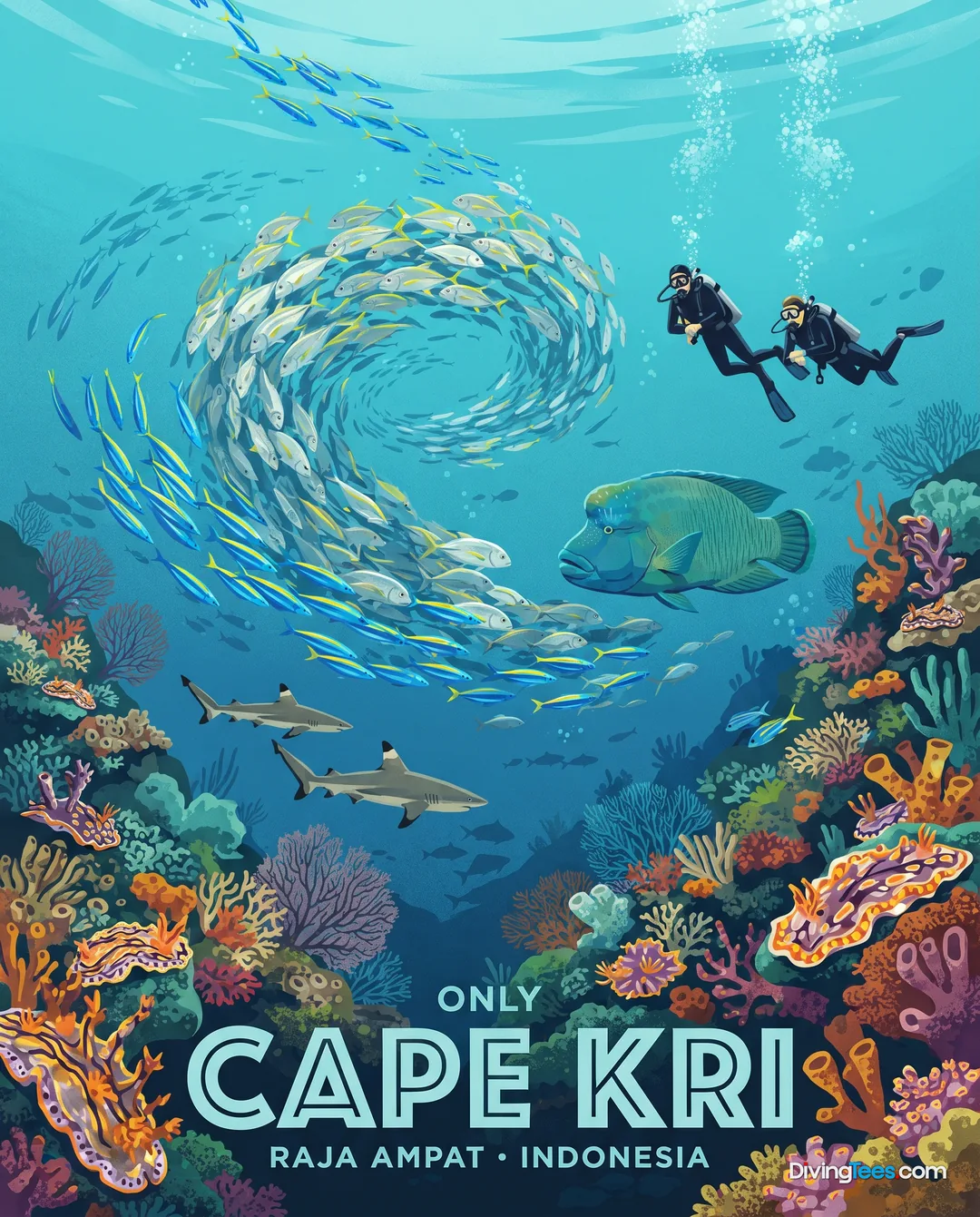
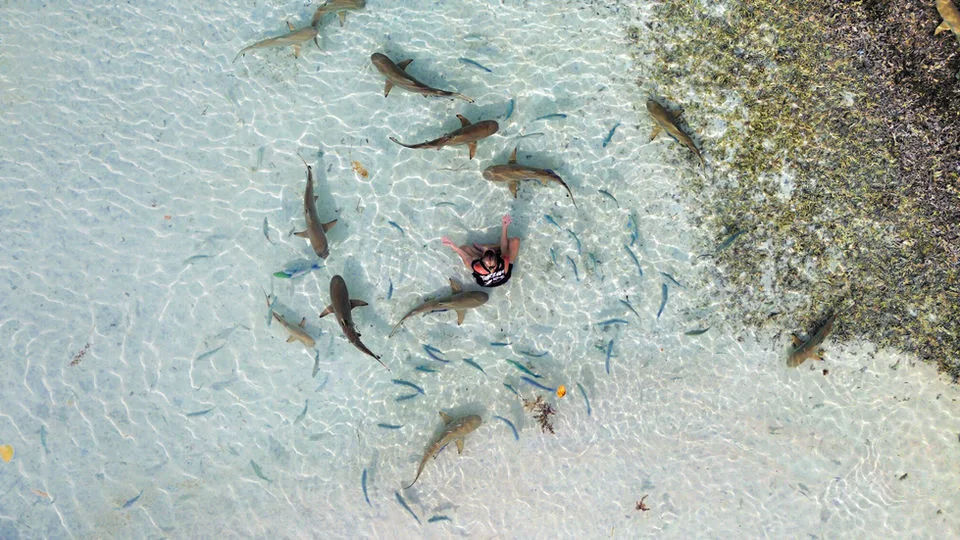
The marine life at Chicken Reef is diverse, reflecting its varied topography and current exposure. You will encounter large schools of fusiliers, surgeonfish, and bannerfish, often swirling in the current. Trevally and jacks are common, patrolling the reef edges, while barracuda can be found in the more exposed corners. Blacktip reef sharks are regularly sighted, and the reef is home to bumphead parrotfish, moray eels, and scorpionfish, adding to the rich biodiversity.
Beyond the schooling fish, the reef structure itself is vibrant, covered in a mix of soft and hard corals, interspersed with large sea fans. These coral gardens provide habitat for smaller reef dwellers, including mantis shrimp, which can be spotted with a keen eye. The interplay of current and reef structure creates micro-environments where different species thrive, from the intricate details of the coral to the larger, more active fish life in the open water.
Chicken Reef is often described as an 'easy classic' due to its rich coral cover and high fish biomass, even if it doesn't always 'shout' with dramatic pelagic action. The current-driven activity intensifies as the water begins to move, creating dynamic scenes of feeding and schooling fish. This site offers a comprehensive look at a healthy Raja Ampat reef system, providing a full spectrum of experiences from macro observation to schooling fish encounters, all within a single, interconnected complex.
The flexibility of Chicken Reef, with its interconnected corners, allows for adaptable dive planning. Dive operators can choose specific entry and exit points, or plan drift dives, based on the prevailing current direction, ensuring optimal conditions for exploring different sections. This adaptability means that even with variable conditions, a rewarding dive can be tailored, making the most of the seamount's extensive and diverse underwater landscape.
Chicken Reef is accessible from a minimum of intermediate level, though confident beginners with a good guide can manage in milder conditions. Due to the tide-dependent currents, which can range from mild to strong and shift direction, experience with current diving is beneficial. Depths range from 5 metres to a maximum of 30 metres. Visibility typically ranges from 15 to 30 metres. The site is diveable year-round, with the most stable conditions and best visibility generally occurring from October to April, aligning with the dry season.
31 liveaboards depart from Raja Ampat another way to explore the region, over several days at sea.
You can dive Chicken Reef year-round. From October to April, conditions are generally more stable and visibility is generally clearer, with typical visibility ranging from 15 to 30 metres. This period aligns with Raja Ampat’s dry season and may suit you if steadier conditions matter when planning your trip.
Chicken Reef is accessible from an intermediate level. Confident beginners may manage in milder conditions with a good guide, while experience with current diving is beneficial. Tidal currents can range from mild to strong and shift direction, so careful timing, adaptable planning, and comfort with drift diving are useful.
Chicken Reef ranges from 5 metres to a maximum depth of 30 metres. You typically descend onto the shallow reef top, then follow a gradual slope toward deeper sections. This profile lets you spend time in brightly lit shallows or explore deeper areas where larger pelagics might cruise.
At Chicken Reef, you can see large schools of fusiliers, surgeonfish, and bannerfish moving in the current, along with trevally, jacks, barracuda, and regularly sighted blacktip reef sharks. The reef also has hard and soft corals, sea fans, bumphead parrotfish, moray eels, scorpionfish, and mantis shrimp.