
Tarzan-Diving
Google 4.9/5 (424 reviews)
5.9 km away as the crow flies
Raja Ampat · Indonesia · Asia
Max. depth · 30 mDescend onto Lau Lau Reef, a vibrant seamount in Raja Ampat where oceanic manta rays often gather for their cleaning rituals.
For subtitles in English: start the video firstthen click the gearat the top right of the video, select “Subtitles/CC”, then “Auto-translate” and choose “English”.
Lau Lau Reef introduces you to a quintessential Raja Ampat diving experience: a submerged seamount rising from the depths, acting as a beacon for marine life. As you descend, the sheer biomass immediately becomes apparent, with the seamount serving as a bustling hub where the ocean's energy converges. The topography itself is intricate, offering numerous nooks and crannies, but it's the open water above and around the pinnacle that truly comes alive. The reef profile stays relatively shallow, with the most engaging action typically found between 12 and 25 metres, though some sections extend deeper towards 30 metres.
The beating heart of Lau Lau Reef is its cleaning station, a vital service area for the ocean's larger inhabitants. Patience here is often rewarded with encounters with oceanic manta rays (Mobula birostris) gracefully gliding in for their meticulous cleaning sessions. Witnessing these giants hover almost motionless as cleaner wrasse attend to them is a privilege, a delicate ballet between predator and prey that defines the health of this ecosystem. This interaction is a primary draw, offering a unique perspective on the intricate relationships within the reef ecosystem.
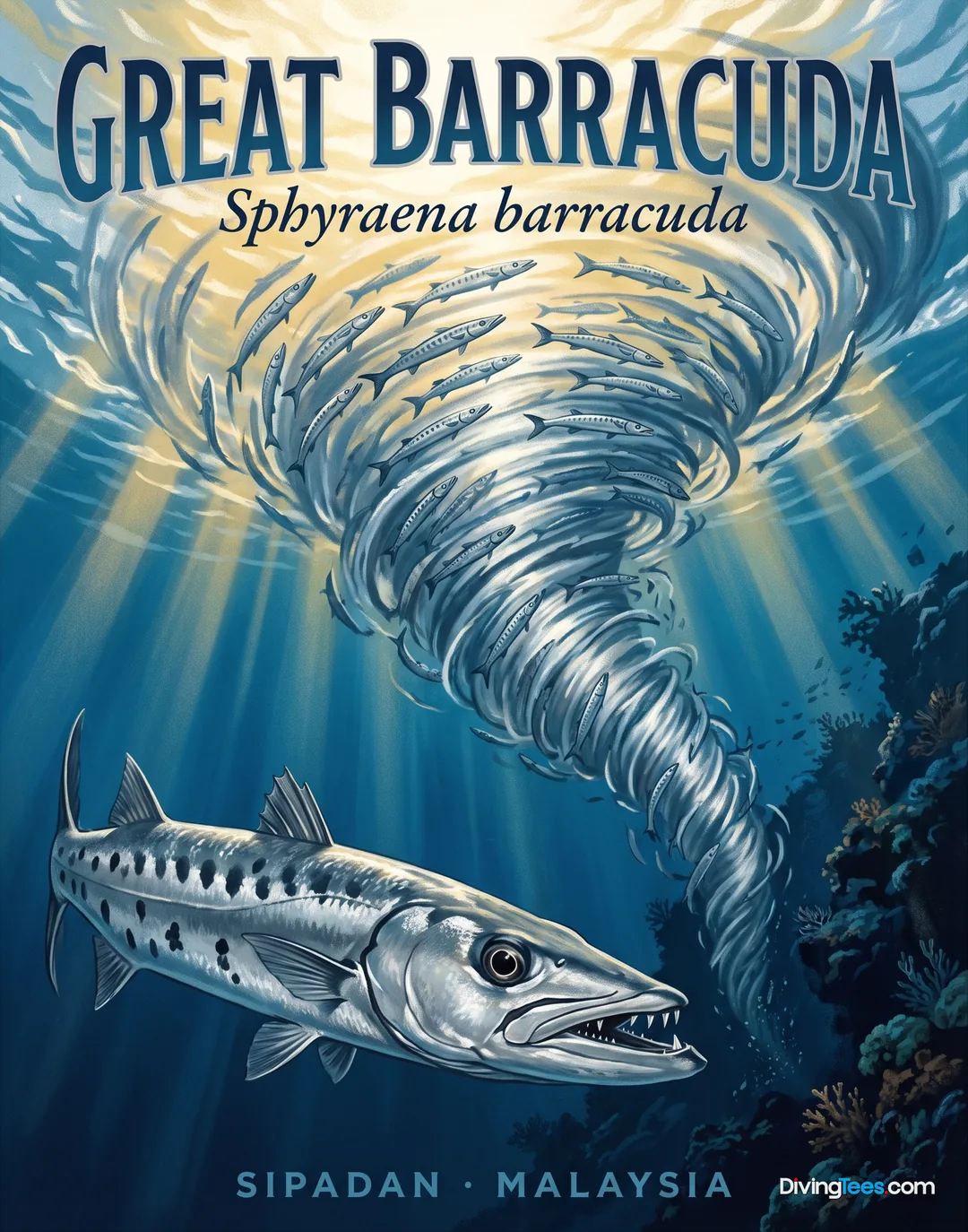
Beyond the majestic mantas, the seamount is enveloped in a dynamic cloud of schooling fish. Barracudas (Sphyraena barracuda) can be seen forming impressive, swirling tornadoes in the blue, their sleek silver bodies reflecting the light. They are often joined by dense aggregations of snappers (Lutjanidae) and fusiliers (Caesionidae), creating a constant, animated backdrop to your dive. These schools move with the current, providing a sense of the ocean's power and the abundance of life here.
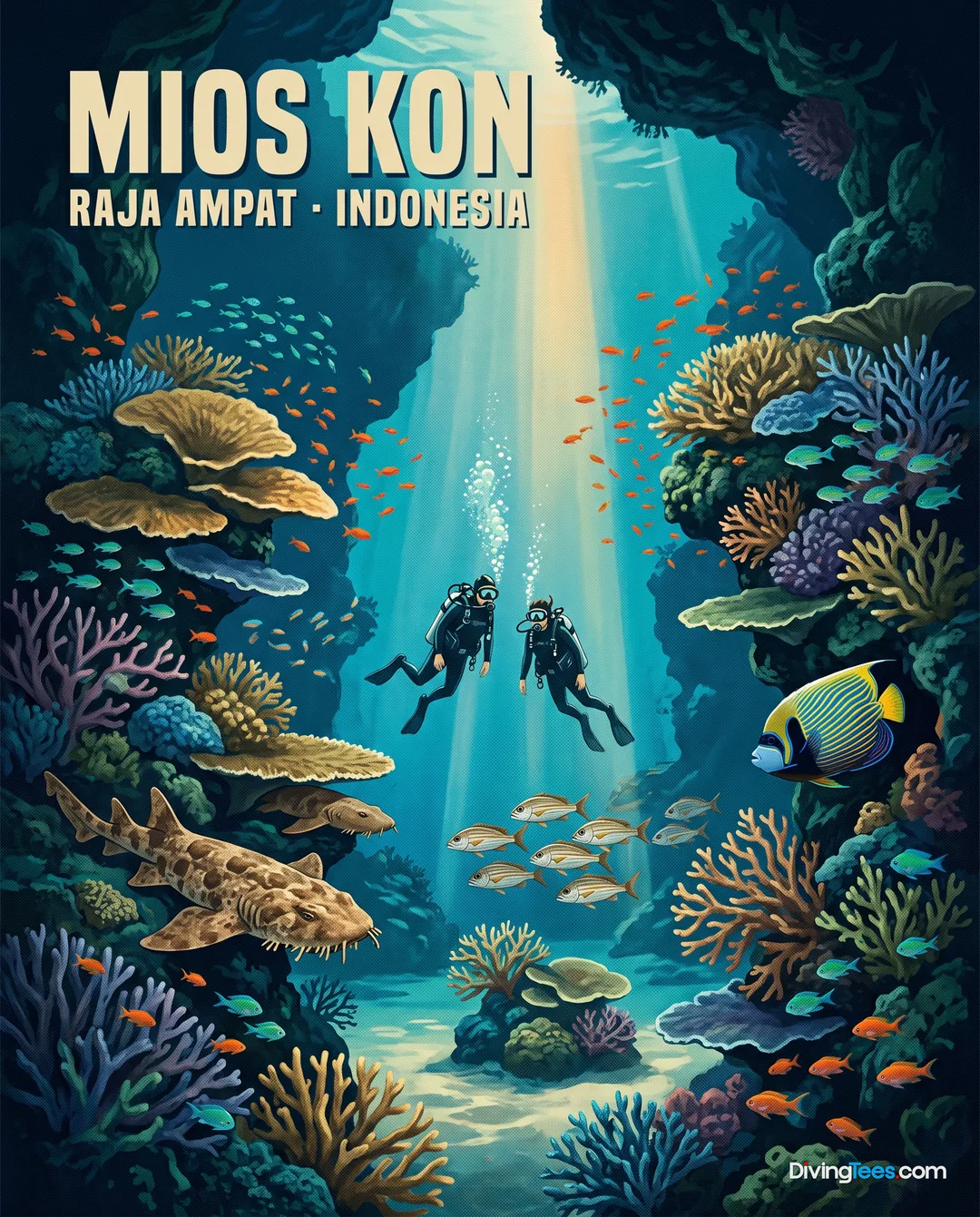
As you explore the contours of the seamount and its surroundings, your gaze will naturally drift to the sandy patches at its base. Here, you'll discover Kuhl's rays (Neotrygon kuhlii) settled calmly, their beautiful patterns camouflaged against the substrate. They add a peaceful, contemplative element to the otherwise bustling activity of the reef, providing a contrast to the pelagic drama unfolding above. You may also spot wobbegong sharks hiding under rocks or large coral boulders, a common sight in the shallower, more protected areas of the reef.
The reef itself is a mix of coral outcrops and larger boulders, with a fragile and dense coral structure that demands precise buoyancy control. While the site is often presented as a calmer, more accessible Raja Ampat reef during slack tide, the currents can be variable. They are typically manageable or non-existent at slack tide but can shift with the tides and local conditions, becoming vigorous. Raja Ampat currents are generally tidal, so timing your dive is important to experience the site at its best.
Visibility at Lau Lau Reef typically ranges from 15 to 30 metres, influenced by the plankton concentrations that also attract the larger pelagic species. These plankton blooms, while reducing extreme clarity, are essential for the rich marine life you encounter. Water temperatures are consistently warm, ranging between 28°C and 29°C, allowing for comfortable extended bottom times. The site's diverse topography, from shallow coral gardens to deeper sections, offers varied exploration opportunities.
Lau Lau Reef is accessible to intermediate divers, with depths ranging from 5 to 30 metres. While Open Water Diver certification is sufficient, experience managing variable currents is recommended due to the site's tidal nature. Currents can shift from mild to vigorous with the tides, demanding attentive dive planning and execution. Visibility typically ranges from 15 to 30 metres. The best season to dive here is from October to April, when conditions are generally most favourable.
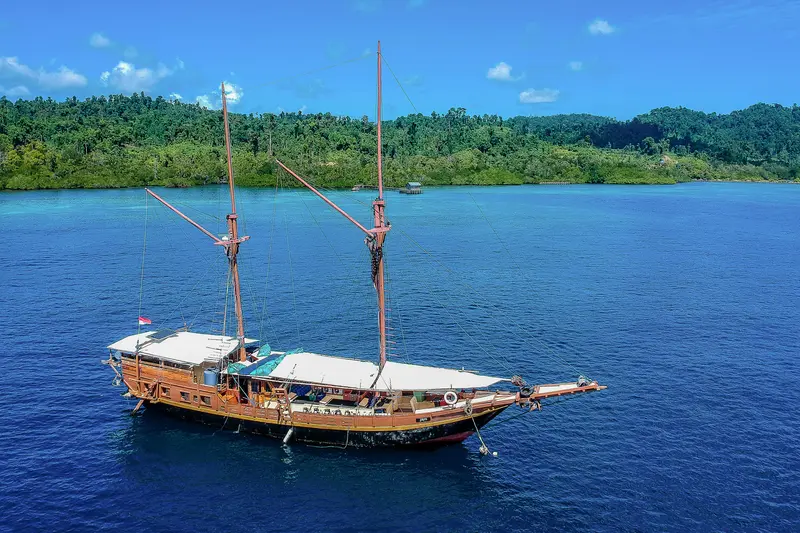
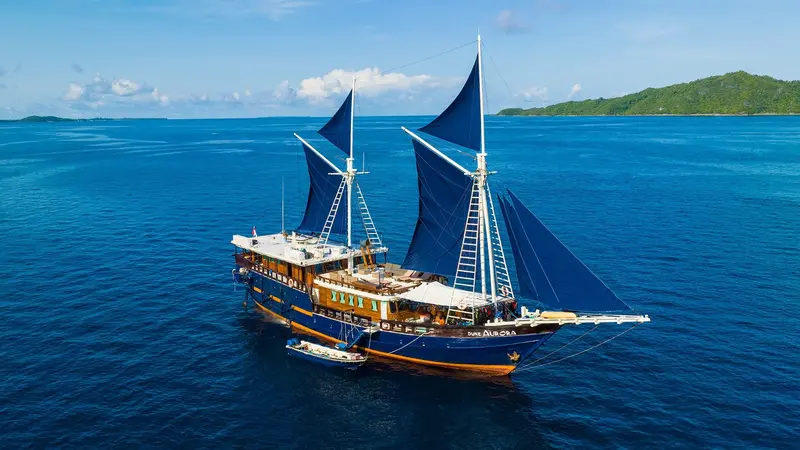
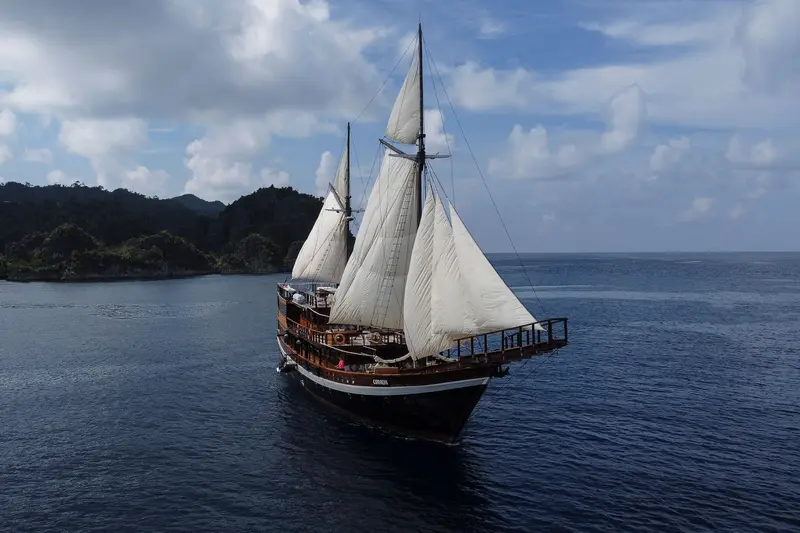
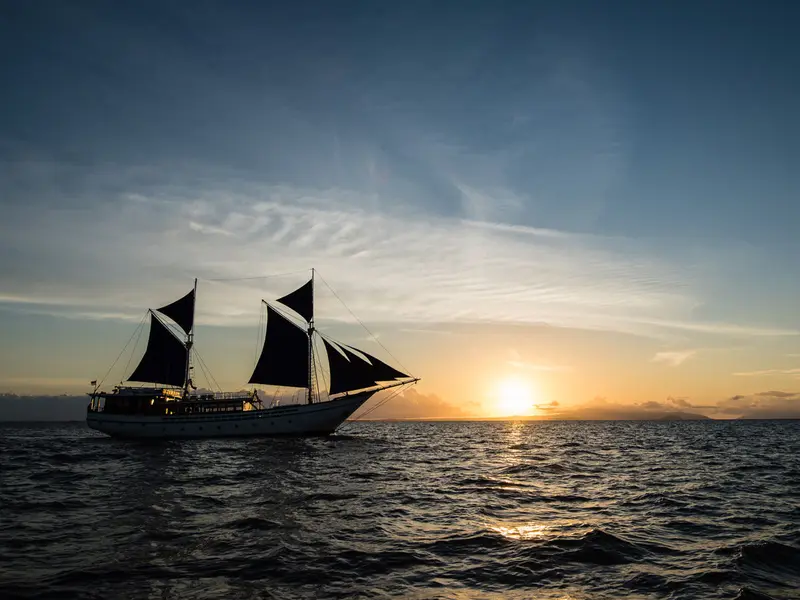
31 liveaboards depart from Raja Ampat another way to explore the region, over several days at sea.
You can dive Lau Lau Reef throughout the year, but the best season is from October to April, when conditions are generally most favourable. Timing also matters within each day because the tidal currents may be manageable or absent at slack tide, then shift as the tide changes.
Lau Lau Reef is accessible to intermediate divers, and Open Water Diver certification is sufficient. You should be comfortable managing variable currents and planning your dive attentively, because conditions may change with the tides. Precise buoyancy control is also important around the fragile, dense coral structure and boulders.
Lau Lau Reef ranges from 5 to 30 metres, with much of the engaging activity between 12 and 25 metres. Its tidal currents may be mild, manageable, or absent at slack tide, but they can become vigorous as conditions shift. Careful timing, planning, and execution are important.
At Lau Lau Reef, you may encounter oceanic manta rays at a cleaning station, dense schools of barracudas, and aggregations of snappers and fusiliers. Kuhl's rays rest on sandy bottoms, while wobbegong sharks hide beneath coral boulders. The seamount also features coral outcrops, boulders, and varied topography.