Liveaboards · Philippines
Sand Island Cat — a Tubbataha-built dive catamaran
What makes this boat unique
- Sand Island Cat runs 8-day, 7-night Tubbataha trips from Puerto Princesa and returns to the same port.
- The catamaran carries up to 32 guests in four cabin categories, including convertible beds for couples or buddy pairs.
- Four electric compressors, free nitrox, two diving tenders and a 4:1 guide-to-diver ratio support the diving operation.
- The route combines steep coral walls, current-swept atolls, shark plateaus and small wrecks, with 21 dives included.
The invitation
Sand Island Cat is for divers who choose a liveaboard for Tubbataha first and the cabin second. The boat is designed around this remote Philippine reef system, where the reason to board is the succession of walls, atolls, wrecks and pelagic encounters rather than a resort-style itinerary. Free nitrox, four compressors and two diving tenders keep the focus where it belongs: getting divers to the reef efficiently and back aboard without turning every descent into a production. The route suits newly certified divers as well as experienced travellers; the stated minimum is an Open Water certification, with no minimum number of logged dives. It also works for couples or buddy pairs who want to decide whether the cabin stays as a king bed or becomes twin bunks. Choose it for access to Tubbataha, a practical dive setup and a boat that can accommodate both divers and non-divers without making the trip about anything else.
Boarding
From the dock, Sand Island Cat presents as a purpose-built fiberglass catamaran rather than a converted yacht. Its two hulls give the boat a distinct working layout: accommodation in the hulls, shared spaces above, and a dive operation spread across both sides. The twin Yamaha four-stroke outboards are described as quiet and efficient, so the machinery should not dominate every conversation when the boat is underway. The layout is made for groups and charters, but the passenger limit keeps the operation defined rather than anonymous. A Tubbataha-focused design matters here because the boat is not merely carrying divers to the reef; its storage, compressors, tenders and deck spaces are arranged around repeated water entries. Once aboard, the important impression is function: a catamaran built to move divers between Puerto Princesa and a remote reef system, with shaded and open-air areas for the hours between descents.
The atmosphere on board
Sand Island Cat is set up for a group that forms around the diving rather than around formal entertainment. With guides working at a 4:1 ratio, briefings and water entries can stay close to the people actually making the dive. The crew speaks English and Tagalog, and the boat can take groups or private charters as well as individual travellers. The cabin choice also shapes the social side of the trip: couples can keep a king bed, while buddy pairs can request twin bunks and retain a proper walkway. Evenings have the ingredients of a shared liveaboard routine—food, a saloon, a bar and the chance to go over the day's sightings—without any claim that the boat is a floating nightlife venue. It is a practical base for divers who want the reef to provide the conversation.
The sites you’ll dive
This is an eight-day, seven-night Puerto Princesa round trip focused on Tubbataha. At Staghorn Point, a sloping coral reef turns into a wall to -30m, with manta rays, whale sharks, trevally and turtles possible among the reef life. Terraces steps down to a wall to -37m, where reef sharks, manta rays and large sea fans share the blue water; soft and black corals are recorded here. Jessie Beazley Reef drops to -50m on an isolated, current-swept atoll, a setting for barracuda, tuna, reef sharks, mantas and possible whale or hammerhead sharks. Seafan Alley reaches -37m along a deep wall covered in gorgonian fans. Washing Machine, to -25m, is about multidirectional current and pelagics. Shark Airport is a -30m coral plateau where whitetip and grey reef sharks cross sandy patches. Malayan Wreck reaches -22m before a wall; T-Wreck reaches -40m with whitetip sharks in its cargo holds. Wall Street drops to -30m, Amos Rock to -40m, Ko-Ok to -30m, Black Rock to -40m and Delsan Wreck to -30m. South Park is a steep wall with large pelagics and reef sharks; its maximum depth is not stated here.
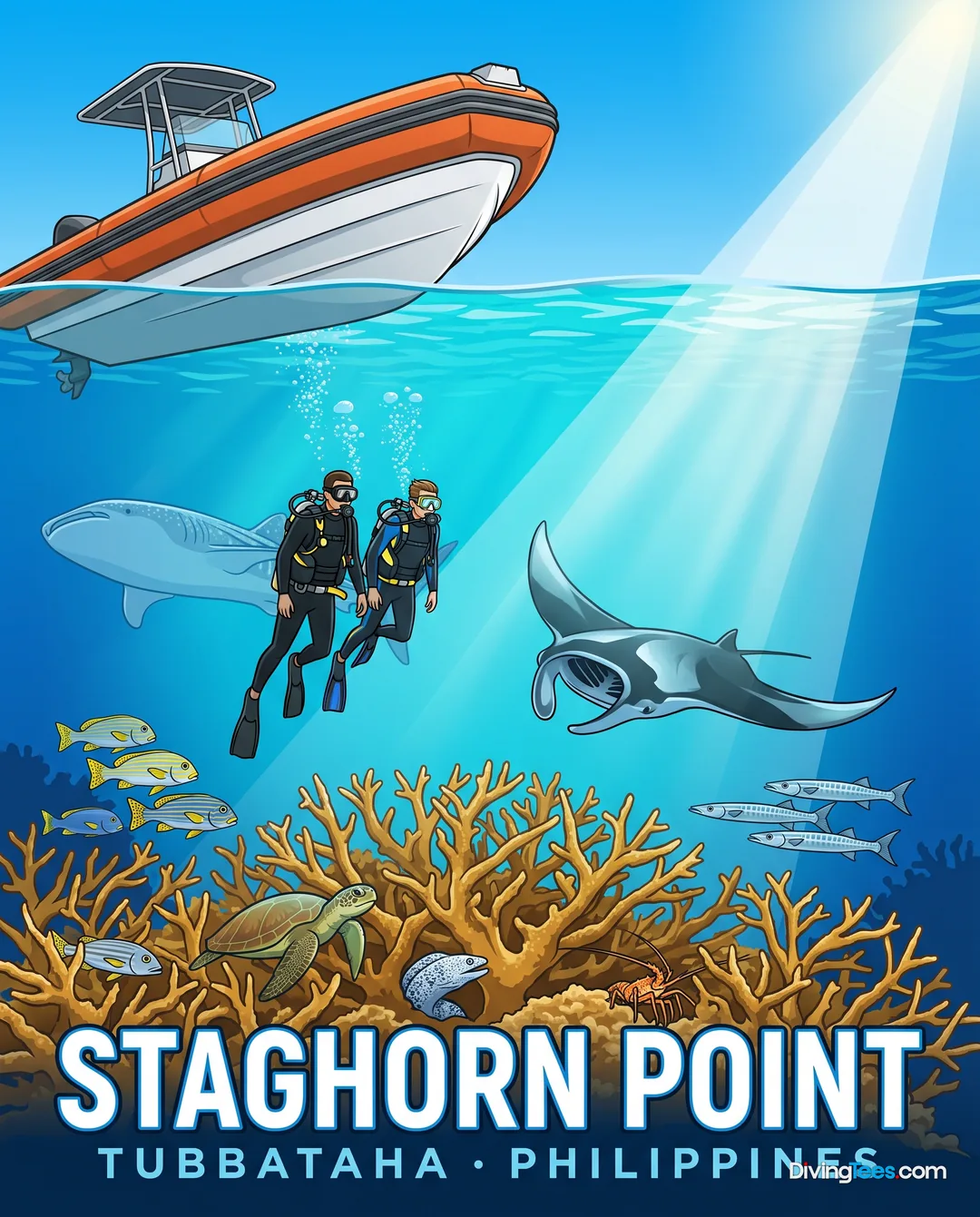
Staghorn Point →
Max. depth · 30 m
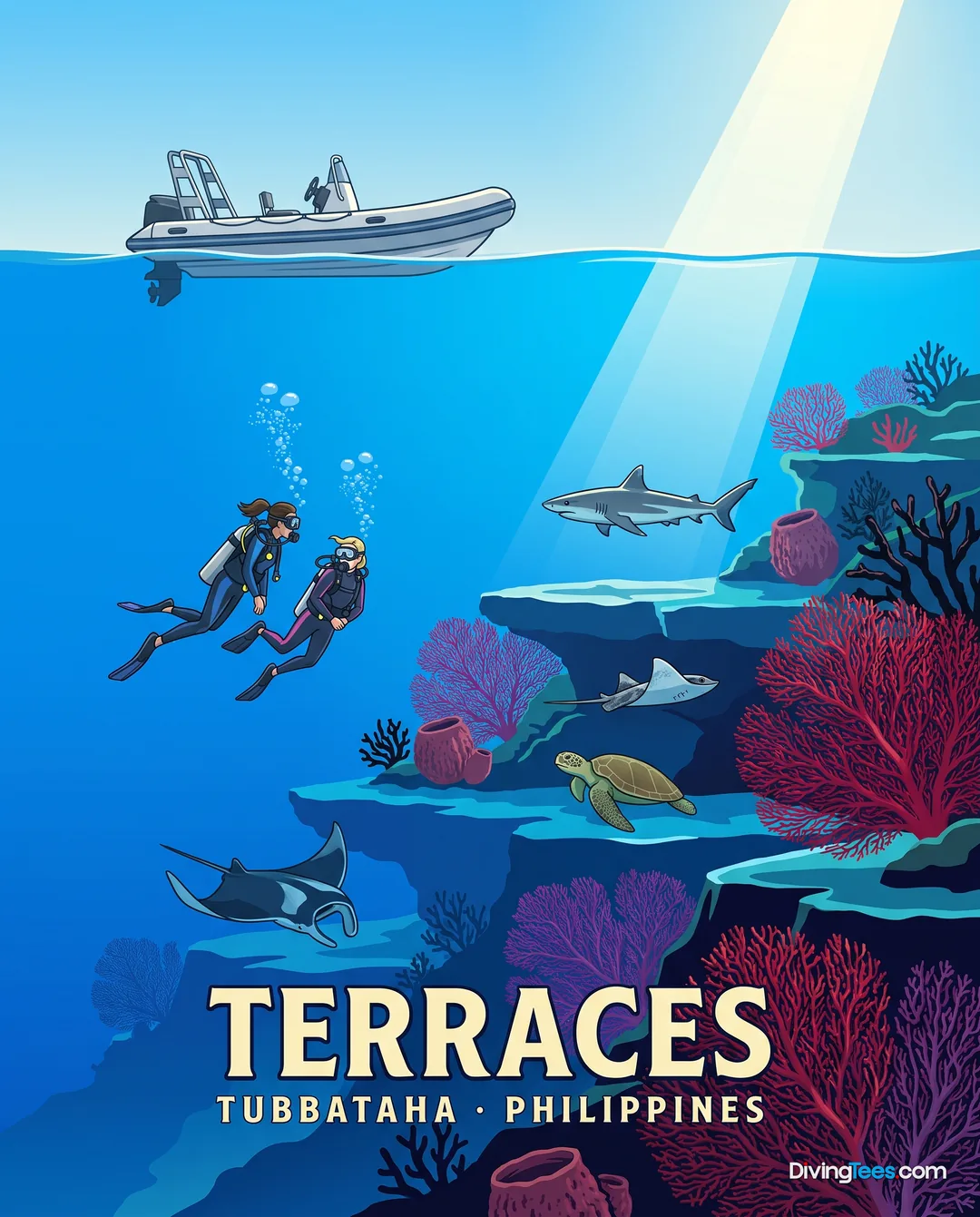
Terraces →
Max. depth · 37 m
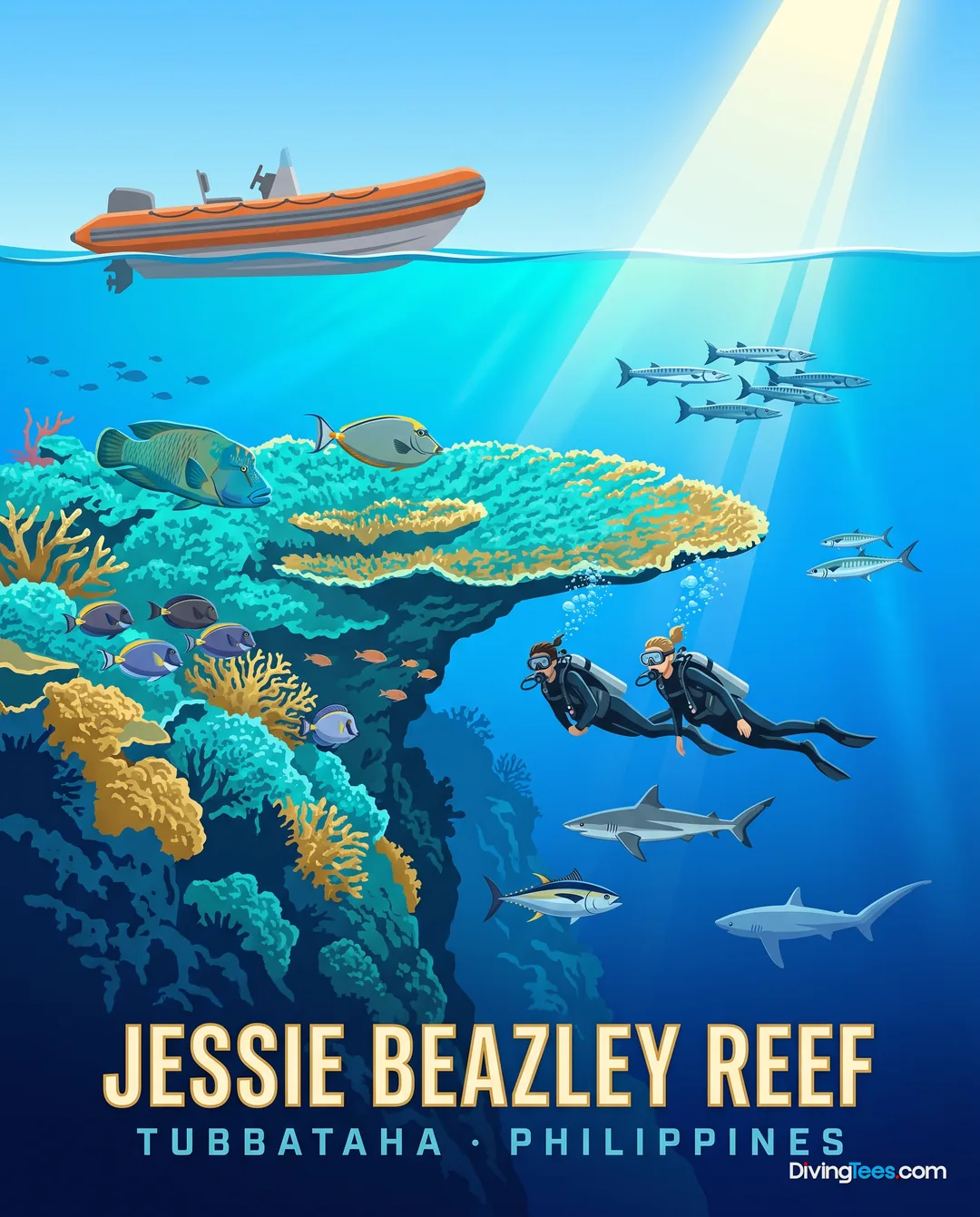
Jessie Beazley Reef →
Max. depth · 50 m
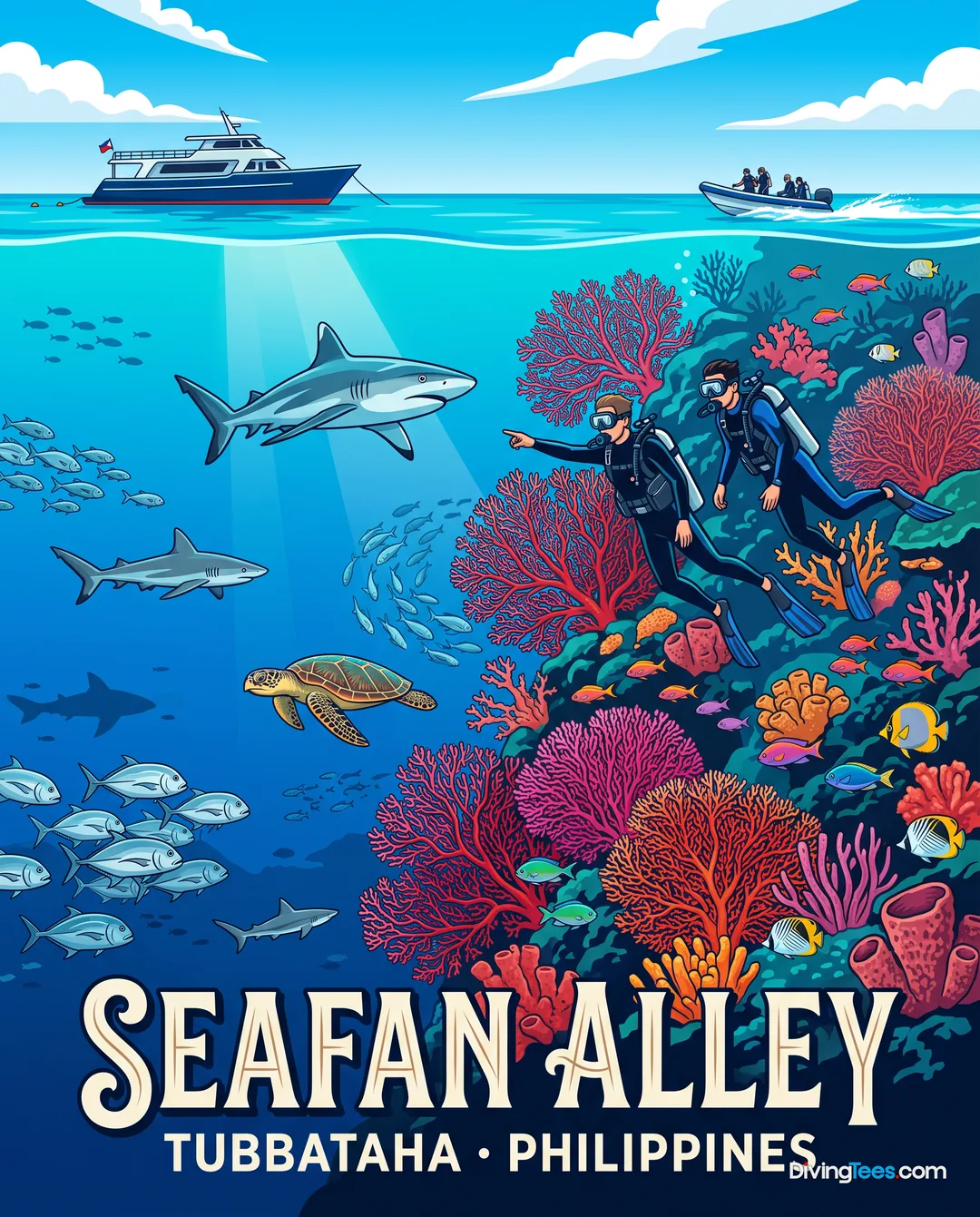
Seafan Alley →
Max. depth · 37 m
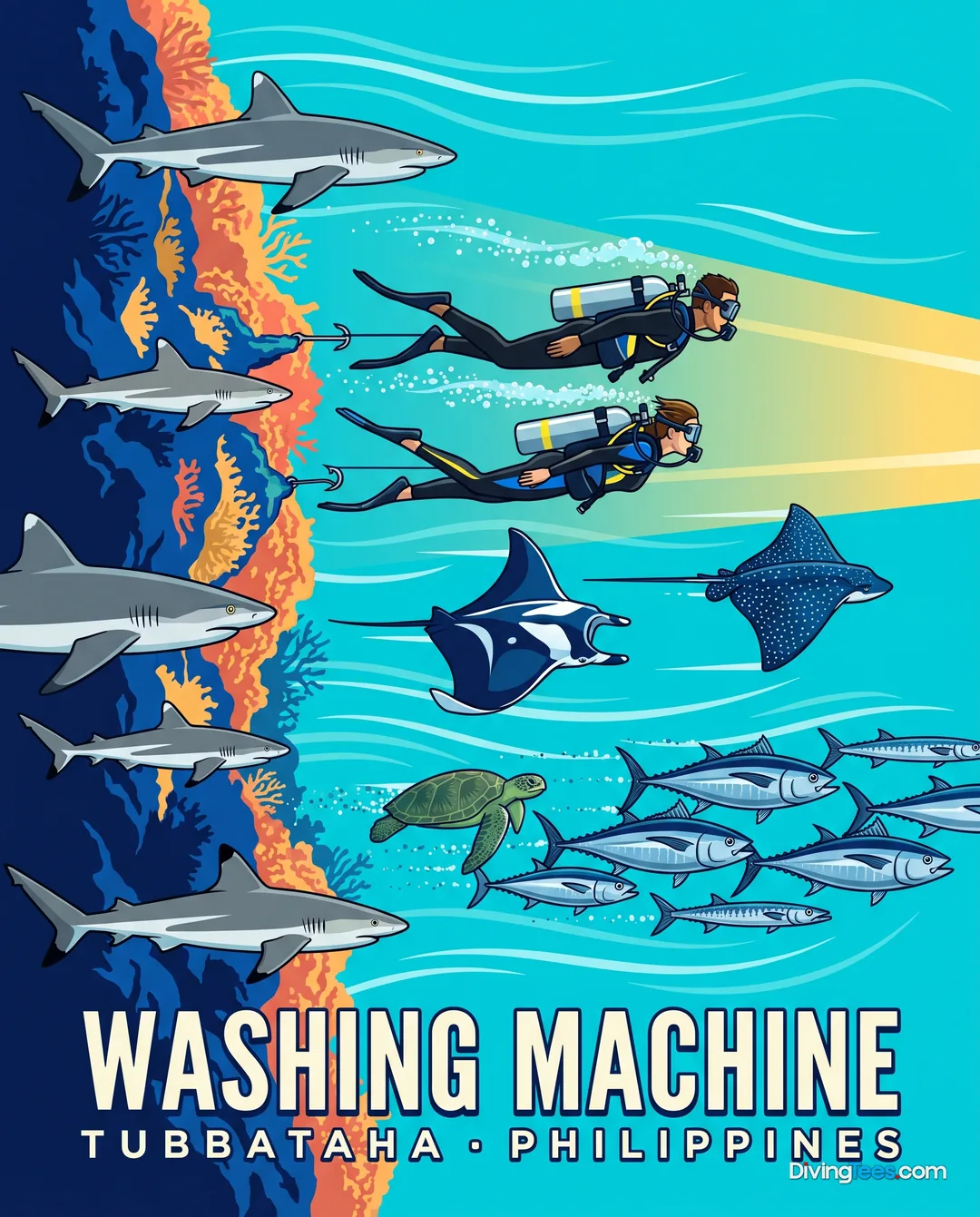
Washing Machine →
Max. depth · 25 m
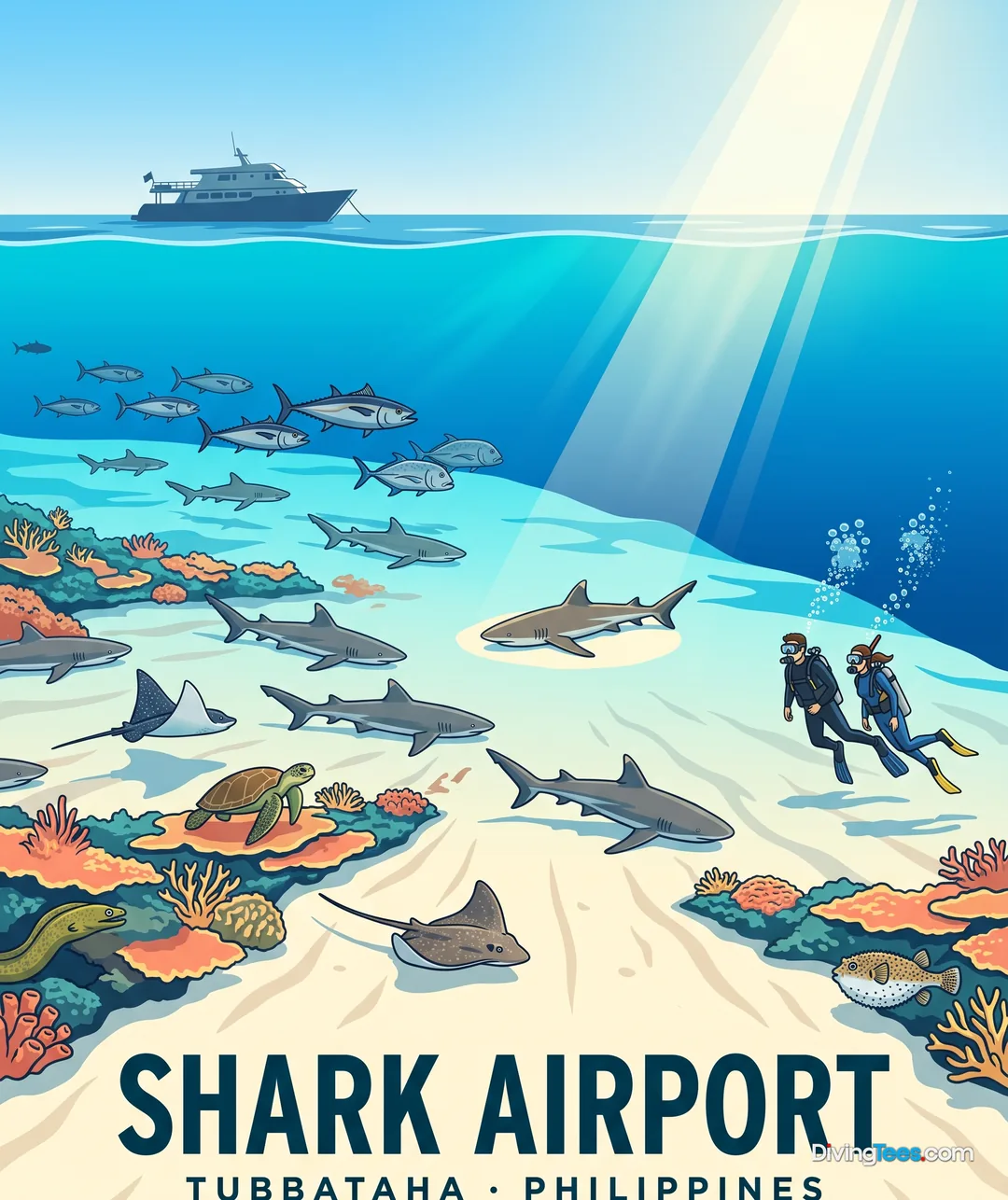
Shark Airport →
Max. depth · 30 m
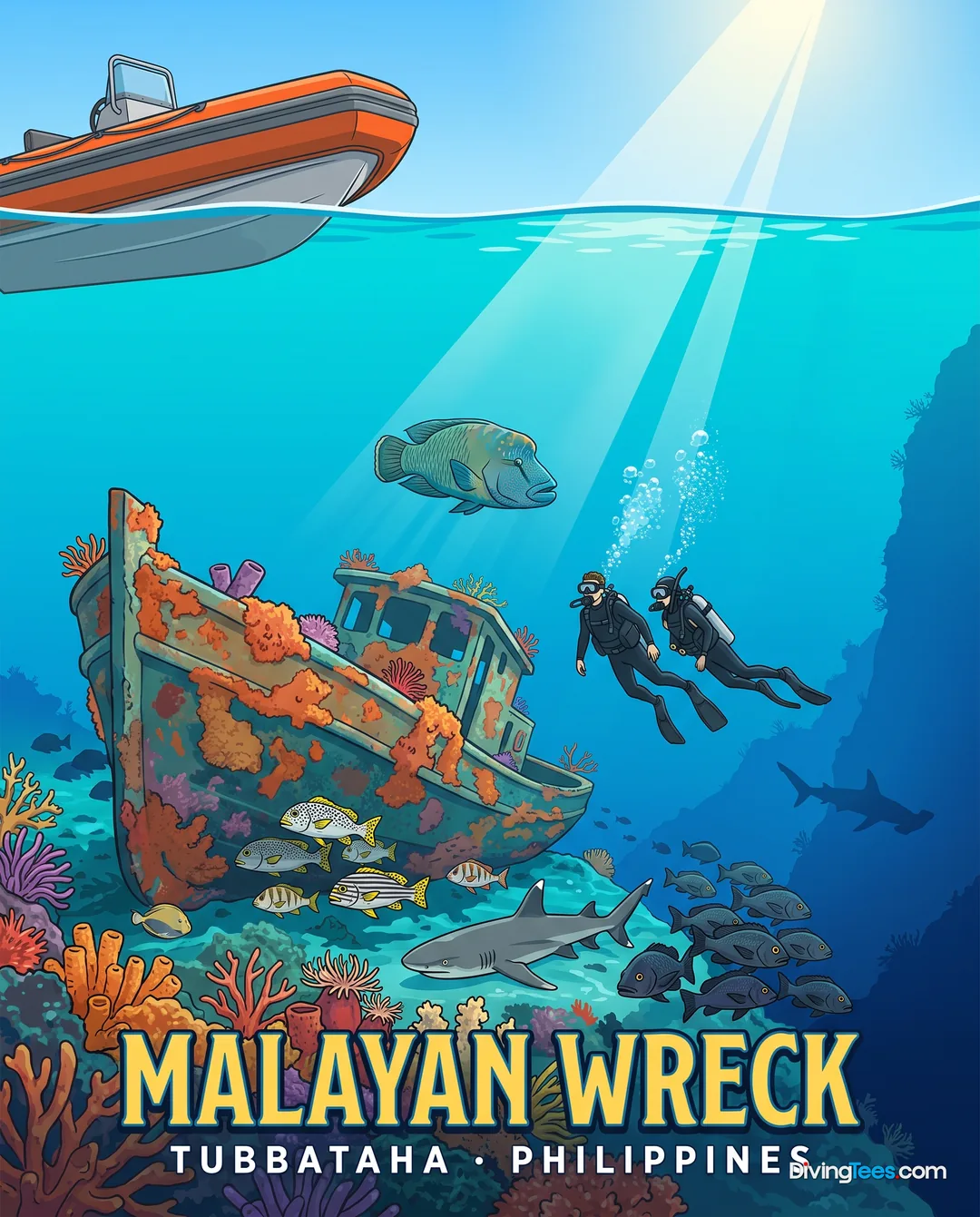
Malayan Wreck →
Max. depth · 22 m
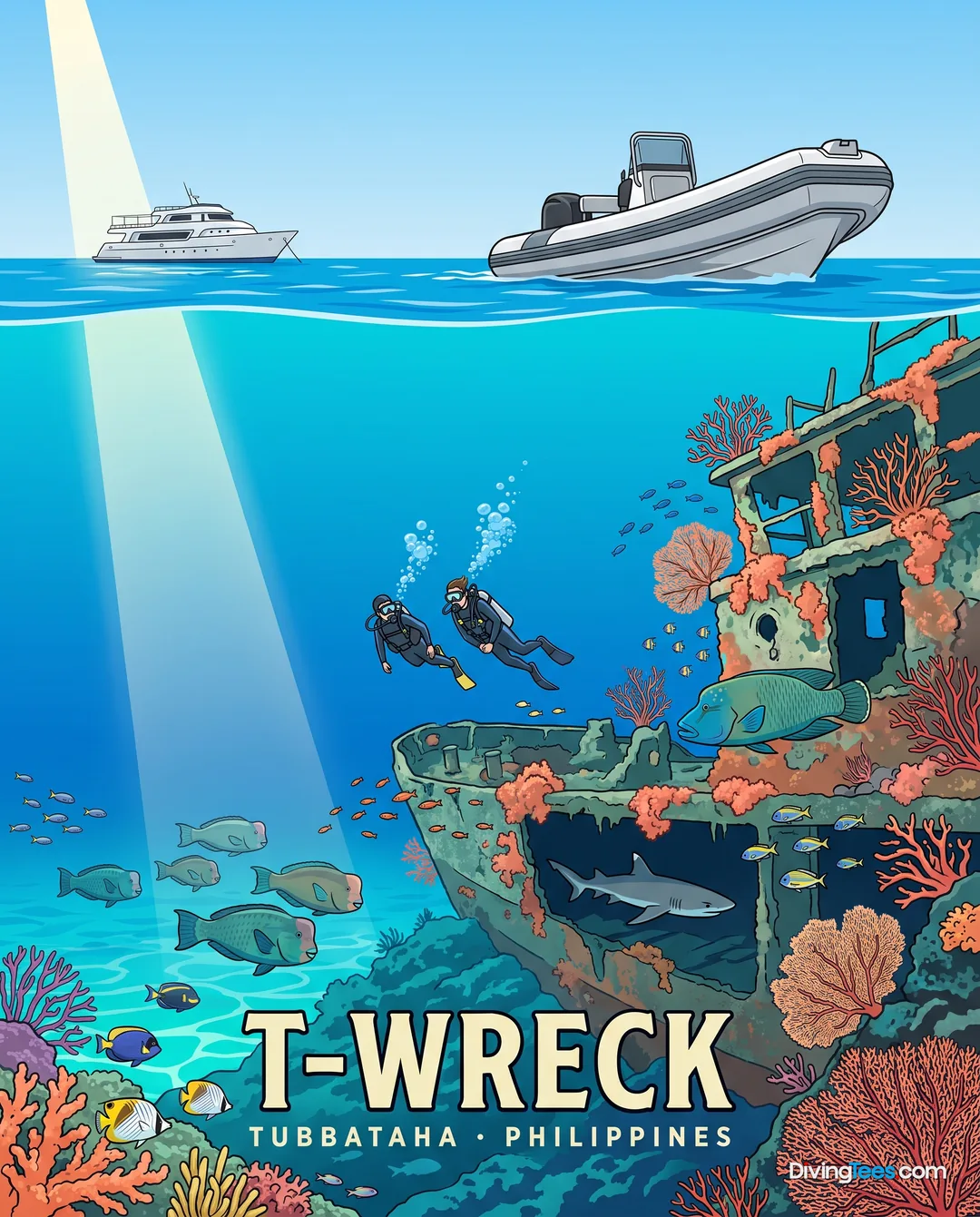
T-Wreck →
Max. depth · 40 m
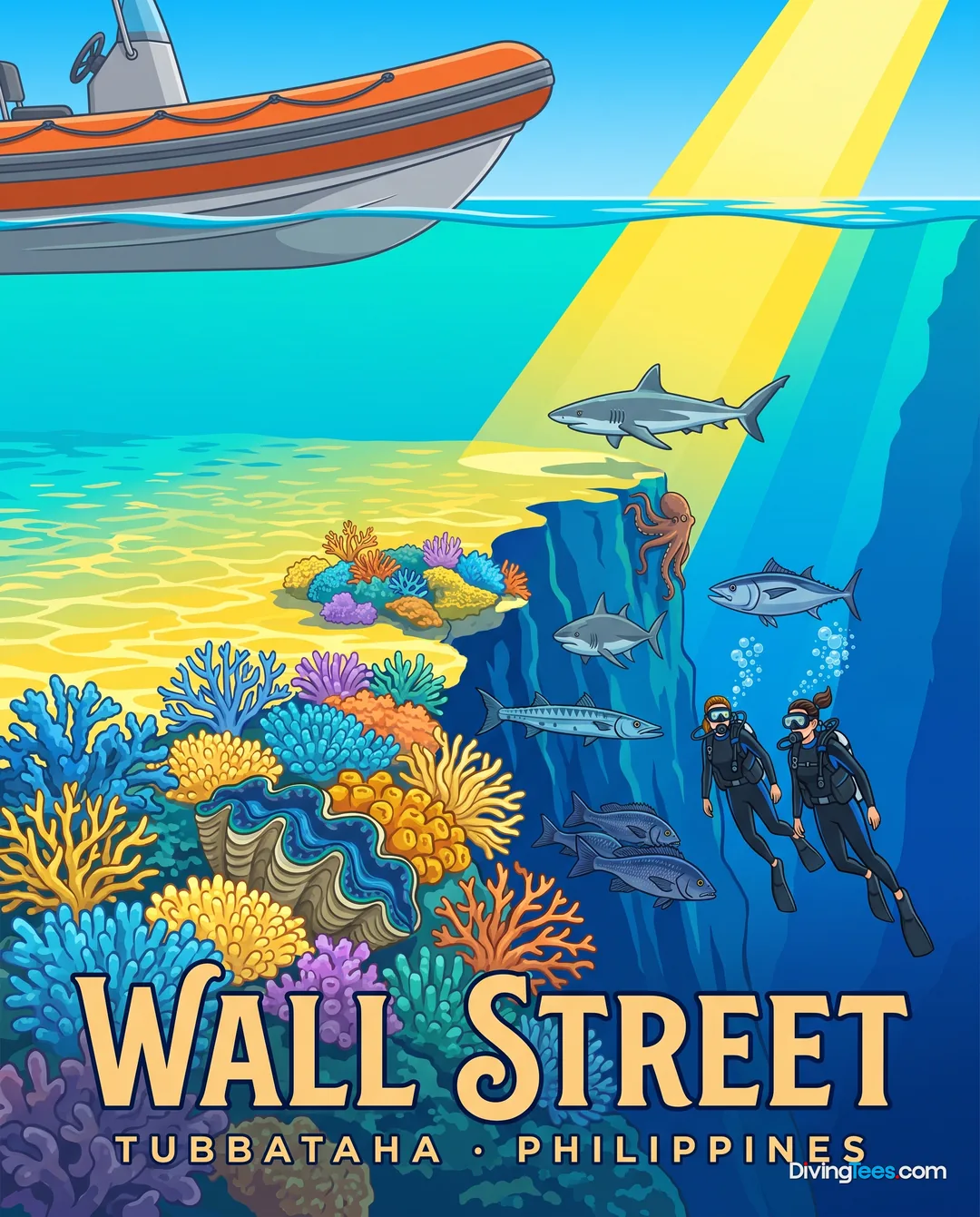
Wall Street →
Max. depth · 30 m
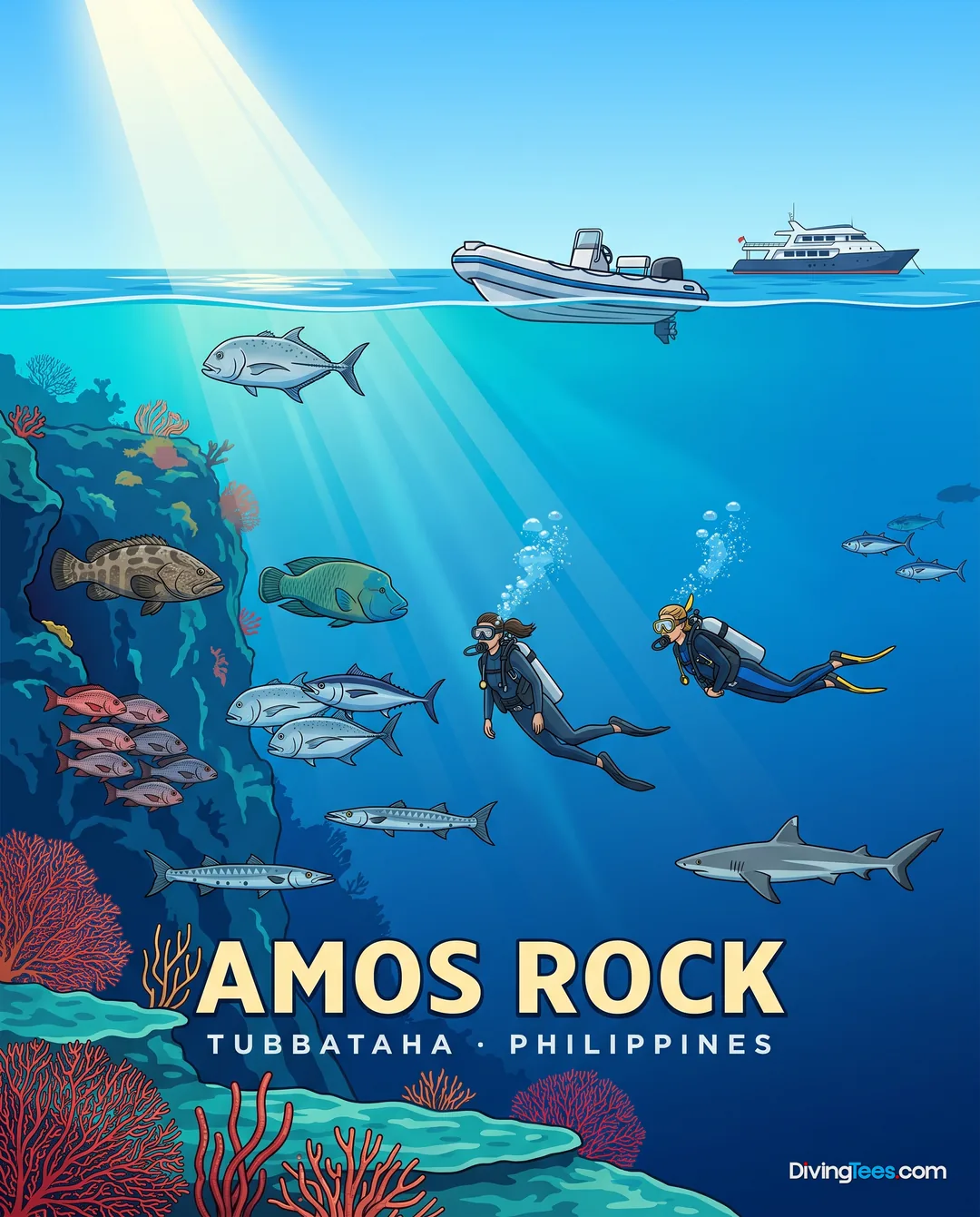
Amos Rock →
Max. depth · 40 m
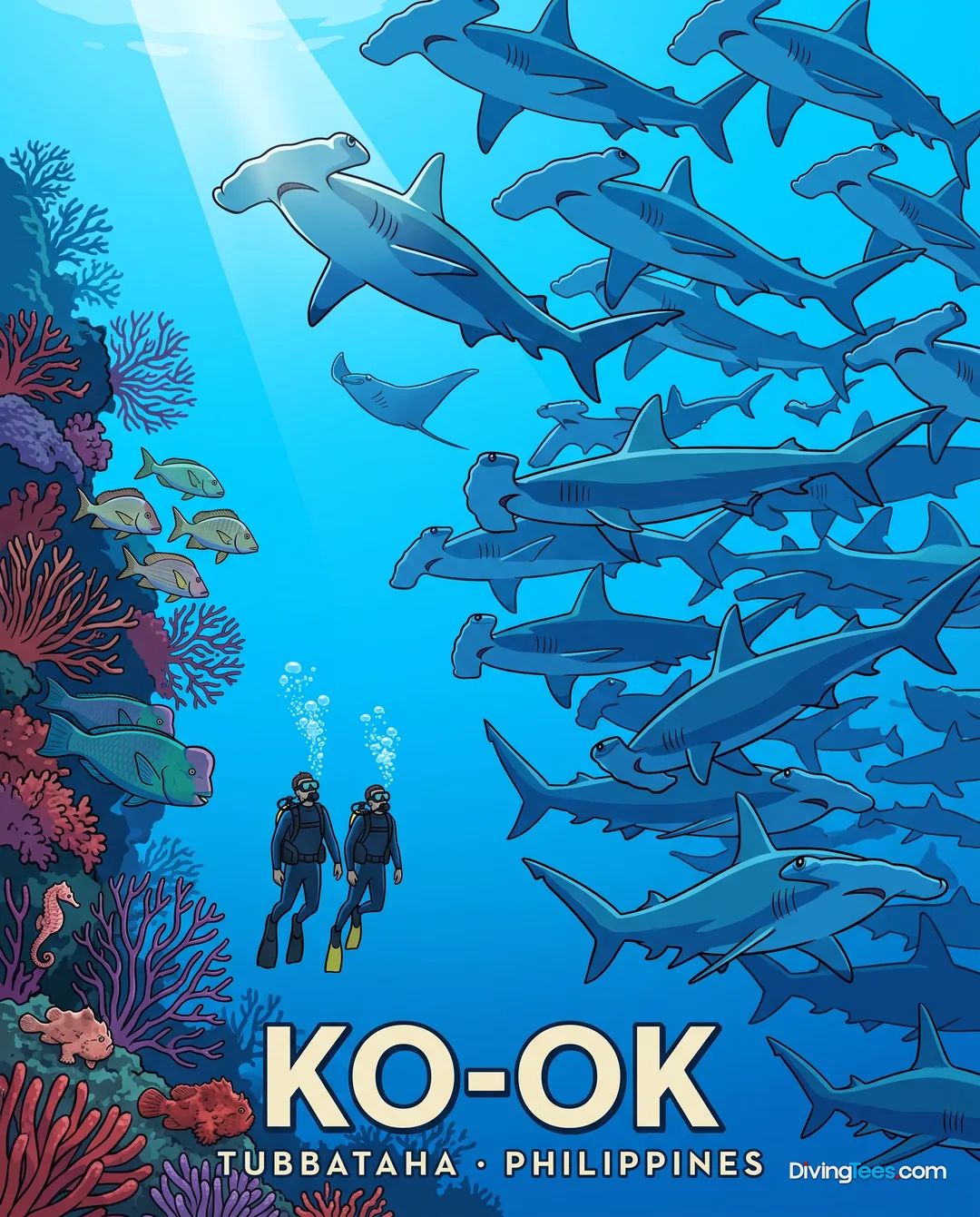
Ko-Ok →
Max. depth · 30 m
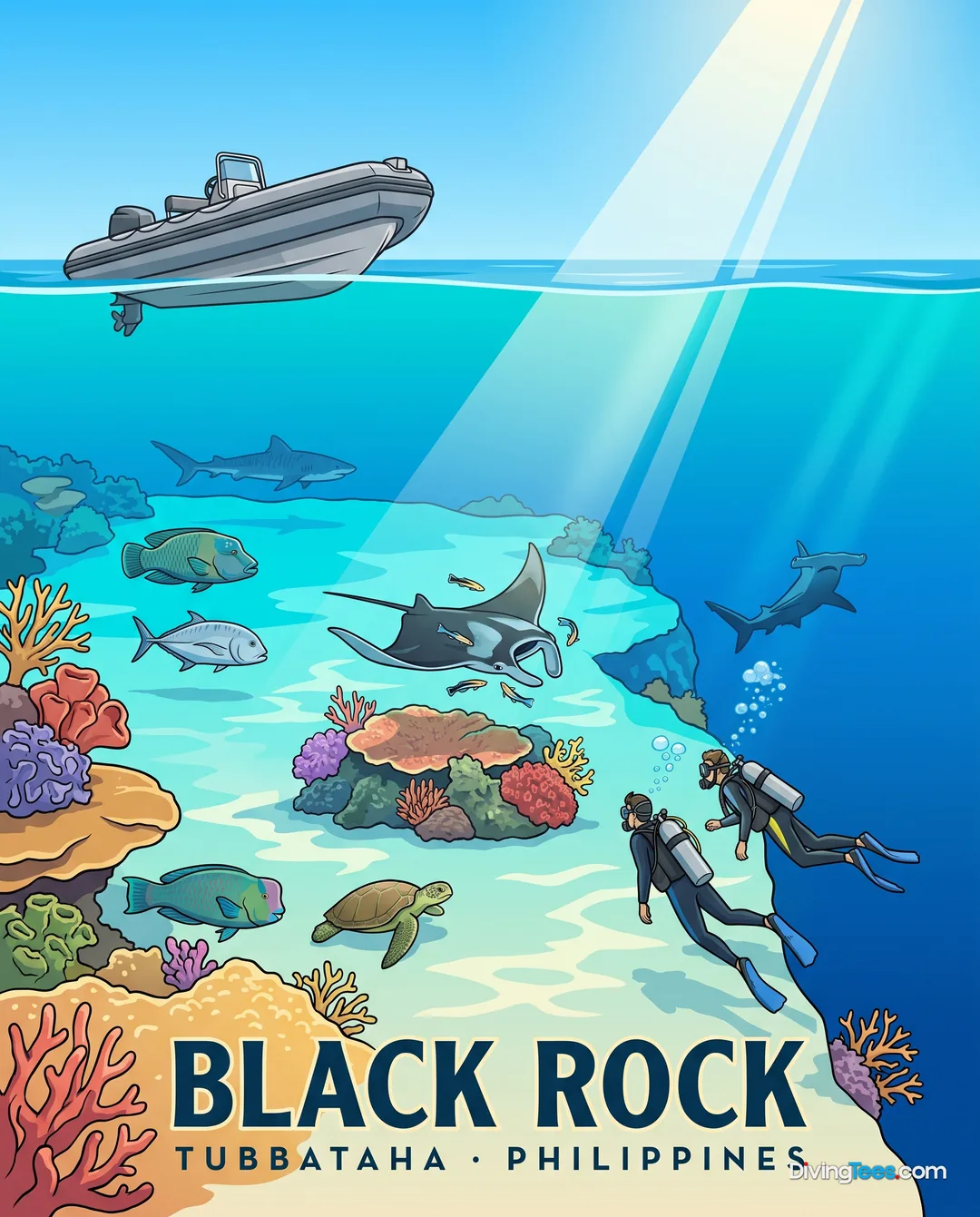
Black Rock →
Max. depth · 40 m
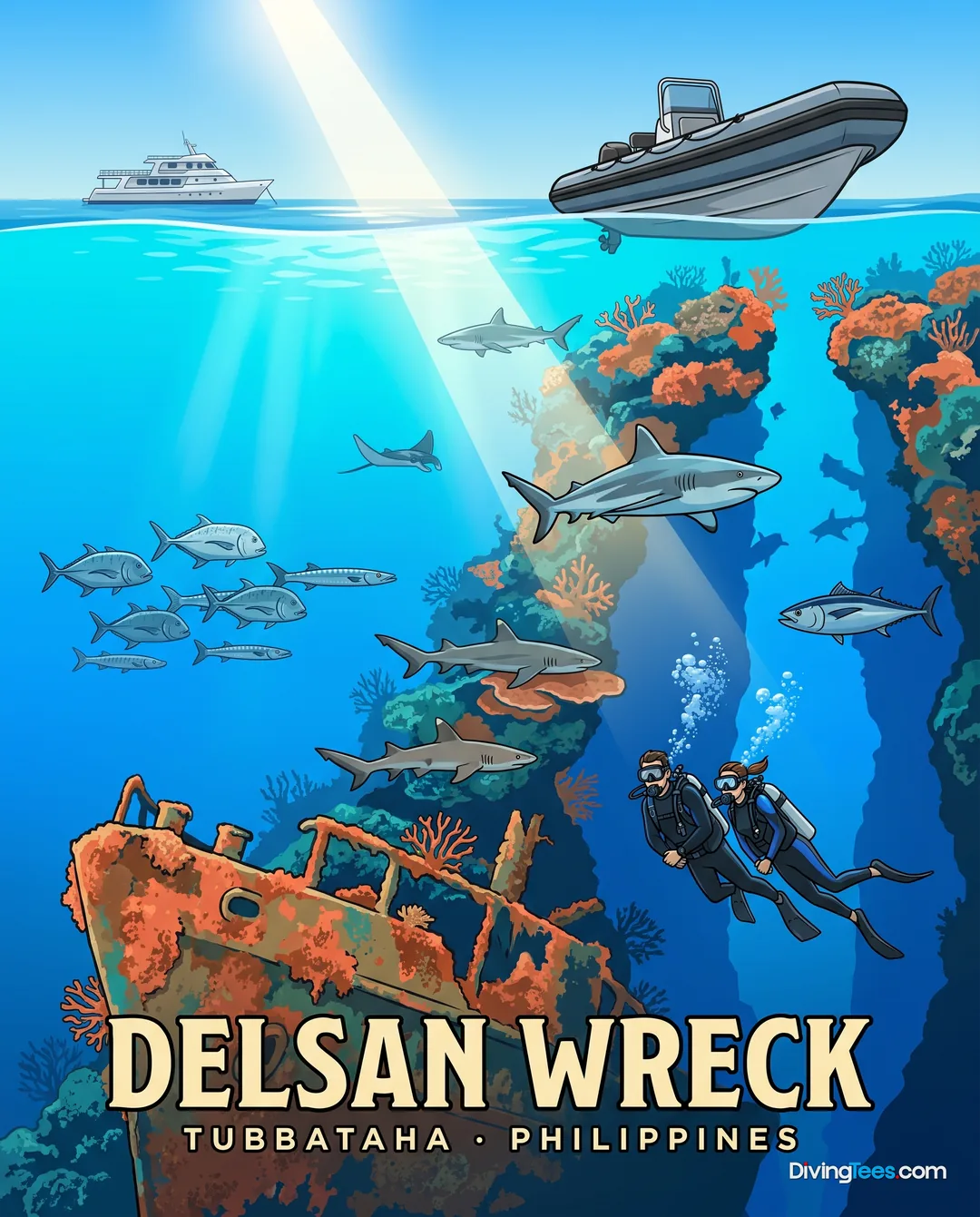
Delsan Wreck →
Max. depth · 30 m
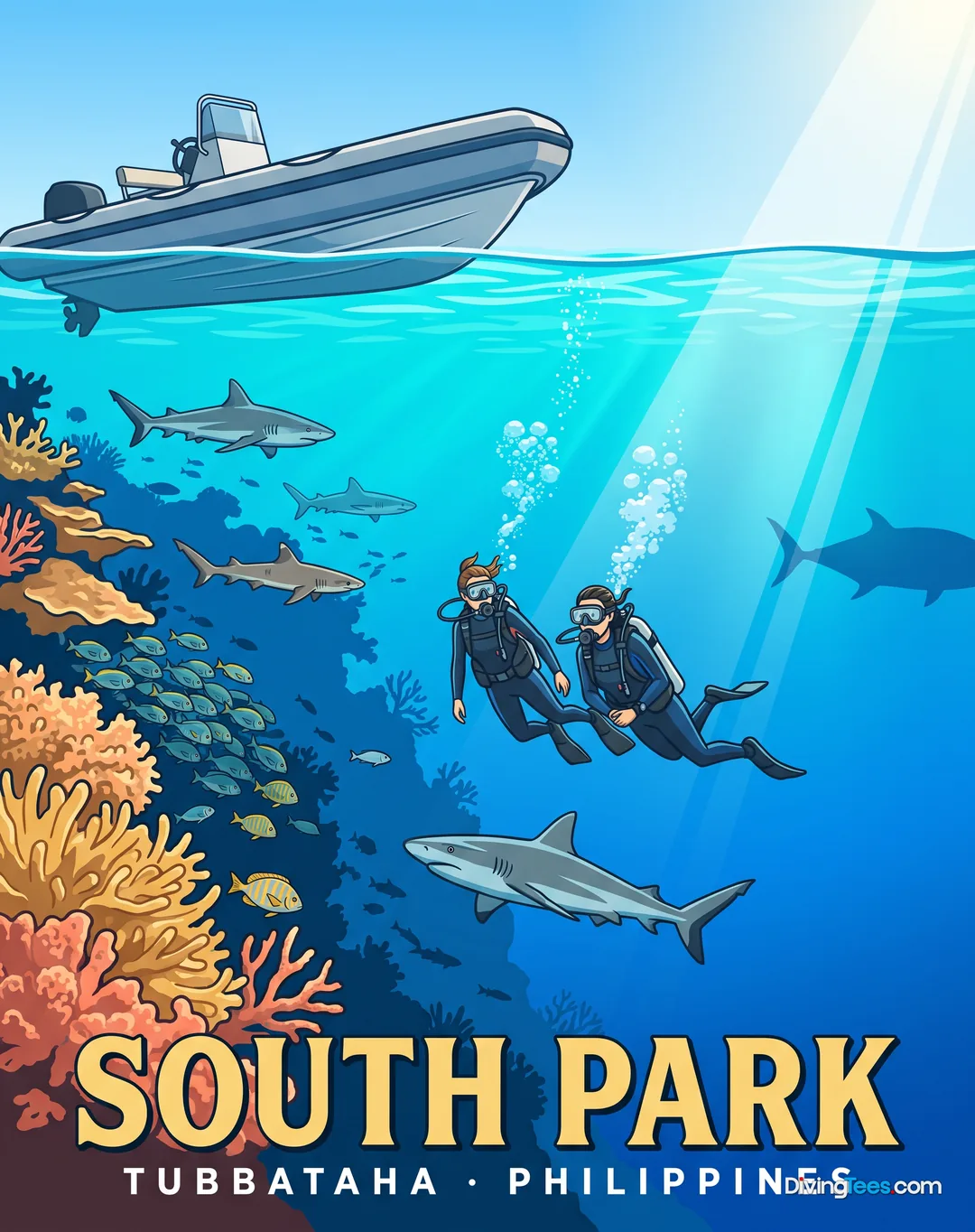
South Park →
What you’ll meet underwater
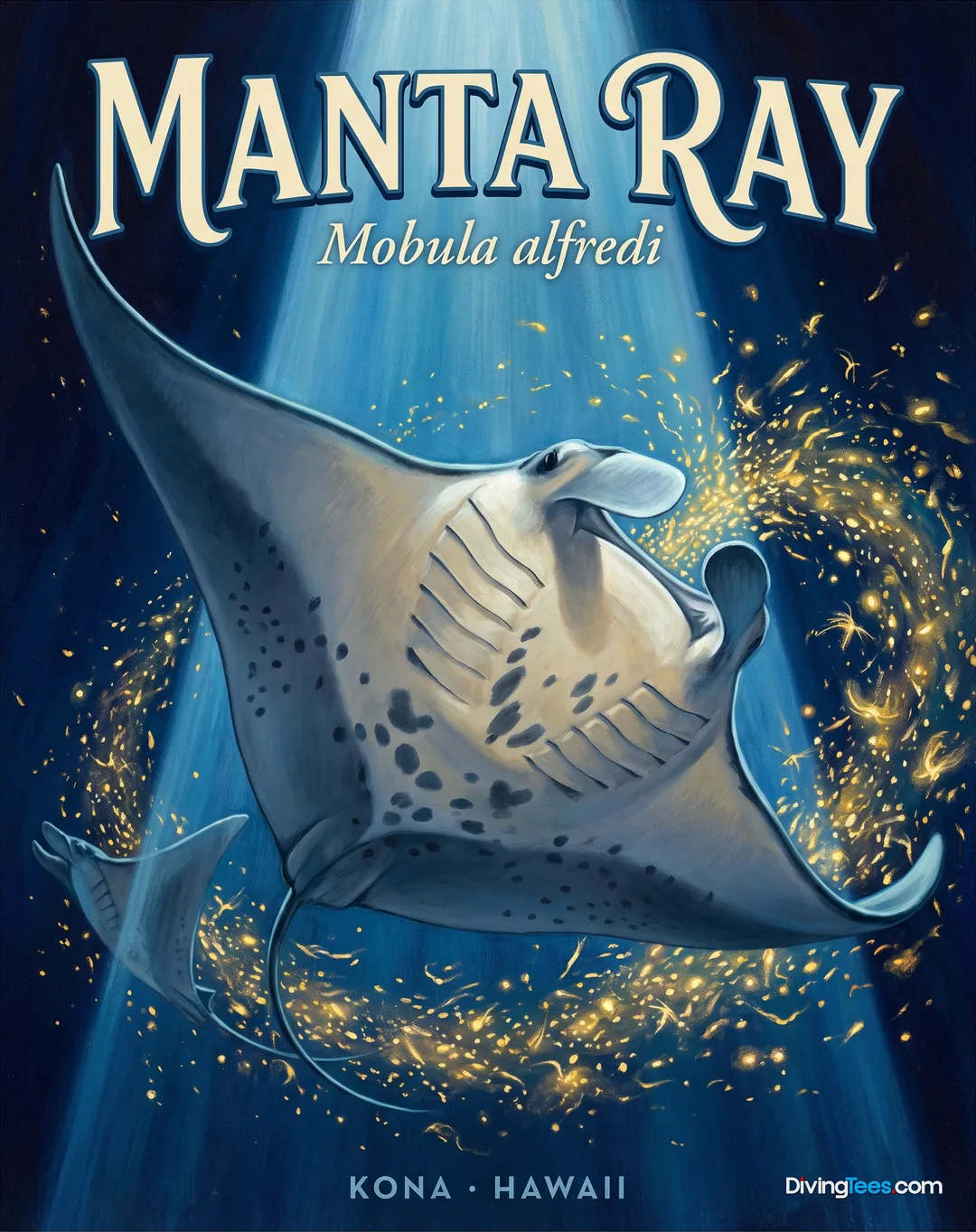
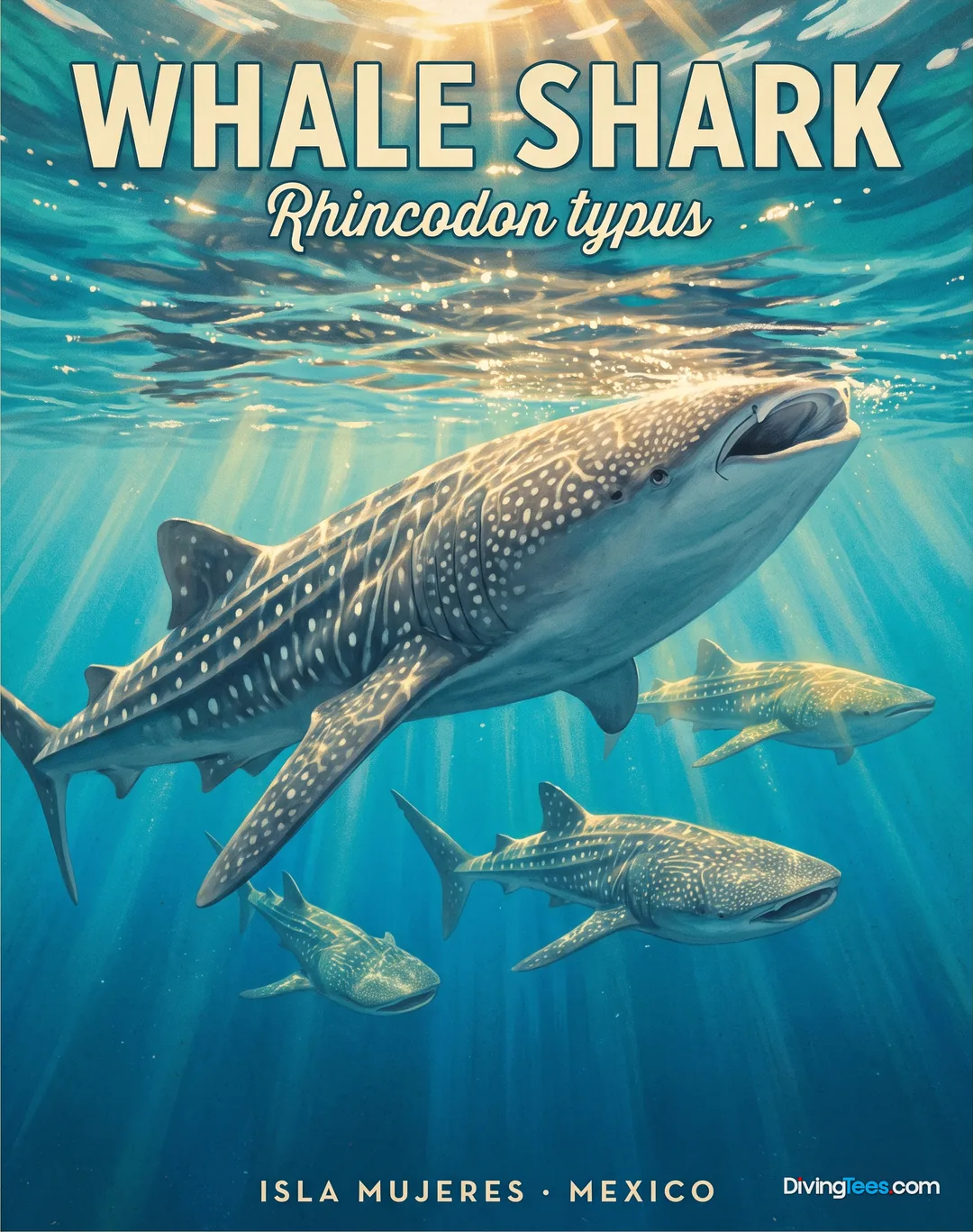
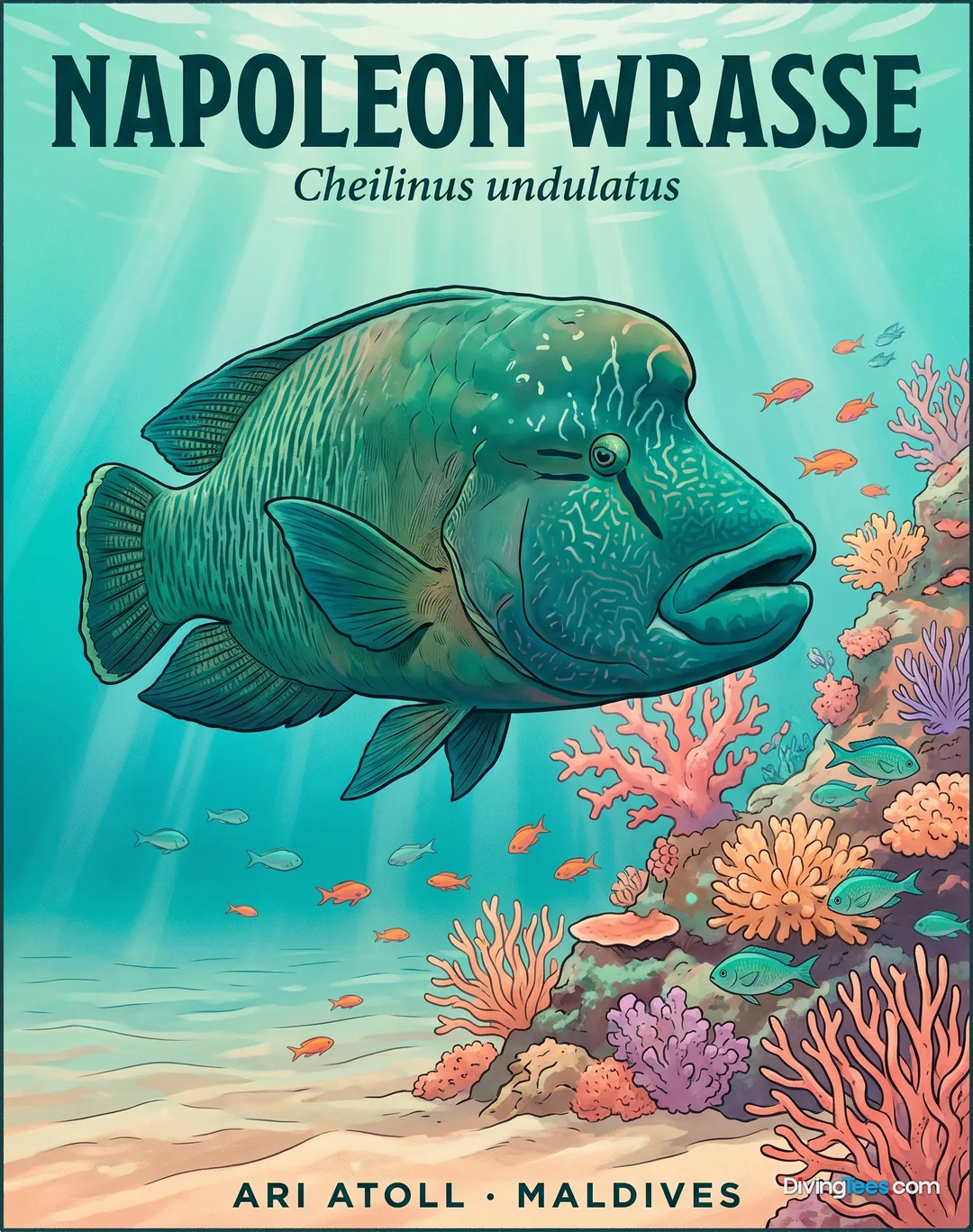
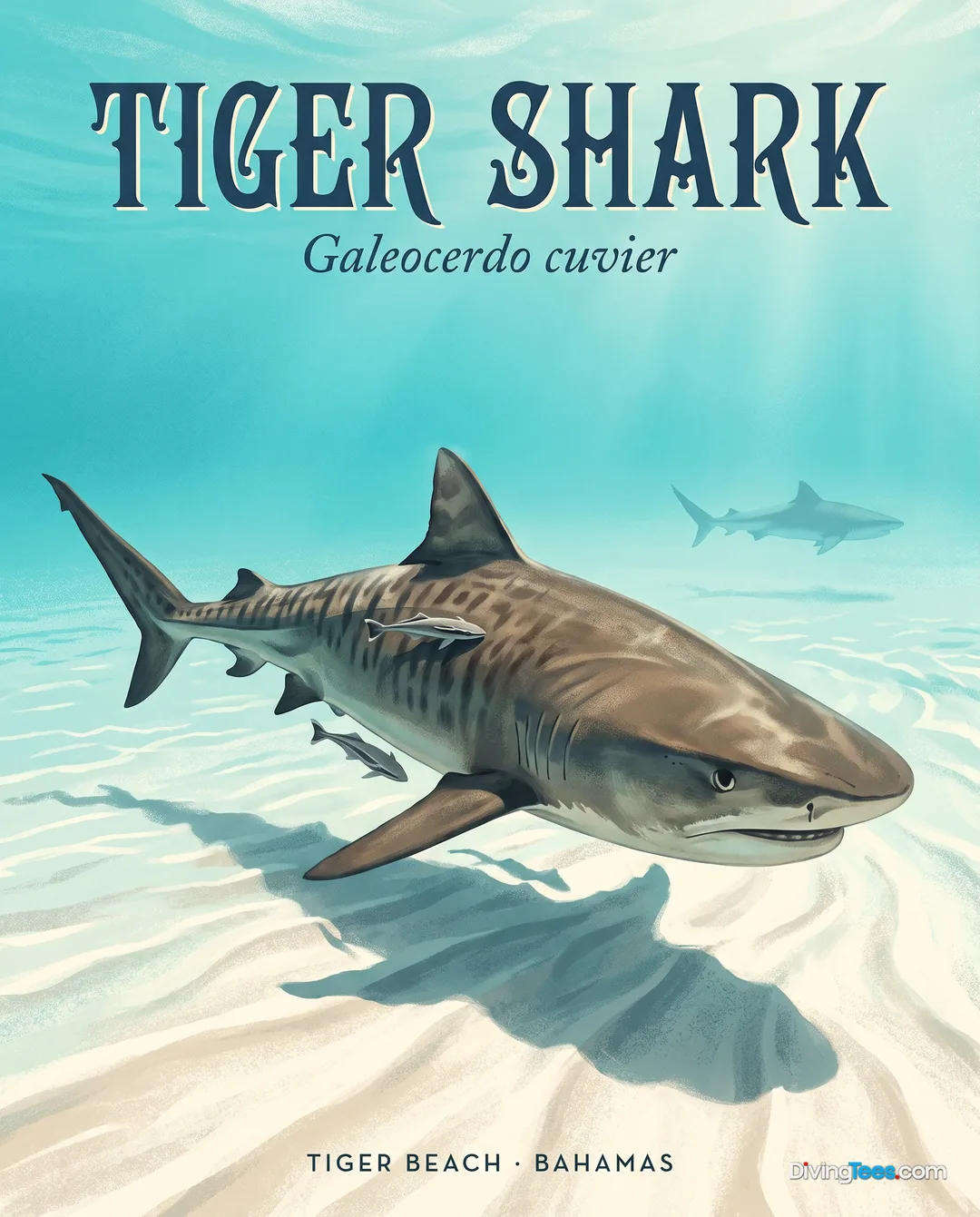
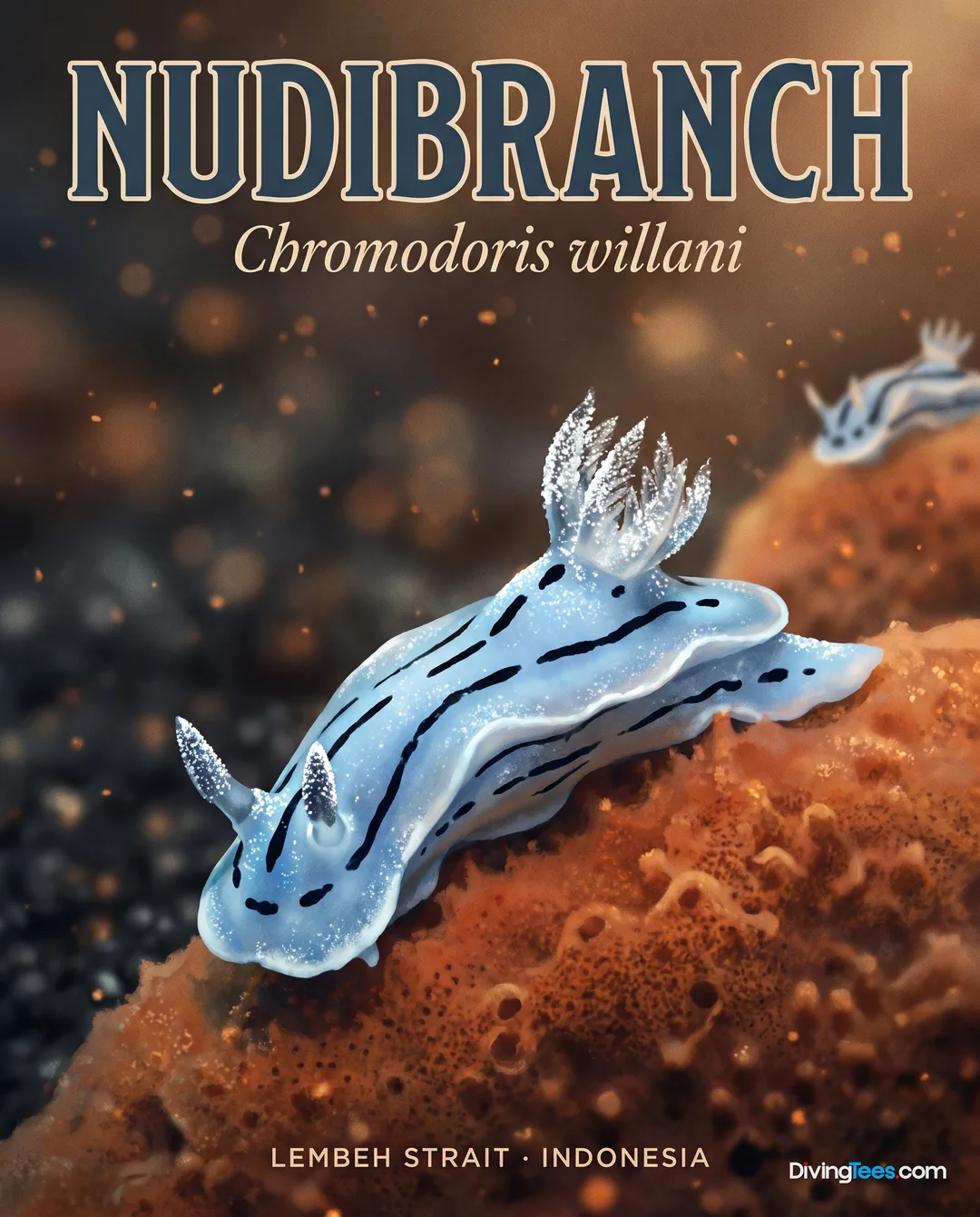
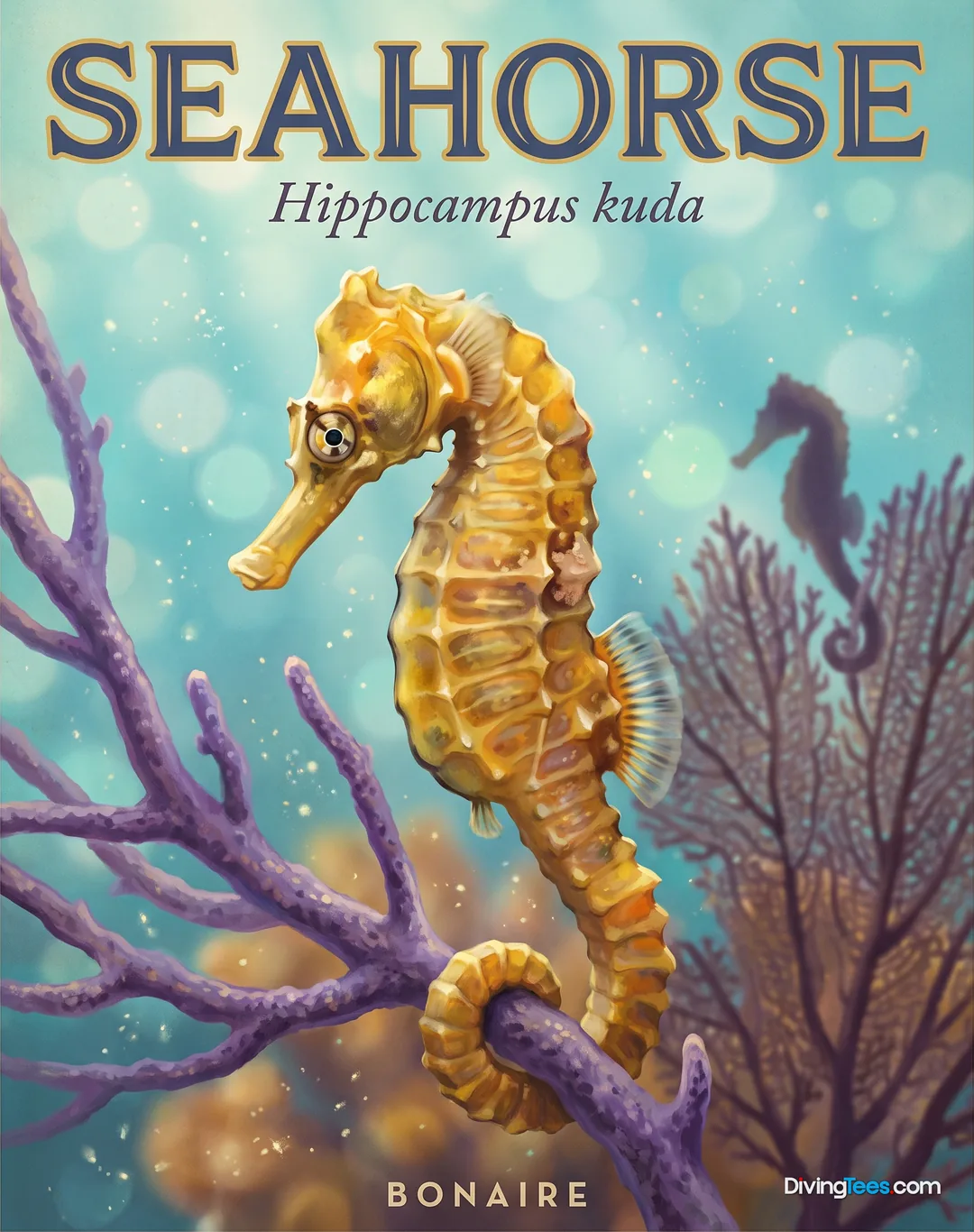
Across this route, the recurring spectacle is the combination of reef sharks, grey reef sharks, manta rays and turtles, with barracuda, Napoleon wrasse, whale sharks, hammerheads, tiger sharks and dogtooth tuna appearing across several sites. Current is part of the story: it brings larger animals to walls, plateaus and cleaning areas, but a sighting is never a promise. The site-specific details are what make the itinerary worth studying. Terraces is the place for soft corals, black corals and large gorgonian fans. Washing Machine is the only listed site for blacktip reef sharks. Ko-Ok is where frogfish and Chromodoris willani nudibranchs appear in the route notes, alongside hammerheads, tiger sharks and whale sharks. Shark Airport adds Moorish idols, moray eels and batfish to its shark plateau. Seafan Alley holds pygmy seahorses, longnose hawkfish and the route's listed angelfish. Amos Rock is the site associated with mackerel. Wall Street is the place for octopus. The big animals may draw divers here, but the smaller finds reward a slower pass along the reef.
Who puts you in the water
Guides are organised at a ratio of four divers to one guide, with English and Tagalog spoken aboard. The entry requirement is Open Water certification or an equivalent qualification, and no minimum number of previous dives is stated, so the route is not reserved for heavily experienced divers. Courses, including Advanced Open Water, can be taught aboard; a nitrox course is also available as an extra. The boat lists full safety equipment, but the available description does not set out the oxygen system, defibrillator or recall procedure, so those details should not be assumed from the general safety listing. The practical advantage of the guide ratio is clear on a current-swept Tubbataha site: groups remain small enough for the briefing, descent and collection by tender to be managed without putting the whole boat in the water at once.
The dive deck and the gear
The dive operation is built around two electric compressors in each hull, with a nitrox membrane system and free nitrox available for the diving package. Rental gear is available at extra cost, and DIN adaptors are carried aboard. The deck includes personal storage, rinse hosts, a camera and photography station, a dedicated camera table, separate rinse tanks for underwater cameras, special camera storage and charging stations. Warm-water showers make the return from the tender less abrupt. Two 20-foot fiberglass tenders handle diving transfers, taking groups to the site and collecting divers after they surface. The boat does not support technical diving. A diver bringing a camera will find a more considered setup than a single shared rinse bucket; a diver using rental equipment should arrange it rather than assume it is part of the package. The stated diving package covers 21 dives with nitrox.
Between dives
Between dives, the boat gives passengers several different places to disappear for a while. The air-conditioned indoor saloon suits the hottest part of the day, while the open-air saloon and sun deck provide the better choice when a breeze matters more than shelter. A bar, audio and video entertainment, kayaks and land excursions broaden the options when the boat is not at a dive site. Satellite internet is free for the moments when a message needs to get out, though the reason to travel this route is what lies beyond the signal. Non-divers and snorkellers are welcome, so a partner can spend the surface intervals differently without being left with a single seat in the saloon. The best use of the quiet hours remains simple: dry off, eat, check batteries and be ready when the next dive call comes.
A day on board
A day follows the needs of the reef rather than a sightseeing timetable. Divers wake for the first briefing, prepare equipment, make a descent from the dive deck or tender, then return for food, hydration and a surface interval before the next entry. The included package contains 21 dives across the trip, so the day is shaped by several water sessions rather than one long excursion. Meals and snacks punctuate the sequence; between them, batteries are charged, cameras are rinsed and divers choose the shaded saloon, open-air saloon or sun deck. When the boat is underway, the passage itself becomes part of the interval, with the catamaran repositioning for the next site. A current-swept wall may demand a careful briefing and a clean collection by tender, while a wreck or coral plateau changes what divers prepare to see. The rhythm is repetitive in the useful sense: eat, brief, dive, recover, and do it again.
What you eat aboard
Meals are served buffet style, with both Western and local food, snacks available throughout the day, and hot and cold soft drinks. Dietary restrictions are catered for, while alcoholic drinks and spirits are available aboard rather than forming part of the standard meal plan. The table has a practical role on a 21-dive trip: it is where divers refuel between water entries, compare what appeared on the reef, and return for the next briefing without needing to leave the boat. Tea, coffee and drinking water are included. The food is not presented as a separate shore excursion; it is built into the working sequence of diving, rest and another meal.
Nights at sea
The cabins are air-conditioned and have private bathrooms, lockable storage, towels and basic toiletries. Ten lower-deck Hull Cabins can be arranged with one king bed spanning the hull or two 38-inch single bunks with a walkway on the inboard side. That conversion is useful when a couple and a buddy pair want different things from the same room, but the preference needs to be given when booking. Two Hull Cabins - Queen keep a king bed on a raised platform, while two Bridgedeck Cabins offer the same king-or-twin choice above the hulls. The two Master Staterooms place a king bed across the bow and add a couch or shelf along the outer wall. Nights are therefore less about hotel styling than choosing the cabin position and bed arrangement that suit the week. Every room has universal 220v power, which keeps camera and light batteries in the charging cycle without hunting for an adapter.
Hull Cabin - Convertible
Hull Cabin - Queen
Bridgedeck Cabin
Master Stateroom
What to know before boarding
Trips depart from and return to Puerto Princesa. Airport and hotel transfers are included, making the connection from the city to the boat part of the arrangement rather than a separate search on arrival. Arrive in Puerto Princesa the night before boarding so a delayed flight does not put the departure at risk. The return transfer is also covered after the boat comes back to port.
- Length
- 41 m
- Beam
- 6.9 m
- Maximum number of passengers
- 32
- Number of cabins
- 16
- Engines
- 2 × 115 hp Yamaha 4-stroke outboards, very quiet and efficient
- Tenders
- 2 × 6.1 m fiberglass
Hello, I'm Marina, DivingDeal.com's AI assistant. I answer in detail about hotels, dive centres and liveaboards.

Thinking about the whole trip and the flights? Talk it over with Edith →
Marina is an AI. Some links are affiliate links: DivingDeal may earn a commission, at no extra cost to you. Bookings are made with the partner.