Liveaboards · Philippines
Sand Island Cat — a purpose-built Tubbataha catamaran
What makes this boat unique
- Sand Island Cat is a fiberglass catamaran built around Tubbataha crossings and reef diving.
- The 16 guest cabins all have private bathrooms, air conditioning and storage, with ten cabins convertible between a queen bed and twin bunks.
- Four electric compressors, two in each hull, supply the dedicated dive operation, with free nitrox and two fiberglass dive tenders.
- Tubbataha trips run from Puerto Princesa and last 8 days and 7 nights, with 18–21 dives on the itinerary.
The invitation
Sand Island Cat is for divers who choose the destination first and want a boat designed around getting there. Tubbataha is remote, exposed and reached by a long overnight crossing; this catamaran was built for that job rather than adapted from a general-purpose vessel. Once at the reef, the layout keeps the practical work of diving close at hand: compressors in both hulls, a dedicated dive deck, two tenders and storage for equipment and cameras. The reason to book this boat is the combination of a serious Tubbataha program and a cabin arrangement that works for couples, buddy pairs and solo divers. It is a modern platform for a demanding reef, not a floating hotel that happens to carry tanks.
Boarding
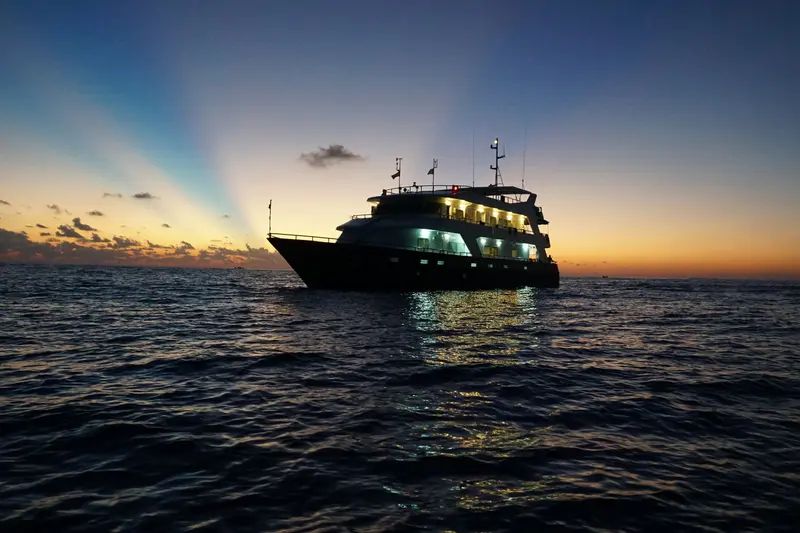
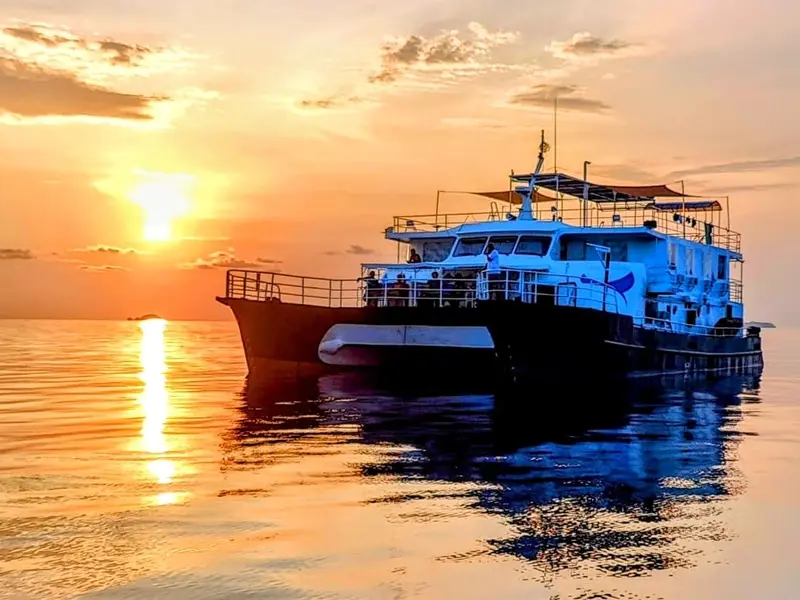
The first impression is of a broad, purpose-built fiberglass catamaran rather than a converted yacht. Its two hulls give the boat a clear working logic: equipment and compressors are distributed on both sides, while guests move between indoor and open-air spaces above. The twin Yamaha outboards are described as quiet and efficient, which matters on an overnight passage when the crossing continues while guests sleep. There is room to spread out between dives, with an air-conditioned saloon, indoor and open-air seating, a bar and a sun deck. The boat is new-build in character, cleanly arranged around the Tubbataha crossing and the diving that follows.
The atmosphere on board
The atmosphere is shaped by a full guest complement of up to 32 divers, but the cabin layout keeps the group manageable: 16 guest cabins, with private facilities for every pair. Over eight days and seven nights, the same people return from the same tenders, compare sightings and gradually learn who is chasing sharks, who carries a macro lens and who prefers to be first in the water. The crew speaks English and Tagalog. Guides know Tubbataha closely, while the hospitality crew handles the less visible work that keeps a multi-dive day moving. In the evening, the boat offers a saloon, bar and open-air spaces rather than a staged programme. The strongest reason to choose it is that the crew and the diving operation remain central, even though the boat has enough comfort for non-divers and families as well.
The sites you’ll dive
This is an 8-day, 7-night Tubbataha route from Puerto Princesa to Puerto Princesa, with 18–21 dives. The sites move between walls, current-swept reef and wrecks. At Staghorn Point, a sloping coral reef turns into a wall, with manta rays, whale sharks and schools of trevally possible to -30m. Terraces drops down a stepped reef profile to a pelagic wall at -37m, with reef sharks, turtles, manta rays, sea fans and black corals. Jessie Beazley Reef is an isolated, current-swept atoll with steep drops to -50m, where barracuda, tuna, reef sharks, manta rays and whale sharks may pass. Seafan Alley reaches -37m along a deep wall covered in gorgonian fans. Washing Machine is shallower at -25m but demands attention to multidirectional current. Shark Airport reaches -30m across a coral plateau where whitetip and grey reef sharks use sandy patches. Malayan Wreck sits at -22m before the wall continues into pelagic water. Wall Street reaches -30m; Amos Rock -40m; Ko-Ok -30m; T-Wreck -40m; Black Rock -40m; and Delsan Wreck -30m, where the current-swept wall called The Cut is the real attraction. South Park adds a steep wall and pelagic action, with no maximum depth stated.
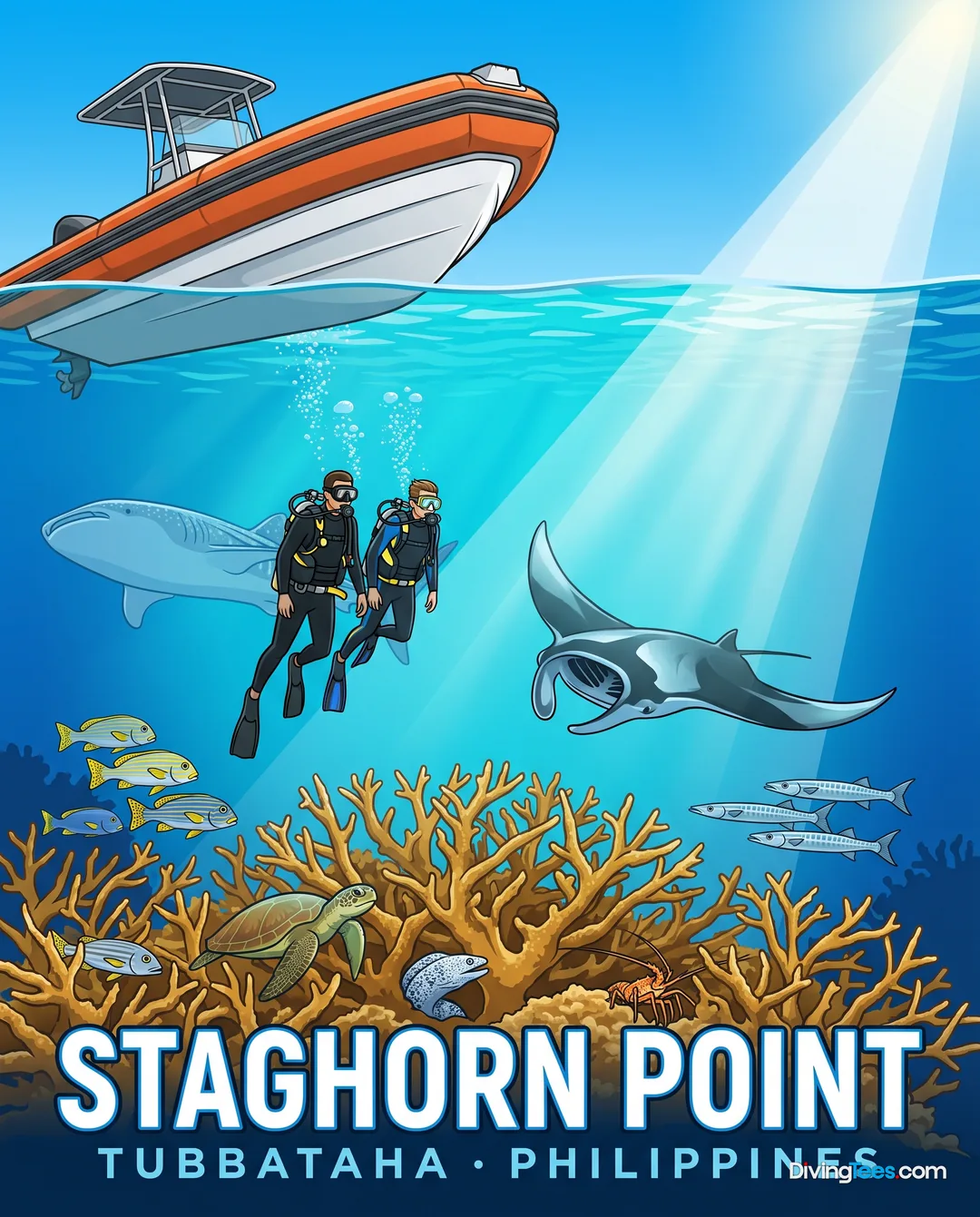
Staghorn Point →
Max. depth · 30 m
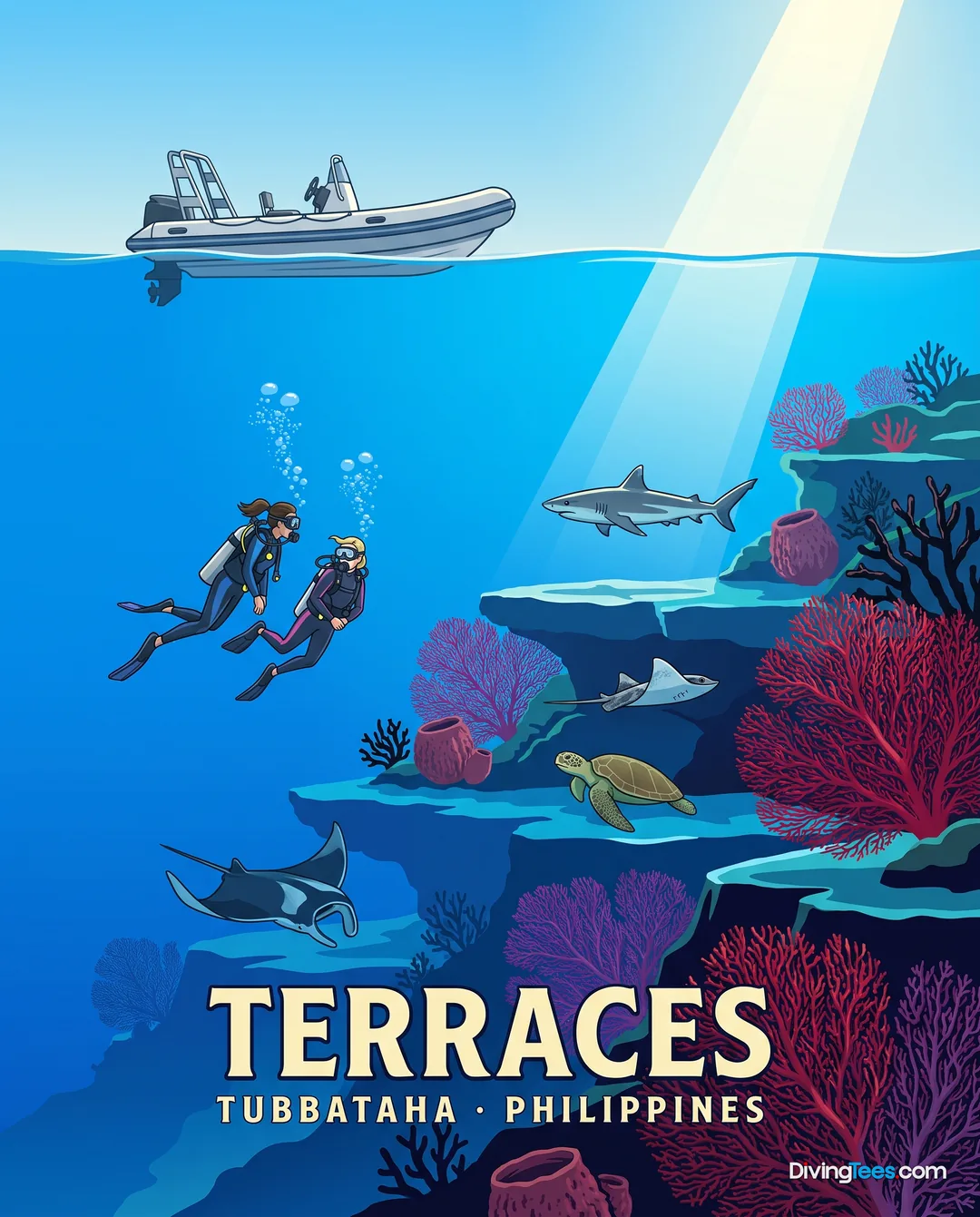
Terraces →
Max. depth · 37 m
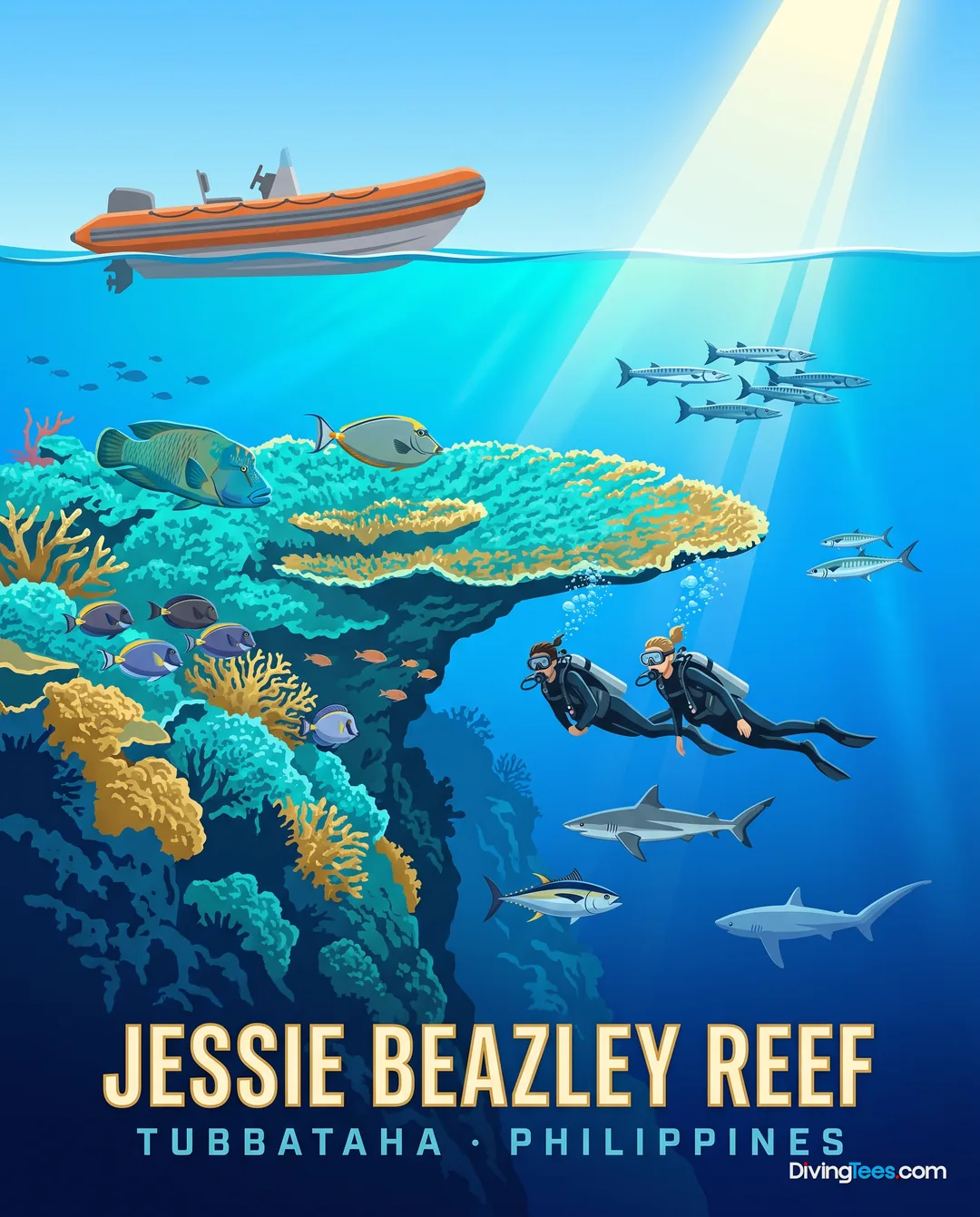
Jessie Beazley Reef →
Max. depth · 50 m
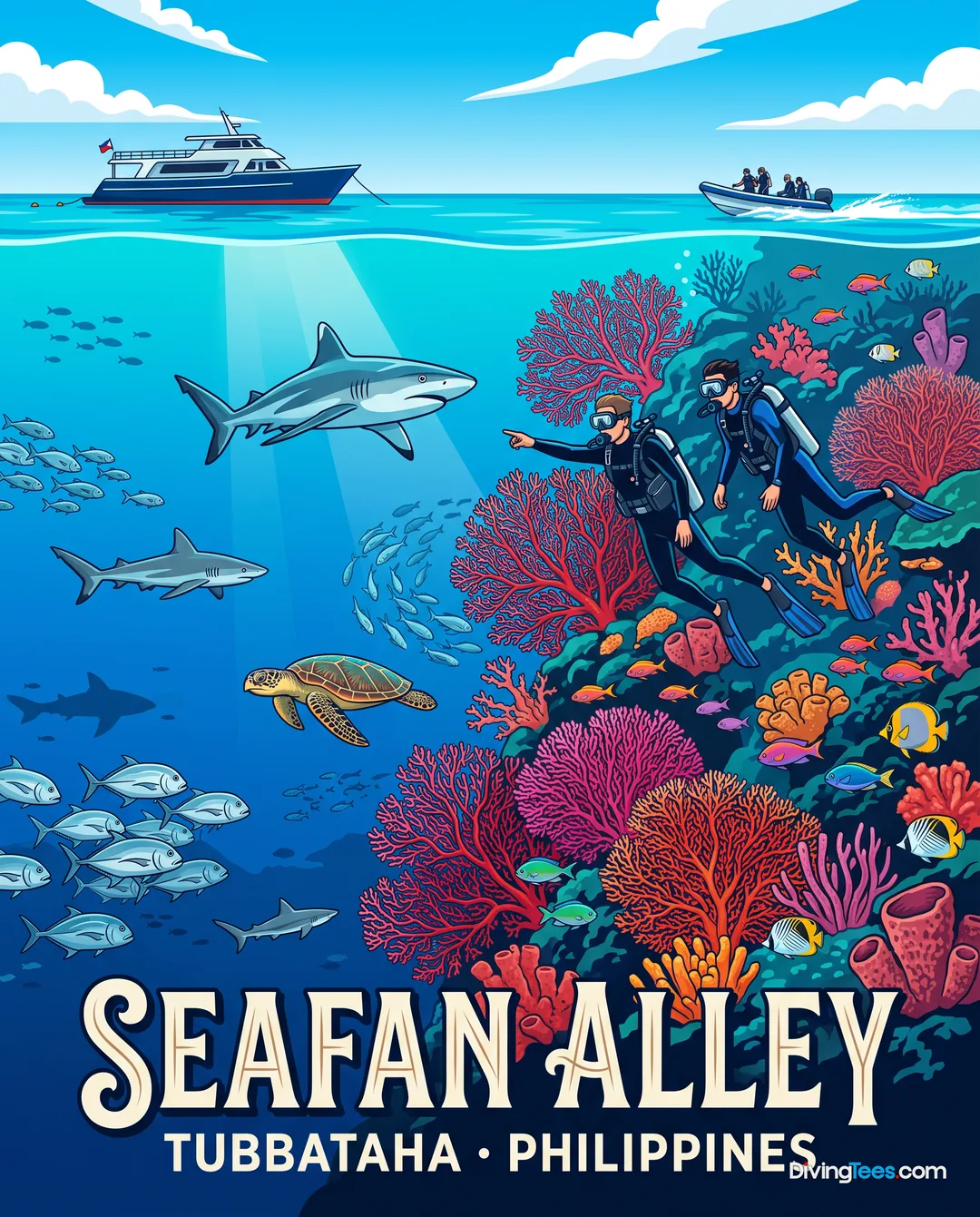
Seafan Alley →
Max. depth · 37 m
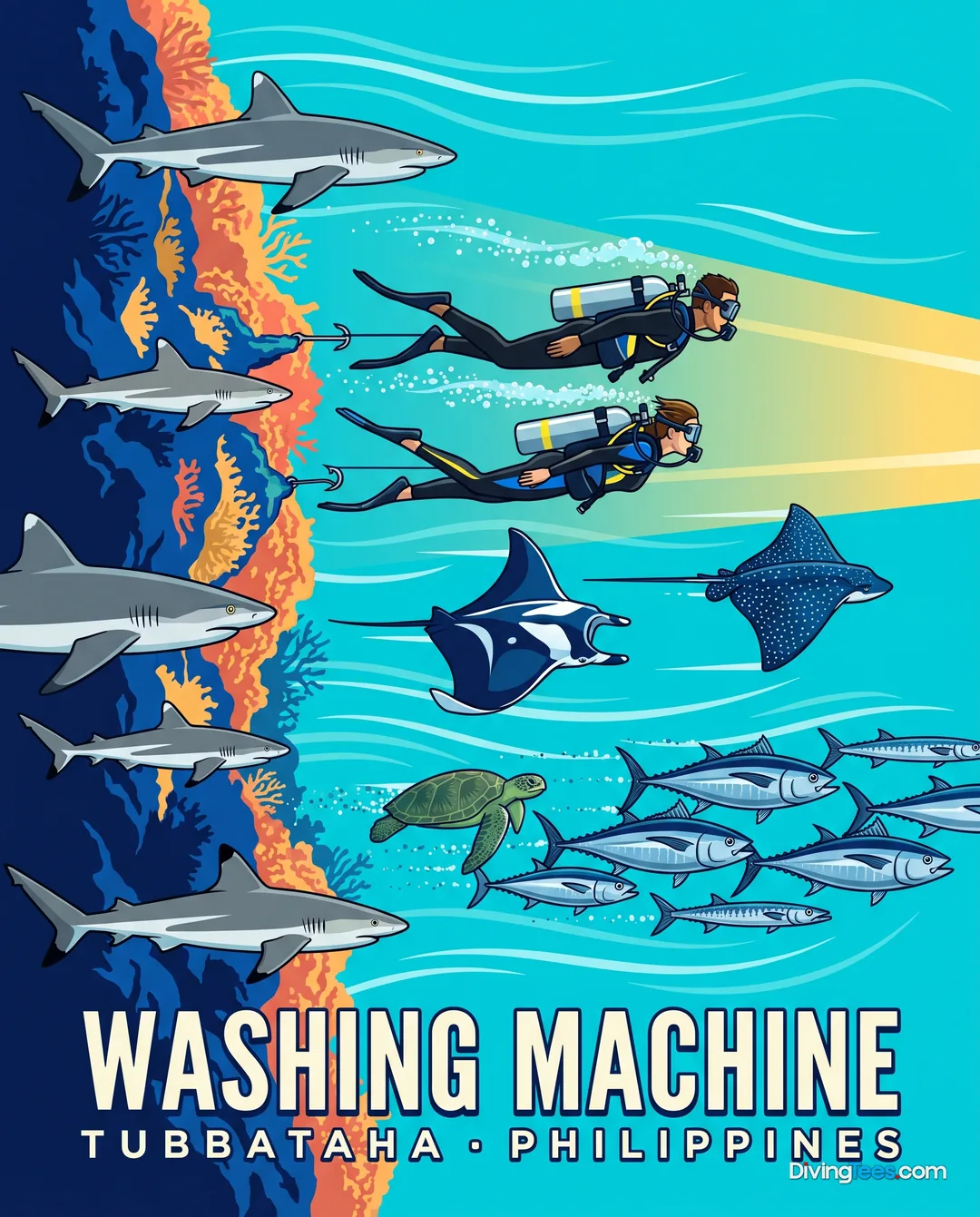
Washing Machine →
Max. depth · 25 m
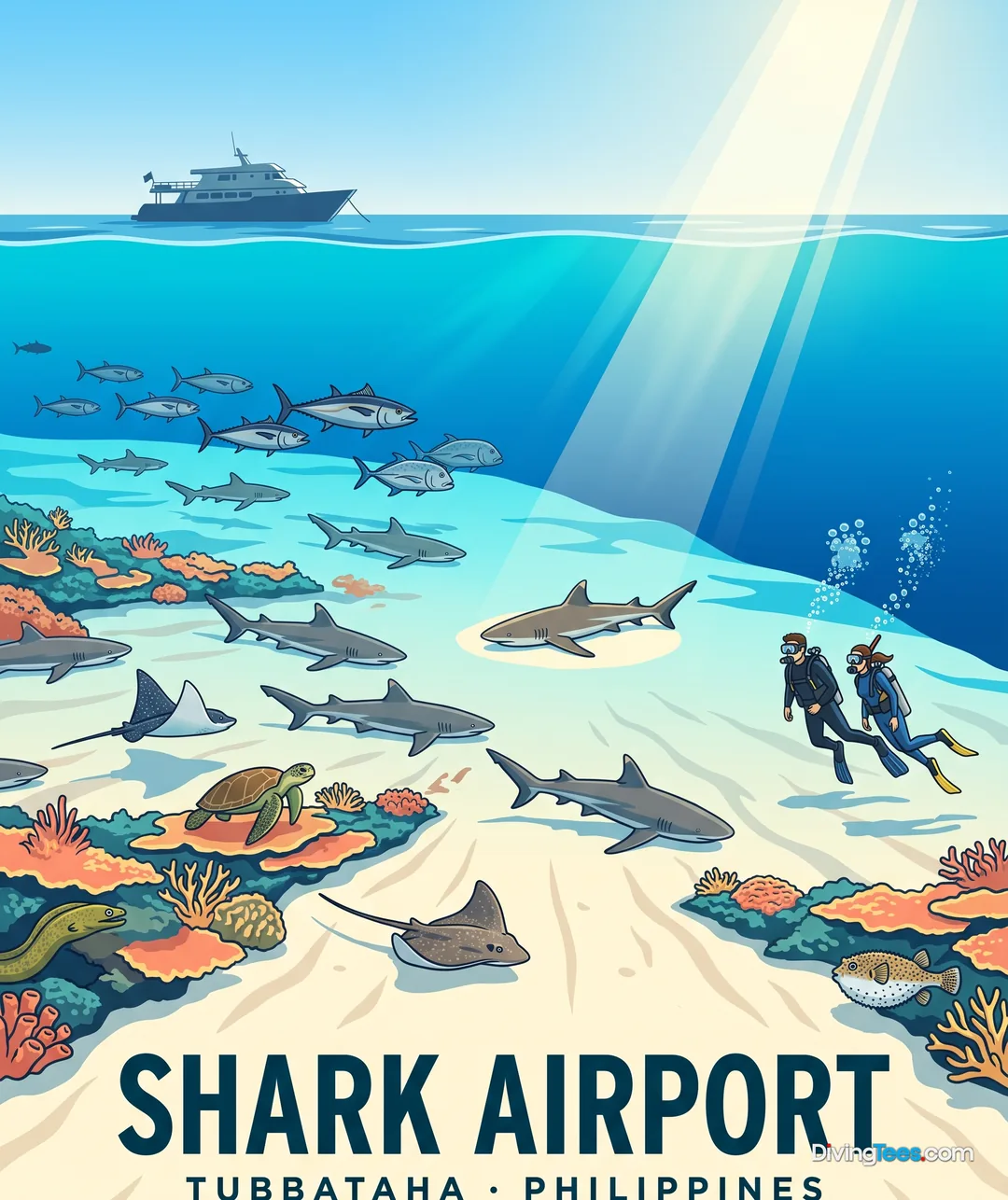
Shark Airport →
Max. depth · 30 m
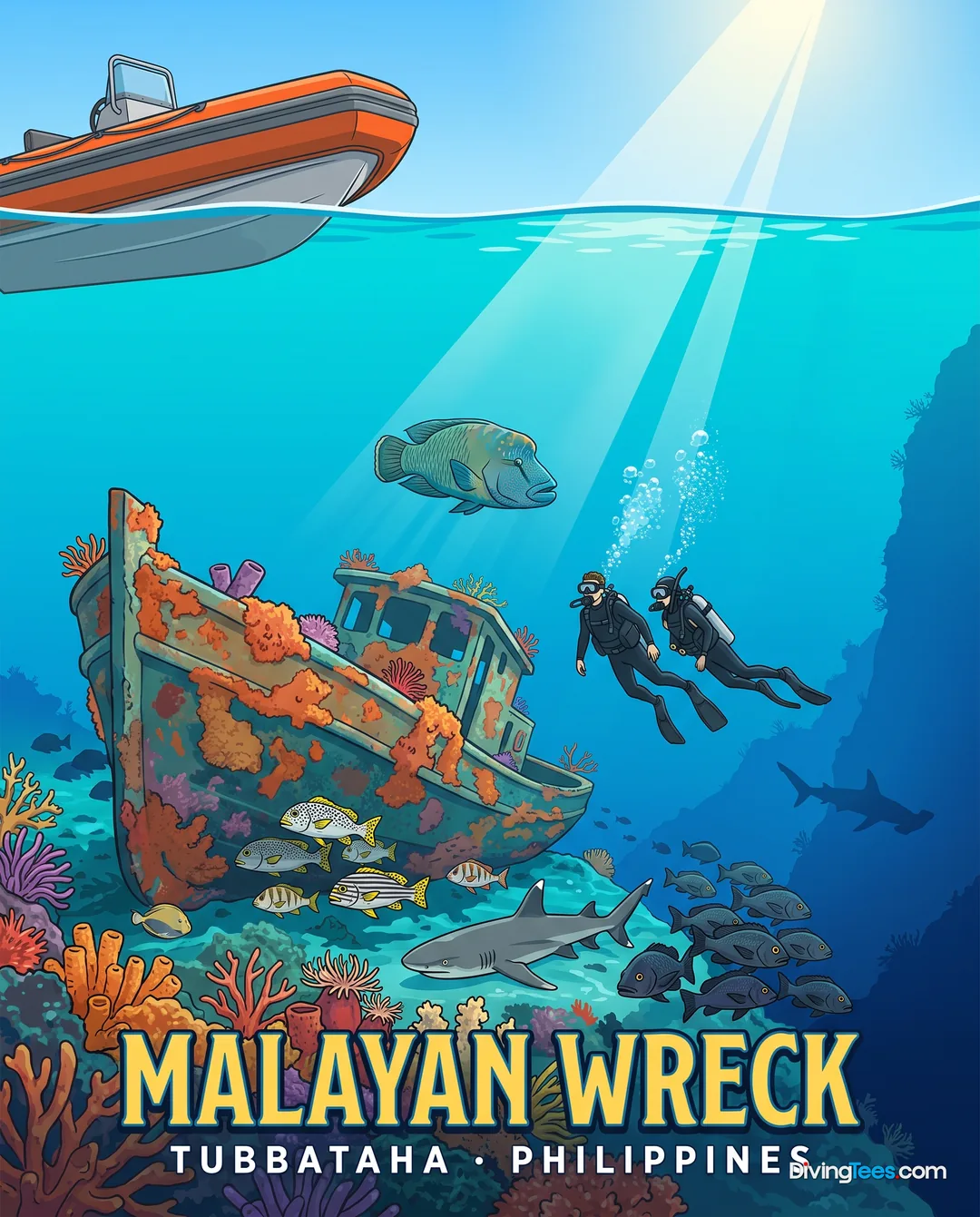
Malayan Wreck →
Max. depth · 22 m
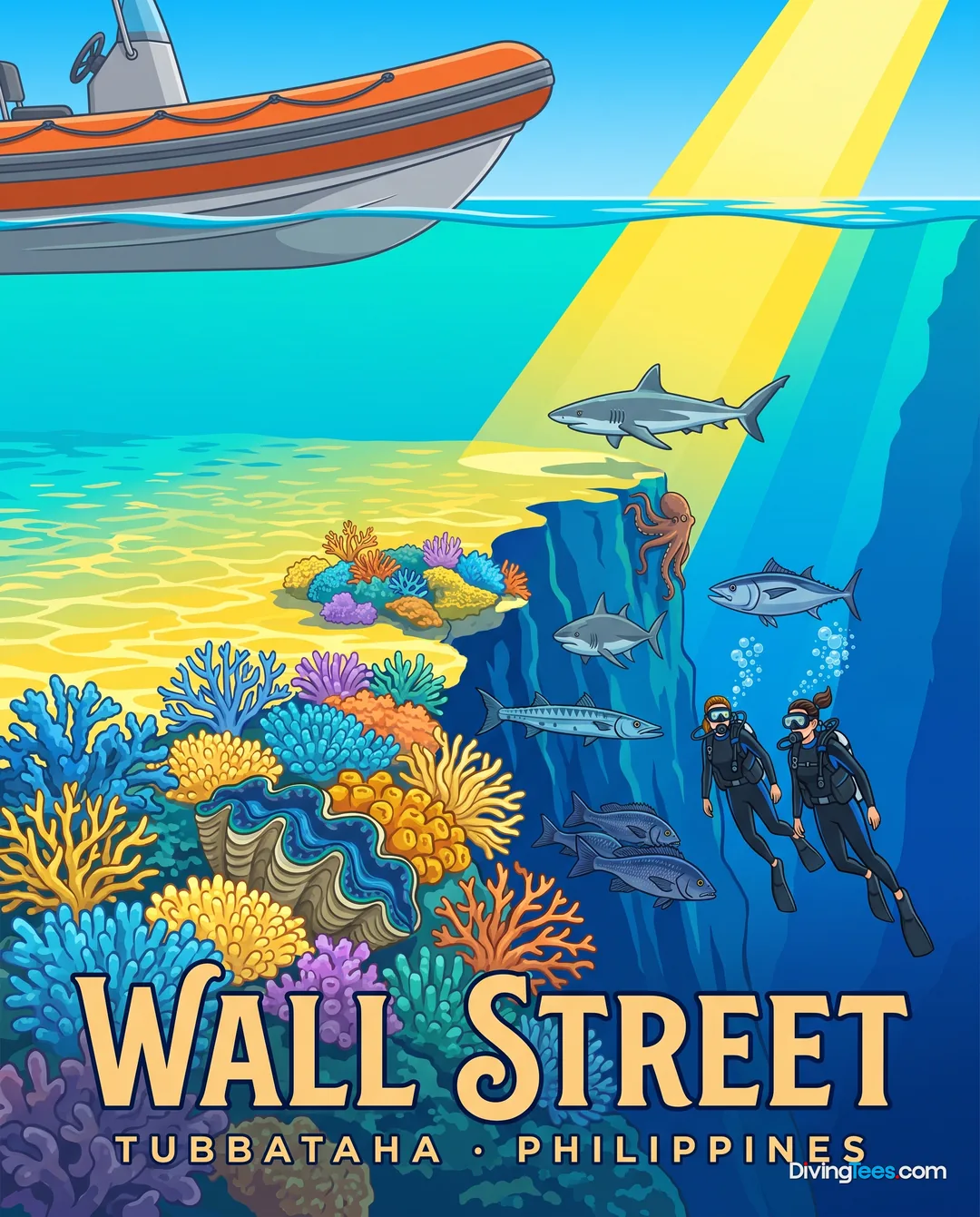
Wall Street →
Max. depth · 30 m
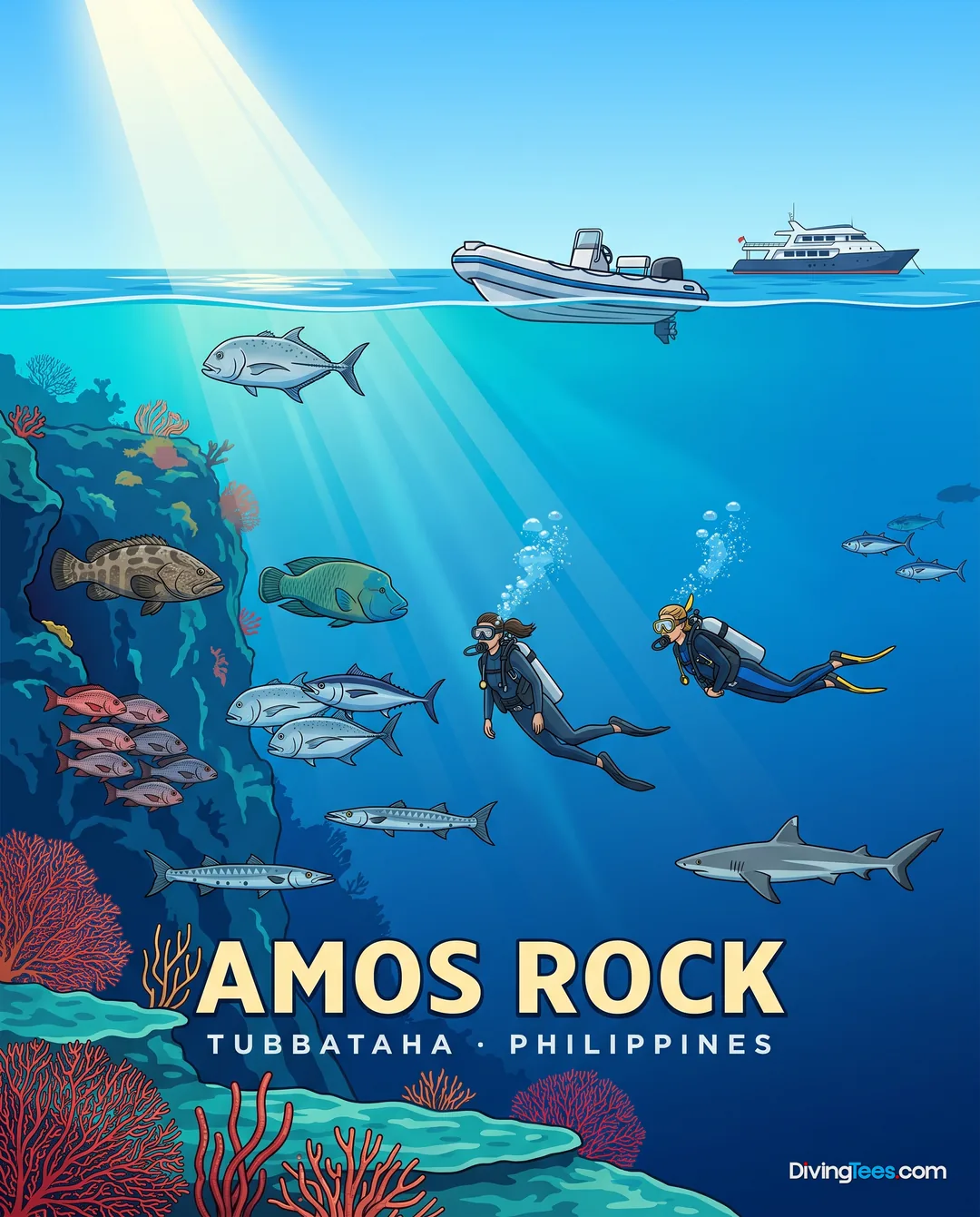
Amos Rock →
Max. depth · 40 m
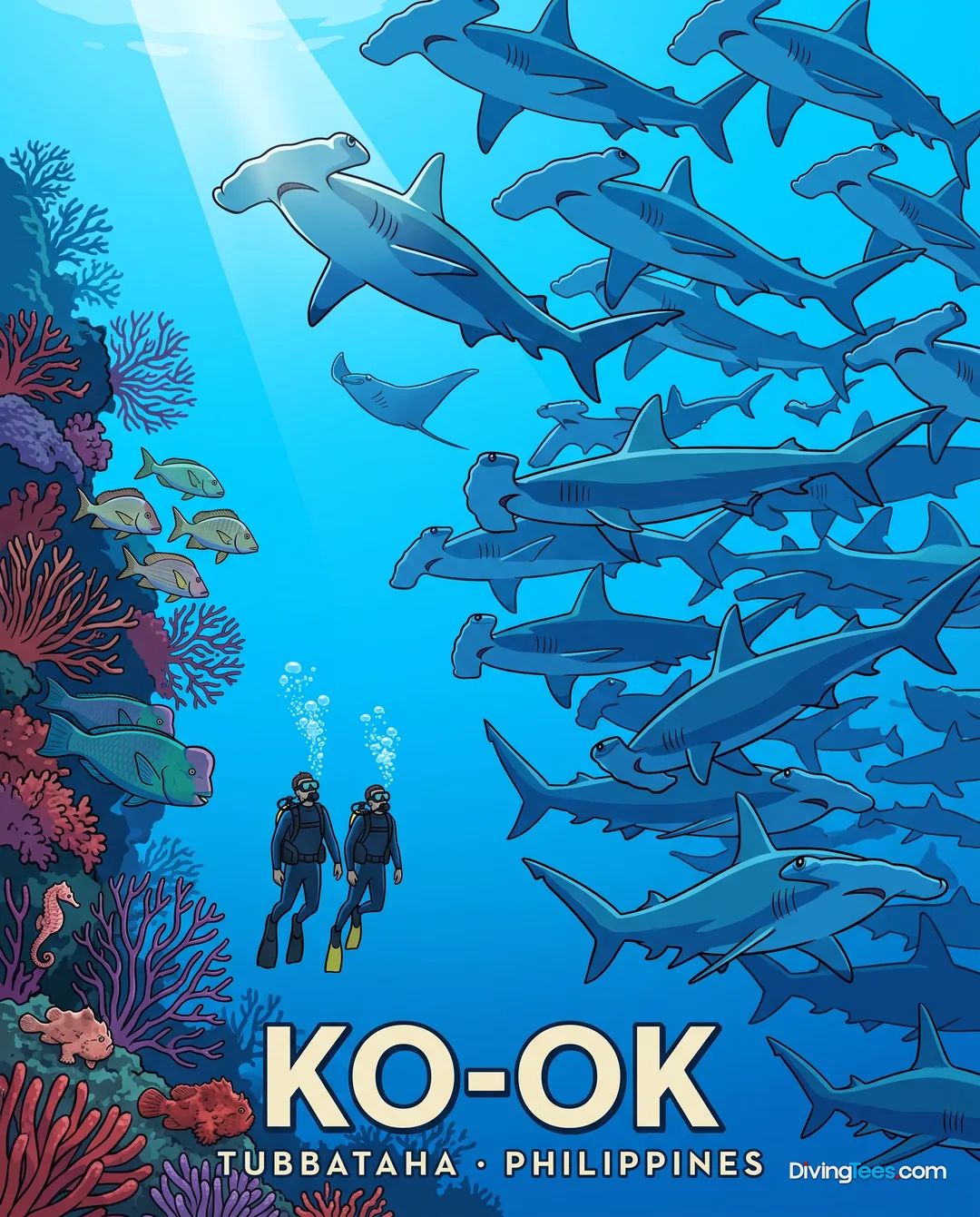
Ko-Ok →
Max. depth · 30 m
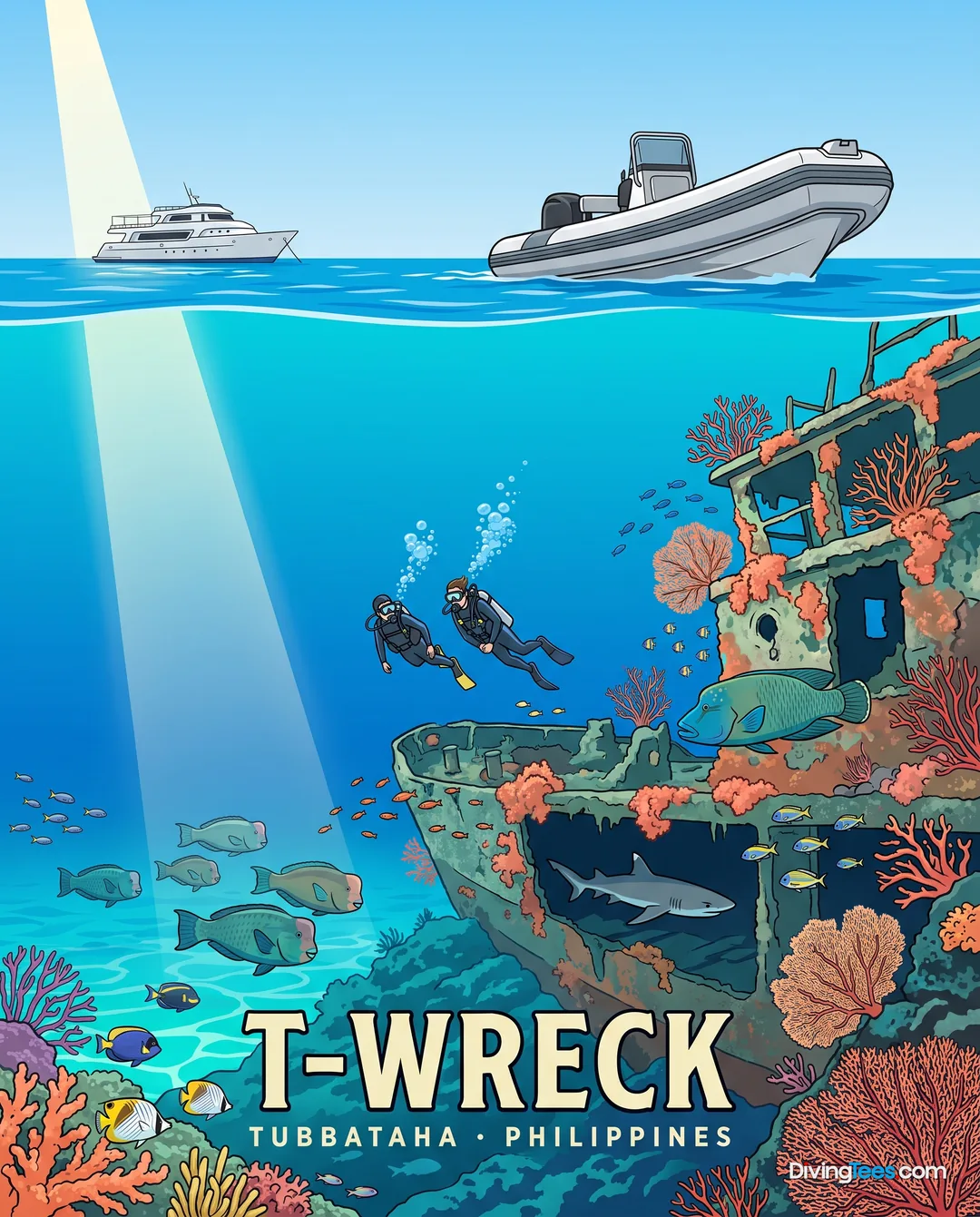
T-Wreck →
Max. depth · 40 m
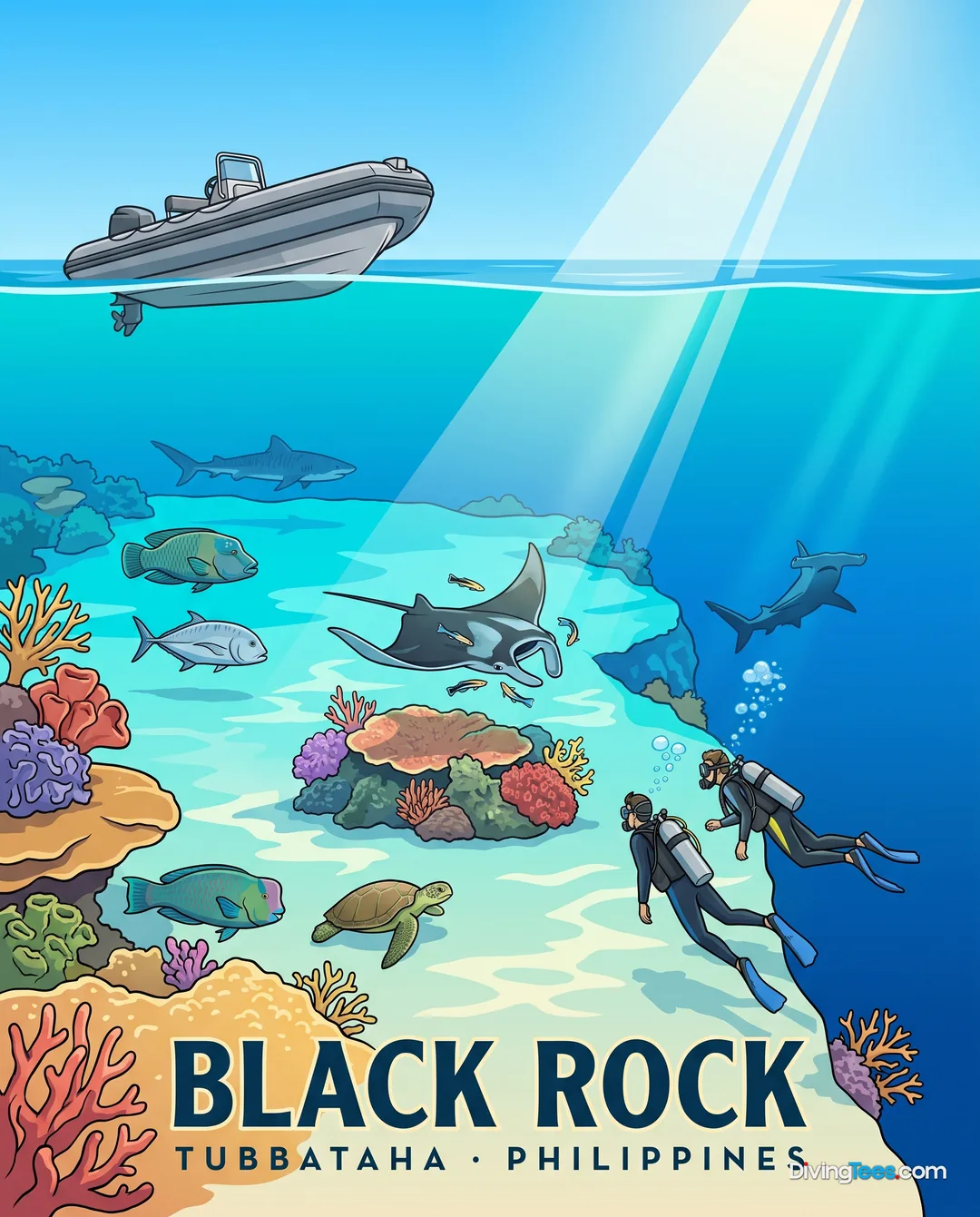
Black Rock →
Max. depth · 40 m
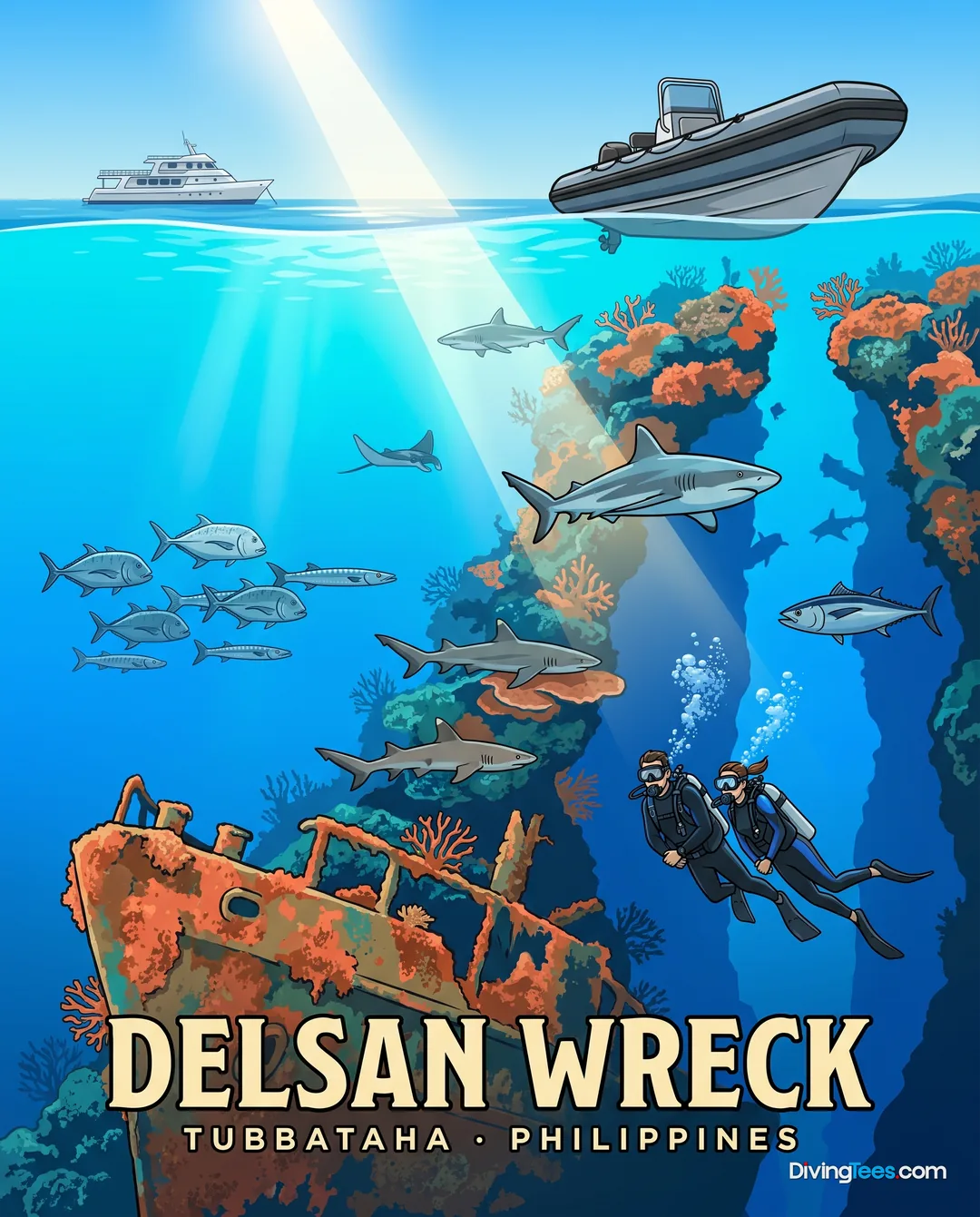
Delsan Wreck →
Max. depth · 30 m
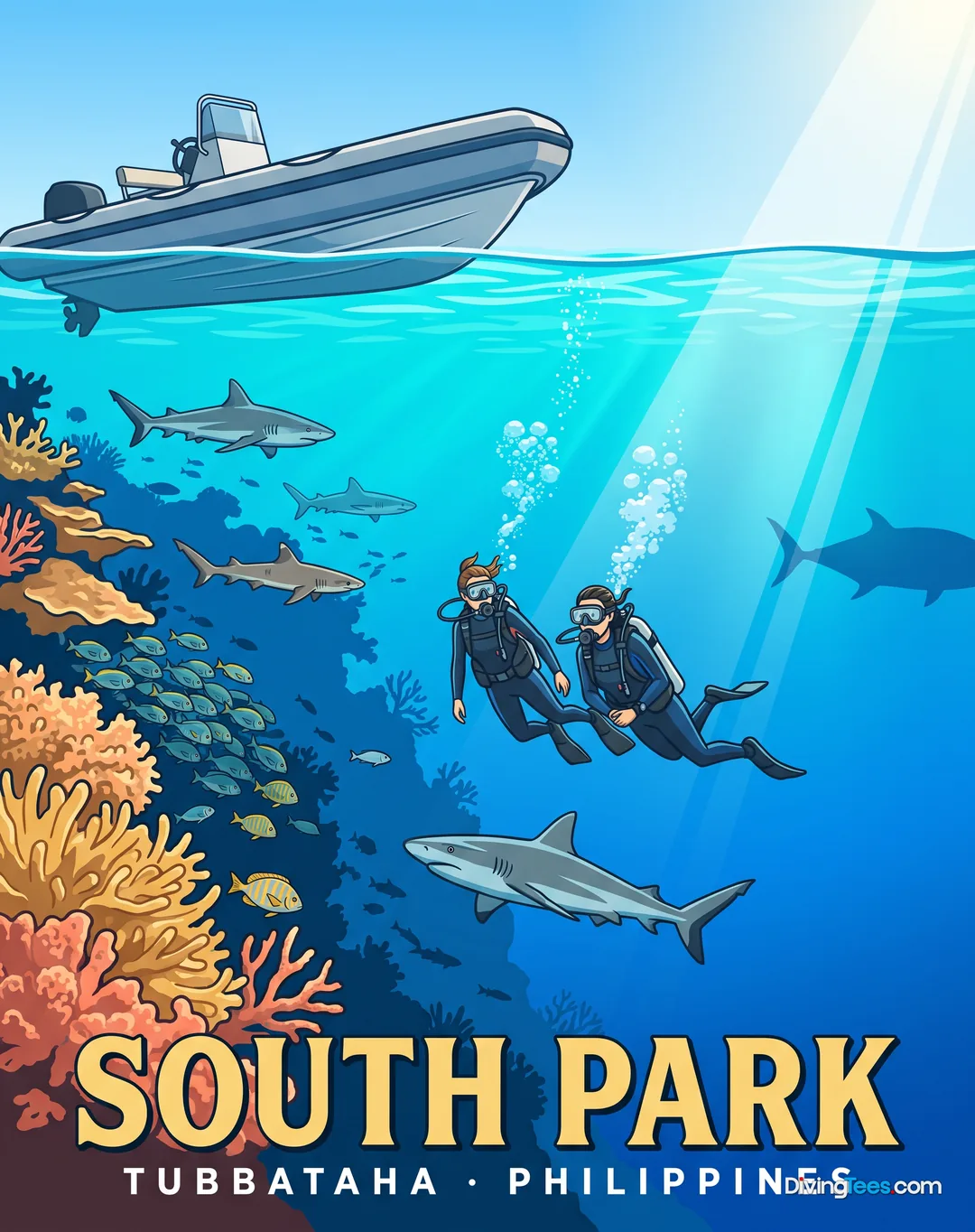
South Park →
Itineraries, dates and prices
Prices per person. Each month shows its lowest price: click a month, or pick an itinerary.
Next departures · 97 departuresfrom £1,793$2,398€2,142
May 2027
June 2027
See dates and prices
If you click these links and make a purchase on the partner site, DivingDeal may earn a commission, at no extra cost to you.
Dates and prices taken from Divebooker, updated 26 October 2026
What you’ll meet underwater
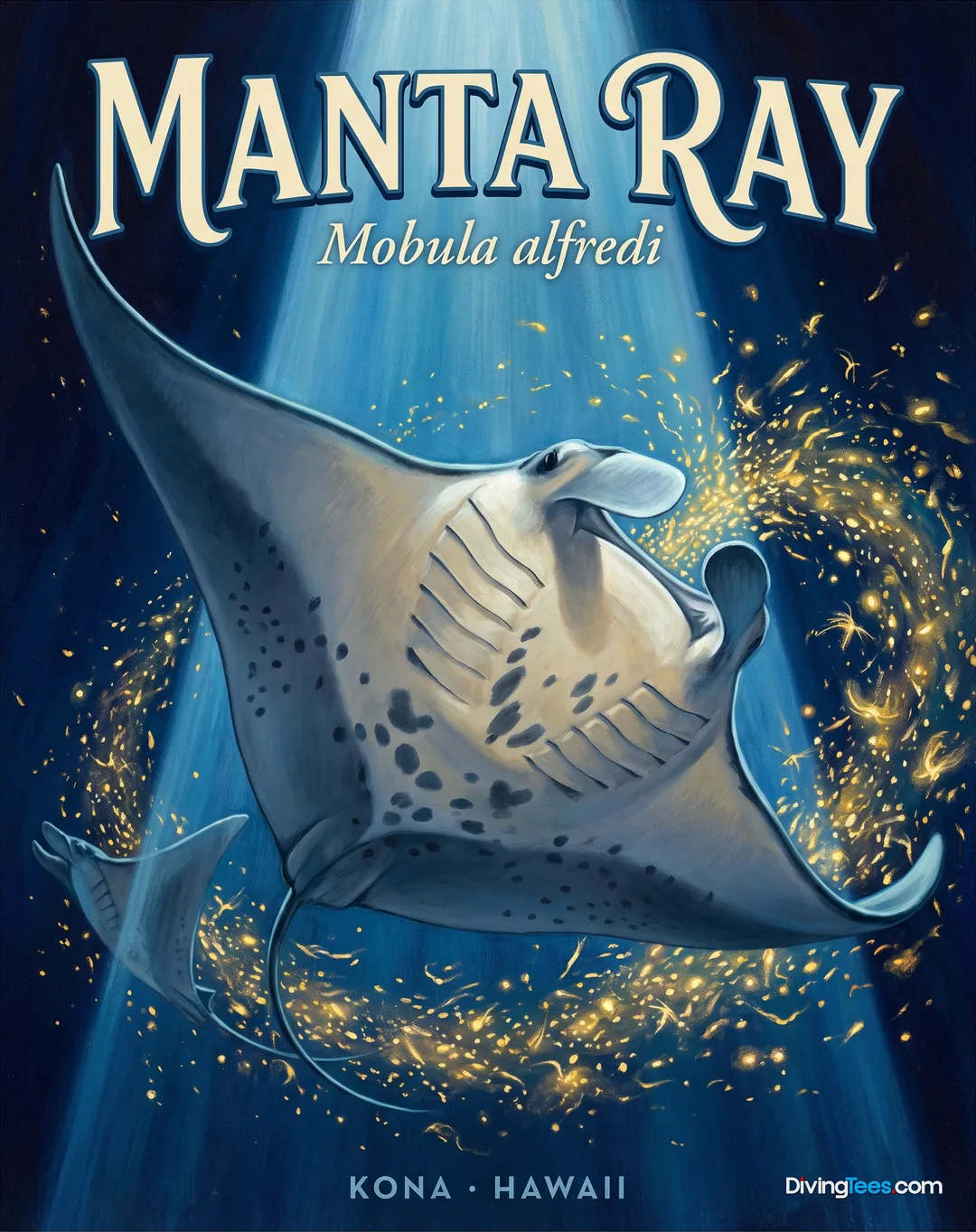
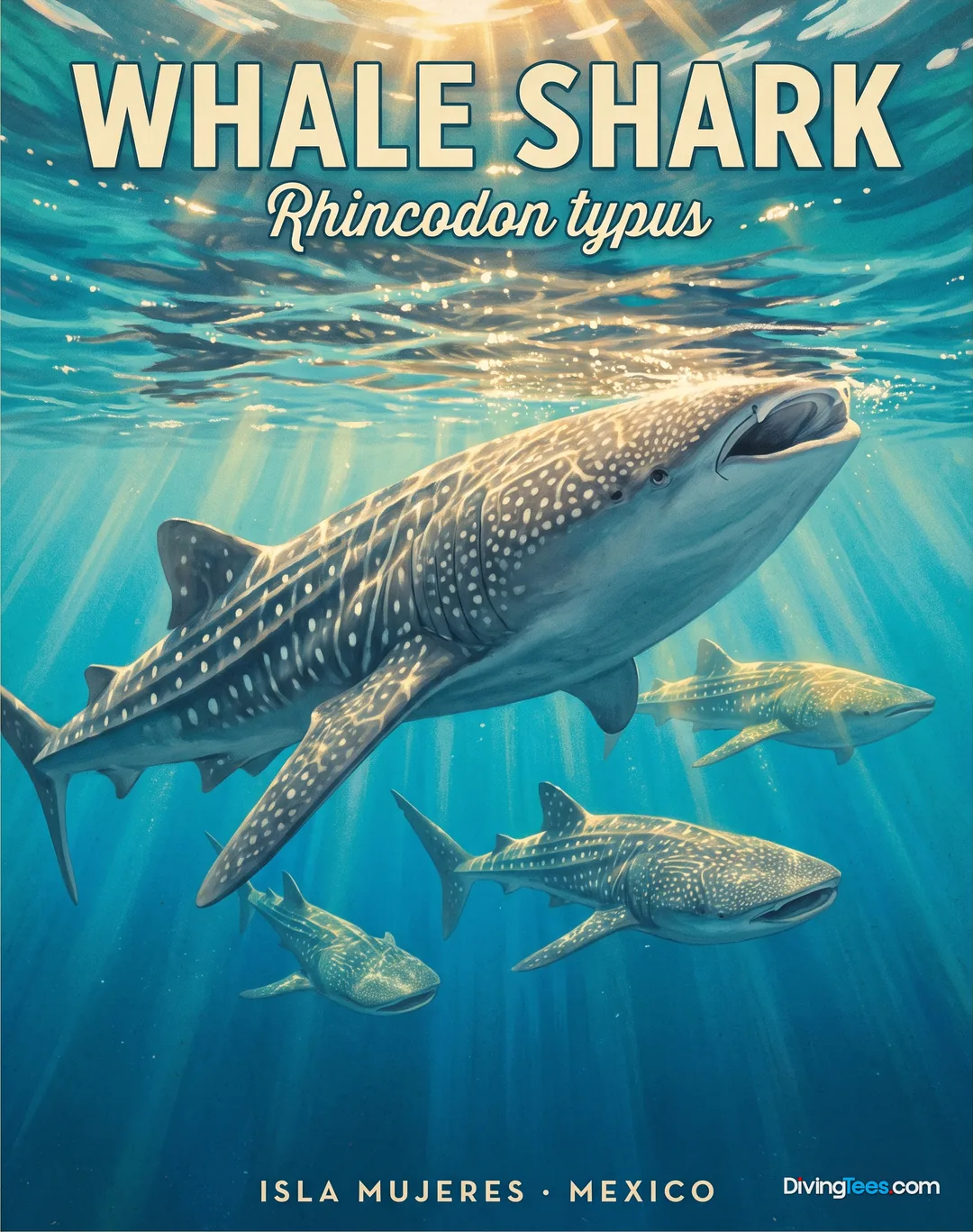
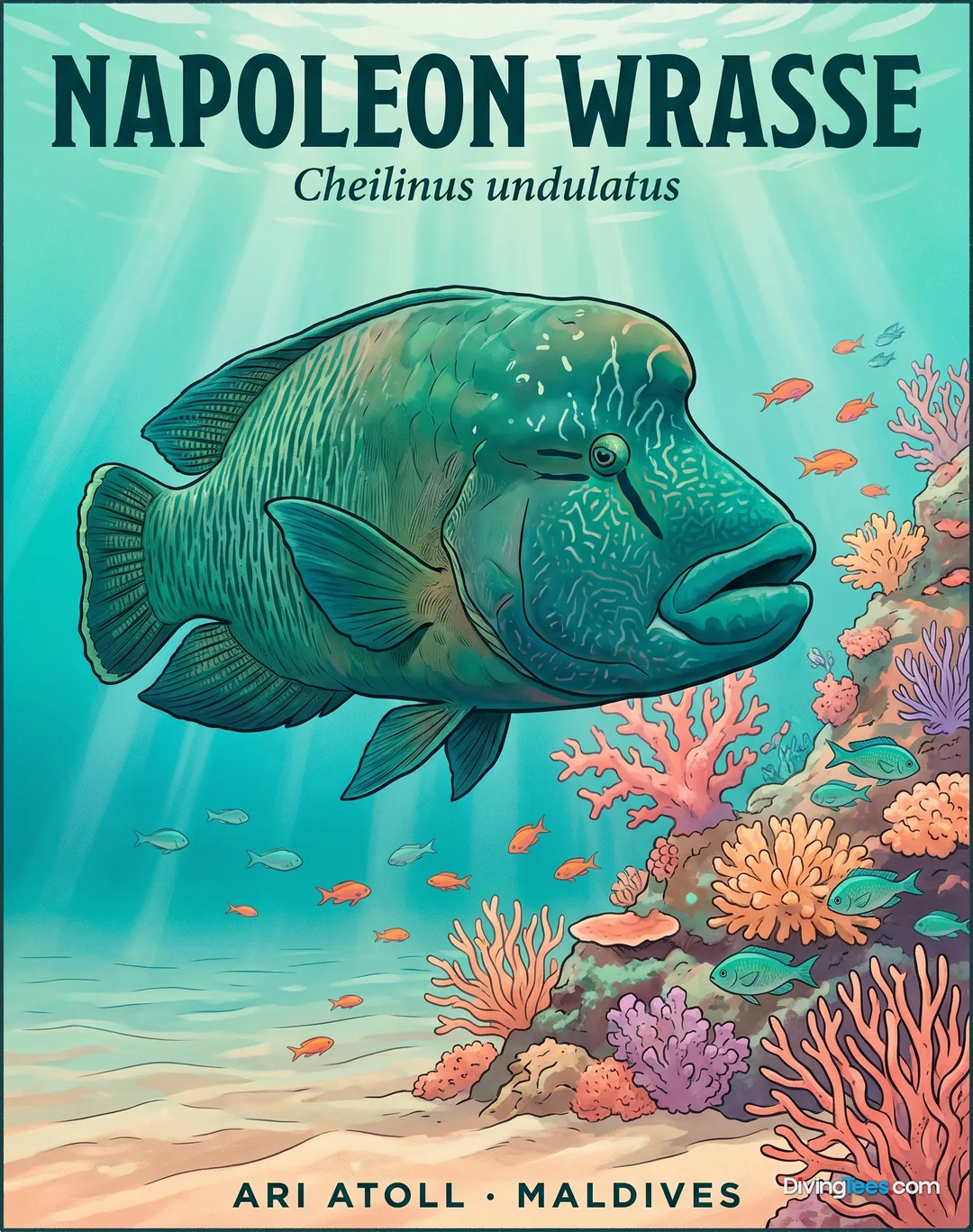
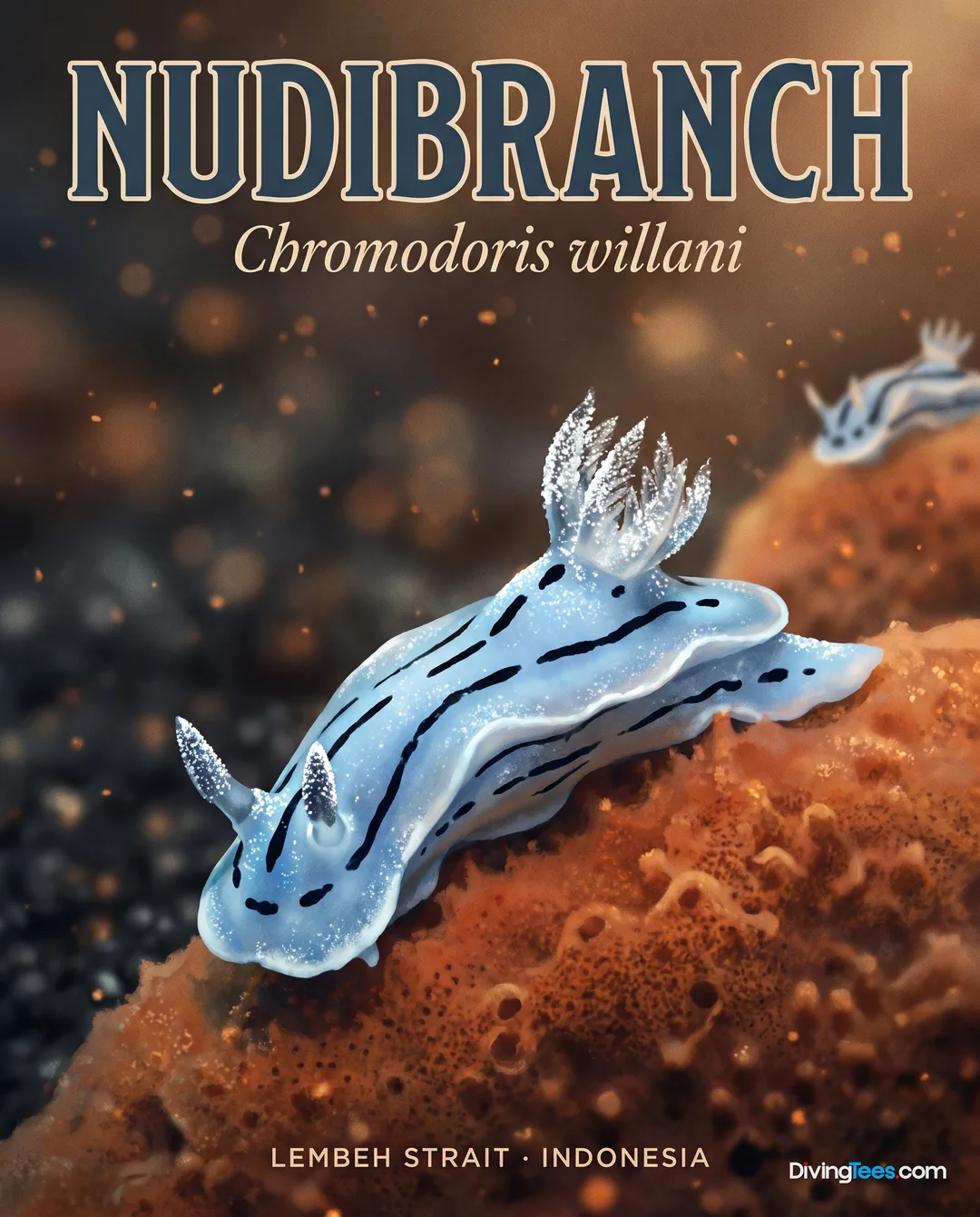
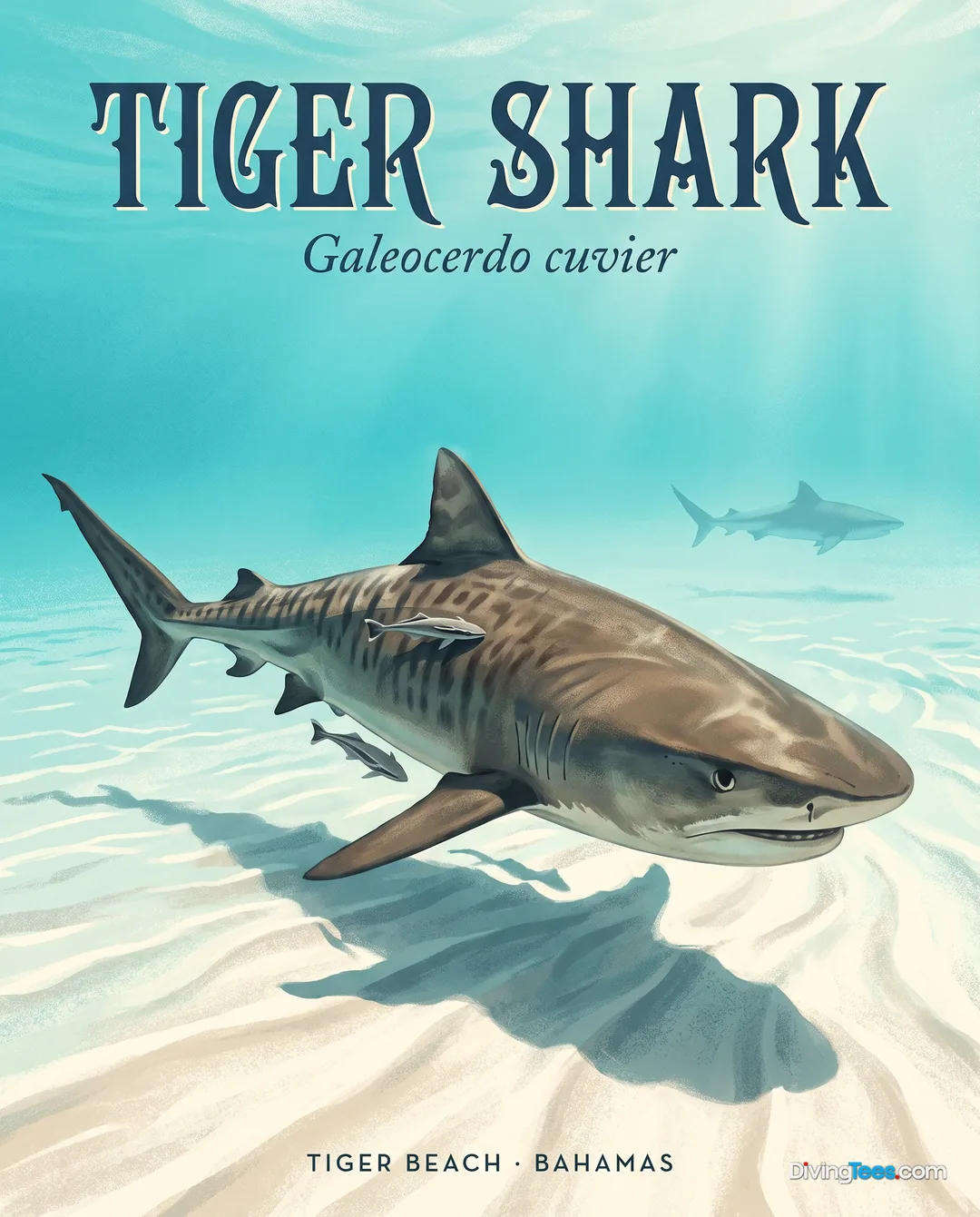
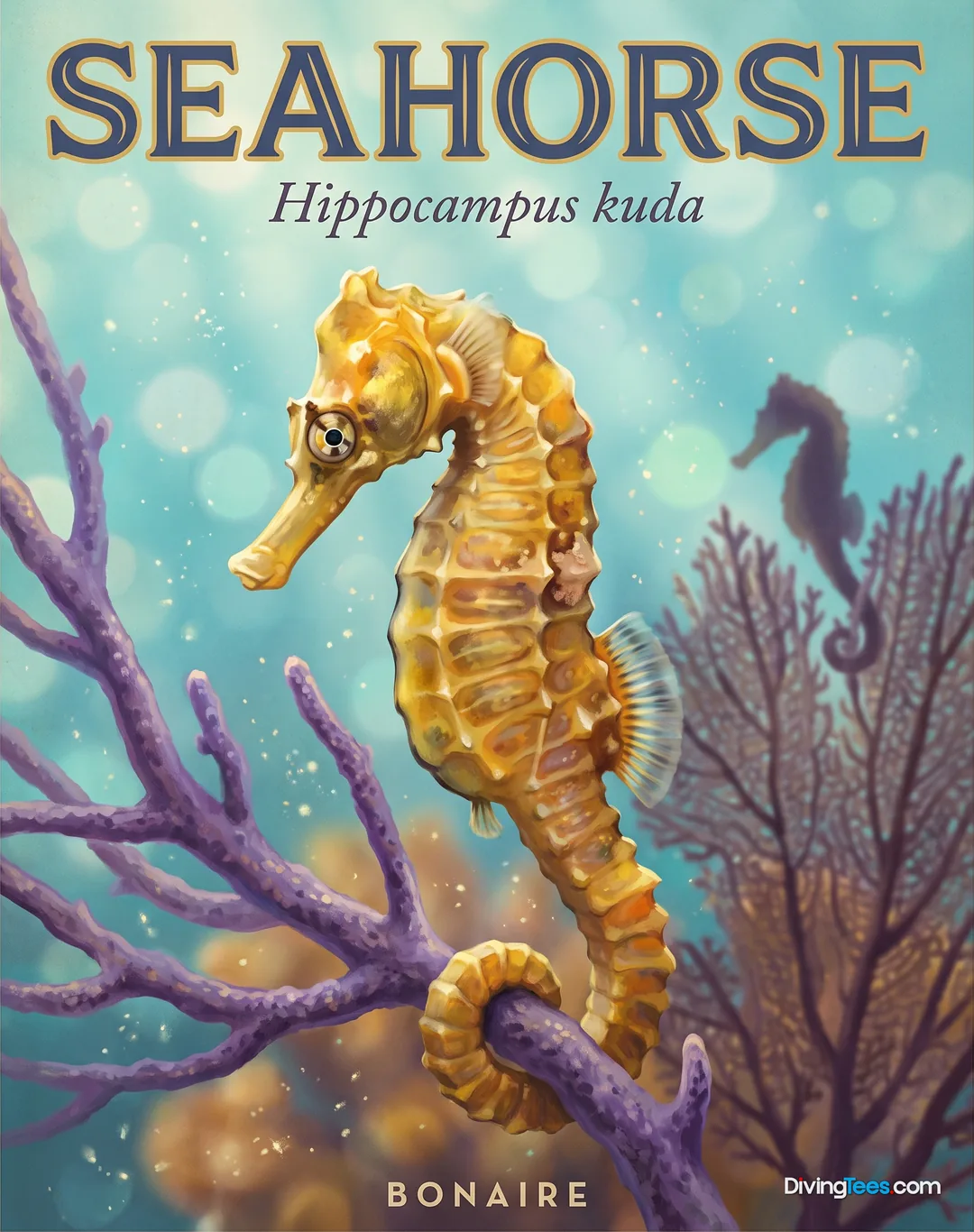
The common sight on this route is movement in the blue: whitetip and grey reef sharks occur across nine sites, manta rays and sea turtles across eight, and barracuda, Napoleon wrasse, whale sharks, hammerheads and dogtooth tuna across several more. Strong current is part of the spectacle, drawing reef sharks, tuna, trevally and other pelagics along the walls and plateaus. Tubbataha rewards a diver who watches beyond the reef as much as one who studies the coral. Some encounters are tied to one particular site. Washing Machine is the place for blacktip reef sharks. Terraces concentrates the route's soft corals and black corals. Ko-Ok is where frogfish and the nudibranch Chromodoris willani are recorded, alongside hammerheads, tiger sharks and whale sharks. Shark Airport offers moray eels, batfish and Moorish idols. Seafan Alley brings pygmy seahorses and angelfish among the gorgonians. Wall Street has the route's recorded octopus, while Amos Rock is the site for mackerel.
Who puts you in the water
Dive groups are organised at a guide-to-diver ratio of 1 to 4, a useful size for current-sensitive walls and pelagic encounters. The crew speaks English and Tagalog, and local guides bring site knowledge to the briefings and tender transfers. The minimum logged-dive requirement is zero, with Open Water Diver certification or an equivalent level required. Courses, including Advanced Open Water, can be taught aboard, and a nitrox course is available. A private dive guide can also be arranged. The operation is open to newly certified divers while still giving experienced guests a way to make the guiding more personal. The boat carries full safety equipment.
The dive deck and the gear
The dive operation is built into both hulls. Four electric compressors, two in each hull, support the tank operation, and a nitrox membrane system provides nitrox, included in the diving package. The deck has full tank racks, BCD storage, personal storage, warm-water showers, rinse stations and a rinse host. Photographers get a dedicated camera table, charging stations, special camera storage and separate rinse tanks for underwater cameras. DIN adaptors are available, while rental gear is offered as an extra. Two 20-foot fiberglass tenders take divers to the sites and back to the catamaran, keeping the large boat out of the immediate dive position. The arrangement suits Tubbataha's walls and current: the tender handles the final approach, while the main deck remains organised for the next entry. Technical diving is not supported.
Between dives
Between dives, the boat gives guests several ways to get out of the working part of the deck. The air-conditioned saloon is the retreat when the sun is strong; the open-air saloon and sun deck keep the reef visible when the weather is good. A bar, audio and video entertainment, satellite internet and onboard kayaks fill the quieter gaps without making them compulsory. There is also enough room for the less active parts of a charter: reading, sorting photographs, talking through the last dive or simply sitting outside while the boat is underway. Land excursions are available within the broader operation, but the Tubbataha trip is built around the reef rather than sightseeing ashore.
A day on board
A day begins with the dive operation rather than a hotel-style breakfast schedule. The first briefing comes before the first tender run, and tanks are already being prepared through the compressors in both hulls. Divers board the tender, make the site transfer, return for the surface interval and eat before the next entry. Across the trip, the programme carries 18–21 dives, so meals, hydration, equipment checks and camera work sit between repeated briefings and water time. The boat can remain a quiet base while the tenders handle the reef, or get underway during a crossing between parts of the itinerary. By evening, the deck changes from a work area to a place for dinner, photographs and conversation in the saloon or outside. The exact sequence varies with the site and conditions; the structure does not: briefing, tender, dive, recovery, food, then preparation for the next descent.
What you eat aboard
Meals are served buffet-style, with both Western and local food. Dietary restrictions are catered for, and the galley keeps hot and cold soft drinks, tea, coffee and snacks available through the day; alcoholic drinks and spirits are also offered. That matters on a diving charter because the table is not a formal event between dives. Divers can eat, hydrate and return to the deck without turning every meal into a long interruption. The food has enough range for guests who want familiar dishes and those who would rather eat locally. Snacks between meals fit the practical rhythm of repeated dives better than elaborate service would.
Nights at sea
Every guest cabin has air conditioning, a private bathroom, storage and 220-volt universal outlets. The choice is less about decoration than about how two divers want to live for a week. Ten hull cabins can be arranged with one queen bed or two single bunks with a walkway, while two hull cabins remain fixed queens. The two bridgedeck cabins are fixed bunk cabins, and the two forward Master Staterooms have king beds. Cabins sit either in the hulls or on the bridgedeck, so the view and position change with the category, but the private facilities remain consistent. The practical advantage is clear after a long dive day: wet gear stays out of the sleeping space, personal storage is built in, and the air conditioning gives the cabin a controlled, quiet place to recover.
Hull Cabin - Convertible
Hull Cabin - Queen
Bridgedeck Cabin
Master Stateroom
What to know before boarding
The Tubbataha route departs from and returns to Puerto Princesa. Airport and hotel transfers are included, with the arrangements communicated before boarding. Arriving in Puerto Princesa the night before is sensible, so an airline delay does not put the embarkation at risk.
What the boat does for the ocean
Sand Island Cat is listed as compliant with Tubbataha Reef National Park requirements. It has a full sewage holding system, a Sewage Pollution Prevention Certificate and an AIS transponder. These are concrete controls for wastewater management, navigation and operating inside a protected marine park.
- Length
- 41 m
- Beam
- 6.9 m
- Maximum number of passengers
- 32
- Number of cabins
- 16
- Engines
- 2 × 115 hp Yamaha 4-stroke outboards, very quiet and efficient
- Tenders
- 2 × 6.1 m fiberglass
- Website
- sandislandcat.com ↗
Hello, I'm Marina, DivingDeal.com's AI assistant. I answer in detail about hotels, dive centres and liveaboards.
Thinking about the whole trip and the flights? Talk it over with Edith →
Marina is an AI. Some links are affiliate links: DivingDeal may earn a commission, at no extra cost to you. Bookings are made with the partner.