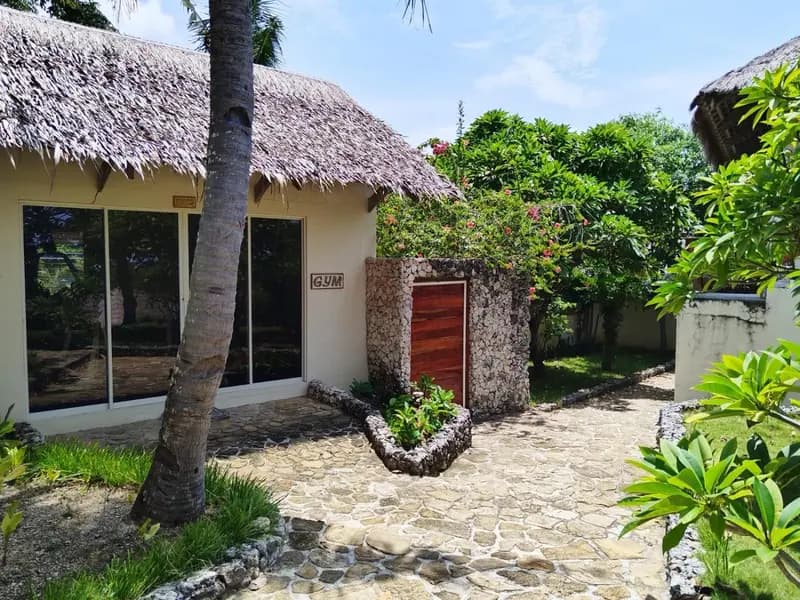
Tepanee Beach Resort
★★★
★ 9.1/10 (273 reviews)
less than 1 km away as the crow flies
Dive centre · Malapascua · Philippines
4.4273 Google reviewsExperience daily chances to encounter thresher sharks at Kimud Shoal with the most established dive centre on Malapascua.
For subtitles in English: start the video firstthen click the gearat the top right of the video, select “Subtitles/CC”, then “Auto-translate” and choose “English”.
Thresher Shark Divers has been a fixture of the Malapascua diving scene since 2004. As the only PADI 5 Star Career Development Centre on the island, they have built a reputation centred around the reliable daily sightings of thresher sharks at Kimud Shoal.
The centre is a professional hub for those looking to advance their diving careers, offering everything from Divemaster internships to the PADI Instructor Development Course (IDC). Their long-standing presence on the island is backed by a team with deep local knowledge and extensive experience in the Philippines.
Beyond professional training, the centre maintains a strong focus on marine conservation and ethical business practices. The social side of the centre is anchored by the Wilde Bar, a popular meeting point where divers gather to celebrate new certifications and share stories from the day's dives.
As a Career Development Centre, the range of courses is exhaustive. You can begin your journey with Discover Scuba Diving or the Open Water Diver course, and progress through Advanced Open Water, Rescue Diver, and specialty training.
For those looking to turn diving into a profession, the centre offers Divemaster training, internships, and the PADI Instructor Development Course (IDC). They also provide technical diving courses and specific training such as the Thresher Shark Course and Enriched Air Nitrox.
The centre operates using traditional Philippine dive boats for its excursions. These vessels take you out to the various reefs, walls, and wrecks surrounding the island, including the morning trips to Kimud Shoal. On board, you can find water, snacks, and towels to use between dives.
The shore-based facilities are extensive, featuring three large equipment rooms and a dedicated station for charging camera batteries. The centre provides a spacious office, a marine library, and a retail area for your diving needs. High-speed Starlink WiFi is available on-site for checking logs or sharing footage.
Safety and gas blending are handled with serious attention to detail. The centre utilises five L&W compressors and performs regular air quality tests. Nitrox is available for all divers, and Trimix can be provided depending on the availability of helium.
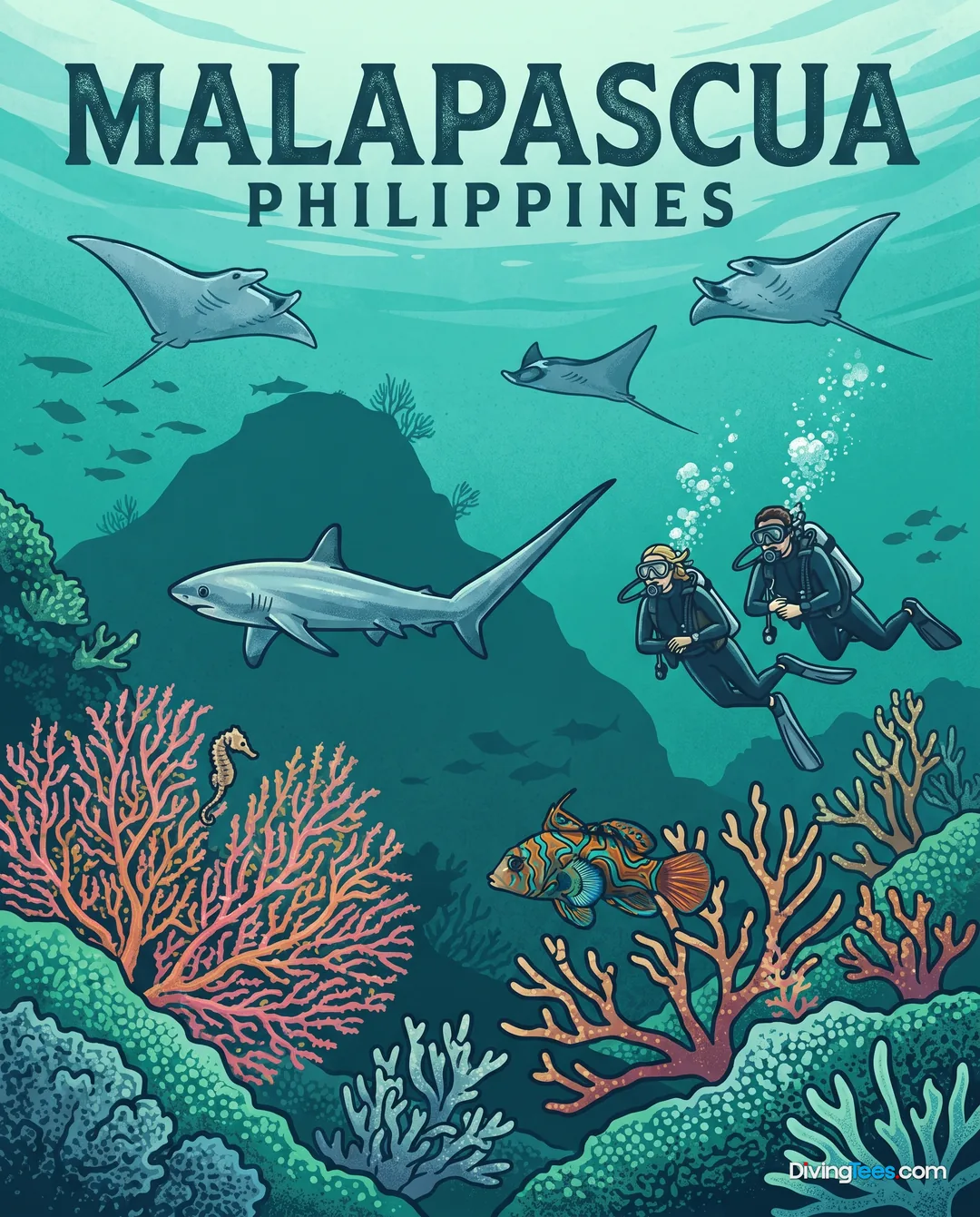
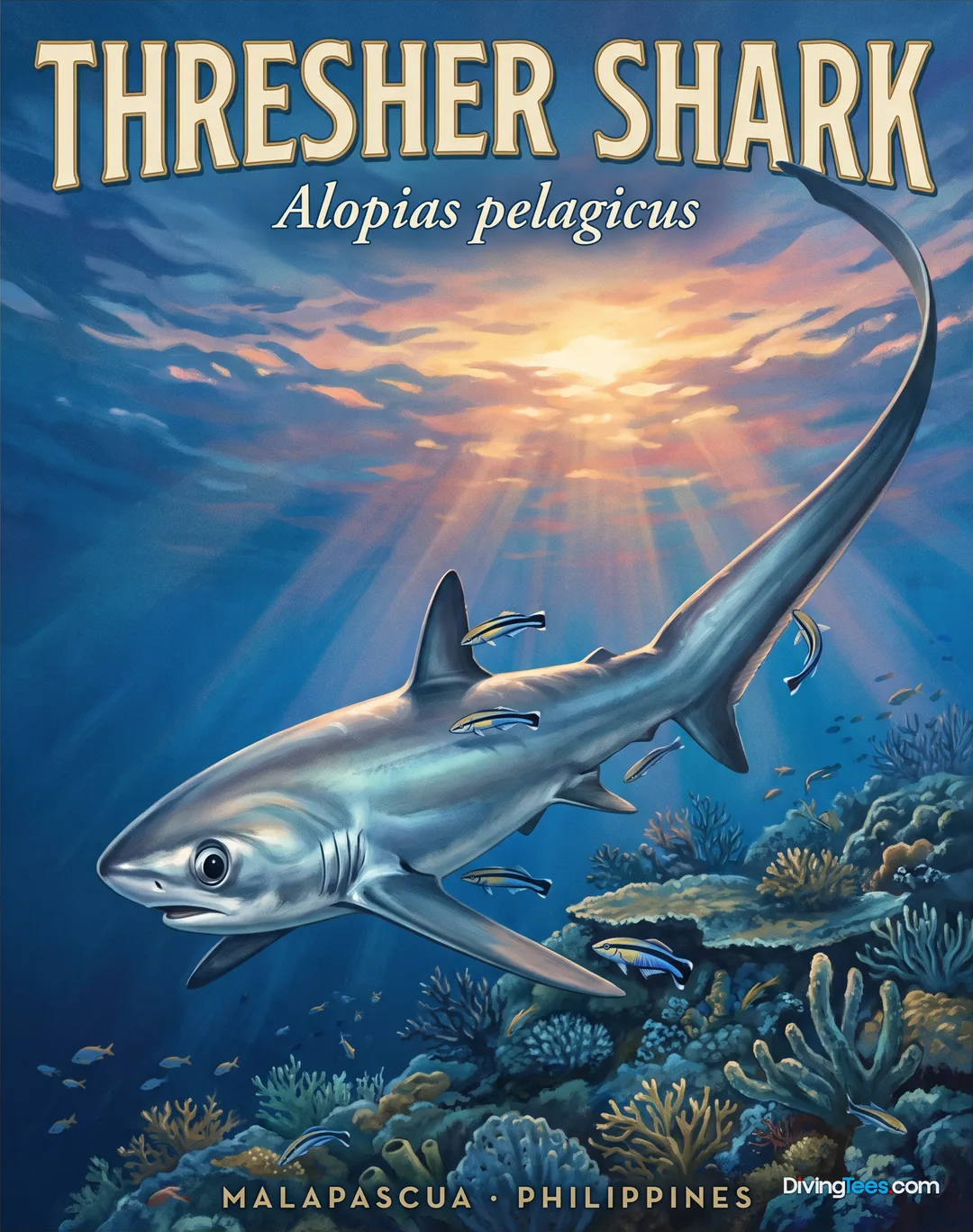
Kimud Shoal is a submerged islet located about an hour from Malapascua. It is famous for being one of the few places in the world where you can see thresher sharks almost every day, typically during morning dives at depths between 12 and 22 metres.
Gato Island is renowned for its underwater passages and frequent sightings of whitetip reef sharks (Triaenodon obesus). It offers a classic reef experience with plenty of life to observe.
Capitancillo provides spectacular wall diving for those looking to explore vertical reef structures. The Dona Marilyn wreck is another highlight, offering a different kind of exploration for divers interested in submerged structures.
The Lighthouse Japanese Wreck is a Second World War site that can be explored via snorkeling or diving. The wreck, which carried cement, sits at shallow depths between 3 and 5 metres.
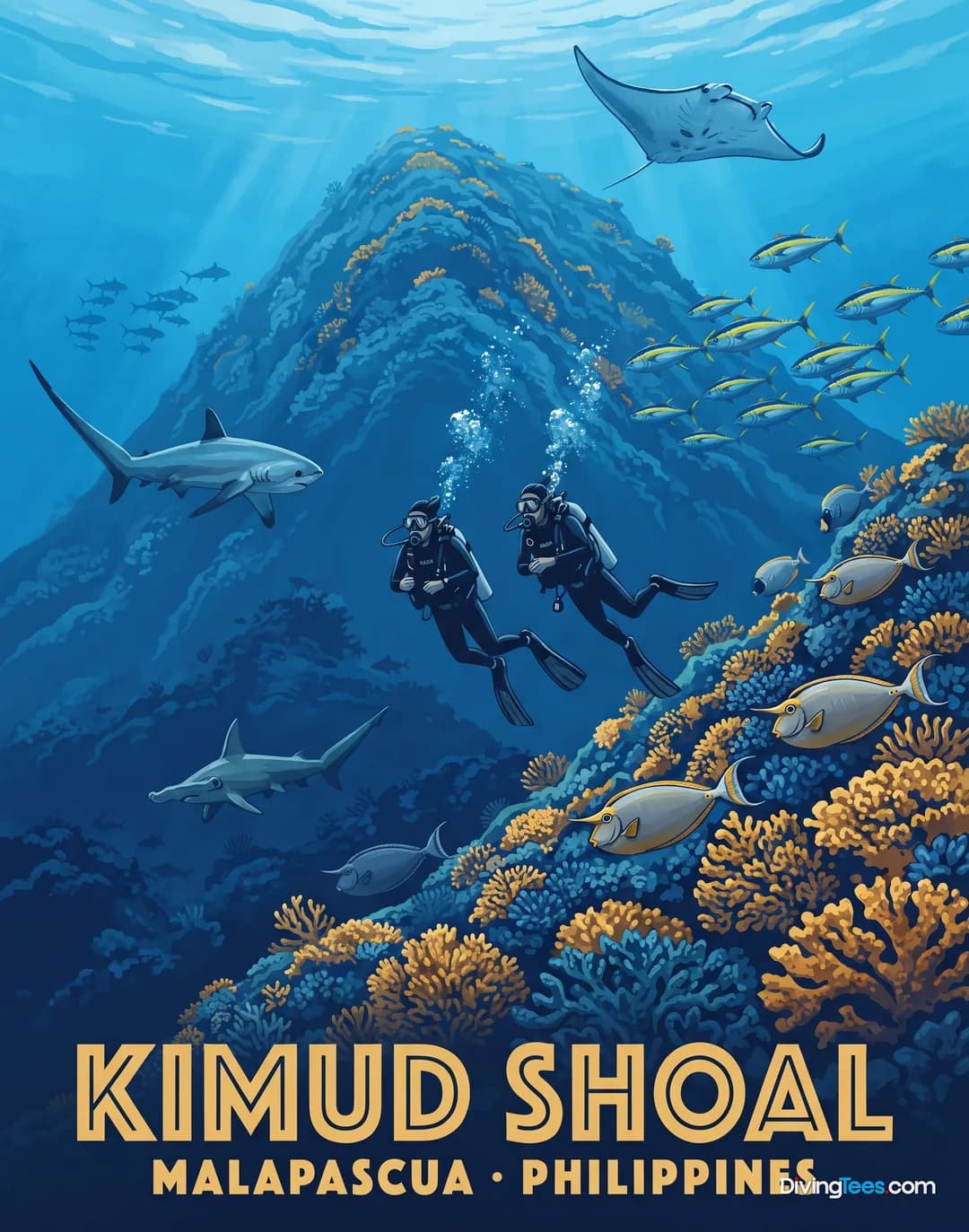
down to 22 m
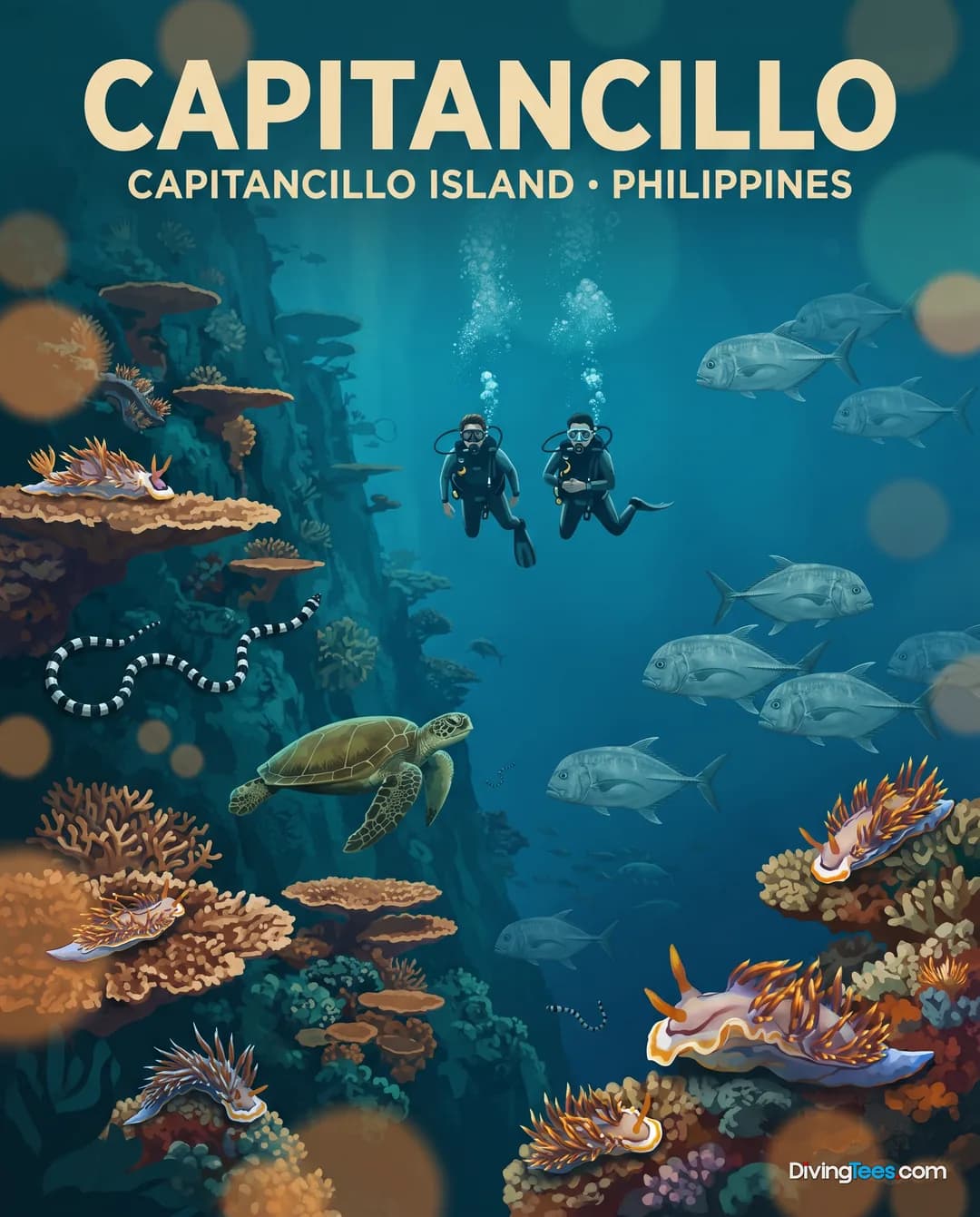
down to 40 m
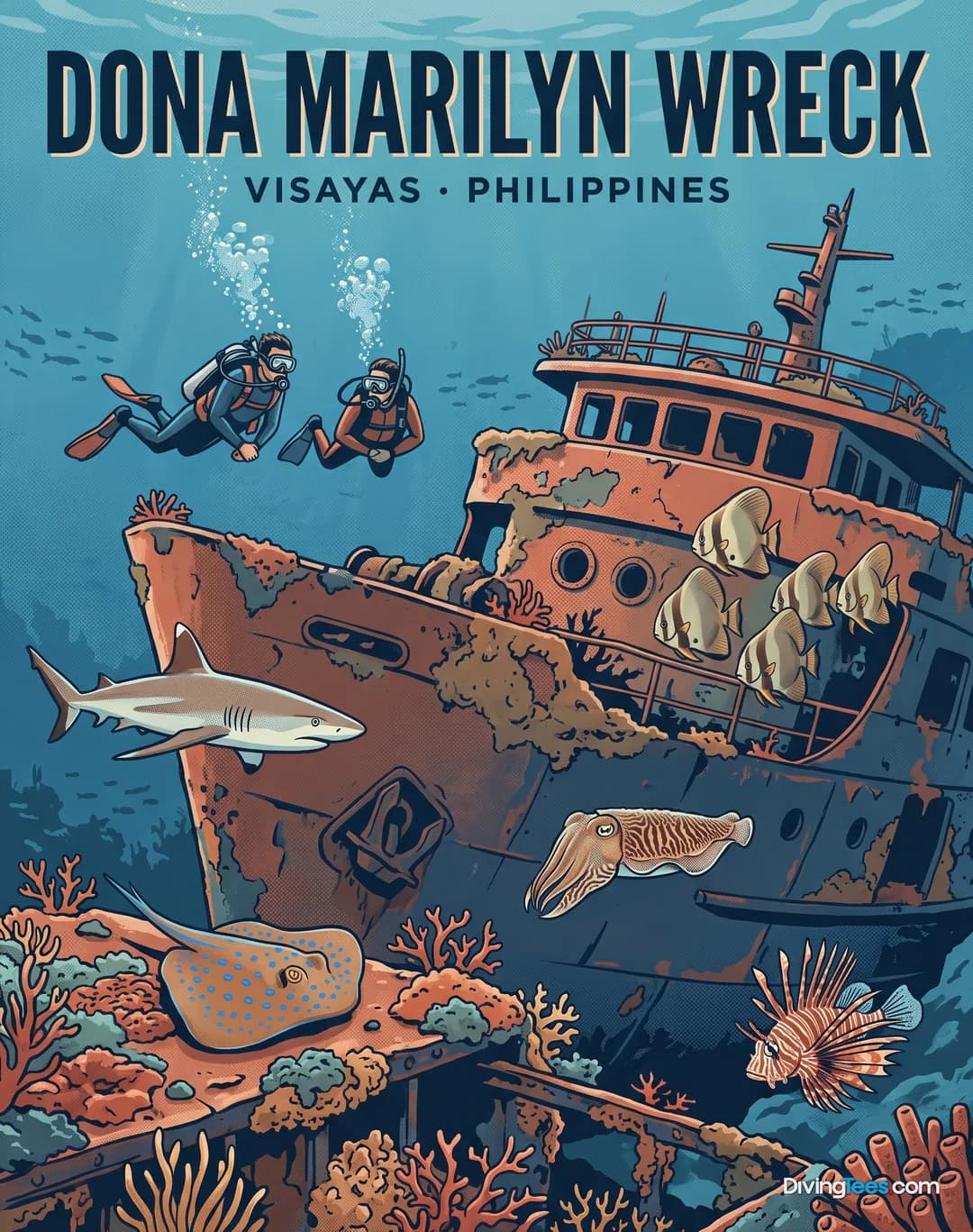
down to 33 m
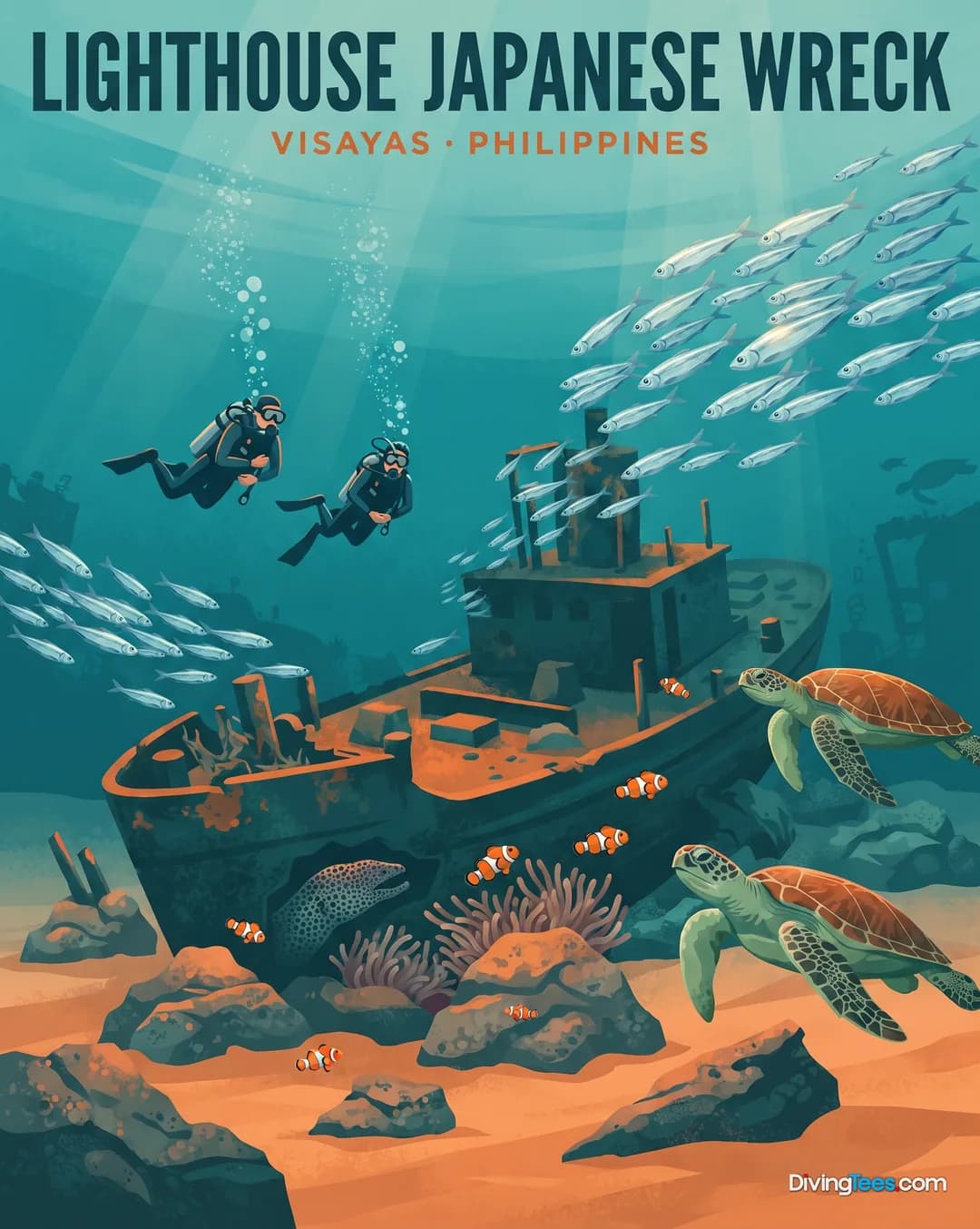
down to 5 m
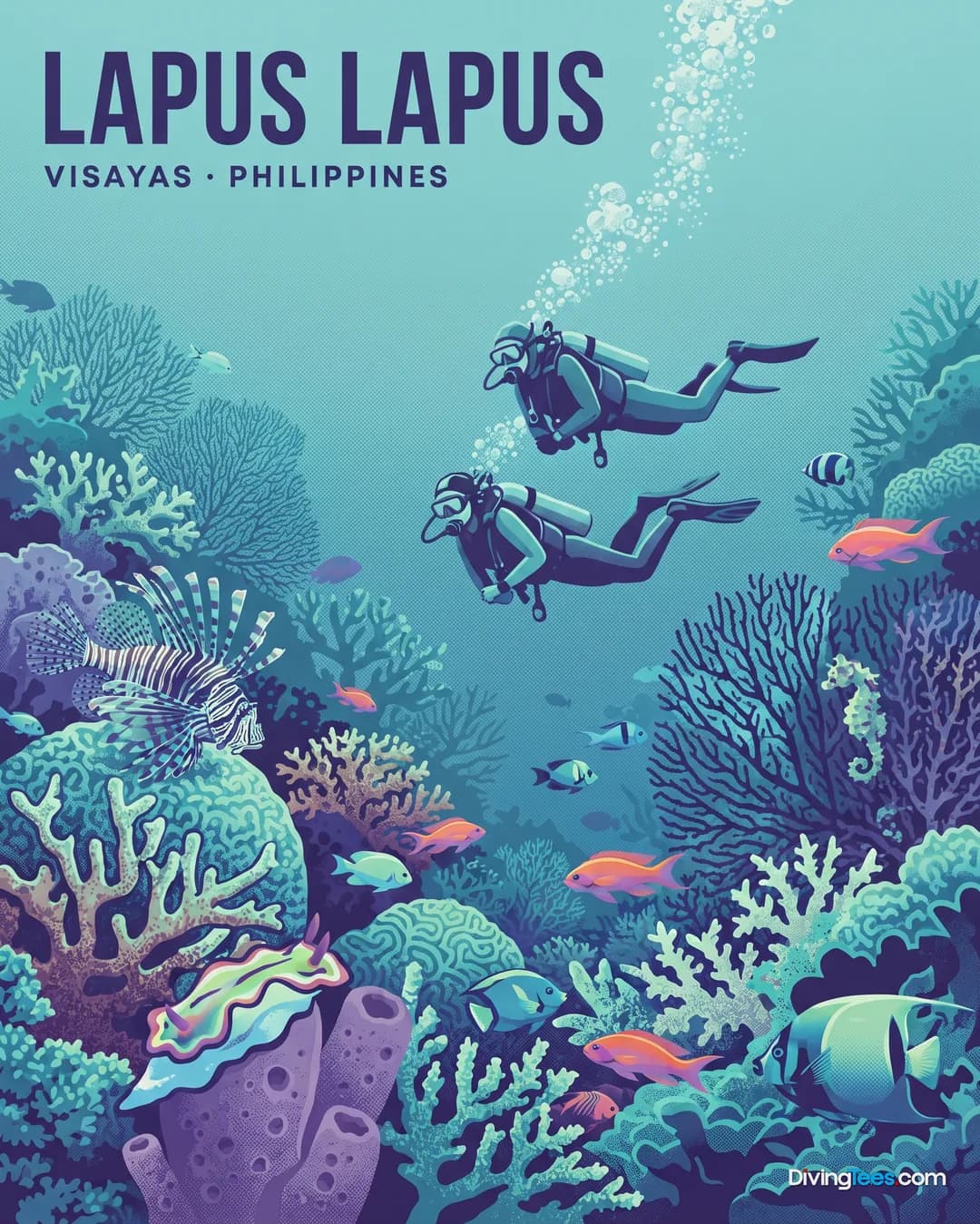
down to 20 m
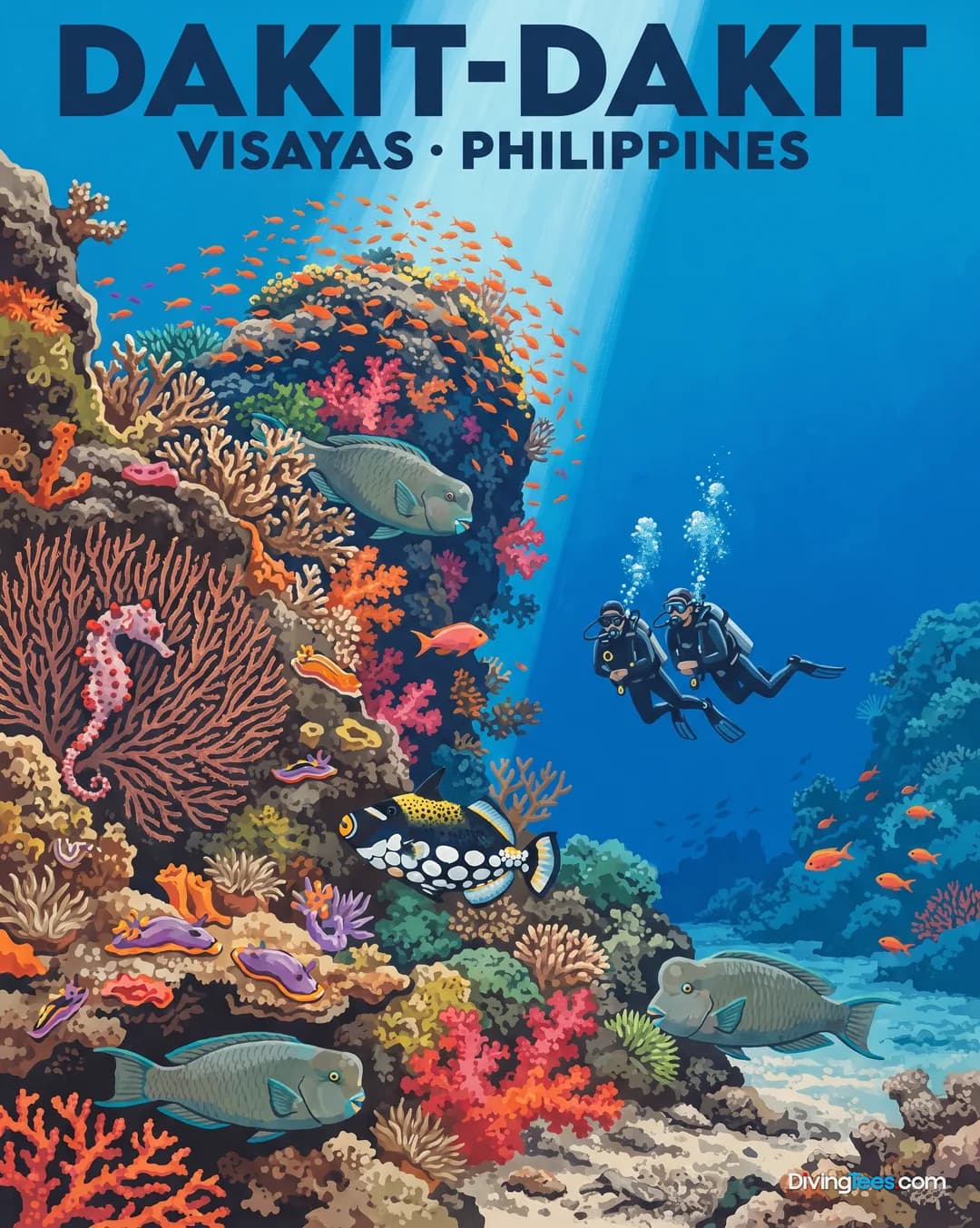
down to 12 m
And some of the dive sites the centre runs.
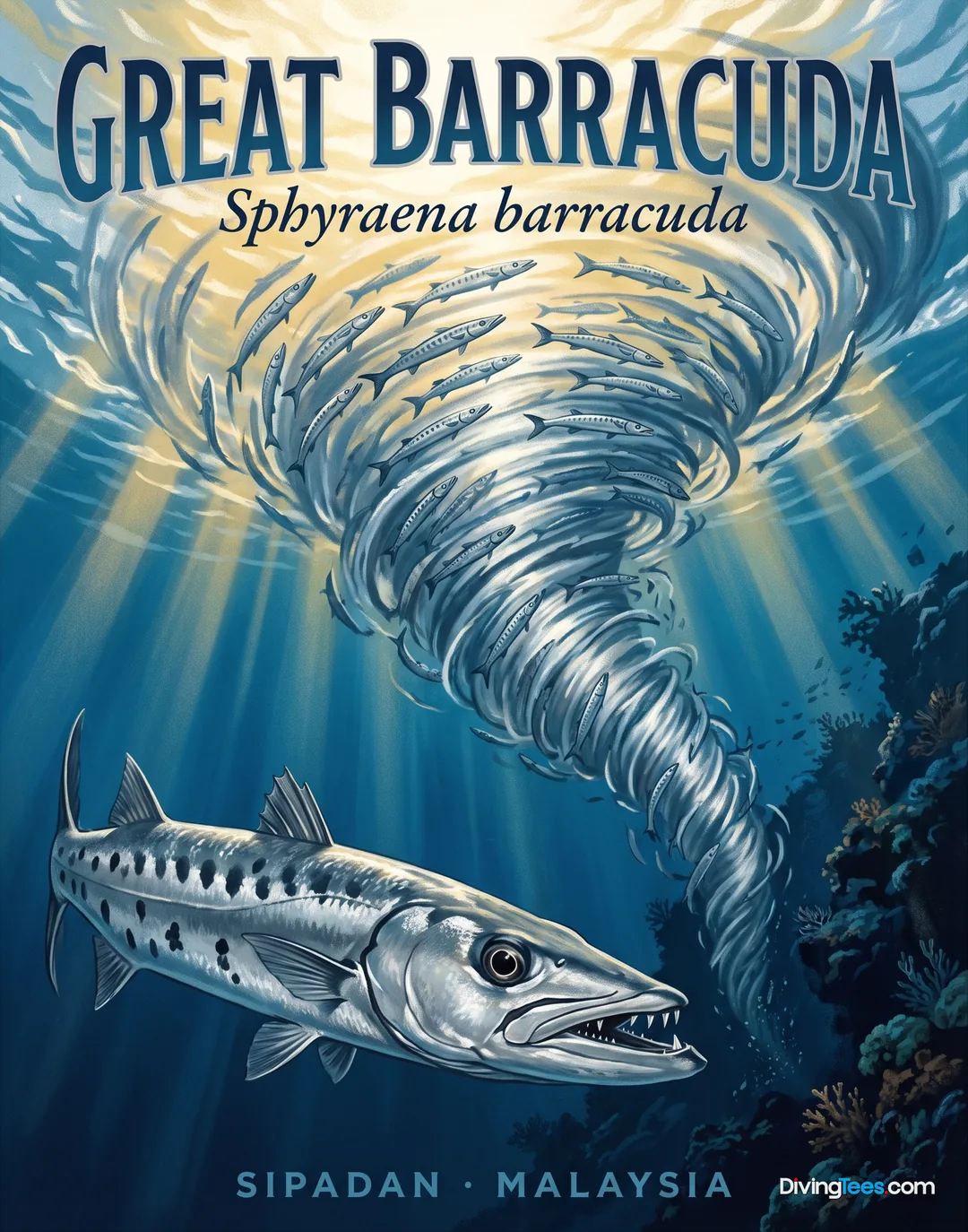
The marine life here is defined by the presence of pelagics. You can regularly encounter thresher sharks, whitetip reef sharks (Triaenodon obesus), and various species of rays. Large schools of fish, including Great barracuda (Sphyraena barracuda), tuna, and jacks (Carangidae), are common sights around the reefs.
The reef structures themselves are vibrant, featuring hard coral (Scleractinia), soft coral (Alcyonacea), gorgonian sea fans, and giant sponges. You will find a variety of reef fish, including batfish (Platax), triggerfish (Balistidae), and various wrasse (Labridae) species.
For macro enthusiasts, the area is rich with smaller creatures. Keep an eye out for mandarinfish (Synchiropus), seahorses (Hippocampus kuda), and various nudibranchs. You may also spot octopuses (Octopus vulgaris), flamboyant cuttlefish, and various species of shrimp (Caridea) tucked into the coral gardens.
The best time to visit is from March to June during the dry season, when the seas are calm and visibility is typically between 20 and 30 metres. During this period, the island is more crowded.
From November to February, the Amihan season brings slightly more agitated seas and visibility that usually ranges between 10 and 15 metres. The July to October period is the rainy season, which can bring occasional storms and more frequent rainfall.
Hello, I'm Marina, DivingDeal.com's AI assistant. I answer in detail about hotels, dive centres and liveaboards.

Thinking about the whole trip and the flights? Talk it over with Edith →
Marina is an AI. Some links are affiliate links: DivingDeal may earn a commission, at no extra cost to you. Bookings are made with the partner.
★★★
★ 9.1/10 (273 reviews)
less than 1 km away as the crow flies
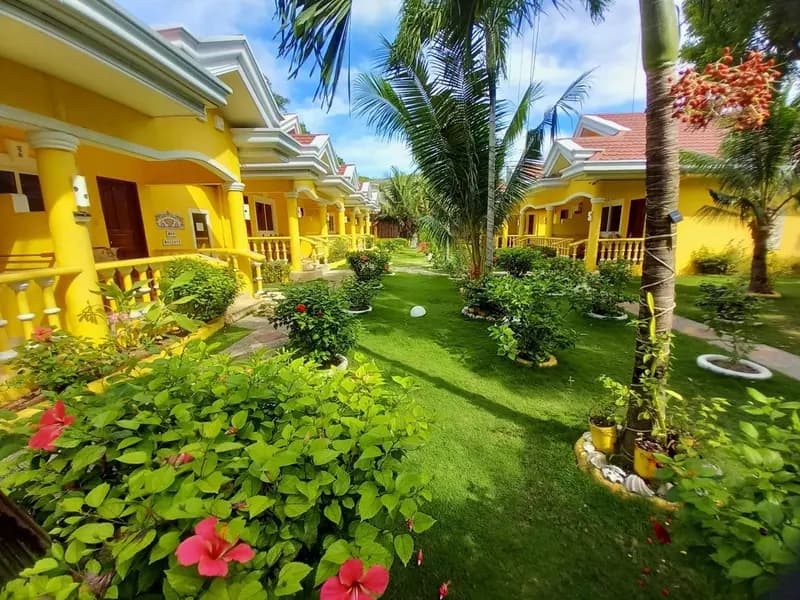
★★★
★ 8.5/10 (485 reviews)
less than 1 km away as the crow flies
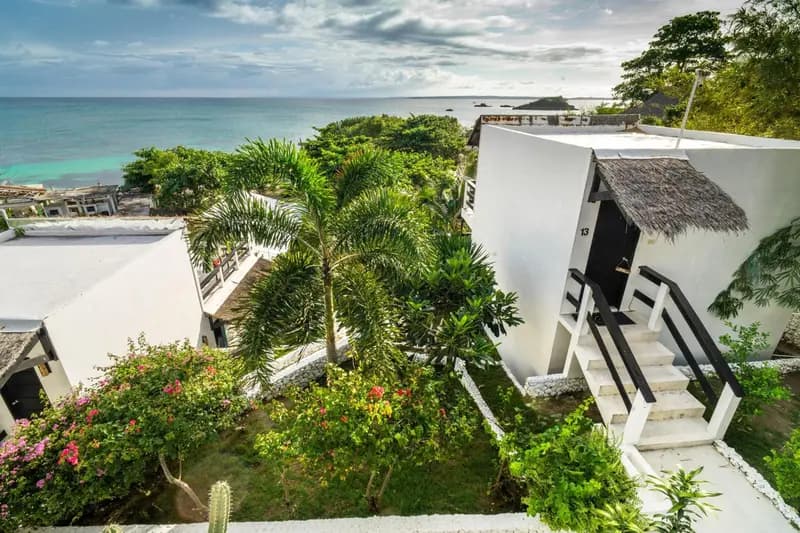
★★★
★ 9.2/10 (78 reviews)
less than 1 km away as the crow flies
★★★
★ 8.5/10 (184 reviews)
less than 1 km away as the crow flies