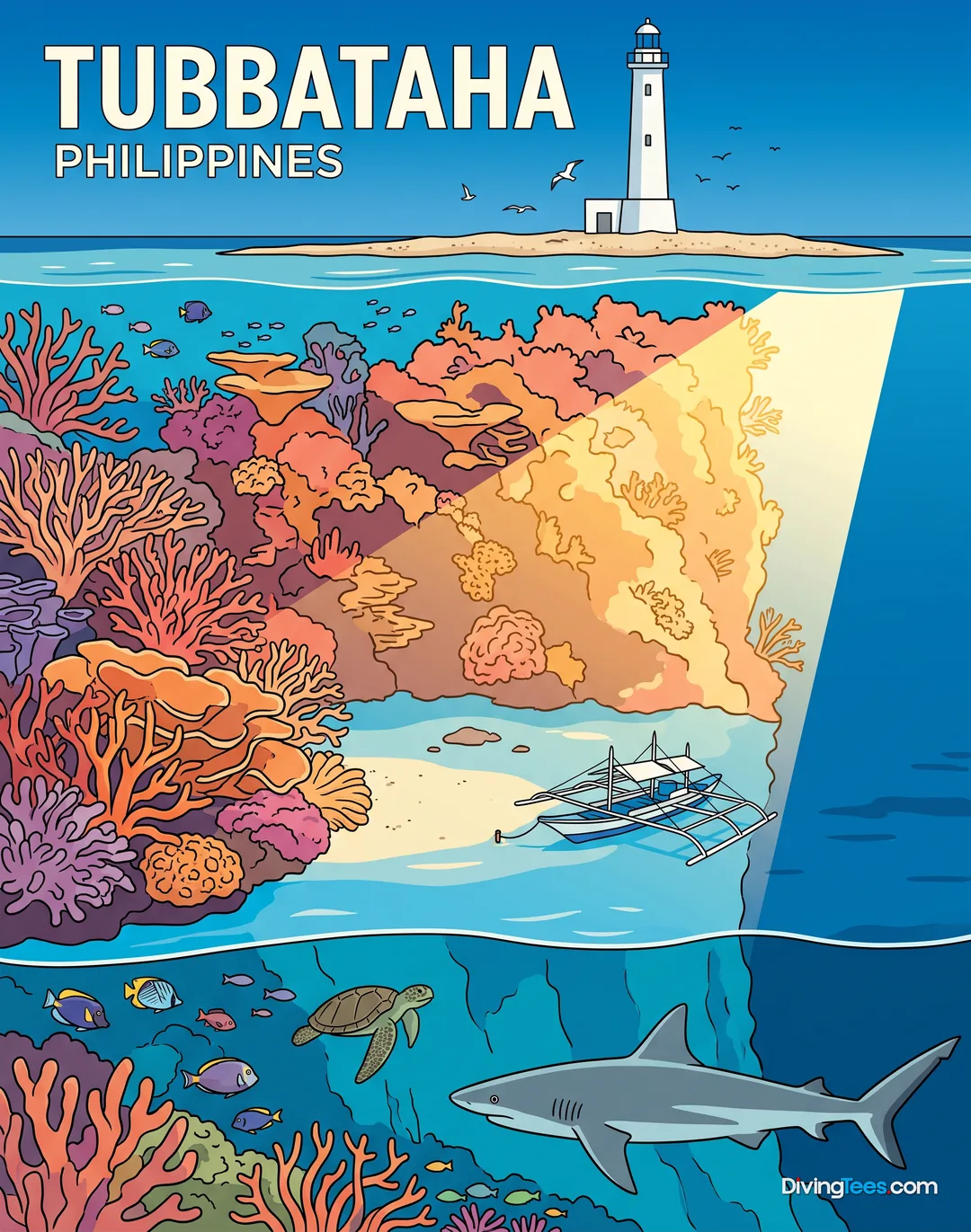
Tubbataha · Philippines · Asia
Max. depth · 30 mKo-Ok, Tubbataha: Wall diving with schooling hammerheads
Ko-Ok on the northwest side of Tubbataha's South Atoll offers a dramatic wall dive known for large pelagics and pristine coral gardens.
What makes this site special
- Steep wall covered in diverse soft and hard corals
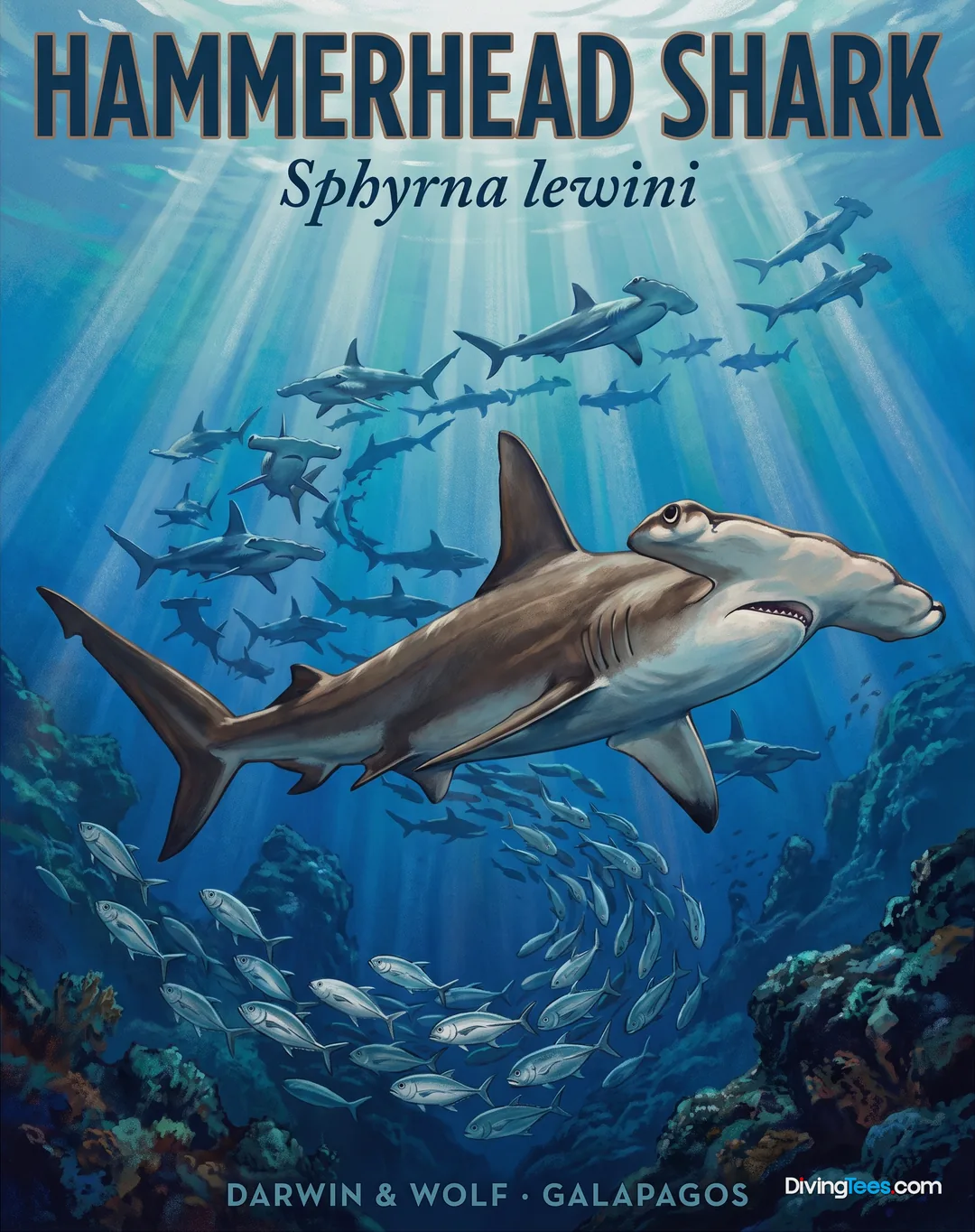
- High potential for schooling hammerhead sharks
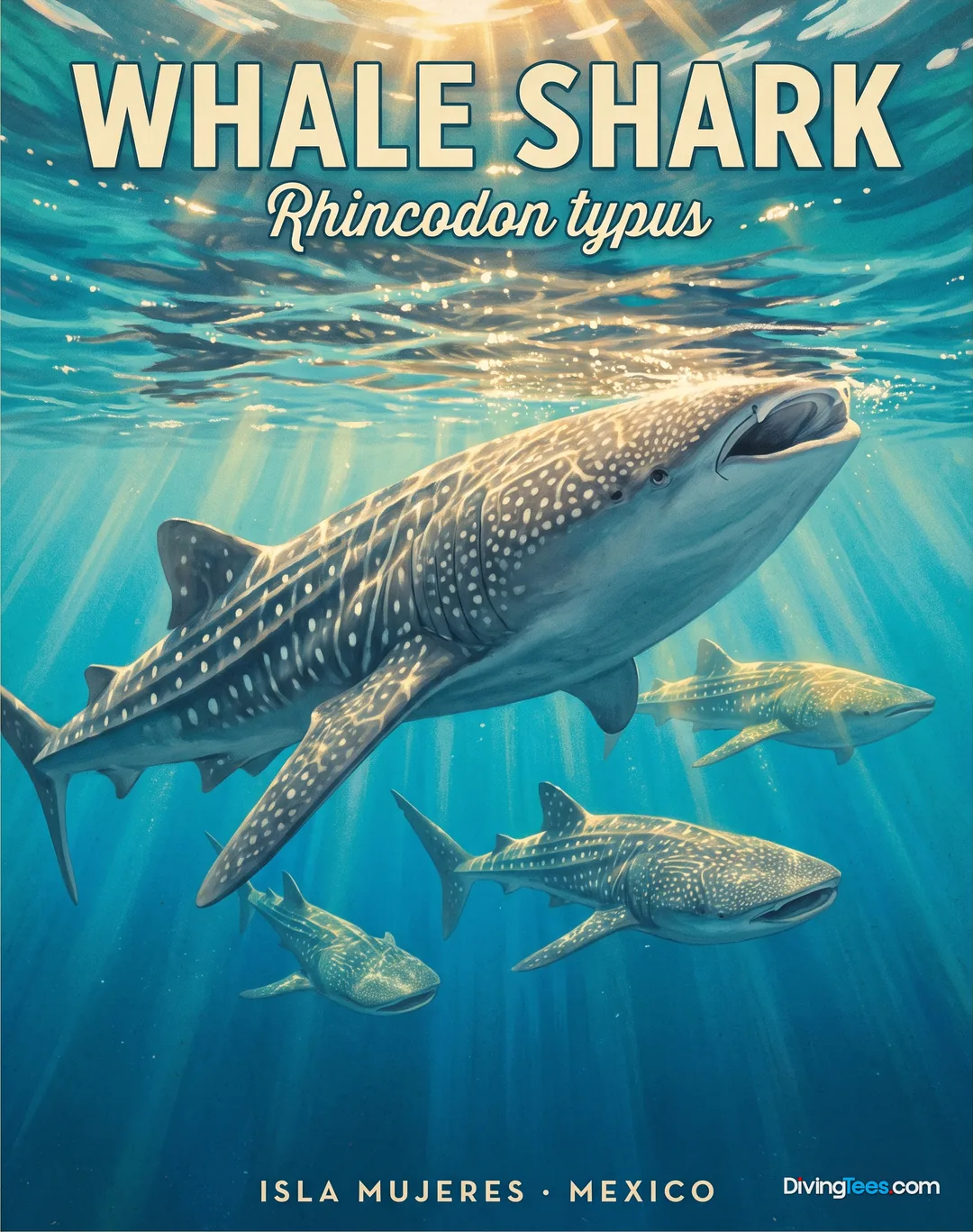
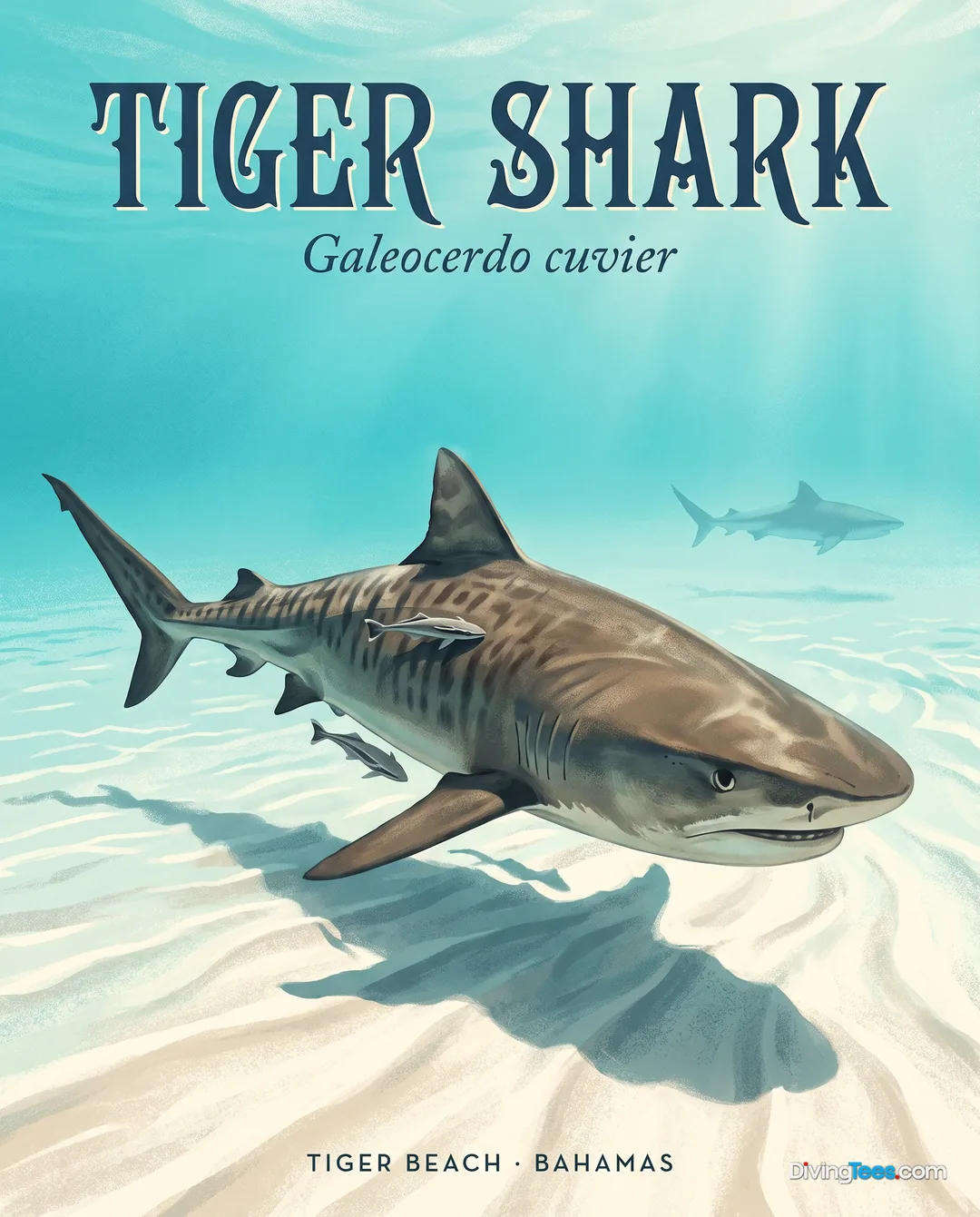
- Encounters with grey reef sharks, tiger sharks, and whale sharks
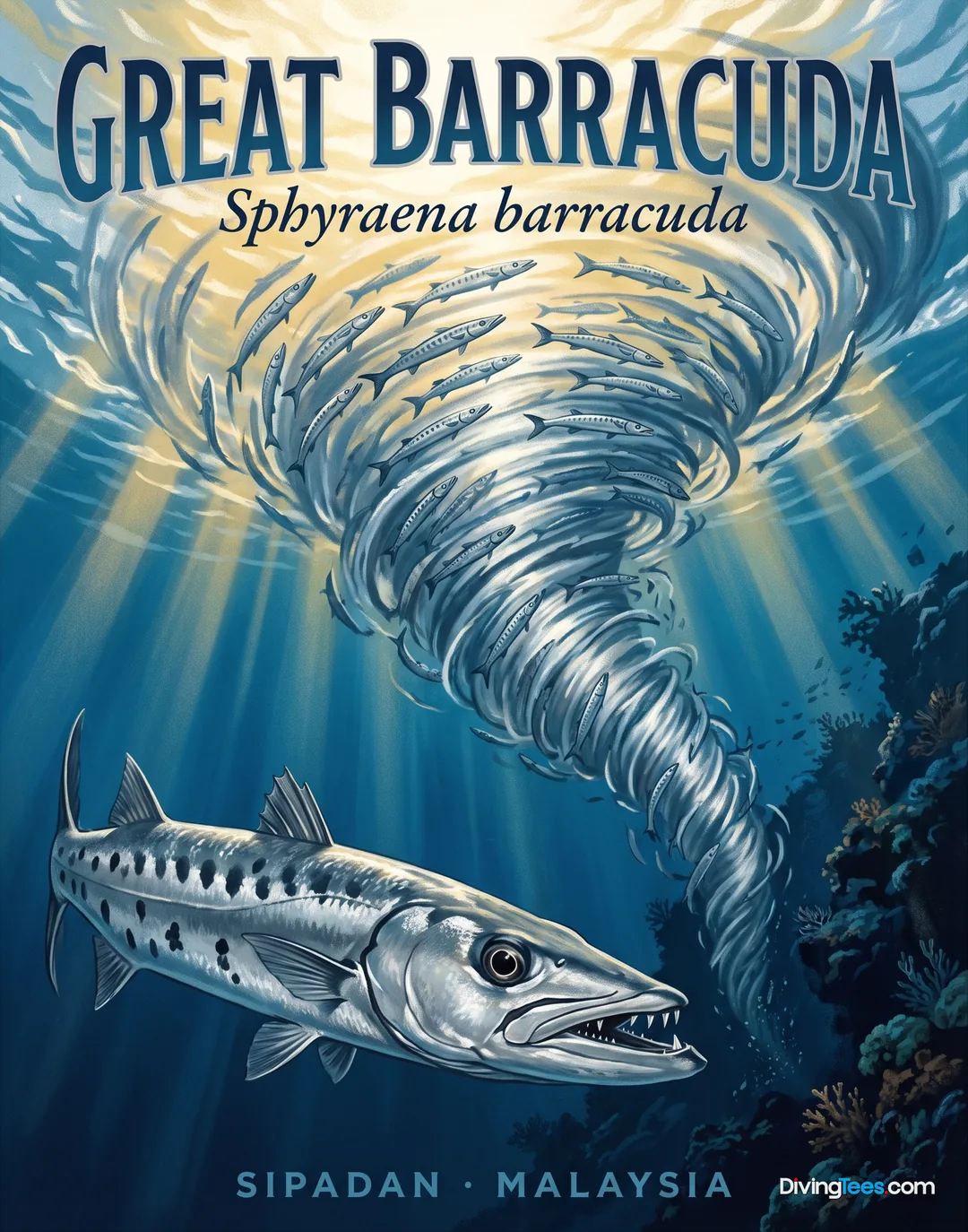
- Large schools of bumphead parrotfish and giant barracuda
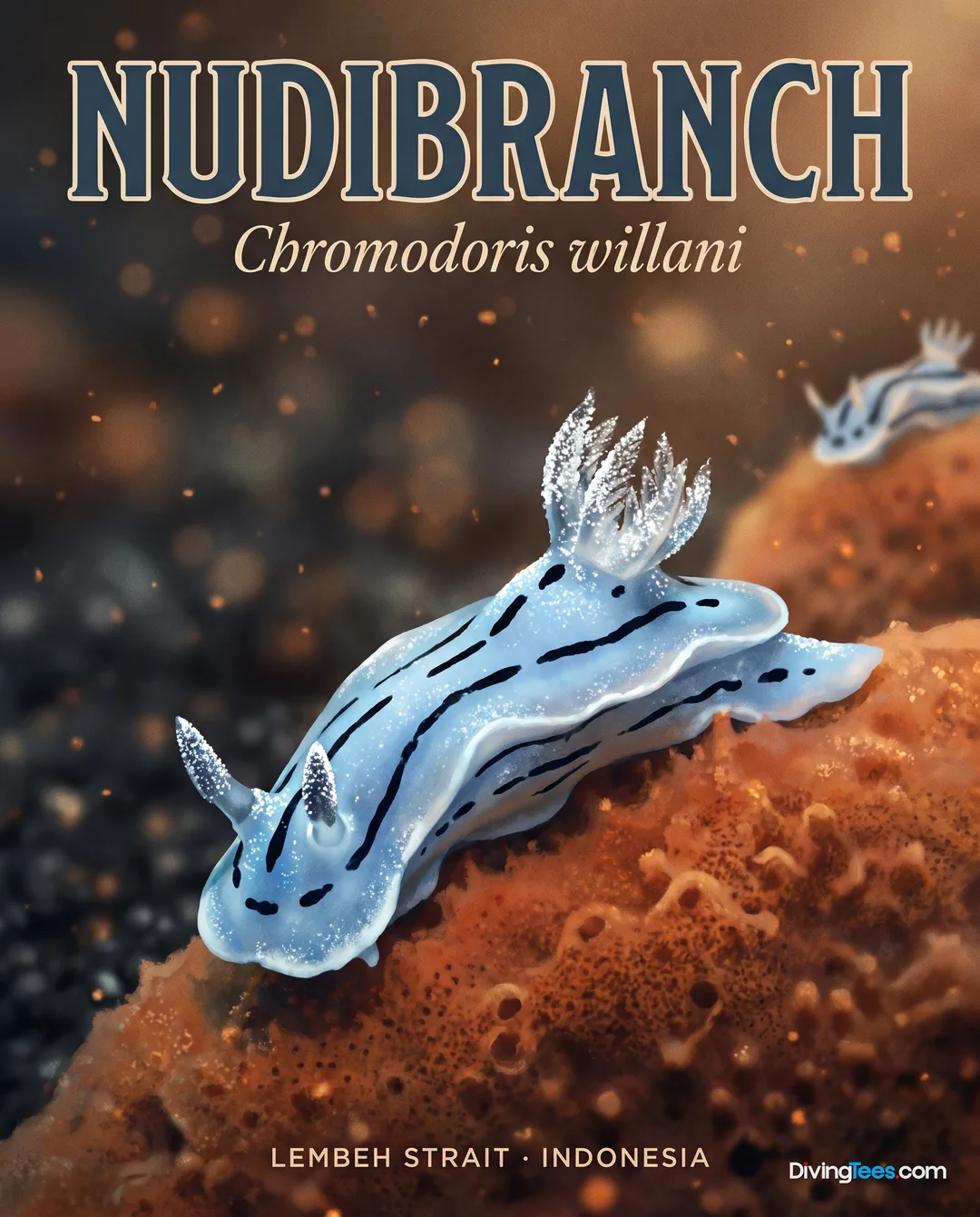
- Pygmy seahorses, nudibranchs, cleaner shrimp on the wall
- Visually striking coral terraces at sunset
- Excellent visibility, typically 30 to 37 metres
For subtitles in English: start the video firstthen click the gearat the top right of the video, select “Subtitles/CC”, then “Auto-translate” and choose “English”.
Ko-Ok about the site
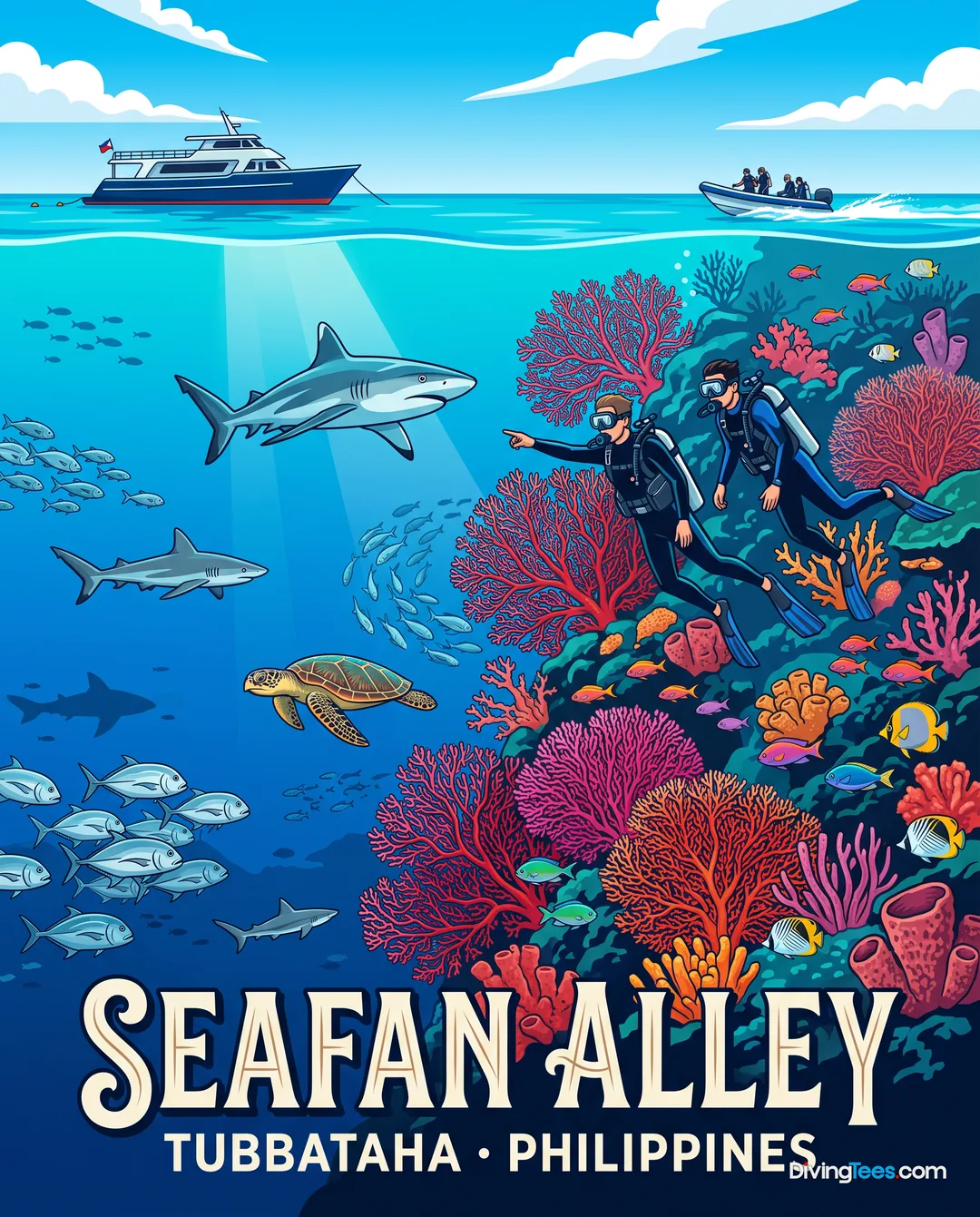
Ko-Ok sits on the northwest tip of Tubbataha's South Atoll, presenting a topography that transitions from a shallow reef crest at 3 metres to a steep drop-off. The wall itself is a tapestry of life, richly adorned with a variety of soft and hard corals, including large gorgonian sea fans and impressive barrel sponges. As you descend, the sheer face reveals terraces of coral growth, providing shelter and feeding grounds for a wide array of reef inhabitants.
The dive profile at Ko-Ok often begins near the reef top, allowing you to gradually explore the wall as it plunges into the blue. The initial section between 3 and 10 metres is a vibrant coral garden, dense with life, before the wall truly drops away. This transition zone is where you can find smaller, more cryptic species, while the deeper sections are where the pelagic action tends to unfold.
What sets Ko-Ok apart is its reputation for large pelagic encounters, particularly schooling hammerhead sharks. While not guaranteed on every dive, the site offers a strong chance to witness these impressive predators, especially along the deeper wall sections and in the open blue off the tip of the atoll. The current here can bring in nutrient-rich water, attracting these apex predators.
Beyond hammerheads, you can regularly encounter other large species such as grey reef sharks, and the occasional tiger shark or whale shark patrolling the deeper water column. Giant barracuda and bigeye jacks form dense schools, particularly where the current is more pronounced, creating dynamic spectacles against the backdrop of the wall. Manta rays are also a possibility, often gliding silently along the currents.
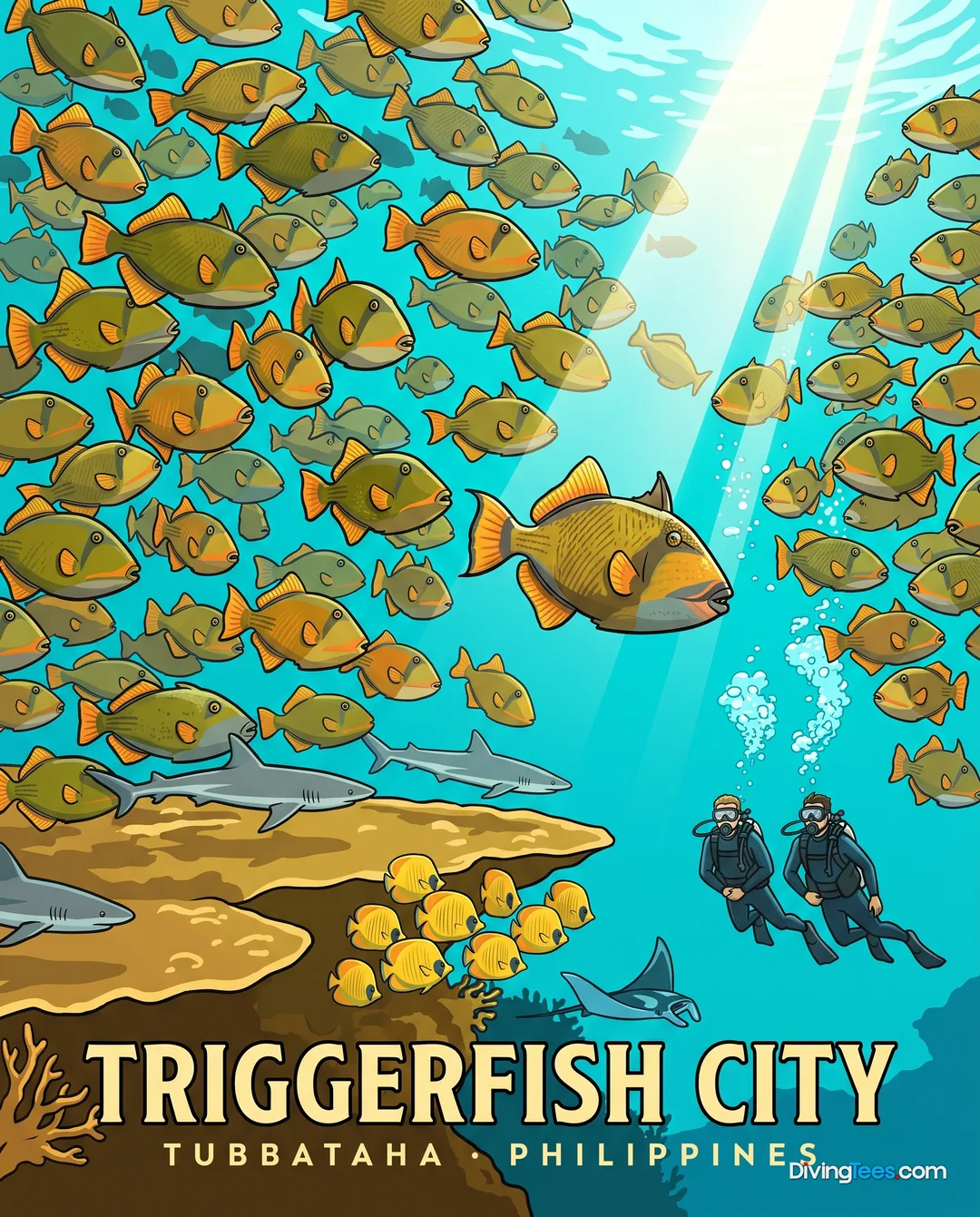
The resident reef community at Ko-Ok is equally compelling. Large schools of bumphead parrotfish are a notable feature, often seen grazing on the corals. Fusiliers and snappers navigate the reef structure in dense formations, while closer inspection of the wall reveals pygmy seahorses, various nudibranchs, cleaner shrimp, and porcelain crabs hidden among the coral branches and crevices. The sheer density and diversity of invertebrates contribute significantly to the site's richness.
Currents at Ko-Ok are variable; while often calm, they can pick up, especially with tidal changes or larger ocean swells impacting the atoll. When the current strengthens, it often dictates a drift dive along the wall, which can be an efficient way to cover ground and maximise encounters with pelagics. Always be prepared for conditions that can shift during your dive.
Diving Ko-Ok in the late afternoon offers a different perspective as the low sun illuminates the coral terraces and soft corals along the wall. This golden hour light enhances the colours and shadows, making for a visually striking end to the day. The site's combination of pristine reef, dramatic wall, and consistent pelagic activity makes it a cornerstone dive in Tubbataha.
Diving Ko-Ok: the marine life you’ll meet

Diving conditions
Ko-Ok is accessible from a minimum depth of 3 metres and drops to 30 metres. It requires an Advanced certification and comfort with wall drift dives, as currents can be variable, ranging from calm to strong, particularly with tidal shifts. Visibility typically ranges from 30 to 37 metres. The best season for diving Ko-Ok is from mid-March to mid-June, outside the monsoon period.
Three dives not to miss
Map of dive sites in Tubbataha
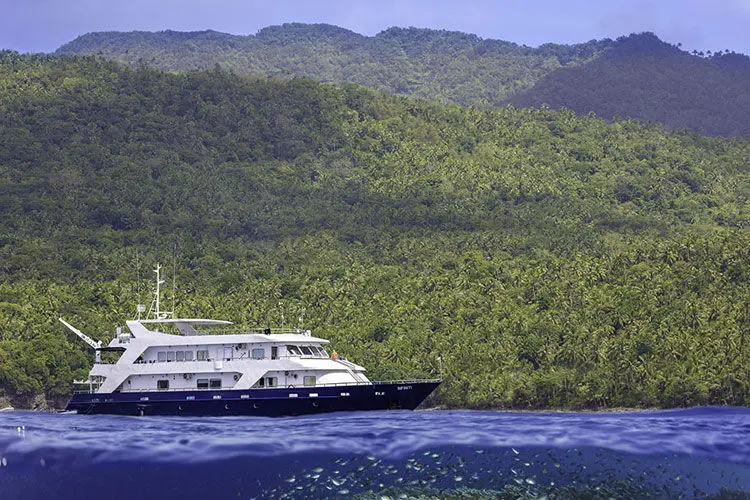
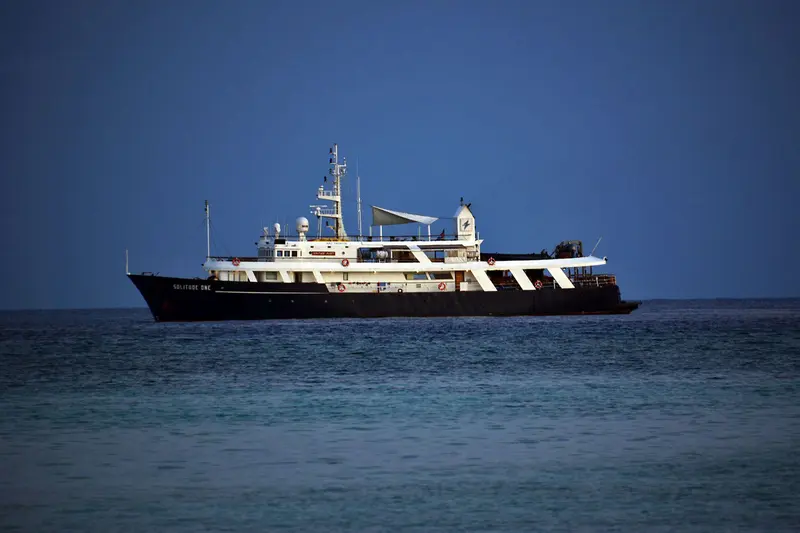
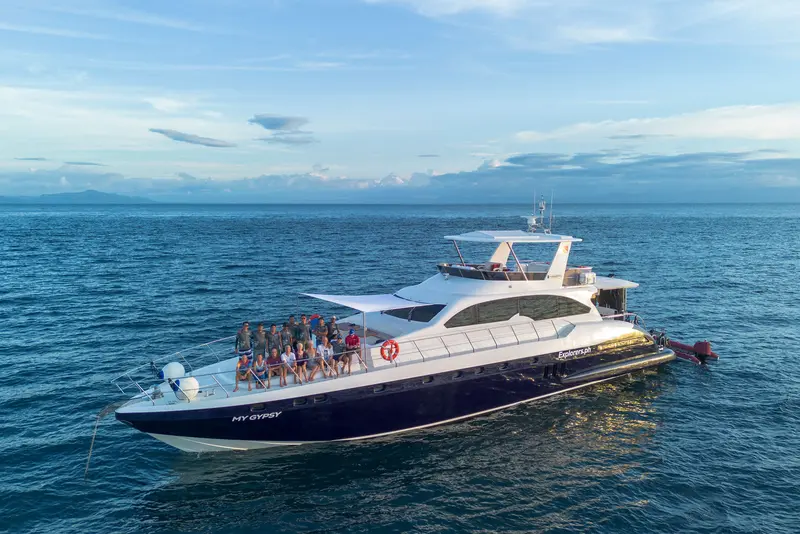
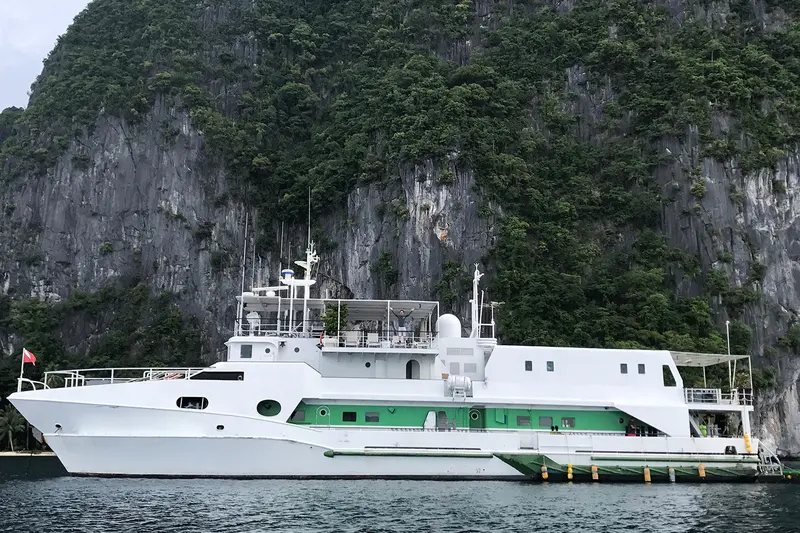
Dive liveaboards Tubbataha
14 liveaboards run trips to Tubbataha.
Frequently asked questions about Ko-Ok
When should you dive Ko-Ok?
The best season to dive Ko-Ok is from mid-March to mid-June, outside the monsoon period. A late-afternoon dive offers a different view, as low sun illuminates the coral terraces and soft corals along the wall, creating striking colours and shadows across the reef.
What certification and current experience do you need for Ko-Ok?
Ko-Ok requires Advanced certification and comfort with wall drift dives. Currents can range from calm to strong, particularly with tidal shifts or larger ocean swells. When the current strengthens, the dive often becomes a drift along the wall, so you should be prepared for changing conditions.
How deep is Ko-Ok?
Ko-Ok begins at a minimum depth of 3 metres and drops to 30 metres. You can start at the shallow reef crest, explore a vibrant coral garden between 3 and 10 metres, then follow the steep wall into deeper water where pelagic activity tends to unfold.
What can you see while diving Ko-Ok?
At Ko-Ok, you can see soft and hard corals, gorgonian sea fans, barrel sponges, and coral terraces along the wall. Encounters may include schooling hammerhead sharks, grey reef sharks, tiger sharks, whale sharks, bumphead parrotfish, giant barracuda, pygmy seahorses, nudibranchs, and cleaner shrimp.