
Khao Lak Scuba Adventures
★ 4.9/5 (1,490 reviews)
66 km away as the crow flies
Khao Lak · Thailand · Asia
Max. depth · 40 mDescend into the Similan Islands' underwater landscapes, where vibrant coral reefs transition into dramatic granite boulder formations, drawing pelagic species and reef inhabitants alike.
For subtitles in English: start the video firstthen click the gearat the top right of the video, select “Subtitles/CC”, then “Auto-translate” and choose “English”.
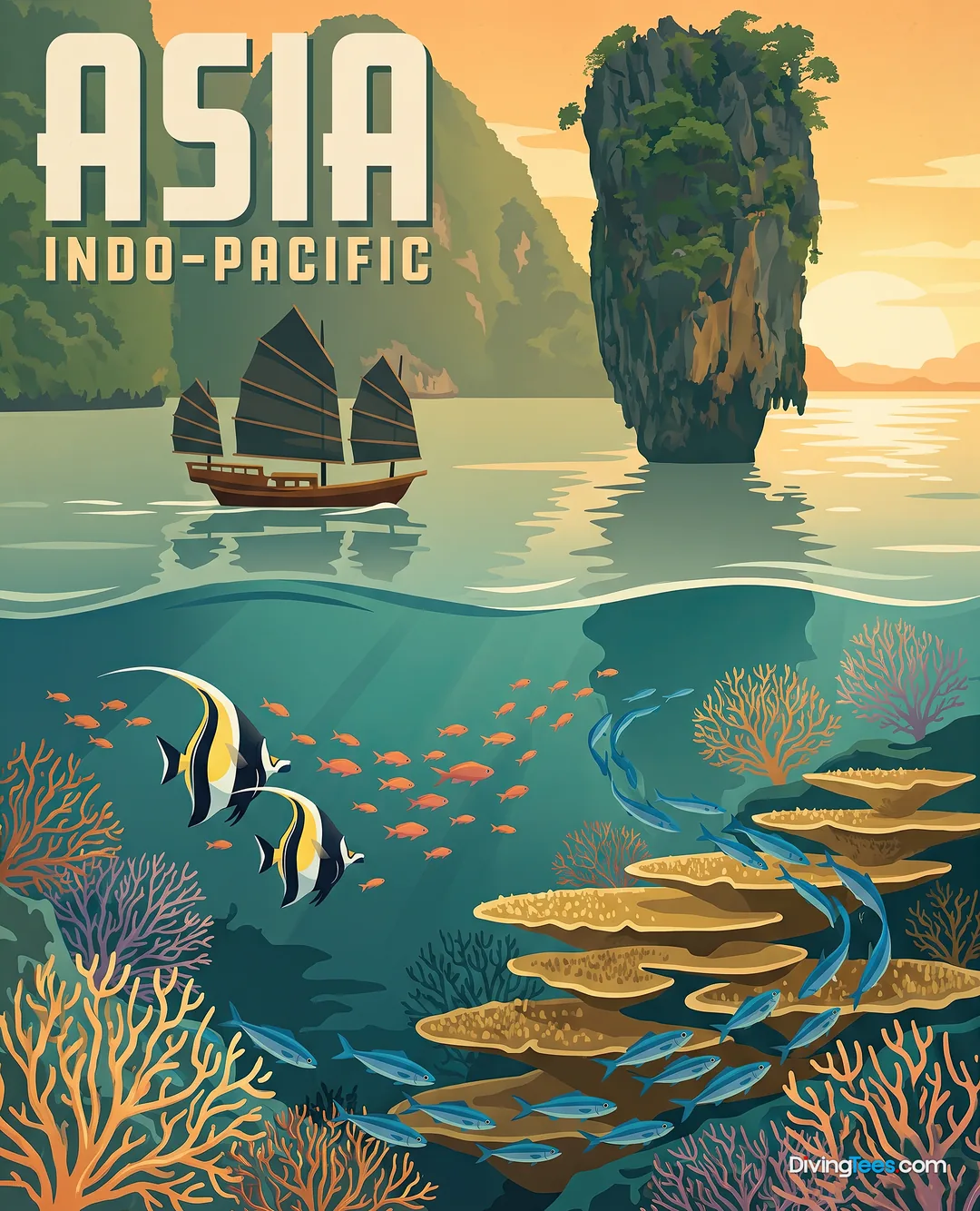
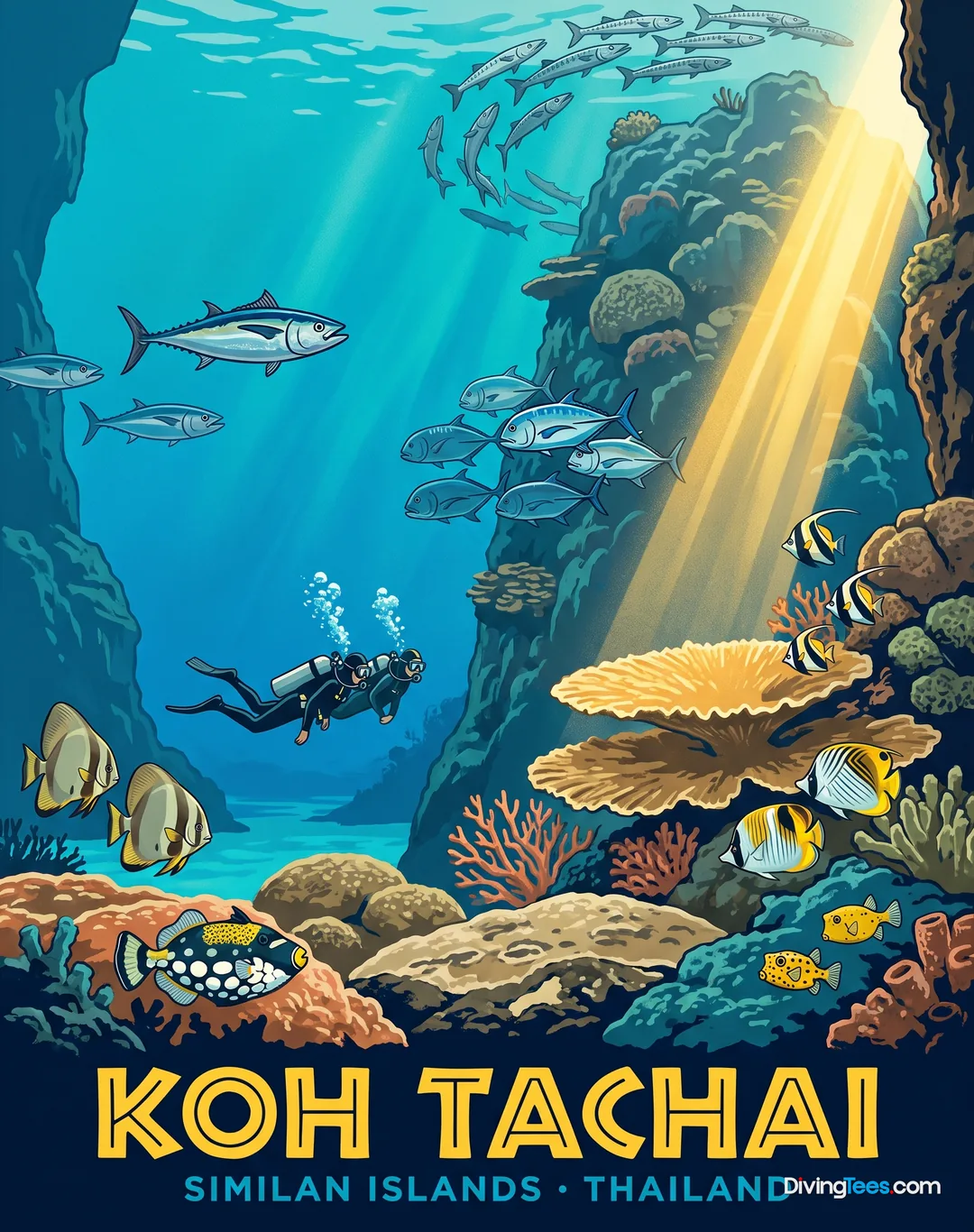
The Similan Islands, an archipelago of nine uninhabited islands, are located approximately 70 kilometers west of Khao Lak in the Andaman Sea. Declared a national marine park in 1982, the islands are characterized by lush tropical forests, dense jungle, and large granite rock formations above water. Underwater, these features extend into extensive hard and soft coral reefs and subaqua granite boulders. The eastern dive sites generally consist of gently sloping coral reefs, while the western side is dominated by dynamic rocky formations that create a different dive profile.
Access to the Similans is typically via day trips or liveaboards, primarily from Khao Lak or Phuket. The national park operates seasonally, usually from mid-October to mid-May, aligning with the calmer sea conditions and optimal visibility. While the park headquarters is on Island No. 4 (Koh Miang), and Island No. 8 (Koh Similan) features the notable Sail Rock viewpoint at Ao Guerk (Donald Duck Bay), the underwater topography is the primary draw for divers, offering a range of sites from shallow coral gardens to deeper rocky environments.
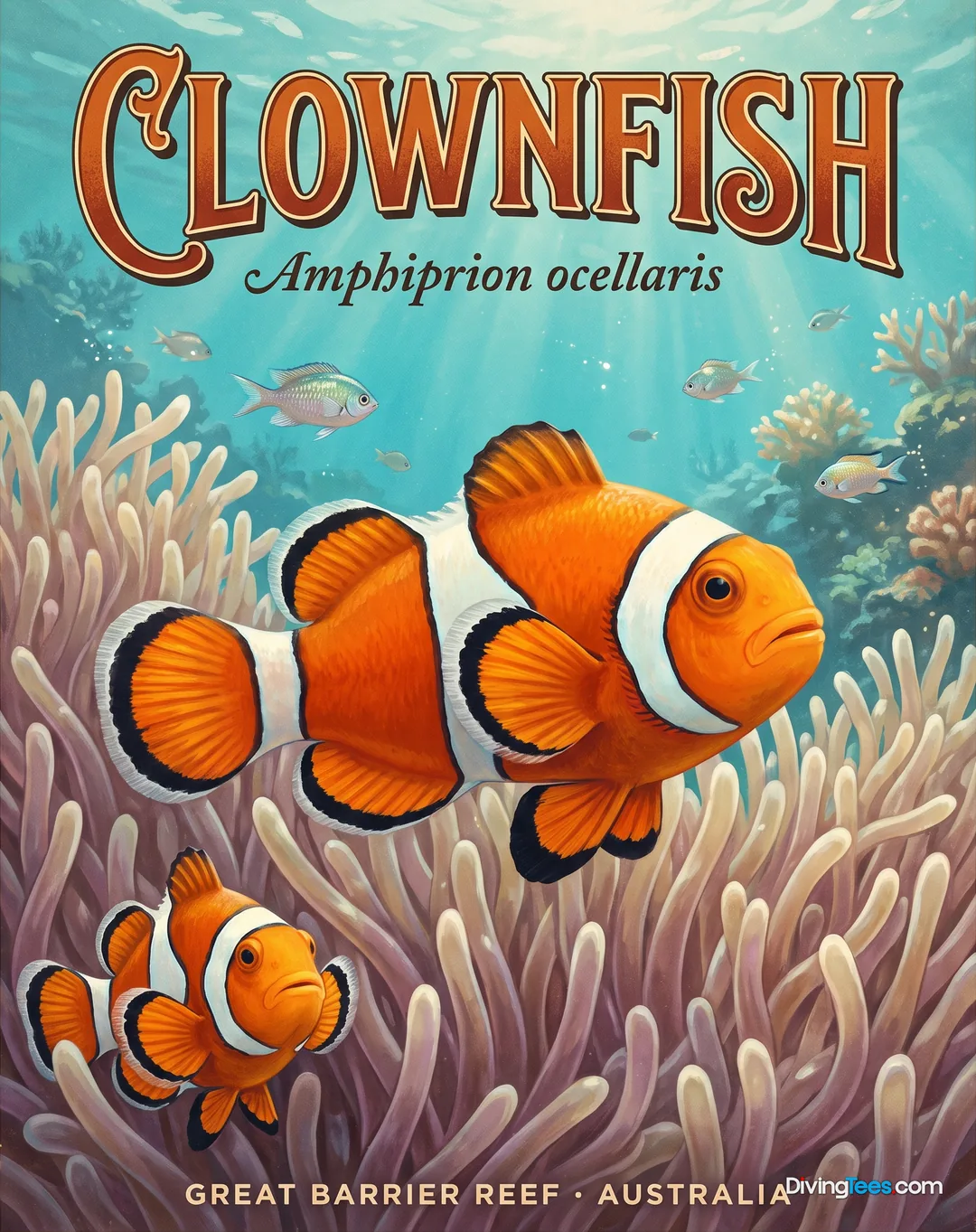
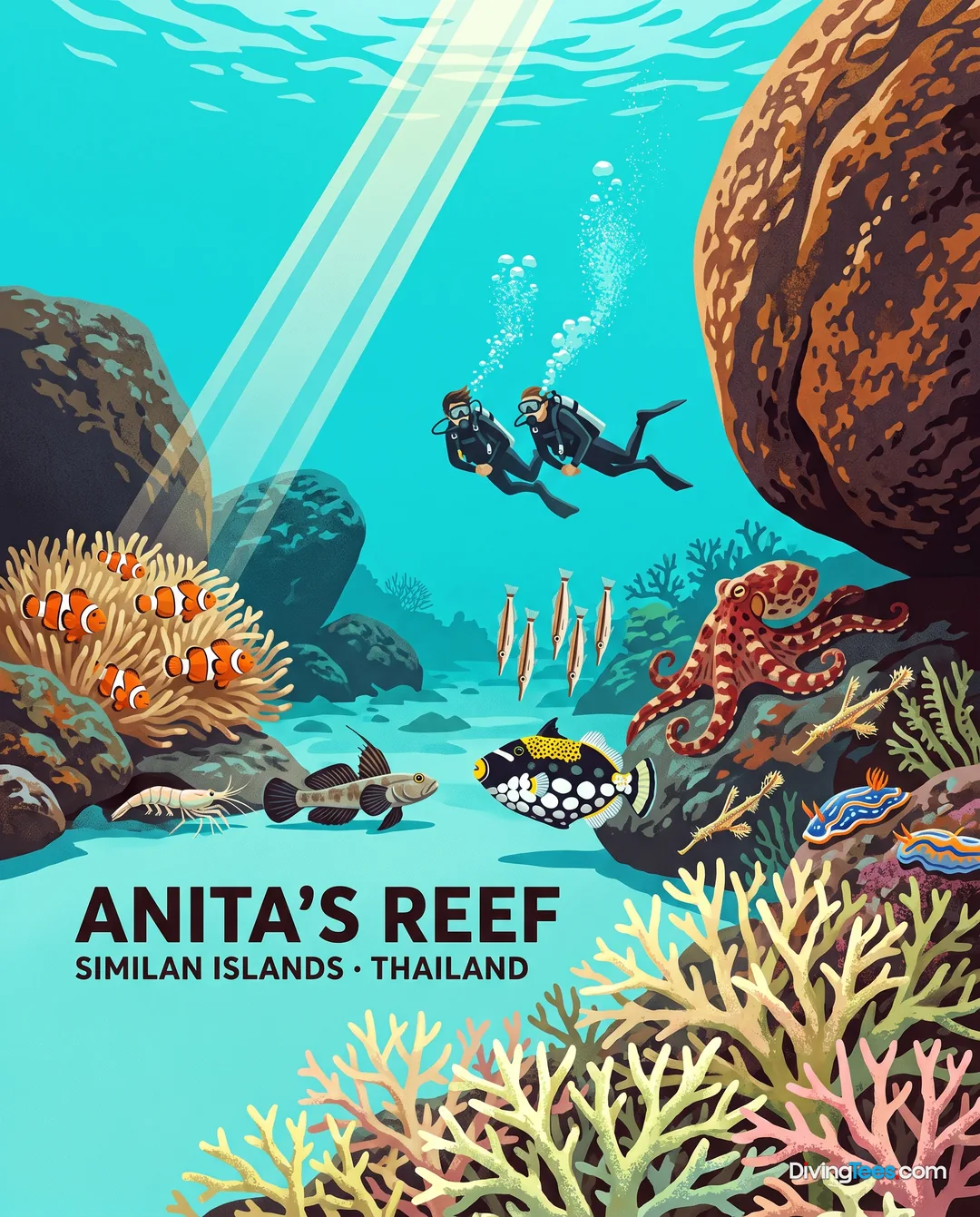
Diving in the Similans presents diverse underwater topography. The eastern sites are often characterized by extensive coral gardens, anemones, and a profusion of colorful reef fish, generally in shallower, calmer waters suitable for divers of various experience levels. Here you can find butterflyfish, angelfish, lionfish, snappers, and clownfish among the corals. These reefs also serve as foraging grounds for green sea turtles (Chelonia mydas) and hawksbill sea turtles (Eretmochelys imbricata).
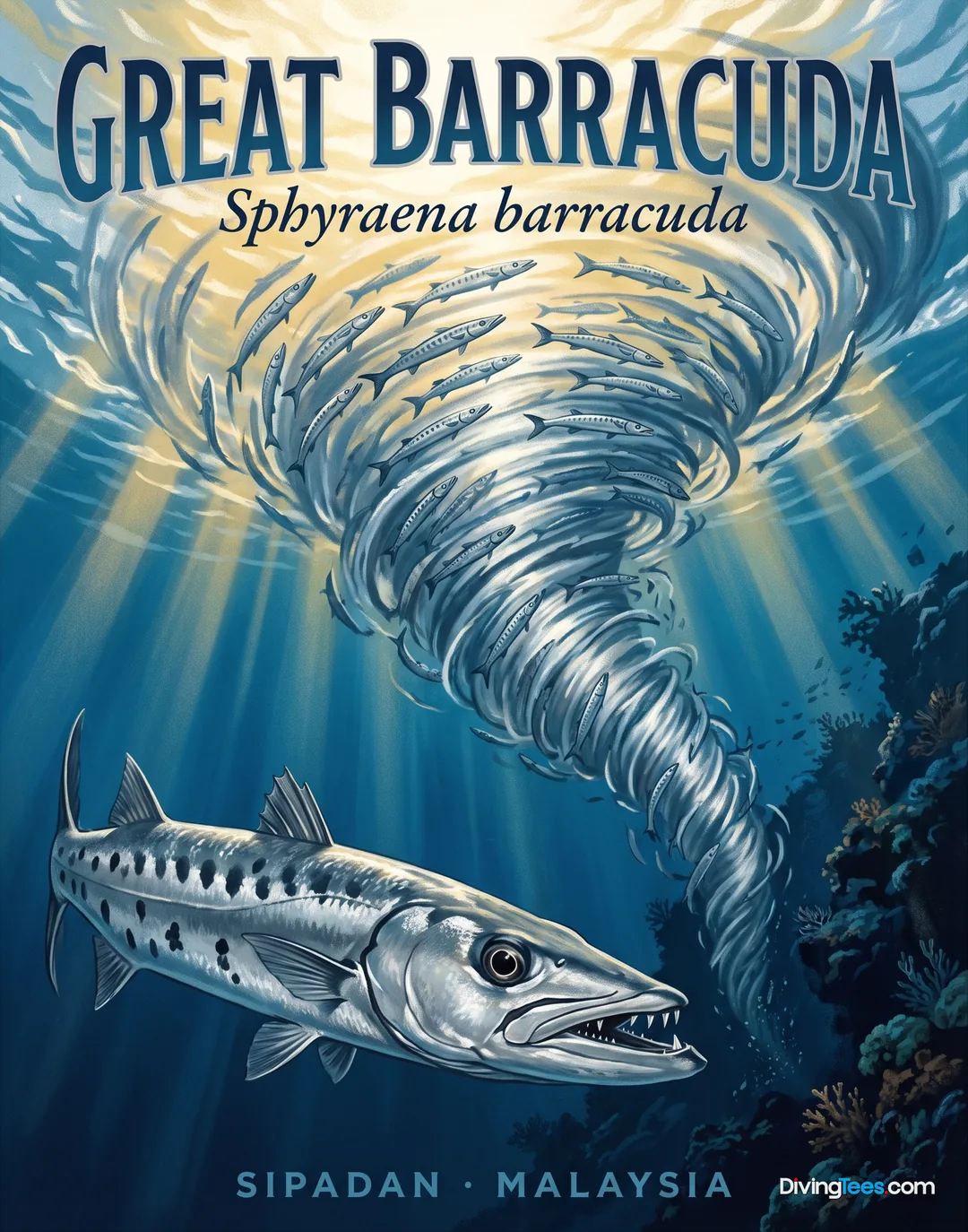
The western dive sites contrast sharply with their eastern counterparts, defined by massive granite boulders that form swim-throughs, tunnels, and dramatic underwater landscapes. Sites like Elephant Head Rock and Christmas Point offer complex environments with crevices and overhangs. These formations often channel currents, attracting larger pelagic species. Encounters with white-tip reef sharks (Triaenodon obesus), leopard sharks (Stegostoma tigrinum), and various barracuda species (Sphyraena barracuda) are common here. The topography demands careful buoyancy control as you navigate the rock formations.
Currents in the Similan Islands can range from mild to very strong, particularly around the western rocky sites and pinnacles, where strong currents influence the dive strategy. These stronger currents bring in nutrients, contributing to the rich biodiversity observed. Divers should be prepared for varying conditions, which can shift depending on tides and specific site layouts. Understanding the local current patterns is essential for planning dives here, especially when targeting encounters with larger pelagics.
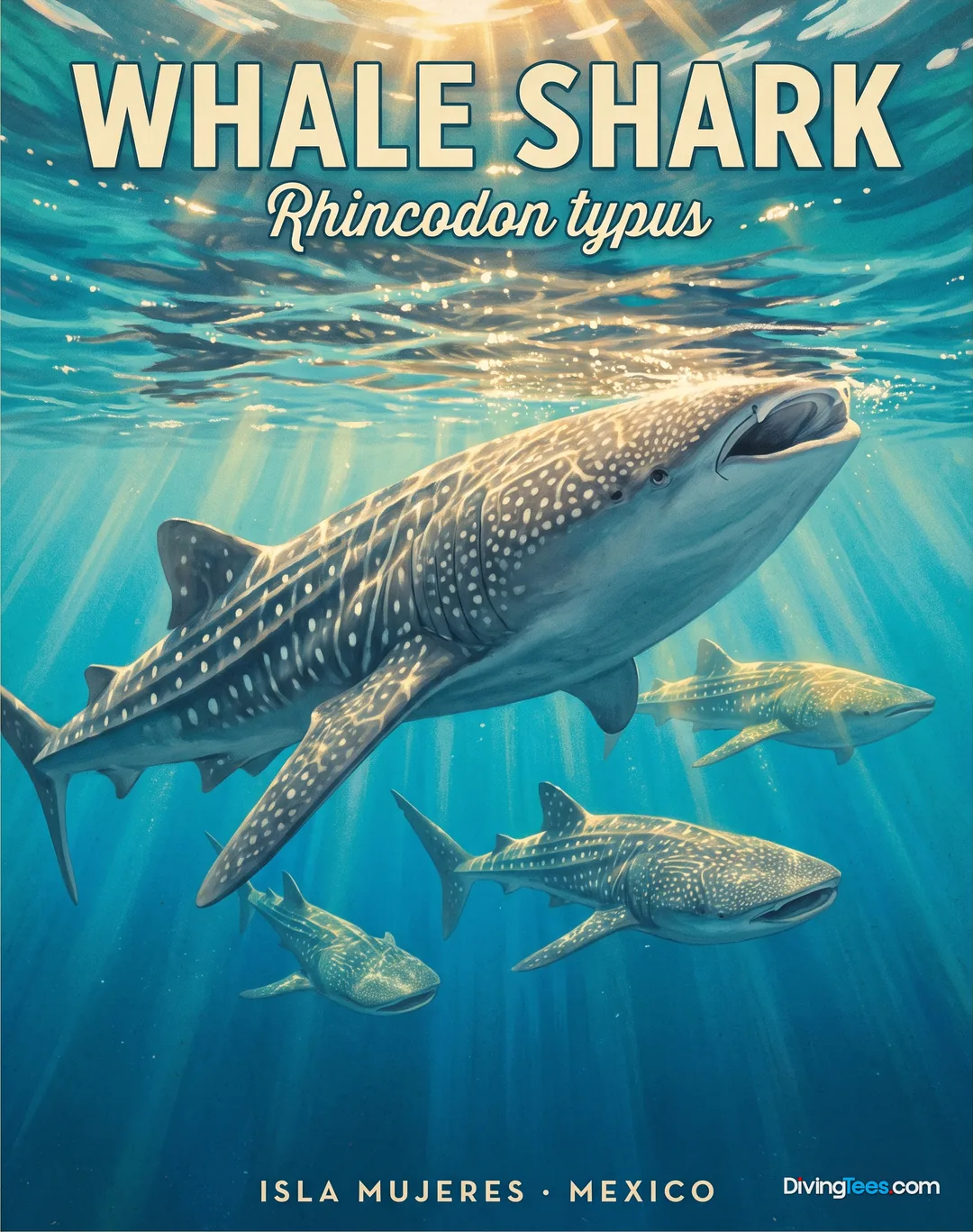
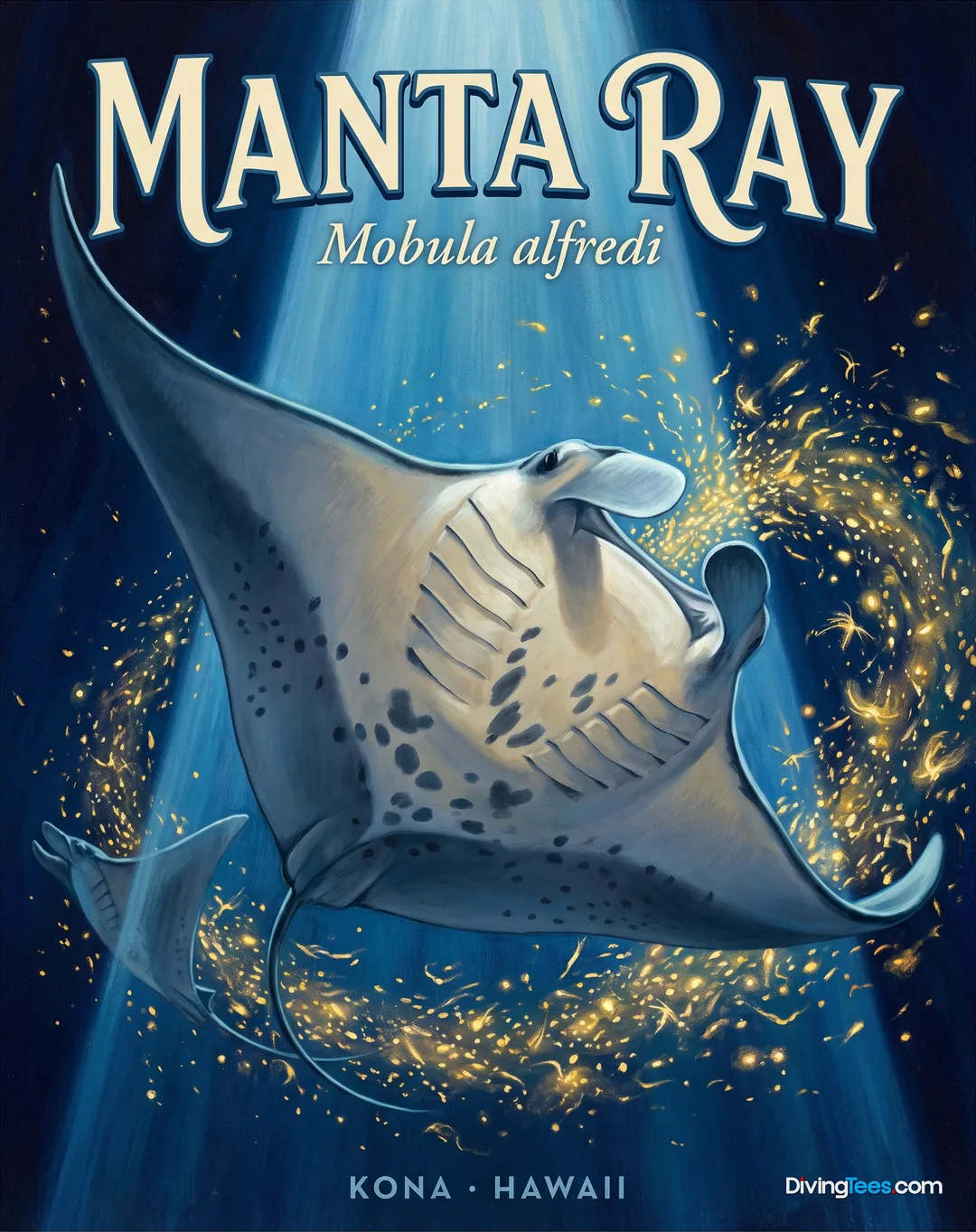
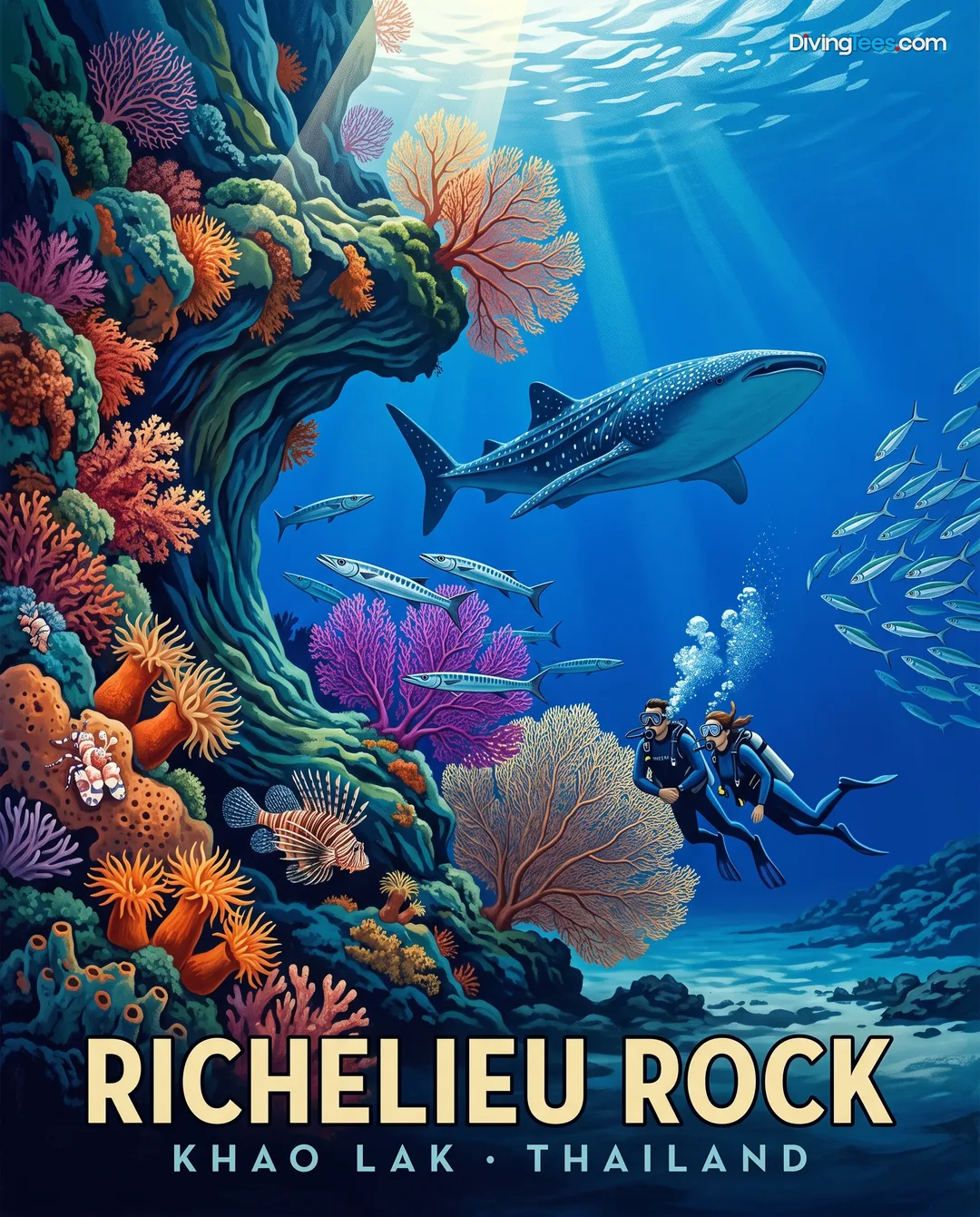
Visibility throughout the Similans is reliably good, averaging 20 to 30 meters, and can extend to 40-50 meters on the best days. Water clarity allows for comprehensive appreciation of both the expansive coral formations and the intricate granite structures. This consistent visibility enhances encounters with seasonal visitors such as manta rays (Mobula birostris) and whale sharks (Rhincodon typus), particularly at sites like Koh Bon, which is known for manta ray sightings.
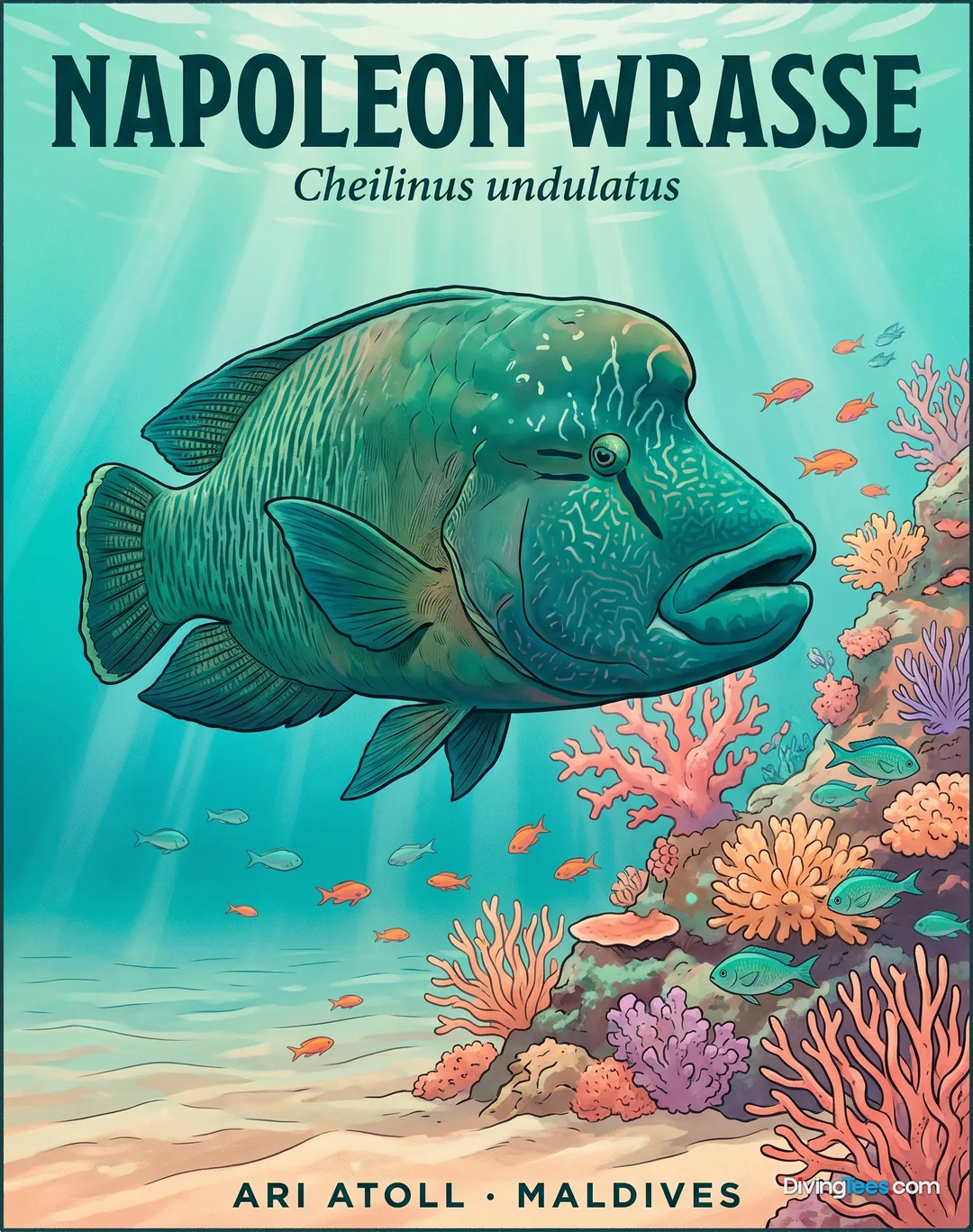
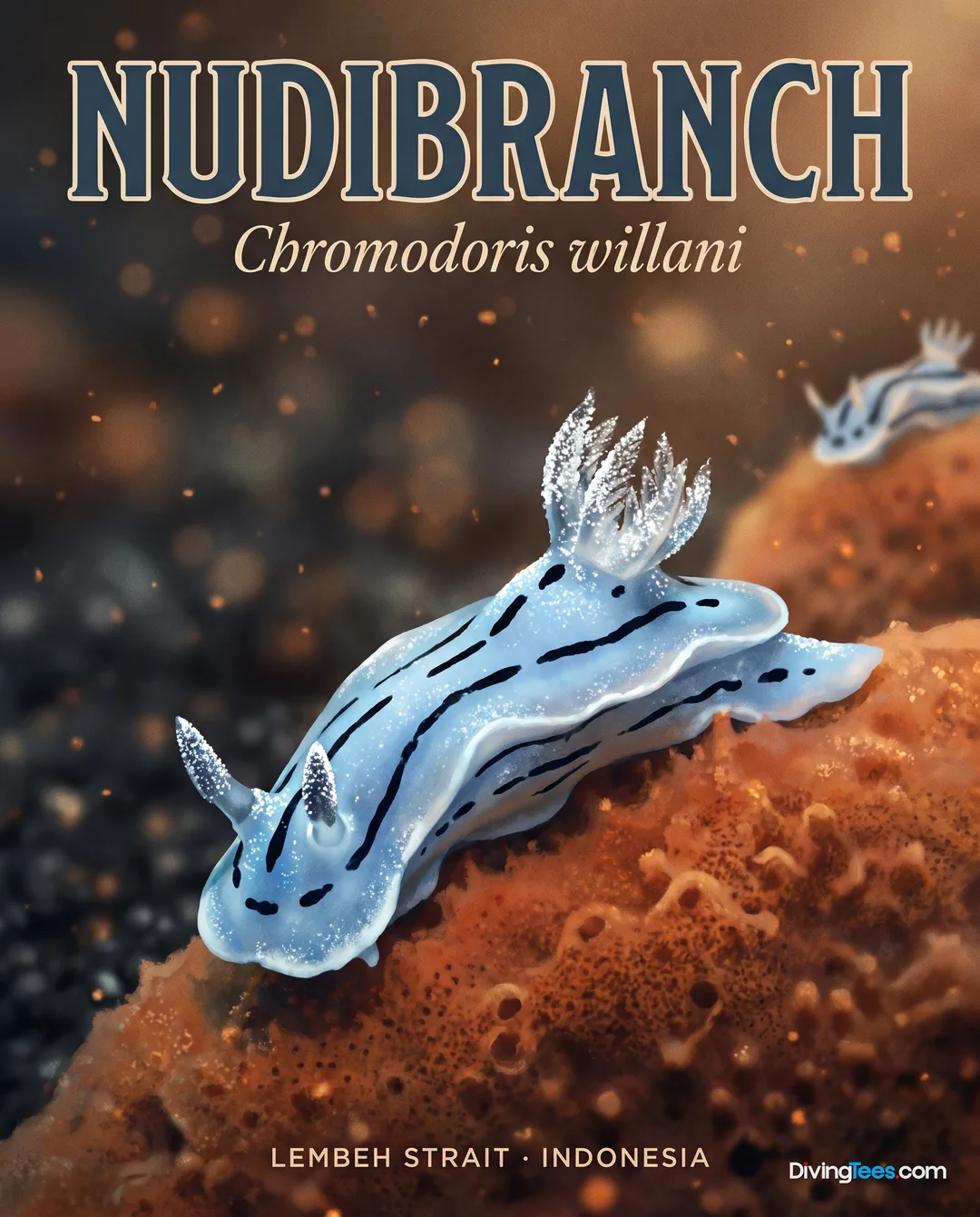
The Similans host a broad spectrum of marine life, from the smallest nudibranchs and porcelain crabs (Porcellanidae) hidden among the corals to large schooling fish like trevally (Caranx ignobilis) and tuna (Thunnus spp.) patrolling the deeper sections. Other residents include moray eels (Muraenidae), octopus (Octopoda), cuttlefish (Sepiida), and various species of gobies (Gobiidae). Napoleon wrasse (Cheilinus undulatus) are also encountered patrolling the reefs, adding to the rich fish diversity of the park.
Beyond the reef fish and pelagics, the Similan Islands also offer opportunities to observe unique and often overlooked species such as ribbon eels (Rhinomuraena quaesita), mantis shrimp (Odontodactylus scyllarus), and a variety of cleaner shrimp (Lysmata amboinensis). The protection provided by the national park status ensures that the marine ecosystems remain healthy, supporting this wide array of resident and migratory species, making each dive a varied experience.
Depths at the Similan Islands generally range from a minimum of 5 meters down to 40 meters, though depths of up to 35 meters are commonly reached. Diving here is accessible to certified divers, but due to variable currents, particularly on the western side, some sites are better suited for advanced divers or those with at least 50 logged dives experience. Currents can vary from light to very strong, requiring solid buoyancy control and situational awareness. Visibility is consistently good, typically between 20 to 50 meters. The best diving season runs from November to April, coinciding with the national park's operational period.
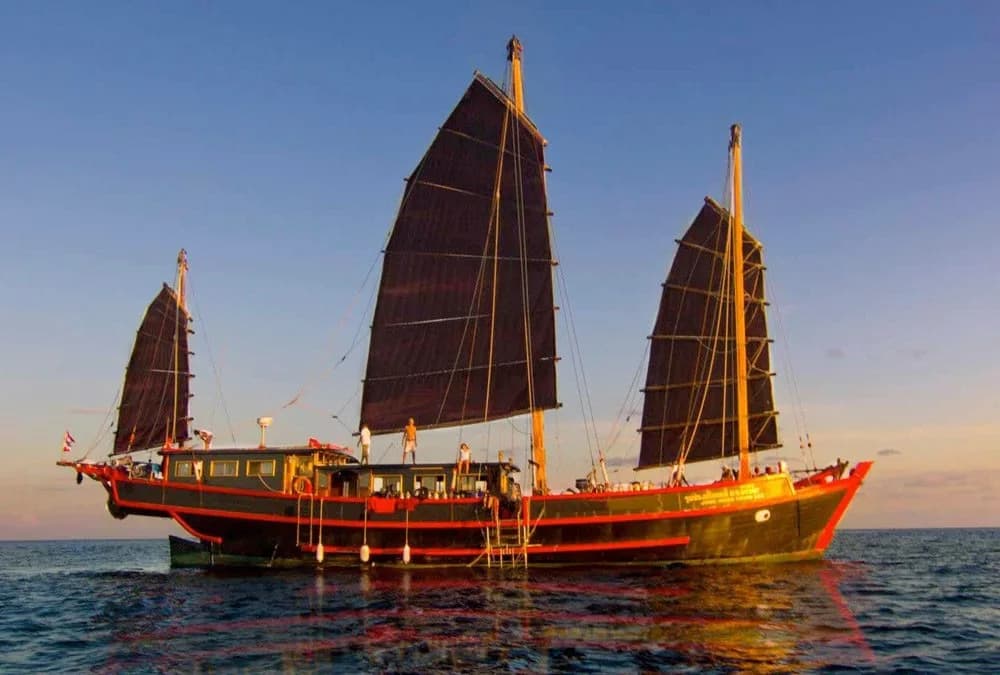
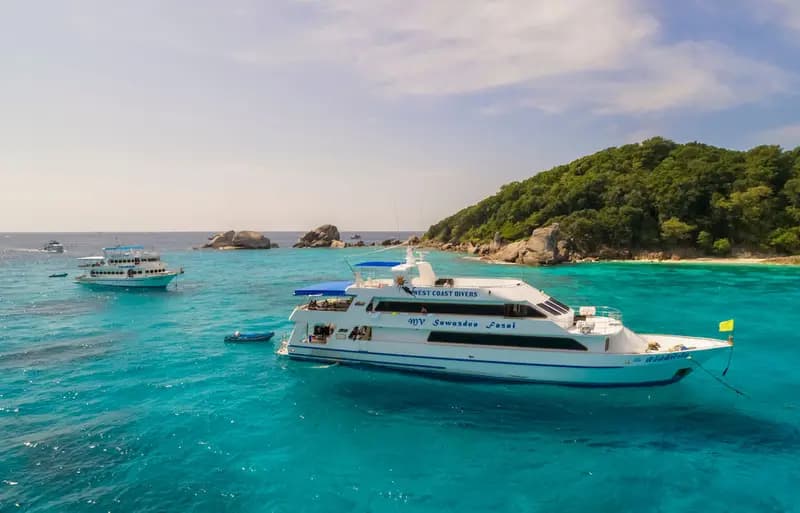
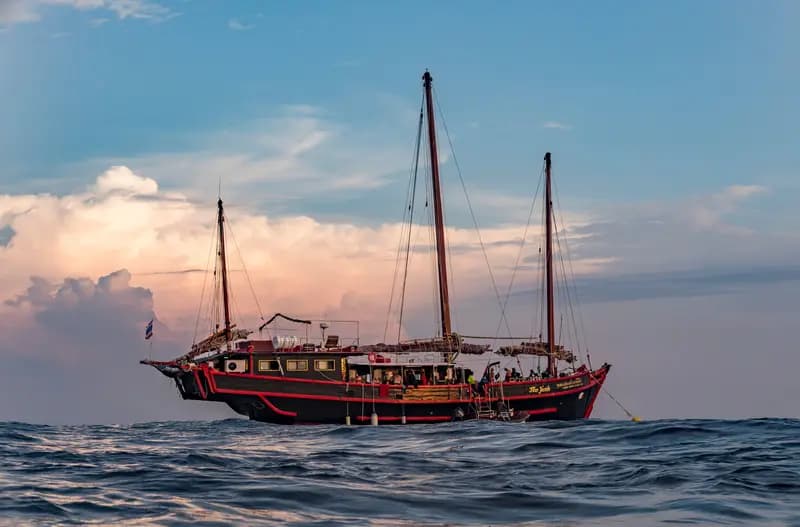
23 liveaboards depart from Khao Lak another way to explore the region, over several days at sea.

Departing from Thap Lamu
★ 9.6/10 (80 reviews)
from 113 €/day
Discover this boat →

Departing from Thap Lamu
★ 9.7/10 (60 reviews)
from 152 €/day
Discover this boat →
Departing from Thap Lamu
★ 9.2/10 (304 reviews)
from 163 €/day
Discover this boat →
Departing from Thap Lamu
★ 9.2/10 (179 reviews)
from 141 €/day
Discover this boat →