CMAS
Les Aquanautes Capbreton
Google 4.8/5 (128 reviews)
France · Mediterranean
The Gouf’s open canyon, artificial reefs, deep wrecks and occasional seahorses give Capbreton a distinctly Atlantic character from the harbour outwards.
For subtitles in English: start the video firstthen click the gearat the top right of the video, select “Subtitles/CC”, then “Auto-translate” and choose “English”.
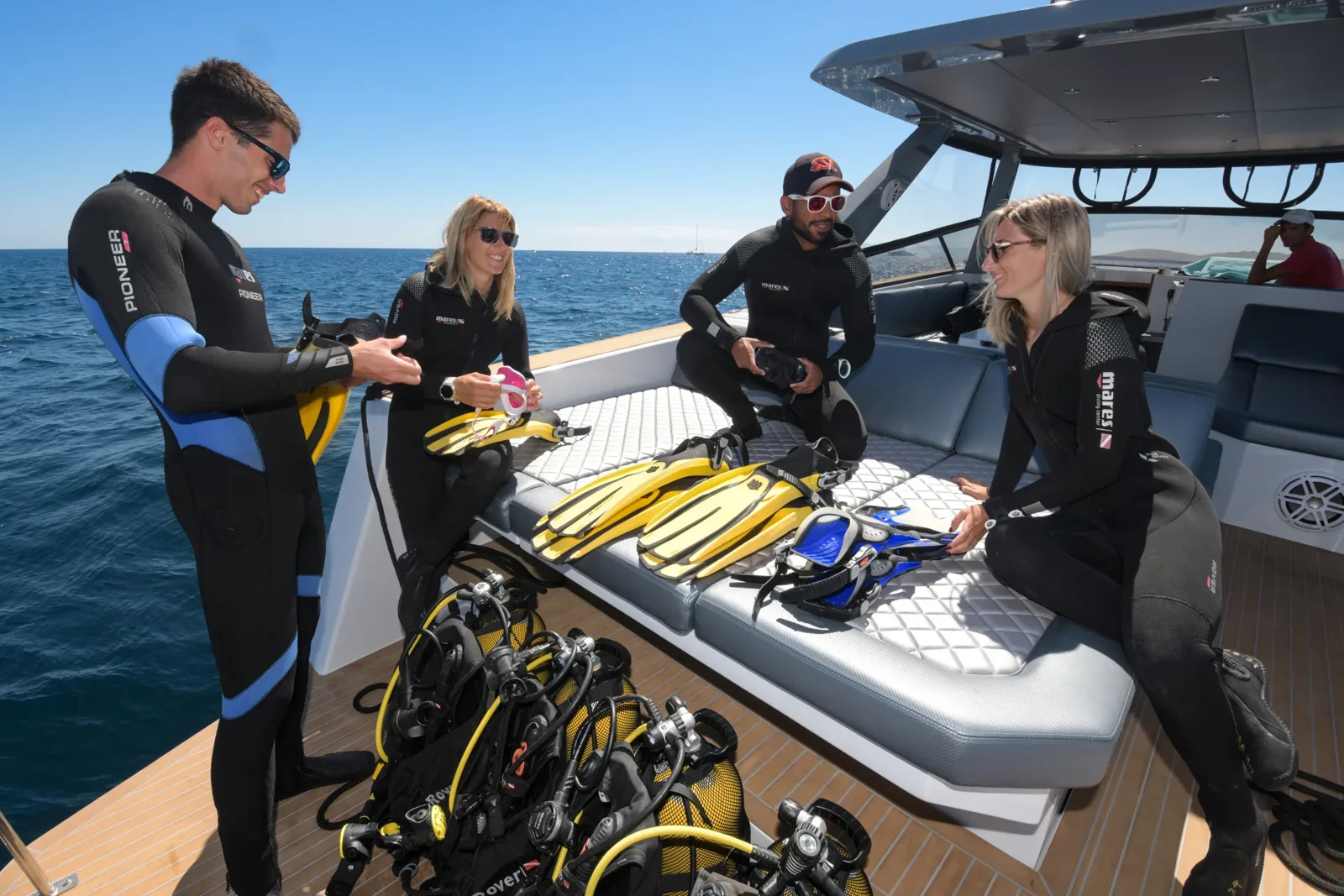
Capbreton is a boat-diving destination built around the Gouf, an open underwater canyon whose head begins close to the coast. From the harbour, diving ranges across rocky ground, drop-offs, wrecks and artificial reefs, including the Jardins du Gouf. This is not a tropical reef holiday with predictable visibility and warm-water ease. It is a distinctly Atlantic outing, where the attraction lies in the sudden relief, the local wrecks and the sense of following a submarine landscape rather than a sheltered bay.
The Gouf is an open canyon, not a cave, and its head quickly leads towards serious depth. Depending on the site, dives range from shallow water to about 60 metres, with rocky ground, drop-offs, wrecks and artificial reefs making up the underwater scenery. Most characteristic outings leave by boat from Capbreton harbour. Currents are variable, so a dive may involve careful positioning over a feature rather than a leisurely circuit around it. Greenish water and changing visibility are part of the setting, particularly when you are trying to read a wreck or keep a wall in sight. The Jardins du Gouf offer a shallower, educational introduction to the artificial-reef idea, while deeper wrecks and the Gouf’s more pronounced relief call for better depth control, navigation and gas planning.
The most distinctive named encounter is the seahorse, seen occasionally rather than treated as a guaranteed feature of every dive. Look for it in the artificial-reef settings and among the local underwater structures, where a slow, observant approach matters more than covering ground. The habitat itself supplies much of the interest: rock, canyon relief, wreckage and purpose-built reef structures replace the bright coral gardens familiar from tropical destinations. A dive on the Gouf is therefore as much about reading the shape of the terrain as searching for animals. Wildlife encounters can be rewarding, but the honest expectation is an Atlantic landscape with occasional seahorses, not a fixed parade of species.
Capbreton supports diving throughout the year, so the practical answer is flexibility rather than a single magic month. Conditions can alter the visibility and the character of a site, with greenish water and changing underwater clarity making some days better suited to a familiar shallow reef than to a deep wreck or exposed drop-off. Keep the itinerary adaptable and let the local boat plan follow the conditions. A day without a suitable sea outing is not wasted if it is used to explore the harbour, the Estacade or the Gouf from land. There is no rainy season or monsoon pattern to build the trip around here, just Atlantic variability.
Beginners can find introductory dives and shallower sites, but Capbreton makes most sense for divers comfortable with changing visibility, variable current and boat procedures. The Gouf’s drop-offs and deeper sectors require sound depth control, navigation and condition management. Deep-diving experience is appropriate for the deeper sites, and wreck-diving training is needed before entering or undertaking demanding wreck dives. Nitrox is useful for repetitive diving and some deeper wreck plans. BSAC, PADI and SSI divers should match their certification and recent experience to the specific site rather than to the destination name alone.
From London Heathrow, London Gatwick or Manchester, the journey is an air-and-road trip rather than a ferry crossing. The usual gateways are Biarritz or Bordeaux, followed by a road transfer to Capbreton. The precise journey time depends on the route, traffic and flight connections, so allow room for the transfer rather than planning a tight same-day schedule around a boat departure. Capbreton itself is reached directly by road, with the diving concentrated around the harbour. Staying near the centre or seafront can make the walk to the port straightforward, although accommodation farther away will require your own local transport arrangements.
Treat the Gouf as a marked underwater canyon, not as a beach dive and not as a cave. Before booking a deep wall, wreck or Gouf outing, check the planned depth and the level required, then prepare gas and decompression conservatively for that particular profile. Do not assume tropical visibility: greenish, shifting water changes how you navigate a wreck and how easily you keep a drop-off in view. The Jardins du Gouf are the sensible question to ask about when you want a shallower, more educational dive. Keep clear of the regulated bathing and watersports areas within the coastal 300-metre band, and never enter the Boucarot channel used by vessels. A dive boat must display the required diver signal, but that is not a reason to linger in traffic lanes. If conditions cancel the boat, use the day for the port, the Estacade or a land-based Gouf activity.
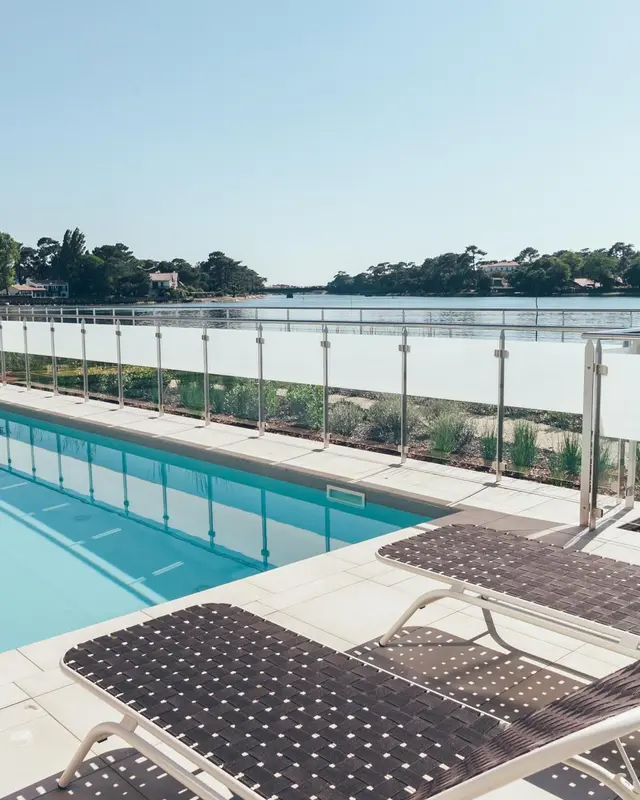
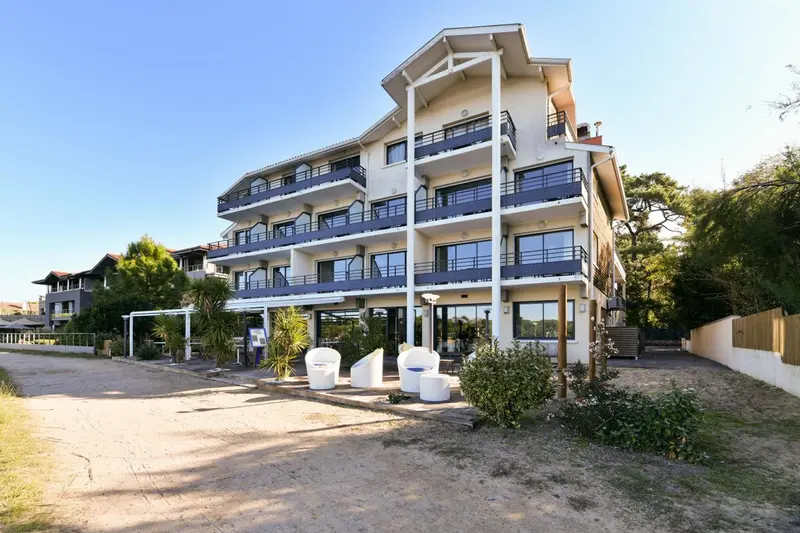
Organise the stay around the harbour, because that is where the boat days begin. Some central and seafront accommodation is within walking distance, which avoids adding a daily drive to an early departure. On non-diving days, the port, Estacade, beaches and maritime heritage provide a natural rhythm, while the Gouf can be viewed from the coast or explored on a wildlife observation trip. A non-diving companion can follow that programme independently, leaving the diving schedule free to respond to conditions.
Hello, I'm Marina, DivingDeal.com's AI assistant. I guide you through destinations, areas and countries.
Thinking about the whole trip and the flights? Talk it over with Edith →
Marina is an AI. Some links are affiliate links: DivingDeal may earn a commission, at no extra cost to you. Bookings are made with the partner.
Capbreton offers diving throughout the year, so plan around flexibility rather than a single season. Atlantic conditions can change visibility and the character of a site, making some days better for the Jardins du Gouf or another shallow reef than for a deep wreck or exposed drop-off. Let the boat itinerary follow conditions.
Beginners can find introductory dives and shallower sites, but you should be comfortable with boat procedures, changing visibility and variable currents. Deeper Gouf sectors and wrecks require reliable depth control, navigation and condition management. Choose each site according to your certification and recent experience, with wreck training before demanding wreck dives.
You can explore the Gouf’s open canyon, steep underwater relief, rocky ground, wrecks and artificial reefs such as the Jardins du Gouf. Seahorses appear occasionally among the underwater habitats, especially with a slow, observant approach. Expect an Atlantic landscape with greenish, changing visibility rather than bright tropical coral scenery.
Organise your stay around Capbreton’s working harbour, where boat dives depart, and consider central or seafront accommodation for easier walks to the port. Allow flexibility for changing sea conditions and avoid tight travel connections. On non-diving days, explore the port, Estacade, beaches and maritime heritage, or view the Gouf from land.