Io Plongee
Google 4.9/5 (33 reviews)
France · Mediterranean
Boat dives from La Cotinière lead over Atlantic rock, drop-offs and wrecks, with tides shaping every outing around Saint-Pierre-d’Oléron island.
For subtitles in English: start the video firstthen click the gearat the top right of the video, select “Subtitles/CC”, then “Auto-translate” and choose “English”.
Saint-Pierre-d’Oléron is a shore-based island destination for exploring rock, drop-offs and wrecks by boat from La Cotinière. The setting is distinctly Atlantic: tides and sea conditions shape the day, rather than a fixed schedule of easy shore entries. It suits a diver who enjoys changing underwater terrain and is happy to leave room in the itinerary for weather. Above water, fishing harbours, beaches, villages, oyster landscapes and cycle routes make it practical for couples or mixed groups.
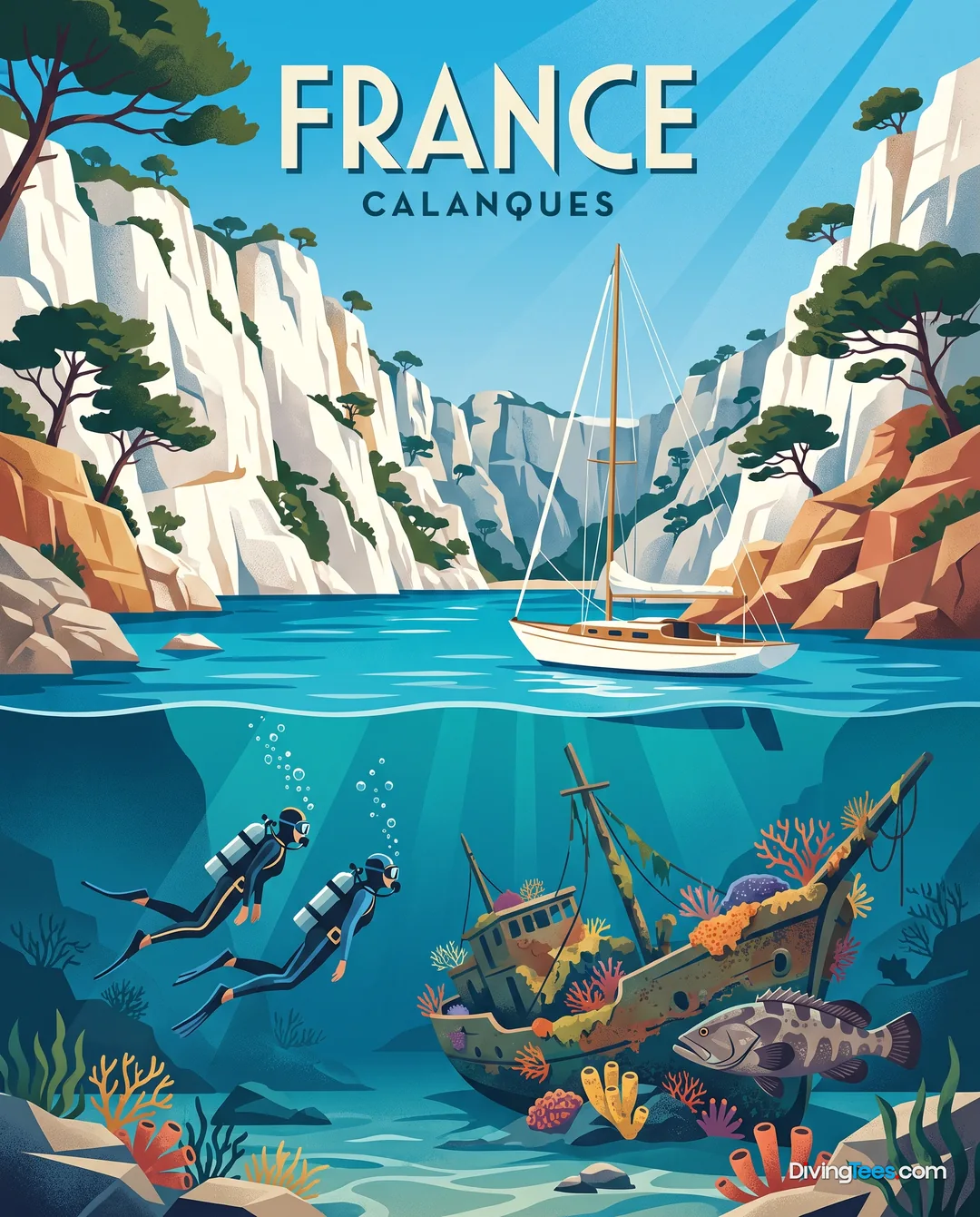
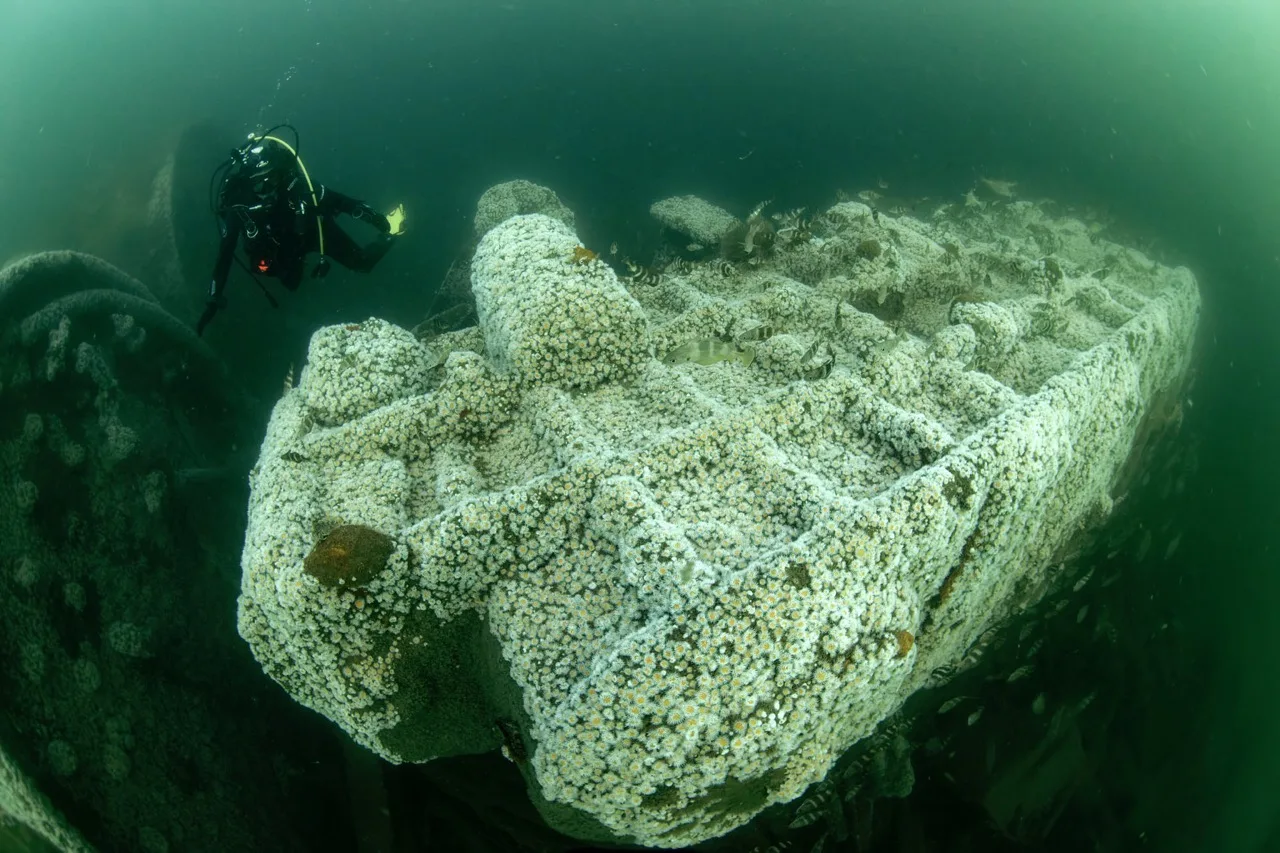
The diving begins at La Cotinière, where boats head out towards rocky ground, drop-offs and wrecks around the island. Expect the character of each outing to change with the tide and sea state. Currents are variable, so the same site category can feel quite different from one departure to the next, and the skipper’s choice matters more than a rigid wish list. Wrecks are not one uniform proposition either: their depths vary, making some suitable for newer divers and others better matched to greater experience. This is boat diving rather than a destination built around independent beach entries. Underwater, the appeal lies in following rock relief, looking over an edge, or working along a wreck while the Atlantic conditions set the pace. Plan for a safety stop and accept that the day’s sequence belongs to the tide.
The underwater interest here is tied to hard surfaces: rock outcrops, drop-offs and wrecks provide the places where marine life is encountered. Rather than promising a particular animal at a particular time, the rewarding approach is to slow down over the structure and inspect its edges, cracks and surfaces. A wreck gives the dive a different visual rhythm from open rock, while a drop-off changes the perspective as the bottom falls away. Seasonal wildlife is not the organising feature of a Saint-Pierre-d’Oléron trip. The reliable attraction is the combination of Atlantic terrain and the life that occupies it, explored during boat dives whose route and timing follow the tide and conditions.
June to September is the most practical period for diving here. Summer brings the greatest usual availability of boat outings, along with the simplest conditions for arranging a stay on the island. That does not remove the Atlantic variables: tides, weather and sea state still decide whether a planned departure runs as expected. Outside the main season, the island is quieter, but diving opportunities can be more limited. A longer stay works better than a single booked day, because it leaves room to move an outing when the sea or tide refuses the original plan.
Saint-Pierre-d’Oléron suits beginners as well as certified divers. Local diving is organised from level 1 upwards, with the choice of rock, drop-off or wreck matched to experience, depth and conditions. Newer divers should expect the boat, tide and sea state to form part of the learning curve, not just the underwater route. More experienced BSAC, PADI and SSI divers will find scope for progressively more demanding wreck and relief dives, provided they describe their actual experience when booking.
From London Heathrow or Gatwick, or from Manchester, allow roughly a day to reach Saint-Pierre-d’Oléron, depending on the flight or train connection and the onward road journey. There is no direct air link to the island. The practical route is by rail or air towards La Rochelle or Bordeaux, followed by road travel. By car, the main approach is from the A10 via the Saintes exit, then across the free Oléron viaduct. Passenger boat links from La Rochelle reach Boyardville and Saint-Denis-d’Oléron, but they are seasonal and are not the straightforward way into Saint-Pierre-d’Oléron. Once on the island, La Cotinière is the key point. Depending on your accommodation, reach the harbour on foot, by bicycle or by car.
Build the trip around the tide, not around one immovable departure time. Ask for the likely tide window when arranging dives, then keep more than one possible day available because weather and sea state can shift the programme. Do not assume that an island destination means easy shore diving: the documented local outings leave by boat from La Cotinière. If diving is the priority, staying close to that harbour reduces an early transfer and makes a changed departure easier to manage. Bring personal items that make you comfortable in the water, particularly if you are particular about visibility or fit, as the lasting details of local hire provision can change. Keep one day free from immersion, both as weather margin and for beaches, cycling, villages or oyster landscapes. Most importantly, tell the organiser your real experience with wrecks, drop-offs and changing conditions, rather than booking by qualification alone.
Allow four to seven days for a sensible island stay. That gives the tide and weather several chances to line up, while leaving time for a day without diving. La Cotinière is the useful logistical base, although accommodation elsewhere on the island can work if you have a car or are prepared to cycle. Non-divers have beaches, fishing-port life, villages, markets, cycle routes, oyster huts and coastal walks to fill the surface interval.
Hello, I'm Marina, DivingDeal.com's AI assistant. I guide you through destinations, areas and countries.
Thinking about the whole trip and the flights? Talk it over with Edith →
Marina is an AI. Some links are affiliate links: DivingDeal may earn a commission, at no extra cost to you. Bookings are made with the partner.
June to September is the most practical period, with the usual availability of boat outings and simpler arrangements on the island. Tides, weather and sea state still influence departures, so keep flexibility in your schedule. Outside this period, the island is quieter, but diving opportunities can be more limited.
Saint-Pierre-d’Oléron suits beginners and certified divers, with outings organised from level one upwards. Rock, drop-offs and wrecks are matched to your experience, depth and conditions. Newer divers should be comfortable learning around boats, tides and sea state, while experienced divers can describe their wreck and relief experience when booking.
Boat dives from La Cotinière explore Atlantic rock outcrops, drop-offs and wrecks around the island. Marine life is encountered on these hard surfaces, especially around edges, cracks and other structure. Rock, a falling seabed and wrecks each create a different perspective, while tides and conditions shape the route and timing.
Build your stay around tides, weather and boat departures from La Cotinière rather than one fixed schedule. Staying near the harbour can simplify changed departures, while a car or bicycle makes accommodation elsewhere practical. Allow several days, keep a day free from diving, and leave time for beaches, villages, cycling and oyster landscapes.