Liveaboards · Egypt
Sea Treasure — a new Red Sea liveaboard built around diving and space
What makes this boat unique
- Sea Treasure carries up to 36 guests in 18 cabins, with air-conditioned cabins and several suite categories.
- The dive operation includes three tenders, two Bauer compressors, a dedicated dive deck, camera facilities and 12-litre tanks with weights.
- Guided dive groups are limited to a maximum ratio of one guide for eight divers.
- Trips run for 8 days and 7 nights on routes including the Brothers, Daedalus, Elphinstone, Rocky Island, Zabargad, St. John's, Abu Nuhas and the SS Thistlegorm.
The invitation
Sea Treasure suits divers who want the reach of a full-size Red Sea liveaboard without giving up room to live between dives. The routes go from the shark country of the Brothers and Daedalus to the wrecks of Abu Nuhas and the SS Thistlegorm, with southern departures reaching Rocky Island, Zabargad, St. John's and Sataya. That variety is the reason to choose this boat: one week can be built around blue-water encounters, steep coral walls, wrecks or sheltered bays rather than a single type of dive. Back on board, the space is organised for both sides of the trip. There is a dedicated dive deck for the working part, then an indoor saloon, open-air areas, sun loungers and a panoramic jacuzzi for the hours when the gear is off. The boat is aimed at certified divers who want the Red Sea first, with comfort making the long days easier rather than replacing them.
Boarding
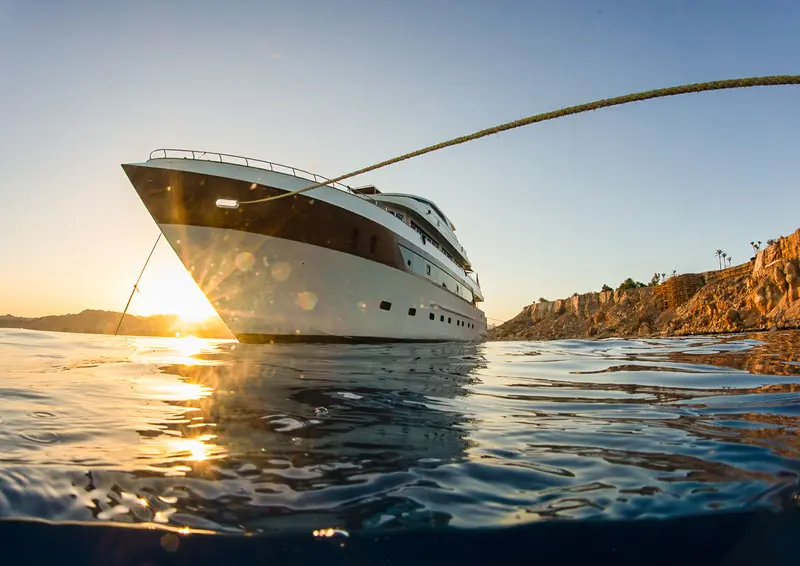
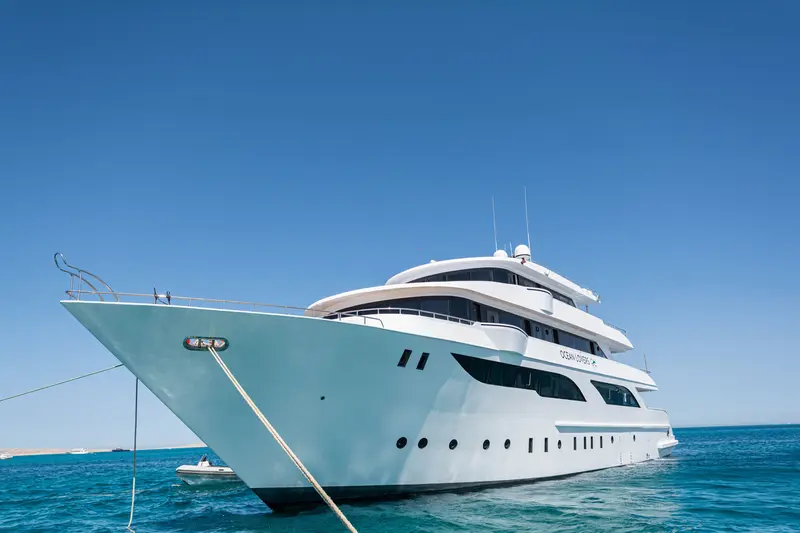
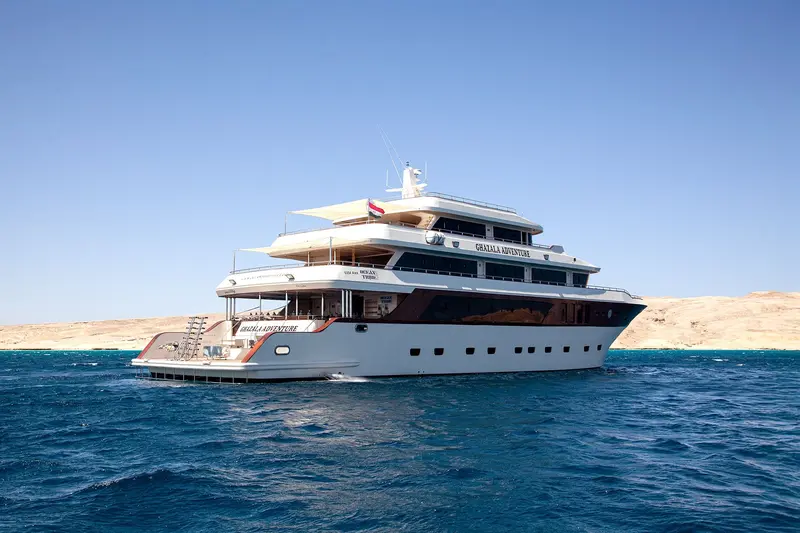
From the dock, Sea Treasure presents as a large steel yacht rather than a small safari boat. Its scale gives the boarding moment a clear sense of separation from shore: several living areas, a proper dive platform and enough room for guests to spread out after a dive. The layout moves between an indoor saloon, open-air saloons and sun decks, so the boat does not force everyone into one lounge when the weather is good. Inside, the saloon is air-conditioned and fitted for meals and evening entertainment; outside, the deck is arranged for sun, shade and the view across the Red Sea. Three engines provide the propulsion, while three tenders are carried for the diving operation. Sea Treasure is also available for groups and full charters, which makes its generous capacity useful when the people aboard already know one another. It feels designed for a long week at sea, not a short transfer between ports.
The atmosphere on board
The atmosphere aboard Sea Treasure is shaped less by formal luxury than by how much work the crew removes from a diving day. The crew handles the practical movements around meals, cabins and equipment while the guides manage the underwater side, leaving guests free to concentrate on the next dive and the recovery after it. Passenger feedback consistently describes the staff as attentive, helpful and professional, with particular trust in guides who stay calm when currents change or conditions become less straightforward. That is the right kind of praise for a liveaboard: not theatrical service, but people who make the week feel controlled. The boat’s size allows a group to spread between the saloon, decks and dive platform, yet the shared rhythm of briefings, entries, meals and stories brings everyone back together. In the evening, the focus shifts from equipment to food, conversation and the open water around the boat. The crew’s role is felt in that smooth changeover.
The sites you’ll dive
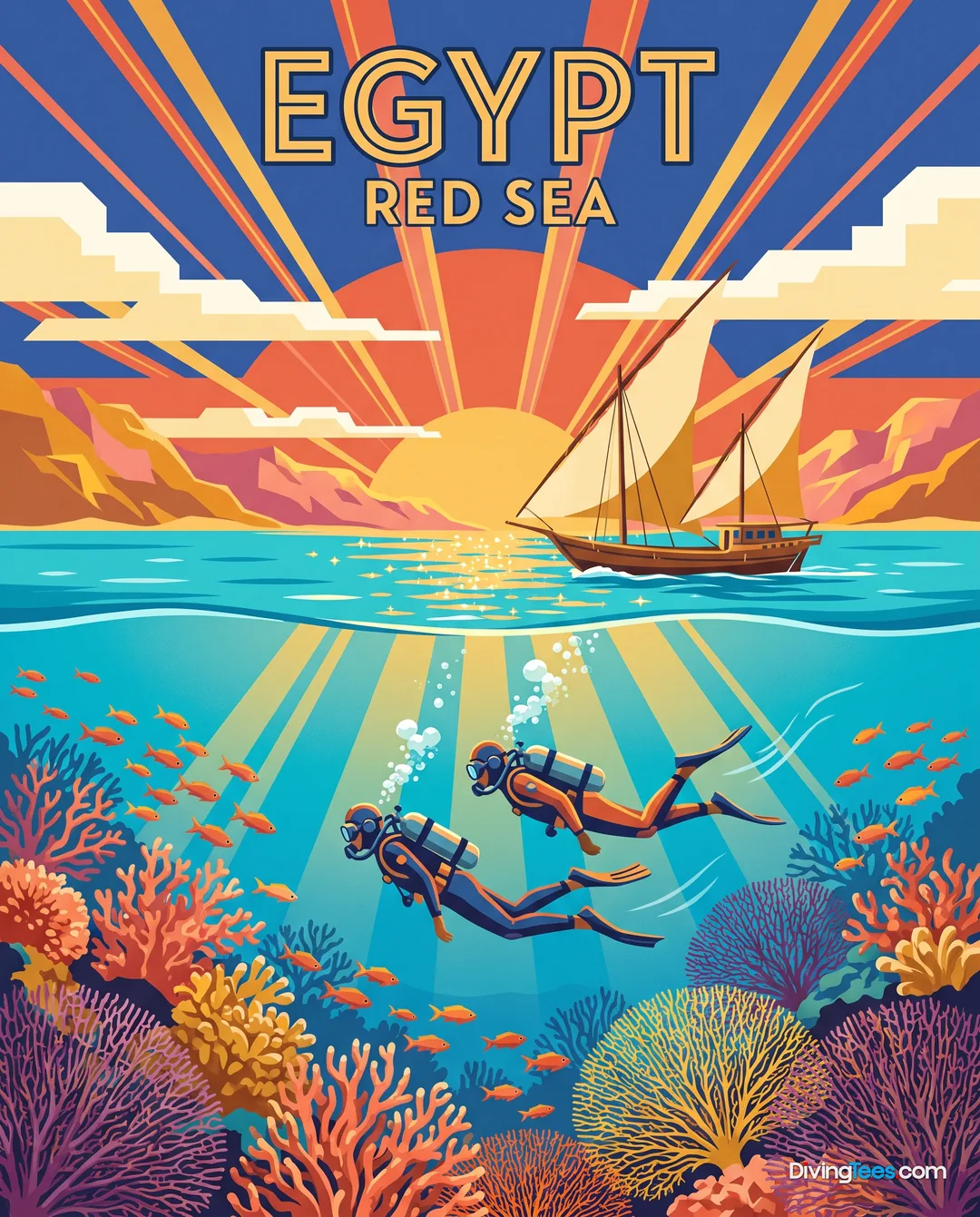
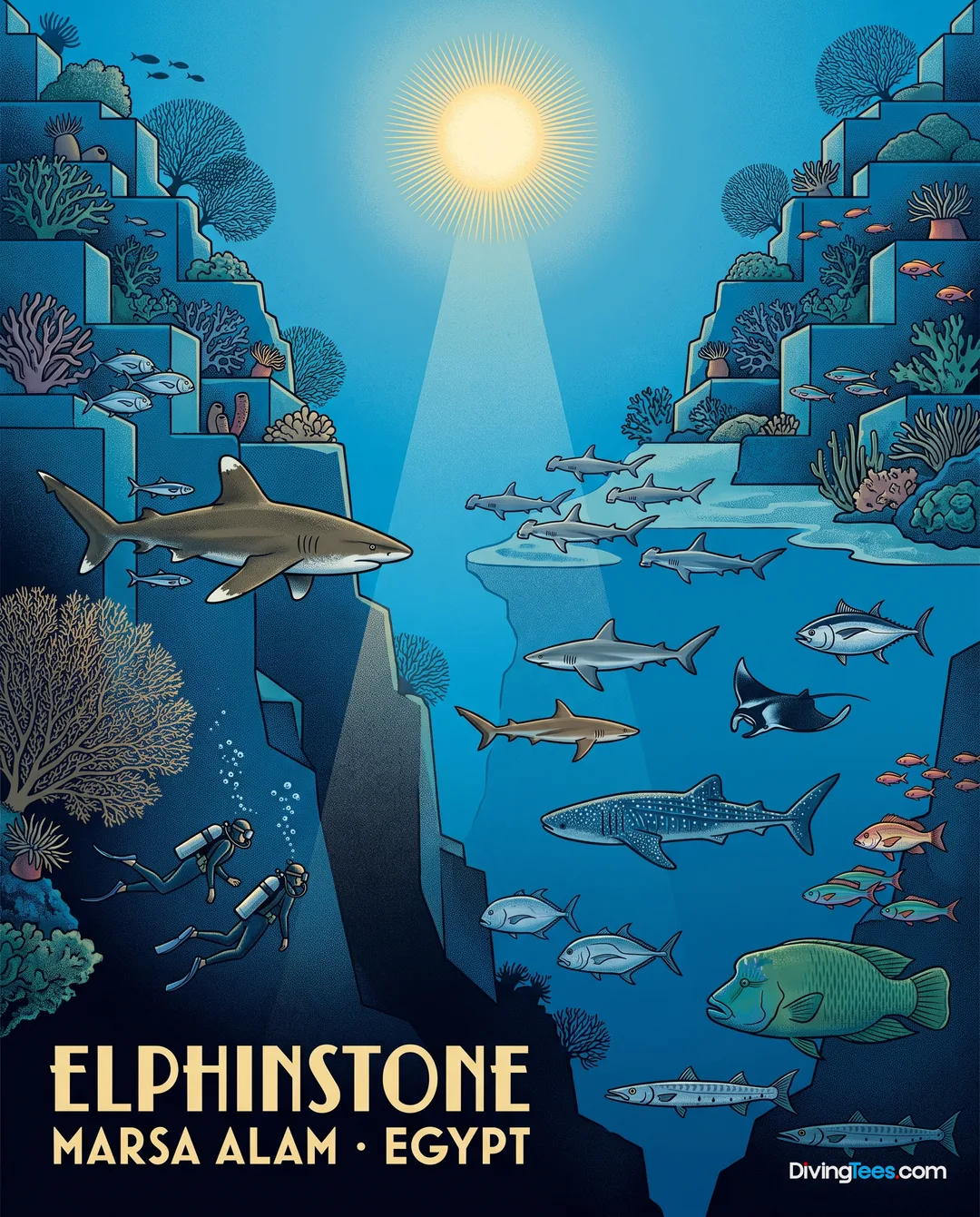
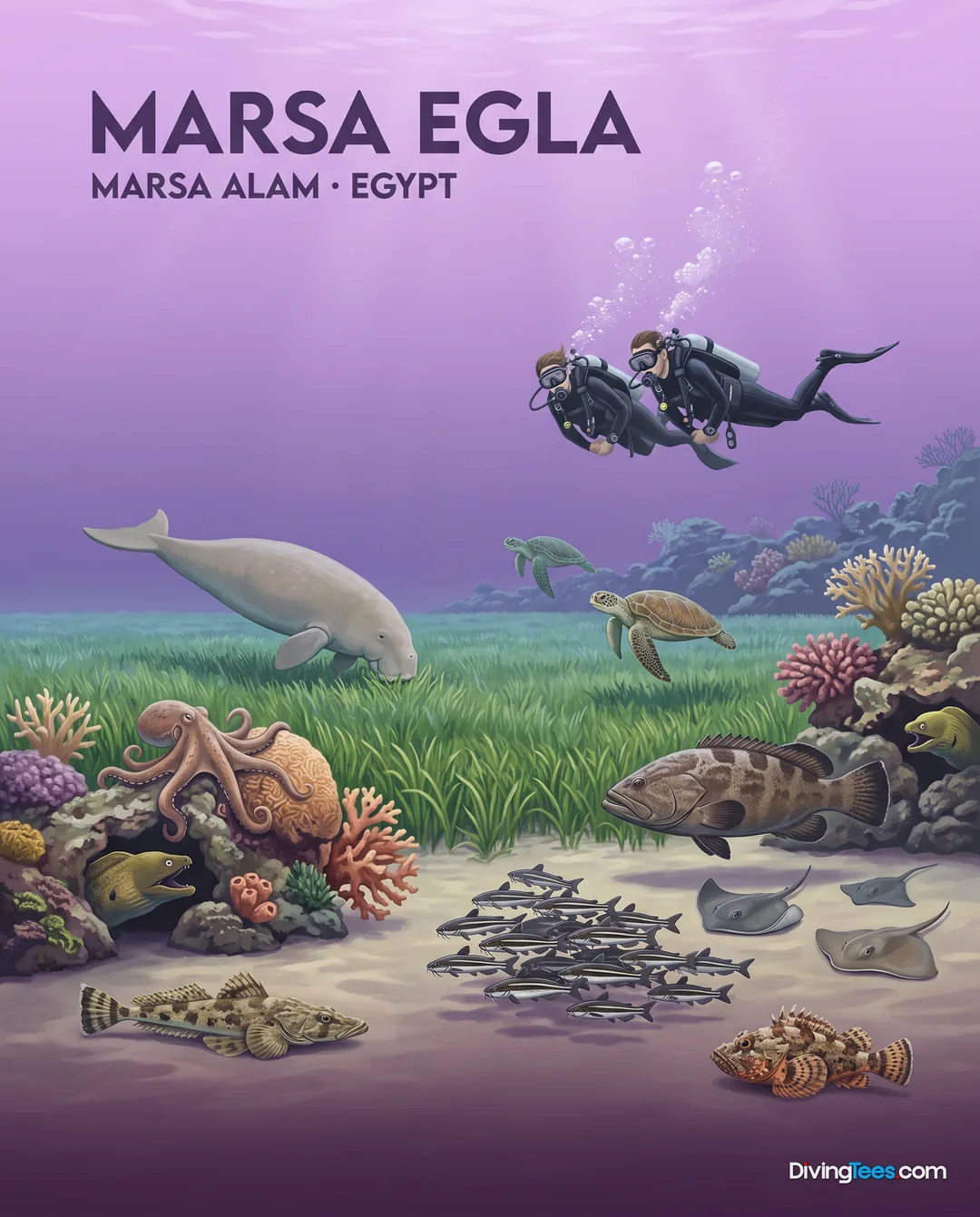
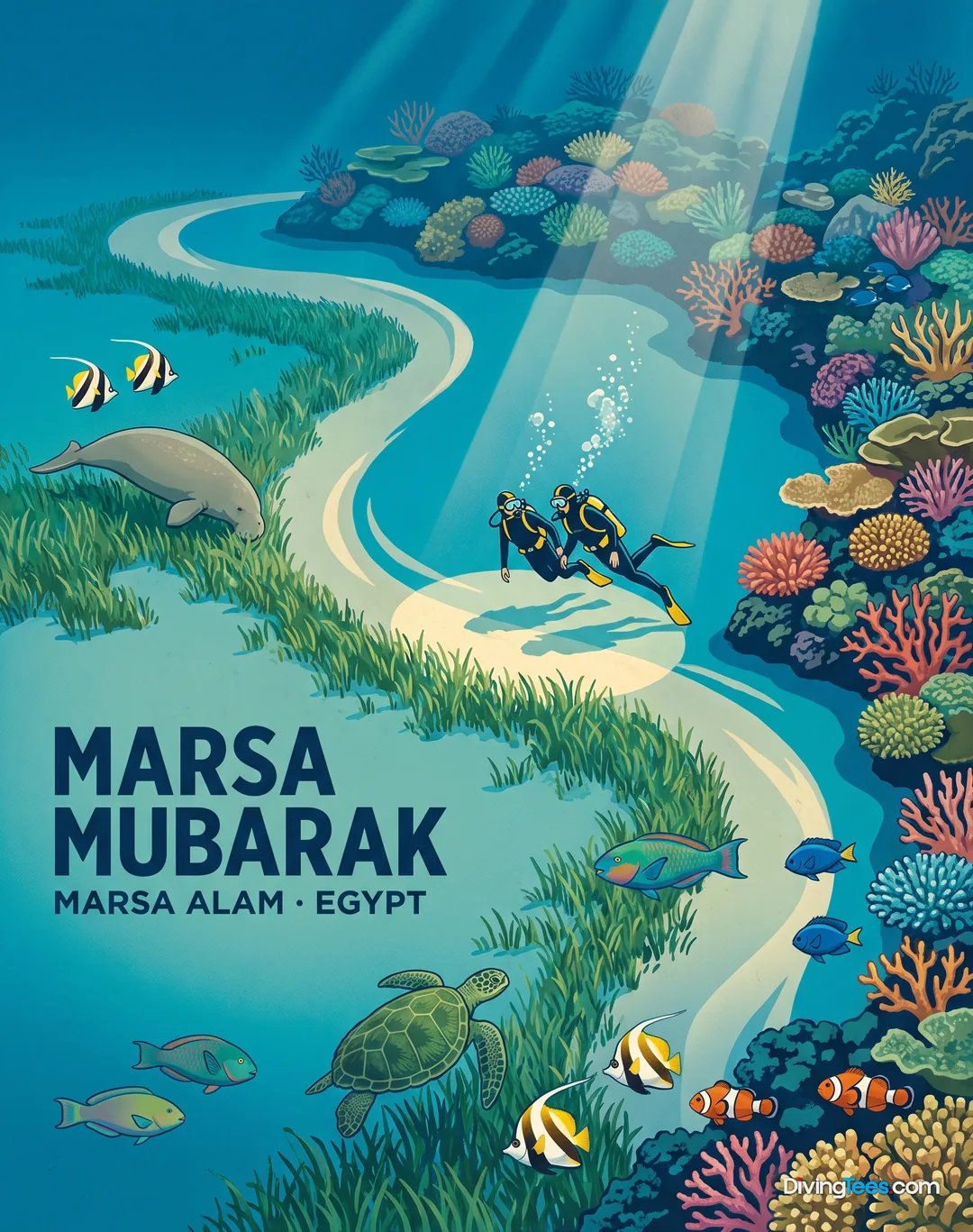
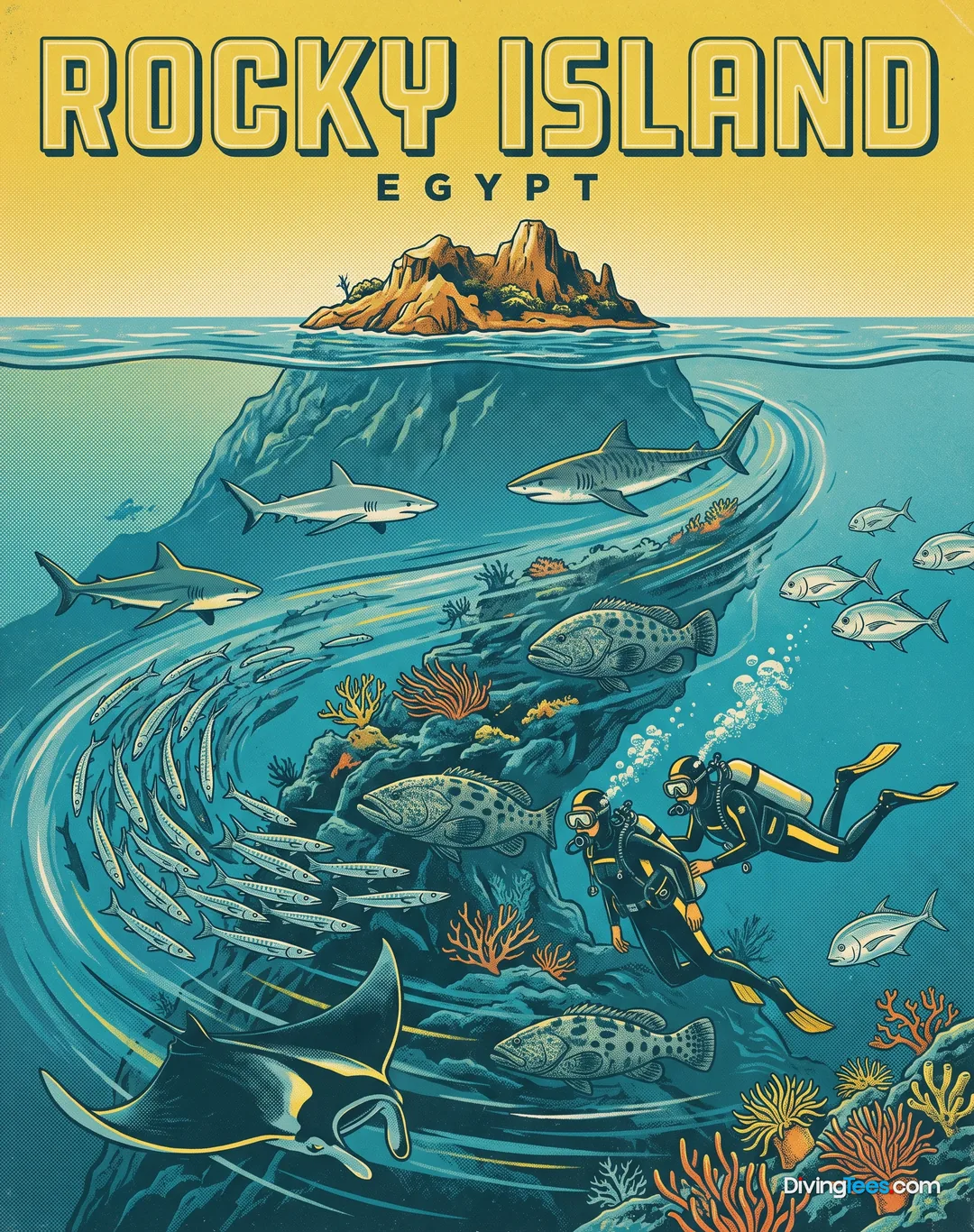
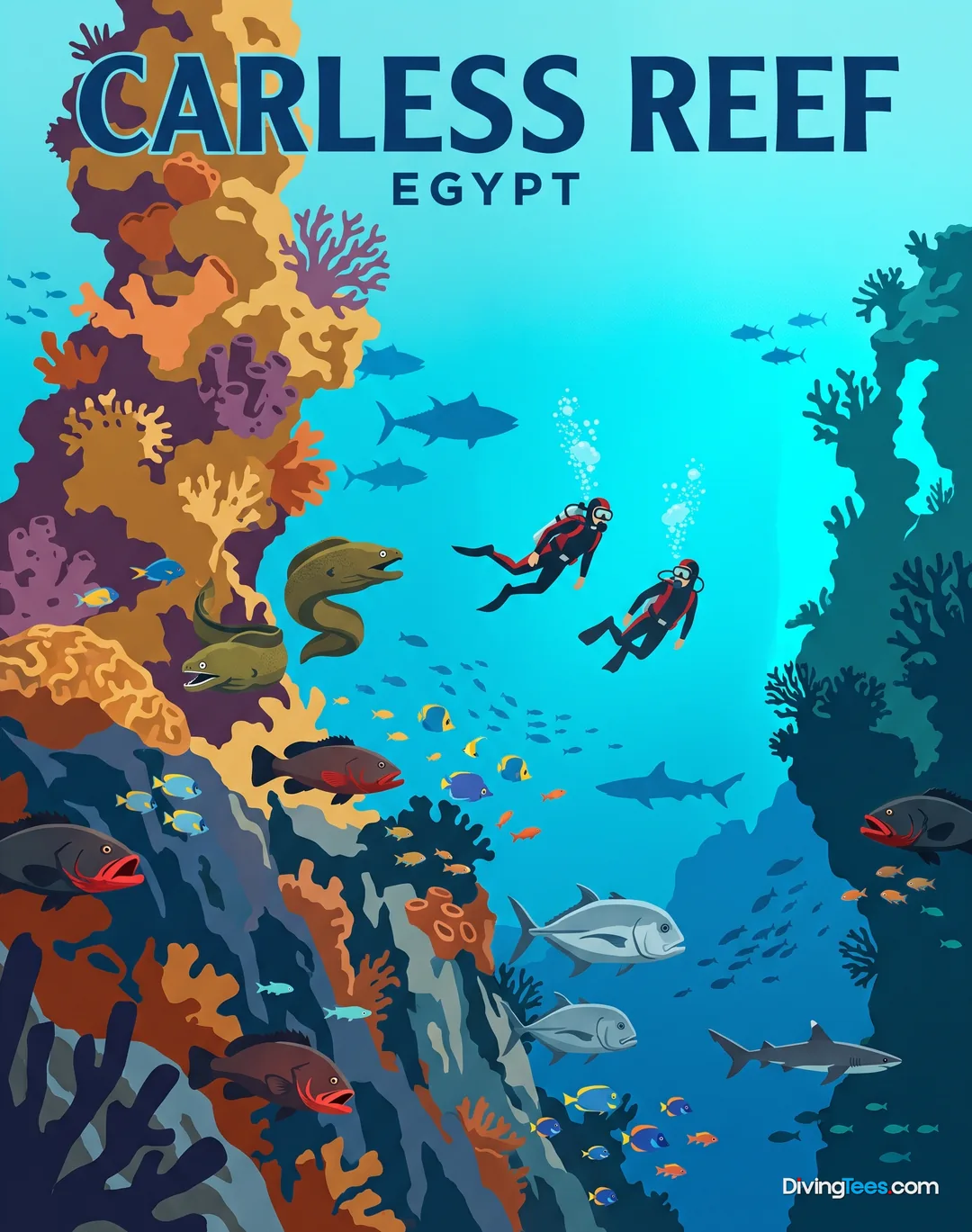
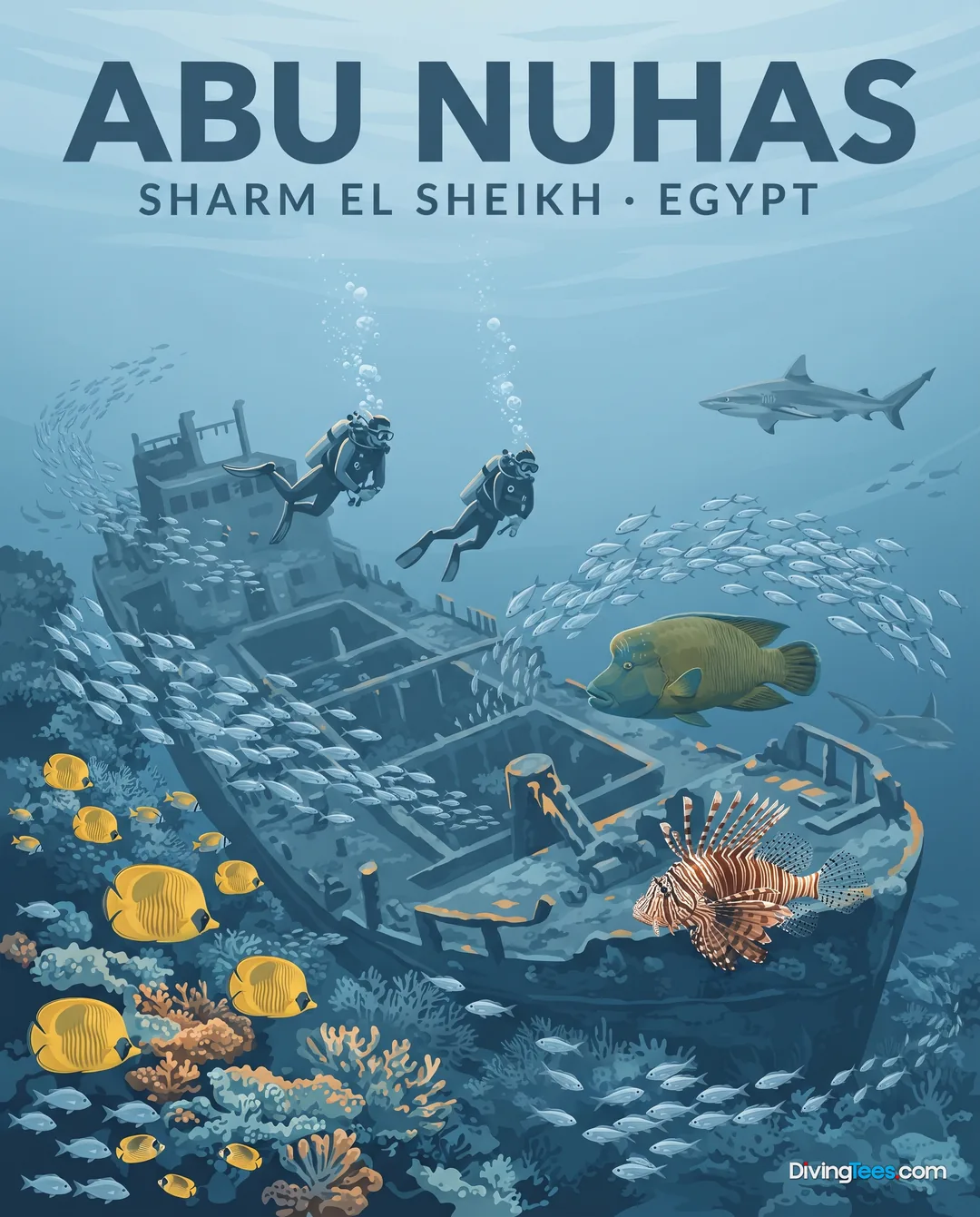
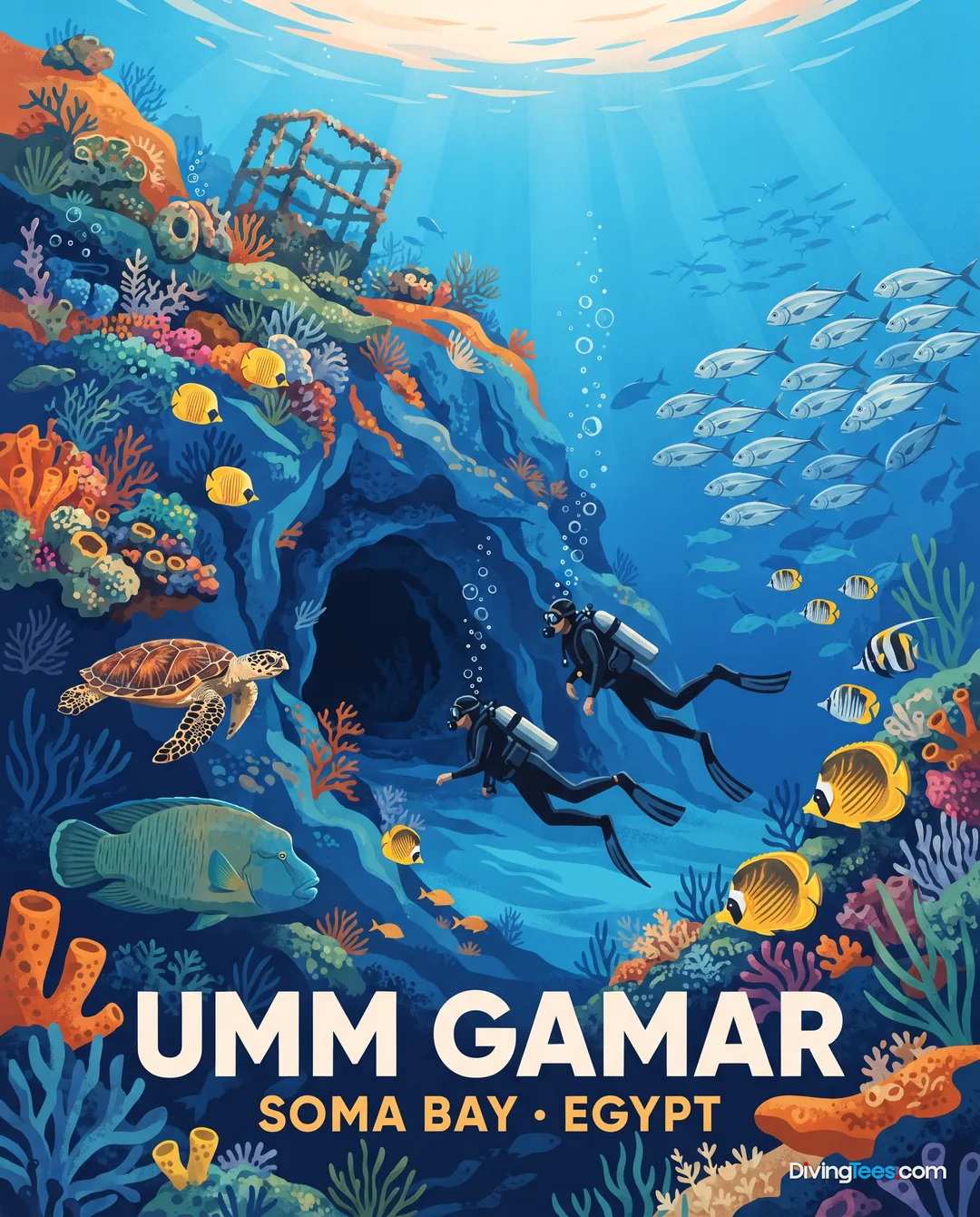
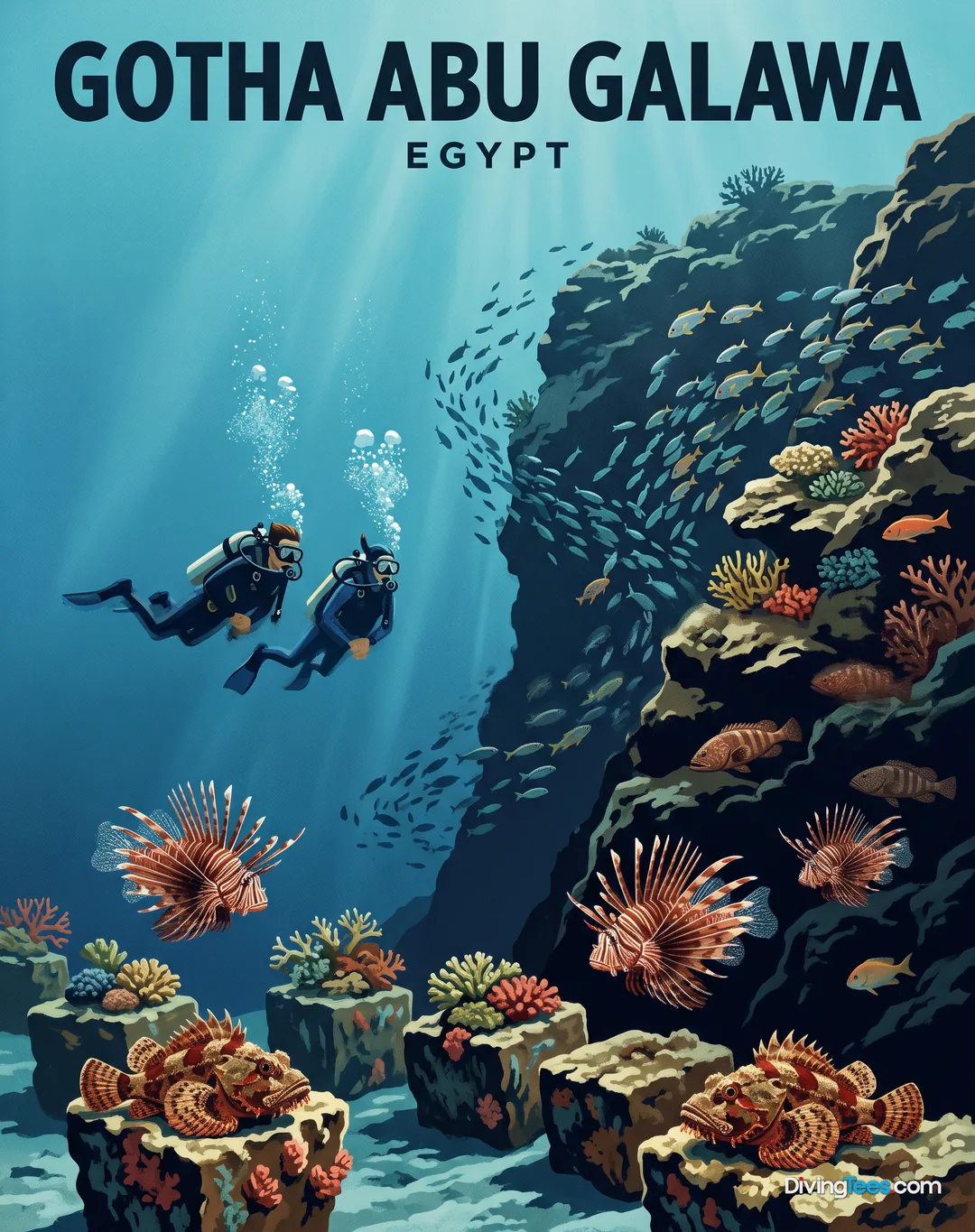
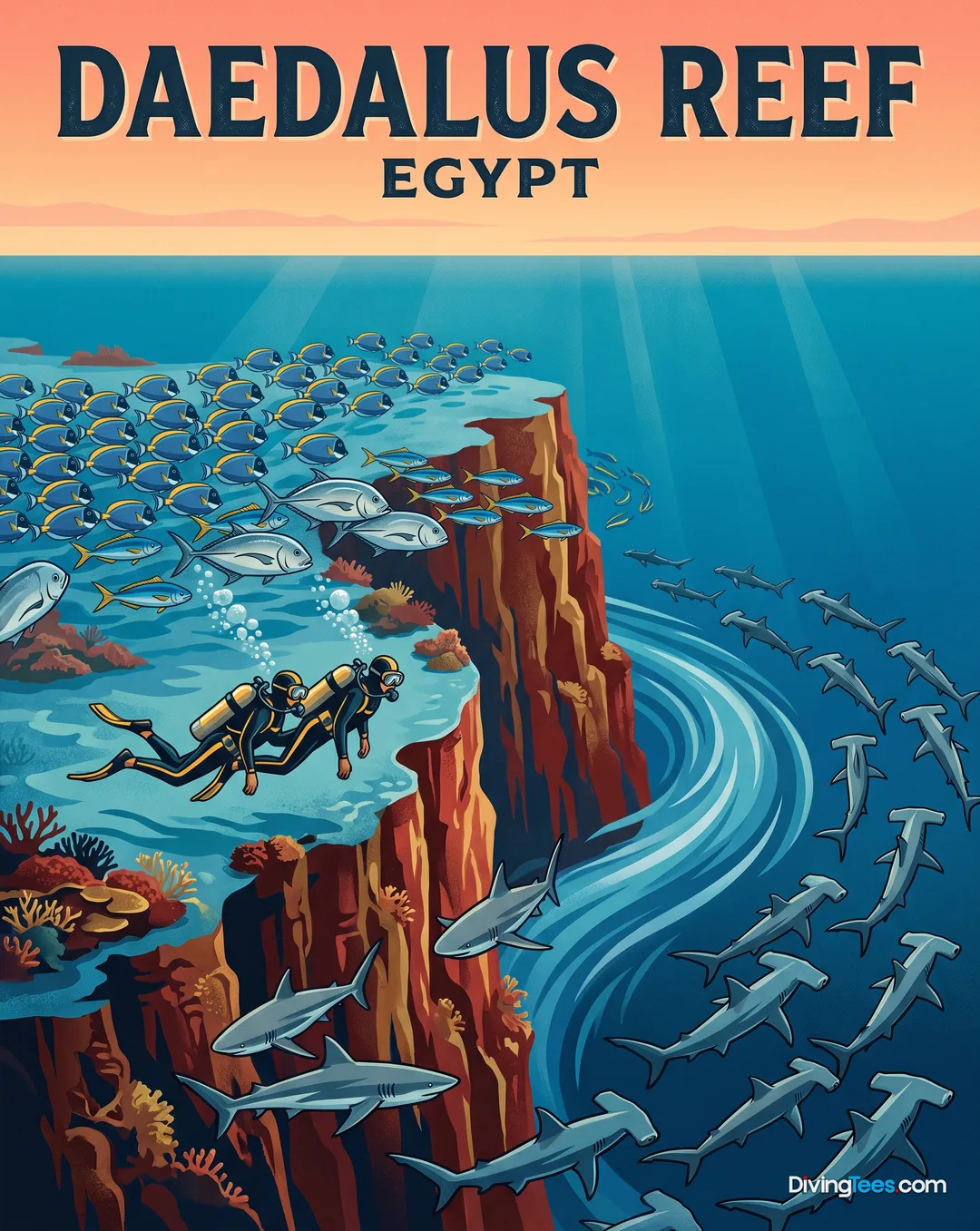
The routes cover the Red Sea’s main arguments for a liveaboard. Elphinstone drops to -60m on steep walls where oceanic whitetips, hammerheads and other pelagic sharks may pass. Marsa Egla reaches -30m in a natural bay with seagrass beds known for dugongs and green turtles, while Marsa Mubarak reaches -25m and combines seagrass with coral gardens. Rocky Island is a current-swept offshore site for sharks, barracuda and manta rays; the current is part of the attraction, not a detail to ignore. Carless Reef descends to -40m beside dramatic drop-offs and giant morays that may swim free in the blue. Abu Nuhas concentrates four wrecks close together, making it a natural wreck-diving stop. At Umm Gamar, walls lead to a cave at 28 metres and the remains of Hans Hass’s shark cage. Gotha Abu Galawa moves from a hard-coral lagoon to a wall and sandy slopes, with night dives as a particular draw. Listed trips run for 8 days and 7 nights, departing and returning through Hurghada or linking Hurghada and Marsa Alam; other recorded routes run from Marsa Alam back to Marsa Alam or Hurghada and include the Brothers, Daedalus, SS Thistlegorm, Ras Mohammed, Tiran, Rocky, Zabargad, St. John's and Sataya.
Itineraries, dates and prices
Prices per person. Each month shows its lowest price: click a month, or pick an itinerary.
Next departures · 1 departurefrom £1,382$1,847€1,650
October 2026
See dates and prices
If you click these links and make a purchase on the partner site, DivingDeal may earn a commission, at no extra cost to you.
Dates and prices taken from Divebooker, updated 21 October 2026
What you’ll meet underwater
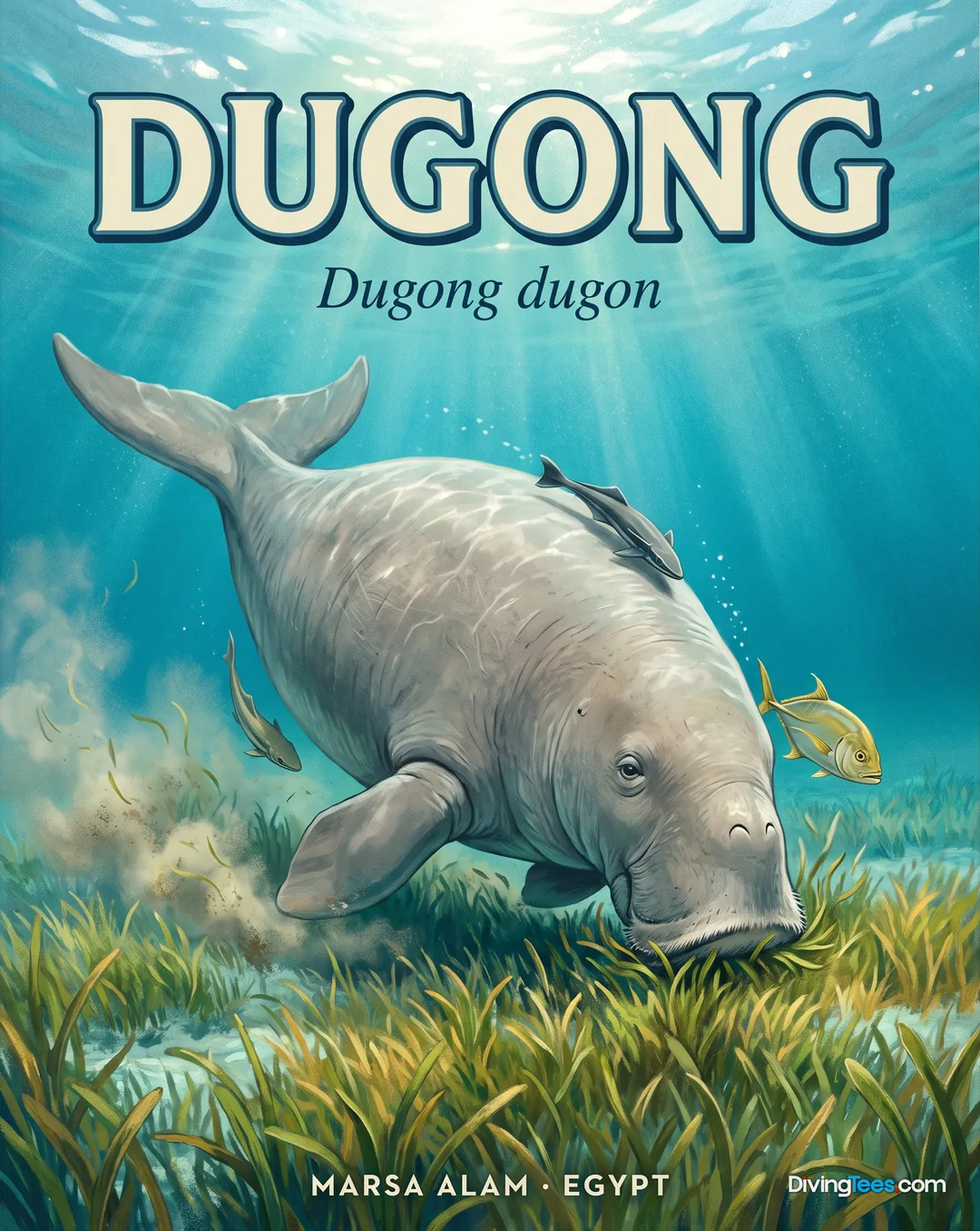
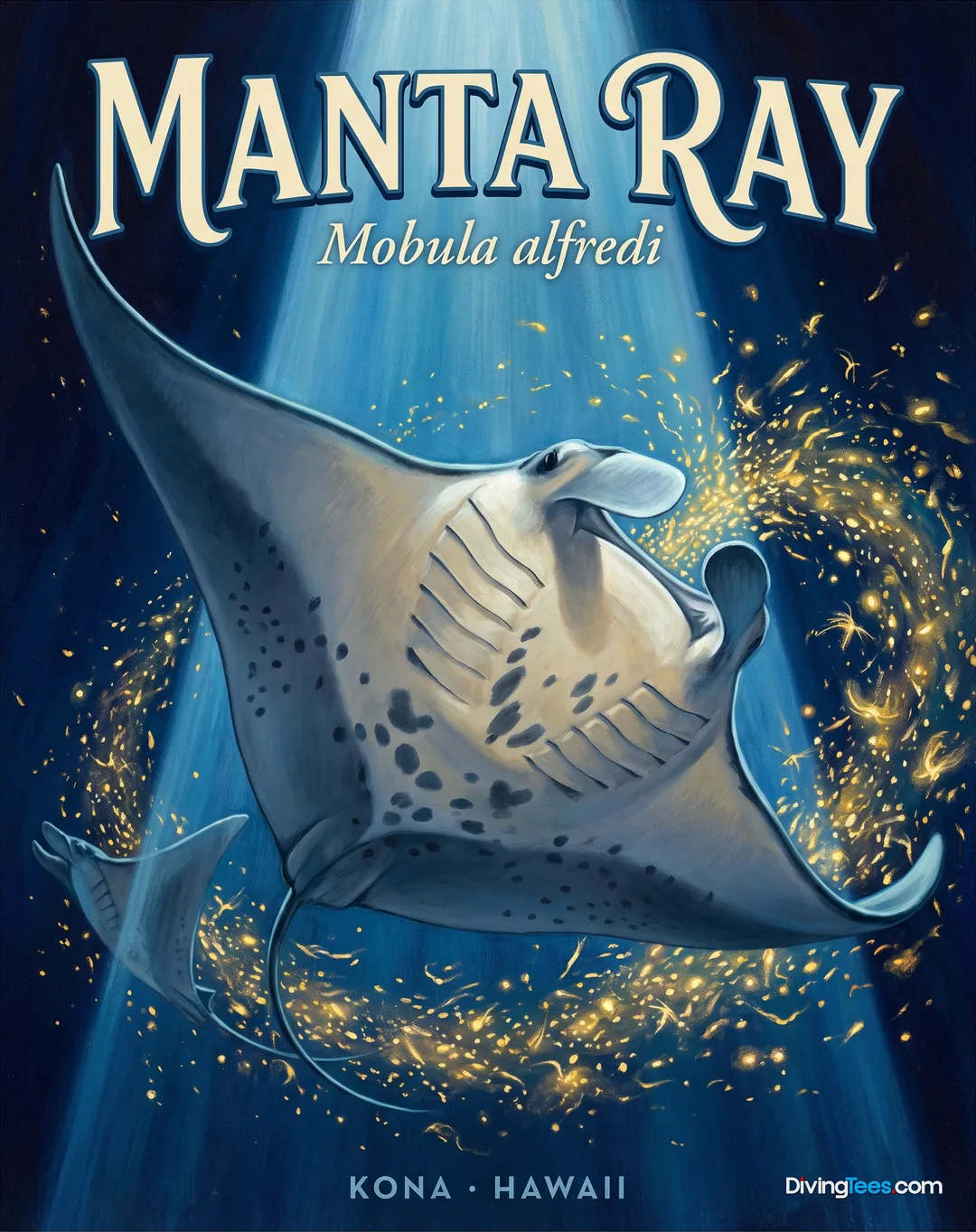
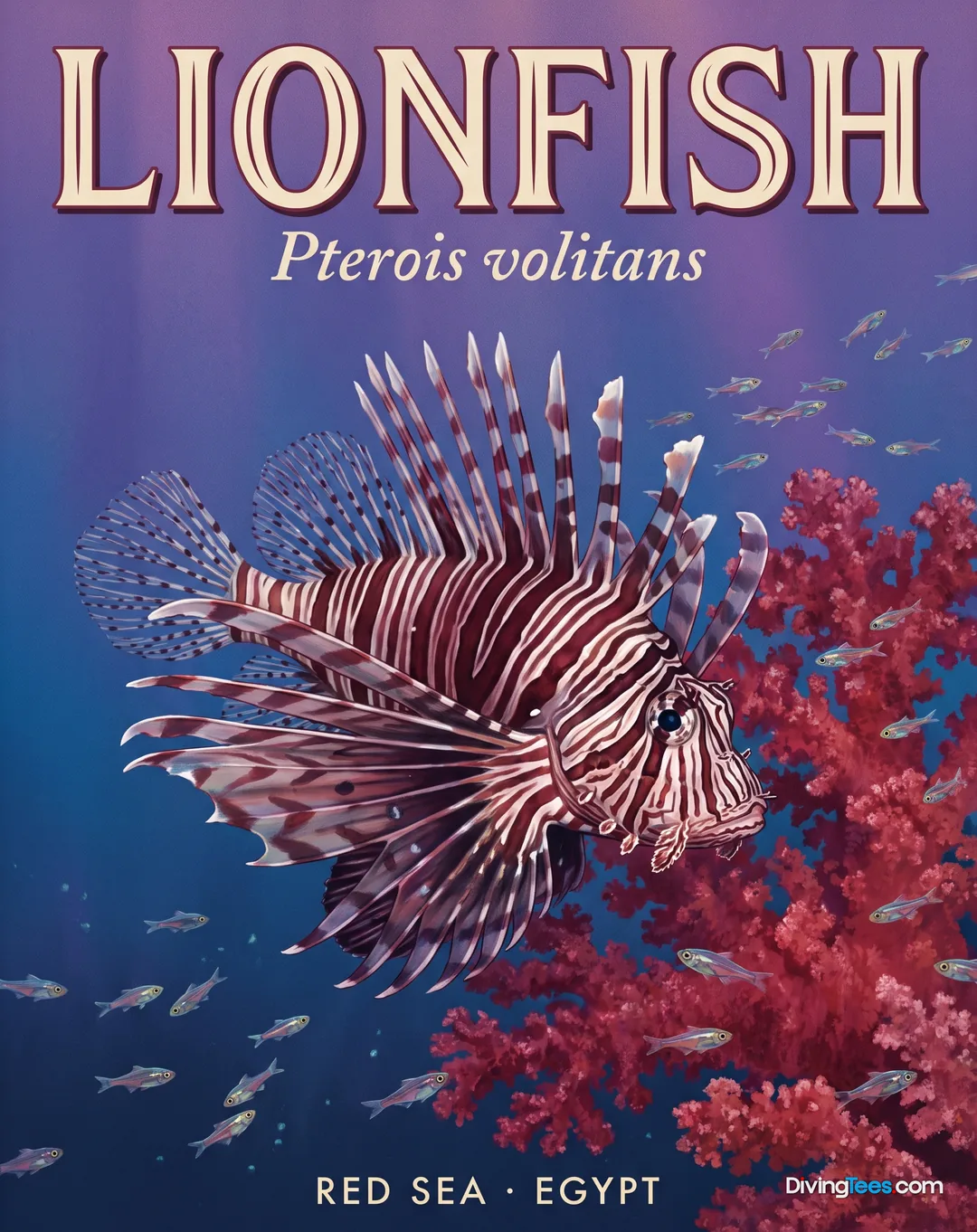
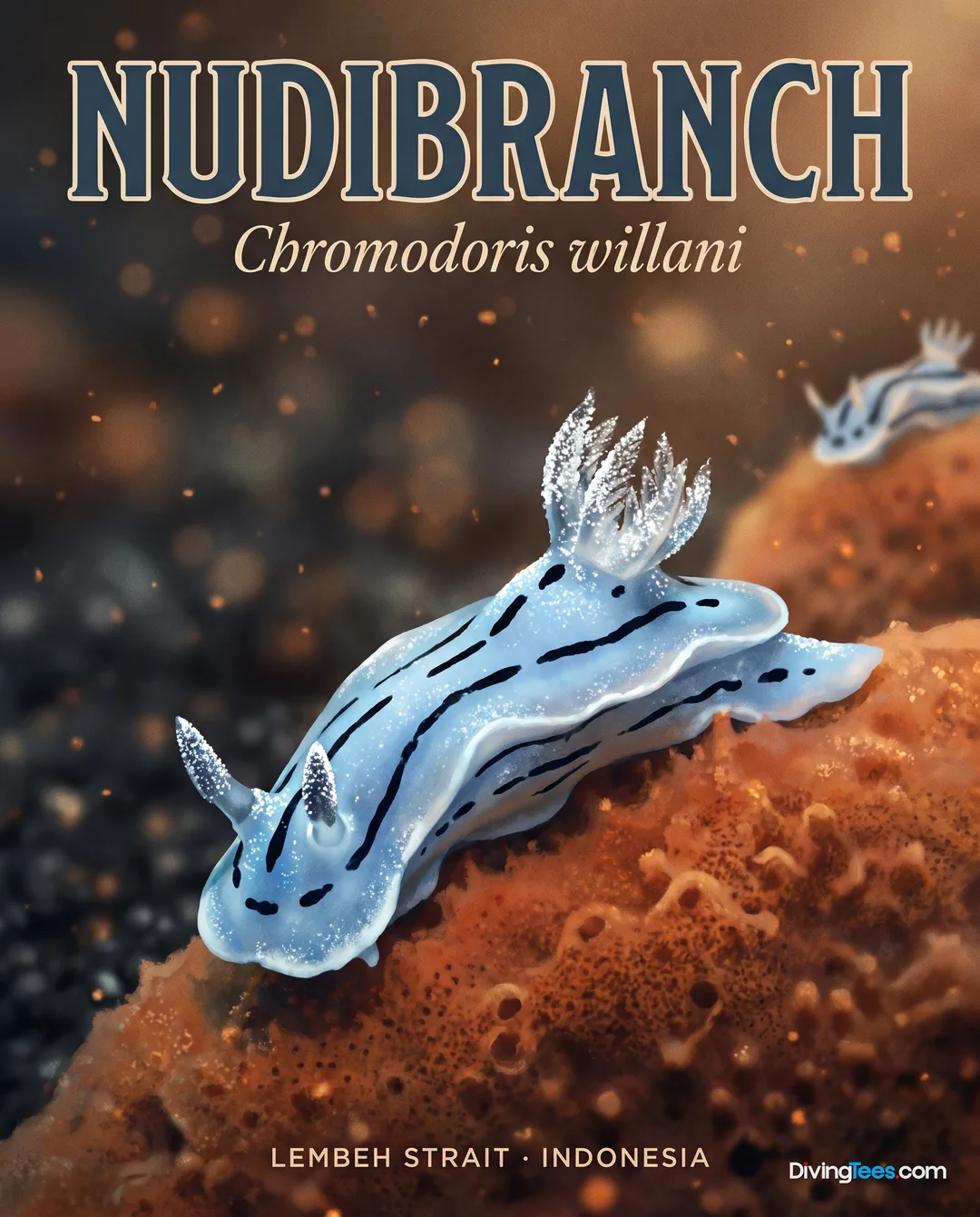
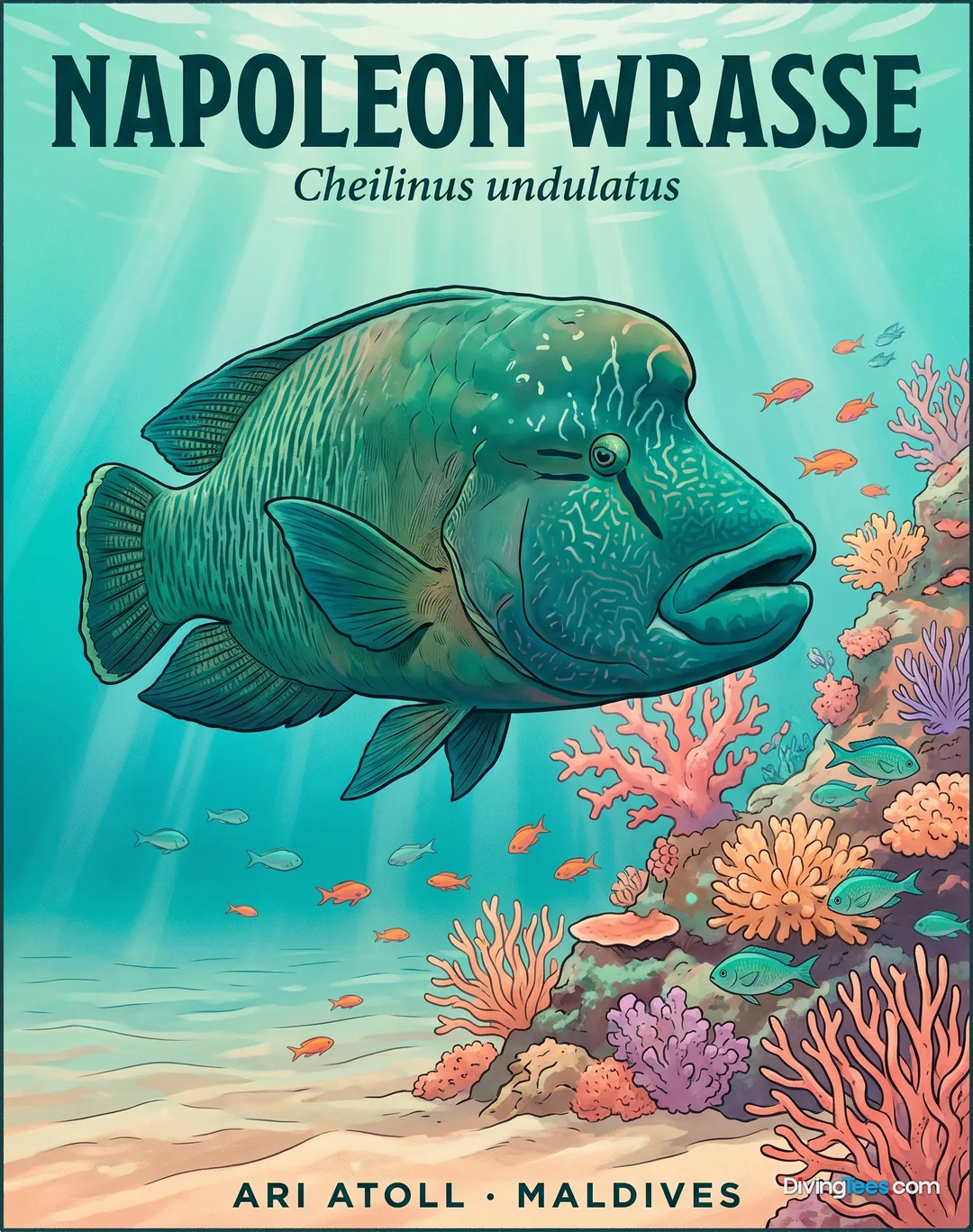
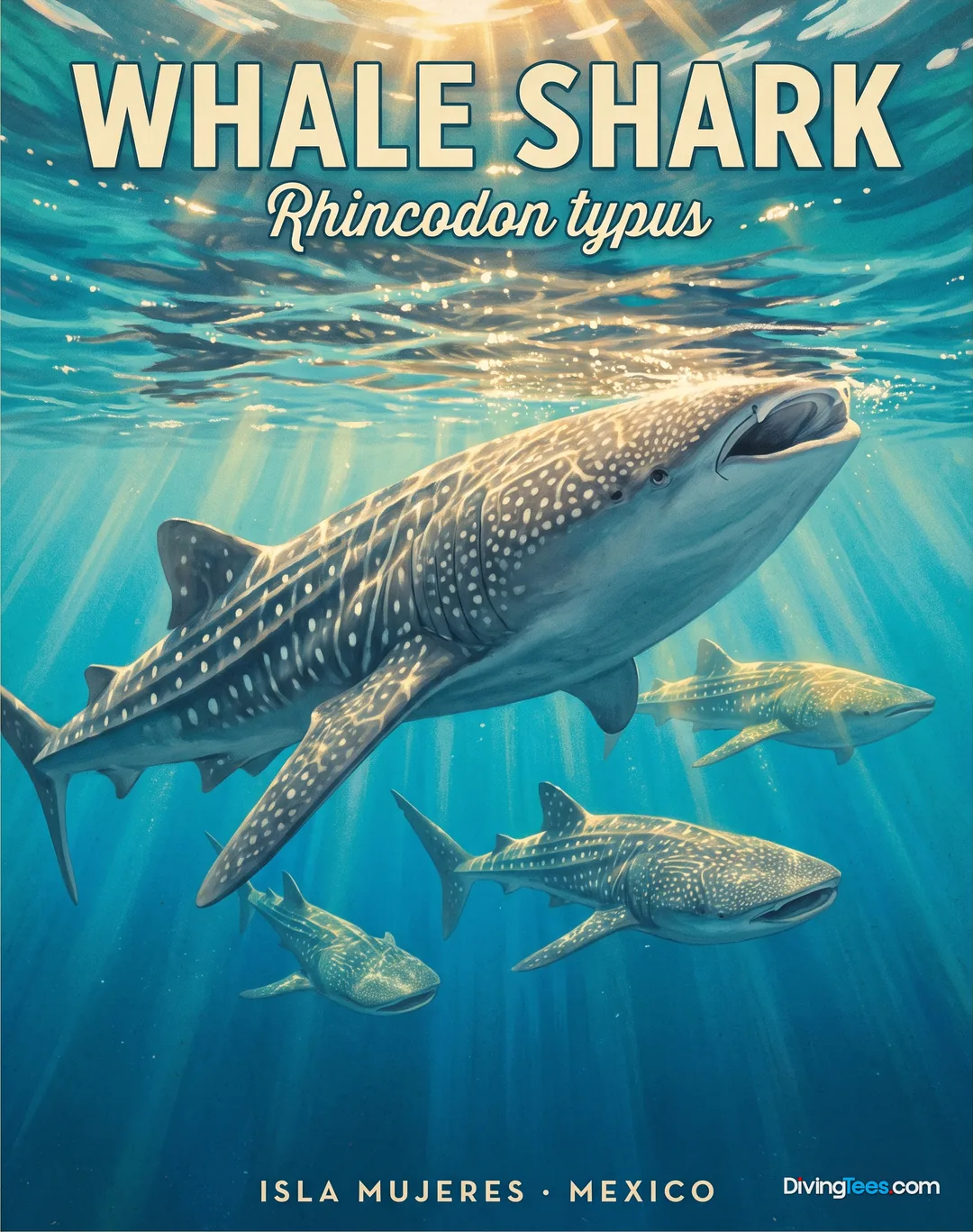
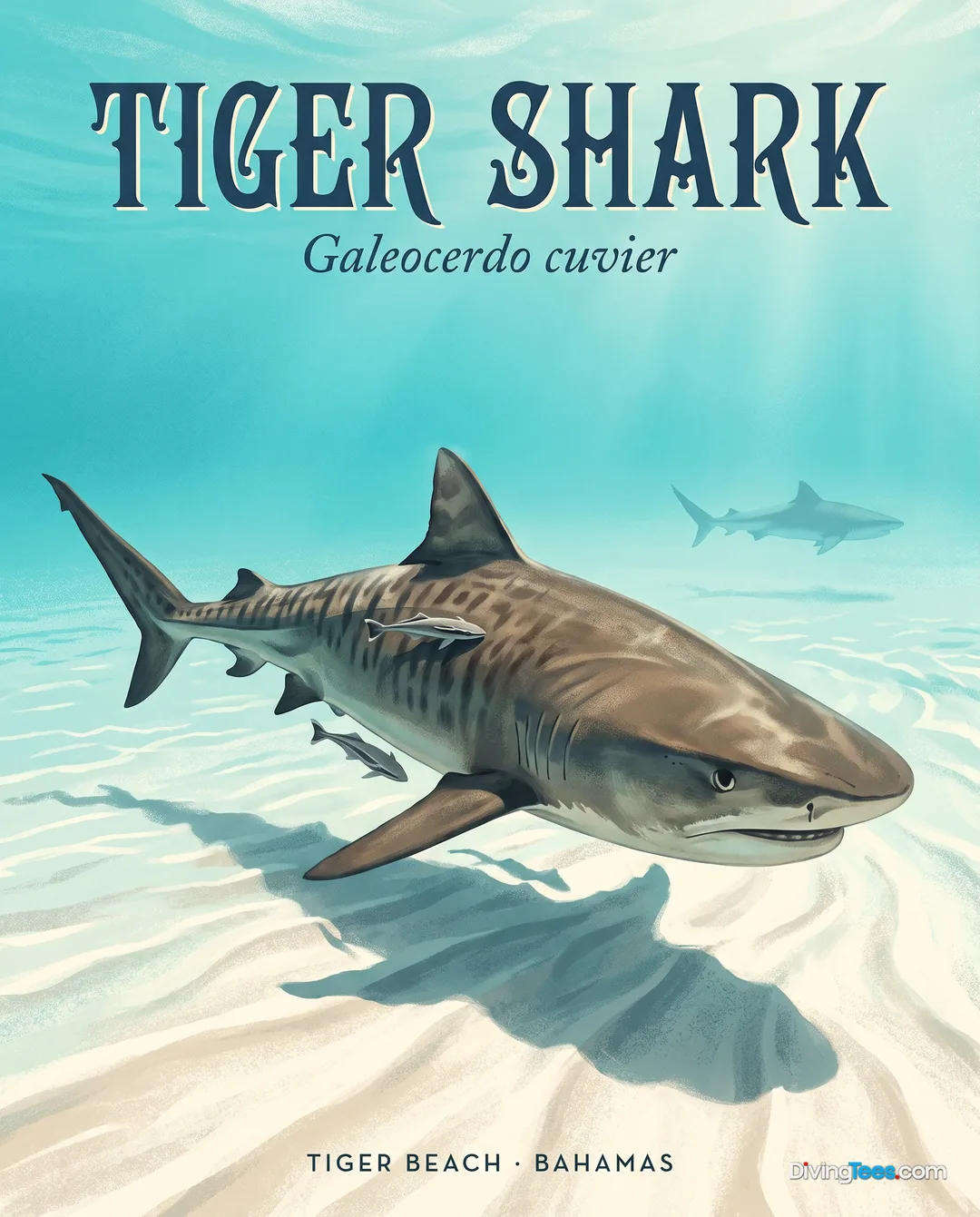
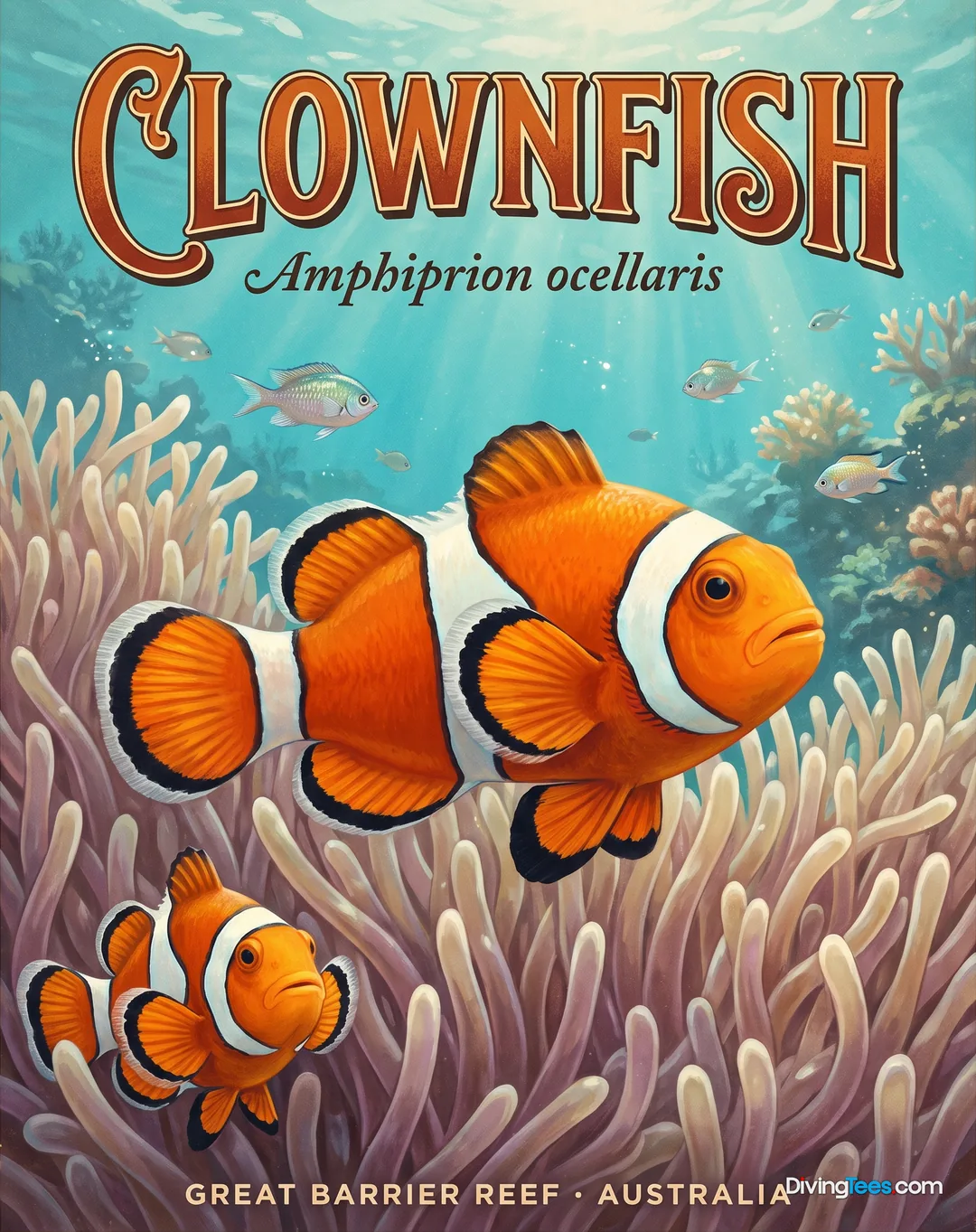
Murays, scorpionfish, groupers, jacks, barracuda, tuna, turtles, octopus, lionfish, anthias, fusiliers and nudibranchs form the familiar Red Sea background across this route. Reef sharks are recorded at seven sites, morays at nine, while barracuda, Napoleon wrasse, tuna and sea turtles each appear at five. The larger encounters depend on choosing the right site and reading the water: Elphinstone is the place for the blacktip reef shark, whale shark, tiger shark and giant trevally recorded only there, while Carless Reef is the specific stop for whitetip reef sharks. Marsa Mubarak is where clownfish and damselfish appear in the site records; Umm Gamar adds gaterins and batfish. Fanadir North is known for venomous fish and is the only listed site for stonefish and trumpetfish. Rocky Island brings the possibility of oceanic sharks, schooling barracuda and manta rays in strong current. At Marsa Egla and Marsa Mubarak, the seagrass habitat explains the chance of dugong and green turtle encounters. None of these animals is guaranteed, but each gives a diver a reason to watch a particular piece of water rather than scan the whole reef at once.
Who puts you in the water
Dives are guided, with a maximum ratio of one guide to eight divers. The team can work in Arabic, English, French, German, Polish, Spanish and Turkish, useful on routes where a group may contain several nationalities and where a precise current briefing matters. Sea Treasure asks for at least 25 logged dives and an Advanced Open Water Diver certification or equivalent. That requirement matches the character of the routes: several sites involve current, walls, blue-water observation or remote offshore diving, and the diver must be comfortable following a guide rather than treating every descent as an independent shore dive. Briefings are compulsory, buddy checks are required before every dive, and a diver who misses the briefing cannot join that dive. If a diver separates from the group, the procedure is to search for no more than one minute, ascend, deploy an SMB at 7 metres and wait for collection by a tender. A three-minute safety stop at 5 metres is required before surfacing.
The dive deck and the gear
The dive deck is built for repeated use rather than a single scenic entry. Sea Treasure carries three diving tenders, so divers are collected from the water by boat instead of relying on the liveaboard to sit directly over every ascent. The standard setup includes 12-litre tanks and weights, with DIN adaptors available. Fifteen-litre tanks, rental BCDs, regulators, wetsuits, masks, fins, boots, computers and SMBs are available at extra cost. Two Bauer compressors handle filling, and nitrox is available at extra cost. Technical diving is not supported. Photographers get a camera table, charging stations, dedicated camera storage and separate rinse tanks for underwater cameras. The deck also has a dedicated dive area, tender support and space to prepare before the briefing.
Between dives
Between dives, Sea Treasure gives guests several ways to get out of the traffic of the dive deck. The sun deck and loungers are for drying off and watching the reef disappear astern; the open-air saloon gives shade without shutting out the sea; the indoor saloon provides air conditioning when the heat has done its work. A bar, soft drinks and snacks keep the surface interval simple, while the massage corner and panoramic jacuzzi offer a different kind of recovery after a current-heavy dive. There is also a hot tub, entertainment system and free Wi-Fi for the moments when nobody wants to talk about the last jump. On a long crossing, that separation matters. Divers can sit together, find a quiet corner or move indoors without competing for one single seating area. The boat’s space is most useful in the hours when the next dive is still far enough away to relax.
A day on board
A day aboard starts with the dive operation, not with a late breakfast. The first briefing comes before the first entry, and the boat’s rhythm then turns on the sequence of dives, surface intervals and meals. After each dive, the tender collects divers from the surface and brings them back to the platform, where tanks are prepared again while guests eat, drink, download photographs or move into shade. A maximum dive time of 60 minutes applies, although air consumption, no-decompression limits and the boat’s movement can shorten a dive. The afternoon leaves room for another descent or for a longer break on the sun deck, depending on the site and conditions. Where the itinerary and conditions allow, a night dive changes the reef completely: lionfish hunt, morays leave their holes and small life becomes easier to notice. The day ends when the gear is rinsed, the last meal is finished and the sea outside the saloon becomes dark. Then the cycle starts again.
What you eat aboard
Meals combine Western and local food, served through both buffet and plate service. Dietary restrictions are catered for, while hot and cold soft drinks, coffee, tea, fresh fruit and snacks are available through the day. That matters on a diving boat because the table is not an evening event; it is part of the surface interval, fitted between kit checks, briefings and the next entry into the water. The food has to be easy to reach and substantial enough for repeated dives, without turning every break into a long formal meal. Sea Treasure also keeps snacks available between the main services, which suits divers whose appetite arrives at different points after a dive. The useful detail is the combination rather than a single menu: local dishes bring the Red Sea setting into the galley, while familiar Western choices and dietary planning make a full week easier for a mixed group.
Nights at sea
The cabins are the quiet part of Sea Treasure, with individually controlled air conditioning and en-suite facilities to give each diver a private place to come back to after the last dive. The categories range from Twin Share Cabins to Sun Deck Suites and Jacuzzi Master Suites, so the choice is mainly about how much personal space and deck access matter to the trip. The boat’s five-floor layout separates sleeping areas from the main social spaces, while the saloon and open-air decks keep conversation and evening activity out of the cabin itself. A cabin on a liveaboard is never a hotel room: wet gear, cameras and bags are part of the week, and the useful luxury is having somewhere orderly to put them. Sea Treasure adds air conditioning, suite options and a spacious common area to that practical arrangement. The result is a place to sleep properly between dives, not a room designed to be admired from the doorway.
Jacuzzi Master Suite
Twin Share Cabin
Sun Deck Suite
What to know before boarding
Recorded departures and returns use Hurghada, Marsa Alam, or a combination of the two, depending on the itinerary. Flight details and, when relevant, the resort and airport meeting information are collected for arranging the arrival logistics; transfer inclusion is not stated as a standard part of the boat description. Arriving the night before is the sensible choice for a liveaboard departure, especially when the route begins outside the airport city.
- Year built
- 2026
- Length
- 46 m
- Beam
- 11 m
- Maximum number of passengers
- 36
- Number of cabins
- 18
- Engines
- 3 Merccedes 1200 hp
- Tenders
- × 3
- Website
- blueshadesdiving.com ↗
Hello, I'm Marina, DivingDeal.com's AI assistant. I answer in detail about hotels, dive centres and liveaboards.
Thinking about the whole trip and the flights? Talk it over with Edith →
Marina is an AI. Some links are affiliate links: DivingDeal may earn a commission, at no extra cost to you. Bookings are made with the partner.