Adventure Divers Bali
Google 5/5 (1,690 reviews)
23 km away as the crow flies
Bali · Indonesia · Asia
Max. depth · 40 mDescend along the steep walls of Gili Tepekong, where coral gardens conceal resident sharks and the challenging Canyon pulsates with unpredictable currents.
For subtitles in English: start the video firstthen click the gearat the top right of the video, select “Subtitles/CC”, then “Auto-translate” and choose “English”.
Dropping into Gili Tepekong, you immediately notice the sheer scale of the north and east faces of the island. These are not gentle slopes but steep walls that plummet beyond recreational dive limits, creating a dramatic underwater landscape. As you descend, the light shifts, playing across the rich coral cover that blankets these surfaces, offering a vibrant tableau of hard and soft corals that thrive in the nutrient-rich waters.
The journey along these walls is a continuous exploration of thriving ecosystems. Keep a keen eye on the numerous crevices and overhangs, as these are often favored hiding spots for a diverse array of marine life. This intricate topography provides shelter and hunting grounds, establishing Gili Tepekong as a site where you are constantly engaged, searching for the next encounter amongst the abundant reef inhabitants.
Among the deeper sections and within the various caves dotted along the wall, you might have the opportunity to spot sharks. While not a guaranteed encounter, these occasional sightings add a layer of excitement, reminding you of the wilder side of Bali's underwater world. It's a moment of quiet anticipation, hovering near a shadowed entrance, hoping to catch a glimpse of these apex predators in their natural habitat.
Moving towards the southwest, the character of the dive site changes distinctly with the presence of The Canyon. This particular area is known for its more demanding conditions, primarily due to strong and often unpredictable currents. It's a section of the reef that requires a higher level of dive proficiency, where careful planning and excellent buoyancy control are paramount to safely navigate its dynamic environment.
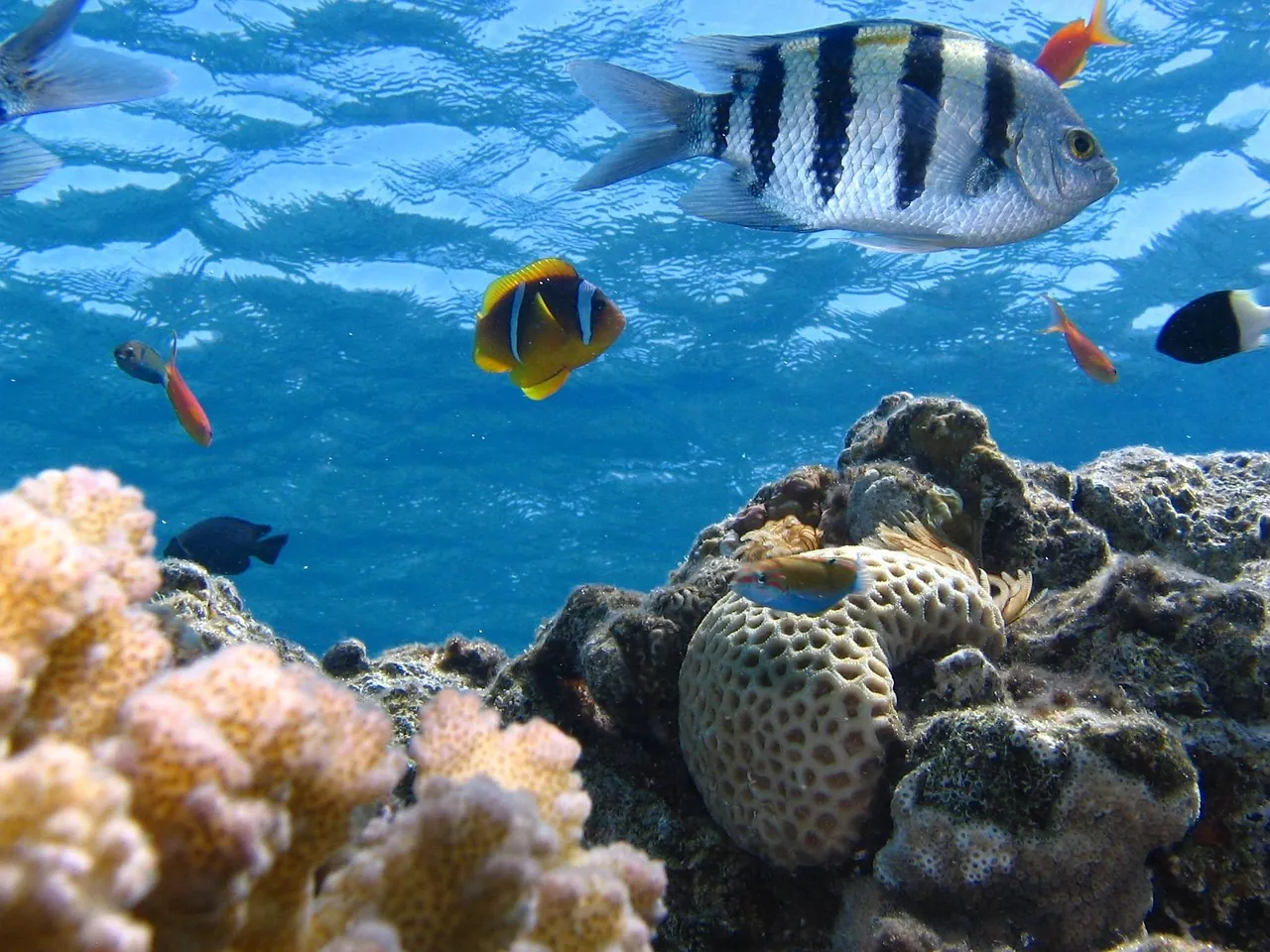
Within The Canyon and along the main walls, a broad spectrum of fish life patrols the reef. You'll encounter schools of Anthias and Basslets (Pseudanthias squamipinnis) adding splashes of colour, while larger species like Groupers and Snappers (Lutjanus bohar) cruise the contours. Angelfish (Pomacanthus navarchus), Moorish Idols (Zanclus cornutus), and Butterflyfish (Chaetodon speculum) are among the many resident species that contribute to the bustling ecosystem.
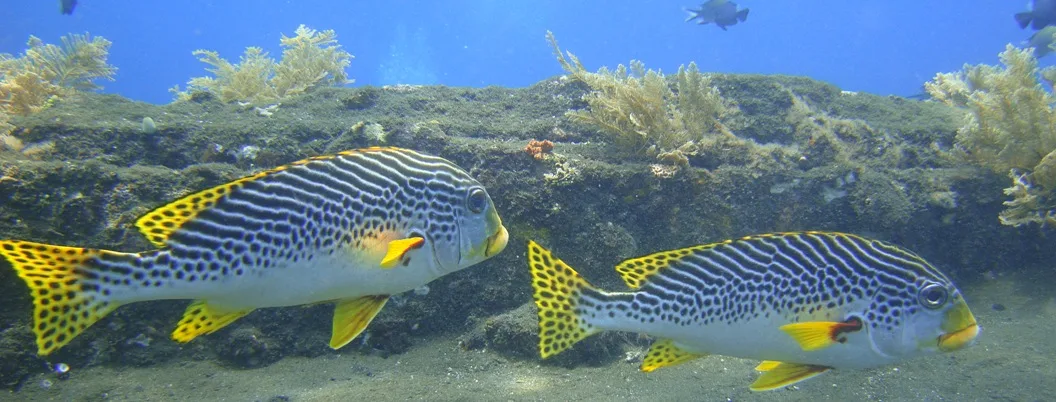
As you drift or fin along, the structure of the wall provides endless fascination. Look out for White-tip Reef Sharks (Triaenodon obesus) often resting on sandy ledges or patrolling the deeper sections. Sweetlips (Plectorhinchus lineatus), Surgeonfish (Acanthurus lineatus), and Fusiliers (Caesio teres) form part of the busy reef community, creating a constantly moving tapestry of life against the backdrop of the coral-covered rock.
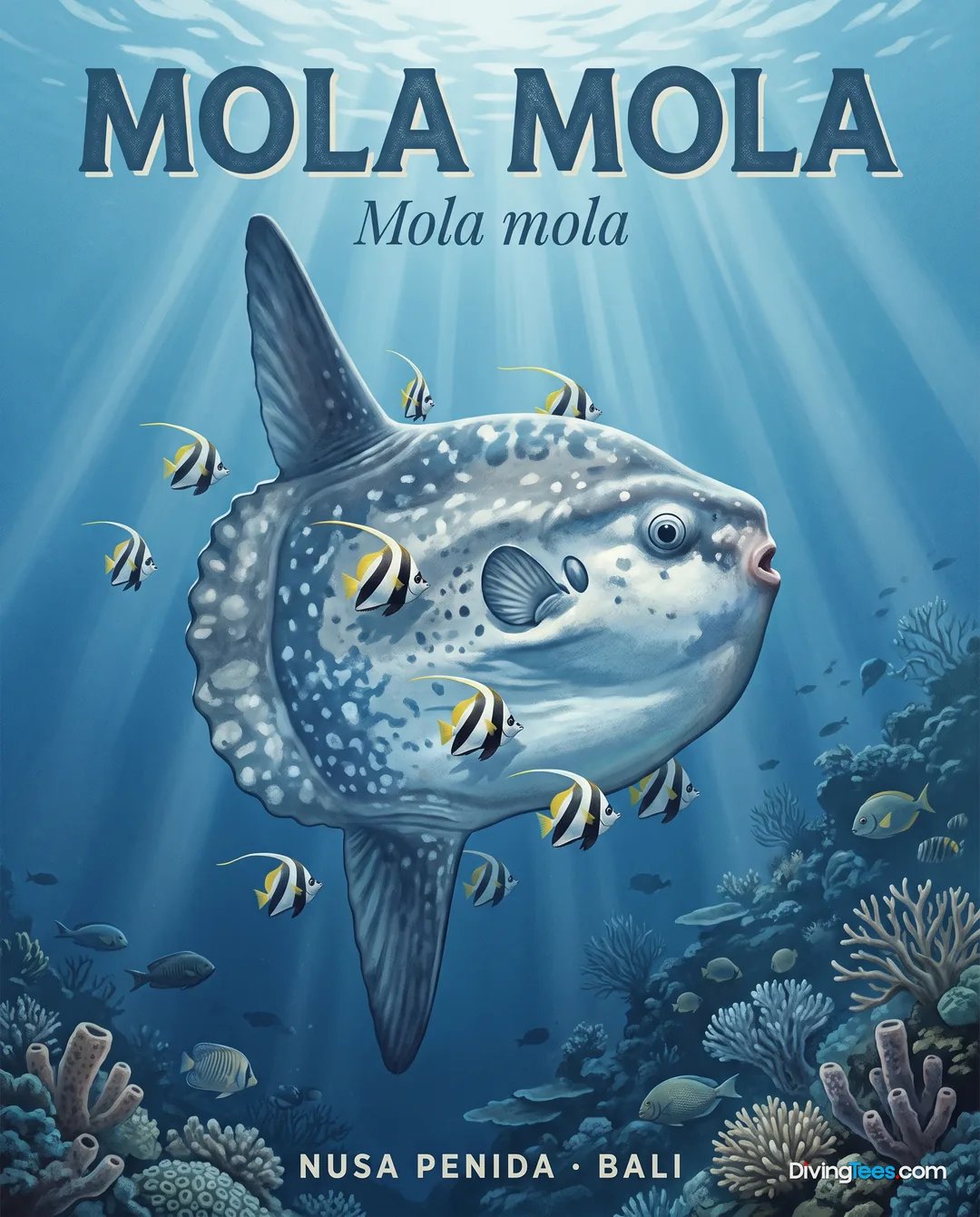
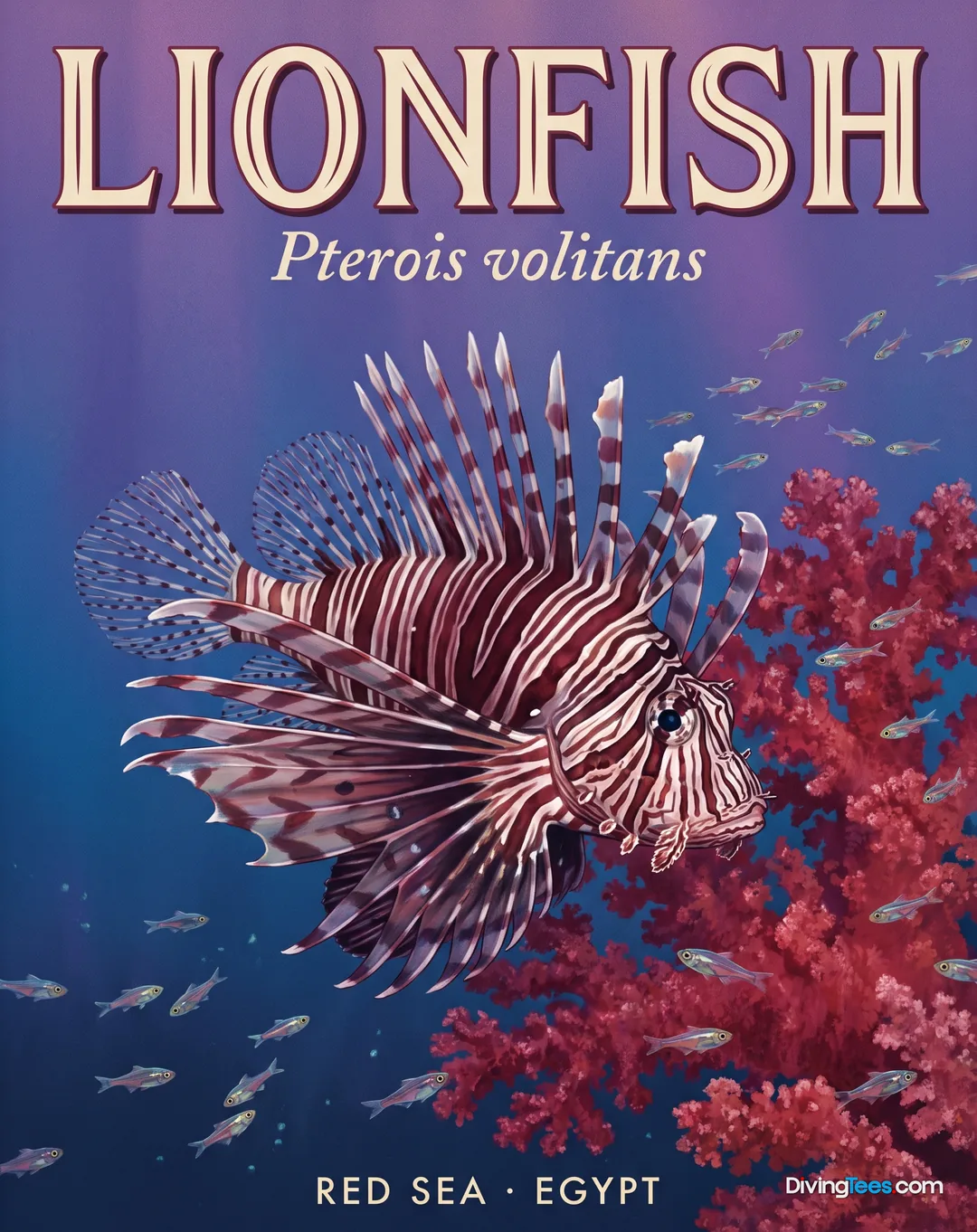
Beyond the resident reef fish, Gili Tepekong also holds the potential for encounters with more pelagic species. Trevally (Caranx ignobilis) are often seen moving in schools, and the distinctive silhouette of a Lionfish (Pterois volitans) might catch your eye as it hunts. During August and September, the colder, nutrient-rich upwellings bring the chance to see the elusive Mola-Mola (Oceanic Sunfish), a truly unique and memorable encounter for those lucky enough to witness it.
Diving at Gili Tepekong ranges from a minimum depth of 20 metres to a maximum of 40 metres. The site is generally open to most divers, though the challenging conditions within The Canyon require experienced divers. Visibility averages around 15 metres. Strong, unpredictable currents are present, particularly in The Canyon. The best period to visit for the potential to see Mola-Mola (Oceanic Sunfish) is during August and September.
Plan a visit to Gili Tepekong during August and September if you want the potential to encounter Mola-Mola, also known as Oceanic Sunfish. Colder, nutrient-rich upwellings during this period bring the chance of seeing these pelagic fish, although an encounter is not guaranteed.
Gili Tepekong is generally open to most divers, but The Canyon requires experienced divers because of its demanding conditions. Careful planning and excellent buoyancy control are important there, where strong, unpredictable currents make navigation more challenging than along the main walls.
Gili Tepekong ranges from twenty to forty metres deep, with steep walls that descend beyond recreational dive limits. Strong, unpredictable currents are present, particularly in The Canyon. These conditions make that section demanding, while the walls offer a different route through the site’s dramatic underwater landscape.
At Gili Tepekong, you can explore steep walls covered with hard and soft corals, plus caves, crevices, and overhangs that shelter reef life. Expect diverse fish including Angelfish, Groupers, Snappers, Butterflyfish, and Trevally. You may also see White-tip Reef Sharks, occasional sharks in caves, Lionfish, and potentially Mola-Mola.