

Soul Scuba Divers
★ 4.8/5 (678 reviews)
2.7 km away as the crow flies
Raja Ampat · Indonesia · Asia
Max. depth · 30 mDescend Ransiwor's gentle slopes in Raja Ampat, where cleaning stations buzz with activity and a vibrant school of yellow-back fusiliers becomes your constant companion.
For subtitles in English: start the video firstthen click the gearat the top right of the video, select “Subtitles/CC”, then “Auto-translate” and choose “English”.
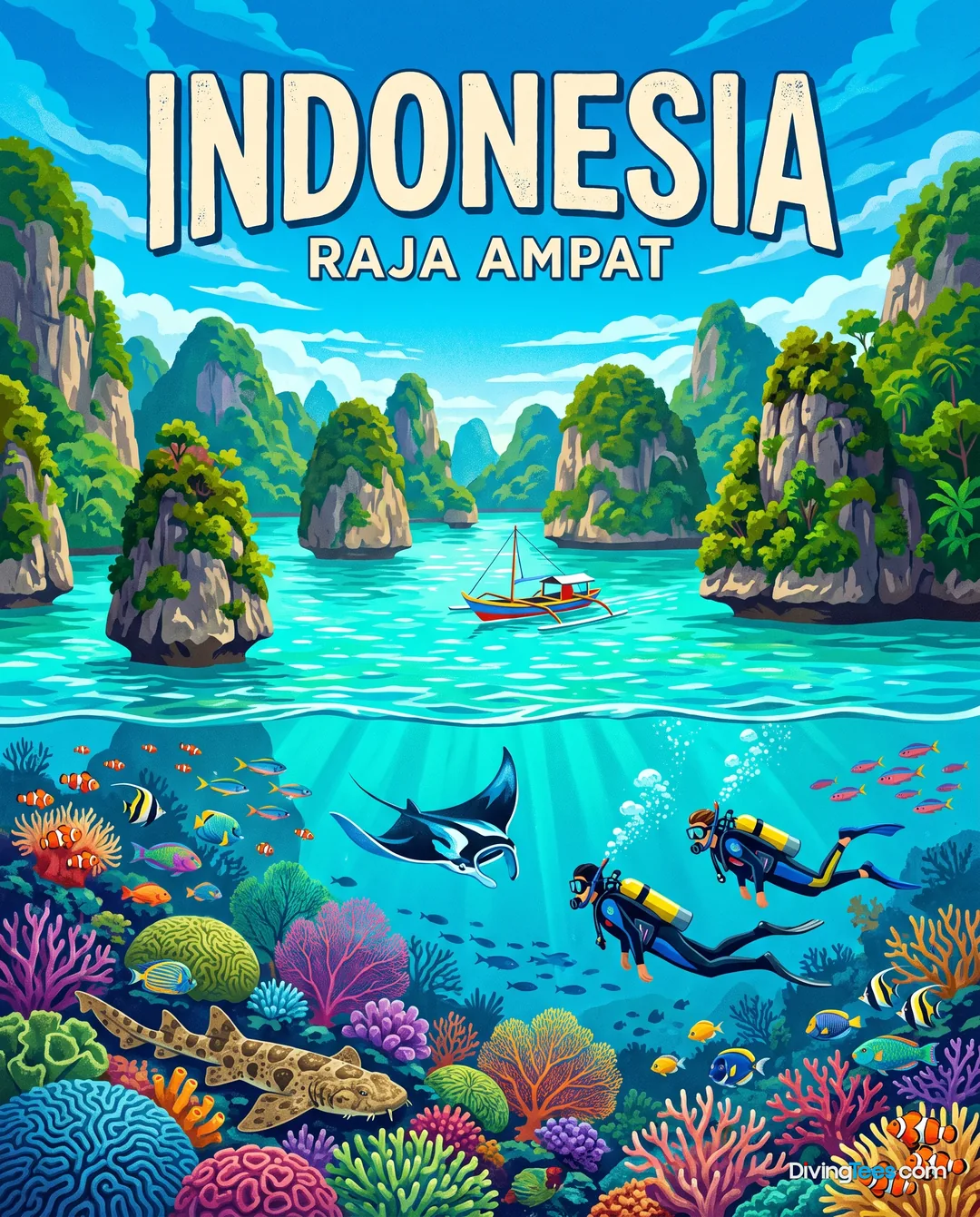
Ransiwor is a gently sloping fringing reef situated around a small island between Kri and Mansuar in central Raja Ampat. The site's topography allows for a gradual descent, making it easy to manage buoyancy and observe the reef as you move deeper. This profile means you can spend significant time exploring the healthy coral gardens, which are rich in smaller creatures and provide ample opportunity for macro photography.
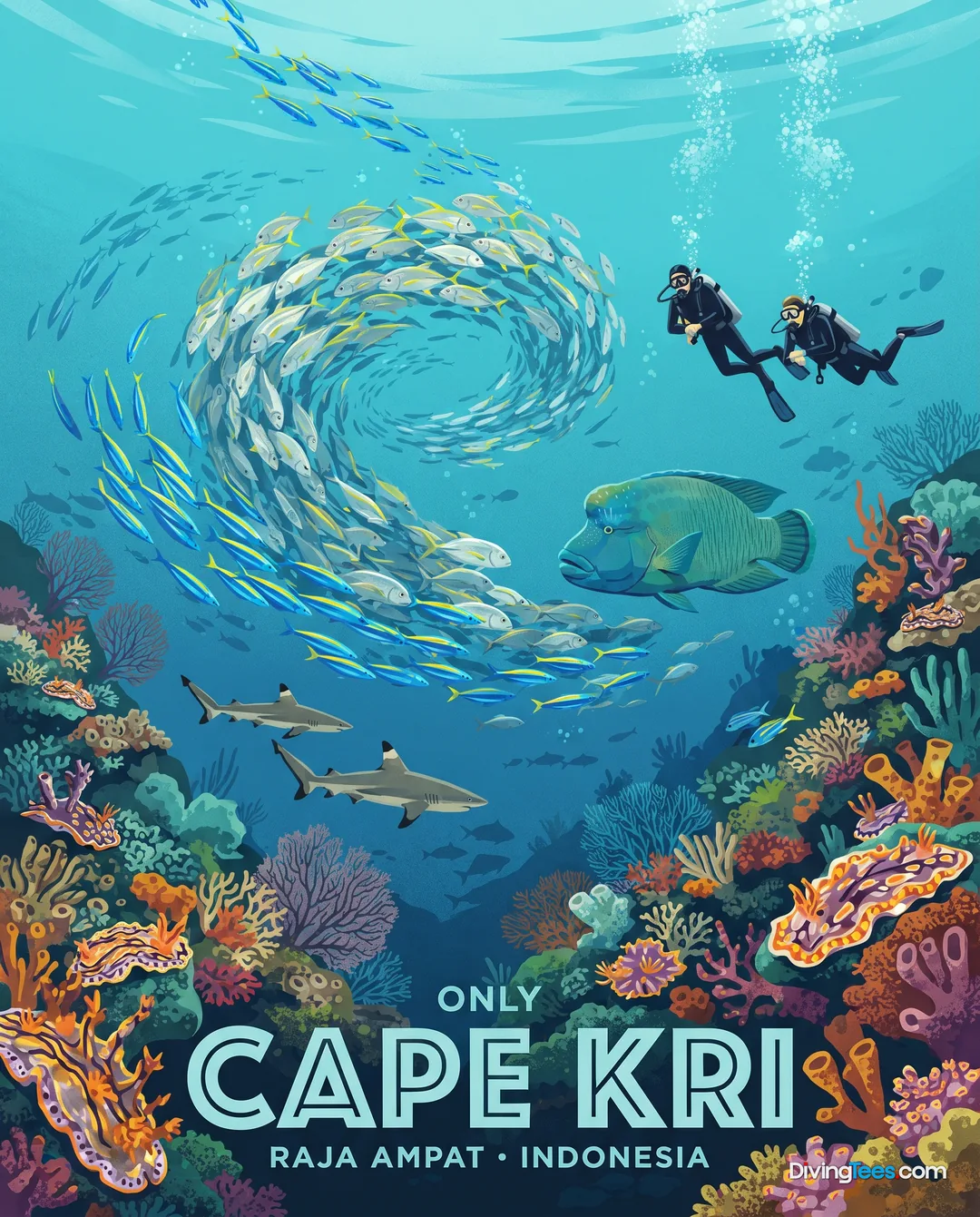
As you begin your dive, you'll find yourself immersed in a dynamic environment, often accompanied by large schools of yellow-back fusiliers (Caesio xanthonota). These fish move as a single entity, creating shifting curtains of silver and yellow that undulate around you throughout the dive. Their constant presence adds a sense of motion and vibrancy, making for an immersive experience as they navigate the reef alongside you.
One of Ransiwor's defining features is the abundance of cleaning stations distributed along its slopes. These vital hubs are where larger fish come to have parasites removed by cleaner wrasses and shrimps. Taking time to observe these interactions reveals the intricate symbiotic relationships fundamental to reef life, and these stations often attract a variety of species, from sweetlips to larger pelagics.
The sloping nature of Ransiwor provides varied habitats, increasing your chances of encountering turtles, including green turtles and hawksbill turtles, often found grazing on corals or resting peacefully on the reef. Beyond the turtles, you're likely to spot oriental sweetlips hovering near cleaning stations or patrolling the reef in small groups, their distinctive patterns a common sight against the coral backdrop.
While exploring the reef, keep an eye out for the resident macro life. You might spot cuttlefish, pipefish, or the elusive ornate ghost pipefish tucked away in the corals. Leaf scorpionfish are also present, blending seamlessly with their surroundings, requiring a keen eye to spot them. These smaller inhabitants contribute to the rich biodiversity that makes Ransiwor a rewarding site for detailed observation.
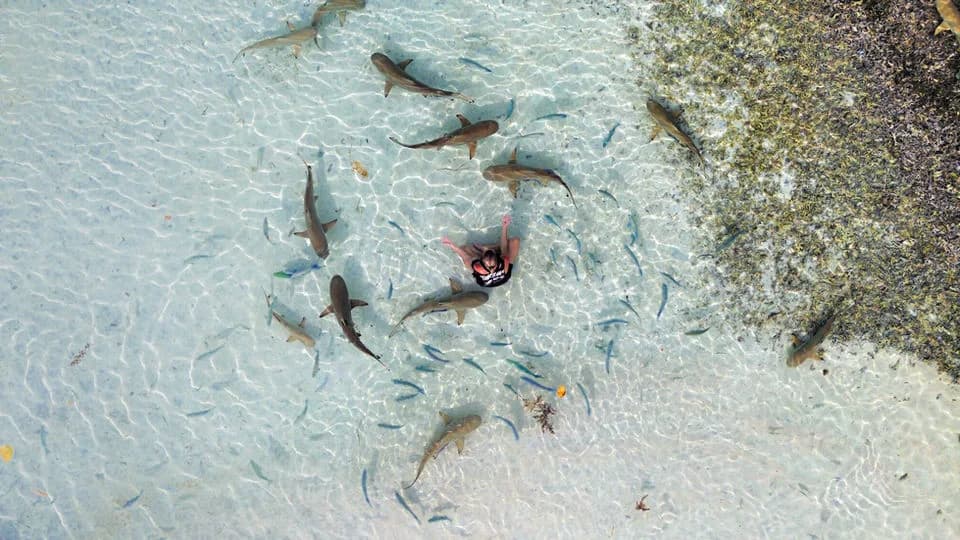
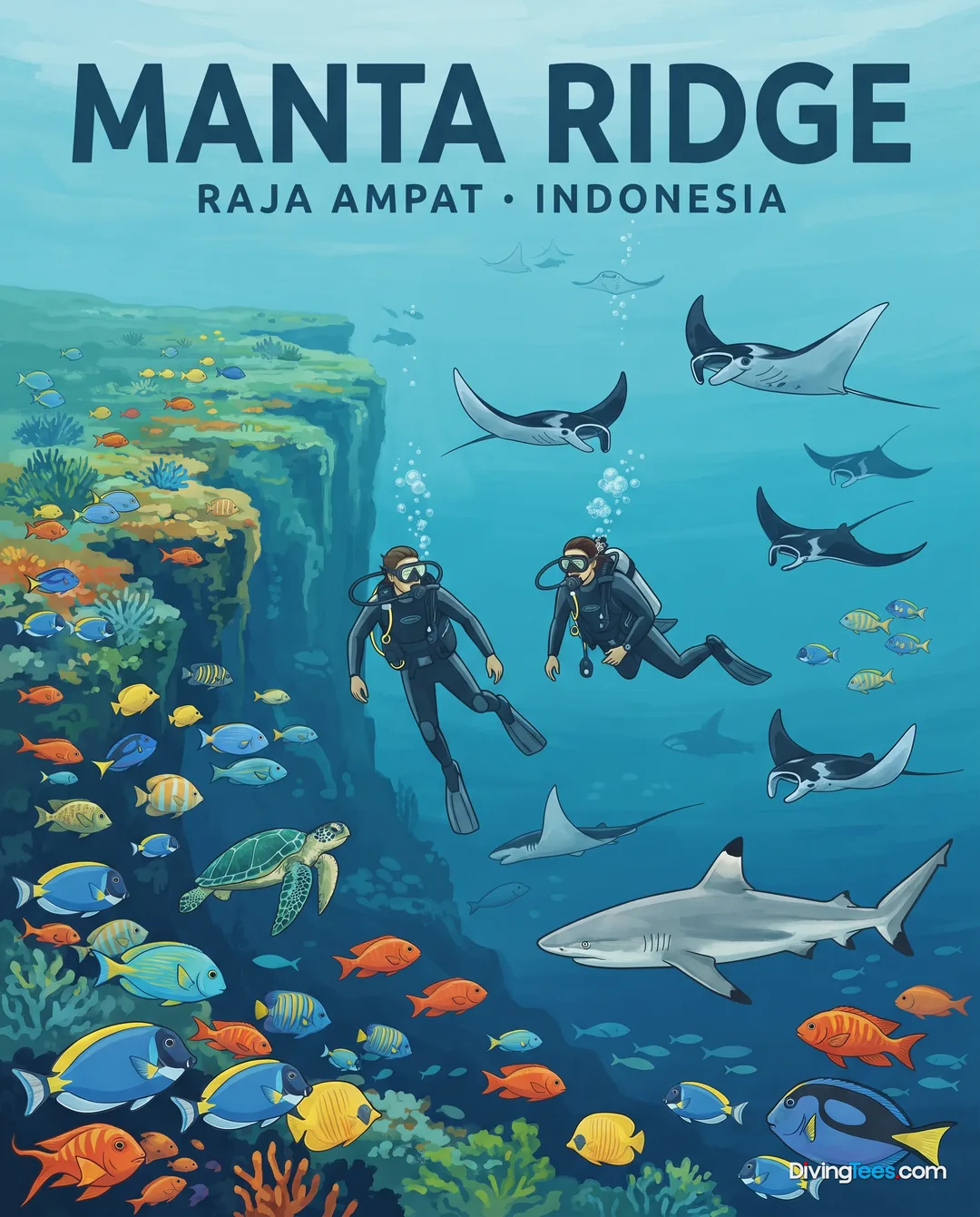
Beyond the reef's immediate inhabitants, Ransiwor also offers encounters with larger species. Giant bumphead parrotfish are frequently seen, along with occasional blacktip reef sharks, whitetip reef sharks, and even wobbegongs resting on the bottom. Barracuda and stingrays are also part of the diverse marine community here, providing a mix of wide-angle and macro photographic opportunities.
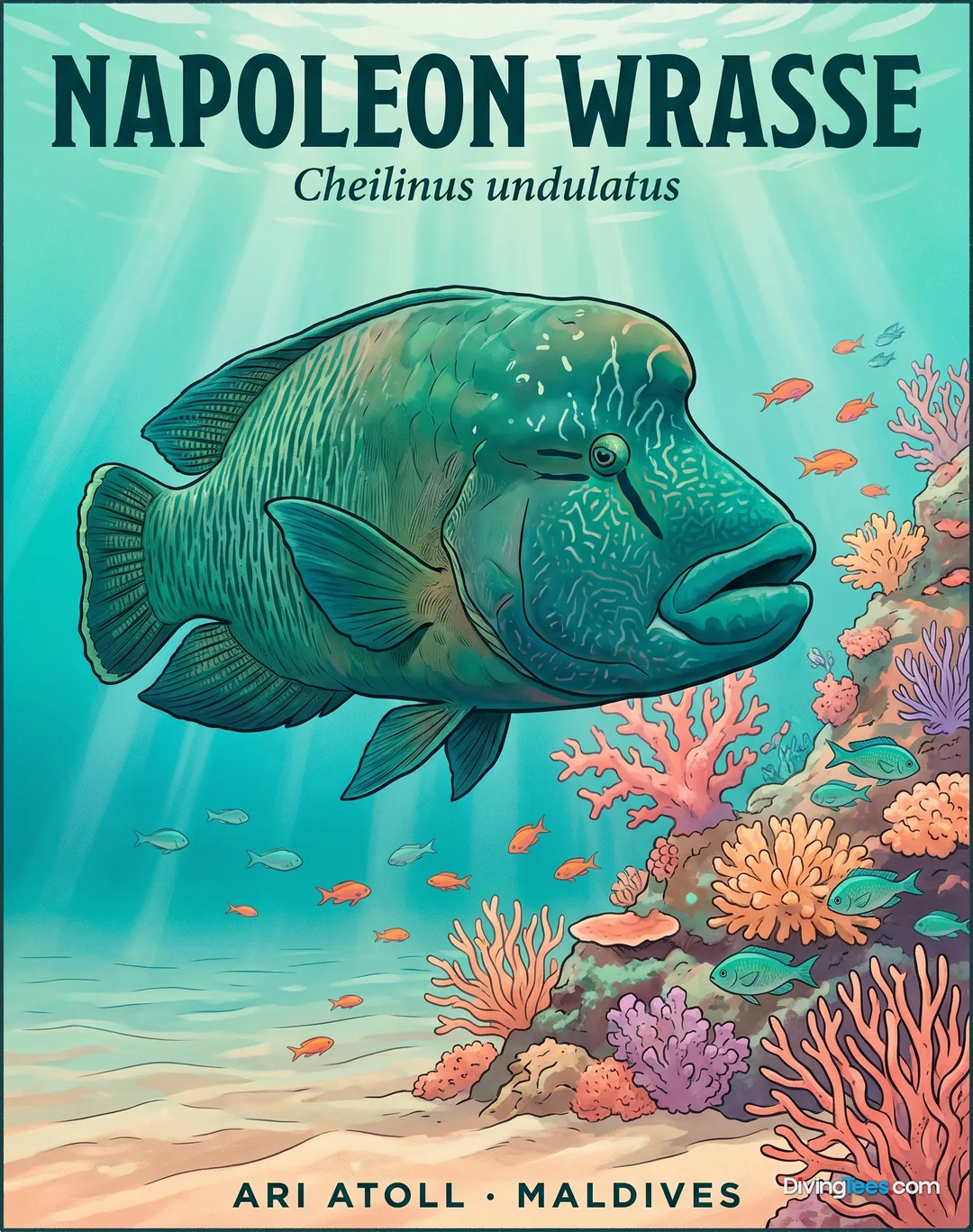
The site's rich coral gardens are home to a variety of reef fish, including batfish, butterflyfish, and angelfish. You can also find clown triggerfish and titan triggerfish, along with clownfish nestled in their anemones. Napoleon wrasse are sometimes spotted, adding to the diversity of the larger reef fish. This blend of species, from the smallest pipefish to the largest parrotfish, ensures a varied and engaging dive experience.
Ransiwor is accessible to divers of all levels, with depths ranging from 3 to 30 metres. Current is typically mild to moderate, though it can occasionally be strong, particularly with tidal changes, and the site can be dived as a drift. Visibility generally ranges from 15 to 30 metres. The best time to dive Ransiwor is between October and April, when the dry season brings improved ocean conditions.
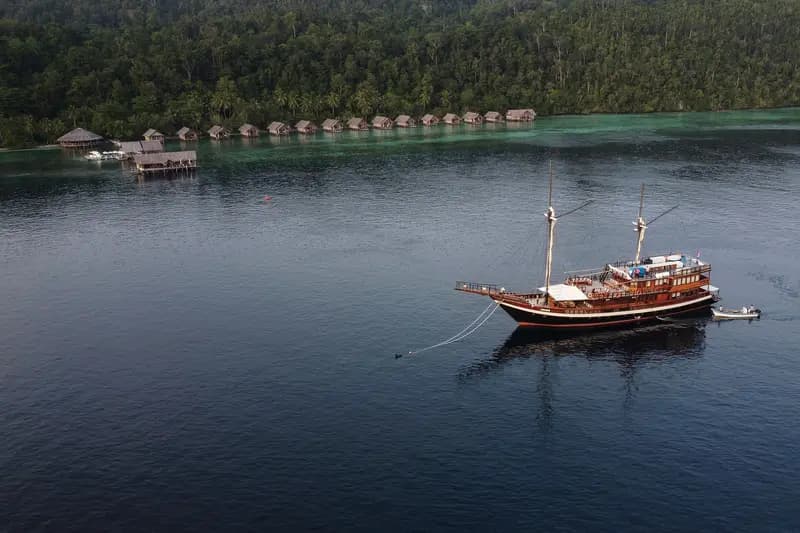
31 liveaboards depart from Raja Ampat another way to explore the region, over several days at sea.

Departing from Waisai
★ 9.2/10 (121 reviews)
from 218 €/day
Discover this boat →

Departing from Sorong
★ 9.3/10 (68 reviews)
from 352 €/day
Discover this boat →
Departing from Sorong
★ 9.6/10 (36 reviews)
from 474 €/day
Discover this boat →
Departing from Sorong
★ 9.5/10 (38 reviews)
from 498 €/day
Discover this boat →