Nyande Raja Ampat
★ 9.6/10 (451 reviews)
5.7 km away as the crow flies
Dive centre · Raja Ampat · Indonesia
4.9242 Google reviewsDive the nutrient-rich currents of the Dampier Strait from eco-friendly bungalows perched directly over the house reef.
For subtitles in English: start the video firstthen click the gearat the top right of the video, select “Subtitles/CC”, then “Auto-translate” and choose “English”.
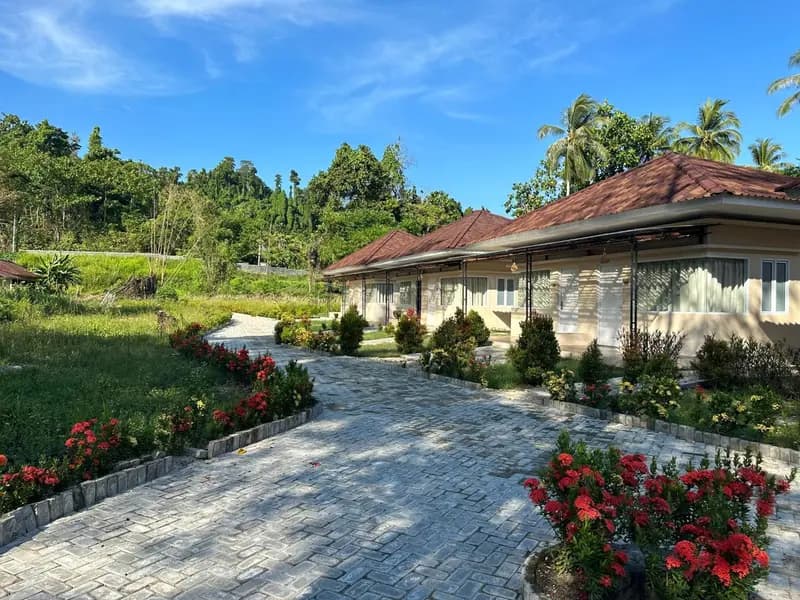
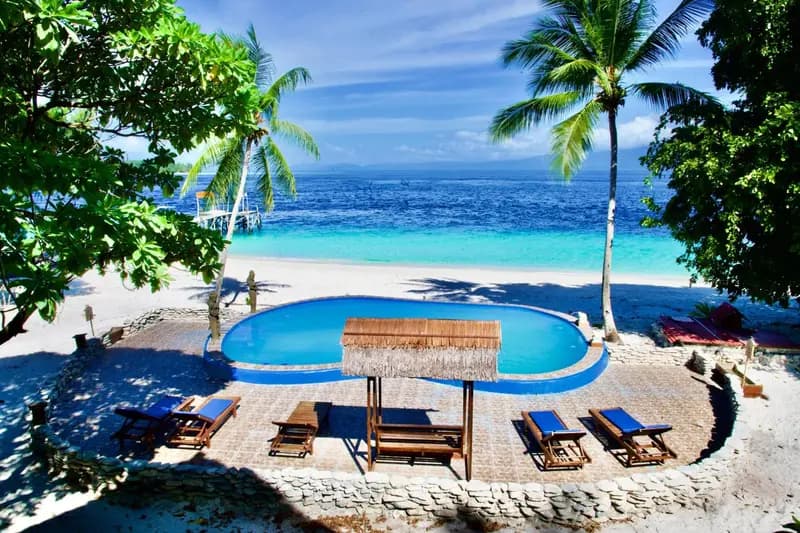
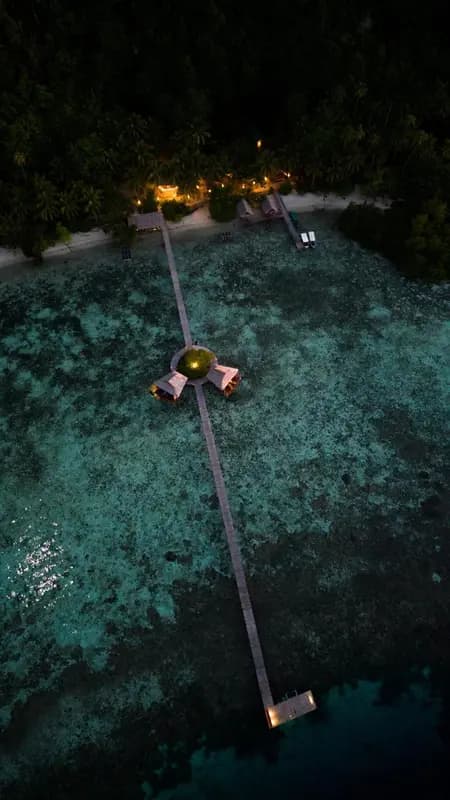
Papua Explorers Eco Resort is situated on the south coast of Gam Island, positioned along the famous Dampier Strait in Raja Ampat, Indonesia. The centre is built around a deep commitment to marine conservation, serving as the primary supporter of the Papua Explorers SEA Centre, an NGO dedicated to local marine science and education.
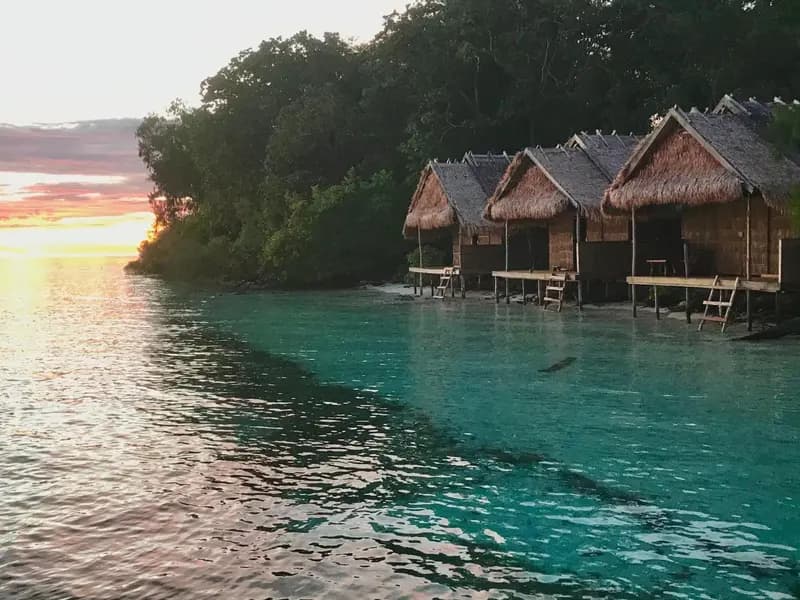
The resort is constructed using traditional Papuan methods and local materials, featuring bungalows built on stilts that offer direct access to the sea. For those arriving via Sorong (SOQ), the centre organises scheduled transfers on Wednesdays and Sundays to ensure a smooth transition to the island.
The dive operation is managed by a team with over 25 years of industry experience, led by a diverse management group from Switzerland, Germany, Indonesia, and Turkey. The dive team consists of 5 multinational PADI instructors and 11 qualified Indonesian dive guides, supported by local guide trainees.
Instruction and guiding are conducted in English, German, French, Italian, Indonesian, and Turkish. To maintain safety and a high standard of guiding, the centre operates with a maximum ratio of 6 divers per guide.
Beyond diving, the staff supports the local community by employing and training Papuan personnel and providing essential resources like electricity and fuel to the neighbouring Yenwaupnor village.
As a PADI 5 Star dive centre, the facility offers a comprehensive range of training from entry-level to professional certifications. You can enrol in Discover Scuba Diving, Open Water Diver, and Advanced Open Water Diver courses.
For those looking to extend their capabilities, the centre provides Nitrox training and various PADI specialties. Professional divers can also train here for the Divemaster qualification, and refresher courses are available for those returning to the water.
The centre operates a fleet of 9 boats to service its divers. For daily diving trips, the boats carry a capacity of 6 divers, while the larger diving-and-transfer vessels can accommodate 8 divers or 14 guests.
Onboard, you will find water, snacks, and towels provided for your comfort during the trips. The fleet is used to reach both nearby reefs and more distant excursions to locations such as Wayag, The Passage, Batanta, and the Fam Islands.
The dive centre is located at the end of the main jetty, positioned directly above the house reef. Facilities include a dedicated equipment storage room, a rental desk, and a specialised photography room for underwater photographers.
A large outdoor terrace provides rinsing stations, including a dedicated area for camera equipment, as well as seating and boat embarkation zones. The centre also provides towels for guest use.
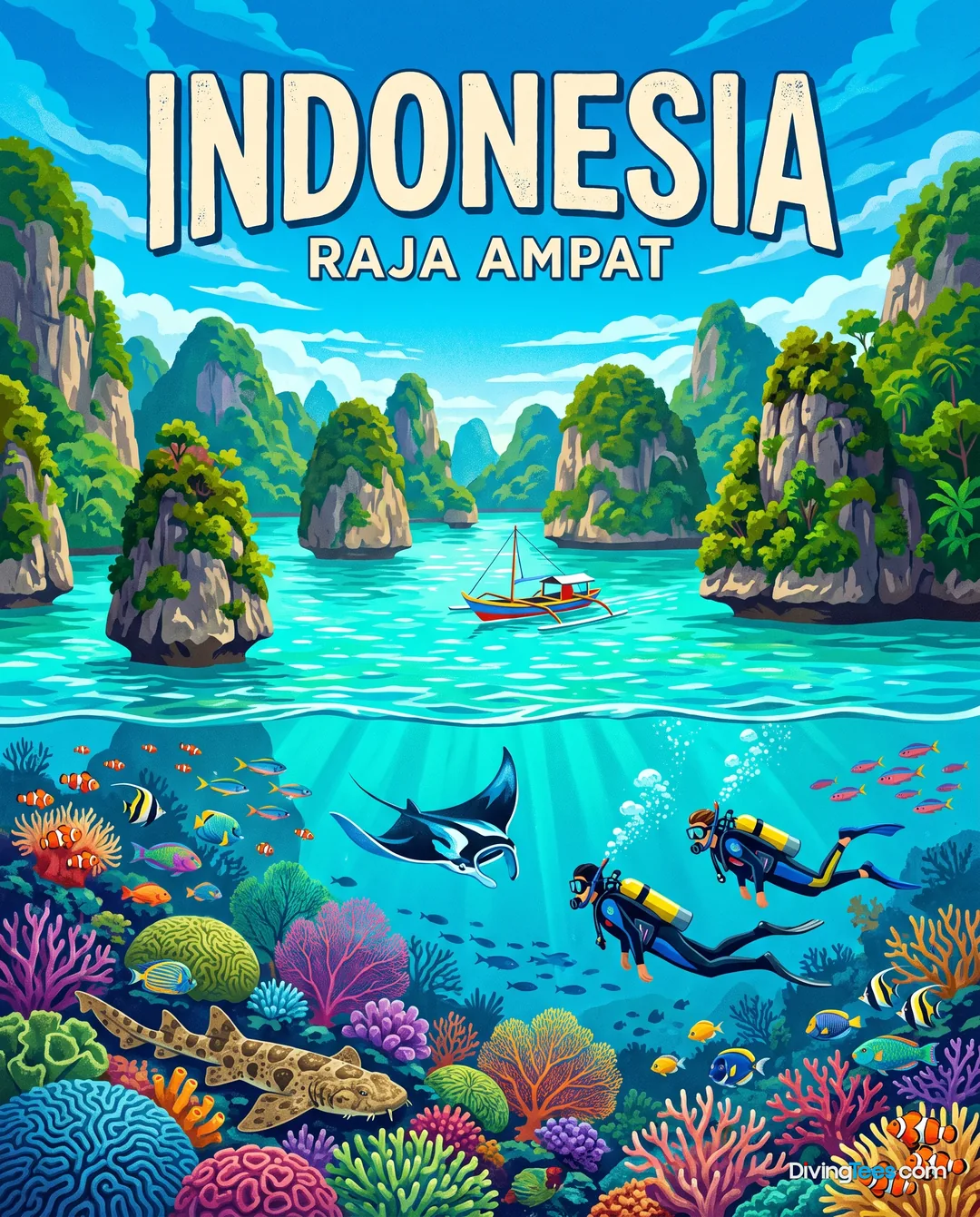
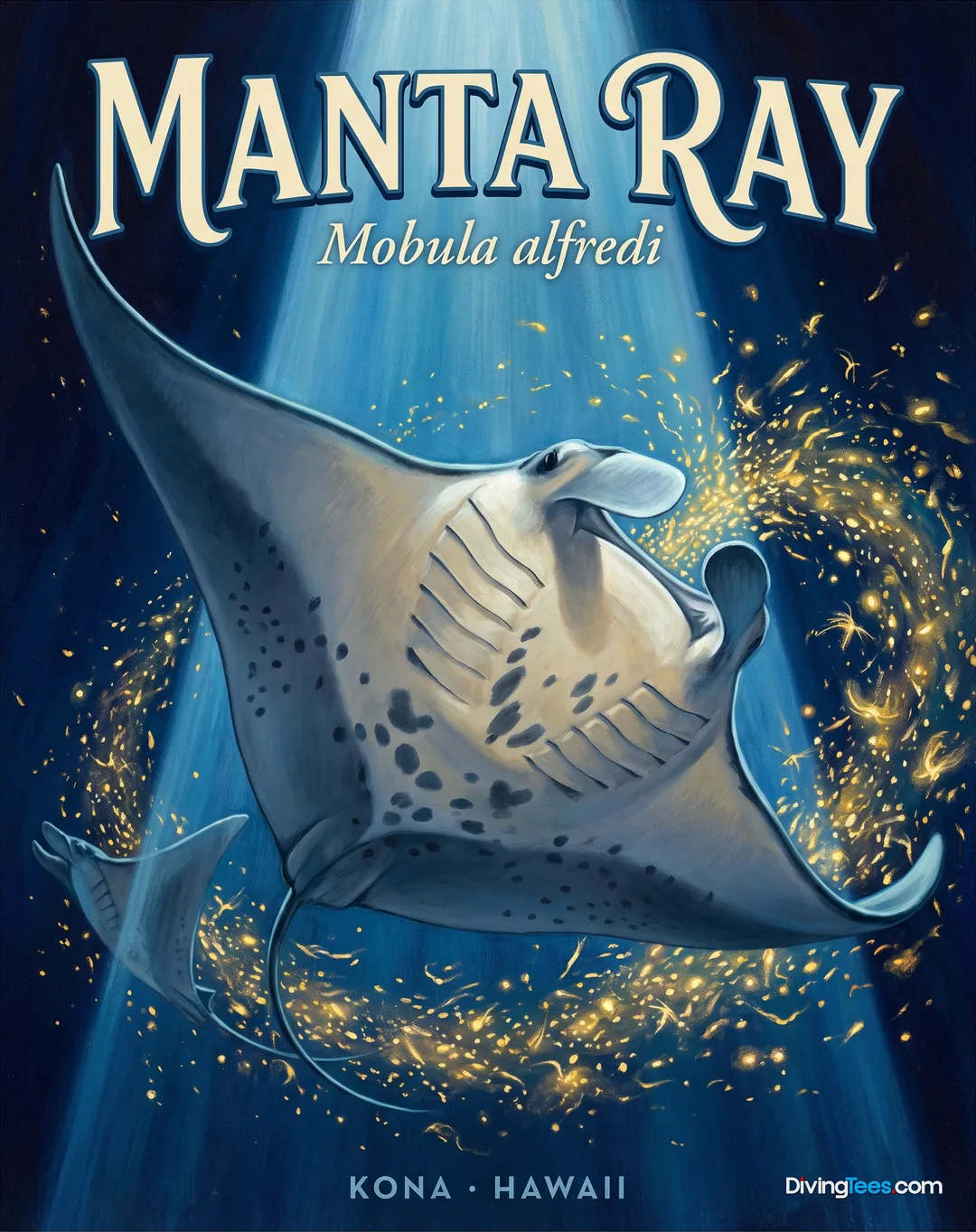
Manta Point is a renowned cleaning station where you can observe reef manta rays (Mobula alfredi) and oceanic manta rays. The site is a highlight for anyone looking to see these large pelagics in their natural habitat.
Cape Kri is one of the most famous sites in the region, known for its immense biodiversity. It offers a chance to dive in waters teeming with life, making it a staple for any Raja Ampat itinerary.
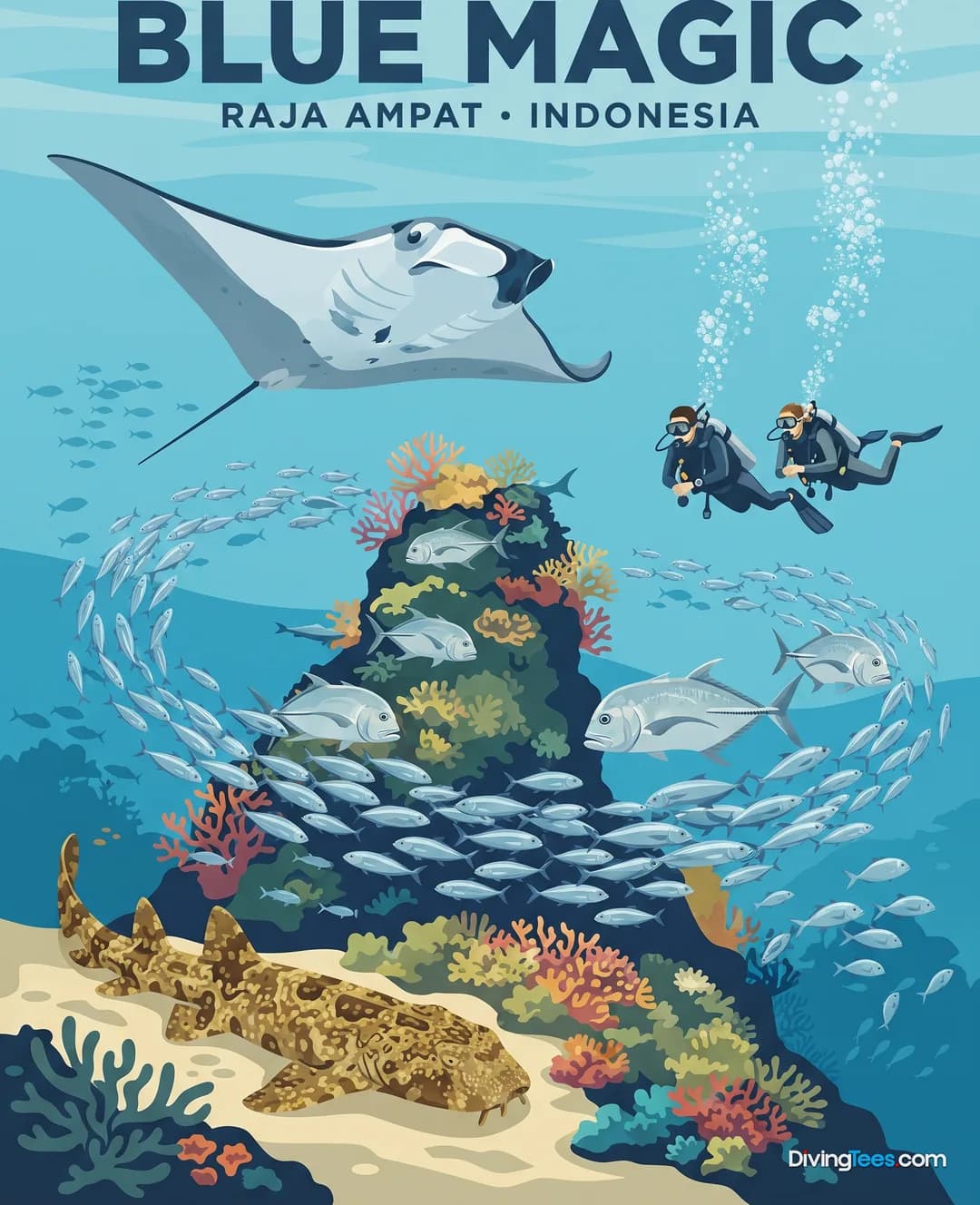
Blue Magic is a premier site for seeing larger marine life. It is a significant spot for divers looking to encounter various pelagic species and healthy coral structures.
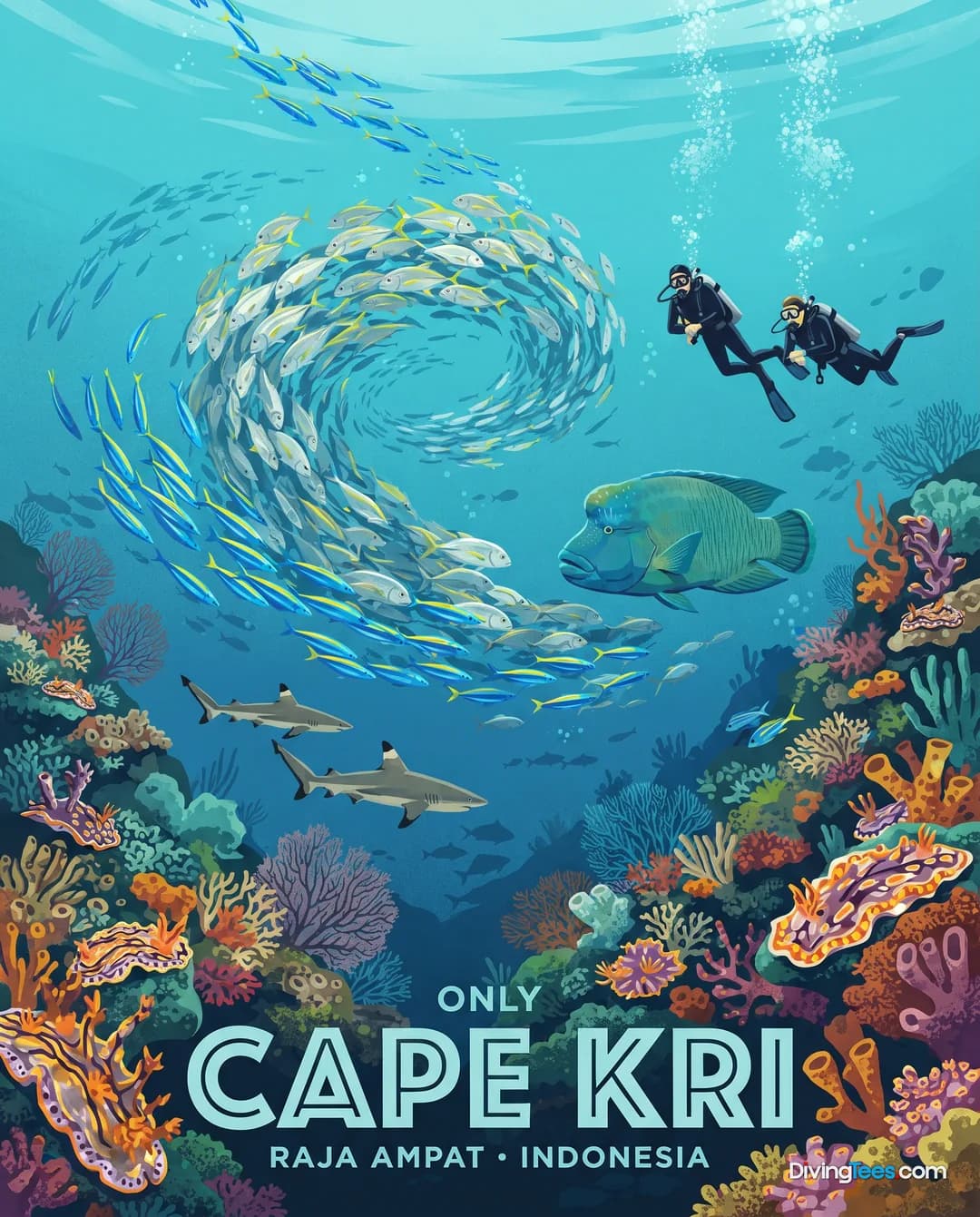
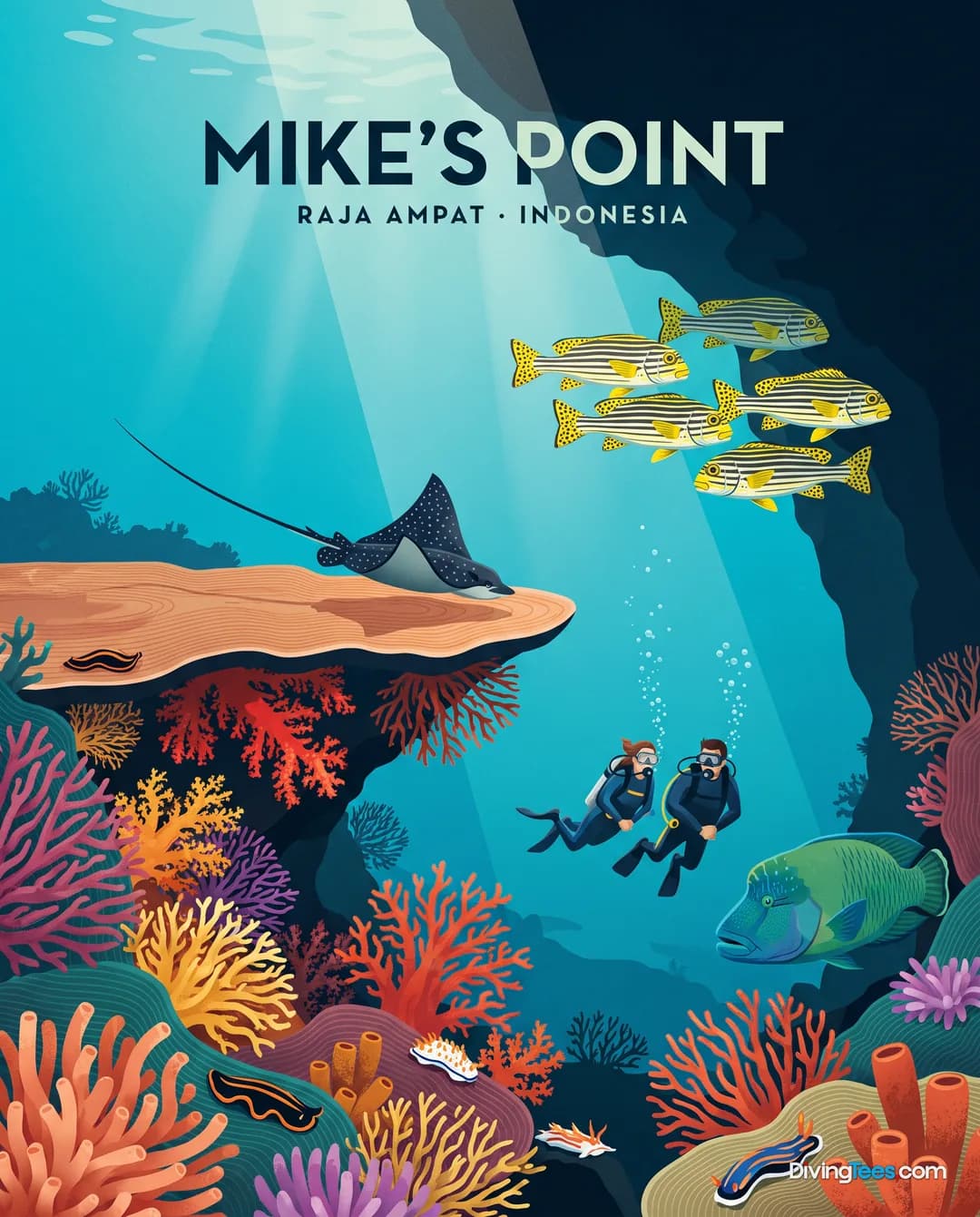
down to 40 m
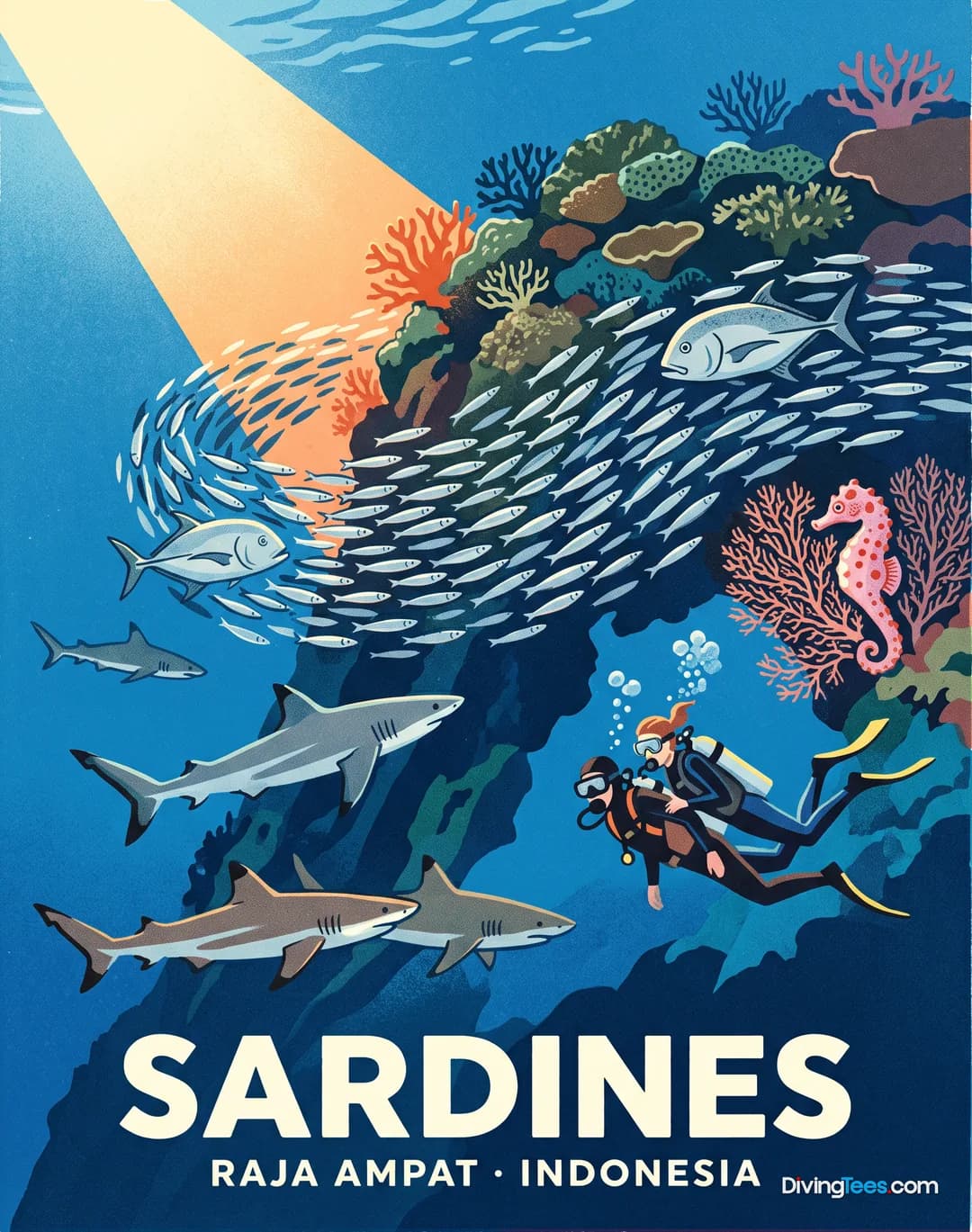
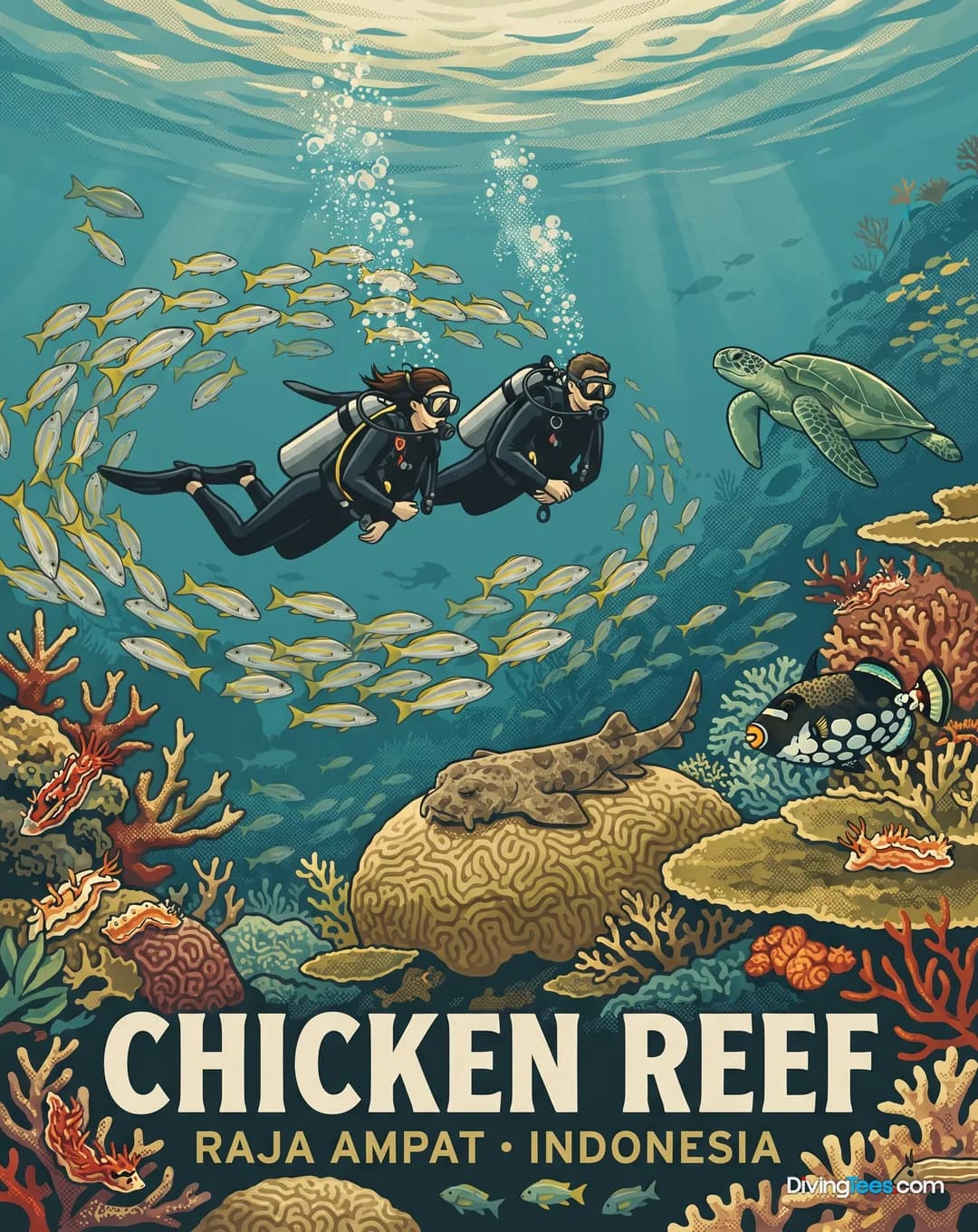
down to 30 m
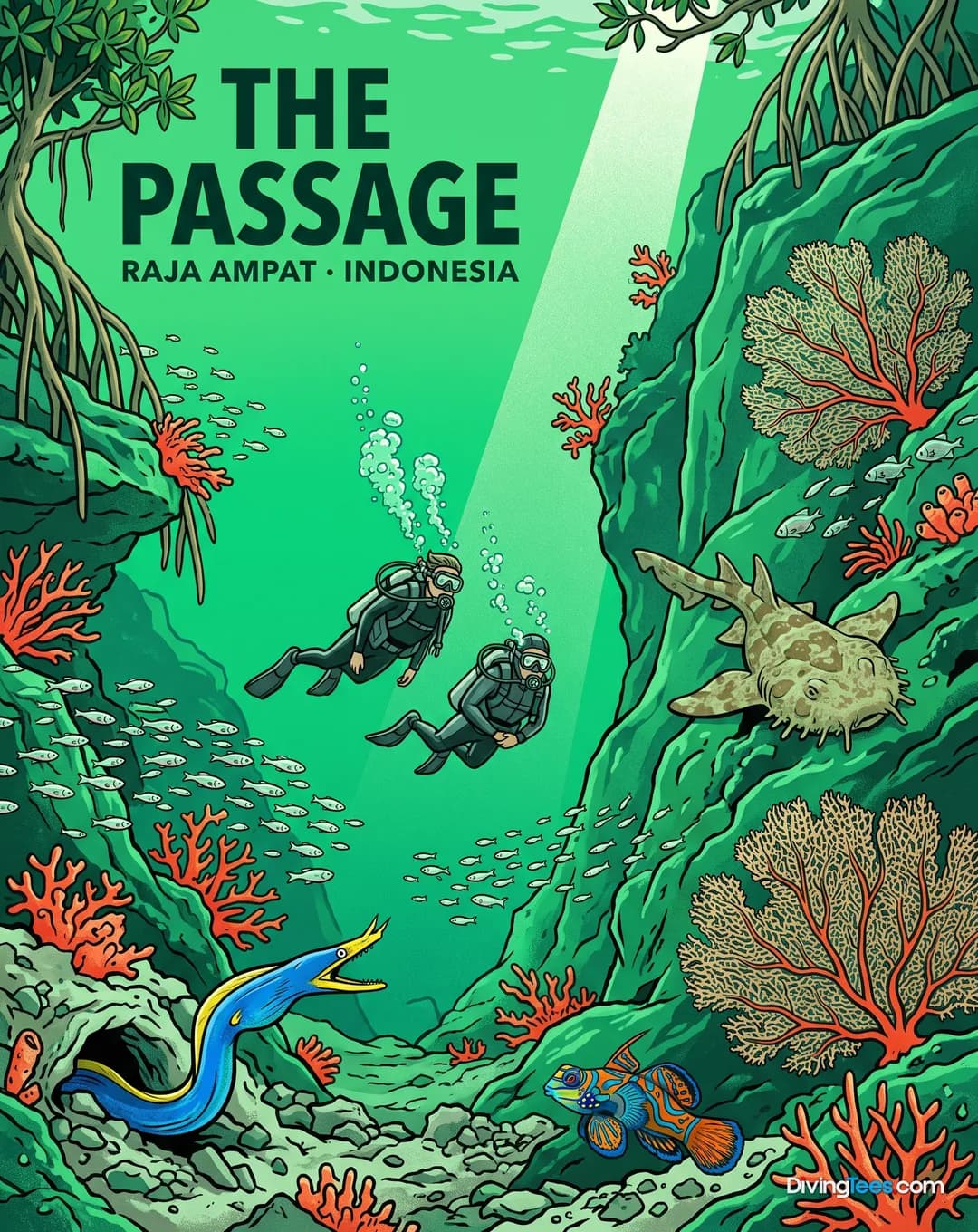
down to 18 m
And some of the dive sites the centre runs.
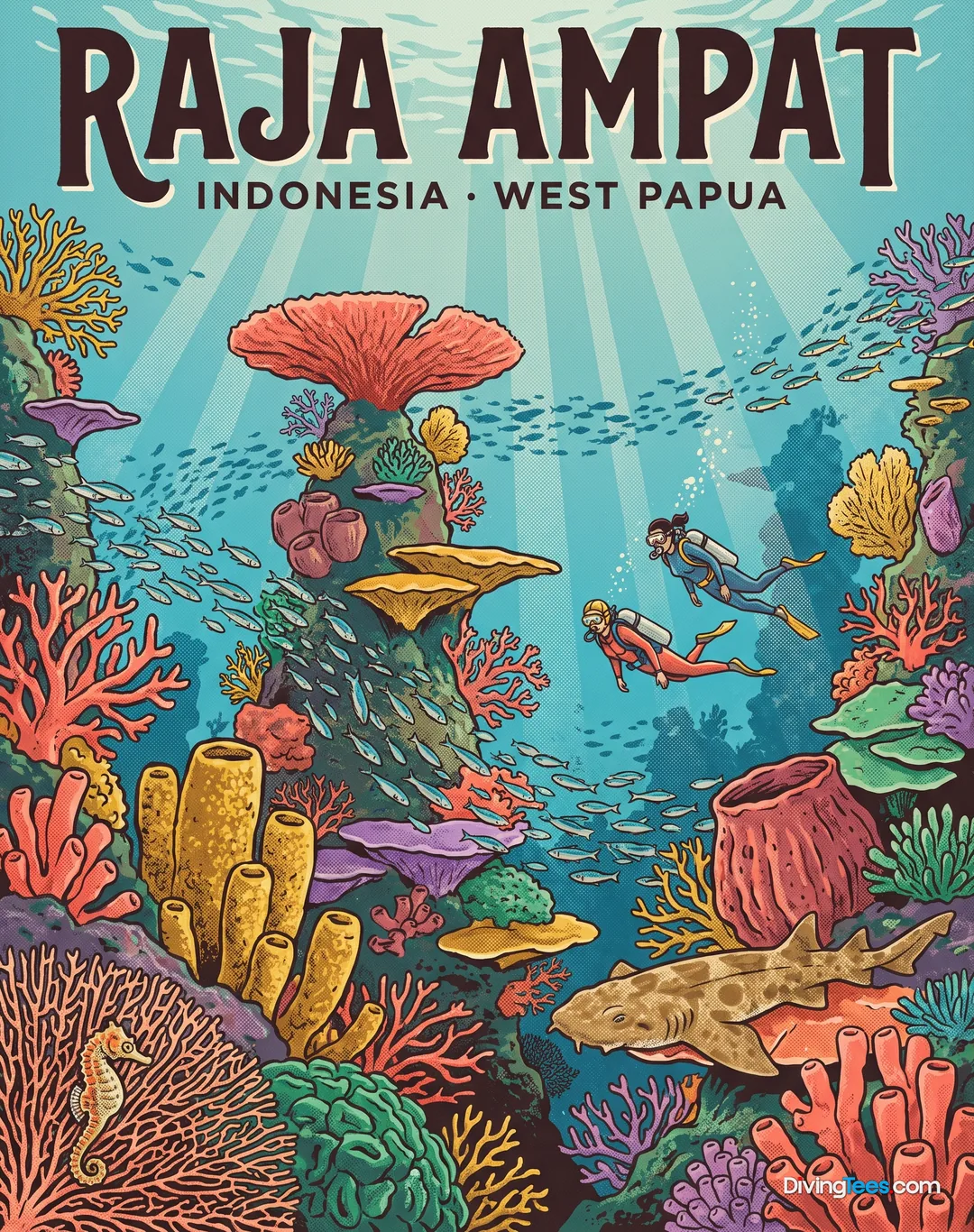
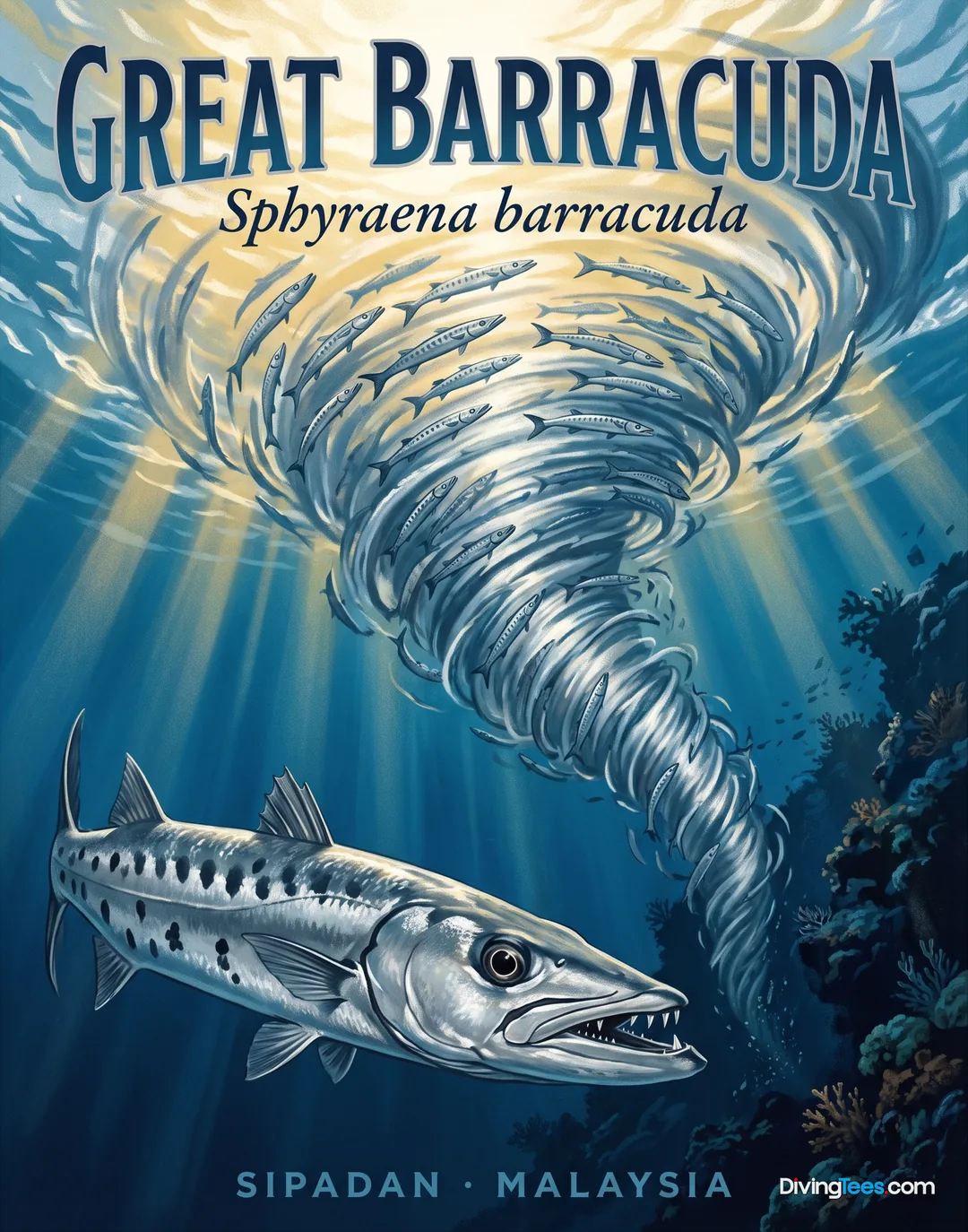
The waters of the Dampier Strait are incredibly biodiverse, featuring massive schools of fusiliers (Caesio), snappers (Lutjanus), and jacks (Carangidae). You will regularly encounter large predatory species including Great barracuda (Sphyraena barracuda), Tuna (Thunnus), and various species of shark, such as the Whitetip reef shark (Triaenodon obesus) and Blacktip reef shark (Carcharhinus melanopterus).
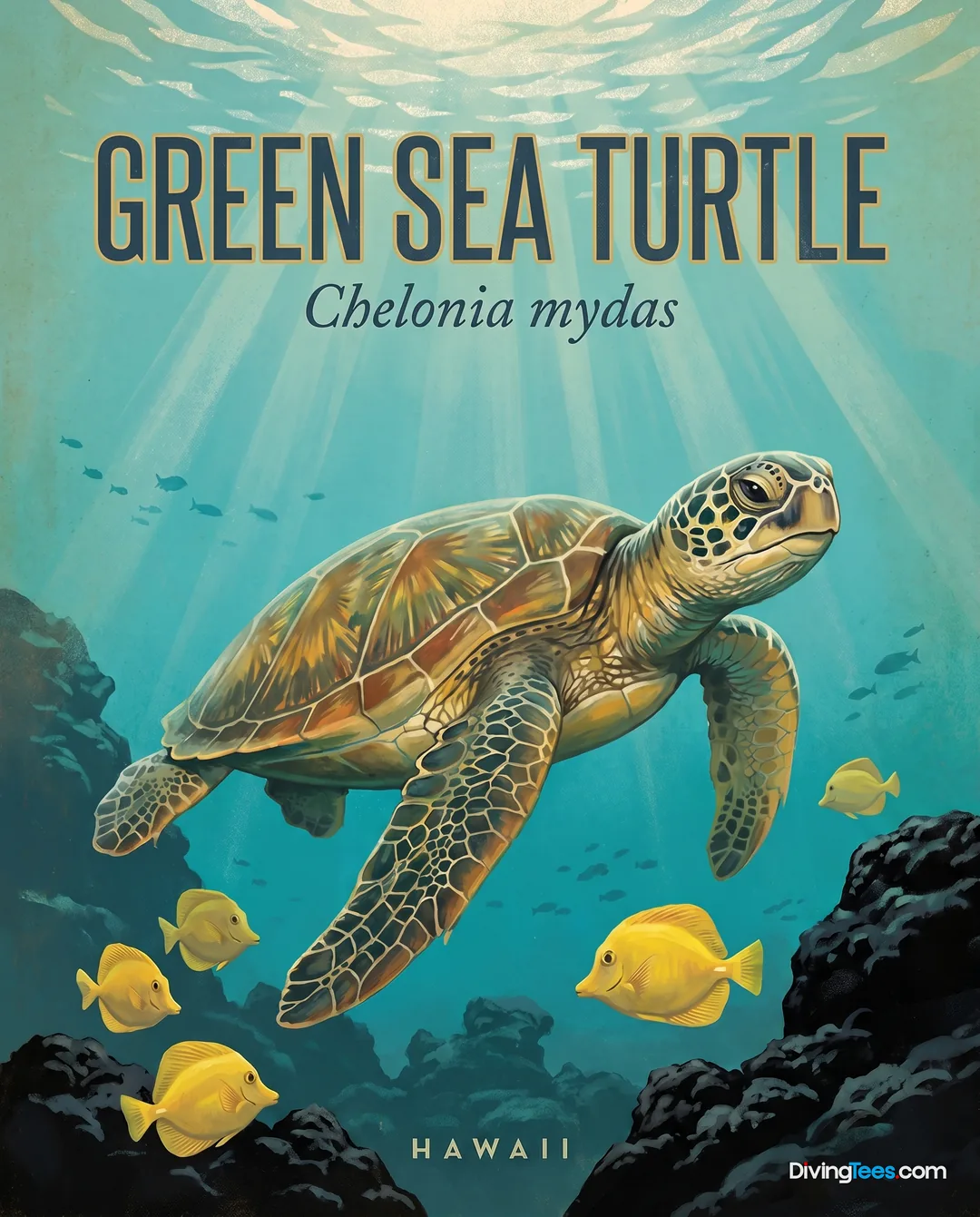
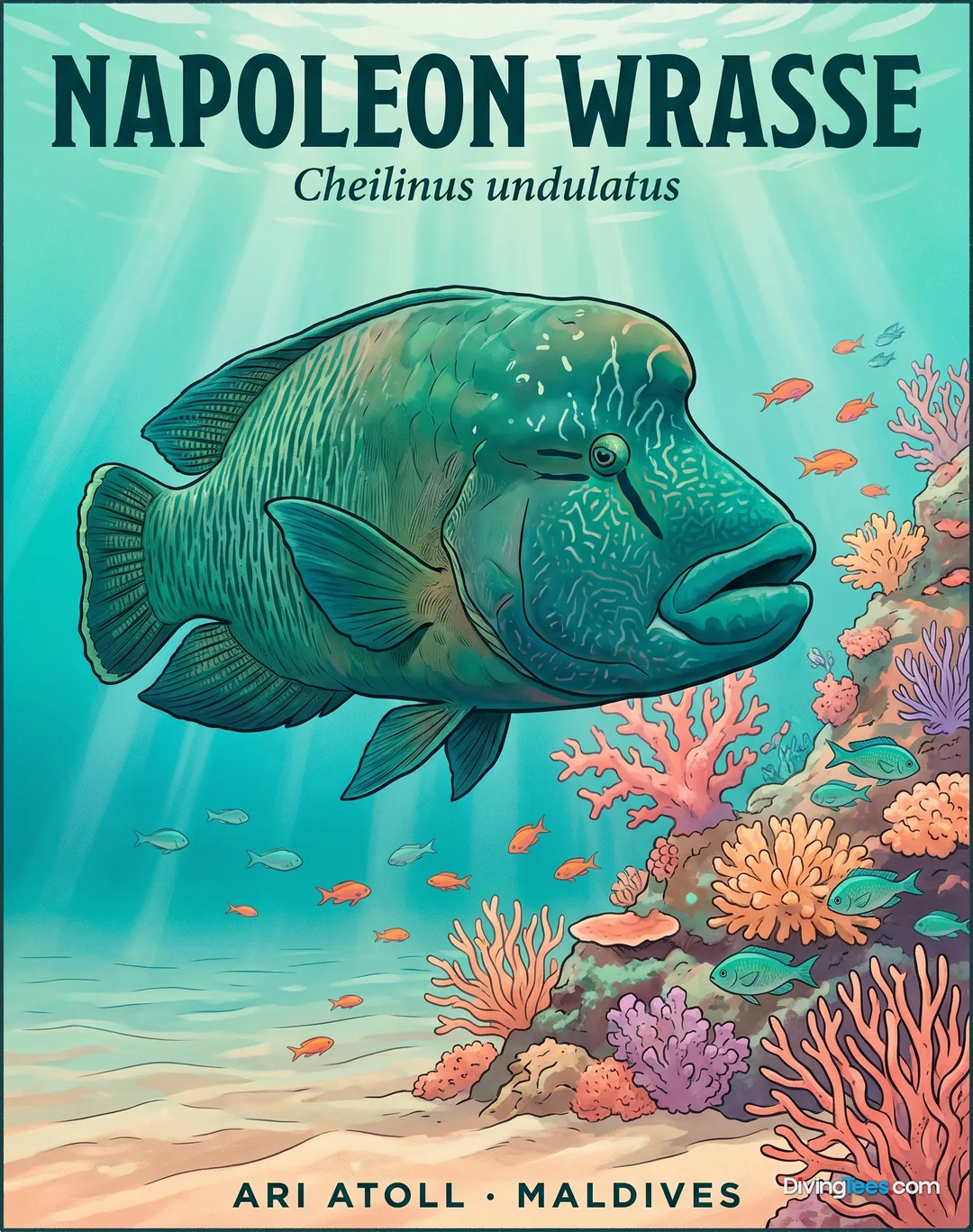
For those interested in larger pelagics, the area is home to reef manta rays (Mobula alfredi), oceanic manta rays, and various turtles, including the Hawksbill turtle. You may also spot the Napoleon wrasse (Cheilinus undulatus), Humphead parrotfish (Bolbometopon), and the elusive Dugong.
The reef structure itself is a vibrant tapestry of hard corals (Scleractinia) and soft corals (Alcyonacea), providing a home to many smaller inhabitants. Look closely to find the Ornate ghost pipefish (Solenostomus paradoxus), pygmy seahorses, and various species of Nudibranch (Chromodoris willani).
Mysterious macro life is abundant, including the blue-ringed octopus, walking sharks, and various crustaceans like mantis shrimp and Boxer crabs. You can also find many species of shrimp (Caridea), crabs (Brachyura), and colourful sea anemone fish living among the corals.
The waters of the Dampier Strait are highly nutrient-rich, which supports the vast amount of marine life. This also means that currents can be quite strong and vary significantly depending on the tides and the lunar cycle.
Most dive sites feature currents ranging from mild to very strong. It is highly recommended that you bring a reef hook for these conditions. The dive guides will always check the direction and strength of the current before departure and will adjust the dive plan accordingly.
While surface swell or a breeze may occur on certain days, most dive sites remain easily accessible throughout the year.
Hello, I'm Marina, DivingDeal.com's AI assistant. I answer in detail about hotels, dive centres and liveaboards.

Thinking about the whole trip and the flights? Talk it over with Edith →
Marina is an AI. Some links are affiliate links: DivingDeal may earn a commission, at no extra cost to you. Bookings are made with the partner.