
Tarzan-Diving
Google 4.9/5 (424 reviews)
2.8 km away as the crow flies
Raja Ampat · Indonesia · Asia
Max. depth · 35 mNew Reef offers an extensive reef system in Raja Ampat, where vibrant coral formations host diverse macro life and immense schools of surgeonfish move in unison.
For subtitles in English: start the video firstthen click the gearat the top right of the video, select “Subtitles/CC”, then “Auto-translate” and choose “English”.
Dropping onto New Reef, you immediately notice the health of the coral. This site feels less disturbed than some of Raja Ampat's more frequented locations, presenting a dynamic canvas of hard and soft coral growth. The reef system itself is extensive, comprising two main sloping reefs that converge towards a shallower sandbank, creating varied topography. This structure provides numerous hiding spots and feeding grounds, supporting a dense population of reef inhabitants.
The topography of New Reef includes striking rock formations, complete with openings and overhangs, all densely covered in colourful corals. As you descend, you'll find the reef slopes gradually, allowing for exploration across different depth zones. The shallow sandbank, sitting between 12 and 15 metres, offers a distinct environment, largely protected from the stronger currents that can affect other parts of the site. Here, you can observe Papuan garden eels swaying in the gentle flow, a contrast to the more exposed reef sections.
While the intricate reef structure supports a wealth of macro life, New Reef also delivers on larger encounters. One of the most anticipated experiences here is the appearance of vast schools of surgeonfish. These banks of fish move as a single entity, often engulfing you in a shimmering cloud. This immersive experience highlights the sheer abundance of life sustained by these healthy waters, offering a unique contrast to the slower pace of searching for smaller creatures within the coral.
Currents at New Reef are variable, influenced by the broader movements of the Dampier Strait. While the sandbank at 12-15 metres offers some shelter, the main reef slopes can experience stronger flows, particularly during tide changes. Understanding these currents is key to navigating the site effectively and ensuring you can explore the most productive areas. Diving with a guide who knows the site's specific current patterns is essential to maximise your dive and avoid missing key sections of the reef.
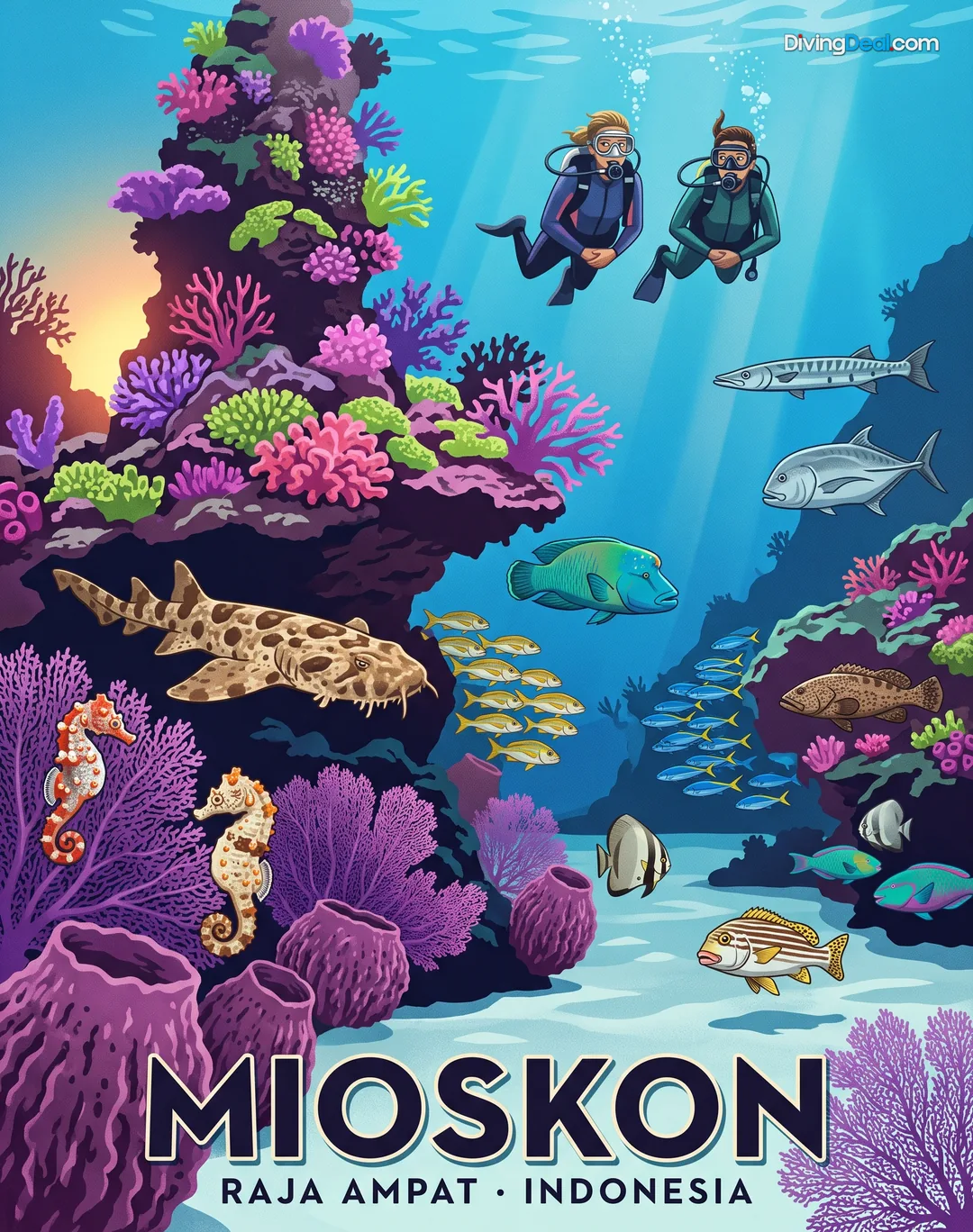
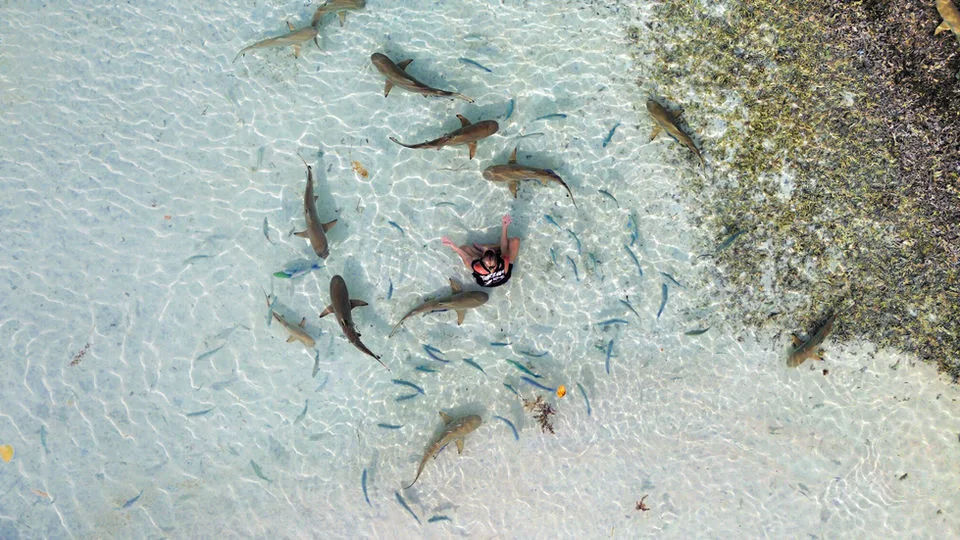
Beyond the surgeonfish, the site is home to a diverse range of marine life. You can expect to encounter turtles gracefully navigating the reef, as well as barracuda and parrotfish. Reef sharks are present, patrolling the deeper sections, and the unique tasselled wobbegong shark can often be found camouflaged on the reef floor. Keep an eye out for the smaller residents too, such as pygmy seahorses hidden within gorgonian fans and the intriguing walking shark.
The relative obscurity of New Reef contributes significantly to its pristine condition. This is not a site where you typically encounter multiple dive groups, allowing for a more intimate interaction with the reef and its inhabitants. The corals, having escaped the higher traffic of more famous spots, display an integrity and complexity that fosters incredible biodiversity, from the smallest nudibranchs to larger, passing reef residents. This balance and resilience are a testament to the broader conservation efforts in Raja Ampat.
Visibility at New Reef generally ranges from 15 to 30 metres, offering clear views of the extensive coral gardens and marine life. The water temperature consistently sits between 28°C and 29°C, making for comfortable diving conditions year-round. The combination of healthy corals, diverse fauna, and the potential for large fish schools makes New Reef a compelling dive for those seeking a vibrant and less-explored experience in Raja Ampat.
New Reef is accessible from Open Water Diver level, though its variable currents, particularly those sweeping through the Dampier Strait, mean that intermediate experience is recommended. Divers should be comfortable with potential stronger flows, especially on the main reef slopes. Depths range from a shallow 3 metres down to 35 metres. Visibility typically ranges from 15 to 30 metres, with water temperatures between 28°C and 29°C. The best time to dive New Reef is from October to April, which generally offers better visibility and conditions.
31 liveaboards depart from Raja Ampat another way to explore the region, over several days at sea.
You will generally find better visibility and conditions at New Reef from October to April. Visibility typically ranges from 15 to 30 metres, while water temperatures stay between 28°C and 29°C. The site remains comfortable for diving year-round, but this period is the preferred window for planning a visit.
New Reef is accessible to Open Water Divers, but intermediate experience is recommended because currents vary across the site. Flows influenced by the Dampier Strait can become stronger on the main reef slopes, particularly during tide changes. You should be comfortable managing current, and dive with a guide familiar with local patterns.
New Reef ranges from 3 to 35 metres, with gradually sloping reef sections that let you explore different depth zones. The shallow sandbank lies between 12 and 15 metres and is more protected from stronger currents. Deeper sections include reef slopes where currents can be more pronounced and reef sharks patrol.
You can explore extensive hard and soft corals, rock formations, openings, and overhangs. Marine life includes large schools of surgeonfish, turtles, barracuda, parrotfish, reef sharks, tasselled wobbegong sharks, pygmy seahorses, nudibranchs, and the walking shark. On the shallow sandbank, Papuan garden eels sway in the gentle flow.