Liveaboards · Indonesia
Amira — a wooden Indonesian liveaboard built around diving
What makes this boat unique
- A locally built wooden Pinisi with a dedicated dive deck at the stern.
- Three aluminium speedboats, personal dive stations, redundant compressors and ENOS diver beacons support the diving operation.
- The camera room has charging stations, storage, rinse tanks and a long workbench close to the dive deck.
- Raja Ampat, Misool, Triton Bay and other remote Indonesian routes run for 12 days and 11 nights.
The invitation
Amira is for divers who want the boat to serve the expedition rather than simply carry them between resorts. Her traditional wooden hull gives the trip a distinct Indonesian character, while the stern dive deck, three tenders and dedicated camera room are arranged around the practical work of four dives a day. The routes reach Raja Ampat, Misool and Triton Bay, where coral gardens, current-swept reefs, mantas and small subjects share the same itinerary. That combination is the reason to choose her: a large, locally built vessel with room to spread out, but with the diving operation kept close at hand. She suits certified divers with at least 30 logged dives and an AOWD-level qualification or equivalent. Photographers have a proper place to deal with cameras between dives; divers who care more about the reef than the lounge will find the same logic in the deck layout.
Boarding
Amira comes alongside as a substantial wooden Pinisi, built in Sulawesi by craftsmen working in an old local tradition. The ironwood construction gives the vessel a working, maritime presence rather than the feel of a converted hotel, and the 2023 renovation keeps that character from becoming dated neglect. Once aboard, movement is straightforward: the dive deck sits at the stern, the covered outdoor lounge and restaurant are on the main deck, and the briefing lounge and indoor lounge give the middle of the boat a clear purpose. Above, the sun deck opens the view during crossings. The stern is where the boat announces what it is for. Tanks, tenders and wet equipment are close together, so the route from cabin to water does not involve carrying kit through guest spaces. Amira feels built for long Indonesian passages, with enough separate areas to avoid turning every quiet hour into a group activity.
The atmosphere on board
Amira carries a sizeable Indonesian crew, with cruise directors and dive staff handling the day in close contact with guests. Their role is most visible in the transitions: a briefing before the tender leaves, tanks filled while equipment stays at the assigned station, and the next meal appearing without divers having to organise the boat around themselves. The crew's Indonesian base is matched by English, German and Indonesian spoken on board. A wooden vessel also needs people who understand maintenance as part of the liveaboard, not as an interruption to it; the operations team includes a manager with carpentry and mechanical experience. Evenings can stay social in the indoor or open-air lounges, but the layout leaves room to step away after a long day underwater. Amira works best for divers who appreciate a well-run expedition and do not need the crew to turn every hour into entertainment.
The sites you’ll dive
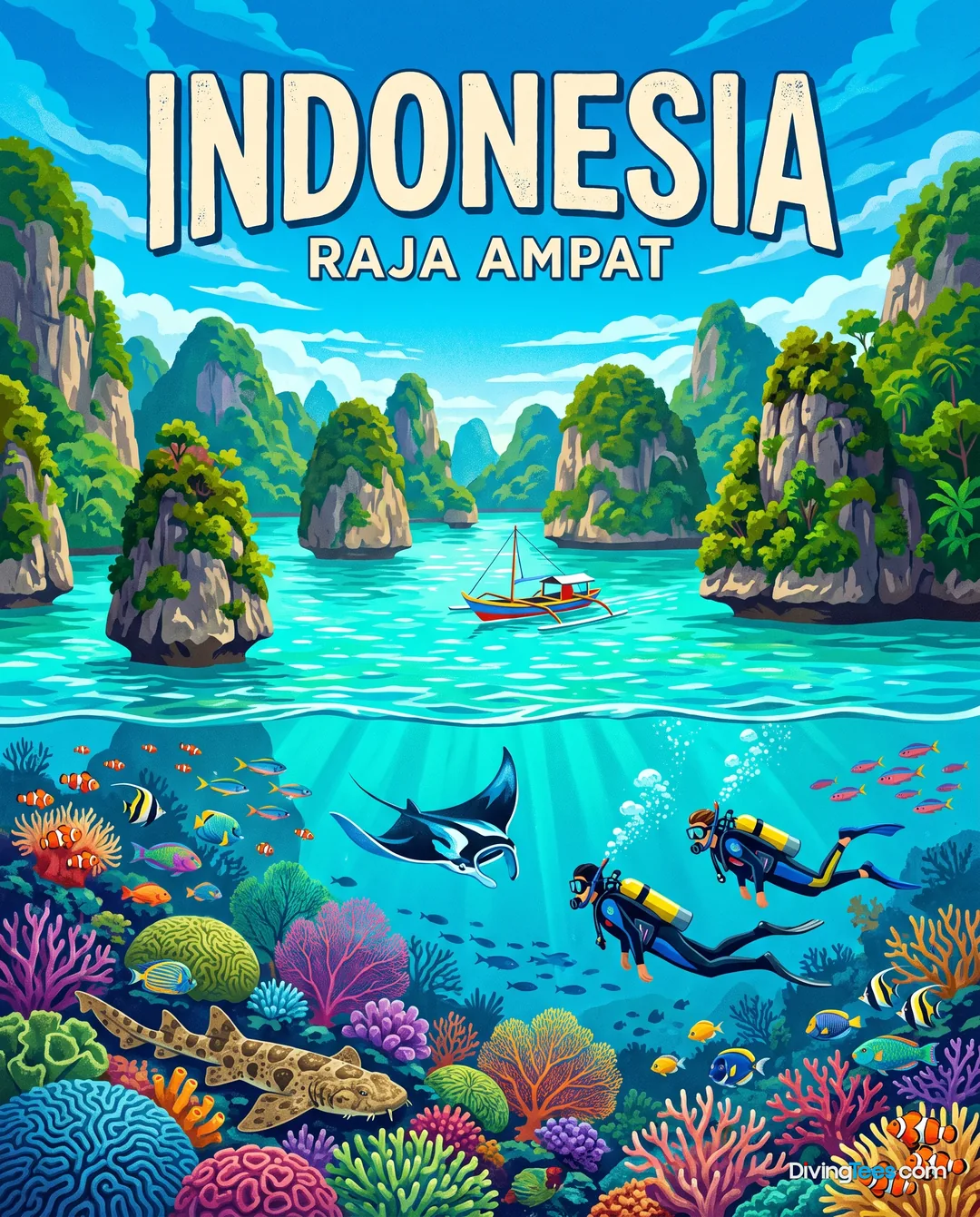
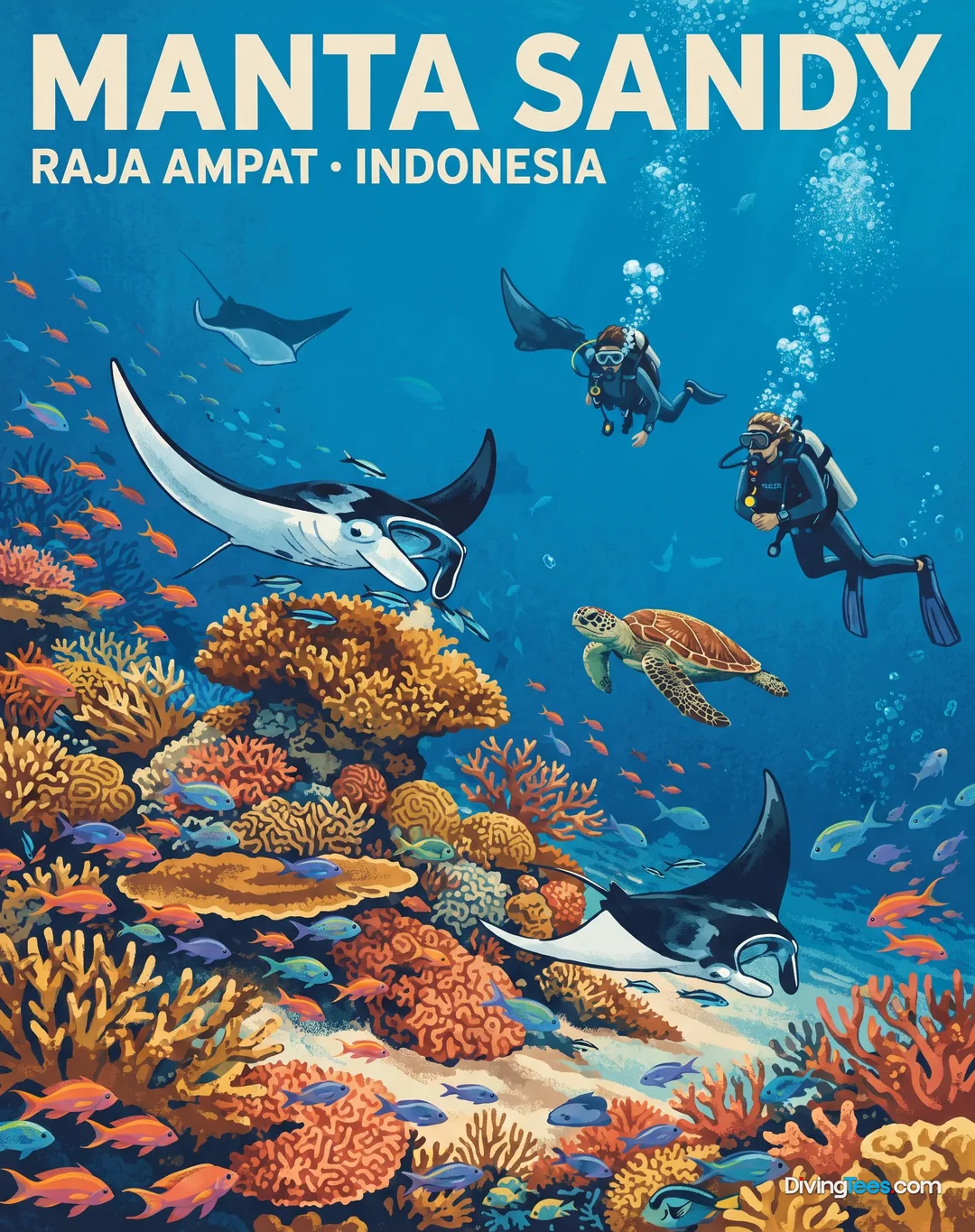
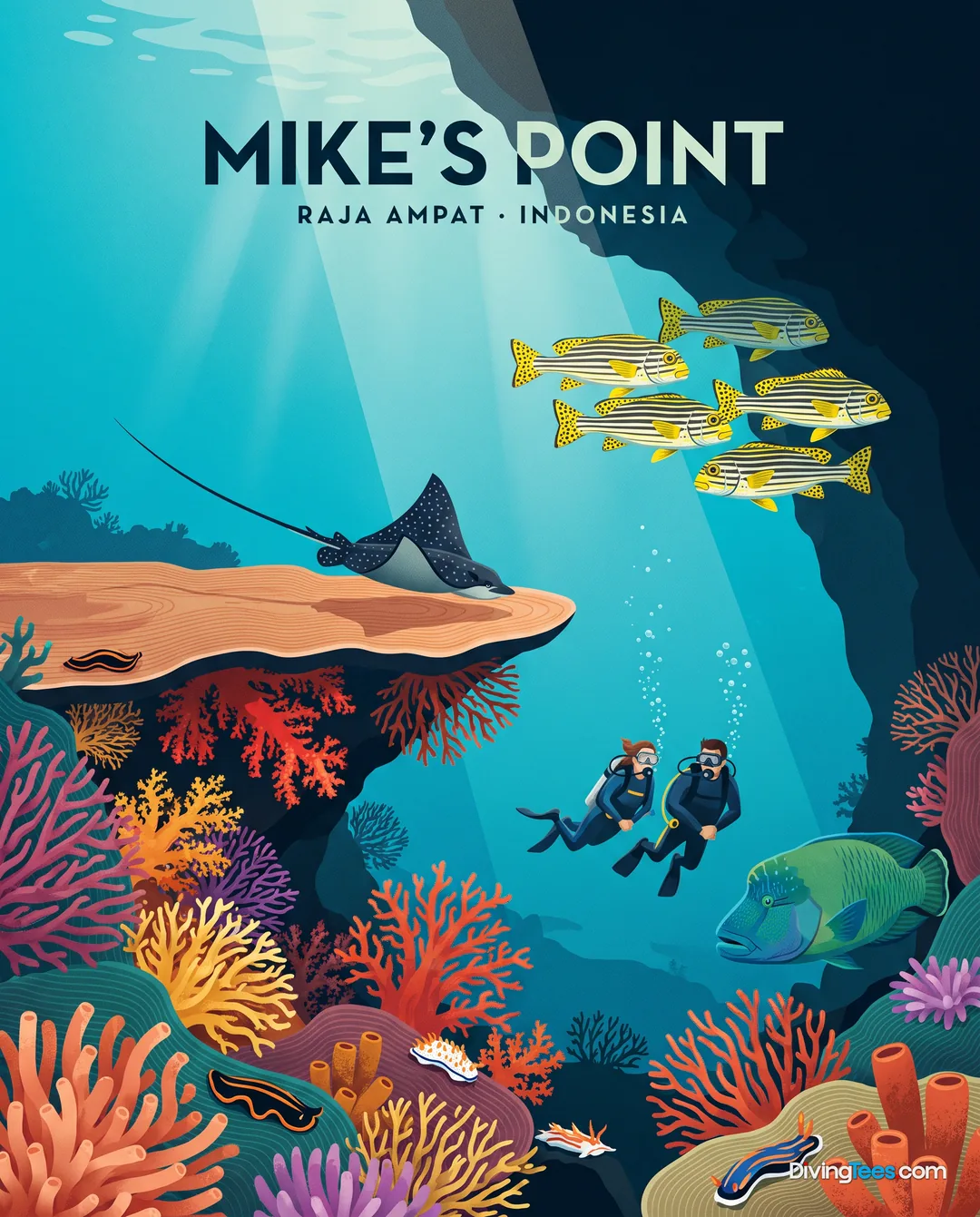
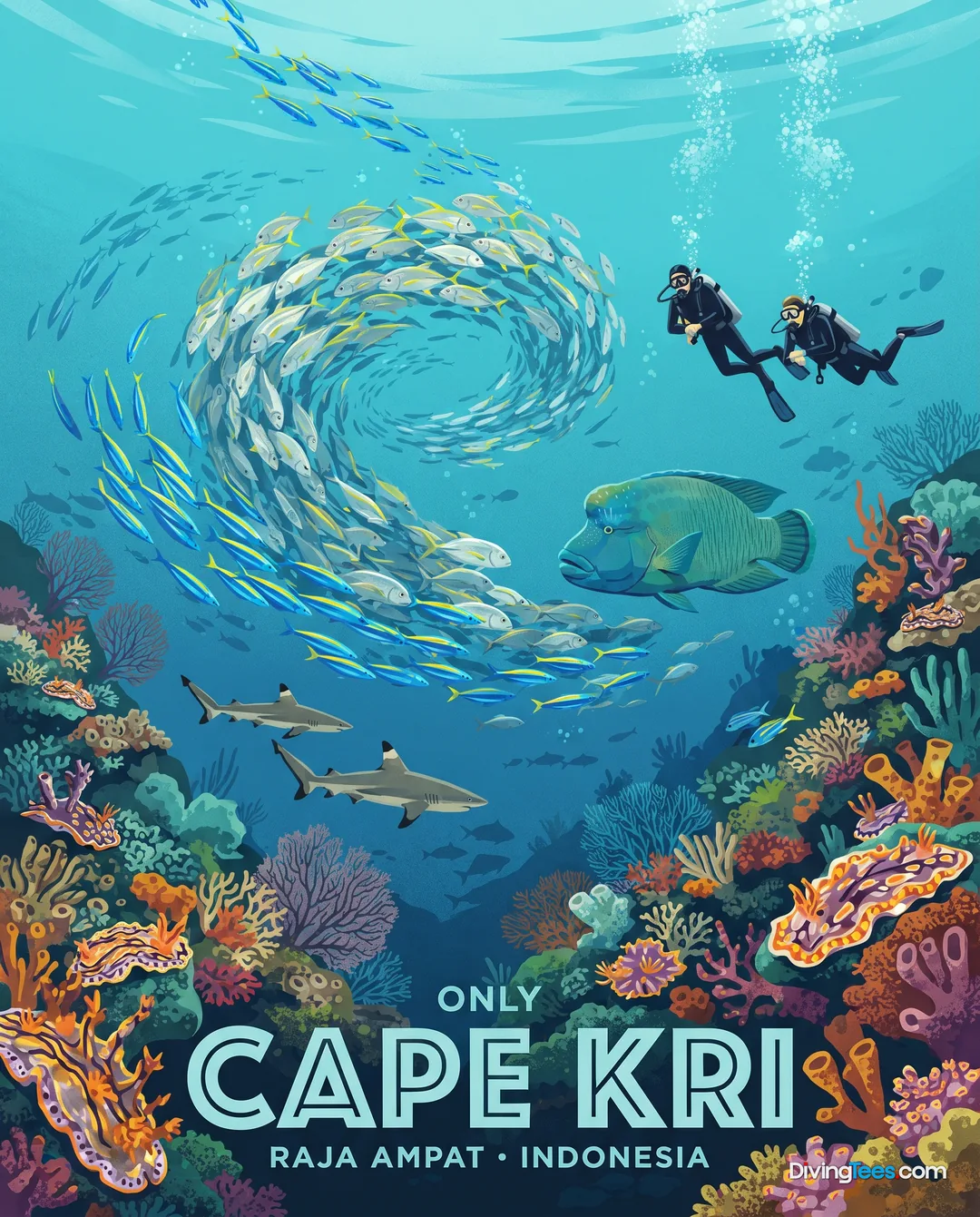
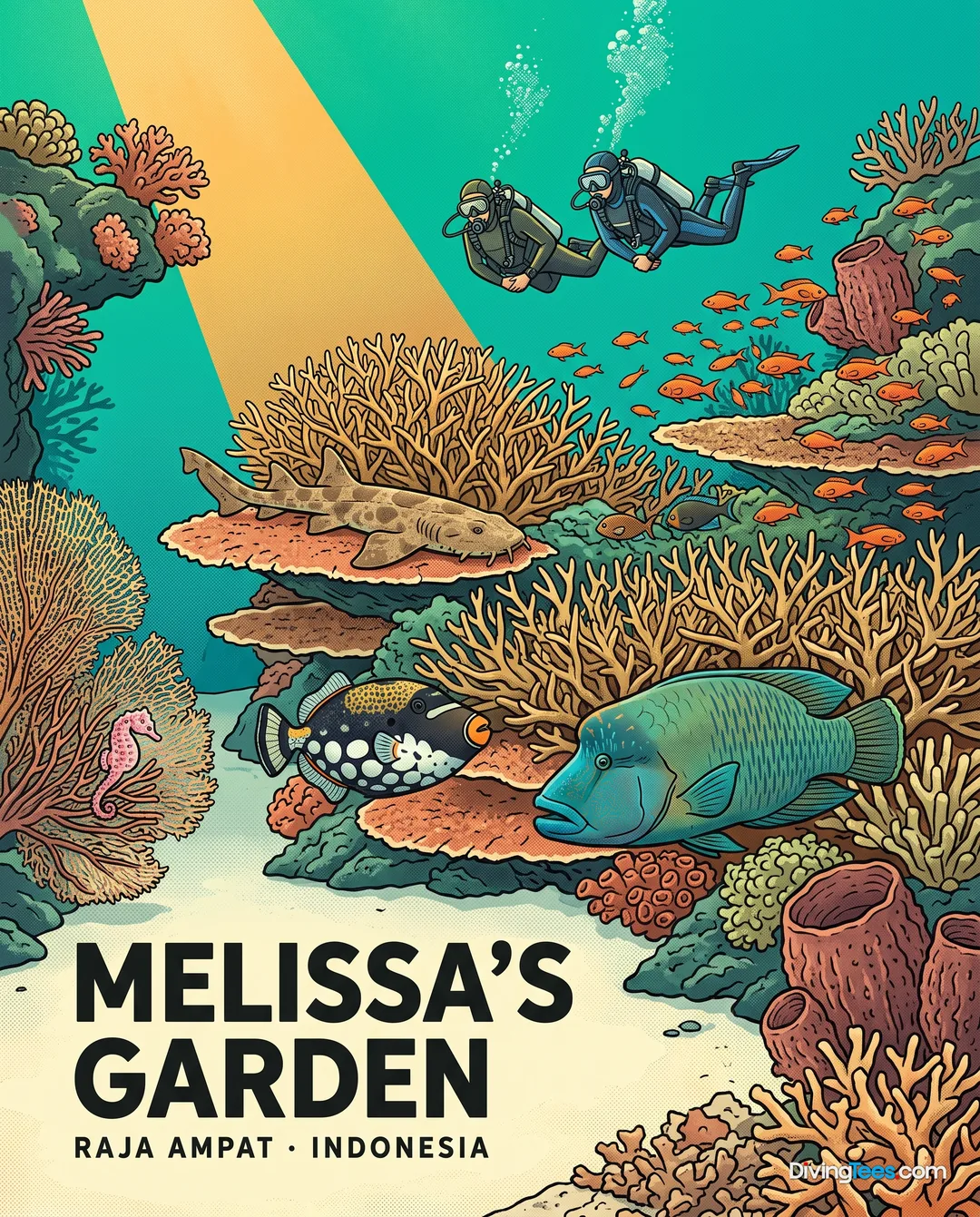
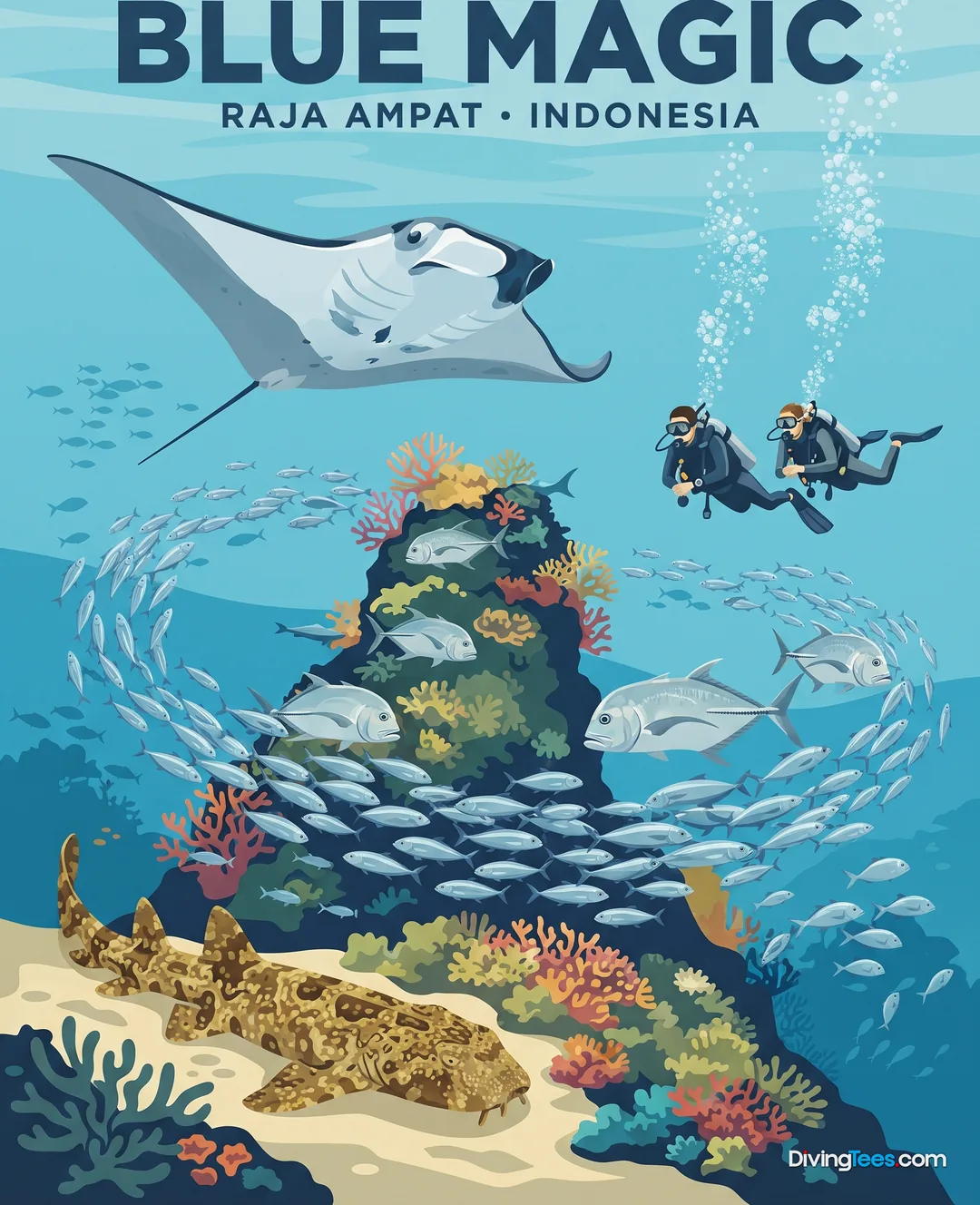
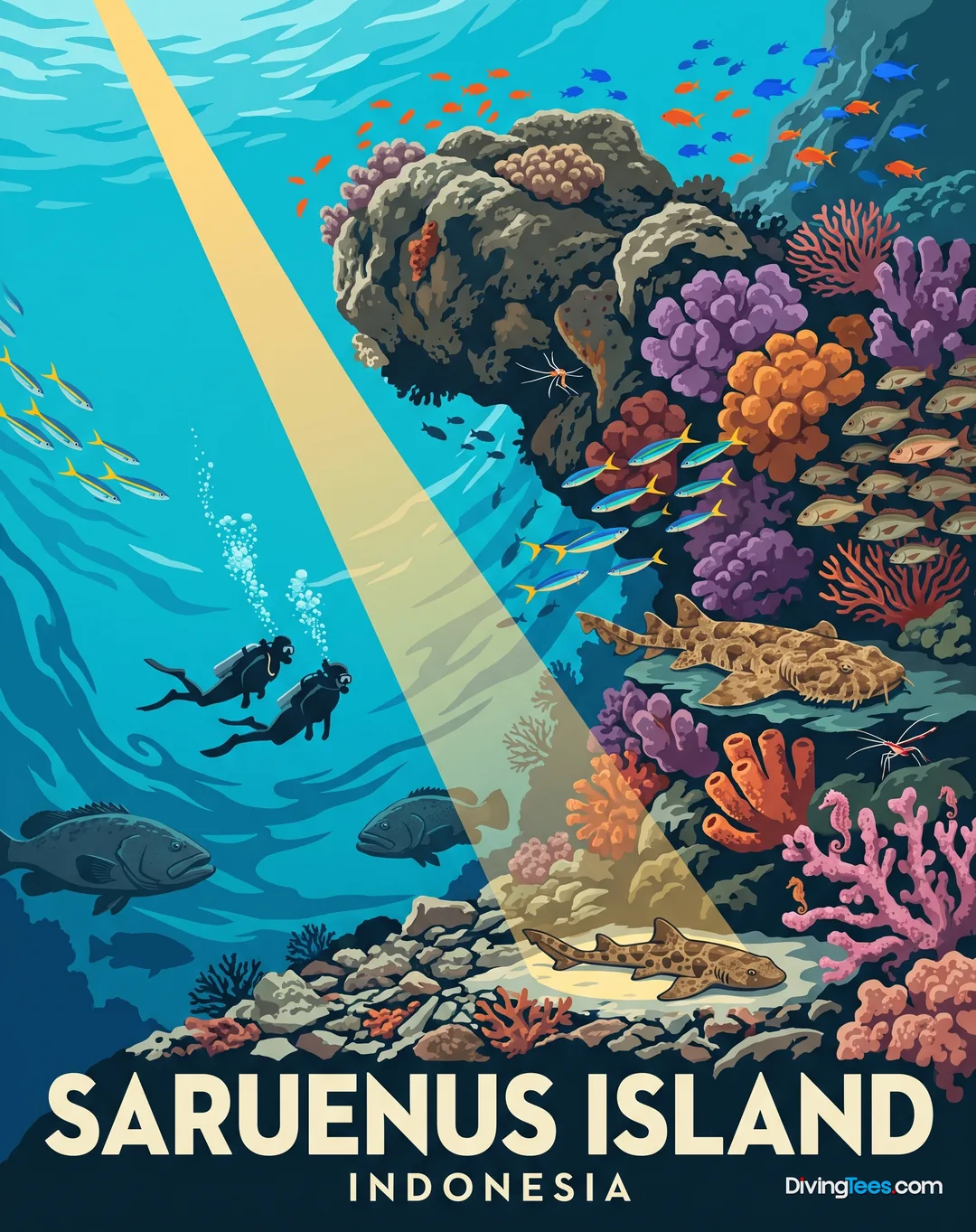
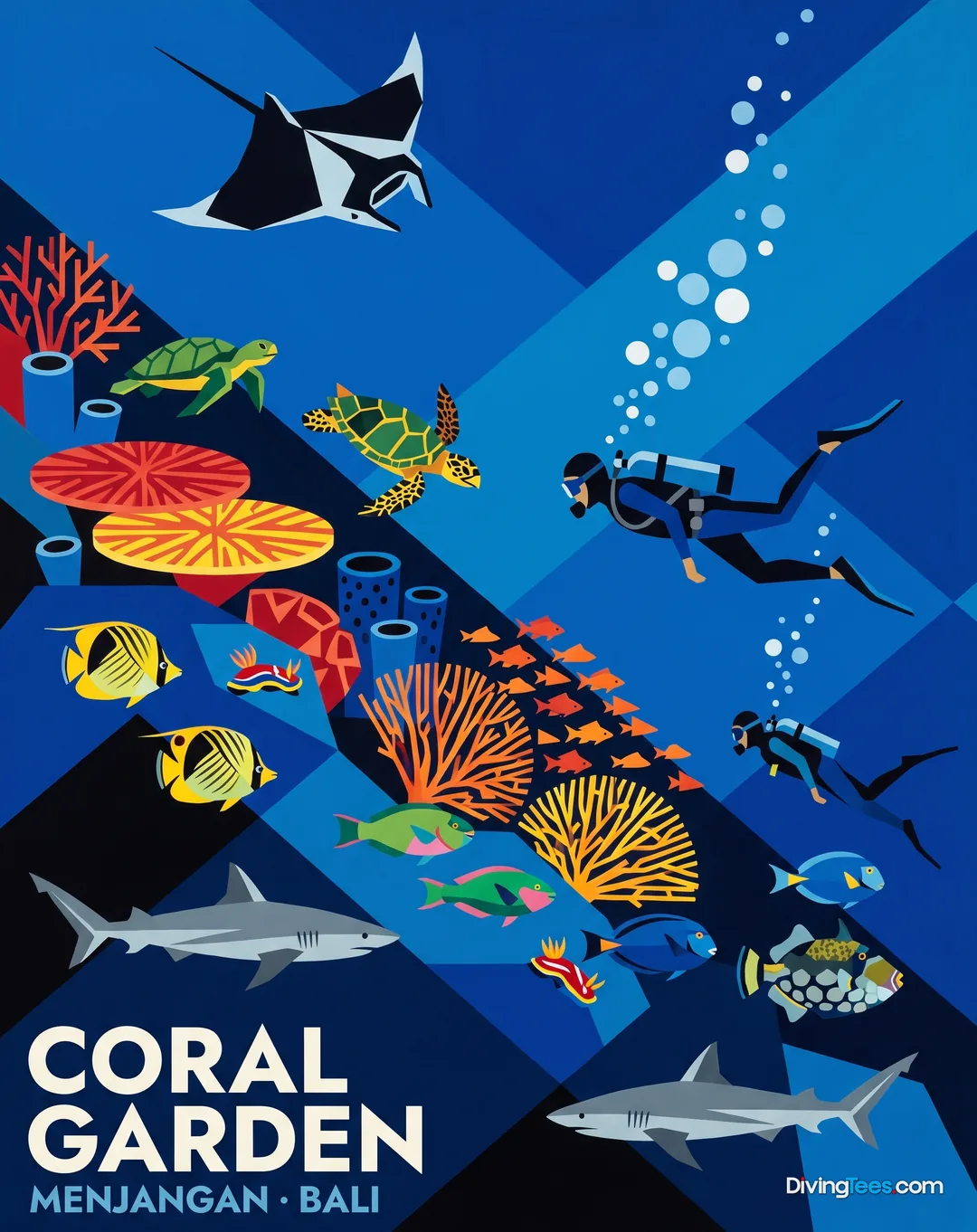
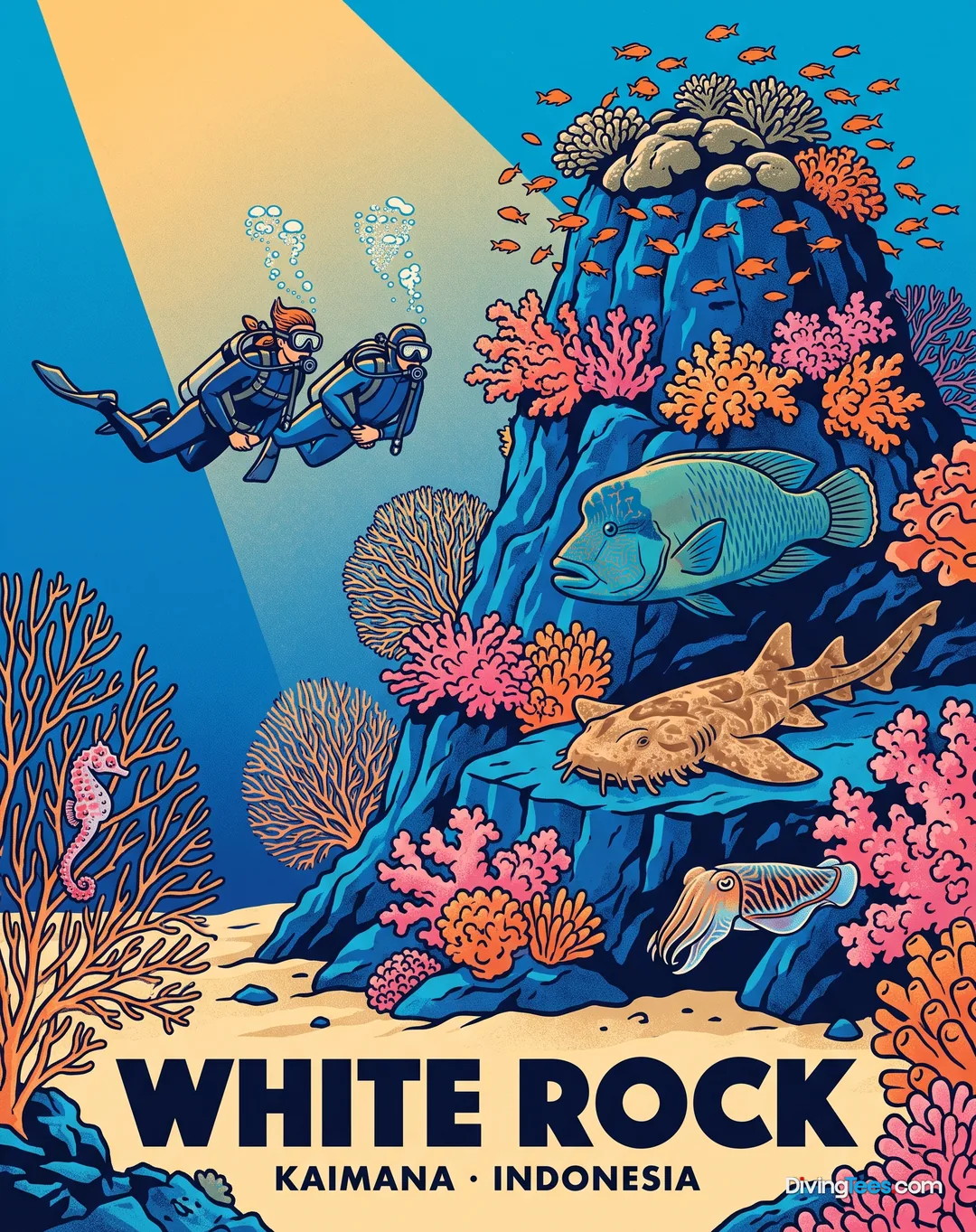
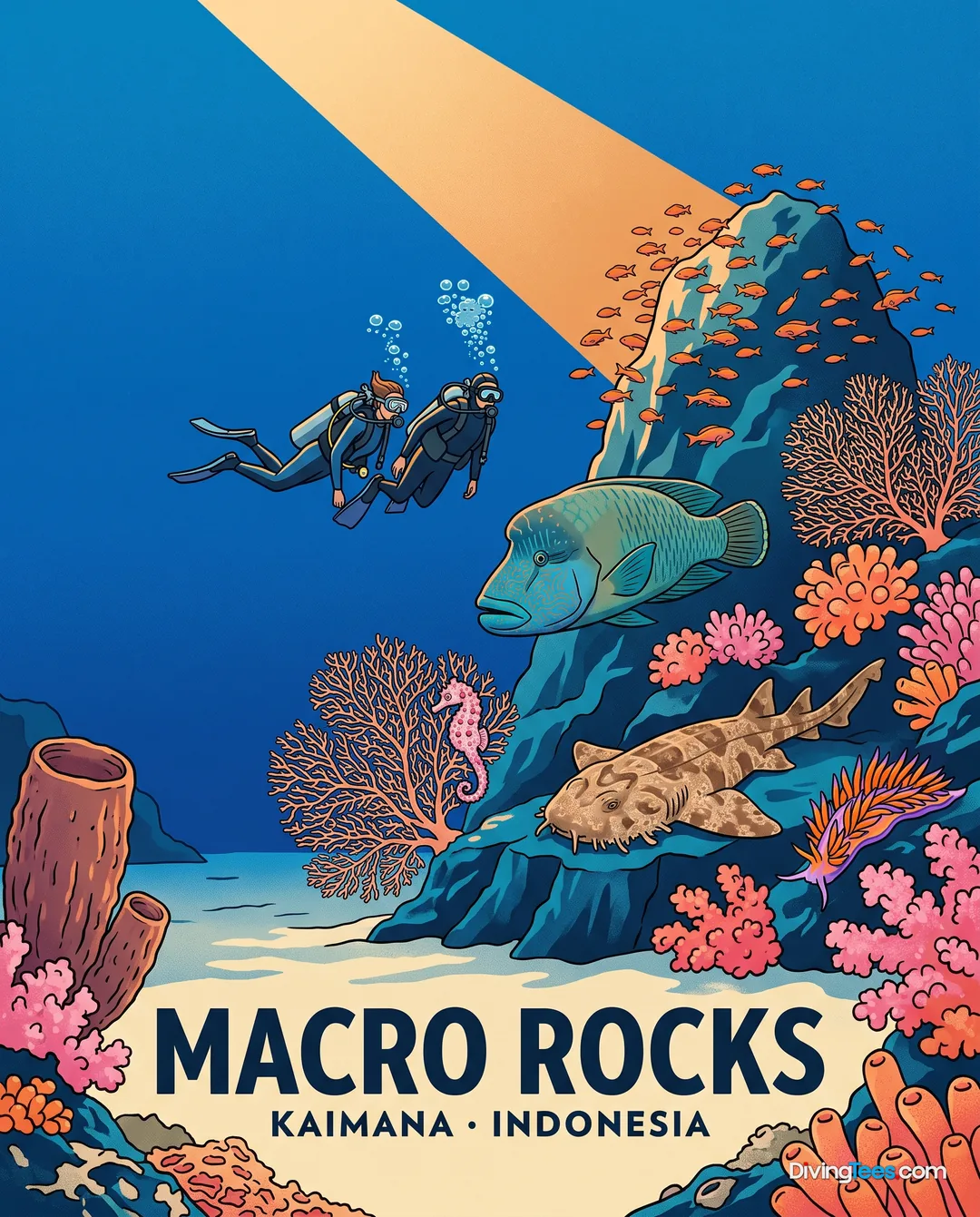
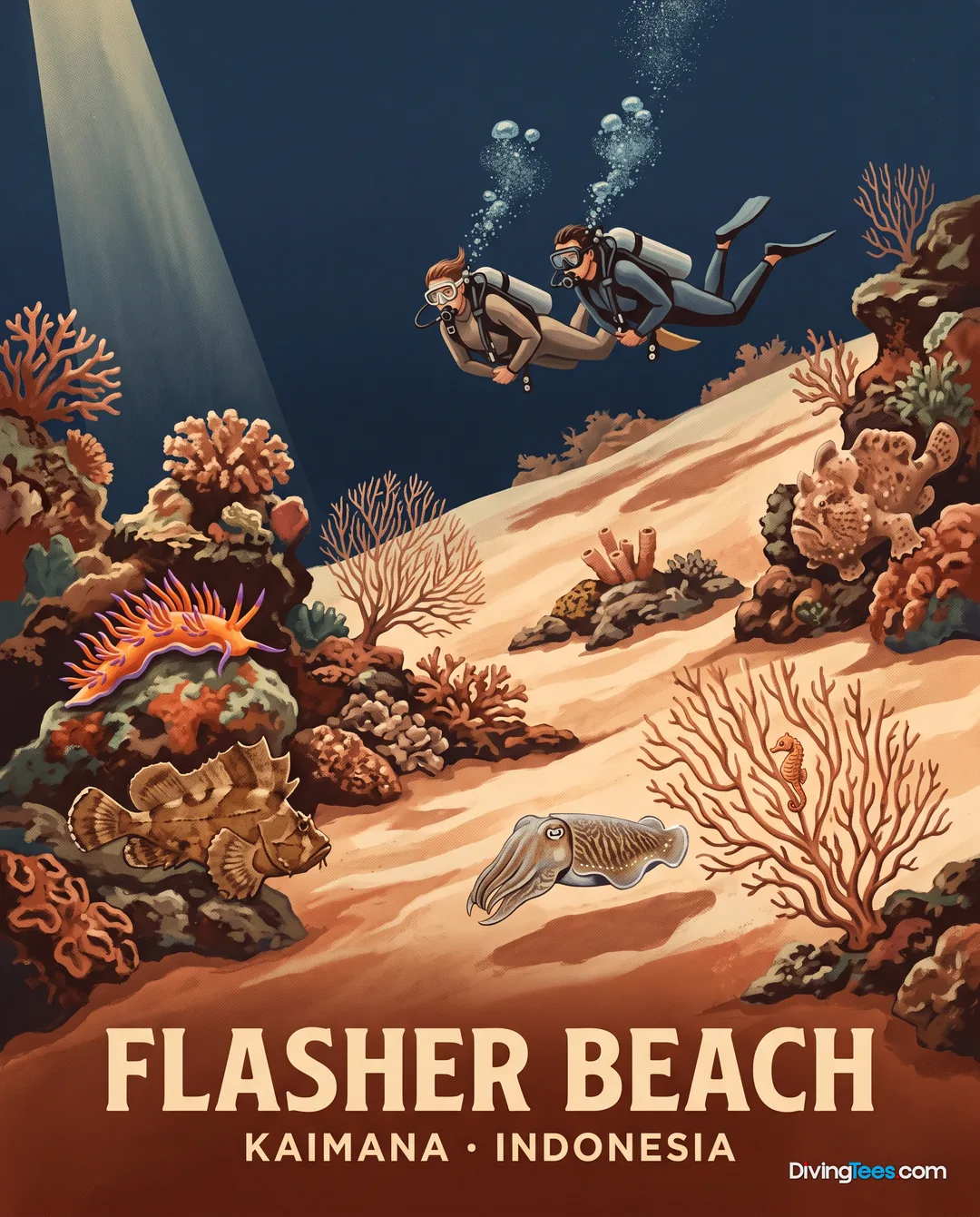
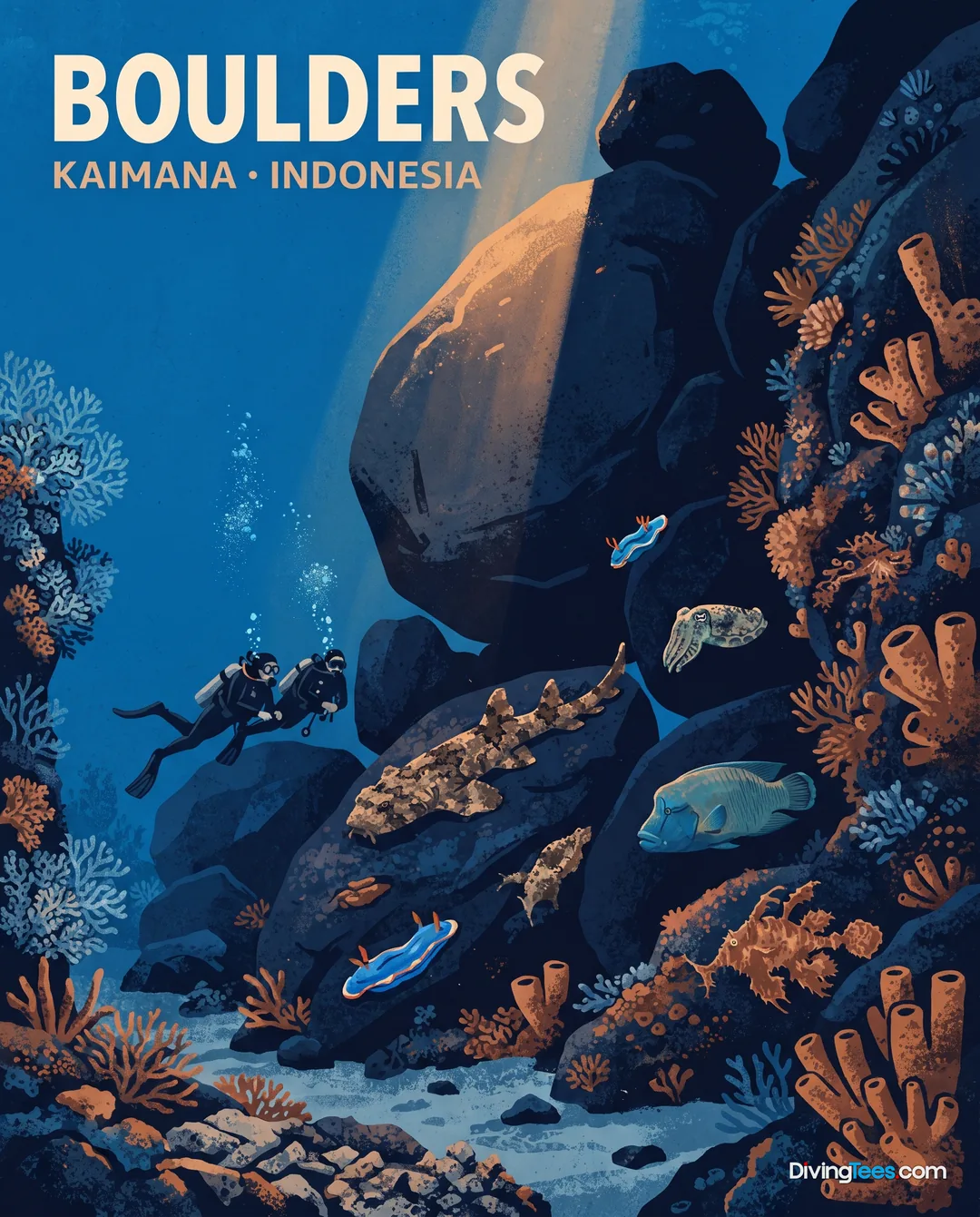
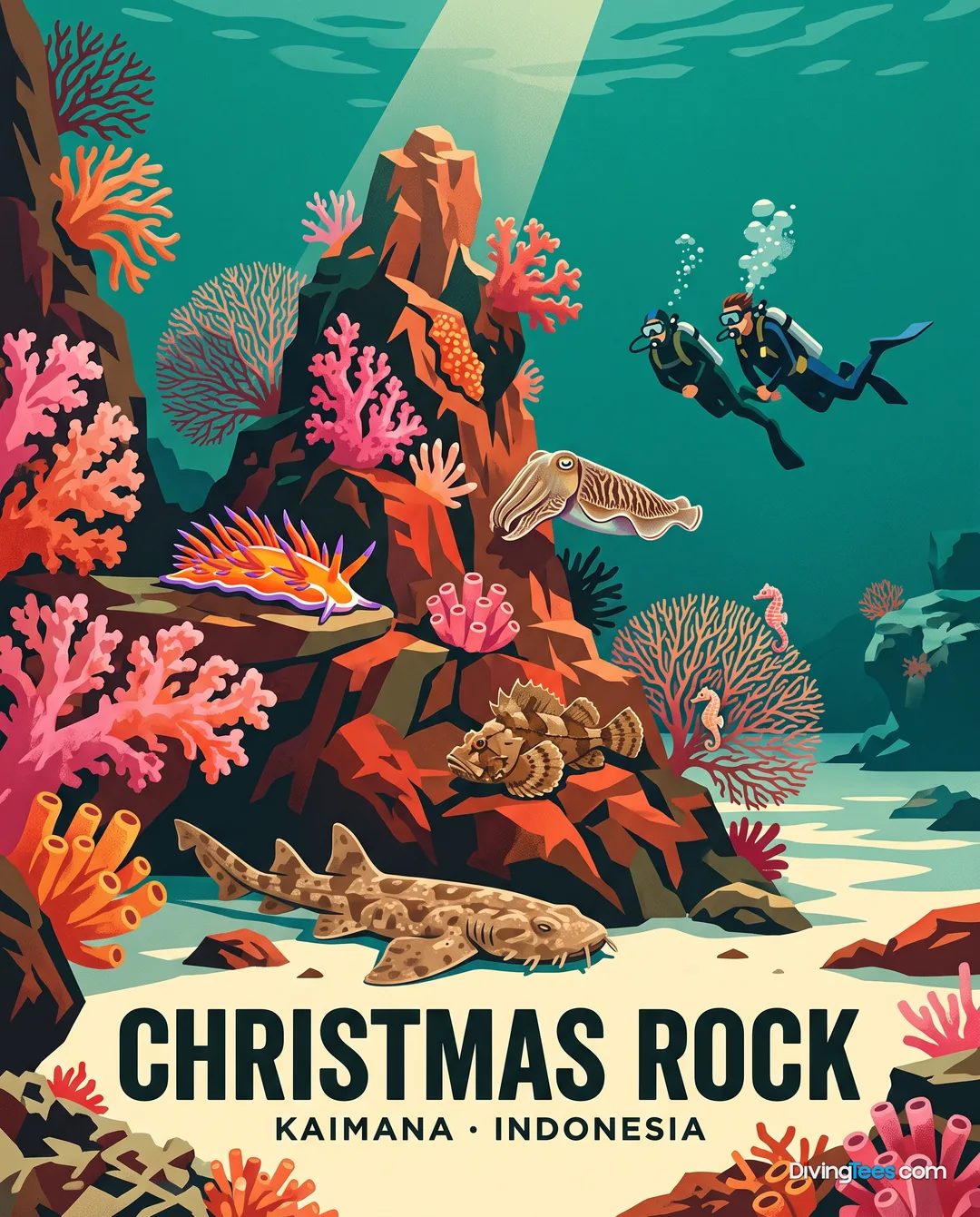
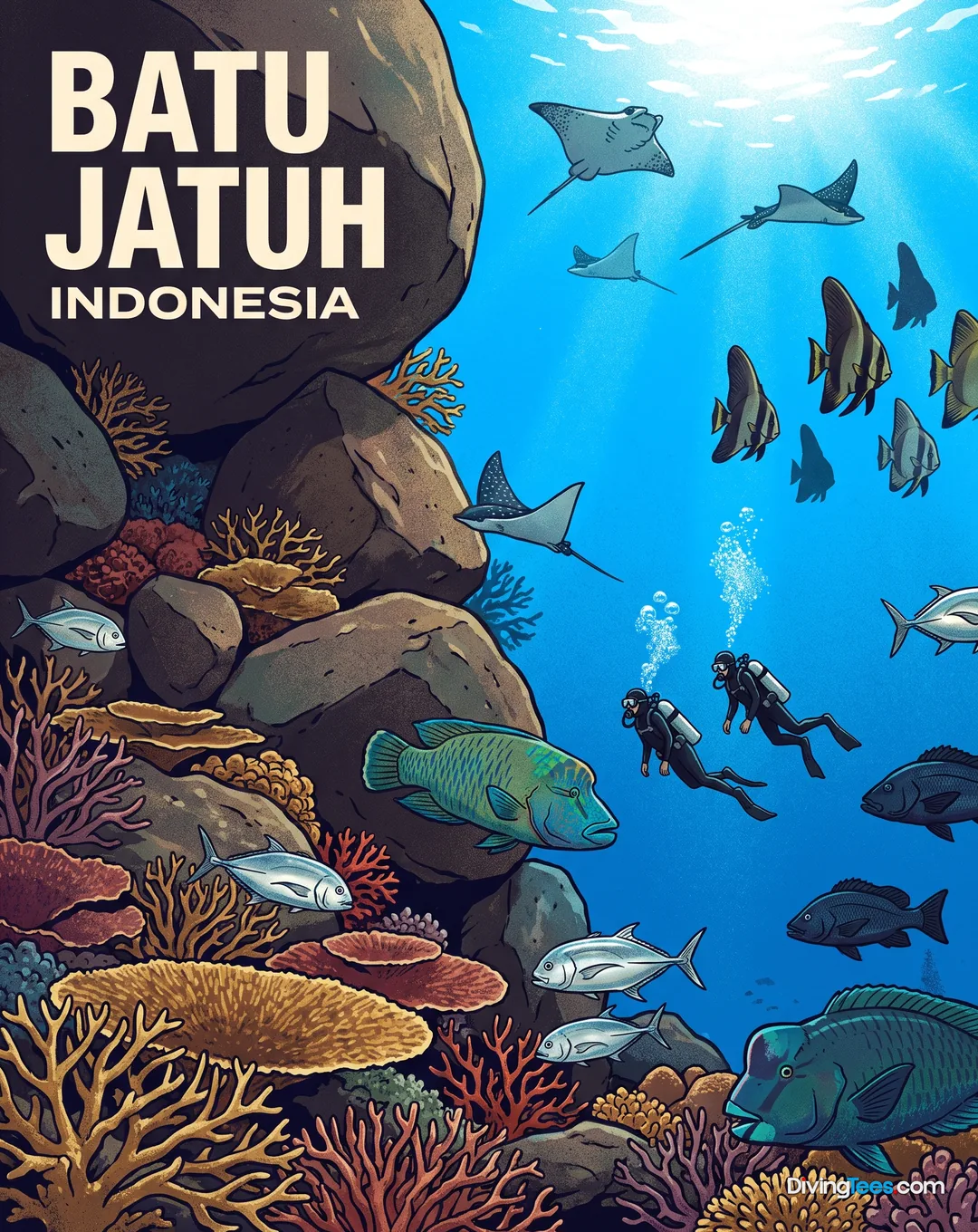
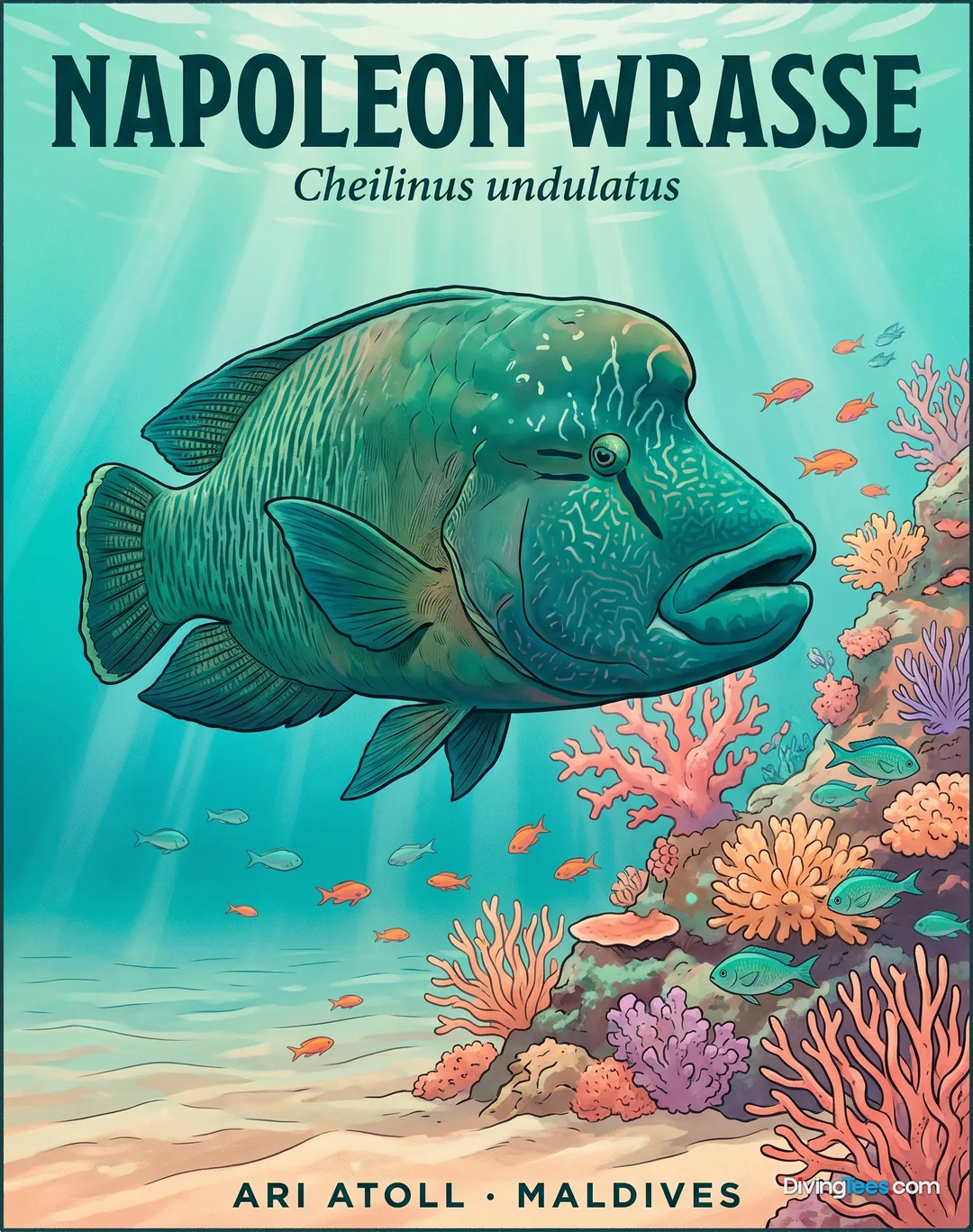
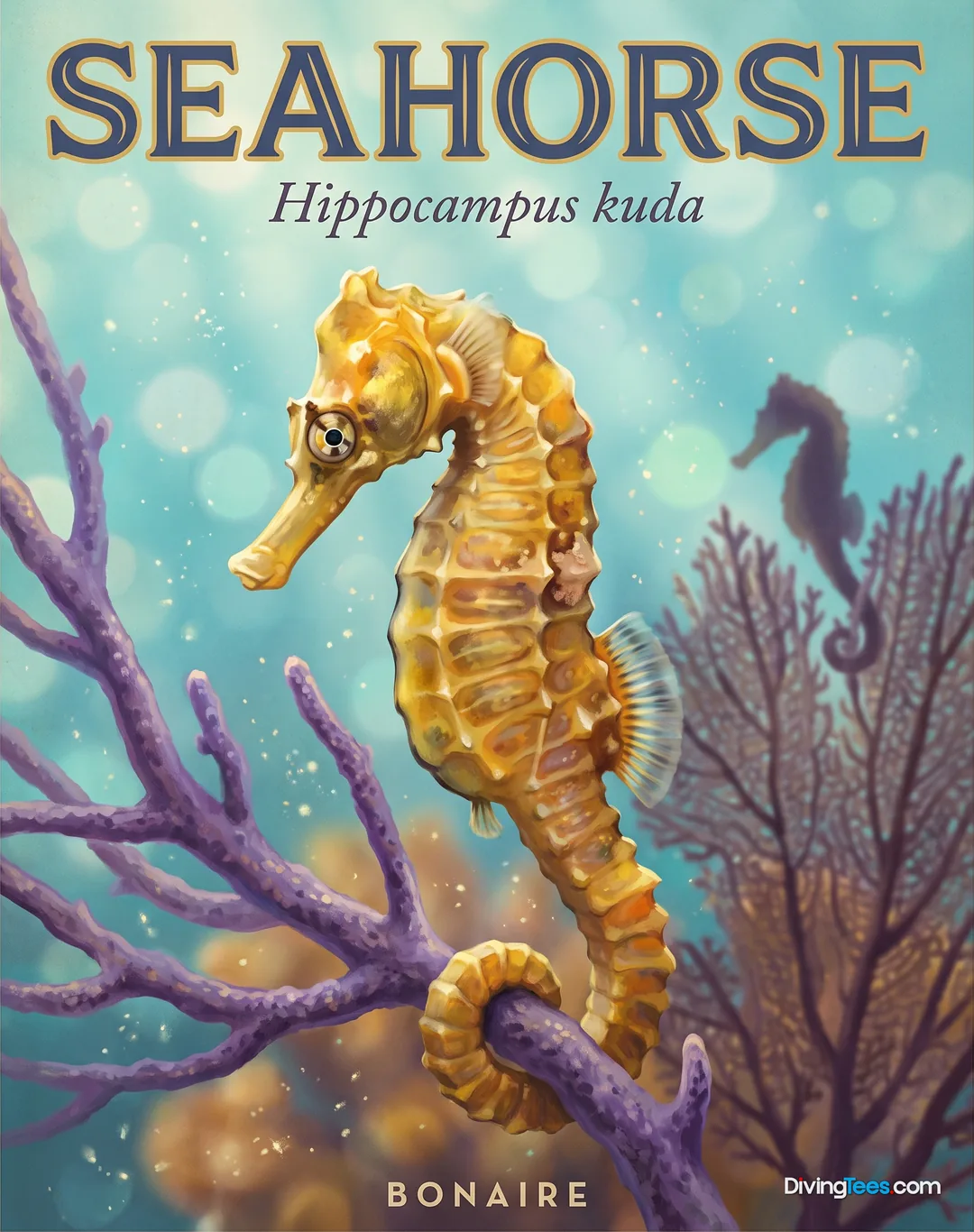
The Raja Ampat sites begin with Manta Sandy, where reef manta rays gather around cleaning stations and can be watched by divers or snorkelers. At Mike's Point, overhangs carry soft corals and sweetlips, while the flat plateau can bring eagle rays past at a maximum depth of -40m. Cape Kri is known for dense fish life, including large schools, Napoleon wrasse and reef sharks; Melissa's Garden combines soft corals with staghorn formations down to -35m. Blue Magic adds schooling fish, wobbegongs and possible oceanic mantas. The Kaimana section changes scale and pace. Saruenus Island is a current-driven drift over soft-coral gardens, with the possibility of wobbegongs, giant groupers and pygmy seahorses. Bo's Rainbow reaches -16m, White Rock -14m and Macro Rocks -20m, with coral slopes and macro life. Flasher Beach reaches -20m and is visited for flasher wrasse displays, including the endemic P. Nursalim. Boulders, Christmas Rock, Andy's Point and Batu Jatuh bring boulders, sea fans, schooling fish, barracudas, rays and mantas. Recorded trips include 12-day, 11-night Raja Ampat round trips from Sorong, Misool and Triton Bay from Sorong to Kaimana, Triton Bay and East Banda from Saumlaki to Kaimana, and Forgotten Islands from Maumere to Saumlaki.
What you’ll meet underwater
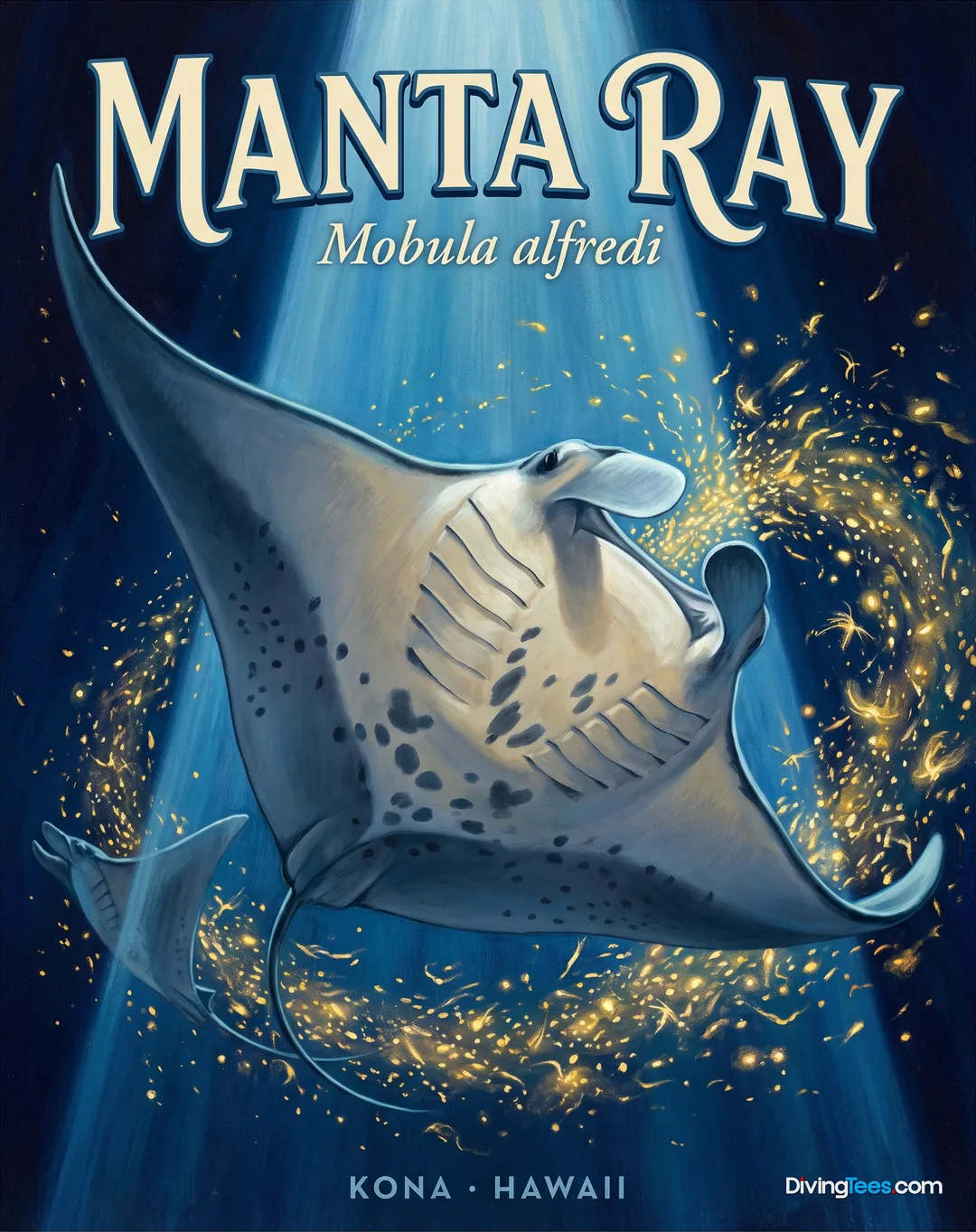
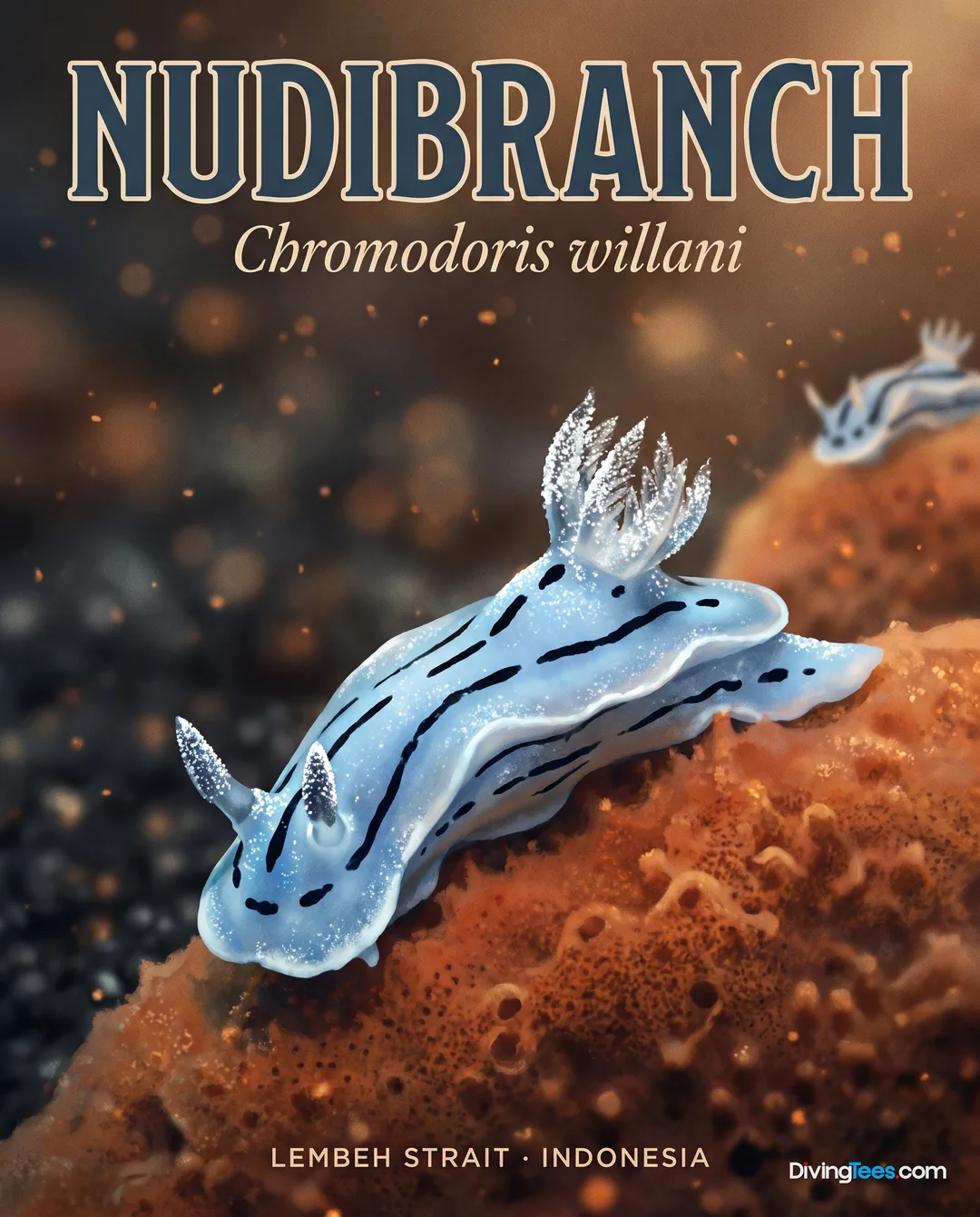
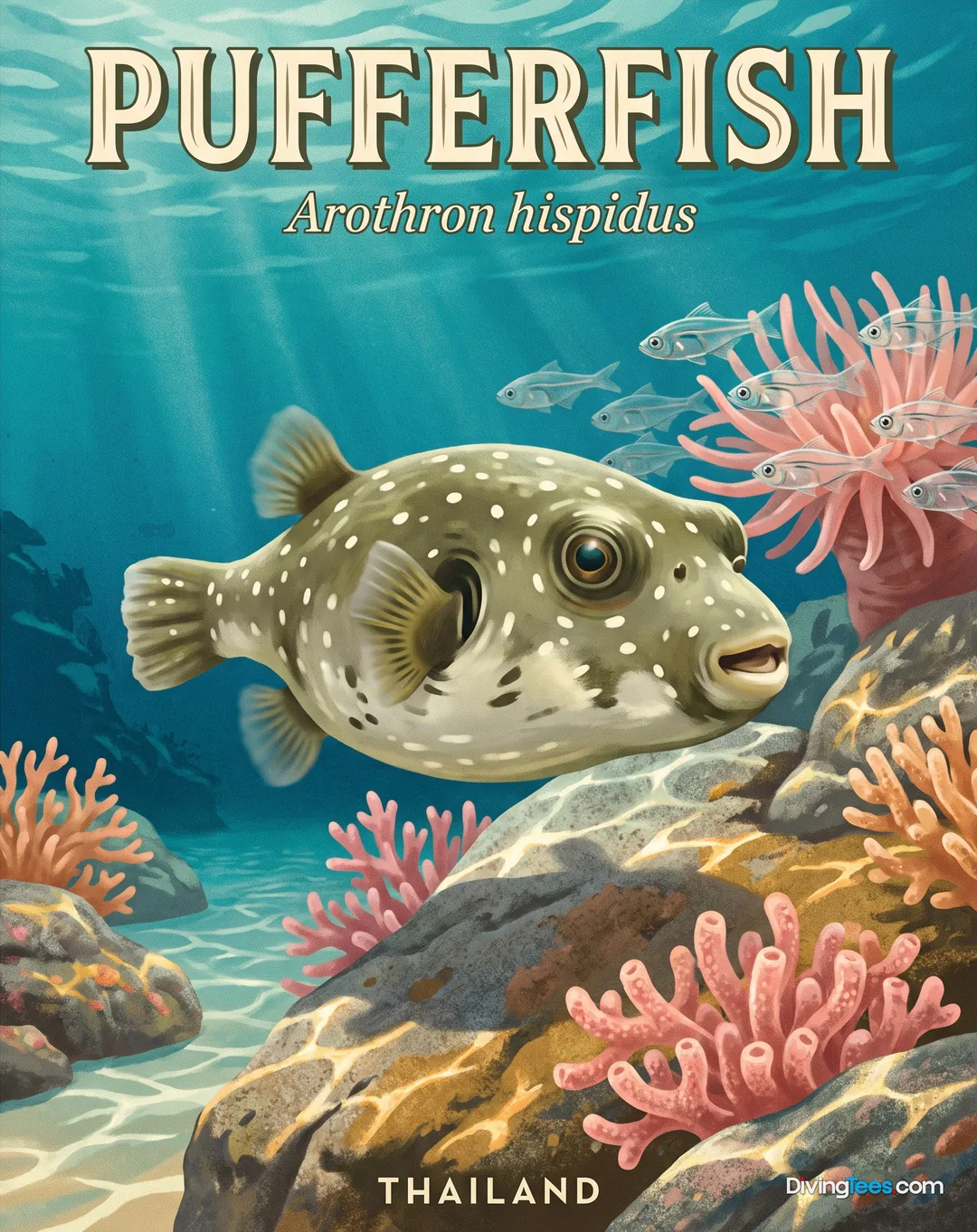
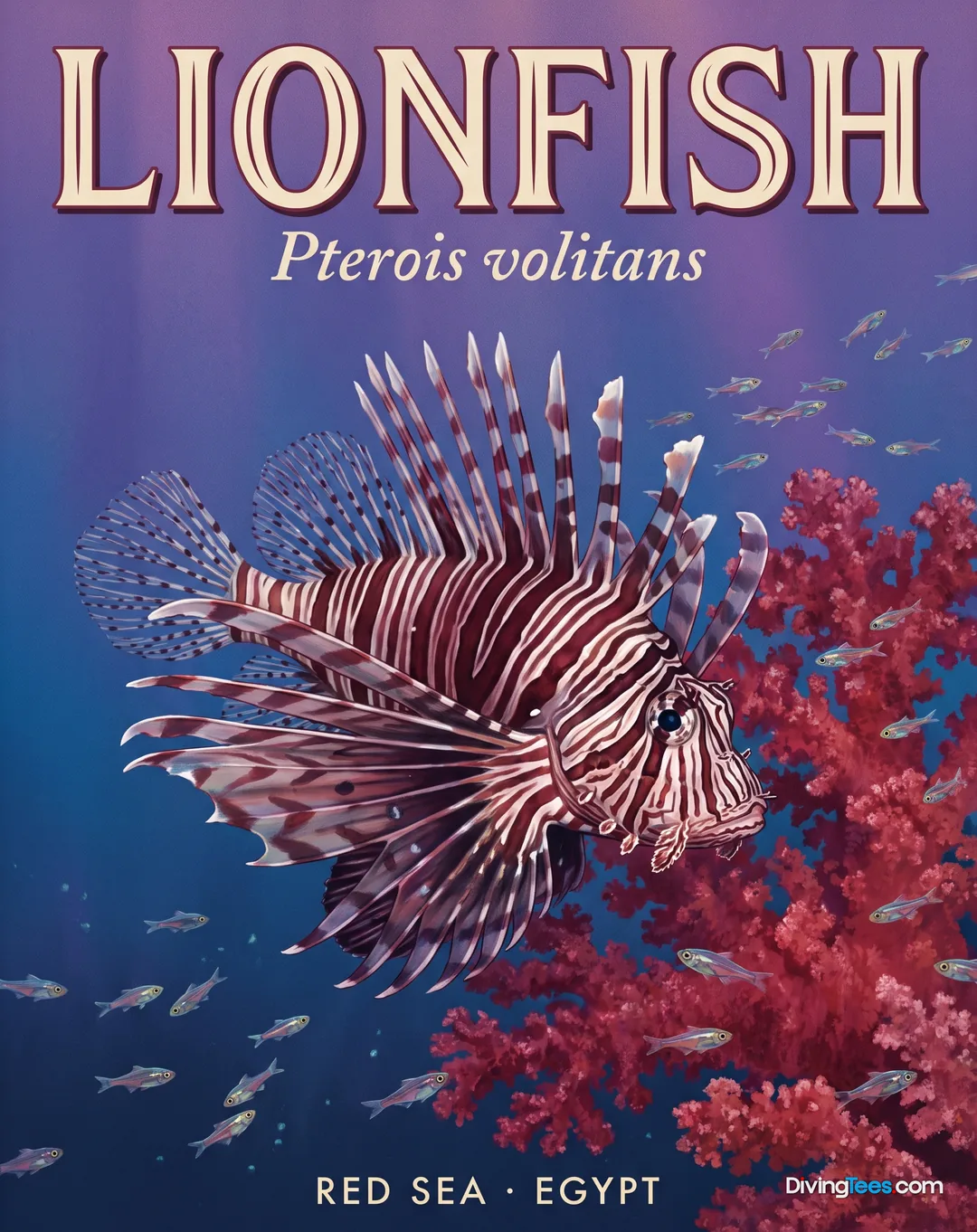
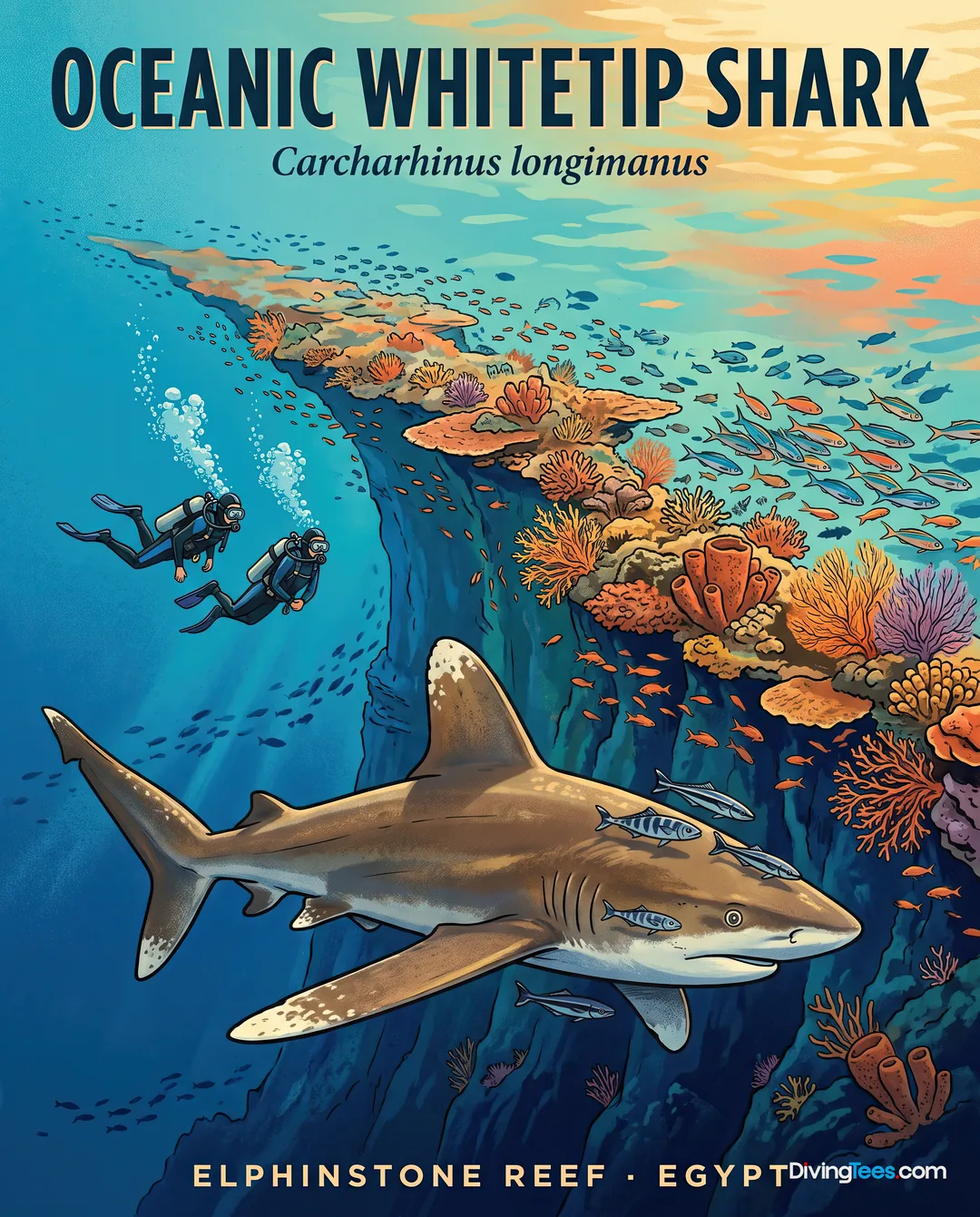
Across the route, the recurring cast is made up of nudibranchs, fusiliers, pygmy seahorses, groupers, Napoleon wrasse, manta rays, trevallies, sweetlips, humphead parrotfish and snappers. The reef can shift from tiny detail to moving walls of fish within the same day. The site-specific encounters are what give the itinerary its sharp edges: White Rock is the place listed for frogfish, Boulders for glassfish, moray eels, pufferfish and lionfish, and Batu Jatuh for batfish. Christmas Rock is associated with surgeonfish and rays, while Saruenus Island can produce the unusual castagnole recorded there. Cape Kri is the named site for whitetip reef sharks. Blue Magic is the route's distinct chance for oceanic whitetip sharks and tuna, alongside oceanic mantas. At Manta Sandy, the reason to stay still is the cleaning station, where reef mantas may hover close enough for the interaction to unfold rather than flash past. Strong currents at Andy's Point and Saruenus Island are also what bring larger fish into the scene.
Who puts you in the water
Four professional dive guides organise the diving, with a maximum ratio of four divers to one guide. The required entry level is AOWD or equivalent, with at least 30 logged dives; that requirement makes sense on routes where current, tender procedures and repeated entries demand more than basic certification. Before each departure, the guide gives a site-specific briefing covering the nature of the dive. The group then travels by tender to the reef, with radio communication available from the boat. ENOS beacons provide an electronic locating and emergency system for divers, particularly useful in current-prone water. Nitrox courses are available on board for an extra charge, while Nitrox itself is included for appropriately certified divers. The crew languages are English, German and Indonesian. The operation is not set up for technical diving, so divers planning decompression or mixed-gas work should choose a different boat.
The dive deck and the gear
The dive deck is the strongest reason to choose Amira. Each diver has a personal station where the equipment remains mounted for the cruise, and tanks are filled there with air or Nitrox. The included tanks are 12-litre; 15-litre tanks and rental equipment cost extra. Two redundant L&W compressors handle air, while a membrane Nitrox compressor supplies Nitrox free to divers with the appropriate certification. DIN adaptors are available, and warm-water showers, rinse tanks and storage keep the return from the water orderly. Photographers have a dedicated camera room with charging stations, special equipment storage, separate camera rinse tanks and a long workbench directly accessible from the dive deck. Three custom aluminium speedboats take divers to the sites. They are equipped with radio transmission systems, and each diver can use an ENOS GPS beacon supplied by Amira. Technical diving is not supported.
Between dives
Between dives, Amira gives divers several different ways to disappear for an hour. The covered outdoor lounge and restaurant provide shade close to the dive deck, while the indoor lounge holds a fish-identification library and other books beside the briefing space. The front deck has loungers under a sun sail, and the upper deck offers a quieter place to watch the islands pass. On the sun deck, open space and shade make it possible to choose between lying down, drying off or simply staying outside without blocking the working areas. Crossings are part of the route, and the boat's separate decks matter then: a diver can follow the sea from the rail, retreat indoors with a book, or remain near the camera room while footage is checked. The best use of the gap is often practical—eat, rinse, dry, and be ready when the next briefing begins.
A day on board
A normal diving day is built around four entries: three in daylight and one night dive, with the first briefing setting the terms for the site rather than simply announcing a departure. The day starts early enough for the first dive, then moves through breakfast, a surface interval and the next water entry. Lunch comes between dives, with snacks and drinks available when a full meal is not what the body wants. After the afternoon dive, there is time to rinse gear, check photographs, rest in the shade or watch the boat move toward the next anchorage. The night dive follows the day's surface activity and turns the same reef into a different search: nudibranchs, crustaceans and nocturnal movement replace the daylight schools. Arrival and departure days, long crossings and poor weather can reduce the number of dives. On the final day, the included programme is two dives rather than the usual four.
What you eat aboard
Meals cover Western and Indonesian food, served buffet-style, with options for dietary restrictions. Food is generally served in the outdoor restaurant when conditions allow, with the indoor restaurant available when the weather turns. The table matters because diving sets the clock: breakfast follows the first water time, more food appears between dives, and dinner closes the day after the last return. Soft drinks, snacks and alcoholic drinks are available on board, while canned and bottled drinks are not part of the standard service. Local food gives the route some connection to the islands beyond the reef, but the choice is broad enough for divers who want familiar food after several dives. There is no need for a long formal meal between water entries; the buffet format lets each diver eat, hydrate and get back to the next briefing without stretching the surface interval.
Nights at sea
The cabins are simple, private rooms rather than oversized hotel suites. Double and twin cabins can be arranged for the two people travelling together, while two single cabins give solo divers their own space. Every cabin has an en-suite bathroom with hot and cold water, individually controlled air-conditioning, a fan and a mini-safe; lower-deck cabins also have three portholes, while upper-deck cabins have several windows and a higher view. The difference between decks is felt more in light and outlook than in the basic facilities. After a night dive, the useful detail is the ability to close the door, cool the room and put wet kit back into the dive system instead of the cabin. Above, the sun deck has loungers, bean bags, deck chairs and shade. The vessel is wooden, but the sleeping arrangements are modern enough for a week of repeated early starts.
Double/Twin Cabin
Single Cabin (#11)
Single Cabin (# 12)
What to know before boarding
Raja Ampat trips depart from and return to the port of Sorong. Other recorded routes run from Sorong to Kaimana, Saumlaki to Kaimana, or Maumere to Saumlaki, depending on the itinerary. Scheduled group transfers between the airport or a local hotel and the boat are included. Arriving the night before gives the transfer and boarding plan room to absorb delays.
What the boat does for the ocean
Amira sources food and other onboard supplies locally where possible and does not import meat products. The boat reduces disposable plastic, limits unnecessary use of machines, engines and fuel, and works to prevent oil spills. Its sustainability programme supports local suppliers and conservation organisations, including the Misool Foundation and the Bruno Manser Fund. Since 2024, Amira has financed a tree nursery in Borneo, including the planting and care of 2,500 seedlings, with a longer-term target of 5,000 seedlings. The project is intended to restore rainforest, support biodiversity and provide local livelihoods. Guests can also contribute toward offsetting their flight emissions through the tree nursery project.
- Year built
- 2010
- Year renovated
- 2023
- Length
- 52 m
- Beam
- 12 m
- Maximum number of passengers
- 20
- Number of cabins
- 11
- Engines
- 1 × 650 hp Mitsubishi Marine Turbo Diesel; 2 × 310 hp Marine Turbo Diesel
- Tenders
- 3 custom-made aluminium speedboats
- Website
- amira-indonesia.com ↗
Hello, I'm Marina, DivingDeal.com's AI assistant. I answer in detail about hotels, dive centres and liveaboards.

Thinking about the whole trip and the flights? Talk it over with Edith →
Marina is an AI. Some links are affiliate links: DivingDeal may earn a commission, at no extra cost to you. Bookings are made with the partner.